REVIEW · KATHMANDU
Kathmandu: Women-Led Cooking Class & Momo Making-Local Taste
Book on GetYourGuide →Operated by Relax Getaways Pvt. Ltd · Bookable on GetYourGuide
Momo dough and dumpling folds are the real magic. This women-led Kathmandu class pairs a quick market stop with hands-on cooking for Nepali favorites like dal bhat and momo.
I especially like the small group feel and the step-by-step coaching that keeps the kitchen from feeling chaotic. I also like that you’re not just watching; you’re buying ingredients and then eating what you make. One thing to consider: if momo folding is tough for you, the class pace can feel a bit strict.
You’ll leave with full hands and full stomach. You learn flavors, not just recipes, from spices in the market to the comfort of lentil soup over rice. The menu options also let you choose vegetarian or meat dishes depending on what you want that day. If you’re hoping for lots of photos, plan for extra fees since professional photography/video isn’t included.
In This Review
- Quick hits before you book
- Women-led Kathmandu cooking class: why it’s such good value
- Market tour in Kathmandu: shopping for spices like you mean it
- Menu sets: choose your mix of dal bhat, momo, Newari snacks, and sweets
- The dishes you’ll likely cook (and why they matter)
- Inside the kitchen: what the 2–3 hours feels like
- Momo making: the part that can test your patience
- Dal bhat: comfort food with a repeatable rhythm
- Masala tea, Bara, and the snack-and-sweet rhythm of Nepal
- Price, logistics, and what it’s like with only 8 people
- Duration: 2–3 hours means you’ll actually finish
- Who should book this Kathmandu momo and dal bhat class
- Practical tips to get the best results
- Should you book it?
- FAQ
- Where is the workshop location in Kathmandu?
- How long is the cooking class?
- How much does it cost?
- What do I cook in the class?
- Are there vegetarian options?
- Is the class taught in English?
- How big is the group?
- Does the price include ingredients and a market tour?
- Is Nepali masala tea included?
- Are photos or video included?
- Who is the class for age-wise?
Quick hits before you book
- Market/shop tour for the exact ingredients you’ll cook with, including vegetables, spices, and meat (when you choose meat options)
- Momo making hands-on, with enough focus on technique to actually understand what’s going on
- Real Nepali meal structure, usually including dal bhat and either momo or other classics depending on the menu set
- Masala tea and Bara as part of the experience, not an afterthought
- Small group of up to 8 so questions in English aren’t swallowed by a crowd
- Three menu sets so you can match the class to your taste, from Newari sweets to noodle soup
Women-led Kathmandu cooking class: why it’s such good value
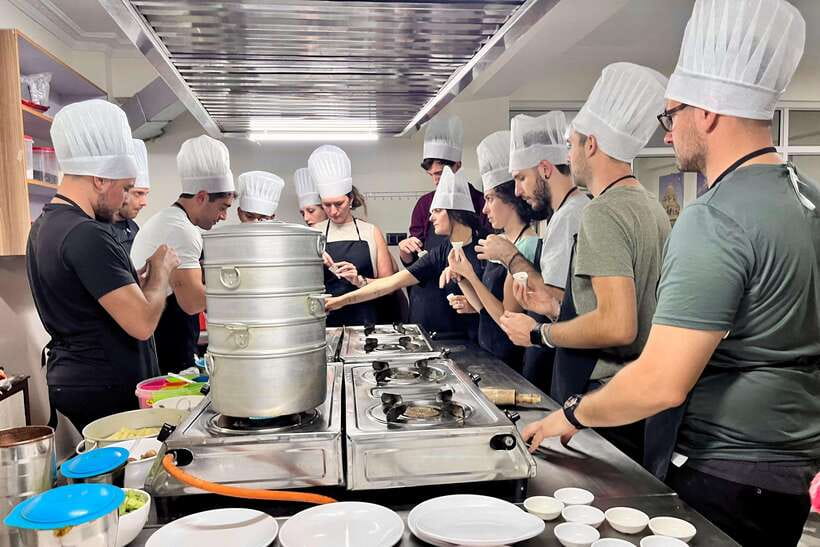
For around $11 per person and 2 to 3 hours, this is one of those Kathmandu activities that feels like a bargain because it includes more than a meal. You get a market-style shopping component, you get hands-on cooking time, and you get to sit down and eat what you made.
What you’re really paying for is the structure. Cooking classes can be hit or miss when they turn into a demo. Here, you’re doing the prep and working through techniques in a modern kitchen setup with local chefs. Since the group is capped at 8 participants, the “someone will help if you get stuck” factor is built in.
The women-led framing also matters. It’s not just a culinary ticket; it’s a chance to see Nepalese hospitality and food culture from a perspective that often gets overlooked in tourism.
You can also read our reviews of more cooking classes in Kathmandu
Market tour in Kathmandu: shopping for spices like you mean it
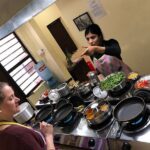
Before you cook, you tour local shops to pick up what you need. The lesson doesn’t start with a cutting board; it starts with ingredients. You’ll shop for vegetables, spices, and (if you choose meat) meat.
This part is valuable for two reasons. First, spices in Nepalese cooking aren’t decoration. They shape the whole taste of dal bhat, momo fillings, and noodle broths. Second, it gives you context. When you later smell the masala tea or taste your curry, you’ll know what you bought and why.
If you’re the type who wants to bring flavor home, this is where you get better at choosing. You’ll learn what to look for in the market rather than relying on packaged shortcuts.
Menu sets: choose your mix of dal bhat, momo, Newari snacks, and sweets
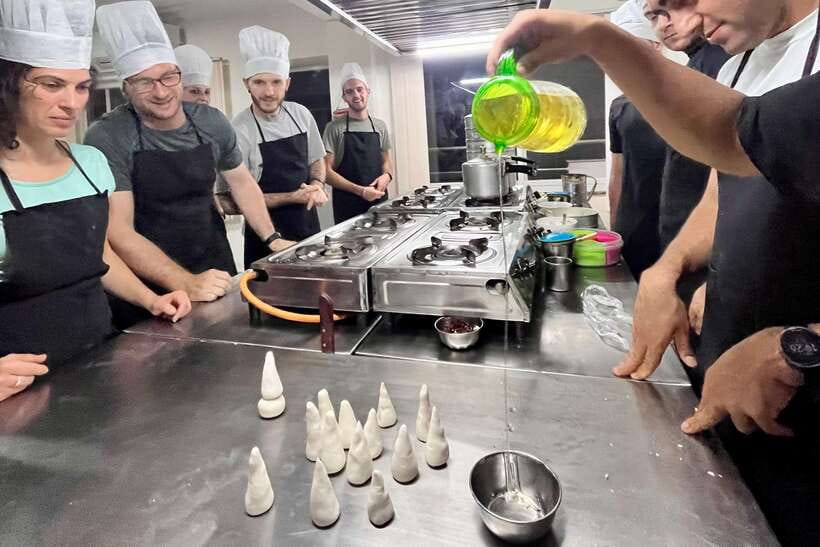
The class runs with three menu sets, and which dishes you get depends on the option offered that day. You can treat this like picking a theme for your Kathmandu food day: classics for comfort, Newari specialties for sweet-and-savory variety, or Tibetan-influenced noodles.
Here are the three menu sets:
- Menu 1: Bara / Dal Bhat / Yomari
- Menu 2: Chatamari / Momo / Kheer
- Menu 3: Aloo Chop / Thukpa / Carrot Halwa
Even if you see different combinations, the consistent core is Nepalese comfort food plus hands-on technique.
The dishes you’ll likely cook (and why they matter)
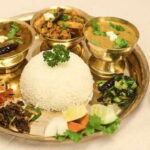
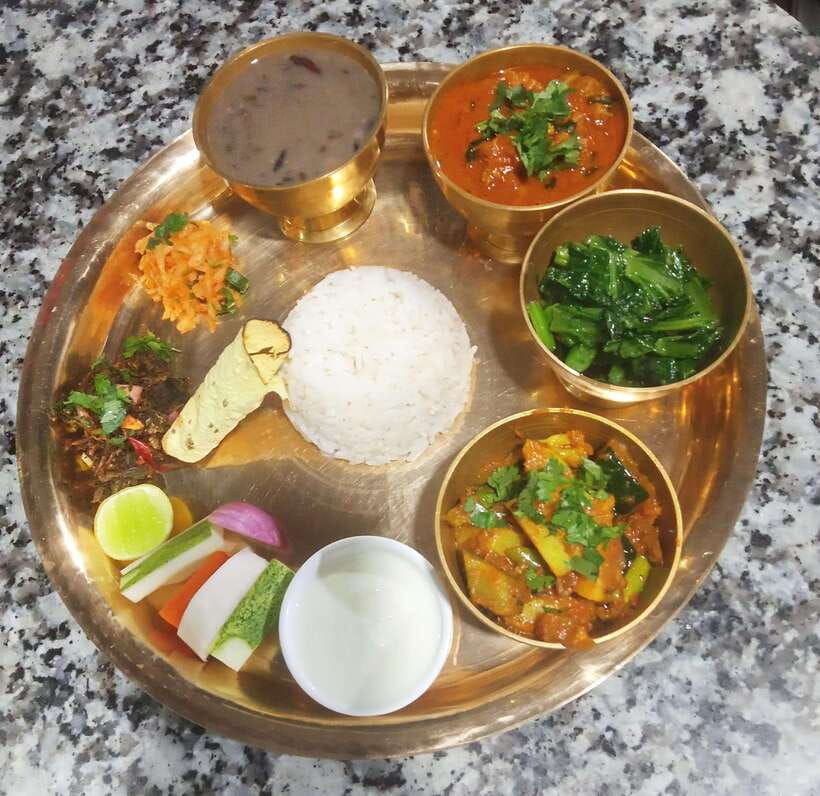
- Dal Bhat: rice with lentil soup (dal), often served with vegetables, pickles, and curry. It’s a daily staple across the region, not just a tourist dish.
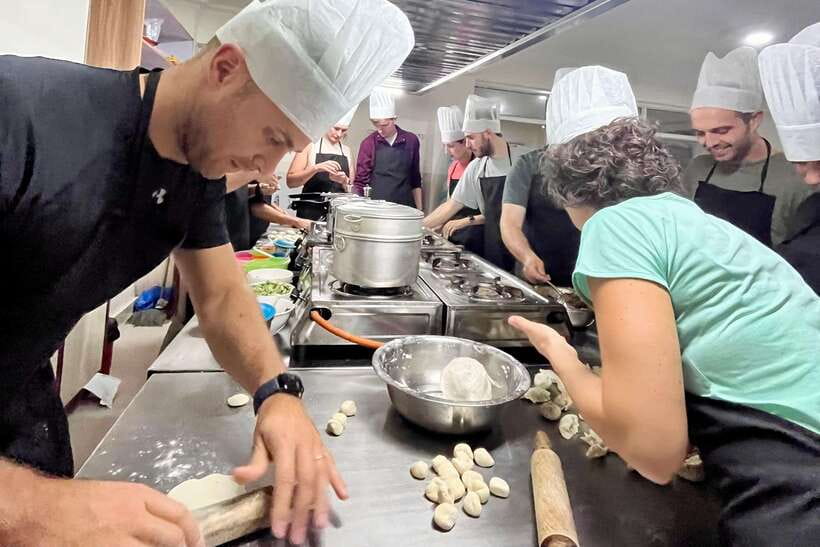
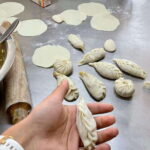
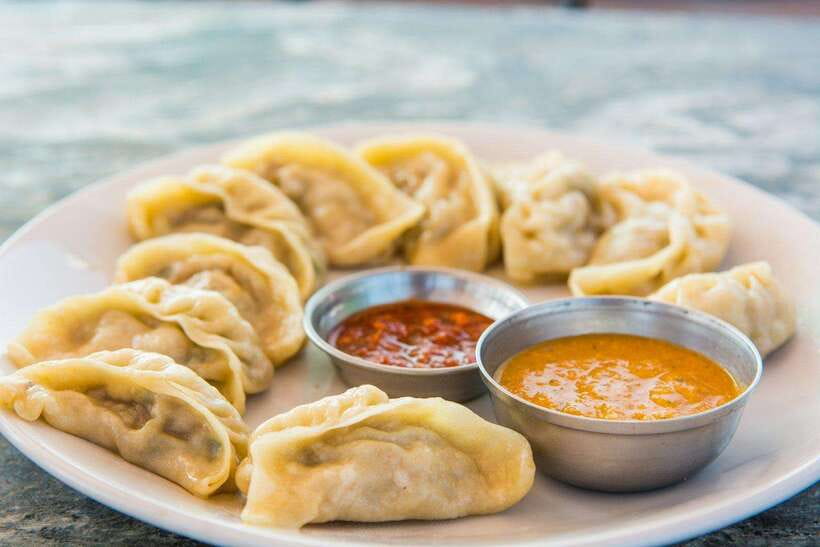
- Momo: dumplings with minced meat or vegetables. You’re not just tasting; you’re working dough and folding into dumpling shapes.
- Bara: a Nepali lentil pancake made from ground black gram (urad dal) batter with spices. Newari in style, and great for learning spice balance.
- Chatamari: a rice flour crepe often called a Nepali pizza, topped with egg, minced meat, vegetables, and spices.
- Yomari: Newari sweet dumpling made from rice flour dough filled with molasses (chaku) and sesame seeds (sometimes coconut).
- Kheer: rice pudding with milk, sugar, and cardamom, finished creamy with nuts and raisins.
- Aloo Chop: deep-fried spiced potato snack—crispy outside, soft inside.
- Thukpa: Tibetan-Nepali noodle soup with a flavorful broth, vegetables, and optional meat.
- Carrot Halwa: sweet carrot dessert cooked with milk, sugar, ghee, and cardamom, garnished with nuts and raisins.
Vegetarian and meat options are both part of the class experience, so you can choose based on your diet without the whole day becoming a compromise.
Inside the kitchen: what the 2–3 hours feels like
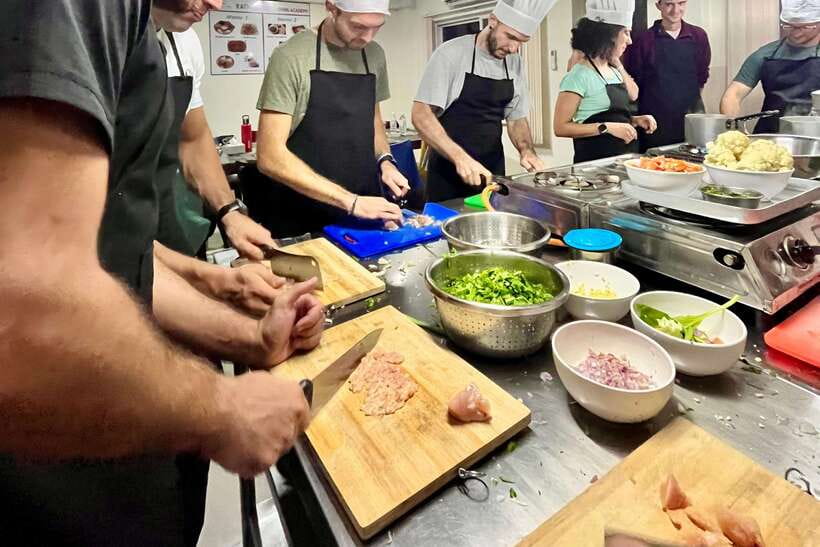
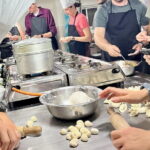
This is a structured, hands-on workshop. You arrive, get welcomed, and then you move through the workflow with an English-speaking local chef/instructor.
A typical flow looks like this:
- You learn ingredients and basics: what’s being used and how it behaves in cooking.
- You prep your components: dough, fillings, vegetables, spice blends, or batter, depending on the menu set.
- You cook and adjust: you learn technique, then you taste and refine.
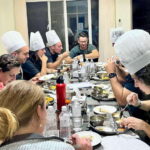
- You sit down to eat your results, with a tasting session built in.
You can also read our reviews of more tours and experiences in Kathmandu

Momo making: the part that can test your patience
Momo is the headline for most people. It’s also the step that separates “fun cooking” from “why is this folding so hard?”
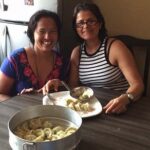
One review noted that the chef seemed irritated when guests struggled with the folding technique, and that someone felt they weren’t having fun. That tells me one practical thing: go in ready to be a beginner at dumpling folding. If you keep your focus on learning the steps and ask for clarification early, you’ll get the best experience.
Also, expect that you’ll make as many momo as you can eat. That’s a nice bonus because it turns momo from a single tasting portion into a real skill-builder.
Dal bhat: comfort food with a repeatable rhythm
Dal bhat is simple on paper, but it’s not boring in practice. You’ll learn how rice and lentils fit together and how Nepalese curries, pickles, and vegetables change the flavor in each bite. It’s the kind of meal you can recreate later because the structure is clear.
Masala tea, Bara, and the snack-and-sweet rhythm of Nepal
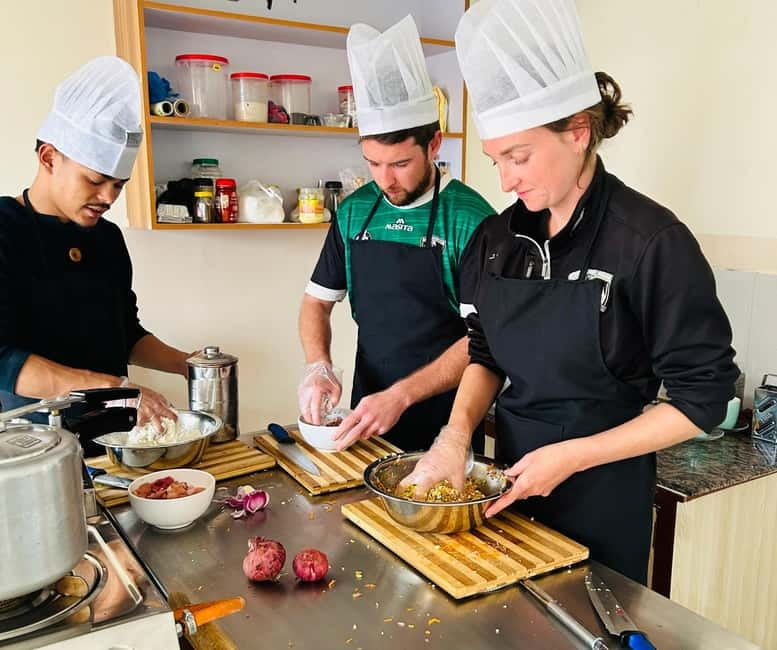
Even before your full meal lands, the experience is flavored by Nepalese staples.
You’ll have Nepali masala tea during the lesson. It’s black tea blended with aromatic spices, so it tastes warm and spiced rather than just tea-forward. It’s a good palate reset between cooking steps.
You’ll also encounter Bara, a lentil-based snack/pancake. It’s crisp and satisfying, and it helps you understand how lentils take spice—especially if you haven’t cooked with urad dal before.
And because the menu sets include options like Yomari, Kheer, and Carrot Halwa, you’re not stuck with only savory dishes. Nepalese sweets often use cardamom and nutty finishing touches, and this class puts that in your hands instead of saving it for dessert somewhere else.
Price, logistics, and what it’s like with only 8 people
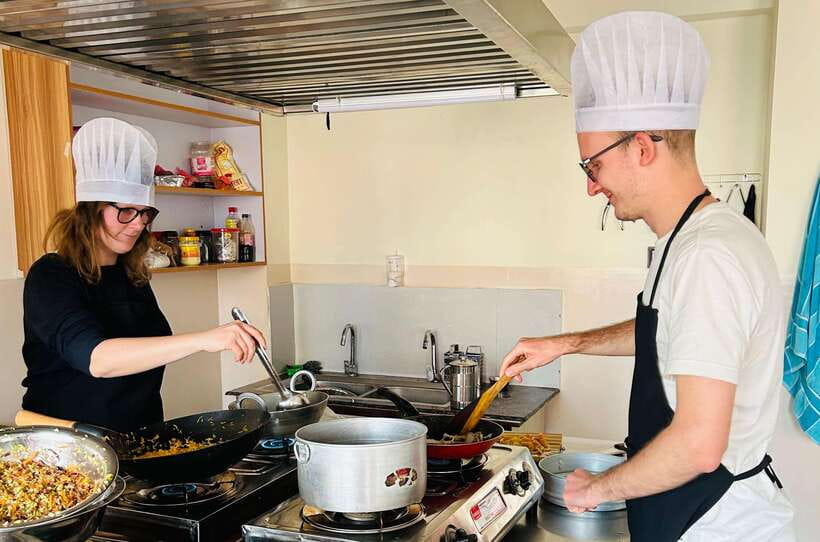
This class is small-group with a maximum of 8 participants, and that’s not just a comfort detail. It directly affects your time with the chef. In a smaller group, you can ask questions about dough texture, spice amounts, or cooking timing without feeling rushed.
The location is also practical: the workshop is easily accessible from Thamel and the wider Kathmandu Valley, which matters in a city where travel time can change fast depending on your start point.
Duration: 2–3 hours means you’ll actually finish
At 2 to 3 hours, you’re not signing up for a half-day commitment. It’s enough time to learn technique and taste your food, without dragging into late evening.
If you’re tight on schedule, this is a strong midday or early evening option—especially if you want a food-focused activity that doesn’t rely on a long commute.
Who should book this Kathmandu momo and dal bhat class
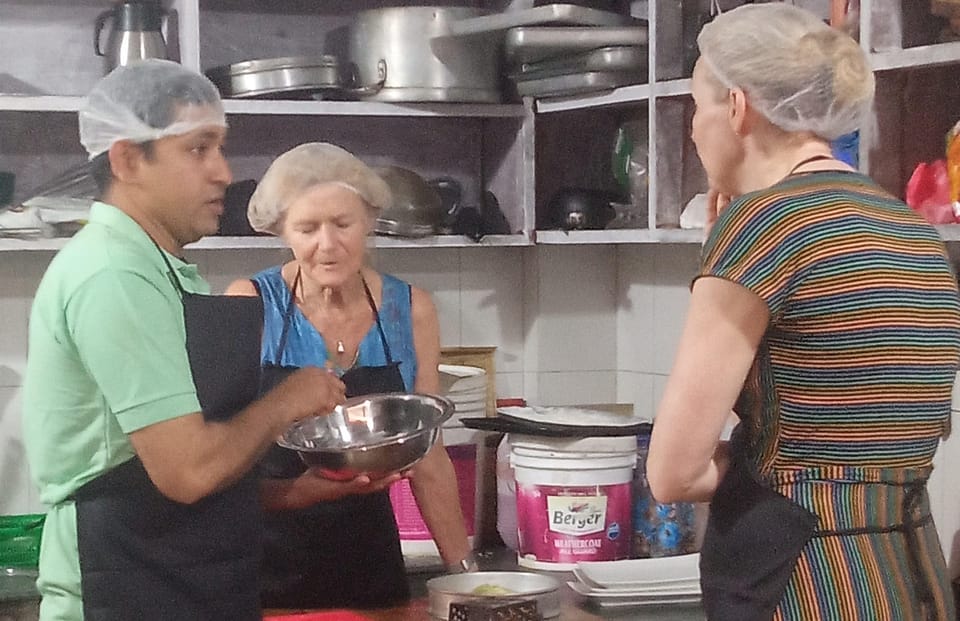
Book it if:
- you want a hands-on Kathmandu cooking class rather than a lecture
- you’re excited by momo, dal bhat, and Nepalese comfort food structure
- you like learning through shopping—seeing spices and ingredients before cooking
- you’re traveling with a flexible attitude and don’t mind being a beginner at folding
You might hesitate if:
- you strongly dislike technique practice (momo folding is a skill, not a one-minute trick)
- you expect included photos/video, since those are not included unless you pay extra
- you’re looking for a silent, hands-off experience. This is interactive by design
Practical tips to get the best results
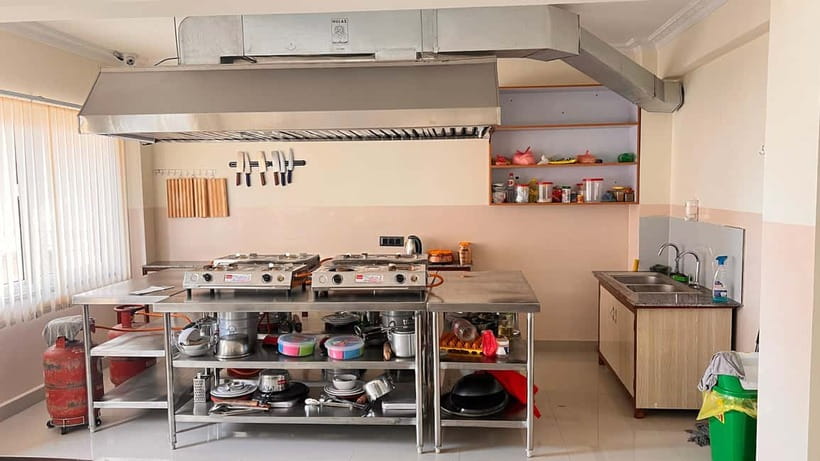
A few small moves will make the class smoother:
- Go hungry and ready to taste. The experience includes a tasting session and you’ll cook portions you can enjoy at the end.
- Be patient with momo dough. Folding gets easier once you see the technique repeated.
- Ask early if your steps feel off. In a short 2–3 hour class, waiting until the end wastes learning time.
- Choose vegetarian or meat options intentionally. The menu sets include both, so plan based on your diet and your curiosity.
- Plan for photos separately. Professional photography/video is available only for an additional fee.
Should you book it?
Yes, if your goal is a memorable Kathmandu food day that combines market shopping, hands-on cooking, and a real meal you helped make. The price is low for what you get, and the small group size gives you enough attention to actually learn.
Skip it only if you know you’ll be frustrated by skill steps like momo folding or if you need included professional photos. Otherwise, this class is one of the most practical ways to understand Nepalese flavors without guessing.
FAQ
Where is the workshop location in Kathmandu?
The workshop location is easily accessible from Thamel and the rest of the Kathmandu Valley.
How long is the cooking class?
The class runs for 2 to 3 hours.
How much does it cost?
The price is $11 per person.
What do I cook in the class?
You’ll cook Nepalese dishes from one of three menu sets. Options can include Bara, Dal Bhat, Yomari, Chatamari, Momo, Kheer, Aloo Chop, Thukpa, and Carrot Halwa.
Are there vegetarian options?
Yes. The experience includes vegetarian and meat options to try out.
Is the class taught in English?
Yes, the instructor is English-speaking.
How big is the group?
It’s a small group, limited to up to 8 participants.
Does the price include ingredients and a market tour?
Yes. The experience includes a market/shop tour to buy important ingredients for the class.
Is Nepali masala tea included?
Yes. Nepali masala tea is included during the lesson.
Are photos or video included?
No. Photos and video (professional photography/videography) are available for an additional fee.
Who is the class for age-wise?
It’s suitable for people aged above 8 years who are interested in learning cooking new dishes.
If you tell me what day/time you’re in Kathmandu and whether you prefer vegetarian or meat, I can help you pick the menu set that best fits your food cravings.