REVIEW · POKHARA
Pokhara: 4-Day Private Trek Tour
Book on GetYourGuide →Operated by Nepal Mountain Club Pvt. Ltd. · Bookable on GetYourGuide
A mountain sunrise in Nepal feels like cheating—until you try the early start. This 4-Day Private Trek Tour takes you from Pokhara to classic Poon Hill viewpoints, then through villages like Ghorepani and Ghandruk with overnight stays in guest houses. I like that it’s short enough to be realistic, but still gives you real trekking days and big Annapurna moments.
Two things I really like: first, the route is designed around views without making you do a huge, time-sucking trek. Second, the guides’ job goes way beyond leading. People frequently call out guide support—like Krishna’s flexibility and humor, or Milan’s responsible pacing for solo hikers—which matters a lot on a short itinerary.
One drawback to consider: the days include early mornings and plenty of uphill/downhill time, and the steep descents can feel rough if your knees aren’t happy. If you have heart issues or you’re pregnant, this one isn’t a fit.
In This Review
- Key Things That Make This Poon Hill Trek Worth It
- Pokhara to Nayapul: The Quick Start That Sets the Tone
- Day 1: Ulleri on the Trail to Real Village Trekking
- Day 2: Rhododendron Forest to Ghorepani
- Day 3 at 4:00 AM: Poon Hill Sunrise Without the Chaos
- Day 4: Ghandruk Culture, Gurung Museum Time, Then Back to Pokhara
- Pace and Fitness: What This Trek Feels Like in Real Life
- Why You’re Really Paying: Poon Hill Views Plus Logistics That Work
- Guide Power on a Short Trek (And Why It Matters)
- Tea Houses, Comfort, and the Stuff That Actually Helps
- What to Pack for Poon Hill and the Village Days
- Who This Trek Suits Best in Nepal
- Should You Book This Pokhara to Poon Hill Private Trek?
- FAQ
- How long is the Pokhara: 4-Day Private Trek Tour?
- Where does the trek start and end?
- What are the main places you visit during the trek?
- What time do you start each day?
- Is the group private, and does the guide speak English?
- What’s included in the price?
- What’s not included?
- What documents do I need to provide before the tour?
- Is the trek suitable for everyone?
Key Things That Make This Poon Hill Trek Worth It
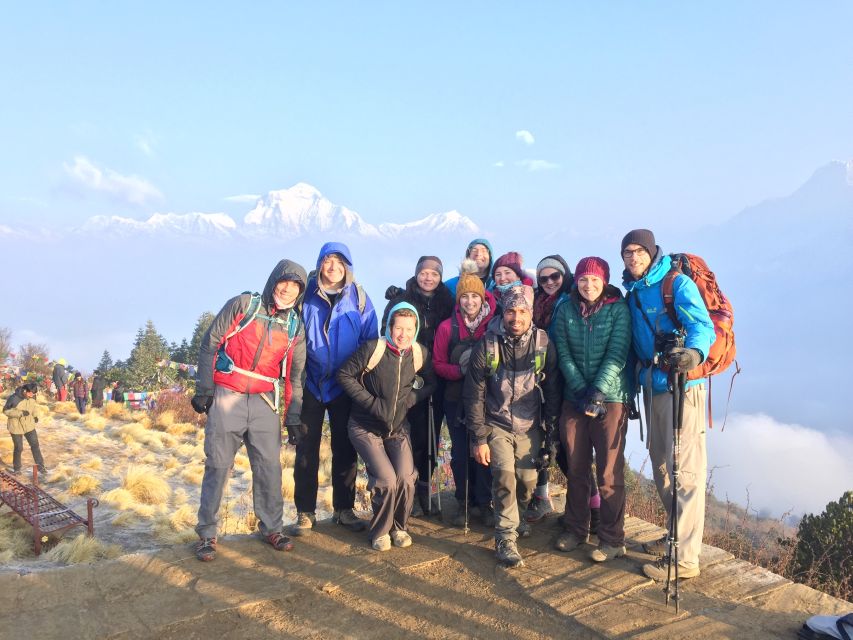
- Annapurna sunrise timing: You’re up at 4:00 AM to reach Poon Hill (3,210 m) for first light.
- Village-to-village trekking: Nayapul to Ulleri, on to Ghorepani, then Tadapani and Ghandruk.
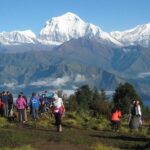
- Rhododendron forest day: A full hiking day through dense rhododendron country with frequent photo stops.
- Ghandruk cultural stop: Time to explore town and the Gurung Museum area.
- Private, guide-led pacing: You get an English-speaking guide and a private group, so the route runs more smoothly.
Pokhara to Nayapul: The Quick Start That Sets the Tone
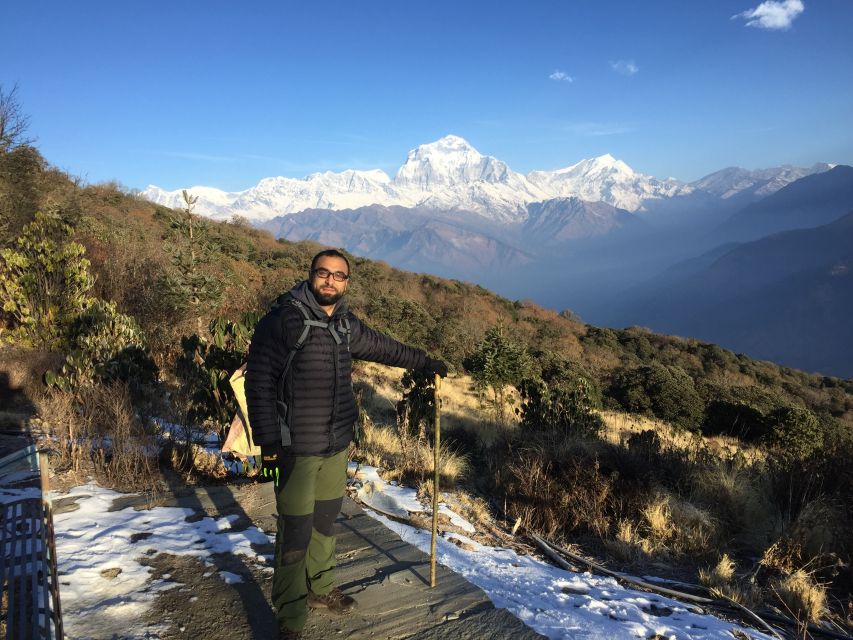
Your trek begins in Pokhara, with pickup from the Lakeside area. A guide meets you at your hotel (they use a name card), then you ride about 1.5 hours to Nayapul. This matters more than it sounds. Getting out of Pokhara fast means you start trekking while you still feel fresh, and you’re not spending your first day just traveling.
Nayapul is your launch point into the trekking rhythm of this region. From here, you’ll walk toward Ulleri on Day 1, then continue building altitude over the next few days. The route is designed so you see village life up close without needing weeks on the trail.
Tip I’d give you: plan to keep your day bag light. You’ll be switching between tea houses and guest rooms, and you’ll likely want one jacket layer and one warm layer ready at all times for changing temperatures.
You can also read our reviews of more private tours in Pokhara
Day 1: Ulleri on the Trail to Real Village Trekking
Day 1 starts at 8:30 AM with a drive to Nayapul and then a hike to Ulleri. The walking time is about 4.5 hours. It’s a solid intro day: enough climbing to feel like trekking, but not so long that you’re wrecked before your first night.
Ulleri is one of those places that makes short treks feel authentic. You’re not just walking through scenery—you’re moving through lived-in mountain village areas, where guest houses and footpaths are part of daily life. You’ll sleep in a guest house overnight, which keeps the trip doable without requiring camping gear.
What to watch for: Day 1 is a warm-up, but you’ll still want comfortable shoes with real grip. One reviewer specifically advised bringing the right comfort extras (like towel and slippers), because tea house comfort is often more about small practical items than fancy amenities.
Day 2: Rhododendron Forest to Ghorepani
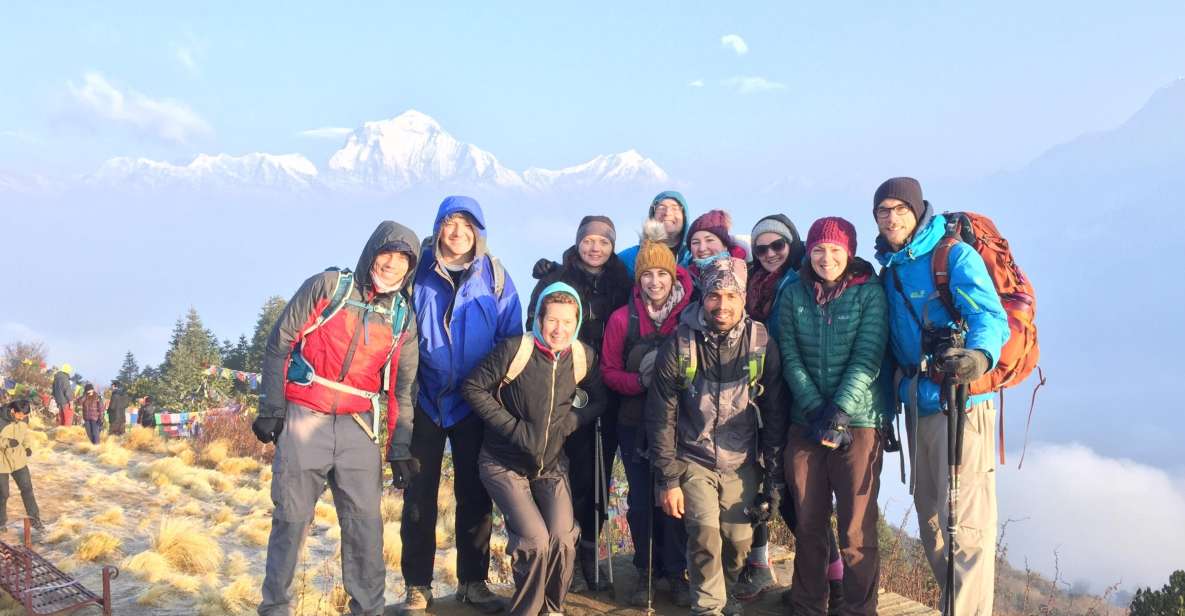
On Day 2, you rise at 8:00 AM and trek through a dense rhododendron forest. After around 5 hours of hiking, you reach Ghorepani, where you stay the night in another guest house.
This is the day that often feels the most “Nepal trekking” to people. Rhododendron forests can be quiet, shaded, and cooler under the canopy. Even when the clouds roll in, the forest walking still gives you variety—textures, bird sounds, and that steady motion that makes your legs understand what’s coming next.
The practical side: longer hikes in forests can hide how much time you’re spending on foot. You’ll also want to dress in layers. Even if Pokhara is warm, ridge-side trekking can cool fast as the day moves on.
If you’re traveling solo, this is also the day where a good guide earns their paycheck. Several guides on this route are praised for making you feel safe and comfortable, and for adjusting pacing to your body—not just the clock.
Day 3 at 4:00 AM: Poon Hill Sunrise Without the Chaos
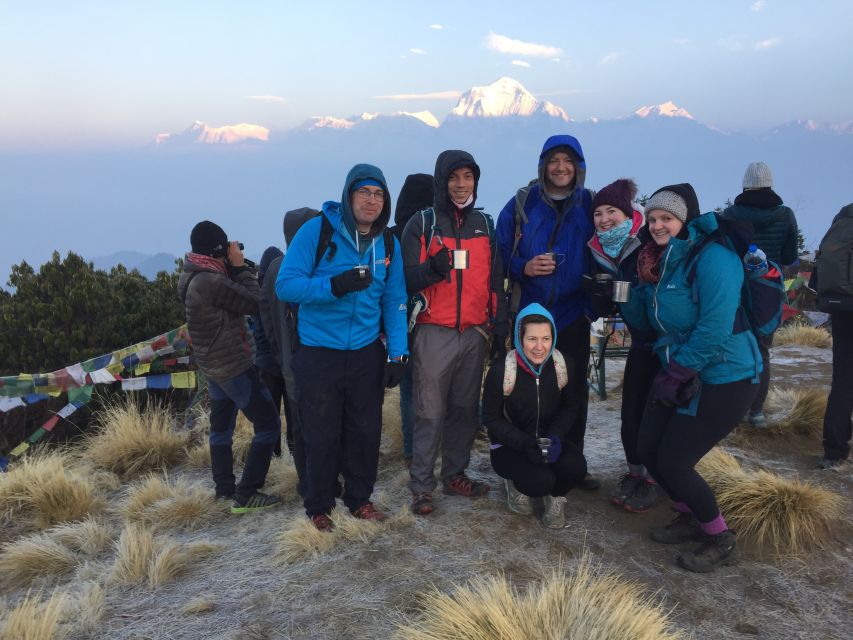
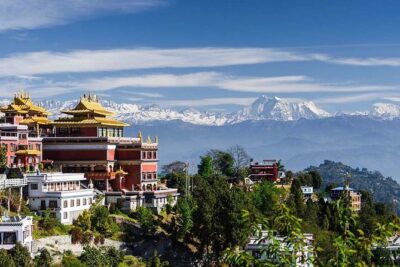
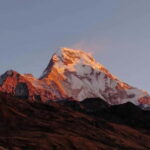
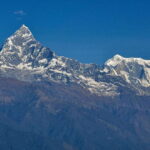
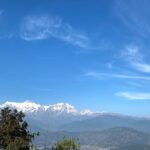
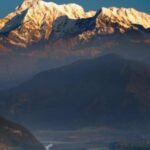
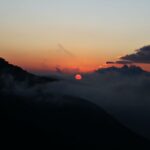
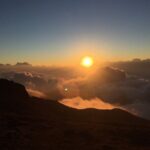
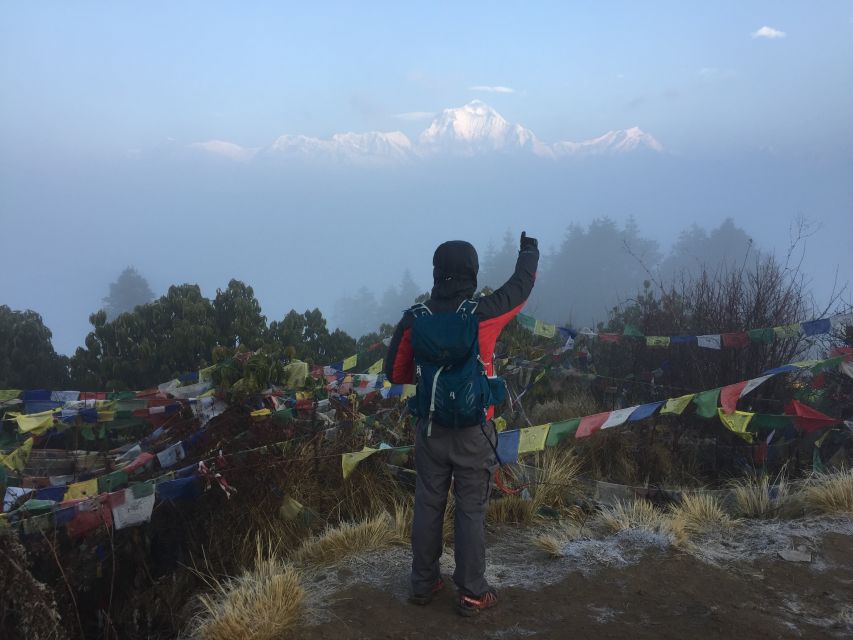
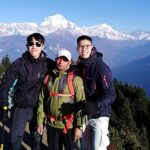
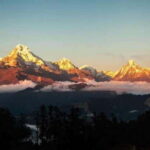
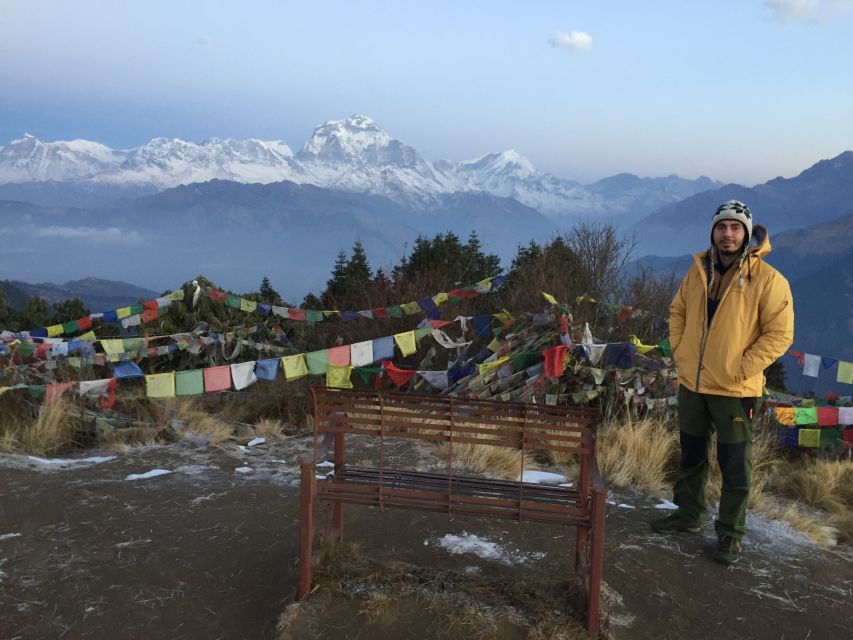
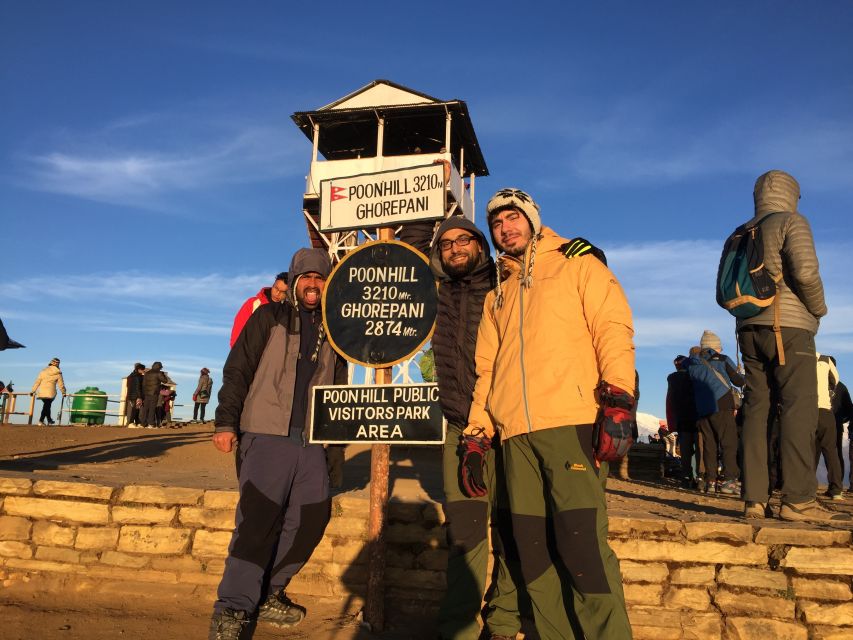
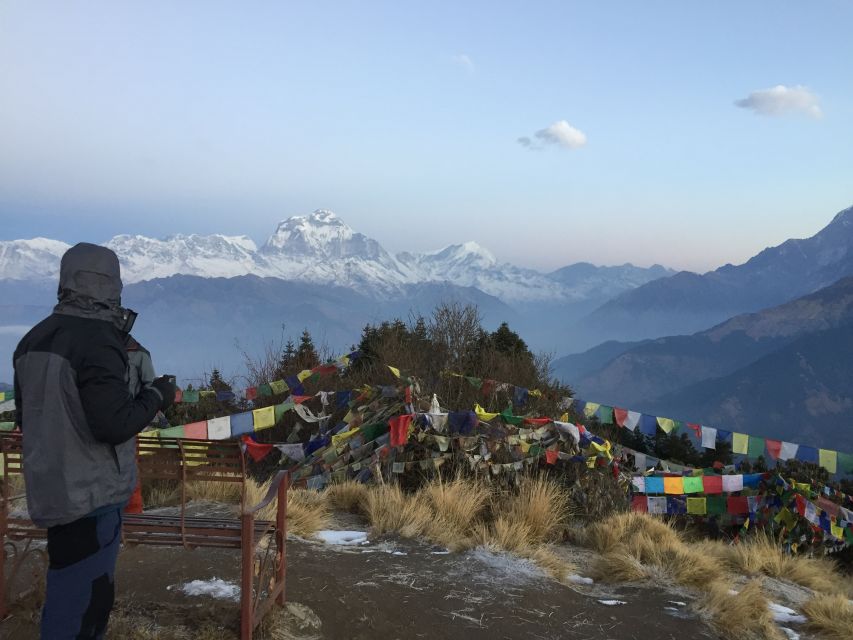
Day 3 is the big moment: you leave around 4:00 AM for a roughly 45-minute trek to Poon Hill (3,210 m). The whole point is sunrise over the Annapurna mountain range.
Here’s the thing about early-morning mountain viewing: your comfort affects your ability to enjoy the view. Bring a headlamp. One trekker specifically flagged this as key for the early climb. It also helps you navigate steps and packed paths in low light before the sun makes everything visible.
When you reach Poon Hill, you’ll have time to take in the sunrise panorama. Even if weather isn’t perfect, the climb itself is a reward: the pre-dawn feeling, the small groups moving uphill, and the slow shift from dark to light.
After sunrise, your trek continues about 5 hours to Tadapani, where you stay overnight. Tadapani is where the trek becomes less about the single view and more about living the trail. Nighttime at these elevations can feel cold fast, especially outside peak warm months, so pack layers seriously.
A knee note that’s worth repeating: several hikers found Days 3–4 can be brutal because of downhill. If you know your knees get angry on descents, consider tape or knee braces, plus slower footwork. That advice came up more than once for this exact route.
Day 4: Ghandruk Culture, Gurung Museum Time, Then Back to Pokhara
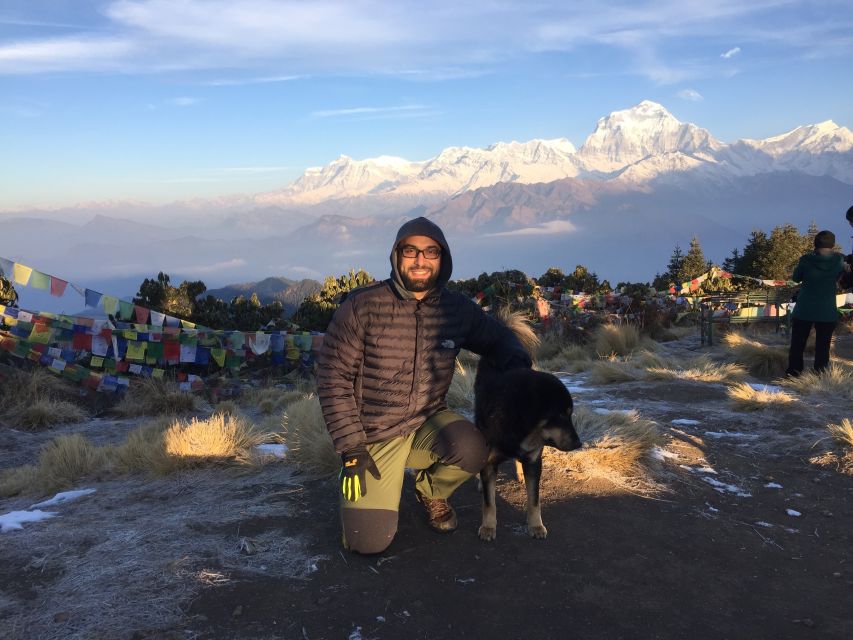
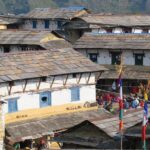
Day 4 starts at 8:00 AM with a trek to Ghandruk. This is the “slow down and smell the culture” portion of the trip. You’ll also have time to explore Ghandruk and visit the Gurung Museum area.
Why this stop is valuable: short treks can become all peaks, all sweat, no understanding. Ghandruk adds context—how people live, what they preserve, and how the Gurung community connects to the surrounding mountains. Even if you’re not a museum person, the town walk and local interactions help your trek feel grounded rather than just scenic.
After exploring, you trek onward to Nayapul and then take a private car back to Pokhara (about 1.5 hours). You’ll finish with a hotel drop-off in Pokhara. It’s a great ending because you get a clean break from the trail without dragging the journey into another long hiking day.
You can also read our reviews of more hiking tours in Pokhara
Pace and Fitness: What This Trek Feels Like in Real Life
This trek is advertised as a short one, and it is—but don’t confuse short with easy. You’re hiking multiple days, often for 4.5 to 5 hours, and you’re doing an early climb on Day 3.
If you’re generally healthy and you can handle steady walking, you’ll likely do fine. The private guide format helps, because the route can be matched to your pace. Multiple people praised guides like Gobinda, Raj, and Dadhi for being patient and making sure the walk stays manageable.
The most realistic challenge is not the altitude for the average person—it’s the combination of:
- early starts (especially Day 3),
- downhill strain (often felt in the last part of the trip),
- and day-to-day fatigue.
Practical mindset: plan to go slower than you think. You’re not racing the trail. The goal is sunrise at Poon Hill plus village trekking that you still remember fondly on the walk back down.
Why You’re Really Paying: Poon Hill Views Plus Logistics That Work
At $243 per person, the value depends on what you’d otherwise need to arrange yourself. Here’s what’s included:
- an English-speaking experienced trekking guide (plus guide languages like Hindi and Nepali),
- 3 nights in guest houses,
- TIMS and permits (entrance fees),
- and round-trip transportation.
Meals are not included, and neither are rescue costs. So you’re paying mostly for the plan, the guide, and the permits—not food.
What you’re getting for that money is not just a route. It’s a smooth, private operation that keeps the days connected: pickup in Pokhara, drive to Nayapul, correct timing for sunrise, guest house coordination, and the car return on Day 4.
A quick reality check on meals: bring enough cash for buying food during the trek. One solo hiker specifically emphasized this, because tea house meals are available, but you need to pay as you go.
Guide Power on a Short Trek (And Why It Matters)
On longer treks, you can sometimes “rough it” with less help. On a 4-day tour, your guide’s competence matters even more because every day has a job to do.
From the experiences shared, guides on this route can be very practical:
- Krishna was praised for flexible problem-solving, including helping coordinate medication when someone got sick.
- Milan was praised for being responsible about pacing and for organizing where to stop for lunch each day.
- Gobinda received strong mentions for patience and safety for solo hikers.
- Raj was described as friendly and easy to talk to, with cultural storytelling that made the trek feel like more than walking.
You don’t need your guide to be a celebrity. You need them to be calm, prepared, and good at adjusting when the mountain or weather changes the mood. That’s the consistent theme behind the high ratings.
Also: your guide can influence comfort. If you feel like changing things—like swapping to a different support method or adjusting pace—they’re often able to arrange help on the ground (like extra support options). That flexibility is exactly what saves a short itinerary from going sideways.
Tea Houses, Comfort, and the Stuff That Actually Helps
You’ll sleep in guest houses for 3 nights. That typically means simple rooms, shared dining spaces, and basic comfort. The upside is the route stays realistic for most visitors. The downside is you don’t control amenities the way you would in a hotel.
A few practical points I’d plan around:
- Nights can get cold, especially if you trek in cooler seasons. One traveler recommended bringing warm clothes for winter conditions.
- Extra blankets may be available on request. People mentioned that additional blankets are readily provided if you ask.
- You’ll want simple comfort items. One person highlighted adding a towel and slippers to your packing list.
For early mornings, you’ll also appreciate small gear. A headlamp helps you move safely before sunrise. And keep a light day bag so you’re not carrying extra weight during the uphill stretches.
What to Pack for Poon Hill and the Village Days
The tour lists essentials like comfortable shoes, plus a longer packing set. Here’s the practical takeaway from that list, focused on what you’ll use most:
- Footwear and socks you can hike in daily.
- A jacket (morning and evening can be chilly).
- Sunscreen and sunglasses for brightness at altitude.
- A hat for sun and warmth control.
- Mosquito repellent for lower-elevation village areas.
- Light day bag for water, snacks, and layers.
- A camera for the panoramic moments (you’ll want it ready on Day 3).
- Toiletries and personal hygiene items (tea house basics can be limited).
Also plan for paper needs: one reviewer noted that toilet paper and water can be bought along the track. Still, I’d rather you bring your own small supply than depend on it each stop.
Who This Trek Suits Best in Nepal
This tour is built for people who want a classic introduction to the Annapurna region without committing to a longer trek. If you want:
- a quick hit of Poon Hill sunrise,
- village hiking through Ghorepani, Tadapani, and Ghandruk,
- and guest house comfort with a private guide,
…then this fits well.
It’s especially attractive for first-time trekkers who want a structured plan. Multiple guides on the route have been praised for making solo travelers feel safe and supported, which is a big deal when you’re new to Nepal trekking.
It’s not a fit if you’re pregnant or have heart problems, based on the tour’s stated suitability.
If you have knee issues, treat this as a “bring support gear” trek. Knee braces, tape, trekking poles, and a slow descent pace can turn this from miserable to manageable.
Should You Book This Pokhara to Poon Hill Private Trek?
If your goal is the Annapurna sunrise experience plus real village trekking in 4–5 days, I’d say yes—this is one of the most practical ways to do it. The route hits the view you came for (Poon Hill), adds cultural time in Ghandruk, and keeps the logistics handled with a private guide and permits included.
I’d only pause if:
- you know early mornings wipe you out,
- downhill motion is a problem for your knees,
- or you need a fully flat walking vacation (because this is not that).
If you pack smart, go steady, and use your guide’s advice, you’ll leave with exactly what short treks should deliver: one unforgettable sunrise, a chain of village days, and a sense that you truly got your feet dirty in Nepal—not just your photos.
FAQ
How long is the Pokhara: 4-Day Private Trek Tour?
It runs 4–5 days. Check availability to see starting times.
Where does the trek start and end?
It begins and ends in Pokhara, with pickup included from the Lakeside area. You’re dropped off back at your hotel after the return.
What are the main places you visit during the trek?
You trek through Nayapul, Ulleri, Ghorepani, Poon Hill, Tadapani, and Ghandruk, with the tour starting and ending in Pokhara.
What time do you start each day?
Day 1 starts at 8:30 AM. Day 2 starts at 8:00 AM. Day 3 starts at 4:00 AM. Day 4 starts at 8:00 AM.
Is the group private, and does the guide speak English?
Yes, it’s a private group. The guide is English-speaking, and the tour also lists Hindi and Nepali.
What’s included in the price?
Included are taxes and service charges, TIMS and permits, an English-speaking trekking guide, 3 nights’ accommodation in a guest house, and round-trip transportation.
What’s not included?
Meals are not included, and rescue costs are not included in an emergency.
What documents do I need to provide before the tour?
A scanned copy of your passport and a digital passport-sized photo are required prior to the tour.
Is the trek suitable for everyone?
The tour is not suitable for pregnant women or for people with heart problems.