REVIEW · POKHARA
4 Days Mardi Himal Base Camp Trek from Pokhara
Book on Viator →Operated by My Dream Adventure (MDA) · Bookable on Viator
Big peaks, quieter trails, four days. This trek from Pokhara is all about jaw-dropping views and a real sense of mountain life, from subtropical forest to alpine ridges. I also like the way you pass through local Gurung and Magar communities, so the hike feels more than just scenery.
One thing to plan around is altitude and early starts. You’ll gain elevation quickly (you reach High Camp at 4,000 m), and Day 3 starts with a very early wake-up for the best viewpoints. If you have moderate fitness and you move at a steady pace, this is the kind of trek that feels rewarding instead of punishing.
In This Review
- Why Mardi Himal Feels Special From Pokhara
- Key Highlights You’ll Want to Know Up Front
- From Lakeside Pokhara to Forest Camp at 2,500 m
- High Camp at 4,000 m: Dense Jungle, Real Wildlife, and a Steady Pace
- The 4:00 am Morning: Viewpoints, Machapuchare, and Annapurna Range Views
- Base Camp Time: Quality Views Without the Overcrowding Feel
- Descent to Low Camp and the Villages of Siding Village
- Guide Support, Permits, and Why the Price Can Make Sense
- The Pace, Fitness Level, and Who This Trek Fits Best
- What It’s Like Overall: Views, Culture, and Simple Comfort
- Should You Book This Mardi Himal Base Camp Trek?
- FAQ
- What is the duration of the 4 Days Mardi Himal Base Camp Trek from Pokhara?
- Where does this trek start and end?
- Is hotel pickup and drop-off included?
- Are trekking permits and TIMS included?
- What kind of guide support do I get?
- How is accommodation handled during the trek?
- What is the cancellation policy?
Why Mardi Himal Feels Special From Pokhara
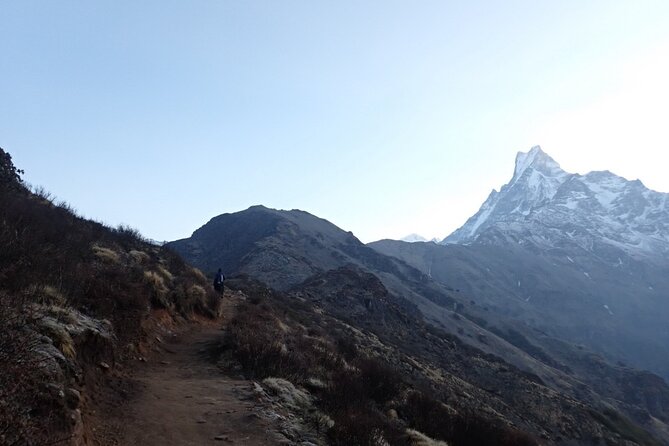
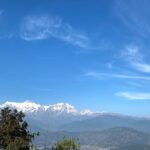
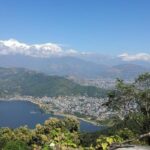
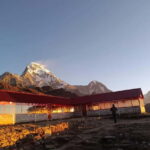
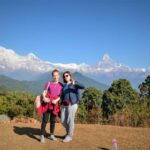
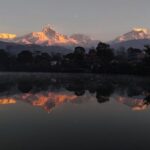
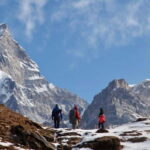
Mardi Himal Base Camp is one of those Annapurna-region treks where the payoff shows up early and stays consistent. You’ll get wide views of the Annapurna Massif and Machapuchare (Fishtail Mountain) as you climb. And unlike the busiest routes you may hear about elsewhere in the region, Mardi Himal often feels calmer, which matters when you want to actually enjoy the mountains instead of threading through crowds.
The other big draw is variety. Your path shifts from forest settings to higher, colder terrain with open viewpoints. It’s a strong mix for a short trek, and it keeps your brain busy: one day you’re walking through lush surroundings, and the next you’re chasing crisp morning light up high.
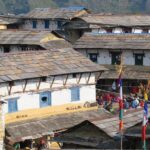
Finally, the cultural side is practical, not staged. You’re walking through villages and meeting local people along the way, which can make the trek feel connected to real rural life rather than a pass-through experience.
Key Highlights You’ll Want to Know Up Front

- Private trek for your group: you’re not sharing guides and decisions with strangers.
- English-speaking guide support: your guide is with you through the hike, not just for check-in.
- Forest Camp to High Camp at 4,000 m: a big altitude step in a short time, with clear milestones.
- 4:00 am viewpoint time: the early push is built around getting the best mountain angles.
- Guest house accommodation: you’re sleeping in simple, trekking-friendly lodges along the route.
- Permits handled for you: trekking permit and TIMS are included, so you’re not scrambling mid-trip.
You can also read our reviews of more hiking tours in Pokhara
From Lakeside Pokhara to Forest Camp at 2,500 m
Your trek starts with a morning exit from Pokhara, typically at 8:00 am, and a scenic drive toward the trail’s start area (you’ll pass through Kande by car, about 1.5 hours). This matters because you’re not burning energy just to get to your first proper uphill stretch.
From there, you begin the hike to Forest Camp (2,500 m / 8,200 ft). Expect forest trekking and a gentler ramp-up compared with the highest days. This is the portion that helps you settle into the rhythm: step, breathe, take in the view whenever the trail gives you a gap in the trees.
One nice practical point here: this day is listed as about 7 hours total, which means you’re not forced into an all-day grind right away. You’ll still be tired at day’s end, but it feels like a first chapter, not a test.
High Camp at 4,000 m: Dense Jungle, Real Wildlife, and a Steady Pace
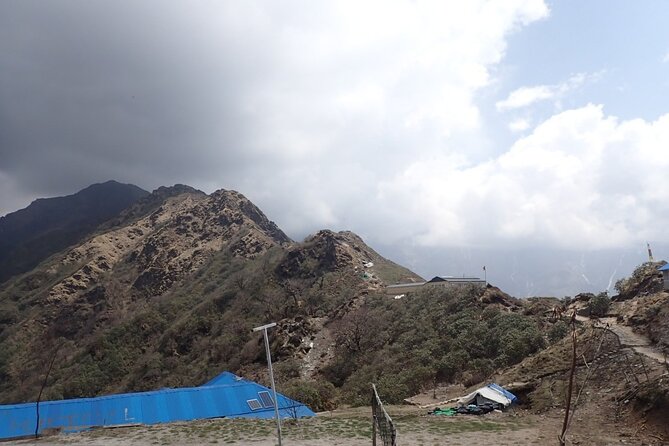
Day 2 pushes you from Forest Camp to High Camp (4,000 m / 13,120 ft). The trek time is listed as about 5 hours, which sounds straightforward until you remember the altitude jump. Plan for slower legs than your flat-ground pace.
The route moves through dense jungle and you may encounter wildlife along the way. That’s not just nature trivia. When trails cross forested sections at these elevations, the environment can slow you down and make footing more important. Your guide’s role becomes very practical here: setting a pace you can actually keep.
Also, sleep and recovery start to matter more on Day 2. By the time you reach High Camp, you’ll likely feel the air thinner. This is exactly when moving consistently beats sprinting, even when the view is trying to pull you forward.
The 4:00 am Morning: Viewpoints, Machapuchare, and Annapurna Range Views
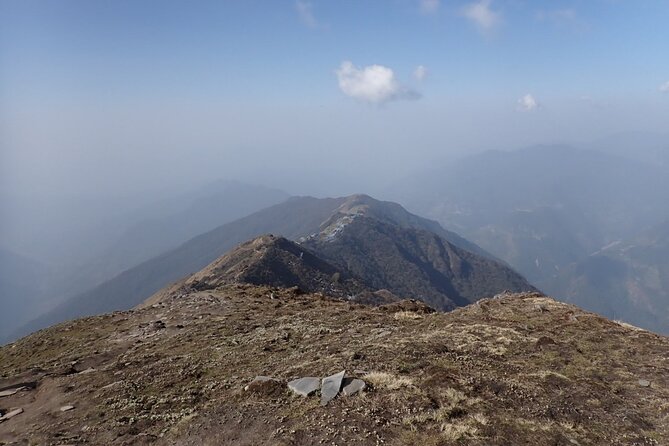
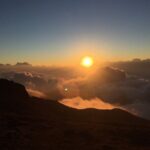
On Day 3, you start at 4:00 am. That’s early, even by Nepal standards. But this is where Mardi Himal earns its reputation for incredible mountain angles.
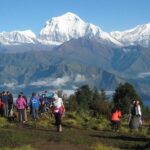
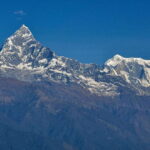
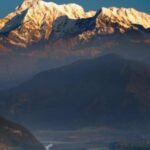
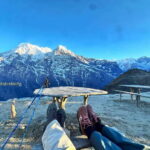
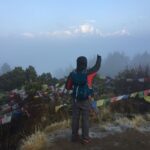
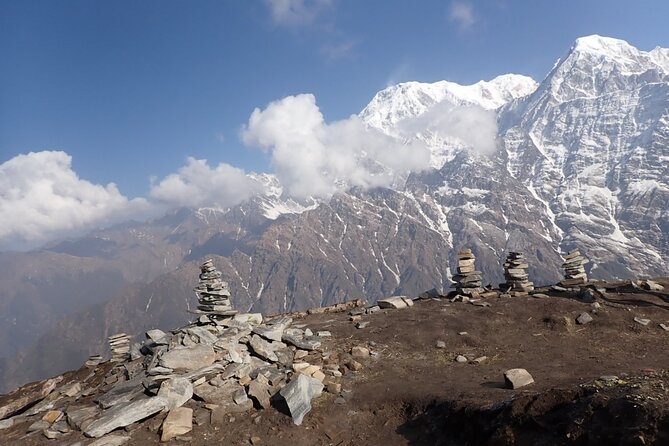
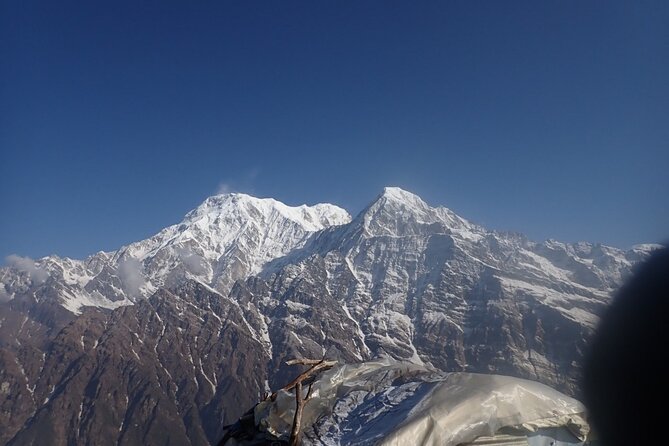
You’ll hike for roughly 2 hours to a viewpoint around 4,500 m. From there, the big targets are Machapuchare (Fishtail) and sweeping views across the Annapurna range. This is the kind of sight that makes the early alarm worth it, even if you grumble in your head for the first hour.
After the viewpoint, the plan is to reach the Mardi Himal base camp area, then continue onward. You get time to soak in the views before descending again. That balance—early ascent, then time at the key spot—is one of the reasons this trek works well as a shorter adventure.
One caution: early mornings at elevation can make you feel stiff or slightly off if you don’t warm up gently. Keep your pace controlled and let your body catch up to the altitude.
Base Camp Time: Quality Views Without the Overcrowding Feel
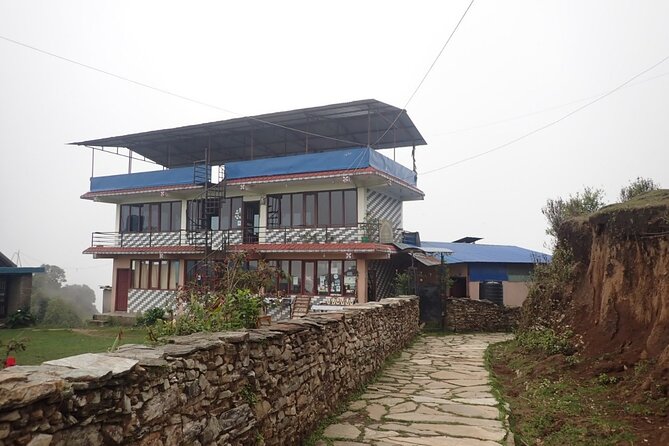
Base camp is the reward zone. Even without extra frills, it’s the place where everything you’ve climbed for comes together: the high ridges, the morning light, and the sense that you reached a serious point on the map.
The approach here often avoids the heavy-crowd vibe some other Annapurna routes can have. That’s valuable because you can actually pause, take photos, and talk quietly with your guide without feeling like you’re stepping aside every five minutes.
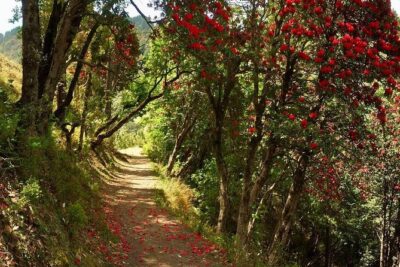
If you enjoy small details, you may also notice seasonal touches along the way. For example, rhododendron flowers show up on this trek for at least some travelers, adding color during the forest and lower-elevation sections.
And since this is a private trek, your group moves together without the stop-and-go of mixed travelers trying to match different speeds.
You can also read our reviews of more tours and experiences in Pokhara
Descent to Low Camp and the Villages of Siding Village
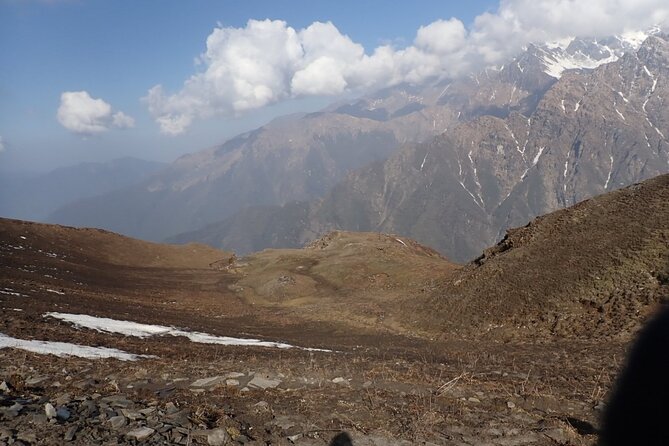
After base camp time, you’ll descend toward Low Camp (3,000 m / 9,840 ft). The total time listed for portions of Day 3 is around 6 hours, so you’re not just “walking down for an hour and calling it a day.” You’ll likely spend meaningful time adjusting to downhill legs.
This is a good day to remember a simple trekking truth: downhill can feel easier than uphill, but it can also be harder on knees. Go slow, keep your steps controlled, and don’t let momentum trick you into taking shortcuts.
Then Day 4 continues the descent from Low Camp to Siding Village (1,800 m / 5,905 ft) for about 4 hours. This is your transition day back toward Nepal’s lower elevations. You’ll pass through more village terrain, and the air should feel noticeably warmer as you drop.
Finally, a jeep ride takes you from Siding Village back to Pokhara (about 2 hours). It’s a practical finish: you’re not forced into an extra long walk to reach town comforts.
Guide Support, Permits, and Why the Price Can Make Sense
At $290 per person for roughly 4 days, this trek sits in the “serious but not outrageous” range for the Annapurna region. The value comes from what’s included and what it removes from your mental load.
Included items you’ll feel right away:
- Hotel pickup and drop off
- Trekking permit and TIMS
- An experienced English-speaking trekking guide
- Round-trip transfer by sharing jeep
- Accommodation in guest house
- A private trek (just your group)
For many trekkers, permits and TIMS paperwork are the least fun part of planning. When those are handled, you can focus on training, pacing, and enjoying the hike.
The reviews also point to one consistent theme: the guides matter a lot. Names that show up include Prakash, Surya, Bikram, Biru, and Krishna—and the common thread is friendly, helpful coordination. That doesn’t mean you’ll never work hard. It means you’re less likely to feel lost on the trail or unsupported at the decision points.
One small thing to double-check: the stated pickup is hotel pickup and drop off. If you’re arriving by flight and want airport-specific pickup, confirm it ahead of time.
The Pace, Fitness Level, and Who This Trek Fits Best
The trek is best if you have moderate physical fitness. “Moderate” here matters because Mardi Himal compresses altitude gains into a short timeline. You don’t need to be an ultramarathon hero, but you do need to be comfortable walking uphill for hours and handling basic steep sections.
This trek also tends to work for families and mixed-age groups as long as everyone can keep a steady pace and handle early starts. A key advantage is the private group setup, which makes it easier to slow down or regroup as needed.
If you’re the kind of trekker who likes a clear itinerary and predictable milestones (Forest Camp, High Camp, viewpoint at 4,500 m), you’ll probably enjoy this format. If you prefer totally flexible, slow-exploring multi-day trekking with lots of wandering off plan, you might find the schedule more structured than you want. For many people, though, the structure is exactly the point.
What It’s Like Overall: Views, Culture, and Simple Comfort
The overall feel of the trek is practical mountain travel. You’re not chasing luxury. You’re chasing altitude views and a real hiking experience with cultural contact.
You’ll walk through changing terrain:
- Forest sections early on
- Higher, colder conditions as you approach 4,000 m
- A cold-morning viewpoint push around 4,500 m
- Village descent toward Siding Village at 1,800 m
You’ll also get cultural interaction along the way, especially with Gurung and Magar communities. It’s the kind of encounter that happens naturally when you’re passing through living places rather than using a bus route.
Accommodation is listed as guest house. That generally means simple rooms and trekking-friendly service. You’re trading comfort for location, and for most hikers, the trade is worth it.
Should You Book This Mardi Himal Base Camp Trek?
If you want a short trek with big payoff, I’d seriously consider booking it. The mix is strong: Annapurna and Machapuchare views, a calmer feel than some other popular routes, and the cultural village experience with Gurung and Magar communities.
Book it if:
- You can handle early mornings and a quick altitude build
- You like having a guide manage permits (TIMS included) and the route logistics
- You want a private trek with your group moving together
Skip it or ask more questions first if:
- Your fitness is lower than “moderate,” especially with the elevation steps to High Camp (4,000 m)
- You expect a fully flexible route with lots of spare days
- You need special pickup arrangements beyond hotel pickup
Overall, this trek is a solid value for the time. You’re paying for a smooth setup so you can spend your energy where it counts: on the trail and at the viewpoints.
FAQ
What is the duration of the 4 Days Mardi Himal Base Camp Trek from Pokhara?
It’s listed as 4 days (approx.).
Where does this trek start and end?
The trek starts in Pokhara and ends back in Pokhara, after a jeep ride from Siding Village.
Is hotel pickup and drop-off included?
Yes. Hotel pickup and drop off are included.
Are trekking permits and TIMS included?
Yes. The trekking permit and TIMS are included.
What kind of guide support do I get?
You get an experienced English-speaking trekking guide.
How is accommodation handled during the trek?
Accommodation is in a guest house.
What is the cancellation policy?
You can cancel up to 3 days in advance of the experience for a full refund. If you cancel less than 3 full days before the start time, the amount you paid is not refunded.