REVIEW · KATHMANDU
Traditional Momo Making Class
Book on GetYourGuide →Operated by Namaste Cooking School · Bookable on GetYourGuide
Momo-making gets real fast when you’re doing the folding yourself. At Women Led Namaste Cooking School in Thamel, Kathmandu, I love the hands-on rhythm—dough to dumpling—led by local women chefs. You also get a bright, clean rooftop kitchen feel, plus a satisfying end-of-class tasting that makes the whole thing feel practical, not just demo-style. One catch to plan for: the session can run a bit longer than the posted time, especially if everyone’s chatting and laughing while they work.
You’ll spend about 1.5 hours learning the full loop: knead the dough, prep the filling, fold momos into shape, and then eat what you made. The class is taught in English, and you’ll get a welcome masala chai to keep things warm while you learn the steps.
In This Review
- Key highlights you’ll feel right away
- Momo-making in 1.5 hours: what you’re actually learning
- Women Led Namaste Cooking School: Thamel’s practical, relaxed cooking setting
- Step-by-step: dough, filling, folding (and how not to panic)
- Kneading the dough
- Preparing the fillings
- Folding the momos into shape
- Tasting what you made
- Flavor lesson: Nepali spices you can recognize later
- The cultural angle: why momos show up in Nepalese celebrations
- What about timing: 1.5 hours, but plan for a little extra
- Price and value: is $15 worth it?
- Who this class is best for
- My quick verdict: book it if you want real dumpling skills
- FAQ
- FAQ
- How long is the Traditional Momo Making Class?
- Where does the class take place?
- What does the class cost?
- What’s included in the ticket?
- Is hotel pickup and drop-off included?
- What language is the instruction in?
- What should I wear or bring?
- Is free cancellation available?
Key highlights you’ll feel right away
- Hands-on kneading and folding so you’re not just watching dumplings happen
- Women-led instruction with friendly, patient guidance through each step
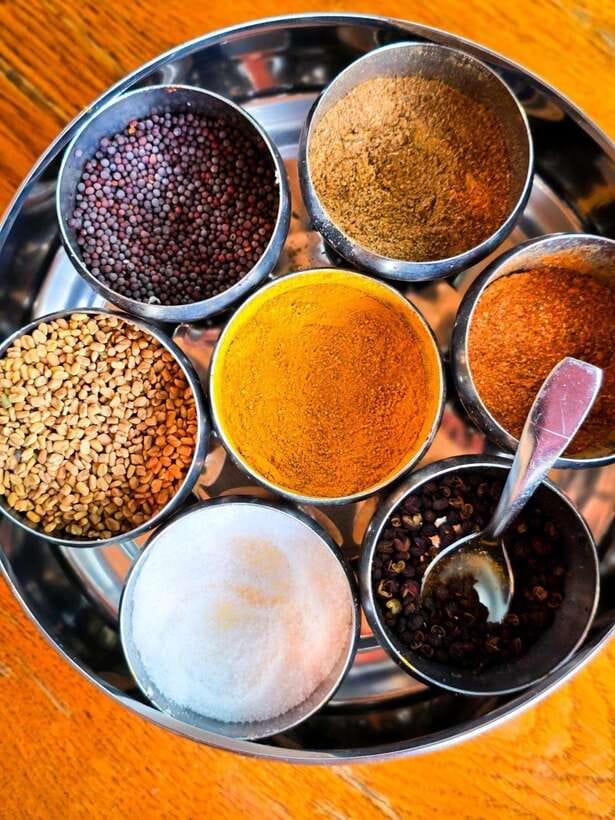
- Fresh local ingredients and Nepali spices used for the fillings
- End-of-class tasting of your own momos, straight from your plate
- Masala chai welcome, a small touch that makes the start feel cozy
- Thamel location where you can walk around before or after
Momo-making in 1.5 hours: what you’re actually learning
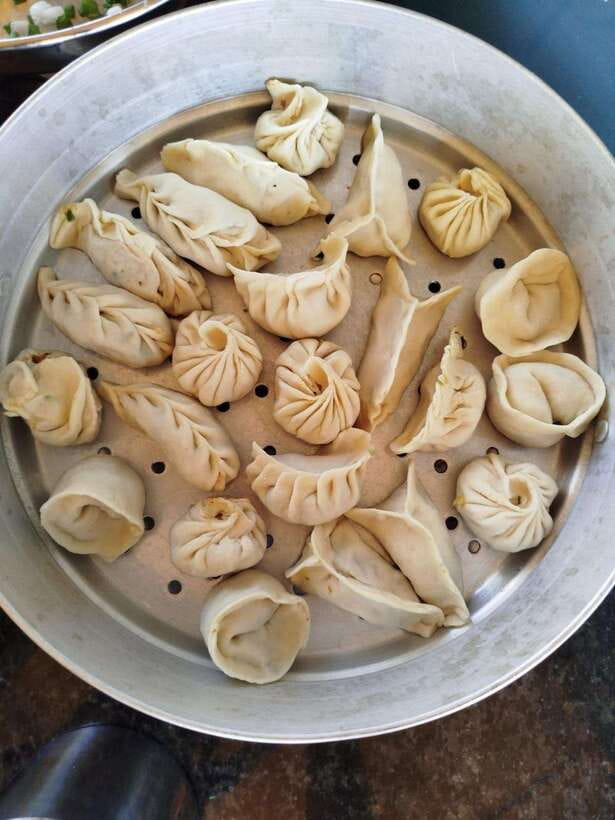
This class is built around the core skills behind Nepalese momos: working dough, building flavor in the filling, and shaping dumplings that hold together. If you’ve only had momos from a restaurant, the big surprise is how much of the taste comes from technique, not just ingredients.
You’ll start with the dough. The goal isn’t fancy baking terminology—it’s learning how to get the dough smooth and workable so it doesn’t crack when you fold. Then you’ll move into filling prep, where you learn how the mixture is seasoned and portioned so it cooks evenly inside.
The last step is the one that feels hardest until it clicks: folding. You’ll learn how to pinch and seal so your momos keep their shape and don’t leak. And yes, once you’ve folded a few, you’ll start noticing how small differences in pressure and pleating change the look and the final texture.
You can also read our reviews of more tours and experiences in Kathmandu

Women Led Namaste Cooking School: Thamel’s practical, relaxed cooking setting
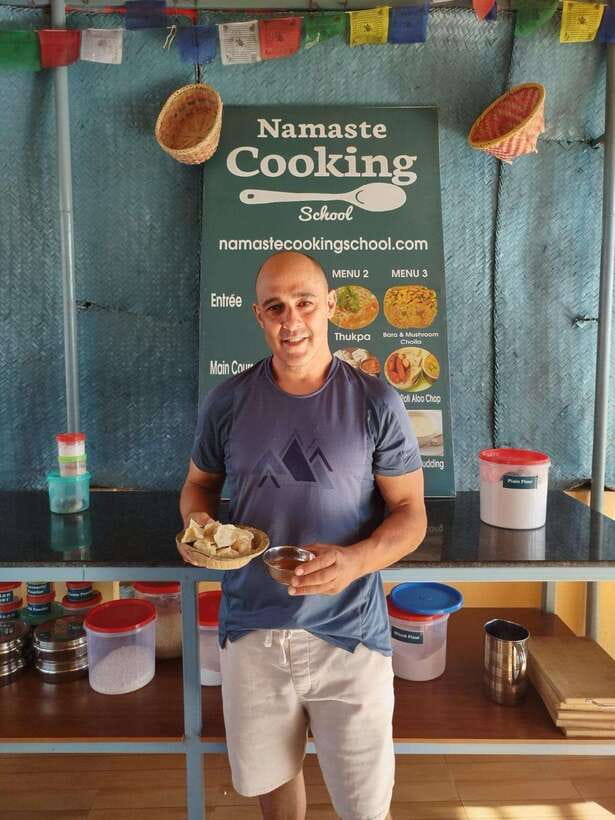
Namaste Cooking School sits in Thamel, Kathmandu, the area where you can usually find food, trekking shops, and a steady stream of visitors. The payoff is simple: you’re not stuck in a far-off location with complicated logistics. You can pair the class with an easy morning or afternoon stroll.
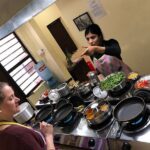
The space itself is part of the appeal. People consistently describe the kitchen as very clean and bright, which matters when you’re handling dough and working close to your ingredients. A clean setup also makes the class feel less stressful, especially if it’s your first cooking workshop.
You’ll typically be taught by a lead trainer (one name you might encounter is Sushi), and instruction is in English. That language detail matters more than it sounds. Cooking classes can get frustrating fast when you can’t follow small technique cues, like what consistency the filling should have or how to hold the dumpling while folding.
Step-by-step: dough, filling, folding (and how not to panic)
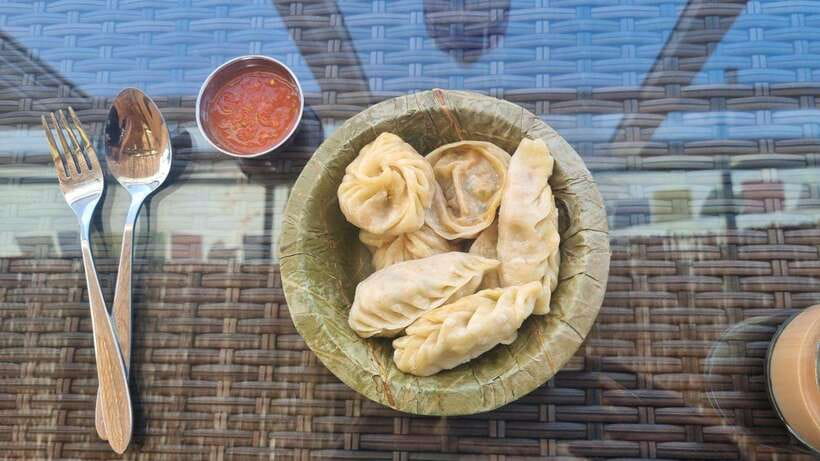
The class flows in a clear sequence, which is what you want. When a cooking workshop makes sense, you learn faster and you waste less food. Here’s what each part is doing for you.
Kneading the dough
Kneading is the foundation. You’re learning how to bring flour and liquid together into a dough that feels elastic enough to stretch and fold, without turning sticky or brittle. In Nepalese momo making, that dough consistency is the difference between dumplings that seal cleanly and dumplings that fall apart.
Wear comfortable shoes and clothing—this is not the time for restrictive outfits. You’ll be standing, moving a bit, and working with your hands for stretches.
Preparing the fillings
Next comes the filling. You’ll use fresh, locally sourced ingredients and authentic Nepali spices. This is one of the best parts of a momo class because it teaches flavor building, not just assembly.
You’ll learn how filling gets portioned and seasoned to match the dumpling size. Even if you’re not memorizing every spice, you’ll understand the pattern: balanced seasoning, not one-note heat.





Folding the momos into shape
Folding is where confidence grows quickly. The first few dumplings may look uneven. That’s normal. The real lesson is learning how to seal the edges by pinching and pleating so the dumpling behaves while cooking.
If you’re coming with kids, this step is often a win. One parent-and-child duo described letting their 11-year-old do much of the chopping and do impressive folding. If you have a curious child, they’ll likely find folding more engaging than chopping.
Tasting what you made
At the end, you’ll eat your own momos. This tasting moment isn’t just reward. It tells you whether your dough consistency and sealing worked. You’ll instantly understand what changes to make next time at home.
Flavor lesson: Nepali spices you can recognize later
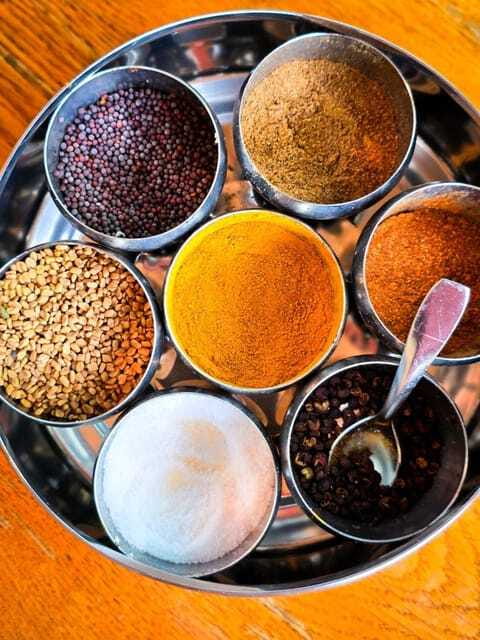
The class uses authentic Nepali spices, and that’s important for home cooks. When you learn with the actual spice profile, you stop guessing. You start mapping flavor you already know onto what you made.
Even if you’re not chasing exact replication, you’ll gain a practical sense of how momos taste when the filling is properly seasoned. You’ll also notice how spices show up differently in raw filling versus hot dumpling—because dumplings steam rather than fry.
One nice extra is the welcome masala chai. It’s not a gimmick. It helps you settle in and stay comfortable while you work with dough and warm ingredients. That warm drink also gives you a Nepalese touchpoint right away, before you even taste the momos.
The cultural angle: why momos show up in Nepalese celebrations
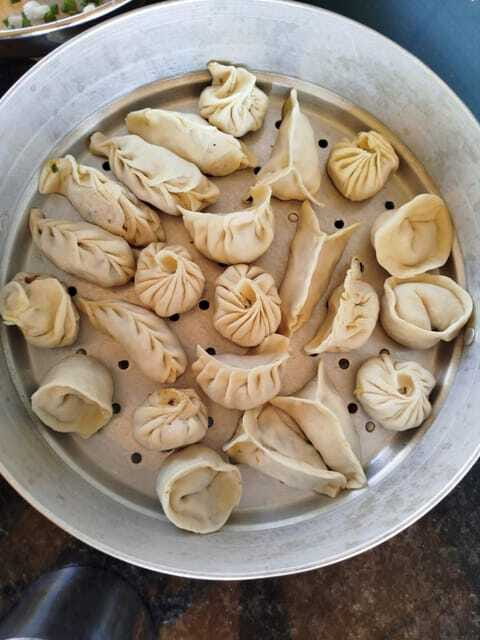
Momos aren’t only a street-food habit. They’re part of celebrations and everyday life in Nepal, which you’ll hear about during the class. The point isn’t to lecture you; it’s to give meaning to what you’re making.
When you understand that momos are tied to gatherings—family events, festive times, and common meetups—you stop thinking of them as just a snack. You start seeing them as a dish people share when they want everyone around the table to eat the same thing and talk.
That cultural context changes how you cook at home too. You’re more likely to make a batch for friends, not just one quick portion. Momos were built for sharing.
What about timing: 1.5 hours, but plan for a little extra
The class is listed as 1.5 hours, but it can run a bit longer. In one case, the session went longer than described, likely due to good conversation and relaxed pacing. This is common in hands-on classes because people want to keep working until they feel they’ve got it right.
So I’d plan like a Kathmandu local: give yourself a cushion. If you have dinner plans right after, keep them flexible. If you’re booking the class as a solo activity, you’ll likely enjoy lingering in Thamel afterward rather than rushing back to your hotel.
Also aim to arrive about 10 minutes early. You’ll want a moment to settle in, get your spot, and start with a calm mindset.
Price and value: is $15 worth it?
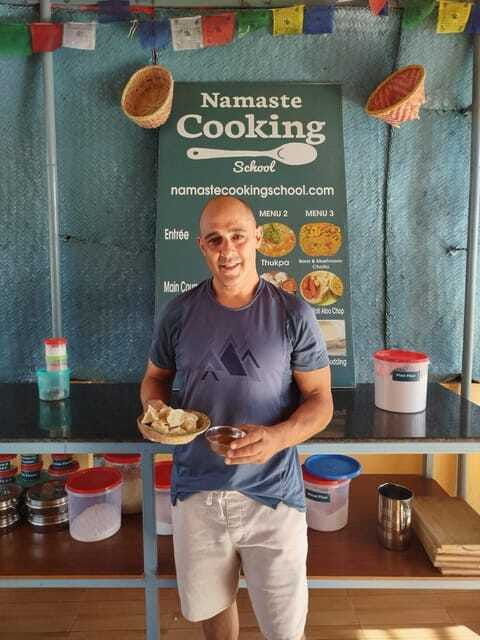
At $15 per person, this class prices in the “small treat” range, especially for Kathmandu. What you get helps justify that cost: ingredients, guidance from local chefs, English instruction, a tasting of your own momos, and a welcome masala chai.
The best value here is the instruction format. You’re actively doing the work—kneading, filling, folding—so you’re not paying just for food. You’re paying for skill transfer, and that’s what lets you make momos again at home without feeling clueless.
There’s one tradeoff: no hotel pickup or drop-off. If you’re staying in Thamel or nearby, that’s easy. If you’re farther out, you’ll want to factor in travel time to reach the school.
Who this class is best for
This is a strong fit if you:
- Like hands-on cooking more than lecture-style lessons
- Want a beginner-friendly entry into Nepalese dumplings
- Are in Thamel and want an activity that pairs well with walking
- Travel as a family and want a kitchen task kids can do (folding can be especially fun)
It’s also good for food lovers who care about technique. Momos are simple on paper—dough and filling—but technique is what makes the dumplings taste right and look presentable on the plate.
And since instruction is in English, you don’t have to rely on body language to get the process right.
My quick verdict: book it if you want real dumpling skills
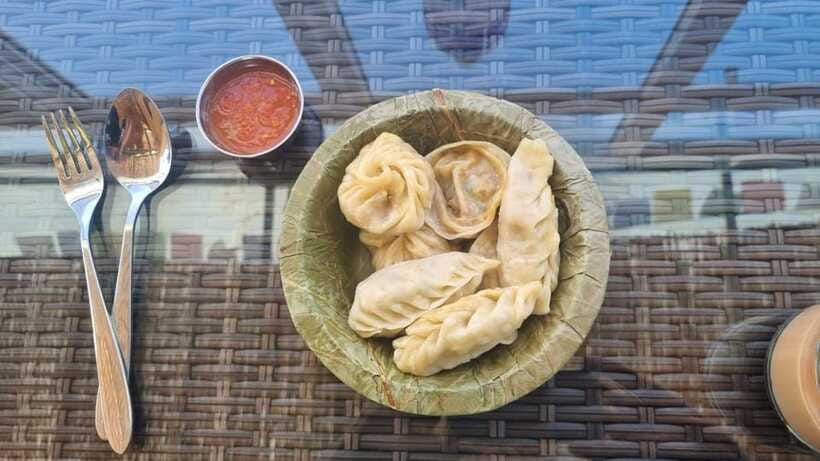
If you want a memorable Kathmandu food experience that actually teaches you something you can repeat, I’d book this momo class. The combination of women-led instruction, a clean bright workspace, hands-on folding practice, and a chai-and-tasting finish makes it feel worth your time even if you’re only in town for a short stay.
The only reason to hesitate is timing. If your schedule is tight and you can’t handle the session running a little long, plan for a cushion or choose a different day. Otherwise, this is the kind of class where you leave with a plate of momos and a method you’ll use again.
FAQ
FAQ
How long is the Traditional Momo Making Class?
The class duration is listed as 1.5 hours. Some descriptions may vary, so it’s wise to allow a little extra time.
Where does the class take place?
It takes place in Bagmati Zone, Nepal, at the Women Led Namaste Cooking School in Thamel, Kathmandu.
What does the class cost?
The price is $15 per person.
What’s included in the ticket?
You get the 1.5-hour momo making class, ingredients, guidance from local chefs, a tasting of your handmade momos, and a welcome masala chai.
Is hotel pickup and drop-off included?
No. Hotel pickup and drop-off are not included.
What language is the instruction in?
The instructor teaches in English.
What should I wear or bring?
Wear comfortable clothing and shoes suitable for cooking. Also arrive about 10 minutes before the class starts.
Is free cancellation available?
Yes. You can cancel up to 24 hours in advance for a full refund.