REVIEW · KATHMANDU
Dancing in the Manaslu Circuit Trek
Book on Viator →Operated by Master Himalaya Treks and Expedition · Bookable on Viator
A quieter Manaslu trek keeps your attention on people. You circle Manaslu through a restricted region where Tibetan-influenced villages, monasteries, prayer flags, and local music and dance show up in everyday moments.
I love how the schedule includes a dedicated acclimatization day in Samagaun, with an optional hike toward Manaslu Base Camp and Birendra Lake. I also like the cultural texture along the way, including mani walls, Prok and Namrung area villages, and the stop to Pungeyn Gumpa.
One caution: most trekking days are listed at about 12 hours, and the high point is Larkya La (5,100 m). Also, a porter is required but not included in the base price, so budget for that and tips.
In This Review
- Key things I’d highlight before you go
- Why the Manaslu Circuit feels different (and where the Dancing fits)
- Price and logistics: what $1,390 buys you (and what it doesn’t)
- Entering the Budhi Gandaki: Day 1 to Day 3 (Phedi Khola, Jagat, Salleri)
- Day 1: Phedi Khola to Maccha Khola area
- Day 2: Jagat and the hot spring at Tatopani
- Day 3: Jagat to Deng (stopping at Salleri)
- Prok, mani walls, and village life: Day 4 to Day 6 (Namrung, Shyala, Samagaun)
- Day 4: Namrung and Prok village moments
- Day 5: Namrung to Shyala
- Day 6: Shyala to Samagaun, plus Pungeyn Gumpa
- The acclimatization day in Samagaun: what to do and why it matters
- Larkya Glacier and Larkya La: Day 8 to Day 10
- Day 8: Larkya La Pass section set-up, descent to the Budhi Gandaki River
- Day 9: toward Dharmasala via monasteries, Mani walls, and Larke Bazaar
- Day 10: the push to Larkya La (and the frozen-lake views)
- Into the forests and back to Kathmandu: Day 11 to Day 12
- Day 11: Dharapani and the green forest descent
- Day 12: a jeep ride to Besisahar, then the drive back to Kathmandu
- Guides, pace, and comfort: the small things that make this trek feel safe
- Who should choose this trek (and who should reconsider)
- Should you book Dancing in the Manaslu Circuit Trek?
- FAQ
- How long is the Dancing in the Manaslu Circuit Trek?
- Where does the trek start in Kathmandu?
- What’s included in the price of $1,390 per person?
- Are meals included during the entire trekking period?
- Do I need a porter?
- Is the guide included, and what language do they speak?
- What kind of accommodation do we get?
- Does the trek depend on weather?
- What is the cancellation window for a full refund?
Key things I’d highlight before you go
- Restricted-access route that tends to feel calmer than the busiest trekking corridors
- A real acclimatization day in Samagaun before the high crossing
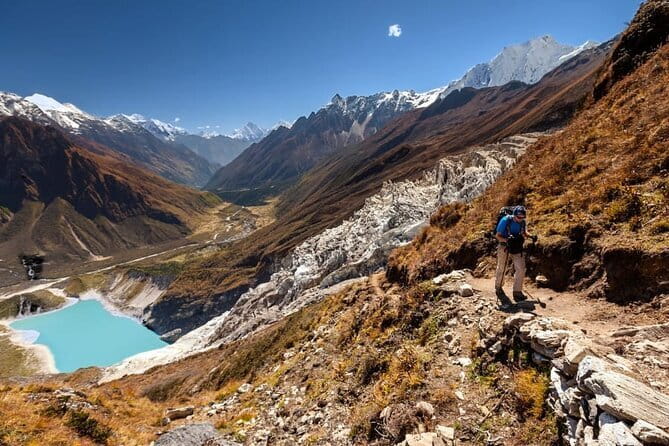
- Larkya La and Larkya Glacier views built into the itinerary, not treated as an afterthought
- Cultural stops with monasteries, mani walls, and prayer flags, plus local music and dance moments
- Deluxe bus transfers and shared jeep, so you spend less time figuring out logistics
- English-speaking guide plus private twin rooms, which makes the long days easier to handle
Why the Manaslu Circuit feels different (and where the Dancing fits)
If you’re tired of the same “same-view-every-day” trekking formula, this circuit has a different personality. You’re walking around Mount Manaslu through areas where access restrictions help keep numbers lower, so villages feel more lived-in and less like a stage set.
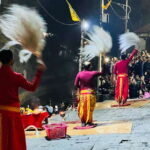
The phrase Dancing in the Manaslu Circuit isn’t just marketing fluff. Along the trail you’re specifically set up to experience culture on the ground—Tibetan-influenced communities, monasteries, prayer flags, mani walls, and moments of local music and dance that can happen when you stop, not only when you plan a cultural show.
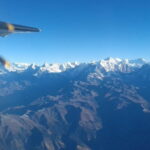
The other big reason this trek feels special: it’s not just one kind of scenery. Your route moves from river valleys into deeper gorges and up toward remote high passes like Larkya La. That gradual climb makes the trek feel earned, even on the days when you’re tired.
You can also read our reviews of more hiking tours in Kathmandu
Price and logistics: what $1,390 buys you (and what it doesn’t)
At $1,390 per person for an approx. 12-day trek, you’re not just paying for a path and a view. The included package covers the structure that usually takes the most effort to arrange in Nepal: permits and government taxes, a fluently English speaking guide, three full board meals (breakfast, lunch, dinner), and lodging in private twin-sharing rooms throughout the trek.
You’re also getting transportation handled end-to-end for the big jumps. The tour includes deluxe bus transfer for Kathmandu to Sotikhola and for Besisahar to Kathmandu, plus shared jeep transportation from Dharapani to Besisahar. On a trek like this, those road legs are where time can get messy, so it’s worth paying for them to be organized.
Here’s what’s not included: your insurance (you arrange it), personal expenses (phone charges, laundry, mineral water, hot water), tips, and the porter. The itinerary says a porter is required, and you can hire one in Kathmandu or at Sotikhola—so treat the base price as the trek framework, then add porter and tips to your realistic total budget.
Entering the Budhi Gandaki: Day 1 to Day 3 (Phedi Khola, Jagat, Salleri)
You start with a long drive out of Kathmandu, heading toward Maccha Khola and the Budhi Gandaki River system. Expect rural villages and green hillsides along the way. This is a helpful first day because it eases you into the rhythm of Nepal travel: you settle, you hike light, and you start moving your body before the real altitude work.
Day 1: Phedi Khola to Maccha Khola area
Day 1 is heavy on transit—about 12 hours. The plan notes that your transportation vehicle may change around Soti Khola and then continue toward Maccha Khola. This is exactly the kind of detail that matters in real life. You’ll want to pack snacks you like, keep essentials accessible, and treat this day as “get in position,” not “crush distance.”
Day 2: Jagat and the hot spring at Tatopani
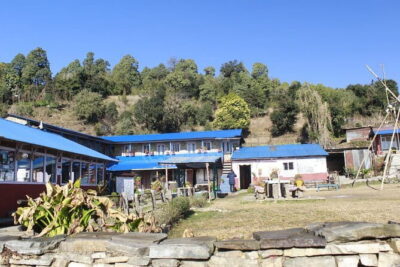
After breakfast in Maccha Khola, you trek along the Budhi Gandaki River and pass through Tatopani, known for a natural hot spring. Then you move into the restricted region and reach Jagat’s stone houses. The stone-and-river setting can feel very different from the busier routes, and the restricted access is part of why the villages can feel more peaceful and personal.
Day 2 is listed at 12 hours, so pace matters. If you try to hike like it’s a marathon, you’ll burn energy that you’ll need later for the long high days.
Day 3: Jagat to Deng (stopping at Salleri)
The next section goes toward Deng, with Salleri as your stop point. The point of these early days isn’t to win hiking points—it’s to train your legs and acclimatize to the daily rhythm. You’re also gradually moving into higher, cooler village life, where the same trekking pace feels tougher because the air does less work for you.
Prok, mani walls, and village life: Day 4 to Day 6 (Namrung, Shyala, Samagaun)
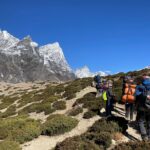
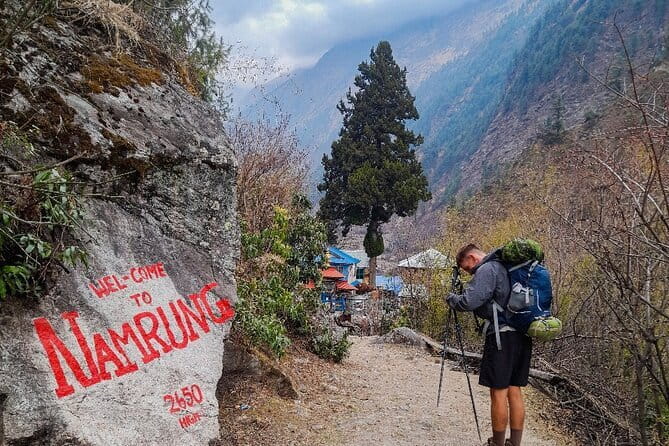
As you move forward, the trek shifts from “river approach” to “high village approach.” You’ll keep seeing mani walls—rock surfaces covered with inscriptions and prayer carvings—and you’ll start noticing how spiritual symbols blend into regular life. In places like Namrung, it can feel like the trail is built around culture, not just scenery.
Day 4: Namrung and Prok village moments
You trek from Jagat toward Deng and then into the Namrung area, with time noted for Prok village and mani walls. This is a great day to slow down for a few minutes at each cultural stop. You’re not just passing monuments. You’re walking through the logic of how people orient themselves in the mountains—through symbols, prayer flags, and repeated rituals you’ll see again later.
At the same time, day 4 is still listed at 12 hours. So enjoy the stops, but don’t let curiosity turn into a break that stretches too long.
Day 5: Namrung to Shyala
This segment is Namrung to Shyala. The itinerary doesn’t list a single “must-see” highlight here beyond the village progression, which is common on treks like this. The value is in the accumulating sense of remoteness: fewer distractions, more time with the mountains and your own hiking pace.
Day 6: Shyala to Samagaun, plus Pungeyn Gumpa
Day 6 is a big one because it builds in Samagaun and includes a hike to Pungeyn Gumpa. Samagaun is where you start to feel the shift into higher altitude living. A gumpa stop can be a morale boost because it breaks the day’s monotony and gives you a payoff that isn’t only “another view.”
If you like conversations with your guide, this is also a smart day to ask questions about how monasteries and prayer practices work across the villages you’re passing.
The acclimatization day in Samagaun: what to do and why it matters
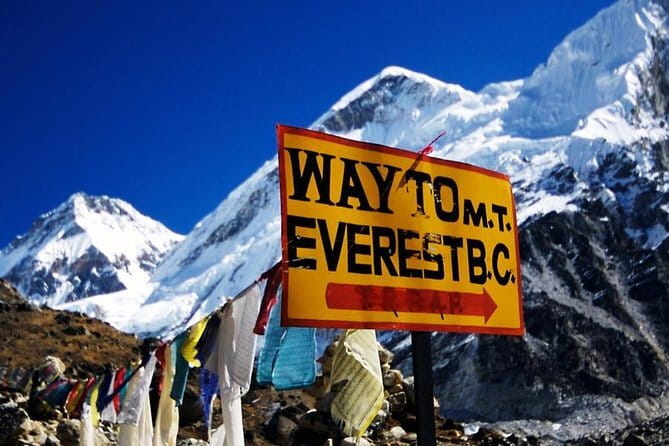
Day 7 is a true breathing space. You take a day for acclimatization in Samagaun, with an optional hike to Manaslu Base Camp and Birendra Lake.
This is one of my favorite parts of the plan because acclimatization isn’t treated like a checkbox. A good acclimatization day can prevent you from feeling wrecked later when the trail demands more. It also gives you flexibility—if you feel strong, you can add the optional hike. If you feel tired, you can rest without guilt.
A practical note: you’ll still be in a trekking mindset even on this day. Bring layers you can handle comfortably, drink fluids steadily, and don’t treat this as a “sleep all day” recovery. You want your body to adapt for the Larkya La push.
Larkya Glacier and Larkya La: Day 8 to Day 10
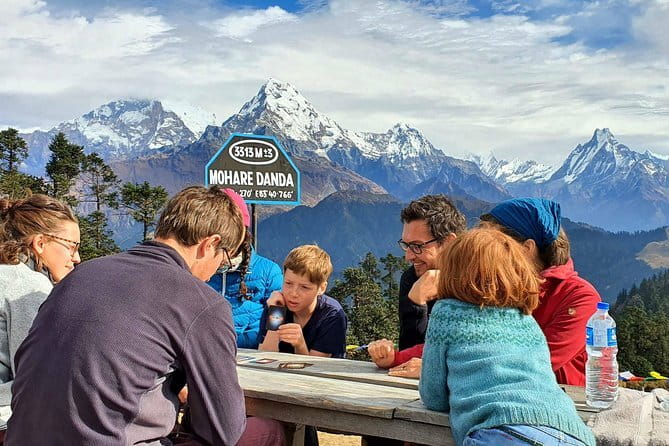
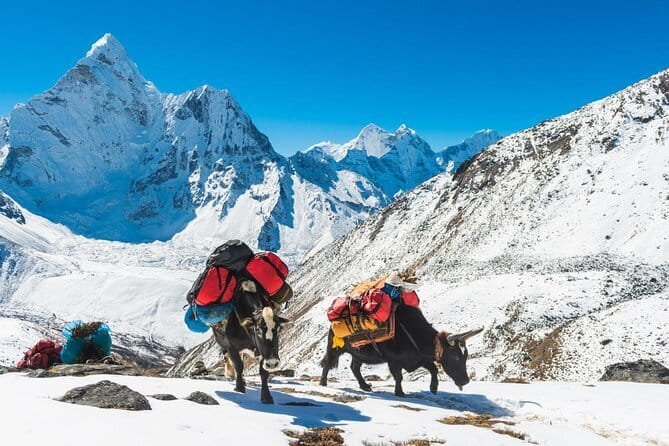
This is where the Manaslu Circuit earns its reputation. The itinerary centers the high crossing experience around Larkya La and the glacier area, and that makes these days the emotional peak of the trek.
Day 8: Larkya La Pass section set-up, descent to the Budhi Gandaki River
You descend toward the Budhi Gandaki River, cross a wooden bridge, and witness the Larkya glacier. Day 8 is listed at 12 hours, which means the day can feel long even if the sights are worth it.
The glacier moments are important not only for photos. Seeing ice up close helps you understand what the day later asks you to respect: cold, weather shifts, and thinner air can all change how you feel even when the route isn’t physically steep every minute.
Day 9: toward Dharmasala via monasteries, Mani walls, and Larke Bazaar
Day 9 includes trek through icy streams, passing Larke Bazaar, and ascending toward Dharmasala. You also pass monasteries and mani walls and enjoy views of the Larkya Glacier. This day blends hard conditions with cultural stops, so it doesn’t become only a grind.
If you want the best experience of Day 9, keep your head up and your pace steady. Let the monastery stops be small breaks, not long delays. Cold weather can sap your energy faster than you expect.
Day 10: the push to Larkya La (and the frozen-lake views)
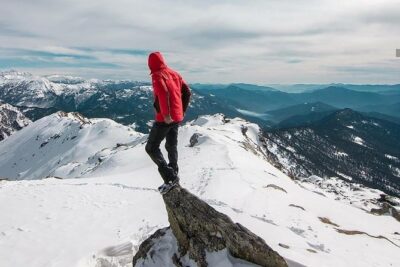
Day 10 is about trekking through challenging terrain to reach Larkya La Pass, with views of Cho Danda, Larkya Peak, and four frozen lakes. This is the day with the big payoff: you hit the named high pass and you get the wide-angle reward that comes from being high and patient.
I’d treat this day as a “conserve effort” day. Take shorter steps, slow down when you feel breathy, and focus on moving safely through whatever footing the terrain gives you.
Into the forests and back to Kathmandu: Day 11 to Day 12
After the high pass day, you shift into the descent phase. That matters because it changes what kind of tired you have. If your legs are shot, the downhill can still be painful, even when it feels easier than climbing.
Day 11: Dharapani and the green forest descent
You descend through lush green forests, cross Dudh Khola, pass through Karche Village, and reach Dharapani. Day 11 is listed at 12 hours. Even if you’re excited to be out of the high cold, you’ll still want good footwork and supportive hiking shoes.
Crossing streams and moving through villages can be a mental reset. Dharapani is a good place to start thinking about the finish line: you’re moving from the “big achievement” zone back into Nepal’s everyday movement.
Day 12: a jeep ride to Besisahar, then the drive back to Kathmandu
You take a jeep drive from Dharapani to Besisahar, then a 5-hour drive from Besisahar to Kathmandu. Day 12 is listed at 8 hours. It’s shorter than trek days, but not short enough to ignore jet-lag style fatigue. Plan to eat, hydrate, and take it easy on arrival.
Guides, pace, and comfort: the small things that make this trek feel safe
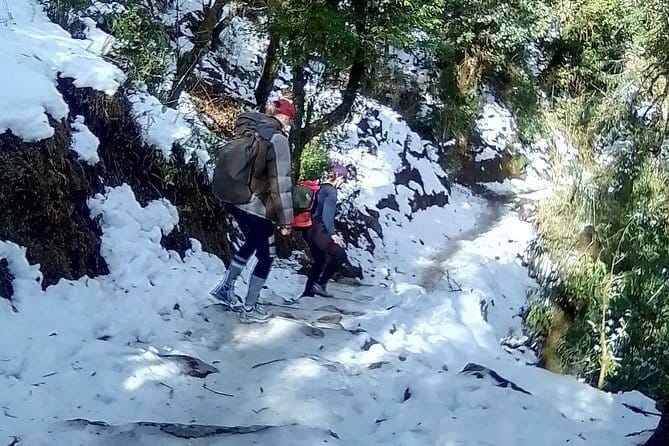
This trek includes a government certified guide who speaks English fluently, plus a first aid kit for basic medical needs. Those elements won’t stop altitude or weather from being real, but they do help you feel handled.
One standout pattern from past experiences with Master Himalaya’s trips is the human care. In stories connected to this region, guides such as Bijaya, Tenji, Lakpa, and Krishna are described as attentive and supportive, with guides offering useful context about the Himalaya rather than only pointing at trails. There’s also a recurring theme of not having to stress about logistics like finding lodges along the way.
I also appreciate that the trek uses private rooms in a twin-sharing setup. After long days that can be close to 12 hours, you want privacy to change layers, recover your feet, and sleep without sharing a room with strangers who aren’t sharing your trekking rhythm.
Finally, there’s a farewell dinner included for the completion of the trek. That’s not a small detail when you’ve spent days moving through remote terrain. It’s a real end marker.
Who should choose this trek (and who should reconsider)
This trek fits you best if you want the Manaslu region feel—restricted access, villages with deep cultural texture, and a route that doesn’t feel designed for mass tourism. It also fits you if you like structure: permits, meals, rooms, guide, and major transportation legs are handled.
You should think twice if you’re not ready for long days. Most trekking days are listed at 12 hours, and the schedule includes a high pass (Larkya La at 5,100 m). A moderate physical fitness level is stated, but “moderate” still needs consistency. If you struggle with steep long days on your regular weekend hikes at home, you may find these days harder than you expect.
Also consider the porter requirement. Since it’s required but not included, you need to be comfortable hiring one and using that support the way it’s intended. This is one of those “do it right” decisions that can protect your knees and keep you in a good mood for the cultural moments too.
Should you book Dancing in the Manaslu Circuit Trek?
I’d book this if you want a supported trek with culture built into the route, not bolted on. The value is strongest when you want someone else to handle permits, taxes, meals, lodging, and transport, while you focus on hiking and enjoying village life.
I’d pause and re-check your plan if porter costs and tips would be hard for your budget, or if you’re unsure about 12-hour walking days and the Larkya La altitude challenge. But if you can handle the physical demands and you’re excited by restricted-access villages, monasteries, mani walls, prayer flags, and local music and dance moments, this is the kind of Himalayan trip that tends to stick with you.
FAQ
How long is the Dancing in the Manaslu Circuit Trek?
It runs for about 12 days (approx.), following a day-by-day trek and return to Kathmandu on day 12.
Where does the trek start in Kathmandu?
The start meeting point is listed as P897+443, Kathmandu 44600, Nepal.
What’s included in the price of $1,390 per person?
The package includes three full board meals during the trek, required permits and government taxes, deluxe bus transfer (Kathmandu to Sotikhola and Besisahar to Kathmandu), shared jeep transportation (Dharapani to Besisahar), a government certified English-speaking guide, private twin-sharing rooms, and a first aid kit, plus a farewell dinner.
Are meals included during the entire trekking period?
Yes. The tour includes breakfast, lunch, and dinner during the trek.
Do I need a porter?
A porter is required for the trek, but it is not included in the tour price. You can hire one from Kathmandu or at Sotikhola.
Is the guide included, and what language do they speak?
Yes. A government certified guide is included, and they speak English fluently.
What kind of accommodation do we get?
You get twin sharing private rooms throughout the trek.
Does the trek depend on weather?
Yes. The experience requires good weather. If it’s canceled due to poor weather, you’ll be offered a different date or a full refund.
What is the cancellation window for a full refund?
Free cancellation is available up to 24 hours in advance for a full refund; canceling less than 24 hours before the start time is not refunded.