REVIEW · KATHMANDU
Folklore and Everyday Life in Ancient Patan
Book on Viator →Operated by Travel Nextdoor · Bookable on Viator
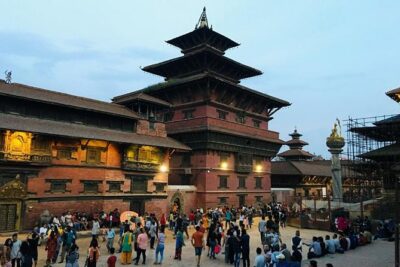
Patan’s courtyards have stories in every doorway. In this 2–2.5 hour walk in Kathmandu Valley, you move through ancient Patan street corners and inner courtyards while your guide connects folklore, faith, and everyday life. I love that it focuses on the living texture of the old town, not just big-ticket sights, and that you get to see how religion shows up in real spaces people still use. One thing to consider: Patan Durbar Square is intentionally skipped, though it’s only a short walk away if you want to add it on your own.
The best part is how the tour ties spiritual ideas to physical places—think monastery courtyards, resting areas, and ancestral shrines—so the whole area starts to make sense. I also like the balance of Newar Buddhism and Tantric Hinduism themes with practical context for how tradition shapes daily routines. The main drawback is simply coverage: with no Durbar Square stop, you’ll need extra time and ticket cost if that complex is a must for you.
A number of guides are praised for making the walk feel relaxed and funny, with Sandip singled out for turning local culture into clear, memorable stories. If you get his style, expect more than facts—you’ll get a way to look at Patan’s details without feeling rushed.
In This Review
- Key Points to Know Before You Go
- Walking Patan’s Courtyards: What You’ll Learn in 2 Hours
- Meet at Patan Dhoka, End at Swotha Square: Route and Pace
- Pimbahal Courtyard and the Monastery Presence: Newar Buddhism Up Close
- Nyakhachowk and Vernacular Houses: Where Sacred Meets Ordinary
- Nagbahaa Courtyard and Greek Influence: Art That Traveled
- Swotha Square Wrap-Up: Temples, Tea Shops, and a Simple Durbar Add-On
- Guide Quality, Small Group Feel, and Why This Costs $65
- Practical Tips for a Smooth Patan Day
- Should You Book This Patan Folklore Walk?
- FAQ
- FAQ
- What is the duration of this walking tour?
- Where does the tour start and end?
- Is Patan Durbar Square included in the tour?
- How much does the tour cost?
- How many people are in the group?
- What is included in the price?
- Are any entrance fees included for the stops?
- What faith topics does the tour cover?
- What should I bring or consider for the walking route?
- What is the cancellation policy?
Key Points to Know Before You Go
- Small group, maximum 10 travelers, so you’re not lost in the crowd.
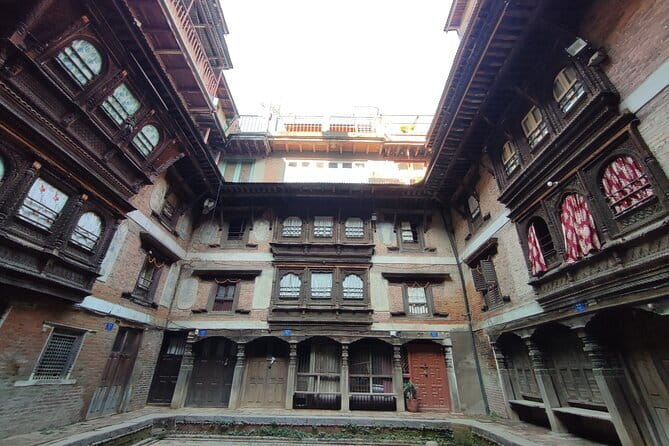
- Courtyard-focused route: you learn Patan through inner spaces, not only main streets.
- Pimbahal monastery stop with major Newar Buddhist monastic presence and standout craftsmanship.
- Architecture you can spot yourself, including traditional courtyard layouts and resting areas.
- Global art connections in Nagbahaa, including Greek/Hellenistic influence in religious iconography.
- Ends at Swotha Square, close enough to add Patan Durbar Square on your own.
Walking Patan’s Courtyards: What You’ll Learn in 2 Hours

This is a walking tour built around how Patan works as a layered city—palaces, shrines, narrow lanes, and the courtyards tucked in between. Instead of treating history like a museum label, it connects folklore and faith to the spaces where daily life happens. You’ll hear how old traditions and newer ambitions coexist, especially as younger Nepalis keep cultural norms while engaging modern values.
The themes are religion and culture, but the tone stays practical. You learn how Newar Buddhism and Tantric Hinduism shape everyday life, not only grand ceremonies. That matters because Patan’s most meaningful details are often small: a doorway carved with care, a shrine positioned with intention, a courtyard used as a social and spiritual hub.
The pace is casual but purposeful. Plan on steady walking through old-town streets where you’ll want both hands free sometimes—so avoid bulky daypacks and keep your phone charged if you like photos.
You can also read our reviews of more tours and experiences in Kathmandu.


Meet at Patan Dhoka, End at Swotha Square: Route and Pace
You start at the Patan Dhoka entrance gate on Patandhoka Road in Lalitpur. The walk then threads through old Patan’s courtyards and lanes, finishing at Swotha Square, a couple minutes’ walk from Patan Durbar Square.
Timing is built around short stops that actually let you look:
- Pimbahal: about 30 minutes
- Nyakhachowk: about 30 minutes
- Nagbahaa: about 15 minutes
- Swotha Square: about 15 minutes
Because the group stays small, you can ask questions when something catches your eye. And because the stops are courtyard-based, the route feels like a sequence of “here’s how this place functions” moments rather than a checklist of sights.
One logistics note that affects comfort: pickup and drop-off aren’t included. You’ll want to get to the meeting point using public transportation or by walking part of the way, then return to your own plans after Swotha Square.
Pimbahal Courtyard and the Monastery Presence: Newar Buddhism Up Close
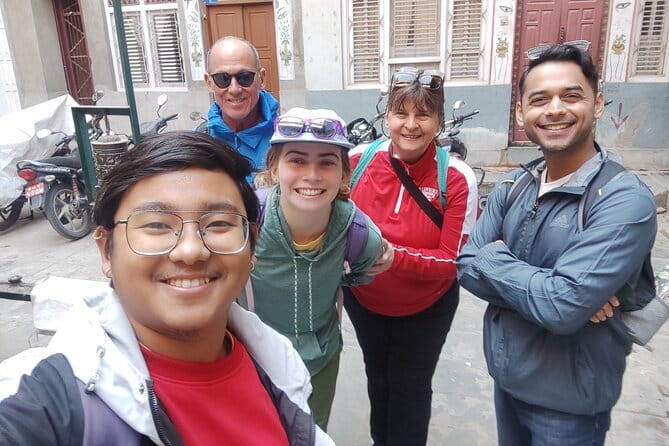
Pimbahal is the opening stop, and it sets the right mood. This is a respected and heavily embellished Buddhist monastery area in Patan, tied to a monastic order with more than 4,000 ordained monks. Even if you’re not an expert on Buddhist institutions, you can feel why this location matters: it’s not a distant relic. It’s a place where faith is built into the daily fabric of the neighborhood.
You’ll also get a chance to appreciate intricate woodwork and the way the monastery’s details signal long continuity. The craftsmanship isn’t just decoration. In religious architecture like this, design choices often communicate hierarchy, devotion, and identity—so the guide’s explanations help you notice things you might otherwise walk past.
This stop also works well if you’re curious about how Newar Buddhism differs from the Buddhism you might see elsewhere in Asia. In Patan, Buddhist practice is braided into a local urban pattern: courtyard life, shrine placement, and community rhythm.
Practical tip: take a moment before you start looking closely. Courtyards can feel dense at first. Once you get your bearings, the smaller details start to pop.
Nyakhachowk and Vernacular Houses: Where Sacred Meets Ordinary
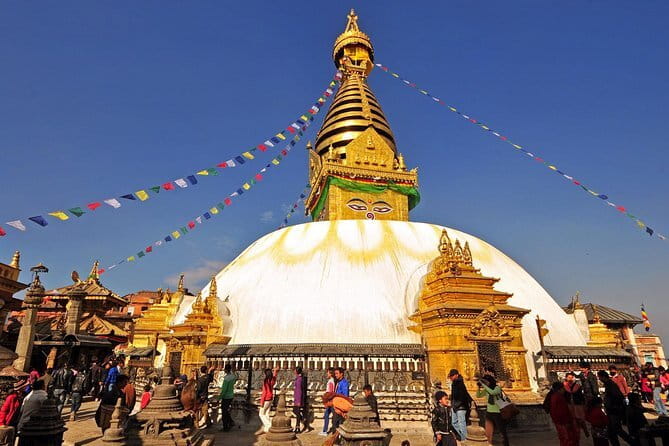
After Pimbahal, the walk moves to the Nyakhachowk courtyard area. Here the focus shifts toward architecture and how daily life fits inside traditional designs. You’ll notice features like falchaa, which are resting areas, plus ancestral shrines and vernacular houses arranged in a way that reflects community life.
What I like about this segment is that it teaches you to read the city like a planner, not just like a tourist. Courtyard housing and shrine placement aren’t random. They reflect relationships—who belongs where, how people gather, and how faith is woven into routines.
Nyakhachowk also includes a religious structure element: the courtyard houses one of the mos (the tour description cuts off the word, but it clearly points to a mosque presence in the area). Even with that partial detail, the takeaway is strong: Patan’s old town is layered with multiple religious spaces sitting close together.
This stop is where the tour becomes especially valuable if you’ve only seen Patan from postcard angles. Now you’re learning how it likely felt day to day—quiet courtyards, layered shrines, and architecture that supports both privacy and community.
Nagbahaa Courtyard and Greek Influence: Art That Traveled

Nagbahaa (often written as Nag Bahal) is one of the larger courtyards in old Patan, and it’s used here as a springboard into art history and cultural contact. This is a shorter stop—around 15 minutes—but it packs meaning.
The guide connects the courtyard’s artistic presence to the way globalization happened long ago. You’ll hear about Greek influence and Hellenistic impressions in religious iconography found in Buddhist and Hindu contexts. That can sound abstract until someone points you toward what to look for in the carvings and symbols.
What makes this part worth your time is that it changes your mental picture of ancient Patan. It’s not only locally shaped. It also absorbed ideas from outside and transformed them into something distinctly local. In other words, old Patan wasn’t locked in a bubble. It was part of a wider world of trade, travel, and artistic exchange.
If you enjoy noticing iconography, this stop is a fun payoff. If you’re not super into symbols, it still works because the guide frames it as a story of how faith and art travel together.



Swotha Square Wrap-Up: Temples, Tea Shops, and a Simple Durbar Add-On
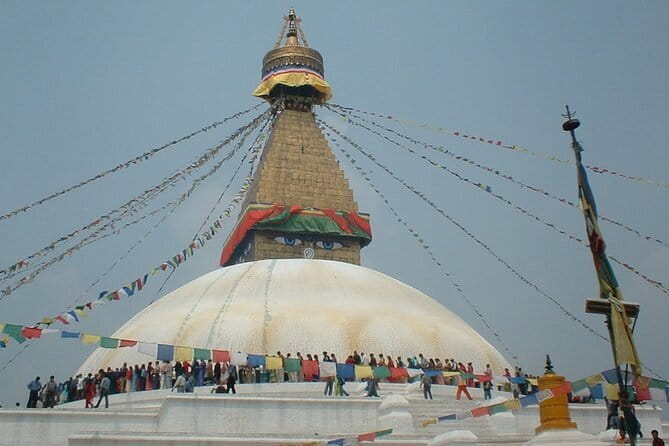
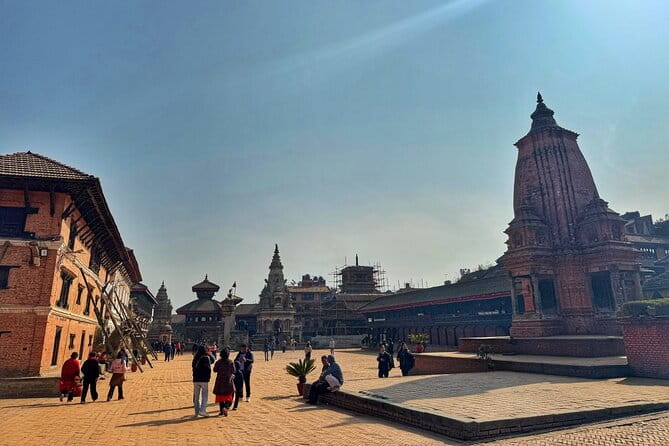
You finish at Swotha Square, another courtyard-linked city space with temples, shrines, and tea shops. This is a good ending because it gives you breathing room. After walking narrow lanes and inner courtyards, you land in an area where it’s easier to sit, reset, and decide what’s next.
Most importantly, Swotha Square is close to Patan Durbar Square. The tour doesn’t include Patan Durbar Square on purpose, but if you want it, you can go independently afterward. The old palace complex includes a museum, and it’s noted as worth your time—just be ready for extra admission fees.
As a practical strategy, I’d treat Durbar Square as your optional add-on based on energy:
- If you want the major landmark experience, add it after the walk.
- If you prefer atmosphere and local life over big-ticket complexes, consider stopping here and spending your remaining time in nearby lanes.
Either way, ending at Swotha Square keeps the plan flexible.
Guide Quality, Small Group Feel, and Why This Costs $65
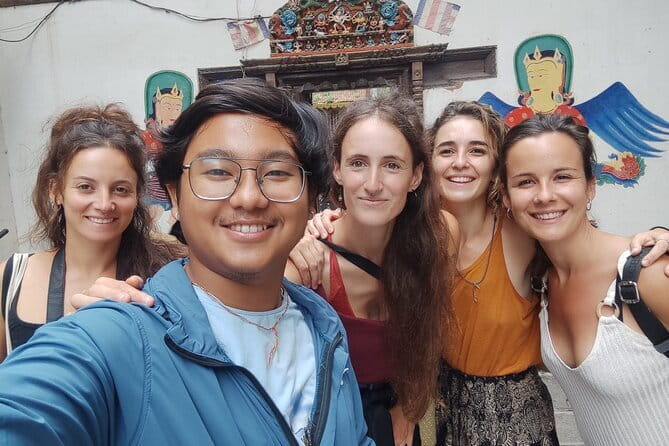
With Travel Nextdoor as the provider and a stated maximum of 10 travelers, this kind of tour is easier to manage than big group walks. Small group size matters in Patan because the best explanations often happen at the exact moment you spot something in a courtyard doorway.
You’re also getting an experienced local guide, and that’s not a minor detail here. Patan’s streets reward people who know what to point out. In the guides’ storytelling, the cultural and faith context becomes the lens that makes carvings, shrine placements, and courtyard design easier to understand.
About value: $65 for about 2–2.5 hours may not sound like much, but in an old-town setting it often becomes a good deal because you’re paying for access to interpretation. Without that, you can still explore Patan on your own—but you’ll likely miss the connections between belief systems, architectural design, and folklore.
Also note that you’ll have a mobile ticket. You won’t be juggling paper vouchers, which is nice when you’re moving through busy streets.
Practical Tips for a Smooth Patan Day
- Wear shoes you don’t mind getting dust on. Old Patan streets and courtyards are not ideal for squeaky-clean footwear.
- Go in good weather. This experience is stated as requiring good weather, and poor conditions can cancel.
- Bring water. You get breaks through the stops, but the whole experience still totals about a couple hours of walking.
- If Durbar Square is a priority, plan extra time. The tour ends near it, but it’s not included, and admission fees apply.
- Keep your day flexible. Since it’s a guided walk with stops inside courtyards, you’ll want your schedule to allow a calm pace.
If you want the most from this tour, look at it as an orientation to Patan’s social and spiritual map. After the walk, your independent exploring will feel less like wandering and more like following a logic.
Should You Book This Patan Folklore Walk?
Book it if you want a Patan experience that’s more than one big monument. This tour is best for you if you like the idea of learning through courtyards and through the real-world presence of faith in daily spaces. It’s also a smart choice if you enjoy cultural explanations that connect art, iconography, and architecture into one story.
Skip or reconsider if you’re mainly chasing the major landmark complex at Patan Durbar Square and don’t want extra sightseeing planning. Since Durbar Square is intentionally excluded, you’ll need to add it yourself afterward if you want that full palace-and-museum experience.
FAQ
FAQ
What is the duration of this walking tour?
It lasts about 2 hours to 2 hours 30 minutes.
Where does the tour start and end?
It starts at Patan Dhoka and ends at Swotha Square, which is a short walk from Patan Durbar Square.
Is Patan Durbar Square included in the tour?
No. Patan Durbar Square is not included, but you can visit it independently afterward.
How much does the tour cost?
The price listed is $65.
How many people are in the group?
The tour has a maximum of 10 travelers.
What is included in the price?
It includes an experienced local guide and you receive a mobile ticket.
Are any entrance fees included for the stops?
The listed stops show admission ticket free, but the Patan Durbar Square museum (if you add it yourself) has extra admission fees.
What faith topics does the tour cover?
The tour focuses on Newar Buddhism and Tantric Hinduism, and how they influence everyday life in Patan.
What should I bring or consider for the walking route?
You should plan for walking through old-town streets and courtyards. Comfortable shoes help, and the experience requires good weather.
What is the cancellation policy?
You can cancel for free up to 24 hours in advance for a full refund. If canceled less than 24 hours before the start time, the amount paid is not refunded. If canceled due to poor weather, you’ll be offered another date or a full refund.