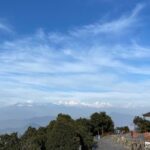
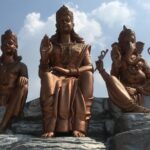
Langtang Valley moves at a human pace. This small-group trek from Kathmandu keeps things relatively manageable while you still get big Langtang range views, Tamang culture, and even yaks in Himalayan meadows. I like that you’re not lost in a crowd: it’s a max 15 group with a licensed guide plus porters to help your day go smoother.
I also like the straightforward value. You get 7 nights in basic teahouses and most of your meals during the trek, and you can borrow a down jacket and sleeping bag (upon request) instead of packing winter gear. One thing to think about: the mountain-lodge stays are basic, and you’ll be doing 6–7 hours of hiking most days, so plan for simple rooms and a steady hiking rhythm.
In This Review
- Key things to know before you lace up
- Entering Langtang: why this trek feels different
- Kathmandu to Syabrubesi: the practical start you want
- Days on the trail: what 6–7 hours of hiking really means
- 7 teahouse nights: basic rooms, warm routines
- The views that make Langtang Valley worth it
- Guide and porters: where the real comfort comes from
- Borrowed gear: down jacket, sleeping bag, and what you still bring
- Value check: what $700 covers (and what it doesn’t)
- Who this Langtang Valley Trek suits best
- Should you book Langtang Valley Trek with Incredible Treks?
- FAQ
- FAQ
- How long is the Langtang Valley Trek?
- Where do we travel from and to?
- What does the price include?
- Is accommodation in Kathmandu included?
- Are down jackets and sleeping bags provided?
- How hard is the daily hiking?
- Does the route go to very high altitude?
- What is the group size?
- Is free cancellation available?
Key things to know before you lace up
- Small-group focus (max 15): more attention on route, pacing, and how you’re feeling.
- Relatively low-altitude route: the itinerary is designed to avoid the highest elevations, so it’s more time-friendly.
- Teahouse nights (7): you sleep in simple lodges each night on the trek.
- Borrowed cold-weather gear: down jacket and sleeping bag are available on request (returned after).
- Guide + porters (2 trekkers : 1 porter): a lighter pack can be the difference between fun and suffering.
- National Park + TIMS fees included: fewer add-ons once you get on the trail.
Entering Langtang: why this trek feels different
Langtang Valley is known for being scenic, but what I appreciate about it is the tone of the trip. This route doesn’t chase the highest altitudes in Nepal. That matters because you can spend more of your energy on walking, meeting people, and enjoying the views instead of spending days just managing altitude.
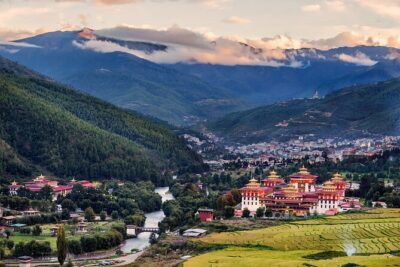
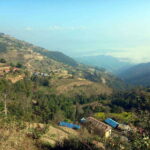
You’ll also get a cultural thread running through the hike. Expect days where you’re not only looking at mountains, but also seeing daily life tied to Tibetan and Tamang traditions. The valley setting helps, too: the trail winds through areas where you can spot yaks grazing and watch the landscape change as you move deeper into Langtang.
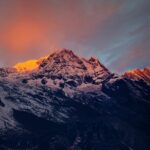
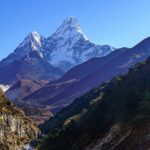
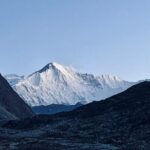
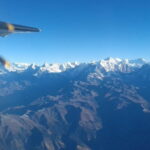
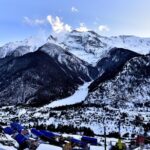
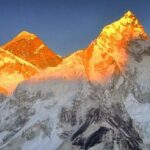
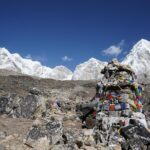
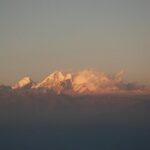
And yes, you’ll get the classic “Himalaya” payoff: Langtang range panoramas that make you slow down and look up. It’s the kind of trek where your photos are good—but your memories will come from the rhythm: morning start, steady walking, a warm meal at a mountain lodge, then repeat.
You can also read our reviews of more hiking tours in Kathmandu
Kathmandu to Syabrubesi: the practical start you want
Your trek begins in Kathmandu, with pickup offered as part of the tour. From there, you’ll travel Kathmandu → Syaprubesi by local bus and then return the same way at the end (Kathmandu is also where the trip concludes).
This is a good design for people who don’t want to burn days on complicated transfers. You’re also close to public transportation, which is helpful if you plan to arrive a bit early or sort out your logistics around the city.
One practical note: local buses aren’t luxury travel. Expect a real travel day. Still, you end up with a trek that doesn’t feel like an expedition that starts the moment you wake up at home. Instead, you get a clear staging point at Syaprubesi, then you start hiking with the day’s plan already in place.
Days on the trail: what 6–7 hours of hiking really means
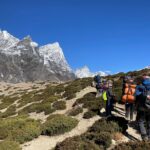
The pace here is built around roughly 6–7 hours of hiking per day. That’s a sweet spot for many active travelers. Long enough to feel like a trek, short enough that you’re not constantly crushed by fatigue.
Each day is also designed as more than just walking from point A to point B. You’ll be exploring Tibetan culture, high mountains, and local lifestyles along the way. Even if you’re not a “culture hunter” type, you’ll feel the difference because teahouse life in the mountains is part of the experience. Your breaks aren’t just rest; they’re opportunities to watch how people live, cook, and move through the day.
What you should consider is your own consistency. This trek rewards steady effort. If you go out too fast early on, you’ll feel it later. If you keep a calm pace, the day can feel manageable and even enjoyable—especially when the views start hitting.
7 teahouse nights: basic rooms, warm routines
You’ll sleep for 7 nights in teahouses with basic accommodation. The big idea is simple: you’re not buying comfort; you’re buying access to the trail and the slow, lived-in mountain routine that teahouses make possible.
What does basic mean? You can expect simple lodging at mountain lodges. There’s value in that trade: it keeps costs down and keeps the focus where it should be—on the hike and the scenery, not on hotel standards.
Your daily routine will usually follow a similar pattern: hike, rest at a lodge, then eat (meals during the trek are included as per the itinerary: breakfast, lunch, dinner). That structure is one of the underrated benefits here because it reduces decision fatigue. When you’re tired, it’s nice not to be negotiating menus with a sore knee.
The other practical upside: warm meal availability at the end of each day matters when conditions shift. Since the trek provides access to a down jacket and sleeping bag on request, you can plan for cool evenings and chilly mornings without packing a full winter kit.
The views that make Langtang Valley worth it
Langtang is a viewing trek, not a technical climbing mission. You’ll get repeated Himalayan views of the Langtang range, and you’ll see scenery that changes as the valley opens up.
Two highlights to look out for:
- Himalayan meadows with yaks grazing: not every trek gives you that easy “wow” moment. This one can.
- Culture in the valley: you’re walking through places where people’s lives connect directly to the mountains.
Also, because this route doesn’t go too high, you can often enjoy the scenery with less strain. That doesn’t mean it’s effortless—just that you’re less likely to spend the entire day “fighting the altitude.”
Guide and porters: where the real comfort comes from
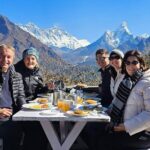
The tour is built around licensed English-speaking guide support plus a porter structure of 2 trekkers : 1 porter. In plain terms: your guide handles route decisions and helps keep the group moving well. Your porter helps carry some of your load, which can be huge on a 6–7 hour hiking day.
This is the kind of setup that tends to make people feel safe and cared for on the trail. In documented experiences with Incredible Treks, the guide Ram Krisna is described as cheerful, caring, and attentive, especially with support during tired moments. Another guide name that comes up is Lochan Gurung, praised for being superb and for keeping the group well looked after. Porters named John and Nabin are also mentioned as supportive and enthusiastic.
You don’t have to rely on luck here. The important point is that you’re paying for human support, not just a “walk with a map” experience. If you want a trek that feels structured but not stiff, this is the direction that usually works best.
Borrowed gear: down jacket, sleeping bag, and what you still bring
One smart cost-saver here is that you can borrow key cold-weather gear:
- Down jacket
- Sleeping bag
- Duffel bag (provided upon request)
You’ll need to return these items after the trek. That’s standard, but it’s also a reminder to treat the borrowed gear carefully and ask what time you’ll be handing everything back.
What you should still plan for yourself is the stuff that can’t be borrowed on short notice—your personal hiking equipment and clothes suitable for hiking. The tour expects you to come ready for the physical side: you’ll be walking for hours, often with temperature changes throughout the day.
If you’re traveling light, this borrowing option can be a big win. If you already own good down gear, you still might use it only if you prefer, but you’ll at least have a fallback plan.
Value check: what $700 covers (and what it doesn’t)
$700 per person isn’t a random number—it’s tied to a lot of what makes a Nepal trek run smoothly.
Included value you should care about:
- 7 nights basic teahouse accommodation
- Most meals during trekking (breakfast, lunch, dinner as per itinerary)
- Guide and porter staffing (2 trekkers : 1 porter)
- Park fees + TIMS fees
- Down jacket, sleeping bag, duffel bag upon request
- Local bus travel Kathmandu ↔ Syaprubesi
- Taxes, fees, and handling charges
What’s not included (and you should budget for):
- Lunch and dinner in Kathmandu
- Accommodation in Kathmandu
- Personal insurance (medical, accident, rescue/evacuation)
- Personal trekking equipment
- Personal extras like alcohol, bottled drinks, laundry, and phone bills
- Tipping for field staff
The takeaway: you’re paying for the core trek engine—guiding, logistics, lodging during the trek, and key permits. If you already have most gear and you’re comfortable arranging your insurance and Kathmandu nights, this can be a very efficient deal.
If you don’t yet have trekking equipment or you prefer full-service insurance coverage, you’ll need to add those costs on your side. The trek itself is organized, but you’re still responsible for your personal setup.
Who this Langtang Valley Trek suits best
This is a strong match if you:
- Want a relatively easy 8-day trek with a clear structure
- Prefer small-group hiking over large buses of people
- Like culture and scenery in the same day, not just one or the other
- Have moderate physical fitness and can handle 6–7 hours walking daily
It may not be ideal if you:
- Need hotel-level comfort every night
- Want a trek that feels short and casual (this one has a real hiking schedule)
- Hate the idea of basic teahouses at altitude-adjacent conditions
Also note the group minimum and maximum. The trip requires at least 2 people per booking and caps at 15. If you’re traveling solo, you’ll need to find a joinable group or confirm how they handle pairing.
Should you book Langtang Valley Trek with Incredible Treks?
If you want Himalayan views without turning your vacation into a logistics stress test, this trek is a smart buy. The combination of small group size, guide + porter support, and included teahouse nights and meals makes it feel well planned.
My call: book it if you’re okay with basic mountain-lodge accommodation and you’re ready for steady hiking days. Skip it if you’re expecting big-city comfort, or if you want an altitude profile that’s more technical or more extreme than what this itinerary is designed for.
If you do book, focus on two things before you go: get your hiking gear sorted, and make sure you’re covered with personal medical/accident insurance. The trek covers a lot—your safety net is still yours to arrange.
FAQ
FAQ
How long is the Langtang Valley Trek?
It’s listed as 8 days (approx.).
Where do we travel from and to?
The trip starts in Kathmandu, and includes Kathmandu to Syaprubesi and back to Kathmandu by local bus.
What does the price include?
The tour price includes 7 nights of basic teahouse accommodation during the trek, most meals during trekking (breakfast, lunch, dinner as per itinerary), a licensed English-speaking guide, and porter support, plus National Park fees and TIMS fees, and taxes/fees/handling charges.
Is accommodation in Kathmandu included?
No. Accommodation in Kathmandu is not included.
Are down jackets and sleeping bags provided?
Yes. You can borrow a down jacket and sleeping bag (and a duffel bag) upon request, and they must be returned after the trek.
How hard is the daily hiking?
You should be ready to hike about 6–7 hours per day. The tour recommends moderate physical fitness.
Does the route go to very high altitude?
No. The route is described as not going too high in altitude.
What is the group size?
It’s a small group with a maximum of 15 travelers.
Is free cancellation available?
Yes. You can cancel for a full refund if you cancel at least 24 hours before the experience’s start time.