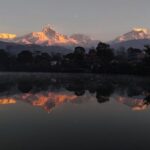
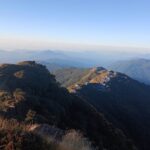
Mardi Himal gives you that Himalayan wow factor fast, without the usual crowd pressure. You’ll hike through rhododendron forest, then rise into rugged high-mountain scenery with big views toward Machapuchare. This is the kind of shorter trek that still feels like real trekking, not a sampler.
Two things I especially like: the trek time is short enough to manage with moderate fitness, and the route is set up to feel calmer than the more famous Annapurna paths. Another big plus is how the trip is built around warm, practical tea-house life, with meals included and guides who keep things moving on the ground.
One drawback to consider is that the listed start time is 8:15 pm, which means you should plan for a late pickup/briefing and a bit of waiting before the trekking rhythm starts. Also, for solo trekkers, a porter is not included in the porter policy.
In This Review
- Key takeaways before you hike
- Why Mardi Himal Feels Quieter Than the Usual Annapurna Routes
- Your 5 Days on the Trail: From Kande to the High-View Zone and Back
- Forest Steps, 3300m Challenges, and What Machapuchare Looks Like Up Close
- Tea-House Nights and Meals That Actually Help You Hike
- Guides and Porters: The Real Difference Maker
- Price and Logistics: What $500 Really Buys You
- Timing, Fitness, and Packing for a Short Himalayan Escape
- Who This Trek Is For (and Who Might Want a Different Plan)
- FAQ
- What’s included in the Mardi Himal Trek 5 Days package?
- Are permits included, and which ones do I need?
- Do I get a porter?
- Where does the trek’s transport connect to Pokhara?
- What’s the price and what’s not included?
- Is there free cancellation?
Key takeaways before you hike
- Quiet feel, big views: Mardi Himal is popular, but it’s still often less crowded than the headline Annapurna routes.
- Forest-to-high-country climb: You go from forest walking toward about 3300m for dramatic scenery.
- Tea-house comfort included: You get tea house accommodation for the trekking nights, plus breakfast, lunch, and dinner.
- Permits handled for you: ACAP and TIMS permits are included, so you’re not scrambling for paperwork.
- Porter policy: Group treks typically include a porter (1 porter for 2 people), but solo trekkers won’t have one included.
- Guides matter here: People highlight caring, professional guidance from leaders such as Shuhil Gurung and Phul Gurung (names you may see depending on your group).
Why Mardi Himal Feels Quieter Than the Usual Annapurna Routes
If you’ve looked at Annapurna trekking maps, you already know the tradeoff: famous routes come with famous crowds. Mardi Himal is different. The vibe is more “walk and breathe” than “queue and wait.” And because it’s a relatively newer route gaining traction, it can still feel like you’re getting in early on something special.
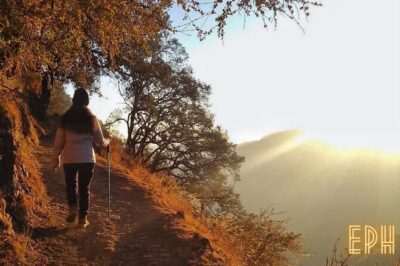
What makes the “quieter” feel work is the way the trek moves you through changing terrain. You start in the Annapurna foothills near Pokhara, then work upward through ancient rhododendron forest. Later, the trail turns steeper and more exposed, shifting you from shaded woodland steps to sharper mountain air and wide views.
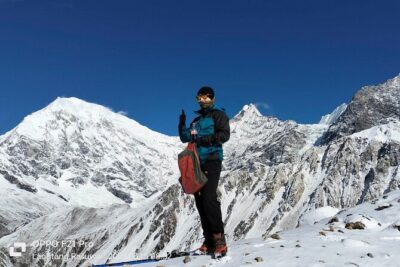
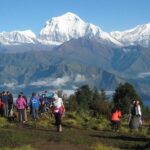
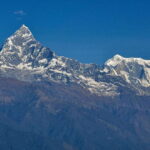
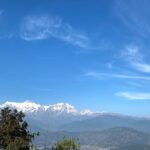
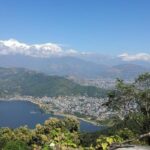
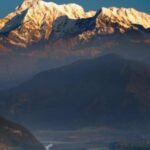
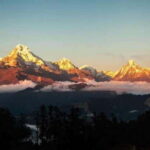
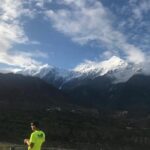
And yes, those views are the reason people keep coming back. You’ll see snow-capped peaks and get classic sightlines toward Machapuchare, the fish-tail mountain that’s famous for how it rises out of the ridges.
You can also read our reviews of more hiking tours in Pokhara
Your 5 Days on the Trail: From Kande to the High-View Zone and Back
The trek is listed as about 5 days, and the practical shape of the journey is pretty clear from what’s included and how transport is arranged. You’ll be moved from Pokhara to Kande, then you’ll spend your days hiking through the Annapurna region’s stair-step terrain before coming back down toward Siddhing for the ride to Pokhara.
Here’s the useful way to picture the week without pretending it’s a rigid script:
- Early days: You’ll be building altitude gradually, likely feeling the change in temperature as the forest gives way to more open slopes.
- Mid trek: This is where you push toward the higher section, with the trek described as climbing out around 3300m. Expect colder air, faster breathing, and more focus on pacing.
- Final day(s): You’ll descend back toward Siddhing, where the included transport returns you to Pokhara.
This structure is one reason the trek works for first-timers or busy schedules. It’s not a long, slow march into the distance. You get the mountain arc—forest to high country to descent—without needing extra days that turn a trip into a full life project.
Forest Steps, 3300m Challenges, and What Machapuchare Looks Like Up Close
Mardi Himal’s character comes from contrast. A lot of shorter treks focus only on the endpoint view. This one gives you a build-up.
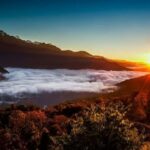
As you rise, the trail is described as winding through small paths in ancient rhododendron forest. That matters because forest hiking is mentally different. It’s not only about effort; it’s about rhythm. You’ll be able to settle into steady steps, take breaks without freezing, and enjoy the texture of mossy woods and alpine vegetation when the air is still milder.
Then comes the shift. The description notes that the landscape becomes more rugged high-mountain scenery as you ascend and that you climb out at around 3300m. At that point, every stop feels like it has a purpose: a quick breath, a quick photo, and then back to walking.
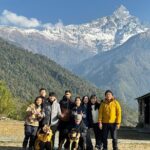
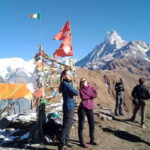
Machapuchare is the headline view most people are chasing. Even if you don’t call it by name in the moment, you’ll spot the distinctive silhouette when clouds open and the ridges line up. It’s the kind of peak that makes you pause without needing to explain why.
Tea-House Nights and Meals That Actually Help You Hike
This trek includes three meals a day—breakfast, lunch, and dinner—with tea or coffee included. It also includes all tea house accommodation, which is a huge value point in Nepal trekking.
Tea-house lodging is simple, but it’s dependable. What you gain is exactly what you need on a short trek:
- a warm room to reset in,
- a hot drink after walking,
- and meals that keep you fueled without guessing.
Food quality varies by place and season, but the bigger win is consistency. When your meals and basic lodging are handled, your brain can focus on the trail instead of logistics.
One detail I really like from the experiences shared: some guides go beyond the usual plan. In one case, Phul Gurung reportedly even foraged for seasonal vegetables and mushrooms. That’s not something you should count on every single day, but it shows the style of guiding: practical, attentive, and tuned into what’s available.
Guides and Porters: The Real Difference Maker
With a trek like this, your gear matters—but your guide matters more. You’re walking in remote terrain, and you’re balancing altitude, weather, and pacing. Good guidance turns stress into manageable work.
Names that come up in the experiences include:
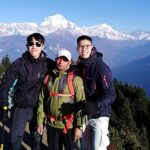
- Shuhil Gurung and Phul Gurung leading groups with professional handling and accommodating attitudes.
- Sobit, sometimes working alongside someone like Sandesh.
- Robin, mentioned especially in the context of solo trekking support.
Across those stories, the strongest common theme is reliability. People describe guides as responsible, safety-minded, and willing to adjust the day-to-day pace so the trek stays enjoyable.
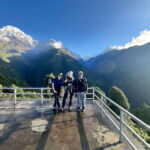
Porters are part of the equation too. The trek includes a porter for 2 people. That’s a smart compromise for many groups: you still feel like you’re trekking, but you’re not carrying everything up and down steep sections. For solo trekkers, the policy notes no porter included, so you’ll want to pack accordingly.
If you’re traveling with friends, the “1 porter for 2” structure can be ideal. If you’re solo, you’ll want to think harder about how much weight you’re carrying and how you’ll stay comfortable on the higher, colder segments.
You can also read our reviews of more tours and experiences in Pokhara
Price and Logistics: What $500 Really Buys You
At $500 per person, this trek can feel like a deal, or it can feel expensive—depending on what you expected. Here’s how to judge the value using what’s actually included.
Included in the price:
- Local transport: Pokhara to Kande and Siddhing to Pokhara
- Meals: breakfast, lunch, dinner + tea/coffee
- Permits: ACAP and TIMS
- Tea house accommodation
- Porter support: 1 porter for 2 people (solo no porter)
- Government taxes
Not included:
- hotels in Kathmandu and Pokhara
- transport between Kathmandu and Pokhara
- domestic flight fares
- personal expenses
- tips for guide/porters/driver
So the cost isn’t just “the hike.” A lot of the expensive, annoying stuff is already baked in: permits, meals, and the core trekking lodging. That’s what you want to happen for a short trek. You don’t want a last-minute scramble when you’re already tired from walking.
One more value clue: this trek is often booked well in advance (around 87 days on average). If you’re traveling during peak seasons, that’s a sign you should lock it in early so you don’t end up with weaker options.
Timing, Fitness, and Packing for a Short Himalayan Escape
This trek is described as suitable for most people with average fitness, with a note that you should have moderate physical fitness. “Moderate” here matters. You’re not training for a mountaineering expedition, but you are climbing, and you are doing it repeatedly over several days.
How to set yourself up:
- plan for early mornings and long walking days,
- expect breath control at higher elevation (around 3300m),
- and keep your pace steady, even when the views tempt you to slow down.
Weather can swing quickly in the mountains. Even when days look clear in the morning, you can get colder air as you gain altitude. So pack for temperature layers and bring gear you can work with on uneven trails.
Also pay attention to the trek start timing details. The listed start time is 8:15 pm, and there’s pickup offered. That suggests a night pickup/briefing flow rather than starting the hike at midday. Plan your arrival in Pokhara the day before you’re scheduled to start, so you aren’t stressed and rushing.
Who This Trek Is For (and Who Might Want a Different Plan)
This is a strong fit if you:
- want Himalayan views in a short timeframe,
- prefer a route that tends to feel less crowded than the mega-popular trails,
- like the idea of moving through forest walking and then finishing with higher, dramatic ridgelines,
- and want a guided experience with meals and lodging handled.
It’s also a good choice for groups, since it’s run as a private activity with only your group participating. That means less mixing and fewer compromises.
You might choose differently if you:
- need a trek with very clearly mapped day-by-day lodge names and exact timings listed upfront,
- can’t handle cold at higher elevations around 3300m,
- or you’re solo and don’t want the extra weight of carrying your own load (since solo porter support isn’t included).
Should You Book This Mardi Himal Trek (5 Days)?
I’d book it if you want a compact Himalayan trek that combines quiet trail time, forest scenery, and serious mountain views without adding weeks of logistics. The strongest reason to choose it is the value mix: permits (ACAP and TIMS), tea-house lodging, and meals are included, so you’re not piecing together the core costs yourself.
I’d hold off if you’re the type who hates uncertainty about daily logistics or you know you’ll struggle with carrying your own pack as a solo hiker. In that case, you may want either a porter-included solo option or a longer trek where you can adjust pacing more easily.
FAQ
What’s included in the Mardi Himal Trek 5 Days package?
Meals are included three times a day (breakfast, lunch, dinner) with tea or coffee, along with tea house accommodation during the trek. The price also includes local transport between Pokhara and Kande, and between Siddhing and Pokhara, plus permits (ACAP and TIMS), government taxes, and porter support for groups (1 porter for 2 people).
Are permits included, and which ones do I need?
Yes. The trek includes the ACAP and TIMS permits, so you don’t have to arrange them separately.
Do I get a porter?
Porter support is included as 1 porter for 2 people for group trekkers. The provided details say solo trekkers will not have a porter included.
Where does the trek’s transport connect to Pokhara?
The package includes Pokhara to Kande at the start and Siddhing to Pokhara at the end.
What’s the price and what’s not included?
The price is $500 per person. Not included are hotel stays in Kathmandu and Pokhara, transport between Kathmandu and Pokhara, domestic flight fares, personal expenses, and tips for guide/porters/driver.
Is there free cancellation?
Yes. You can cancel for a full refund up to 24 hours before the experience start time, and changes made less than 24 hours before start aren’t accepted.