REVIEW · KATHMANDU
Kathmandu: Private Patan and Bhaktapur Sightseeing Tour
Book on GetYourGuide →Operated by Breakfree Adventures Pvt. Ltd. · Bookable on GetYourGuide
Two UNESCO squares, one unforgettable Kathmandu day. In six hours you’ll move between Patan and Bhaktapur, two former kingdom centers that still feel like they belong to another era, filled with temples, palaces, and carved courtyards. It’s a focused way to understand how Nepal’s urban core grew around religion and royal power.
I especially liked the way the tour turns monuments into something you can actually read: Patan’s Durbar Square isn’t just pretty facades, it’s also a museum-and-temple mix where your guide connects details to the Malla kings. I also liked the Bhaktapur stop, including the famous layout around the Nyatapole Temple, the Golden Gate, and the 55 Window Palace, plus an art-filled museum inside the square area. Guides such as Shankar Bhattarai and Dishee are noted for being punctual, friendly, and clear with temple and palace explanations.
One thing to plan for: entrance fees and food aren’t included, so you’ll want cash in Nepalese rupees and a snack plan if you get hungry.
In This Review
- Key highlights that make this tour worth your time
- Two UNESCO squares, two different rhythms in one day
- Price and logistics: what you actually get for $49
- Entering Patan Durbar Square: courtyards, temples, and royal-era details
- UNESCO Stop 1: why the museum mix is the smart use of time
- Bhaktapur Durbar Square: Nyatapole Temple, Golden Gate, and the 55 Window Palace
- Seeing restoration work after the earthquake
- The 6-hour pace: how to make it feel relaxed, not rushed
- What to bring (and what to skip) for comfort
- Who should book this Patan + Bhaktapur private tour
- Should you book this tour?
- FAQ
- What cities are included in the tour?
- How long is the tour?
- Is this tour private?
- Do I get hotel pickup and drop-off?
- Is there a live tour guide?
- What language is the tour guide?
- Are entrance fees included?
- Can I skip the ticket line?
- What should I bring?
- Do I need cash for the entrance fees?
- Is there cancellation protection?
- Is there an option to pay later?
Key highlights that make this tour worth your time
- Two UNESCO World Heritage Sites in one efficient 6-hour day
- Patan Durbar Square with palaces, Hindu temples, museums, and ancient courtyards
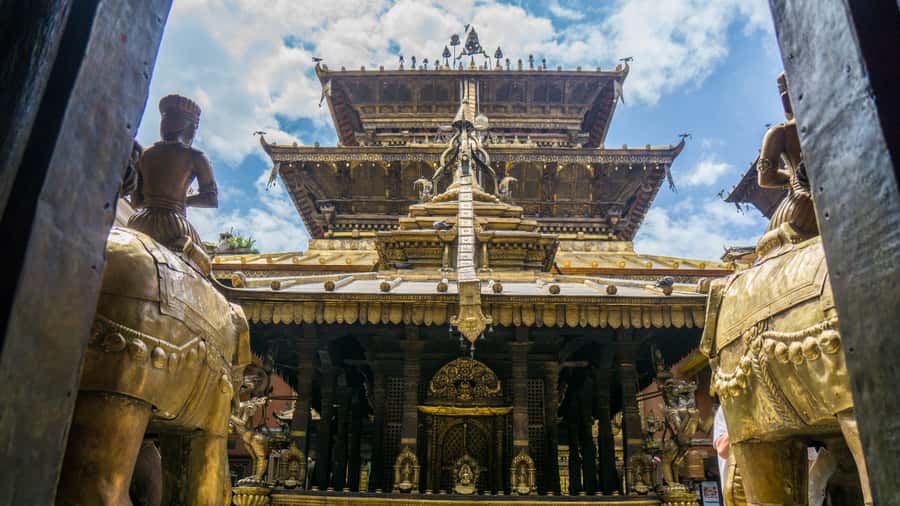
- Bhaktapur Durbar Square with Nyatapole Temple, Golden Gate, and 55 Window Palace
- Museum time in both cities for art and artifacts, not just outdoor sightseeing
- Professional live guide (English) who can adapt to what you want to see
- Private vehicle with hotel pickup and drop-off so the day stays easy
Two UNESCO squares, two different rhythms in one day
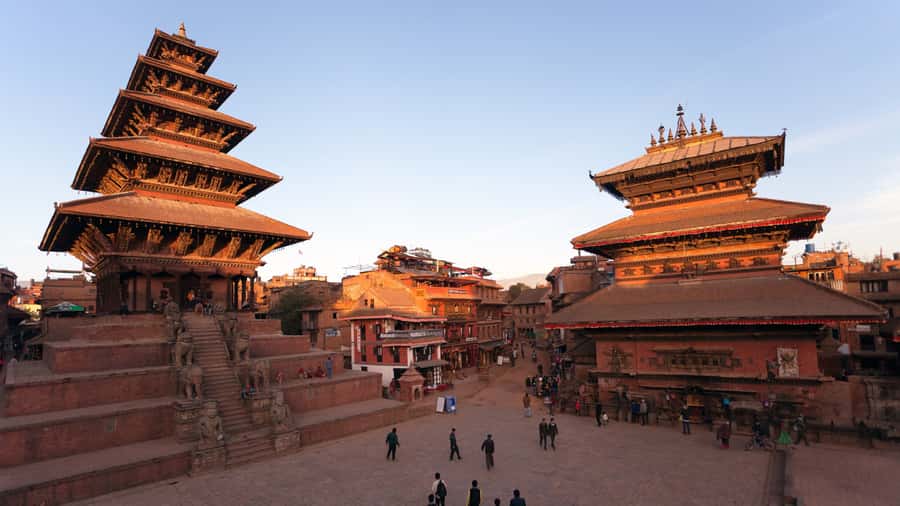
Kathmandu is the obvious base, but Patan and Bhaktapur feel like separate chapters of Nepal’s urban story. Both were kingdom centers, and both were built for ceremonies, processions, and daily religious life. The result is that the squares don’t feel like “sights” so much as functioning cultural spaces with architecture that explains how people lived.
Patan is often the more museum-and-palace oriented feeling, with a Durbar Square that pulls you from carved temple fronts into royal-era courtyards and interior displays. Bhaktapur, about 12 km from Kathmandu city, keeps more of that medieval street-level mood—narrower, slower, and famously devotional in atmosphere (you’ll hear people refer to it as City of Devotees). Put together, you get a strong comparison: two cities, same cultural backbone, different ways of organizing art, worship, and power.
And because this is a private day tour, you don’t waste your energy negotiating group pace. I like tours where your guide can adjust the order or spend extra minutes where your eye keeps returning—whether that’s a temple facade detail or a museum corner that surprises you.
You can also read our reviews of more private tours in Kathmandu

Price and logistics: what you actually get for $49
At $49 per person for a 6-hour private sightseeing tour, the value is strongest when you want three things at once: convenience, interpretation, and time efficiency.
Here’s what’s included:
- Hotel pickup and drop-off in Kathmandu
- Transportation in a private vehicle
- Professional tour guide (live, English)
- Skip the ticket line
Not included (and worth budgeting for):
- Entrance fees
- Food and drinks
Why that matters: you’re paying for the “no hassle” part—getting out of Kathmandu to two major UNESCO cores without figuring out transport or timing yourself. Skipping the ticket line helps too, because Durbar Square areas can be time-consuming when you’re stopping and starting across multiple sites.
A quick reality check: the $49 price is for the guided experience and logistics, not for museum tickets or meals. I’d plan on carrying cash and deciding in advance whether you want a simple lunch before you go or a quick break during the day.
Entering Patan Durbar Square: courtyards, temples, and royal-era details
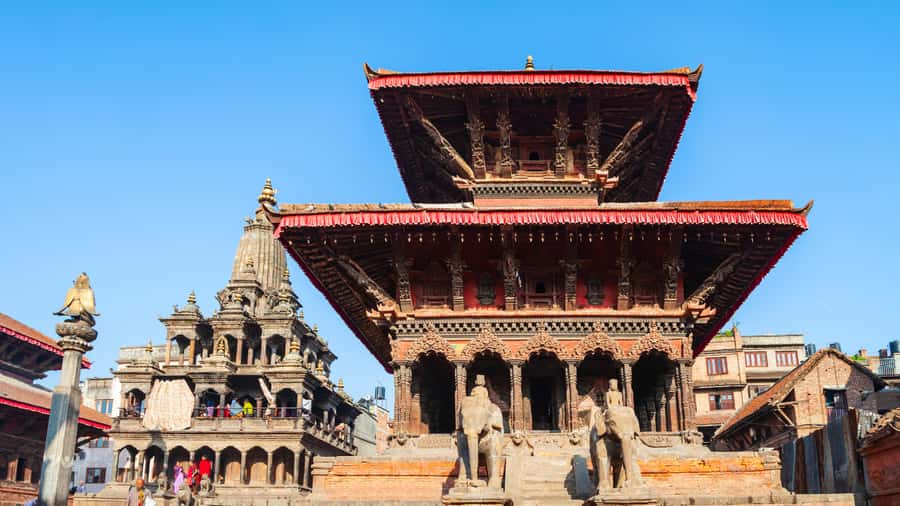
Patan Durbar Square is the main draw in Patan, and it works because it’s layered. You’ll see temple fronts, palace-related structures, museum areas, and courtyards all clustered in one walkable core. It’s the kind of place where a guide changes everything: without explanation, you can still enjoy the carvings, but with explanation you start noticing why certain designs repeat and what the spaces were meant for.
This is also where the Malla kings come into focus. As you explore, look for intricately carved facades and ornate decorations on the buildings—your guide should connect those visual choices to the period when Patan’s royal power was shaping what you see today. I like how the tour’s structure keeps you from bouncing randomly; you’re moving through the square in a way that makes the architecture feel like it has a storyline.
A practical note: you’ll likely want comfortable shoes right away. Durbar Square areas involve uneven stone and lots of turning corners. If you’re tempted to wear sandals because it’s Nepal, don’t. Your feet will thank you later.
UNESCO Stop 1: why the museum mix is the smart use of time
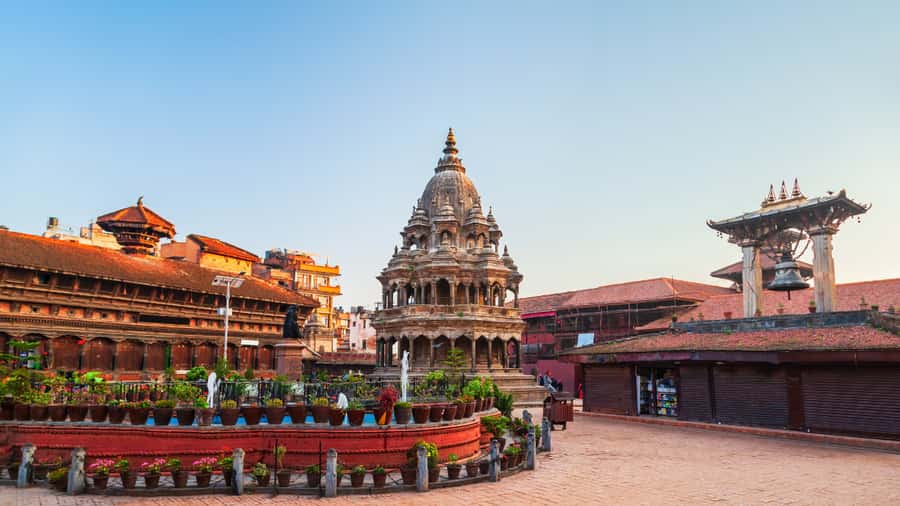
Patan Durbar Square isn’t only temples and facades. It includes a museum element and other interior spaces that help you slow down and make sense of what you’re seeing outside. This matters because UNESCO cores can blur together if you only view from street level. Spending time on exhibits gives your brain a reference point—then the carvings and sacred spaces outside start clicking into place.
I also appreciate the way this style of tour handles “architecture fatigue.” Outdoor details can be endless, but when there’s a museum break, it feels like you’re transferring from sightseeing mode to understanding mode. If you tend to rush without context, the guided format helps you pace better.
Bhaktapur Durbar Square: Nyatapole Temple, Golden Gate, and the 55 Window Palace
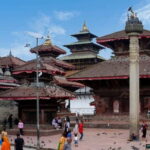
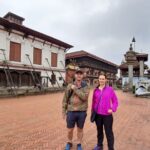
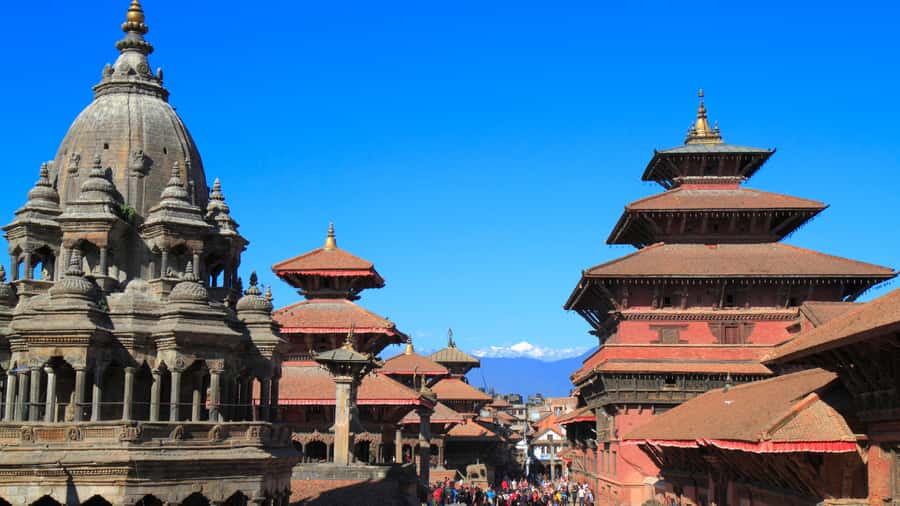
Bhaktapur’s Durbar Square is where the day becomes more emotionally memorable. The atmosphere feels centuries-old, and the square layout gives you multiple landmarks that act like navigation pins—Nyatapole Temple, Golden Gate, and the 55 Window Palace are three you’ll want to orient around early.
Nyatapole Temple is often an anchor point because it’s visually distinctive, and your guide can explain what makes it significant in the local religious setting. The Golden Gate is another key photo-and-walk stop. Even if you don’t study architectural history, you’ll feel the intention in how the gate fits into movement through the square.
Then there’s the 55 Window Palace, which is famous for its pattern and the way the building’s facade tells a story. Standing close to it, you start understanding why details matter here. The windows aren’t just design; they’re part of how the palace communicates status and craftsmanship.
Bhaktapur also includes a museum within the Durbar Square area, with exquisite art and artifacts. I like this kind of pairing—monument outside, objects inside—because it makes the day feel fuller without turning it into nonstop walking.

Seeing restoration work after the earthquake
One detail that adds real weight to Bhaktapur is seeing buildings that were restored after the earthquake. You’ll notice the difference between survival and reconstruction in the way surfaces and structures have been brought back. It’s not just an architectural history lesson—it’s a reminder that craftsmanship and cultural identity have been kept alive through rebuilding.
Your guide should help connect those restoration scenes to broader temple and palace craftsmanship traditions. If you’re the type who likes to understand not only what something is, but also what it went through, this portion tends to stick with people.
The 6-hour pace: how to make it feel relaxed, not rushed
Six hours sounds short until you’re in two UNESCO core areas. In practice, the schedule works when you treat it as a “focus day” rather than a “see everything” day.
Patan and Bhaktapur are separate destinations, so there’s drive time plus walking through each square. Bhaktapur is about 12 km from Kathmandu city, which is handy because it keeps the day efficient. You’re not spending most of your time in traffic circles or searching for local transport.
The best strategy is simple: let the guide lead, then let your curiosity choose one or two extra moments per stop. If a facade detail catches your attention, take a few minutes to stand still and look. If you spot a museum doorway you’re curious about, go in even if it means cutting something else slightly—because museum time is often what turns photos into understanding.
Also, remember that entrance fees are separate. If you wait until you’re already at the counters to search for rupees, the day slows down. Bring cash ahead of time.
What to bring (and what to skip) for comfort
This tour is built for walking and looking, so pack for your feet and sun exposure.
Bring:
- Comfortable shoes
- Sunglasses
- Sun hat
Also bring cash in Nepalese rupees for entrance fees. That single line can save you stress, because museum and temple areas often require payment on-site.
What to skip: big umbrellas. In temple courtyards and tight square areas, they can get in the way of other people and slow you down.
And if you want to be extra practical, wear layers. Nepal’s weather can shift as your day progresses, and being able to adjust helps you enjoy the carvings and courtyards without feeling overheated.
Who should book this Patan + Bhaktapur private tour
This is a strong fit if you:
- Want UNESCO World Heritage Sites without doing the planning yourself
- Prefer a guided day with explanations in English
- Like architectural details—temples, palaces, carved facades, and palace window patterns
- Want a balance of outdoor monuments plus museum time
It’s also a good choice for people who get decision fatigue. With a professional guide and private vehicle pickup/drop-off, you’re not choosing between half a dozen transport options or trying to figure out what’s worth your one limited day.
If you’re traveling with very young kids or someone with limited mobility, the day can still be doable, but you should consider how walking-heavy Durbar Square areas are. The information provided doesn’t list accessibility features, so planning ahead is smart.
Should you book this tour?
Yes, if your goal is a clean, guided comparison of Patan and Bhaktapur in one day. The tour’s value comes from the setup: hotel pickup and drop-off, private vehicle transport, and an English-speaking guide who can connect monuments to meaning. Add skip-the-line entry and it becomes a low-stress way to see two UNESCO sites without losing half your day to logistics.
Skip it (or consider a different format) if you want a slow, unstructured day with long free time in cafes and shopping. This tour is built for purposeful sightseeing—Patan Durbar Square, then Bhaktapur Durbar Square—so it’s more “focused day” than “hangout day.”
If you do book, go in with comfortable shoes and cash in Nepalese rupees. Those two basics help you enjoy the architecture and museums instead of wrestling with small delays.
FAQ
What cities are included in the tour?
You’ll visit Patan and Bhaktapur, focusing on their Durbar Square areas and key temples and palace sites.
How long is the tour?
The tour is listed as 6 hours.
Is this tour private?
The transportation is provided in a private vehicle, and hotel pickup/drop-off are included.
Do I get hotel pickup and drop-off?
Yes. Pickup is included from your hotel in Kathmandu, with drop-off back at your accommodation after the tour.
Is there a live tour guide?
Yes. The tour includes a professional live guide.
What language is the tour guide?
The live tour guide operates in English.
Are entrance fees included?
No. Entrance fees are not included.
Can I skip the ticket line?
Yes. The tour includes skip-the-ticket-line access.
What should I bring?
Bring comfortable shoes, sunglasses, and a sun hat.
Do I need cash for the entrance fees?
Yes. You should bring cash in Nepalese rupees for entrance fees.
Is there cancellation protection?
The activity offers free cancellation up to 24 hours in advance for a full refund.
Is there an option to pay later?
Yes. You can reserve now and pay later.
If you tell me your travel dates and whether you prefer more temple time or more museum time, I can suggest a smart pacing plan for the 6 hours.