REVIEW · POKHARA
6 days Annapurna Basecamp Trek
Book on Viator →Operated by iTour Nepal Private Day Tours · Bookable on Viator
Annapurna sunrise hits hard. This 6-day Annapurna Base Camp trek is built for a faster, more structured route with big mountain payoff—especially the 360-degree sunrise over Annapurna I. Two things I’d put at the top of the list: Chhomrong’s high-view position over Annapurna South and Huinchuli, and the early morning color show at Base Camp. The main trade-off is the pace: the schedule runs long days (about 12 hours on trekking days), so you’ll want solid fitness before you arrive.
What makes it feel manageable is how the trip is set up around you: pickup is offered from Pokhara, you’re guided by a licensed, experienced, insured guide, and you stay in teahouse accommodation with breakfast included. Still, lunch and dinner aren’t included, and you’ll also pay for things like bottled drinks and some teahouse extras (WIFI/charging) along the way.
In This Review
- Key highlights I think matter
- Why this 6-day Annapurna Base Camp route feels different
- Pokhara start, private transport, and small-group momentum (max 20)
- Day 1: Chhomrong viewpoints after the 285 m Jhinu Danda bridge
- Day 2: Into the Annapurna Sanctuary from the foothills
- Day 3: Modi River valley, rhododendron forest, and Dovan
- Day 4: Deurali-to-Base Camp and the big peak lineup
- Day 5: Sunrise at Base Camp and the color change of Annapurna I
- Day 6: Back toward greenery and civilization, with breakfast and valley views
- What’s included (and what you’ll pay for on the trail)
- Gear and comfort tips that match this itinerary
- Price and value: does $450 make sense?
- The human factor: guide coordination and safety focus
- Should you book this Annapurna Base Camp trek?
- FAQ
- How long is the Annapurna Base Camp trek?
- Where does the trek start?
- Is pickup included?
- What kind of accommodation do I get?
- What meals are included?
- Is a guide included?
- Do I need to bring my own sleeping bag or crampons?
- Is a porter included, or do I have to pay extra?
- How big is the group?
- What if I need to cancel?
Key highlights I think matter
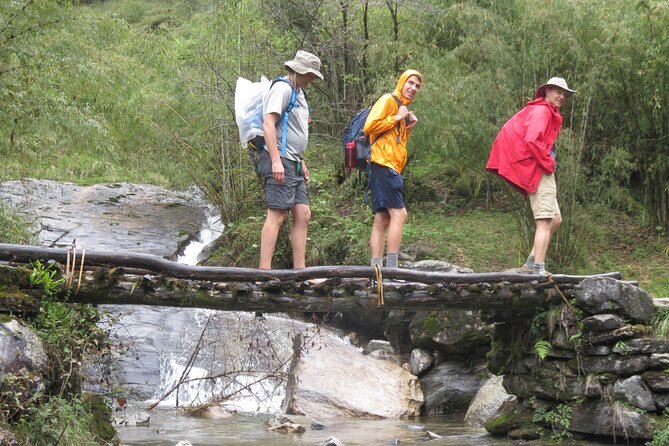
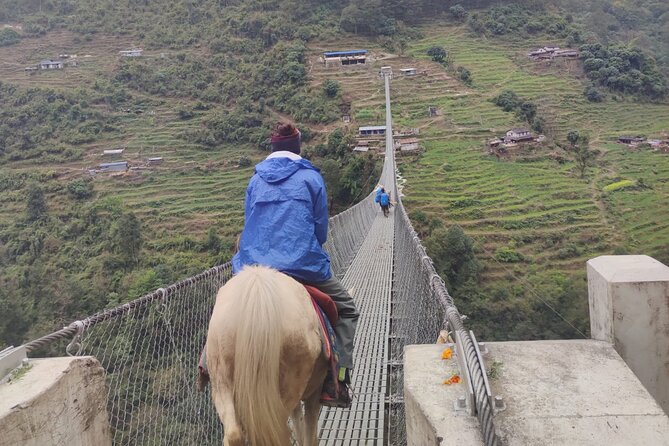
- Jhinu Danda suspension bridge: 285 m long, hanging about 135 m above the Kimrong River
- Chhomrong as a view hub: close views of Annapurna South (7,219 m) and Huinchuli (6,441 m)
- Rhododendron forest (30+ species): a colorful walk that helps break up the climbs
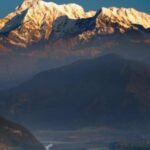
- Annapurna Base Camp sunrise: famous for the changing colors of Annapurna I (8,091 m)
- Max 20 people: small enough for the trip to feel organized, not chaotic
- Crampons as needed: anti slip crampons are included when required, plus a sleeping bag setup
Why this 6-day Annapurna Base Camp route feels different
A short Annapurna Base Camp trek sounds tempting for one reason: you get the big peaks without spending 2+ weeks away. This itinerary leans into that idea with a “shortest and safest” style—more structure, fewer loose ends, and a clear progression from foothills into the Annapurna Sanctuary and up to Base Camp.
But here’s the part to respect: compressing the trek usually means you hike more each day. The day blocks here run around 12 hours, even though you’re not always climbing straight up. If you arrive feeling undertrained, the altitude will do the rest of the work. If you arrive ready to hike long stretches (and you actually like walking), you’ll likely enjoy the rhythm.
You can also read our reviews of more hiking tours in Pokhara
Pokhara start, private transport, and small-group momentum (max 20)
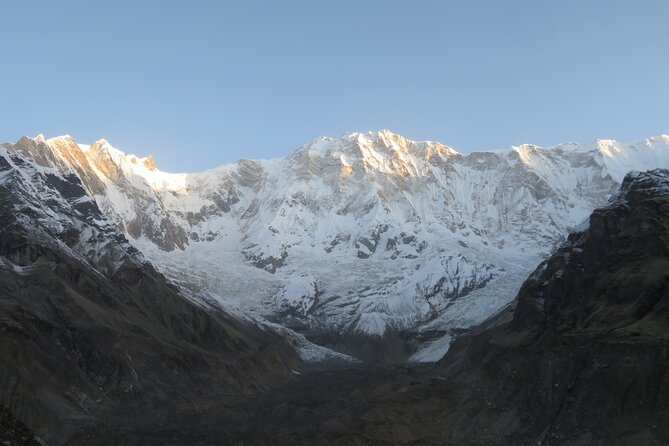
This trek starts in Pokhara, and the plan includes private transportation. Pickup is offered, which matters more than it sounds—less time guessing routes, more time using daylight well.
The group size cap is 20 travelers. That’s large enough to keep things social, but small enough that you’re less likely to get swallowed by a crowd. For you, it usually means quicker check-ins, less waiting, and a smoother pace through villages and tea houses.
Also worth noting: you get a mobile ticket. That’s one less thing to manage during travel days in Nepal.
Day 1: Chhomrong viewpoints after the 285 m Jhinu Danda bridge
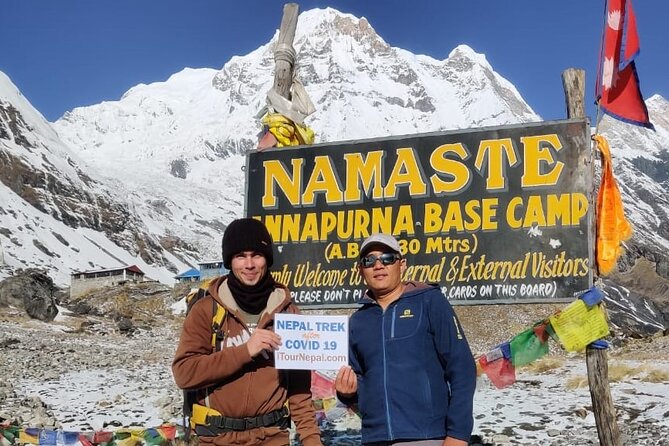
Day 1 starts with a drive of about 3 hours near Jhinu Danda suspension bridge. Then you move into the trekking day from that area and aim for Chhomrong at 2,150 m.
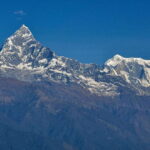
Chhomrong is a key spot because it’s close enough to feel the mountains towering over you. From here, you get standout sightlines toward Annapurna South, Huinchuli, and Mt. Fishtail. The views aren’t just “nice”—they’re the kind that help you orient the trip. You can look up and connect today’s work (walking) with tomorrow’s goal (higher ground and more exposed ridgelines).
Jhinu Danda brings the “thrilling bridge” factor. The suspension bridge is 285 m long and hangs about 135 m above the Kimrong River. If you’re the kind of person who likes a little controlled adrenaline, this is where you’ll feel it.
Possible consideration: bridges and early village walking can be slippery depending on weather. Your best move is to keep your steps calm, use trekking poles if you have them, and let the guide set the rhythm.
Day 2: Into the Annapurna Sanctuary from the foothills
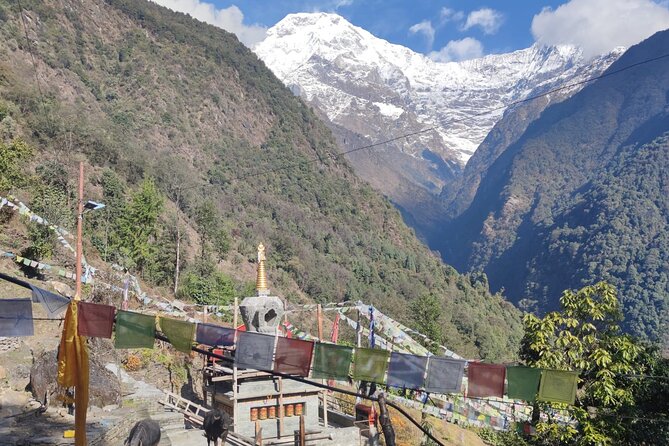
Day 2 is about transitions: a morning view session, then a long walk that swings up and down before pushing into the Annapurna Sanctuary.
The plan is described as starting with views of Annapurna South and Mt. Fishtail, then moving through the foothills with repeated climb-and-descend sections. That stop-start nature is normal here. It’s not random—it’s the way the trail gains altitude without demanding one brutal vertical move all day.
What I like about this kind of day is that you get variety. You’re not just climbing; you’re also seeing how the valley changes: thicker vegetation at lower elevations, then more alpine character as you near the sanctuary zone.
One practical note: these long days can make you underestimate your energy until later. If you want to enjoy the scenery instead of just surviving it, keep your snacks simple and steady, and don’t save all your energy for the final hour.
Day 3: Modi River valley, rhododendron forest, and Dovan
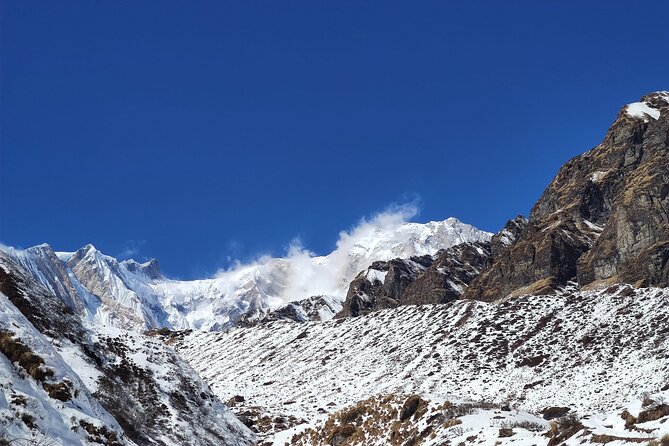
Day 3 takes you into the Modi River valley basin toward Dovan. The trail is described as gradually climbing upstream through thick rhododendron forest (with 30+ species). For many people, this is one of the most pleasant “in-between” days—less about summit drama, more about walking through living Nepalese forest.
You’ll also be traveling between major features: the description places Dovan wedged between Hiunchuli and Mardi Himal. That matters because it means the scenery is boxed in by peaks, so even on cloudy days you usually feel surrounded.
Here’s the drawback to keep in mind: forests can mean cooler, damp trail sections. That affects your footing and how quickly you feel cold. Your kit and timing matter more than willpower alone—dry socks and taking care with your pace are worth it.
You can also read our reviews of more tours and experiences in Pokhara
Day 4: Deurali-to-Base Camp and the big peak lineup
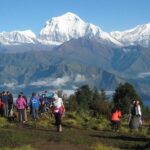
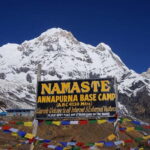
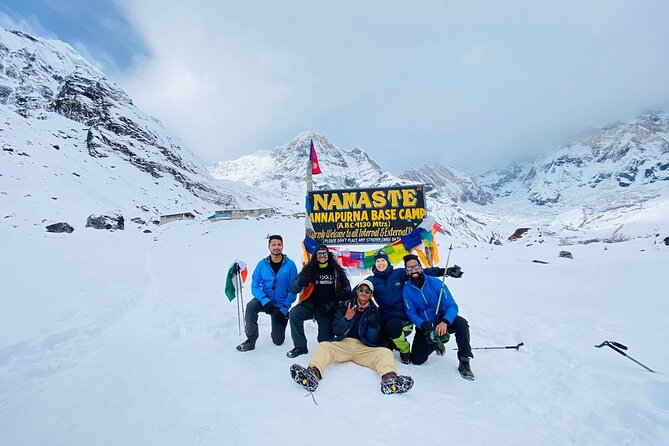
Day 4 is the day you’re aiming for Annapurna Base Camp. The trek from Deurali is called scenic with clear, undisturbed views of Mt. Fishtail, Annapurna III, Annapurna South, Annapurna I, and many other peaks.
Then you follow the Modi Khola upstream. This matters because river valleys often give you a steadier walking line and a clear sense of direction. Instead of constantly guessing, you’re tracking the river system as you gain elevation.
A key reason this day feels special: Base Camp is where the geography opens up and the peaks stop being “background.” The air may still be cold, but the visuals tend to hit harder because you’re high enough to see layers of mountain walls.
Day 5: Sunrise at Base Camp and the color change of Annapurna I
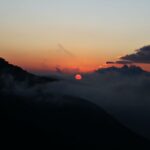
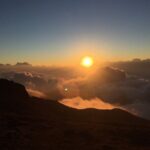
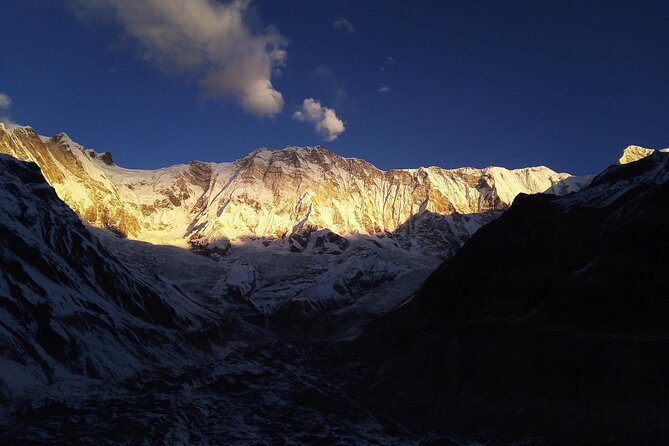
If you’re signing up for Annapurna Base Camp, this is the reason. Day 5 includes a sunrise experience with early rays hitting the snow peaks in a 360-degree view. The most popular moment described is the color shift on Annapurna I.
That kind of sunrise is rarely about comfort. You’ll want to bundle up, stay flexible, and accept that the cold is part of the deal. The upside is timing: sunrise light changes the whole way the mountains look, and those first minutes can feel like a switch flipping from “trekking” to “seeing.”
After that, you spend an easy morning at Base Camp (as described in the plan). This is your chance to slow down: take photos at a calmer pace, check in with your body, and enjoy the place without immediately launching into the grind.
Practical idea: plan for your best photos at the moment you’re there early. Once you’re back in motion, the golden-light window disappears.
Day 6: Back toward greenery and civilization, with breakfast and valley views
Day 6 is the let-down-in-a-good-way day: after several days in a deep valley and colder conditions, you return toward greenery and civilization.
The plan includes breakfast with far-reaching views of layers of hills and the Modi River valley. That contrast is more than emotional. It also gives your body a break from the highest altitude stress. Descending and moving back into warmer zones often makes people feel human again.
This day is also a good time to reflect on what you learned about yourself. If you’ve trained well, you’ll likely find the descent manageable. If you rushed earlier days or ignored fatigue, the return can feel slower than it needs to.
What’s included (and what you’ll pay for on the trail)
This trek includes a lot of the “logistics pain”:
- Licensed, experienced, insured guide
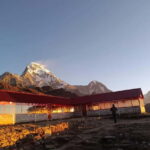
- Teahouse accommodation
- Breakfast x 5
- Private transportation
- All fees and taxes
- Duffle bag / sleeping bag / anti slip crampon as required
That duffle bag and sleeping bag detail is more useful than it sounds. At higher elevations, your comfort depends on having the right basics. The anti slip crampons as required are also important because conditions can shift quickly near upper elevations.
What’s not included:
- Lunch and dinner (meals besides breakfast)
- Porter (available for $30/day)
- Insurance for clients
- Bottled drinks, coffee from machine
- Toiletries, WIFI and charging gadgets may cost extra in teahouses
- Tips for guide and porter are said to be covered via service charges included in hotel and restaurants
A practical way to plan meals: expect to budget for at least two extra meals each trekking day, plus snacks and warm drinks. The cost doesn’t have to be huge, but it will add up.
Gear and comfort tips that match this itinerary
Because the itinerary involves long days and higher elevation sections, gear choices matter most in the small areas:
- Footing first: even if the guide supplies crampons as required, you still need stable footwear and socks you trust.
- Cold layers: sunrise and morning time at higher elevations usually means biting air.
- Keep water practical: bottled drinks aren’t included, so plan to buy what you need on the way.
- Charging/WIFI: the plan notes extra charges may apply in teahouses, so treat charging like a budget line, not an expectation.
If you’re considering a porter, it’s worth doing the math. Porter help is optional at $30/day, and it can turn a hard trek into a more relaxed one if you’re carrying too much or you’re worried about fatigue.
Price and value: does $450 make sense?
At $450 per person for 6 days, this is positioned as a mid-range trek price. The value comes from what you’re not doing yourself: private transportation, a licensed insured guide, teahouse accommodation, and breakfast included.
Where it shifts from “good deal” to “only fair” is what’s not covered: lunch and dinner, drinks, and any portering. So if you love eating hearty meals and don’t want to think about cash at tea houses, your total cost will go up.
Also consider how far in advance people book this. It’s noted that on average it’s booked 40 days in advance. That’s a clue you should plan your dates early, especially if you want specific travel days from Pokhara.
In short: the $450 price is most attractive when you’re comfortable budgeting the missing meals and drinks, and you’re happy to carry your own pack (or choose a porter if you need it).
The human factor: guide coordination and safety focus
The trip is guided by a licensed, experienced, insured guide, which you should treat as more than a checkbox. On a trek like this, the guide shapes your pace, handles route decisions around conditions, and keeps the day moving when weather changes.
In feedback I saw connected to this operator, the owner Rabi is described as very organized, and guides such as Saroj are praised for being patient, kind, and informative. While that doesn’t guarantee the exact same team on every departure, it does give you a signal: this company appears to put effort into how the trip feels moment-to-moment, not just where you sleep.
I also like that the group size is capped at 20. On popular routes, that reduces the chance of trekking in a big moving herd.
Should you book this Annapurna Base Camp trek?
Book it if you:
- Want a structured, shorter ABC trek from Pokhara instead of a longer, slower journey
- Are okay with long trekking days (about 12 hours on trekking days)
- Want a strong hit of big views: Chhomrong early, then Base Camp sunrise with Annapurna I color change
- Prefer a small group with private transport and a licensed insured guide
Think twice or plan extra support if you:
- Need a more gradual pace and you’re not ready for long day hiking
- Want lunch and dinner fully included (here, only breakfast is included)
- Don’t have travel insurance, since it’s not included and you’ll need it for peace of mind
If you’re the kind of person who likes clear goals each day—bridge to views, foothills to sanctuary, forest climb to Base Camp sunrise—this itinerary fits. For $450, it’s a sensible value package, as long as you come prepared to handle the missing meals, the cold mornings, and the physical demands of a compact 6-day climb.
FAQ
How long is the Annapurna Base Camp trek?
The trek runs for 6 days (approx.).
Where does the trek start?
The location listed is Pokhara, Nepal.
Is pickup included?
Yes, pickup is offered.
What kind of accommodation do I get?
You’ll have teahouse accommodation for the nights.
What meals are included?
Breakfast is included 5 times. Lunch and dinner are not included.
Is a guide included?
Yes. A licensed, experienced and insured guide is included.
Do I need to bring my own sleeping bag or crampons?
The tour includes a sleeping bag and anti slip crampon as required, along with a duffle bag.
Is a porter included, or do I have to pay extra?
A porter is not included, but you can hire one for $30/day.
How big is the group?
This trek has a maximum of 20 travelers.
What if I need to cancel?
You can cancel up to 3 days in advance for a full refund. If you cancel less than 3 days before the start time, the amount paid is not refunded.