REVIEW · KATHMANDU
Spiritual Journey to Kailash Manasarovar 16 Days Overland Trip
Book on Viator →Operated by Kaleidoscopic Nepal · Bookable on Viator
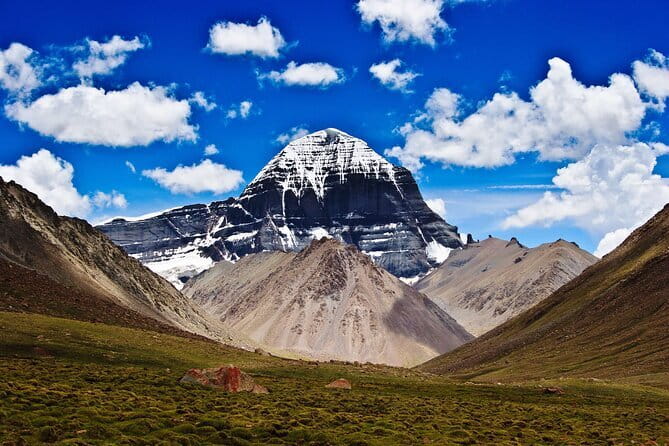
Kailash Manasarovar is not a typical trip. This overland 16-day route is built around real rituals, tight pacing with health checks, and the kind of small-group attention that matters at altitude. I love how the program mixes Kathmandu spirituality before you even cross into Tibet, then follows the pilgrim flow all the way to Lake Mansarovar and the Kailash Kora.
One thing I really liked is the human support system. In the reviews, I noticed names like Kashyap and a full team including chef and porter, and the theme is consistent: they handle the practical stuff so you can focus on what you came for, including individual comfort needs.
The main drawback is straightforward: this is a serious overland + trekking experience. You need moderate fitness, you’ll spend long hours in vehicles, and the Kora days at high altitude are physically demanding even with oxygen and monitoring included.
In This Review
- Key highlights you should know
- Overland Kailash Manasarovar: why this route feels more human
- Kathmandu warming up: Pashupatinath aarti and the spiritual pre-game
- Aarti rules of thumb (so you feel comfortable)
- Visa day, hill views, UNESCO sites, and Shiva markers near Bhaktapur
- From Syabrubesi to Kyirong (Gyirong) and Saga: altitude comes in stages
- Lake Mansarovar puja day: when the route turns sacred
- Darchen to Diraphuk to Zuthulphuk: your Kailash Kora day-by-day feel
- Day one of the Kora: Darchen to Diraphuk
- Second Kora leg: Dolma La Pass and Zuthulphuk
- Final Kora leg: Zuthulphuk back to Darchen
- Real talk about comfort on Kora days
- Mansarovar-to-Kyirong-to-Kathmandu: the drive home and the chance to settle
- Price and value: where $3,999 per person makes sense
- Who should book this, and who should pause
- Should you book this Kailash Manasarovar overland trip?
- FAQ
- Where does the tour start, and what time?
- How long is the trip?
- What is the price per person?
- How many people are in the group?
- Is airport pickup offered?
- Does the package include Tibet visa and permit fees?
- What altitude support is included?
- What meals and lodging are included?
- What costs are not included?
- When should I book, and what passport timing is required?
- What is the cancellation refund window?
Key highlights you should know
- Evening aarti at Pashupatinath Temple in Kathmandu with Bagmati River-side devotion
- Tibet visa, permit, and fees handled as part of the package value
- Oxygen cylinder + daily health monitoring (blood pressure and blood oxygen)
- Small group size up to 10 for less crowding during a once-in-a-lifetime route
- Kailash Kora trekking across rugged segments and the Dolma La Pass day
- Full board pure veg meals plus 3-star Kathmandu lodging and the best possible stays during Parikrama
Overland Kailash Manasarovar: why this route feels more human
If you care about how a place feels, overland can be the better choice. You don’t just arrive at Kailash and Mansarovar; you travel through the rhythm of the region first—Kathmandu’s temples, then the border process, then the Tibetan plateau coming into view in stages.
This trip also has a structure that helps you stay present. It’s small-group (maximum 10), runs on a fixed-departure schedule, and uses private transportation throughout. That combination usually means fewer surprises and more consistent timing, which matters when altitude and trekking are part of the plan.
One more value point: the package includes a lot of the behind-the-scenes paperwork and logistics. If you’ve ever tried to organize Tibet permits and timing on your own, you already know how stressful it can get. Here, it’s part of what you pay for, not an extra you scramble to arrange.
You can also read our reviews of more tours and experiences in Kathmandu.
Kathmandu warming up: Pashupatinath aarti and the spiritual pre-game
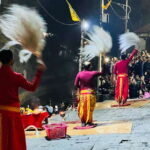
You start in Kathmandu, and the first evening leans straight into devotion. The Pashupatinath Temple is famous, but what you’re doing here is the practical, moving version of it: the evening aarti on the Bagmati River. Think oil lamps, chanting, and a ceremony atmosphere that makes you slow down quickly, even if you don’t know every hymn.
I like this start because it gives you context before you go anywhere near Tibet. Kailash and Mansarovar are spiritual magnets, but Kathmandu is where the region’s belief system feels lived-in. You’re not learning from a brochure; you’re seeing how worship looks at street level.
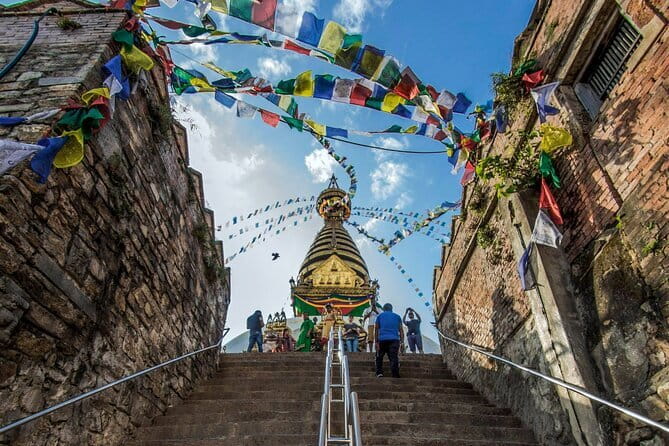
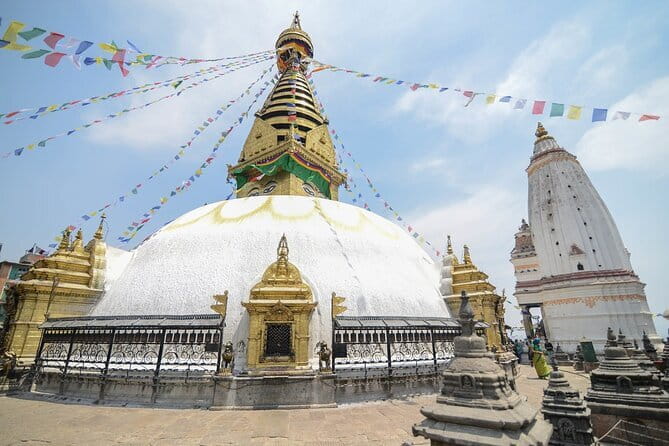
The itinerary also fits a slow-build style. After that opening night, you’re set up to visit major sites with clear, cultural grounding: Swayambhunath (Monkey Temple), Boudhanath Stupa, and Patan Durbar Square. You’ll also get a day in Bhaktapur, which gives you that older, brick-and-carving Kathmandu you can’t get from one quick stop.
Aarti rules of thumb (so you feel comfortable)
You’ll be watching a living ritual, so keep your expectations simple:
- dress respectfully, especially for temples and prayer areas
- be ready for crowds near famous shrines
- don’t treat the ceremony like a photo-only event; the point is the atmosphere
Visa day, hill views, UNESCO sites, and Shiva markers near Bhaktapur
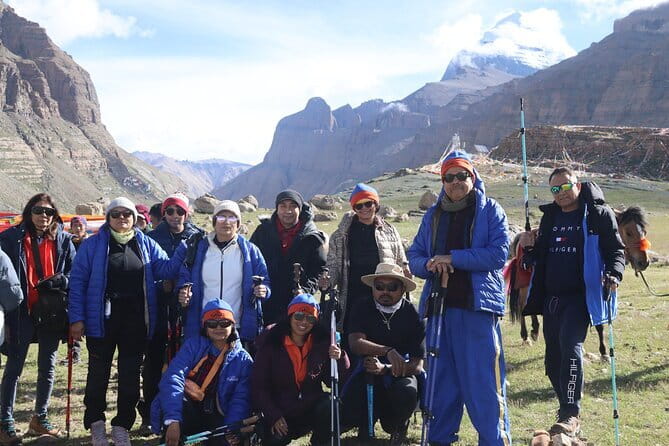
Not every highlight is loud and dramatic. Some of the best moments here are the ones that quietly set you up for the trek.
On your early days, you’ll handle Tibet visa processing through the Chinese Visa Centre, then continue to Chandragiri Hills after the formalities. The timing matters: this is the kind of day where doing the paperwork early prevents last-minute stress later when you’re already thinking about border crossings.
Then comes the Kathmandu cultural sweep. You’re visiting UNESCO World Heritage sites and major spiritual anchors:
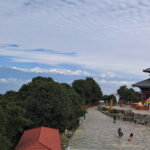
- Swayambhunath (Monkey Temple): hilltop views and prayer-corridor energy
- Boudhanath Stupa: that big, circular prayer space feeling
- Patan Durbar Square: older architecture and a different pace from central Kathmandu
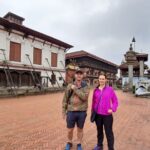
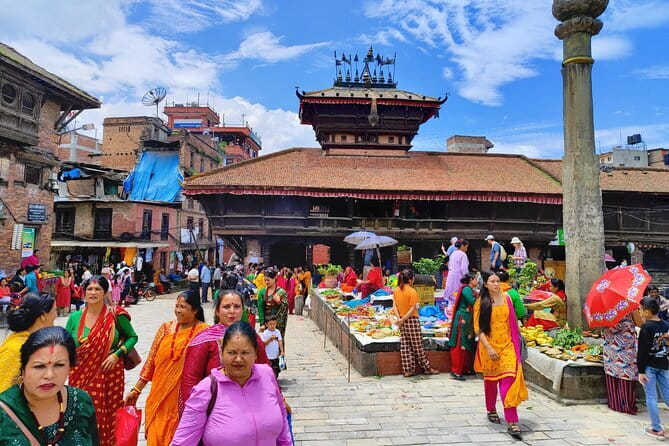
After that, you’ll shift into Bhaktapur for Bhaktapur Durbar Square. It’s known for medieval-style architecture and standout landmarks like the 55-Window Palace and Nyatapola Temple. If you like detail—woodwork, carvings, old stone layouts—this part rewards you.
You also visit Doleshwor Mahadev, a Hindu pilgrimage site near Bhaktapur with a lingam where devotees seek blessings. That kind of stop matters on this route because Kailash worship is not one-note. It’s linked to a broader Shiva network across Nepal and beyond.
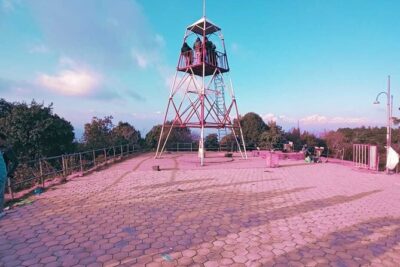
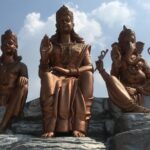
And then there’s the big visual marker near Sanga: the Standing Mahadev statue. It’s a 143-foot Shiva form perched above the valley, and even if you only get a short amount of time, you’ll feel why pilgrims treat it like a landmark. It’s the kind of place where you can look out and understand how geography becomes spiritual reference.
From Syabrubesi to Kyirong (Gyirong) and Saga: altitude comes in stages
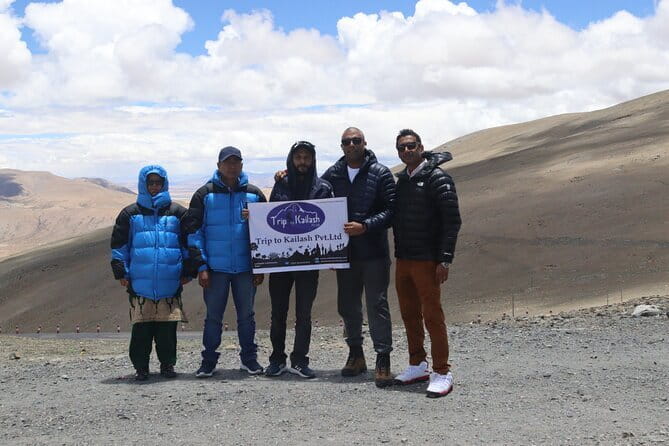
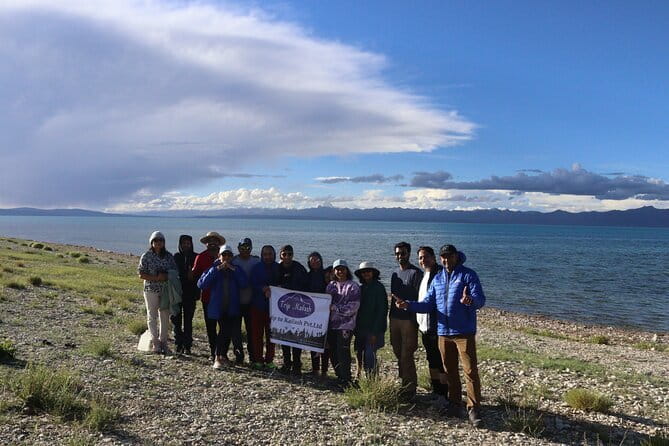
After Kathmandu, you move to Syabrubesi (Syapru Besi), the gateway town for the Tibetan border area at about 1,550 meters. This isn’t yet the main altitude test, but it’s a breathing-space stop. You’re setting your body rhythm for higher elevation.
Then you cross into Tibet and drive to Gyirong (Kyirong). Your goal here is acclimatization while still moving forward. I like that the plan doesn’t pretend your body won’t notice altitude. You’re given days where the driving itself becomes a gradual step upward.
From Kyirong you continue to Saga County, where the Tibetan plateau expands around you. The drive is part of the story here. You’ll see traditional villages and hear the sound of nomadic life in the background—simple movement across wide space.
This is also where the trip’s support system shows up practically. You’re not just hoping for the best. The inclusion of an oxygen cylinder and daily health checks (blood pressure and blood oxygen monitoring) gives you a safety net designed for real altitude challenges.
Lake Mansarovar puja day: when the route turns sacred
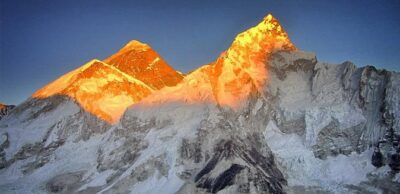
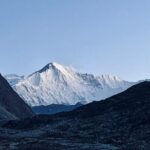
Lake Mansarovar is the emotional centerpiece for many people on this journey. It’s described here as one of the highest freshwater lakes in the world and a sacred pilgrimage site for Hindus and Buddhists, and when you arrive after days of travel, that claim starts to feel literal.
You’ll drive to the lake area, then take part in a spiritual puja on the shores of Mansarovar. This is not a quick photo stop. The program builds in time so you can sit with the stillness and Mount Kailash’s presence in the distance.
What I like about this part of the itinerary is that it works like a transition. You go from border-land travel to a still, contemplative moment. Then you pivot to the Kailash Kora in the next phase, where action and endurance replace stillness.
Practical note: even if you feel good on arrival, the body can still react at high altitude. Keep your pace easy, drink as advised by your team, and follow the routine that comes with the health monitoring.
Darchen to Diraphuk to Zuthulphuk: your Kailash Kora day-by-day feel
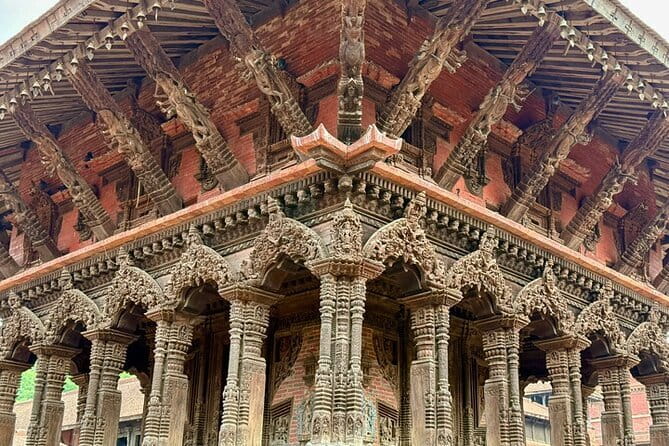
The Kora is the heart of this trip. The route begins at Darchen, described as the base town for pilgrims at about 4,575 meters. If you’ve never walked at that elevation, understand one thing: your effort feels different than at sea level. Breathing uses more energy, and slower is faster.
Day one of the Kora: Darchen to Diraphuk
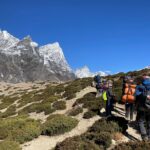
You start your first leg with a trek from Darchen to Diraphuk. The time estimate is about 7 hours. The terrain is described as rugged, and your best strategy is controlled pacing rather than speed.
This is where the guide and team support can matter more than you expect. A strong leader helps with pacing, helps you read how your body is doing, and keeps the day from turning into a push-for-distance situation.
Second Kora leg: Dolma La Pass and Zuthulphuk
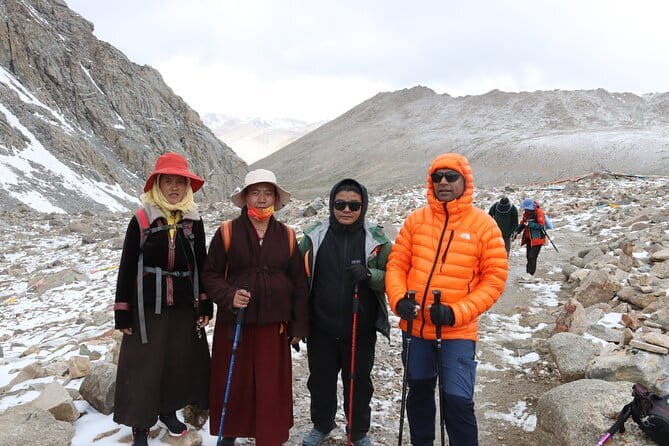
The next day goes from Diraphuk to Zuthulphuk, about 9 hours, and the big feature is crossing Dolma La Pass, the highest point of the trek. That makes this day the most intense in the program.
I’d treat this segment like a test day—not in a dramatic way, just in a planning way. Keep breathing steady, keep your steps short, and take breaks when your body asks for them. With the oxygen cylinder and daily monitoring included, you’re not walking completely unsupported, but your pace still needs to respect altitude.
Final Kora leg: Zuthulphuk back to Darchen
The last trekking segment is Zuthulphuk back to Darchen, estimated around 7 hours. For many people, this part feels like a release: you’ve already done the hardest pass day, and now you’re closing the loop.
One detail to consider: horse and pony fees are not included. If you think you might need that option, ask early while you still have time to plan calmly.
Real talk about comfort on Kora days
This trip includes oxygen and health monitoring, but the Kora is still a serious high-altitude trek. I’d pack your expectations around endurance, slow movement, and frequent rest stops. The route is guided, but your body does the work.
Mansarovar-to-Kyirong-to-Kathmandu: the drive home and the chance to settle
After the Kora, you shift back from walking to driving. You’ll go from Darchen to Saga County (about 6 hours), then continue to Gyirong (Kyirong) for an overnight stay, with the program giving you time to relax.
Then comes the home stretch. You’ll handle immigration formalities at the Rasuwa Gadhi border, and drive back to Kathmandu, estimated around 9–11 hours covering about 265 km. That’s a long day, so it’s wise to treat it as recovery time, not sightseeing.
On the final day, you fly out from Tribhuvan International Airport after breakfast.
If the Kora changed you in some quiet way, this part often feels like re-entering ordinary life. The best move is letting the travel day be travel day—eat, rest, and avoid turning the return into another checklist.
Price and value: where $3,999 per person makes sense
At $3,999.00 per person, this is not a casual vacation. But the price includes a lot that can otherwise cost time, money, and sanity.
Here’s how the value stacks up:
- Tibet visa fees and permit fees are included, which is usually the biggest pain point to price and time correctly
- Private transportation for the full overland route, not shared shuttles
- All fees and taxes are included, so fewer line items pop up later
- Lodging is listed as 3-star hotels in Kathmandu and the best possible stays during Parikrama
- Full board pure veg meals keeps the diet simple during a high-effort phase
- Oxygen cylinder and daily health checkups (blood pressure and blood oxygen monitoring) are included
You’re also getting daily structure: breakfast and meals are scheduled, and the itinerary uses long drives and trekking legs in a planned way. That can reduce the chance of you feeling like you’re constantly figuring things out.
Where you may still spend extra:
- horse and pony fees during Kora are not included
- personal expenses and tips are not included
- Kathmandu monument entry fees are roughly $30 USD
To me, the biggest justification for the price is the mix of permits + altitude support + private overland handling. If you try to assemble that mix on your own, it often turns into a chain of small problems.
Who should book this, and who should pause
This is best for you if:
- you’re comfortable with moderate physical fitness and long travel days
- you want a guided experience built around spirituality and community rituals
- you prefer small-group pacing and medical-style altitude monitoring
- you can accept a pure veg meal setup for most of the trip
You might want to pause if:
- you’re looking for a low-effort sightseeing tour
- you don’t feel ready for a multi-day high-altitude trek, even with oxygen and checks
- you’re expecting spontaneous flexibility beyond a fixed structure
Also, confirm your own expectations about what Kathmandu days will be like. Temple and monument time can feel slower than a typical city tour, but it’s the right prelude for Kailash worship.
Should you book this Kailash Manasarovar overland trip?
I’d book if you want a serious, guided route that handles the hard parts for you: permits, transport, meals, and altitude monitoring. The presence of a team name like Kashyap in the reviews is a good sign too, especially if you value being cared for when you’re tired or anxious.
I would not book if your priority is easy walking or casual comfort. This program includes rugged trek days and the Dolma La Pass segment, and it assumes you’re ready to move at high elevation.
My practical advice for your decision: match the trip to your stamina and your reasons for coming. If your goal is Kailash Kora with real structure and support, this trip is built for that. If your goal is a light cultural tour with minimal physical stress, look for something else.
FAQ
Where does the tour start, and what time?
The tour starts at Tribhuvan Airport, Kathmandu, Nepal, with a start time of 10:15 am.
How long is the trip?
It’s listed as 16 days (approx.).
What is the price per person?
The price is $3,999.00 per person.
How many people are in the group?
The tour has a maximum of 10 travelers.
Is airport pickup offered?
Yes, pickup is offered.
Does the package include Tibet visa and permit fees?
Yes. Tibet Visa Fees and Permit Fees are included.
What altitude support is included?
You get an oxygen cylinder in case of altitude sickness, plus daily health checkups that include blood pressure and blood oxygen monitoring.
What meals and lodging are included?
You’ll have full board pure veg meals. Lodging is 3-star hotels in Kathmandu and best possible accommodation during Parikrama.
What costs are not included?
Not included are horse and pony fees during Kora, personal expenses and tips, and entry fees to various monuments during Kathmandu sightseeing (roughly $30 USD).
When should I book, and what passport timing is required?
You should book at least 20 days in advance for the Tibet entry permit. After confirmation, you’ll need to send a passport photo within 2 days, and your passport should be valid for at least 6 months.
What is the cancellation refund window?
You can cancel up to 6 days in advance for a full refund. For a 50% refund, cancel 2–6 days before the experience start time. Less than 2 days before start time is not refundable.