REVIEW · KATHMANDU
Annapurna Base Camp, Nepal 10 days
Book on Viator →Operated by Third Eye Adventure P. Ltd · Bookable on Viator
The mountains don’t wait, and this trek plans for that. I like the private pacing, so you’re not forced to match anyone else’s stride, and I also like that the guiding connects what you see to the Annapurna Sanctuary’s spiritual and environmental meaning. One consideration: this is a high-altitude route, and you should expect cold, basic teahouse life plus walk days up to 8 hours.
You’ll start with a long, scenic transit to Pokhara, then work your way through classic villages like Ghandruk and Chhomrong before pushing into the higher Annapurna region. You can also customize the trek to fit your needs, which matters when your group’s fitness and hiking comfort are different. I found the best value in the blend of logistics (hot meals, AC vehicle on road days) and the calm, no-rush feel of a private trek.
The schedule is built around early starts, with a 6:15 am start time, and that shapes everything. If you hate mornings, you’ll want to adjust your sleep the night before. If you’re okay with getting going early, the payoff is steady progress, frequent mountain views, and a real sense of place as the trail climbs.
In This Review
- Key Points I’d Put on Your Shortlist
- What You’re Really Paying For (And What You Aren’t)
- Kathmandu to Pokhara: The Long Warm-Up Day
- Day 2: From Siwai to Ghandruk (A Village With a Big View)
- Day 3: Chhomrong via Kimrungdanda (When the Peaks Start Showing)
- Day 4: The Chhomrong Descent and the Suspension Bridge
- Day 5: Bamboo to Deurali (Cold, Damp, and Higher)
- Day 6: Toward Machhapuchhre Base Camp Area (A Strenuous Push)
- Day 7: Back to Bamboo (Downhill, Same Scenery, Still 8 Hours)
- Day 8: Kuldighar, Chhomrong Khola, Then Jhinudanda
- Day 9: Wrapping the Trek Near Siwai, With Hills and Bee Hive Views
- Day 10: Back to Kathmandu and a Final Day to Breathe
- The Guide Factor: Why Caring Support Changes Your Trek
- Teahouses, Meals, and the Comfort Reality
- Who This Trek Best Fits
- Should You Book This Annapurna Base Camp Trek?
- FAQ
- How long is the Annapurna Base Camp trek?
- Where does the tour start?
- Is this tour private?
- What’s included in the price?
- Are hot showers, WiFi, or battery charging included?
- What’s the daily hiking effort like?
- What level of fitness do I need?
- Do I need travel insurance?
- What is the cancellation policy?
Key Points I’d Put on Your Shortlist
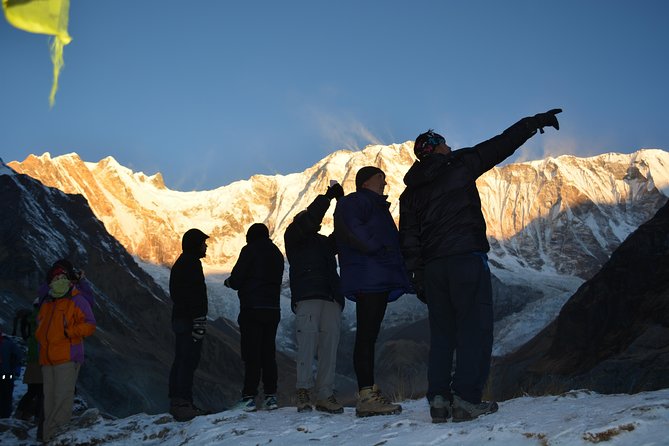
- Private trek pace: your group sets the rhythm; no need to “keep up.”
- Teahouse and hotel mix: included accommodation helps you travel lighter.
- Most meals included: breakfast daily plus lunches and dinners reduce daily decision fatigue.
- Route highlights: passes through places like Ghandruk, Chhomrong, Deurali, and Machhapuchhre Base Camp area.
- Real guiding: guides such as Sandip, Resham GC, Raju, and Nitesh show up in client stories for caring support and local knowledge.
What You’re Really Paying For (And What You Aren’t)
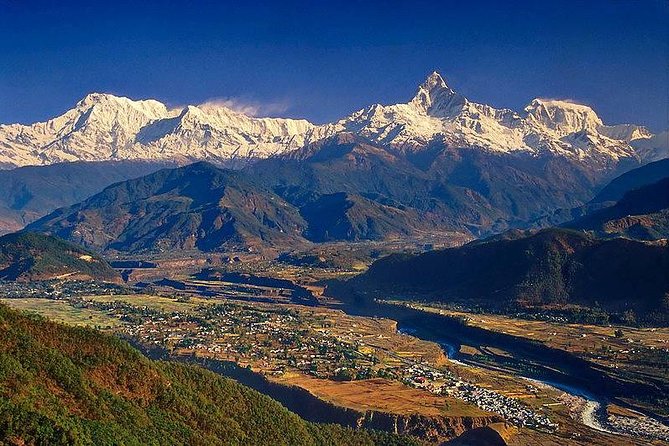
This Annapurna Base Camp trek is priced at $848 per person for 10 days, and the value is strongest when you look at what’s bundled. You’re not just buying a “ticket to hike.” You’re buying:
- Road transport by air-conditioned vehicle
- Hotel and teahouse accommodation
- A large share of your meals (10 breakfasts, 8 lunches, 7 dinners)
- A private trekking setup that can be customized
What’s not included is where people get surprised later. You don’t get hot water/hot showers, WiFi, or battery charging, and tipping your crew is on you. In real terms, that means your comfort kit matters more than you might expect. Plan for cold mornings and evenings, charge what you can in non-trekking breaks, and bring a way to keep your devices alive.
Also, this trek requires good weather, and cancellation is free up to 24 hours in advance. That’s good news for planning peace of mind.
You can also read our reviews of more tours and experiences in Kathmandu.
Kathmandu to Pokhara: The Long Warm-Up Day
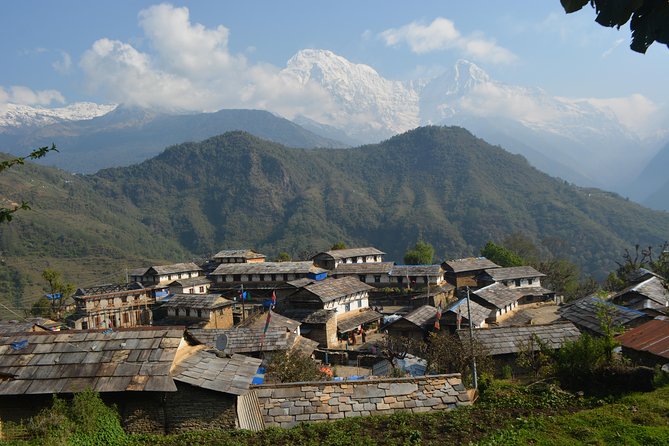
Day 1 is all about getting into the trekking rhythm. You’ll drive from Kathmandu to Pokhara by tourist bus for about 7 hours, traveling from roughly 820m. It’s a long day, but it’s also a practical one: you’re setting yourself up to start the trek without having to squeeze Kathmandu logistics into your first hiking day.
This day is usually where you’ll want to:
- Hydrate and snack early, because road days can be less flexible than walking days
- Use the time to prepare mentally for the early start tomorrow
It’s listed as “admission free,” and that’s typically just shorthand for the ride being the main activity, not a paid entrance somewhere.
Day 2: From Siwai to Ghandruk (A Village With a Big View)
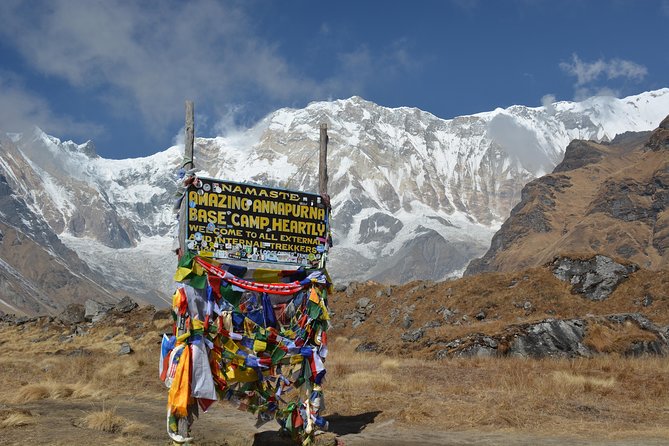
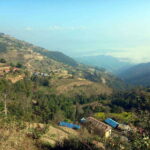
On Day 2, you drive about 2.5 hours to Siwai, then start trekking to Ghandruk (about 4 hours). Ghandruk is a beautiful village, and it’s described as mostly inhabited by the Gurung community.
Why I think this stop matters: it’s one of the first places where you’ll feel like you’ve entered a living community, not just a trail. You’ll get your first real taste of local routines, plus mountain views that help you understand what you’re walking toward.
Practical consideration: early trekking days can feel easier than later ones, but they’re also your chance to dial in your packing, footwear, and foot-care. Don’t rush. Private pace is a big plus here.
Day 3: Chhomrong via Kimrungdanda (When the Peaks Start Showing)
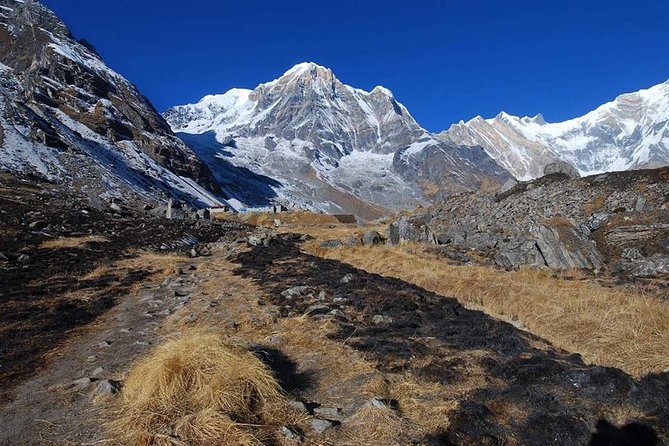
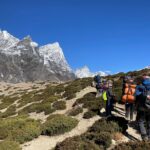
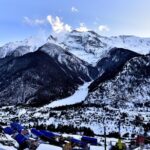
Day 3 moves you from the climb toward Chhomrong (about 6 hours). The itinerary includes a climb up to Kimrungdanda for around an hour, and that’s where the view payoff starts.
You get named highlights on this day, including:
- Annapurna South
- Hiunchuli
- Machhapuchhre (Fishtail Mountain)
- Ganggapurna
Then you continue trekking to Chhomrong, where you’ll likely feel both the altitude and the drama of the valley walls.
What to watch for: Chhomrong is a stepping-stone village on the way deeper into the route. It can be a great place to rest your legs, but it’s also a point where pacing matters. If you overdo it early, you’ll feel it later when the trek turns more repetitive and high.
Day 4: The Chhomrong Descent and the Suspension Bridge
Day 4 is listed as about 5 hours and focuses on the trail leaving Chhomrong. You’ll descend through 2500 stone steps and cross the Chhomrong Khola on a swaying suspension bridge, then climb uphill toward Sinuwa. The day also includes walking through a forest and continuing to Kuldih.
This is one of the most memorable “trail mechanics” days. Suspension bridge crossings aren’t just scenic; they teach you something important about how this trek feels: step rhythm, breath control, and staying calm when the trail gets uneven.
A real consideration here is your knees. Stone steps can be deceptively hard on the way down, especially after you’ve already hiked for a few days. If you’re the kind of person who uses trekking poles, this is a good day to lean on them.
Day 5: Bamboo to Deurali (Cold, Damp, and Higher)
Day 5 goes from bamboo forest to Deurali (3230m / 10,595ft) in 4–5 hours, and it’s described as damp and cold early on. As you ascend steadily, you reach the area around Himalaya Hotel.
This is altitude-building day. Even if you don’t measure every meter, you’ll feel the change in air and temperature. The fact that the plan calls out damp cold in the bamboo section is actually a helpful clue: pack for wet-cold conditions, not just “cool mountain weather.”
If you want comfort, this is also a good day to prioritize:
- quick-dry layers
- a dry base layer for evenings
- and simple habits to keep your body warm once you stop
Day 6: Toward Machhapuchhre Base Camp Area (A Strenuous Push)
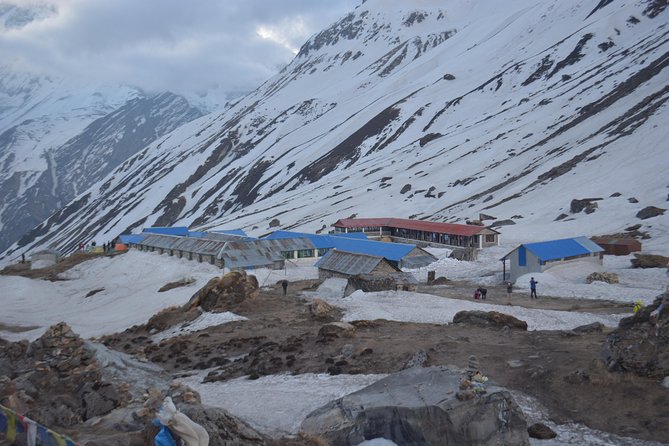
Day 6 is a longer “effort day” in the middle of the route. It starts with a gentle climb through a river bed, then shifts to a steeper trail to the mountain side. The hike from Bagar to Machhapuchhre Base Camp is described as somewhat strenuous (around 6 hours).
From Machhapuchhre Base Camp, the plan includes an excursion, though the exact nature isn’t specified in the itinerary details you provided. Either way, the bigger point is that you’re reaching one of the most famous anchor points in the region: the area tied to Machhapuchhre.
How to think about this day: treat it like a performance, not a race. Your private guide can adjust your pace and help you manage effort based on how you’re feeling at that altitude.
This is also a great day to ask your guide about what you’re seeing. Some guides in client stories (like Sandip) are specifically praised for route knowledge and cheerfulness during the trek. A good explanation can turn a tough day into a meaningful one.
Day 7: Back to Bamboo (Downhill, Same Scenery, Still 8 Hours)
Day 7 retraces steps from Annapurna Base Camp back to Bamboo, and it’s listed as downhill. The itinerary says it should not be too difficult, but it also lists 8 hours, so don’t assume it will feel easy.
This is a classic trekking trade:
- The trail may be downhill
- But your legs still do a lot of work for a long day
And scenery helps carry the mind. Even on the way back, the trail stays in the Annapurna world—valley views, ridgelines, and teahouse rhythms.
Day 8: Kuldighar, Chhomrong Khola, Then Jhinudanda
Day 8 is about 6 hours and uses a mix of ups and downs. From Bamboo you trek uphill to Kuldighar, then down toward Chhomrong Khola, then climb stone steps back to Chhomrong. After that you descend again to Jhinudanda for resting.
This kind of day is why a private trek is valuable. Your body may be okay with the uphill one day and cranky the next. The ability to keep your pace steady helps reduce the “stop-start stress.”
If you’re worried about step count, this is also where your footwear and socks become part of the experience, not just logistics. You’ll be back on stone steps after Day 4, so plan to protect your feet.
Day 9: Wrapping the Trek Near Siwai, With Hills and Bee Hive Views
On Day 9, your trek heads toward Siwai, about 6 hours. The itinerary mentions enjoying the western Nepal hill terrain, plus a specific curiosity: wild bee hives under a cliff, and lunch along the way.
I like this detail because it tells you the trek isn’t only about big mountain postcards. It’s also about small, local-life moments. You’re walking through a region where nature and people share the same vertical world.
Your trek ends at Siwai, where you board your vehicle. That matters because it makes the final day feel like a transition rather than another all-day grind.
Day 10: Back to Kathmandu and a Final Day to Breathe
Day 10 is your return trip to Kathmandu (about 7 hours). You can look around shops for souvenirs and rest. The itinerary also mentions you can take a flight back for an extra $100, if you want less time on the road.
This is a nice way to end. You get a full trekking immersion, and then you come home to normal sidewalks and menus. If you choose the flight option, it’s mostly about saving time and reducing travel fatigue.
The Guide Factor: Why Caring Support Changes Your Trek
A private trek rises or falls on the human element. The trip’s guiding focus is described as walking at your pace while also sharing the spiritual and environmental significance of the Annapurna Sanctuary. That’s not fluff. It’s what turns a collection of hikes into a story you understand.
Client stories linked with this operator mention guides and support staff such as:
- Sandip: described as cheerful, route knowledgeable, and helpful
- Resham GC: noted as welcoming and caring
- Raju: praised for arranging details and supporting a solo trek
- Nitesh: praised as knowledgeable with strong porter support
- Sandeep and Kamal: mentioned in connection with another trekking experience
And beyond the guides, the company owner Ganesh Neupane and support from Bijane Neupane appear in reviews as well. That pattern matters because it suggests you’re not just handed a trail and a schedule. You’re interacting with people who pay attention to the whole trip.
Teahouses, Meals, and the Comfort Reality
This trek uses a mix of hotels and teahouses. Accommodation is included, and most meals are included too: breakfast every day (10), lunch (8), and dinner (7).
In plain terms, teahouse travel is about trade-offs:
- You’ll get fed well enough to hike again
- Your comfort depends on warmth, layers, and how you handle basic facilities
One client story specifically praised teahouse sleep quality and food, plus the view factor. That lines up with what you should aim for: choose warm layers and manage expectations, and you’ll enjoy the simplicity rather than fight it.
Also, hot water/hot shower isn’t included, and WiFi and battery charging are not included. So if you want to share photos or keep your phone alive, plan charging during road/hotel periods, and carry spare power if you can.
Who This Trek Best Fits
This is best suited to people with moderate physical fitness who want a classic Annapurna route without the stress of matching a group pace. It’s a private trek, so it’s also a strong option for couples, small groups, and travelers who want flexibility.
If you’re the type who hates early starts, dislikes step-heavy days, or expects full-service comforts at altitude, you might find the reality more basic than you want. On the other hand, if you’re okay with cold air, long hours of walking, and simple meals in a mountain setting, you’re in the right place.
Should You Book This Annapurna Base Camp Trek?
I’d book this if you want:
- Private pacing with guided context about the Annapurna Sanctuary
- Most meals handled so you can focus on walking
- A route with clear village-to-village structure (Ghandruk, Chhomrong, Deurali, and the Machhapuchhre base area)
- Guides who are reported as caring and supportive, like Sandip, Resham GC, and Raju
I’d think twice if you:
- Need guaranteed hot showers, WiFi, or battery charging at the teahouse level
- Want a purely easy walk with short days (this includes 6–8 hour hiking days)
- Are very sensitive to altitude or cold, since the itinerary already flags damp and cold sections and climbs to at least 3230m
If you’re realistic about the trade-offs and you’re ready for an honest, high-altitude hike, this trek looks like strong value for a well-supported, private Annapurna Base Camp experience.
FAQ
How long is the Annapurna Base Camp trek?
It’s listed as 10 days (approx.).
Where does the tour start?
It starts in Kathmandu, Nepal, with a meeting time of 6:15 am.
Is this tour private?
Yes. It’s a private tour/activity, so only your group participates.
What’s included in the price?
The package includes AC vehicle, accommodation in hotels and teahouses, and most meals: 10 breakfasts, 8 lunches, and 7 dinners.
Are hot showers, WiFi, or battery charging included?
No. Hot water/hot shower, WiFi, and battery charging during the trekking are not included.
What’s the daily hiking effort like?
You’ll walk roughly 3 to 8 hours per day, depending on the day’s segment.
What level of fitness do I need?
The tour notes moderate physical fitness is recommended.
Do I need travel insurance?
This isn’t stated in the information provided, so you’ll want to check your policy requirements with your booking platform or provider.
What is the cancellation policy?
It offers free cancellation up to 24 hours in advance for a full refund, with weather-related rescheduling or a full refund if the trek can’t run due to poor weather.