REVIEW · KATHMANDU
Everest Base Camp Trek with Helicopter Return – 10 Days
Book on Viator →Operated by Breakfree Adventures Pvt. Ltd. · Bookable on Viator
Everest Base Camp with a helicopter back changes the whole vibe of a trek. I love that this plan pairs the classic tea house Everest route with a helicopter ride from Kalapathar back to Kathmandu, so you skip the tiring backtrack. I also like the way the logistics are locked in: flights to Lukla, permits, and a small group with an experienced English-speaking guide.
One thing to consider: a trip this tight depends on good weather for both flights and the helicopter timing, so plan for some possible schedule shifts.
In This Review
- Key things that make this Everest trek work
- Helicopter return: the real reason this trek feels different
- Kathmandu arrival day: short flight logistics, long city payoff
- Lukla flight and Phakding: where the Everest route starts to feel real
- Namche Bazaar acclimatization: Sherpa life plus elevation smarts
- Tengboche to Dingboche: monasteries, climbs, and a steady climb-up
- Chola Lake and the Khumbu Khola valley: one of the tougher sections
- Everest Base Camp and Gorakshep: what that icefall view is about
- Kala Patthar: the panoramic payoff, then the flight home
- Price and logistics: is $3,400 worth it?
- Who does the guiding, and why smooth communication matters
- Tea house reality: included stays, but don’t expect everything for free
- Weather dependence: how to think about flights and the helicopter
- Who this Everest Base Camp with helicopter return fits best
- Should you book this trek?
- FAQ
- What is the start time for this tour?
- How do you get to the trekking starting point?
- How do you return to Kathmandu after reaching Kala Patthar?
- What’s the maximum group size?
- What’s included for trekking documents and entry?
- Is accommodation included during the trek?
- What trekking meals are included?
- What gear is provided?
- What happens if weather is poor?
Key things that make this Everest trek work
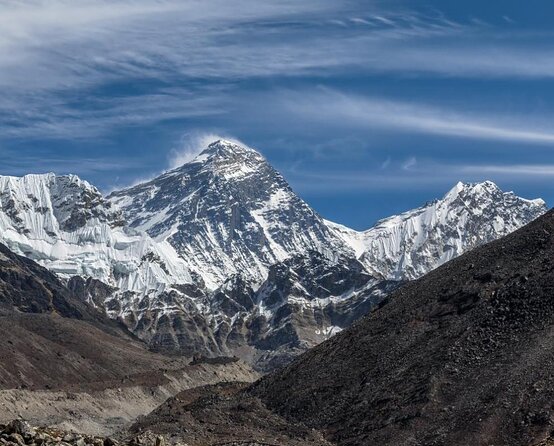
- Helicopter return from Kalapathar so you finish on a high note, not on sore legs.
- Small group size (max 15), which usually means a calmer trek pace.
- Guide + porter support with a 1 porter for 2 trekkers ratio.
- Gear included like a down jacket, sleeping bag, and walking pole.
- You cover the Everest region fast in about 10 days via key villages and viewpoints.
- Namche acclimatization built in, including a hike up toward the Everest View area.
Helicopter return: the real reason this trek feels different
Most Everest itineraries ask you to hike up, reach Base Camp, then hike back the same way. This one flips the end of the story. After you do Everest Base Camp and the big viewpoint day, you take a group-sharing helicopter back to Kathmandu. That means less time bouncing your feet down steep paths and more time recovering in town.
The helicopter part is also the reason this route can be done in about 10 days without feeling like it’s stretching forever. You still hike in altitude day by day, but you don’t spend the final leg doing a long “repeat track.” It’s a big value if you want Everest without turning the entire vacation into a trekking boot camp.
One more thing I like: the trip is set up to keep the focus on the mountains. Most of the “hard stuff” is handled—permits, transfers, flights, lodge bookings—so you can spend your energy on breathing, walking, and enjoying the views when they show up.
You can also read our reviews of more hiking tours in Kathmandu
Kathmandu arrival day: short flight logistics, long city payoff
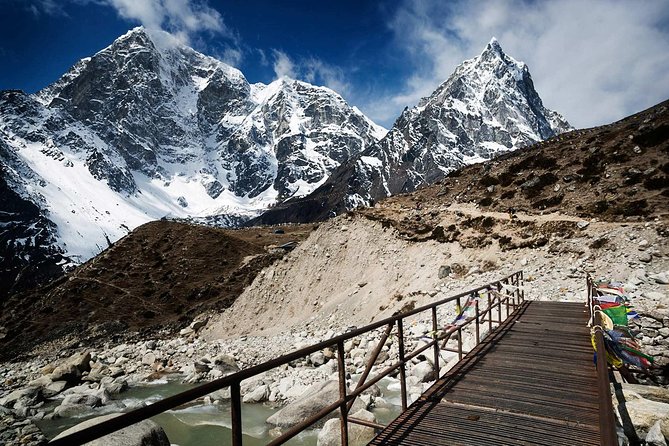
Day 1 starts with an arrival meet-up in Kathmandu and a transfer to your hotel. After that, you get free time to rest or explore. Kathmandu is ideal for the “reset” part of a trek—good for meals, gear prep, and just getting your bearings.
If you’re arriving with jet lag, this is the kind of low-pressure start that helps. There’s no immediate trekking scramble. You’re also dealing with fewer moving parts than you would if you were organizing everything yourself.
This operator also offers pickup by private vehicle as per the itinerary, and they use a mobile ticket. That’s not glamorous, but it often saves time when you’re tired and trying to find the right office or driver at busy hours.
Lukla flight and Phakding: where the Everest route starts to feel real
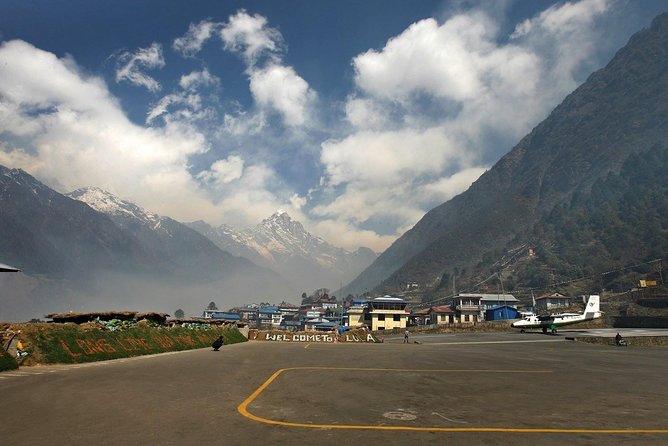
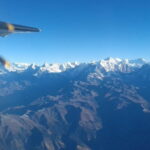
The trek really begins with a drive to the domestic airport for the flight to Lukla. Then you meet the trekking crew and start trekking toward Phakding. You’ll see the region go greener early on, and you’ll follow the Dudh Koshi River through pine forest.
Expect crossings and “river valley trekking.” The route includes the famous Hillary suspension bridge. These bridges are more than photos—they’re part of how the Khumbu trails stitch villages together. When you cross, you feel the scale of the area immediately.
From a planning standpoint, Lukla is a reminder that the Everest region runs on air connections. If weather hits the area, flight schedules can be affected. That’s true for lots of Everest treks, but it’s worth mentally budgeting for because you’re stacking a lot into a short window.
Phakding is a classic first-night stop because it’s a gentle on-ramp. You start walking, but you’re not thrown into the highest altitude yet.
Namche Bazaar acclimatization: Sherpa life plus elevation smarts
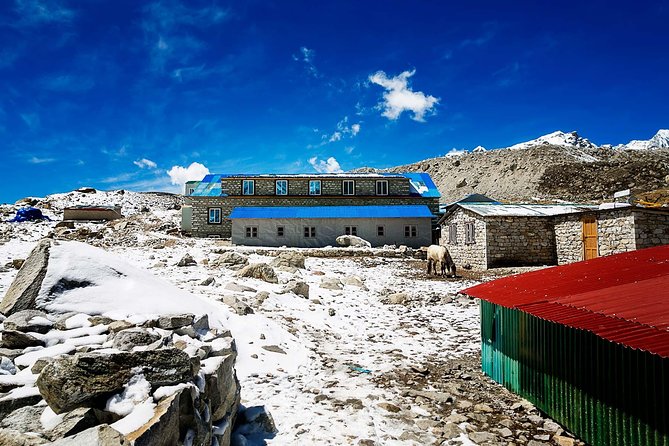
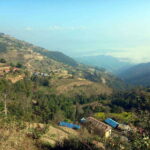
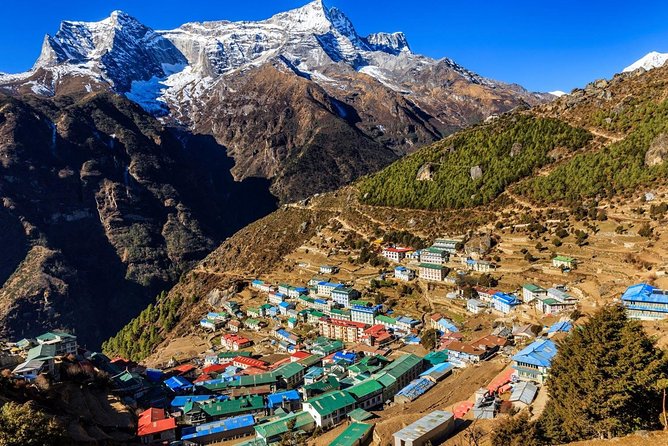
After your first trekking push, you move toward Namche Bazaar, often called the Sherpa capital and gateway into the Everest region. This day is where the trail feels like you’ve truly entered Khumbu culture—villages, lodge signs, and a sense of local rhythm.
Namche is also where the trip builds in acclimatization. You don’t just keep climbing. You take a rest day and hike up toward Everest View Hotel for big mountain views, then return. This kind of “go up, come down” pattern helps your body adjust before the harder days.
You’ll also pass through Sagarmatha National Park, a protected area and UNESCO World Heritage Site. It’s not just a label—it’s part of why permits and TIMS cards exist. The operator includes Everest Trek permit and TIMS card, which means you’re not scrambling for documents mid-planning.
There’s an optional Sherpa Museum in Namche, and it’s listed as not included. Even if you skip it, Namche is still the best place on this route to understand what life in the region looks like: trade, guiding, and the culture that keeps this trail moving year after year.
Tengboche to Dingboche: monasteries, climbs, and a steady climb-up
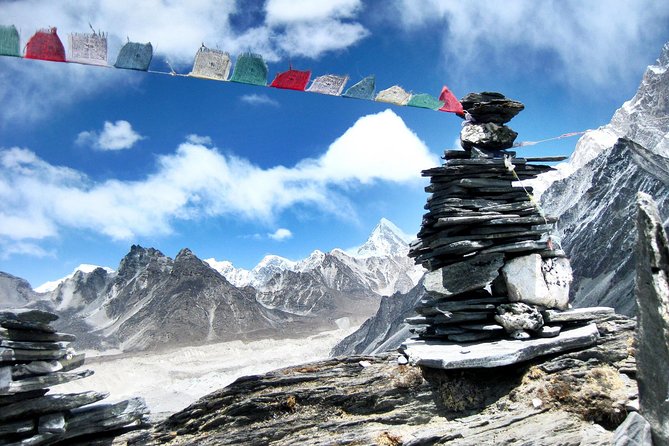
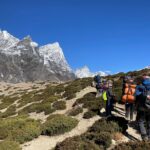
From Namche, you work toward Tengboche, and this area is known for its monastery. The trek passes through villages and crosses more bridges and ridges, and you’ll feel the route tighten into “high-altitude trekking mode.”
Tengboche is a highlight stop because it’s religious and scenic in equal measure. You get a break in your hiking rhythm and a chance to slow down—plus the monastery area is a natural gathering spot for hikers.
You’ll likely notice how the days start to involve more frequent altitude management. The route description includes a rougher climb on one of the mid-days, and that’s normal here. Your legs start to feel every rise. That’s why the next stop matters.
Then comes Dingboche, where the itinerary includes another acclimatization stop. Dingboche is small, but it plays an important role. You’re not just chasing distance—you’re managing your time in altitude so you can still enjoy Everest later without feeling wrecked too early.
The trek also includes sights like chortens and mani walls, which are part of the spiritual geography of the trail. These are quick roadside markers, but they add texture beyond just “walking from point A to point B.”
You can also read our reviews of more tours and experiences in Kathmandu
Chola Lake and the Khumbu Khola valley: one of the tougher sections
As the trek continues, you head toward higher areas via the Khumbu Khola Valley. You pass places like Dusa and Phulung Karpo, then reach Chola Lake before continuing toward Duglha.
This is where a moderate fitness level really has to mean “steady, not sprinting.” The days here involve ups and downs, and your job is to keep your pace controlled. Going too fast is the easiest way to feel awful at altitude.
Chola Lake is also a psychological milestone. You’re moving beyond the more familiar early Everest villages and into the “high Khumbu” mood. Even if the weather hides the peaks, you still feel the seriousness of the terrain.
By the time you’re heading into Duglha, you’re close to the section that sets up the Everest Base Camp day. So you’ll want to treat this time as preparation, not just travel.
Everest Base Camp and Gorakshep: what that icefall view is about
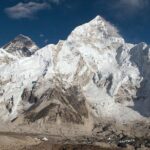
The big day is when you reach Everest Base Camp from Gorakshep area. The route description notes that you’ll witness the Khumbu Glacier and the icefall, and that’s why people come. From the trail, the glacier system and icefall give you scale for what it means to climb Everest.
On this day, you visit Everest Base Camp for about 30 minutes, and that time is included. It’s usually enough to take photos, absorb the moment, and grab a quick breath before you head back toward Gorakshep.
After Base Camp, you return to Gorakshep. This matters because it’s the overnight base you need before the next morning’s viewpoint push. In other words: the trek sets you up so you don’t have to guess where to sleep the night before the final panoramic hike.
If you’re sensitive to cold, plan for it. Even in fair weather, these elevations can feel sharp. The included sleeping bag and down jacket help, but you still want layers and a calm mindset for night temperatures.
Kala Patthar: the panoramic payoff, then the flight home
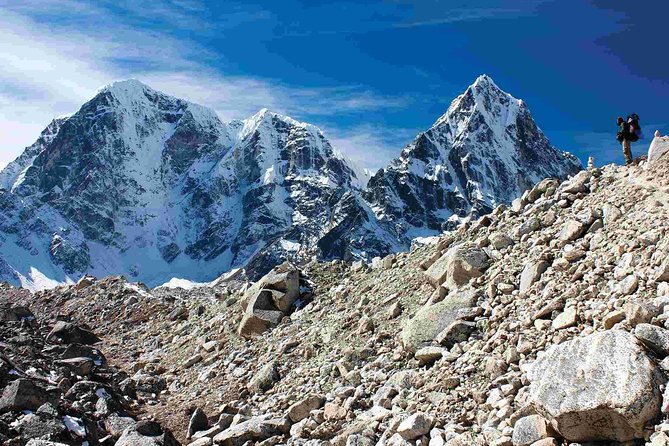
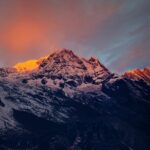
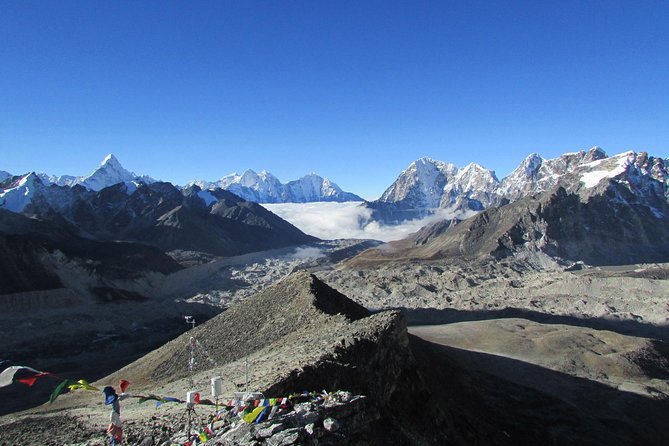
Day 9 is the payoff day. You hike to Kala Patthar, described as one of the most popular viewpoint areas for 360-degree panoramic views, including Everest. Time here is included (about 30 minutes at the viewpoint), so it’s a focused “get the view, soak it in, and move” moment.
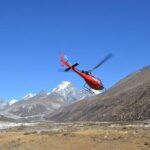
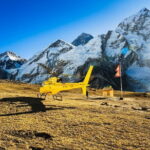
This is also the day that makes the helicopter return feel like a gift. After Kala Patthar, you fly back to Kathmandu on a group-sharing helicopter.
That part is huge for practical reasons. You’ve already done the hard trekking work, and instead of spending another two days retracing footsteps, you switch to a different mode—one that’s faster and less punishing on knees and energy levels.
Day 10 then brings you a transfer to the international airport after breakfast. It’s a clean finish that keeps the trip from dragging into a messy post-trek scramble.
Price and logistics: is $3,400 worth it?
At $3,400 per person, this isn’t a budget trek. You’re paying for speed, coordination, and a costly piece of the journey: the helicopter return.
What you’re getting for that price includes:
- Lukla flight to start the trek
- Helicopter return to Kathmandu
- Tea house / lodge accommodation during the trek
- Meals (breakfast, lunch, dinner) during trekking days
- Guide and porters (1 porter for 2 trekkers), including their food, accommodation, salary, equipment, and insurance
- Everest Trek permit and TIMS
- Airport transfers in Kathmandu by private vehicle as per itinerary
- Gear: duffle bag, down jacket, sleeping bag, walking pole
- Trekking map and a trip achievement certificate
What’s not included is also clearly defined: lunch and dinner in Kathmandu, Nepal entry visa fee, personal expenses (phone/internet/laundry/bar bills/hot shower/battery recharge), and any drinks like tea/coffee and bottled water. Tips for guide and porters are expected but not mandatory.
So the “value” question becomes: do you want to trade money for time and comfort? If yes, the helicopter return plus the included doc handling and gear can be a smart use of funds. If you’d rather spend less and accept more backtracking hiking, then this might feel pricey for what you personally value.
Who does the guiding, and why smooth communication matters
What stands out in the supplied feedback is how often people mention easy communication and professionalism. Names that come up include local guidance by Dipak, trekking leadership by Ram, and support by assistant Rabi. Binayak is also mentioned for communication around the planning stage. Another guide name you’ll see is Ramesh Sapkota—described as helpful, safety-focused, and friendly.
That’s not a small detail. In Everest country, good communication can mean fewer surprises when weather or timing shifts. It can also mean you feel more confident about what’s next each day.
The porter setup matters too. The trip includes porters with a ratio of 1 porter for 2 trekkers, and porters handle transportation, food, accommodation, salary, equipment, and insurance. Practically, that means your pack can stay more manageable, which is one of the big comfort differences on a trek like this.
With a maximum group size of 15, you’re not in a huge herd. That usually makes it easier for a guide to check in on pace and altitude comfort.
Tea house reality: included stays, but don’t expect everything for free
This tour includes tea house accommodation (guest houses/lodges) during the trek. That’s the standard Everest model, and it’s what makes the route feasible day to day.
What it doesn’t automatically include: extra comforts like hot showers are treated as personal expenses. The same goes for drinks like tea/coffee and bottled water. You’ll want to budget for small purchases along the way, because those costs can add up if you’re constantly buying things to keep warm and hydrated.
The included gear helps a lot. A down jacket and sleeping bag are the kind of items you’d otherwise have to rent or bring. Walking poles are also included, which is great for downhill support on the days when your calves are already protesting.
Weather dependence: how to think about flights and the helicopter
This experience requires good weather. If the whole experience gets canceled due to poor weather, you’ll be offered a different date or a full refund.
In real life, weather can also affect what you see. Cloud cover can hide peak views on any mountain day. It’s not just “if”—it’s “how much.” So you’ll want a flexible mindset, especially around Kala Patthar and the helicopter timing.
If you’re the type who wants everything to happen on the dot, Everest will test that patience. But if you can roll with it, this plan still gives you a very clear structure and a strong finish.
Who this Everest Base Camp with helicopter return fits best
This trip is built for people with moderate physical fitness who still want the full Everest Base Camp experience. You get a carefully timed progression up through major Everest-region stops, plus two acclimatization-style moments around Namche and Dingboche.
It’s also a good fit if you:
- Have about 10 days total
- Want to avoid the hardest part of “hiking back the same way”
- Appreciate included logistics (permits, meals during trekking, gear, transfers)
- Prefer a small group pace
It may not be ideal if you want a very gradual acclimatization stretch. The schedule is compact, and that’s true of most fast Everest routes. The altitude is still the altitude, so slow and steady is your best friend.
Should you book this trek?
If your dream is Everest Base Camp but your knees, schedule, or vacation energy needs a break at the end, this is one of the smarter ways to do it. The helicopter return is the major selling point, and the included Lukla flight, permits, meals, gear, and guide/porter support help justify the higher price.
I’d book it if you can handle cold mountain days, accept that weather can shuffle timing, and you want your effort to go into the summit-zone experience—not into repeating the same long hike back.
If you want the cheapest Everest version and you’re fine doing the full out-and-back hike, you might choose another style. But for most people chasing a once-in-a-lifetime Everest moment with less punishment afterward, this plan makes a lot of sense.
FAQ
What is the start time for this tour?
The meeting/start time is 6:15 am.
How do you get to the trekking starting point?
You fly from Kathmandu to Lukla by plane.
How do you return to Kathmandu after reaching Kala Patthar?
After Kala Patthar, you take a group-sharing helicopter back to Kathmandu.
What’s the maximum group size?
The tour has a maximum of 15 travelers.
What’s included for trekking documents and entry?
The price includes Everest Trek permit and TIMS card.
Is accommodation included during the trek?
Yes. You get tea house / lodge accommodation during the trek.
What trekking meals are included?
You’ll have breakfast, lunch, and dinner during the trek.
What gear is provided?
Included gear includes a duffle bag, down jacket, sleeping bag, and walking pole.
What happens if weather is poor?
This experience requires good weather. If it’s canceled due to poor weather, you’ll be offered a different date or a full refund.