REVIEW · KATHMANDU
Kathmandu to Langtang Valley 7-Day Trek
Book on Viator →Operated by Cordial Trek Pvt. Ltd. · Bookable on Viator
A valley trek with big mountain drama. This 7-day journey from Kathmandu takes you into Langtang National Park, past waterfalls and rhododendron forests, and up to Kyanjin Ri at 4,773 m. The goal is simple: slow down, climb step-by-step, and watch the Langtang glaciers fill the background as the trail gets higher.
I really like how this trip is built for real people, not just hardcore hikers. The route is paced with day hikes (often 3–7 hours) and includes mountain guesthouse nights, so you’re not living out of a tent. I also love that the team focuses on caring guidance—names that came up in good feedback for Langtang include Raj Tamang, Pratip, and porters like Dup and Hem.
One consideration: you’re still doing serious walking plus long overland travel. You’ll spend hours on bumpy bus or sharing jeep rides, and the itinerary expects a moderate fitness level; meals aren’t included, so you’ll need to plan for that budget too.
In This Review
- Key highlights and things I’d watch for
- Why the Langtang Valley trek feels worlds away from Kathmandu
- Price and value: what $300 covers (and what you’ll likely add)
- Getting started: Kathmandu pickup, Balaju transport, and the 6:45 am push
- Day-by-day: Syabrubesi to Lama Hotel, Langtang Village, and back
- Day 1: Kathmandu → Syabrubesi (travel day with a destination)
- Day 2: Syabrubesi to Lama Hotel (5–6 hours)
- Day 3: Lama Hotel to Langtang Village (6–7 hours)
- Day 4: Langtang Village to Kyanjin Gompa (3–4 hours)
- Day 5: Kyanjin Gompa → Kyanjin Ri (4773 m) round trip, then back to Lama Hotel
- Day 6: Lama Hotel → Syabrubesi (5–6 hours)
- Day 7: Syabrubesi → Kathmandu (7–8 hours) and escort back to your hotel
- Kyanjin Gompa and Kyanjin Ri: the views you came for, with real-world pacing
- Permits and TIMS: why this included paperwork is not just a checkbox
- Guesthouses on the trail: what to expect in comfort and simplicity
- Guides and porters: the human quality that makes this trek easier
- Packing and prep: rhododendrons, cold mornings, and altitude reality
- Who should book this trek, and who should be cautious
- Should you book the Kathmandu to Langtang Valley 7-day trek?
- FAQ
- FAQ
- What’s the starting time for the trek?
- Do I need to arrange permits for Langtang National Park and TIMS?
- Is transportation between Kathmandu and Syabrubesi included?
- Are meals included in the price?
- How high do we go on this trek?
- What kind of hiking days should I expect?
- Is this trek okay if I’ve never trekked before?
- When can I book this trek?
Key highlights and things I’d watch for
- Kyanjin Gompa to Kyanjin Ri (4,773 m): one of those “you earned this” views, with a clear round-trip plan.
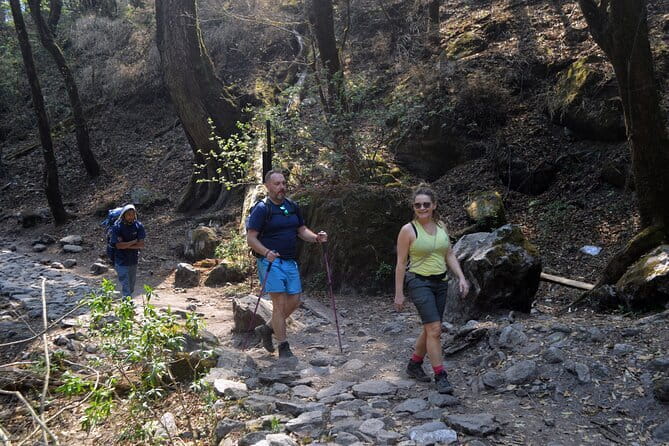
- Rhododendron-and-pine scenery: the trail passes dense forest where flowers and green cover can be a constant.
- Guesthouse nights in the mountains: comfortable enough for most hikers, but it still feels like mountain Nepal—expect simple rooms.
- Permits handled for you: TIMS card and the Langtang National Park permit are included.
- Team support that matters: multiple guide/porter names came up for being attentive and smooth-running.
- All-year except monsoon: timing matters for trail conditions and visibility.
Why the Langtang Valley trek feels worlds away from Kathmandu
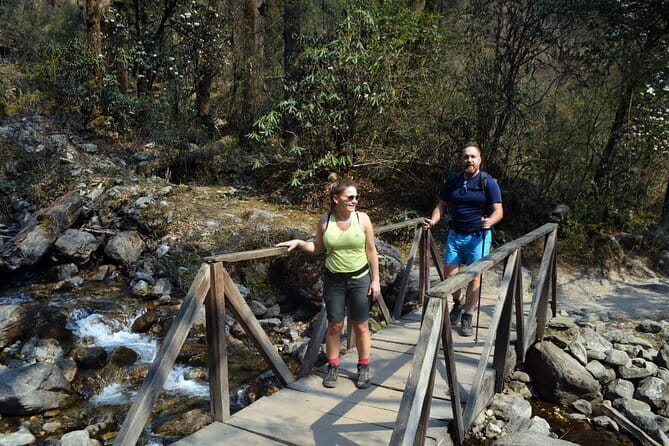
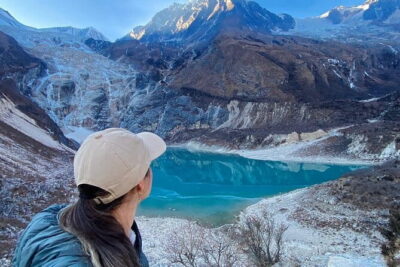
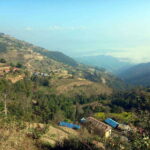
Kathmandu can feel loud and fast. Then, you point your day north and the pace changes. In the Langtang Valley, the air cools, the trail narrows, and the mountains start showing up more clearly as you climb inside the national park.
What makes this trek special is the mix of forest walking and high-altitude payoff. You’re not just hiking to a single viewpoint; you’re moving through a real protected area with dense forest and wildlife possibilities—yaks and birds are mentioned as part of the region’s character, and the park is home to species like red panda and Himalayan tahr (though sightings aren’t guaranteed).
You’ll also get a sense of culture in the route, especially around Kyanjin Gompa, described as one of the oldest monasteries in the region. It’s a calm stop where the mountains feel close enough to lean toward.
You can also read our reviews of more hiking tours in Kathmandu
Price and value: what $300 covers (and what you’ll likely add)
At $300 per person, the biggest value pieces are the “you don’t have to figure it out” items. Your price includes hotel pickup and drop, sharing transport between Kathmandu and Syabrubesi, mountain guesthouse stays, and the key permits (Langtang National Park permit plus TIMS card).
What’s not included is also important. Meals are not included, and you should also think about optional guide gratuity. Depending on your style, that can be the main extra cost during the trek.
The best way to judge value here is what you’re not paying for indirectly. When permits and local logistics are handled, you waste less time chasing paperwork and more time walking the trail. For a trek that starts early and runs day after day, that kind of support is worth something.
Getting started: Kathmandu pickup, Balaju transport, and the 6:45 am push
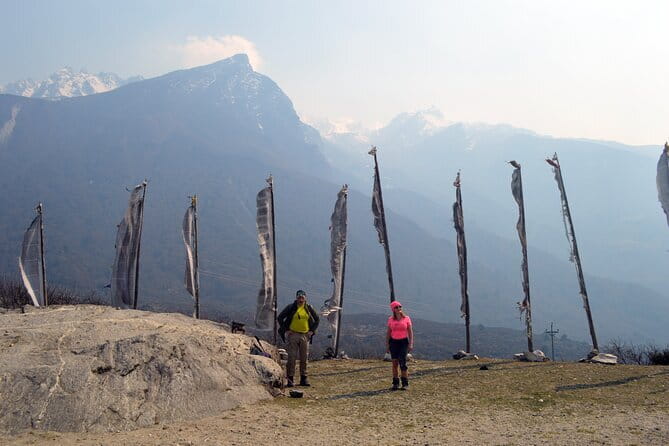
Your day begins early, with a start time of 6:45 am. You’ll be picked up from your hotel or apartment in Kathmandu, then driven to the local bus station area in Balaju to begin the long journey north.
The overland part is practical, but it’s not the “relaxing transfer” you might hope for. Expect a 6–7 hour bus ride toward Syabrubesi on day one, and a 7–8 hour bus or sharing jeep drive back to Kathmandu on day seven. It’s a lot of travel time, so I’d treat the first day as an adjustment day, not a warm-up hike.
The upside: once you reach Syabrubesi, the trekking rhythm takes over. That’s when the trip stops feeling like transportation and starts feeling like a real hike day after day.
Day-by-day: Syabrubesi to Lama Hotel, Langtang Village, and back
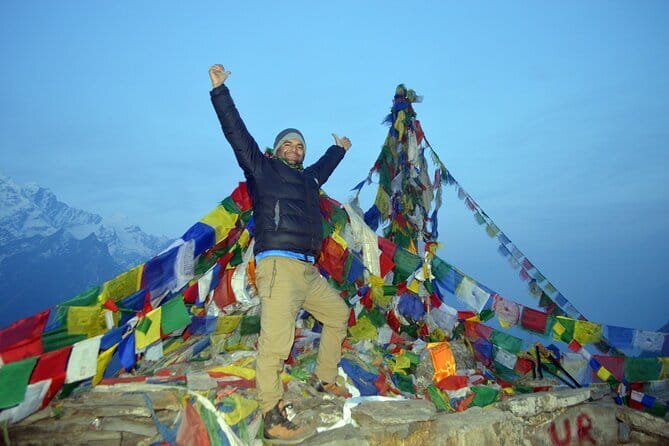
This trek has a classic valley structure: climb in, reach the high point area, then retrace your steps. That’s good for decision-making because you’re not constantly changing valleys or reinventing the route.
Day 1: Kathmandu → Syabrubesi (travel day with a destination)
You’ll be collected from your Kathmandu lodging and transported to the bus station at Balaju. Then you take a 6–7 hour ride toward Syabrubesi. Admission tickets are noted as free, but the real point of day one is simply getting you positioned for the park.
What I like about doing the heavy travel first: you avoid trying to hike while your body is still adjusting to the trip. Once you arrive, you can rest and get ready for the first real climb.
You can also read our reviews of more tours and experiences in Kathmandu
Day 2: Syabrubesi to Lama Hotel (5–6 hours)
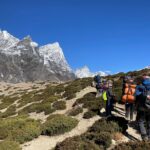
Day two starts you hiking from Syabrubesi to Lama Hotel inside Langtang National Park. The walking time is 5–6 hours, and you pass scenic trail elements like waterfalls and traditional villages along the way.
This is the day where you learn the local rhythm—up, steady steps, then short breaks. The trail is not described as flat, so plan for constant effort rather than bursts of speed.
Day 3: Lama Hotel to Langtang Village (6–7 hours)
Day three is 6–7 hours of trekking to Langtang Village. The route goes through dense forest, with rhododendrons and pine trees called out as key features.
If you love the feeling of being surrounded by plants and birdsong, this is one of your best days. It’s not just scenery; it’s also shade and a sense of being protected from the harshest conditions.
Possible drawback: this day is long. If you’re new to trekking, pace yourself early. The temptation is to feel good at the start and pay for it later.
Day 4: Langtang Village to Kyanjin Gompa (3–4 hours)
Day four is shorter—3–4 hours—from Langtang Village to Kyanjin Gompa. This is where the trip starts to shift from forest hiking into a more monastery-and-mountain focus.
Kyanjin Gompa is described as one of the oldest monasteries in the region, and it offers panoramic mountain views in the surrounding area. In plain terms: you’re likely to slow down here, because the place itself is worth a pause.
Day 5: Kyanjin Gompa → Kyanjin Ri (4773 m) round trip, then back to Lama Hotel
This is the signature altitude day. You’ll do a 3–4 hour round trip from Kyanjin Gompa up to Kyanjin Ri at 4,773 m, then hike back down to Lama Hotel for the night.
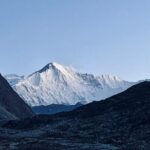
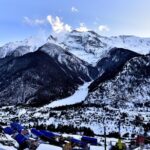
The payoff is the view: Mt. Langtang Ri, Mt. Dorje Lakpa, and Mt. Langtang Lirung are specifically named as visible from the summit area. Even if the day’s weather isn’t perfect, getting up to that altitude zone is a major accomplishment.
Then comes the practical part: you’re going back down. That means your legs work in a different way—more braking, more careful steps.
Day 6: Lama Hotel → Syabrubesi (5–6 hours)
Day six repeats the valley exit. It’s a 5–6 hour trek back to Syabrubesi. You’ll likely feel the altitude now, even if you felt strong yesterday.
I like this day-by-day structure because it keeps the route logical. No surprise sideways detours. Just retrace, adjust your pace, and finish with a guesthouse night in town.
Day 7: Syabrubesi → Kathmandu (7–8 hours) and escort back to your hotel
On day seven you take a 7–8 hour bus or sharing jeep drive back to Kathmandu. Then you’ll be escorted to your hotel.
This is the end of the physical grind, but not the end of the experience. If you can, plan a low-key evening afterward. Your body will probably need it.
Kyanjin Gompa and Kyanjin Ri: the views you came for, with real-world pacing
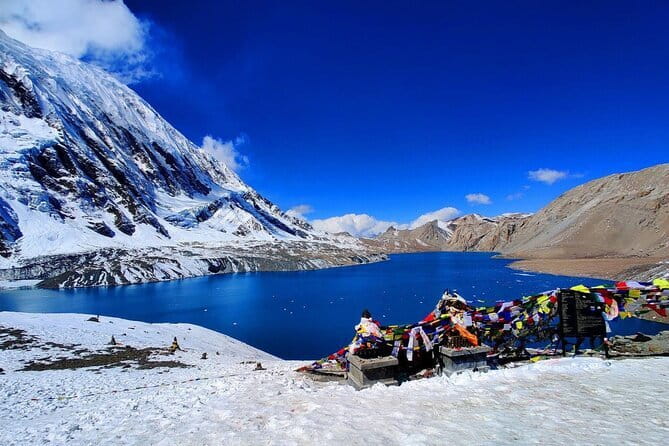
If you ask why people commit to Langtang Valley, it’s usually for the mountain perspective. Kyanjin Gompa and Kyanjin Ri are the two stops that lock in that payoff.
Kyanjin Gompa matters because it’s both a cultural stop and a staging point. You’re not just climbing from point A to point B; you’re reaching a place with meaning, then using it to go higher. That makes the next day feel earned rather than rushed.
Kyanjin Ri at 4,773 m is the altitude highlight. Because the route is described as a day hike with a 3–4 hour round trip, it’s designed to be reachable without turning into a multi-day acclimatization project. Still, higher altitude is not a concept. It’s breath, fatigue, and the need to take it slow.
If you go into this day with a steady tempo and a willingness to stop often, you’ll enjoy it more. If you treat it like a race, you’ll feel it in a hurry.
Permits and TIMS: why this included paperwork is not just a checkbox
On treks in Nepal, permits aren’t only bureaucracy. They’re the way the trip stays within park rules and supports management of protected areas.
For this trek, the Langtang National Park permit and a TIMS card are included in your package. That’s a big deal for your peace of mind. You don’t have to worry about collecting documents at the last minute or trying to interpret which permit you need.
Also, the route goes deep into a national park that borders the Tibet Autonomous Region of China. You’re not hiking in a random trail system. You’re walking in a protected landscape with strict boundaries, which is exactly why permits matter.
Guesthouses on the trail: what to expect in comfort and simplicity
This trek includes mountain guesthouse nights. That usually means you’ll get basic rooms and meals you can purchase or arrange locally (meals are not included in the tour price).
The good part: you don’t carry a tent setup. You sleep in a place with a roof, which helps on a multi-day trek. The less glamorous part: guesthouses can be simple. Don’t expect hotel-style luxury.
I’d also plan mentally for “mountain comfort.” Think warm enough to rest, not warm enough to ignore cold. Your guide will help you manage the day’s pace and likely point you toward the practical best options for food and timing.
Guides and porters: the human quality that makes this trek easier
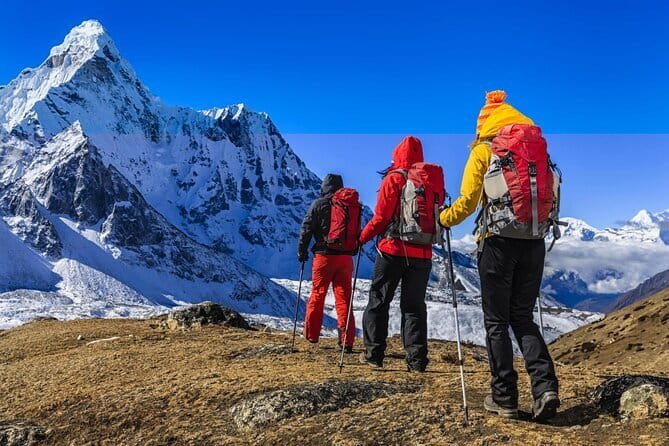
Logistics matter, but on a mountain trek, your guide makes the difference between stressful and satisfying. Many of the strongest pieces of feedback for this trek focus on exactly that: caring guidance, smooth organization, and a team that looks after you.
Specific names that came up in positive Langtang trek experiences include:
- Raj Tamang (English-speaking guide in one review)
- Pratip (guide in multiple Langtang experiences)
- Porters Dup and Hem
- A porter Maila also came up in connection with Langtang treks
What you should take from that: this company seems to invest in people who communicate and keep the trip running. And it’s not only about information. It’s also about how they handle small problems—like pacing, motivation, and making sure you’re comfortable enough to keep going.
If you’re the type who likes explanations, pay attention to what your guide shares about local life and the route. Strong guidance turns the trek into learning as well as exercise.
Packing and prep: rhododendrons, cold mornings, and altitude reality
This area is known for rhododendrons and wildflowers, at least in parts of the year described as good for walking. You’ll likely see seasonal blooms, which means you should be prepared for a trail that can be colorful and slippery in spots.
Cold mornings are typical on mountain treks, and the highest point area reaches 4,773 m. Even if you feel fit, treat cold and altitude as facts, not mood.
Practical tips you’ll thank yourself for:
- Layering matters more than one heavy jacket.
- Bring reliable trekking shoes and socks you’re comfortable in for many days.
- Use a water plan. You’re hiking most days from morning into afternoon.
- Keep your snacks light. You’ll want small fuel between breaks.
Meals aren’t included, so it’s smart to have a few dependable snacks you can count on if you’re tired of waiting or if a day’s options feel limited.
Who should book this trek, and who should be cautious
This trek is described as suitable for people with no prior trekking experience, as long as you have moderate physical fitness. That’s a reasonable match for first-timers who want a structured plan and reliable support.
It’s also a good fit if you like:
- Forest hiking with big views later
- A trip that includes clear daily targets
- Meeting a team that communicates well (guides named above are proof that communication seems to be a strength)
Be cautious if you:
- Have trouble with long walking days (5–7 hours on several days)
- Struggle with early starts and long transport days
- Are not comfortable moving at altitude zones, even with a day hike structure
The route is demanding, even when it’s well organized. Your best move is to show up rested, walk steady, and don’t try to sprint the mountains.
Should you book the Kathmandu to Langtang Valley 7-day trek?
I think it’s worth booking if you want a real Langtang experience with the important “admin” handled for you—permits (TIMS + national park permit), guesthouse nights, and pickup/drop all included. The day-by-day climb to Kyanjin Ri is built around a doable pacing plan, and the repeated praise for guides like Raj Tamang and Pratip suggests you’ll have help when the trail gets hard.
Skip this trek (or pick a simpler alternative) if you’re looking for a short, casual walk. Between the multi-hour bus rides and the 5–7 hour hiking days, this is a hike trek, not a stroll. Also remember: meals aren’t included, so budget for that.
If your schedule allows you to travel outside monsoon season, you’ll likely have a better time with trail conditions and visibility. And if your plans are flexible, free cancellation up to 24 hours before start time can reduce stress while you decide.
FAQ
FAQ
What’s the starting time for the trek?
The trek start time is 6:45 am.
Do I need to arrange permits for Langtang National Park and TIMS?
No. The package includes the Langtang National Park permit and TIMS card.
Is transportation between Kathmandu and Syabrubesi included?
Yes. You get sharing jeep/bus transport from Kathmandu to Syapru Besi and back.
Are meals included in the price?
No. Meals are not included.
How high do we go on this trek?
You hike to Kyanjin Ri at 4,773 m.
What kind of hiking days should I expect?
You’ll do a mix of hikes: about 5–6 hours, 6–7 hours, and a shorter 3–4 hour day, plus a 3–4 hour round trip to Kyanjin Ri.
Is this trek okay if I’ve never trekked before?
It’s planned to suit travelers with no prior trekking experience, but you should have moderate physical fitness.
When can I book this trek?
It’s available all year long except monsoon seasons.