REVIEW · KATHMANDU
Kathmandu’s 7 UNESCO Heritage Gems: Private Full-Day Tour
Book on GetYourGuide →Operated by Kashyap Raj Pandit · Bookable on GetYourGuide
Kathmandu rewards the curious, even in a single day. This private full-day route strings together seven UNESCO heritage stops around the valley, so you get faith, art, and daily life in one packed loop. You’ll also taste local snacks and end with the atmosphere at the Bagmati River.
Two things I especially like: you start with Swayambhunath, where the views quickly set the scene, and you finish with Pashupatinath, where the evening aarti gives context for what you’ve been seeing all day. Also, the guide behind the tour, Kashyap Raj Pandit, is known for being friendly and experienced, with a flexible approach if the day needs a small adjustment.
One drawback to plan for: entrance fees are not included. That means you’ll want some cash for tickets at multiple sites, and the day runs about 8 hours, so it’s not a slow stroll.
In This Review
- Key Highlights You’ll Actually Feel
- Why This Kathmandu UNESCO Day Tour Works So Well (and Who It Suits)
- Your Private Guide: Kashyap Raj Pandit and the Traffic-Proof Plan
- Swayambhunath Stupa: The Monkey Temple Views That Set the Tone
- Kathmandu Durbar Square: Temples, the Kumari Ghar, and Living Tradition
- Bhaktapur Durbar Square: Royal Power, Nyatapola, and the 55-Window Palace
- Changunarayan Temple: Ancient Hindu Architecture and Intricate Carvings
- Patan Durbar Square and the Golden Temple Feel
- Boudhanath Stupa: Serene Atmosphere and a Different Pace
- Pashupatinath Temple and Evening Aarti on the Bagmati River
- Budget Notes: Entrance Fees, Transport Choices, and What’s Included
- Practical Tips So Your Day Stays Comfortable
- Should You Book This Tour?
Key Highlights You’ll Actually Feel
- 7 UNESCO World Heritage Sites covered in one day, with smart sequencing
- Expert guidance from Kashyap Raj Pandit with flexibility for real-world timing
- Food tastings included: momo (dumplings) and local hog plum candies
- Skip-the-ticket-line style convenience at the start point
- Ending at Pashupatinath with evening aarti on the Bagmati River
- Optional pickup and transport choices to match your pace and budget
Why This Kathmandu UNESCO Day Tour Works So Well (and Who It Suits)
If you only have a short stay in Kathmandu, this kind of day tour can be a smart move. Instead of choosing just one or two highlights, you get a full “map in your head” by visiting major religious and historic hubs that sit close enough together for an efficient route.
I also like that the tour is structured for flow, not chaos. You’re not just dropped at monuments; you’re guided through each place and given reasons to look beyond the obvious. And because it’s a private group, the pace can feel more natural than the usual herd-you-take-a-photo-and-run setup.
This tour is a good fit if you want a high-impact overview and you’re comfortable with a full day outside. It’s also great for first-timers who want to understand how the different UNESCO sites connect through religion, dynasties, and local traditions.
If you prefer unhurried time, fewer stops, or long rests, you might find seven major sites in one day a lot. The sites are meaningful, but they are also crowded and active, so your legs should be ready.
You can also read our reviews of more private tours in Kathmandu

Your Private Guide: Kashyap Raj Pandit and the Traffic-Proof Plan
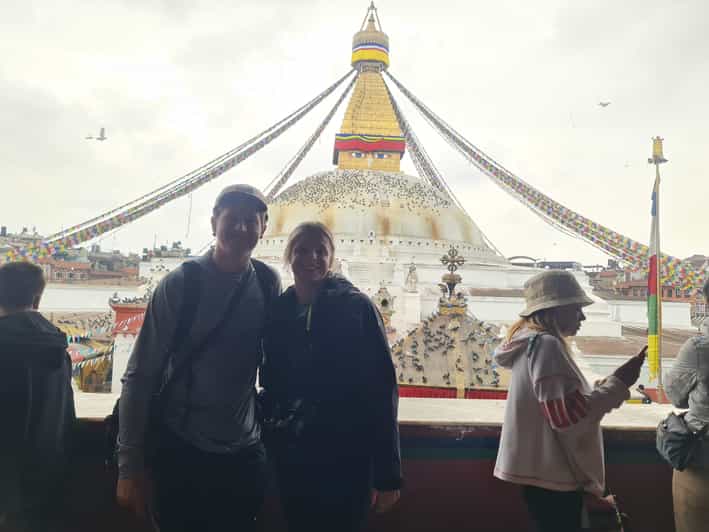
The tour is led by a professional English-speaking guide (with English and Hindi available). The key name to remember is Kashyap Raj Pandit. People value his approach because he’s friendly and experienced, and he’s the type who can adjust the plan a bit if timing or conditions change.
That matters in Kathmandu. Road traffic can be intense, and even small detours can eat time. The tour includes transportation options—either private transport (when you choose that option) or public transport segments—so your day isn’t dependent on guessing routes or arguing with traffic apps.
You’ll also be moving between drop-off points at the end, which is convenient if you’re staying in central areas. Your day typically ends with drop-offs that can include Pashupatinath Temple, Sorhakhutte, and Thamel.
And yes, there’s a bottle of water included. It’s a small detail, but on a full-day heritage loop, hydration helps you keep your attention on the monuments instead of sweating it out.
Swayambhunath Stupa: The Monkey Temple Views That Set the Tone
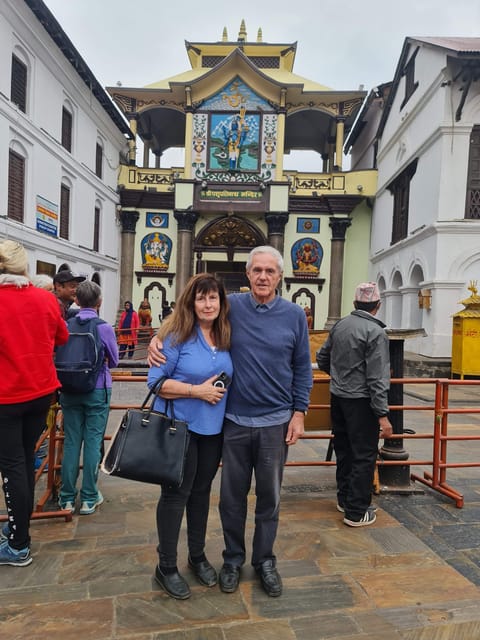
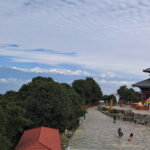
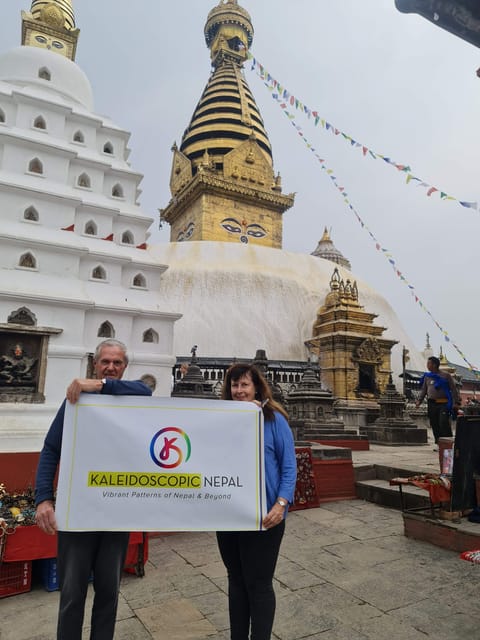
You start at the ticket counter at Swayambhunath, which is a strong way to begin: you get oriented first, then you spend the rest of the day recognizing what you’re seeing. Swayambhunath is often called the Monkey Temple, and the nickname isn’t just for fun. The area has a lively feel, and you’ll see the relationship between nature, religion, and everyday motion.
The guided portion gives you context on the stupa and the surrounding monasteries, and you’ll also walk and enjoy scenic viewpoints on the way. Those early valley views are more than pretty postcards. They help you understand the geography of Kathmandu Valley, so later stops feel less random.
Practical note: bring a respectful mindset. This is an active sacred area, and the monkeys are part of the atmosphere. You’ll want to keep your belongings secure and follow your guide’s cues.
Time-wise, you’re typically at this first stop for around 45 minutes, which is enough to see the stupa, absorb the view, and understand what makes Swayambhunath special—without turning it into a half-day ordeal.
Kathmandu Durbar Square: Temples, the Kumari Ghar, and Living Tradition
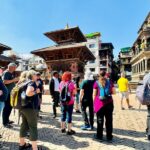
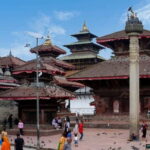
After Swayambhunath, you head to Kathmandu Durbar Square, a historic heart of the city. Durbar Squares are where power and religion overlap, and this one is especially compelling because it doesn’t just feel like a museum. It feels like a working cultural center.
A highlight here is the Kumari Ghar, the residence associated with the living goddess tradition. Even if you don’t catch everything you hoped for at the exact moment, just knowing what you’re looking at changes how you see the square. You’ll notice the careful blend of sacred space and city life.
The guide’s job here is important. Without context, it’s easy to see only stone and carvings. With context, you start recognizing why certain structures exist, how people gather here, and how the square has remained central to identity over time.
This stop is one reason the tour works well as a “seven-site story.” You begin with a stupa viewpoint, then move into a space tied to royal-religious symbolism.
Bhaktapur Durbar Square: Royal Power, Nyatapola, and the 55-Window Palace
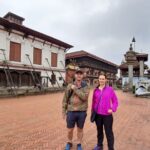
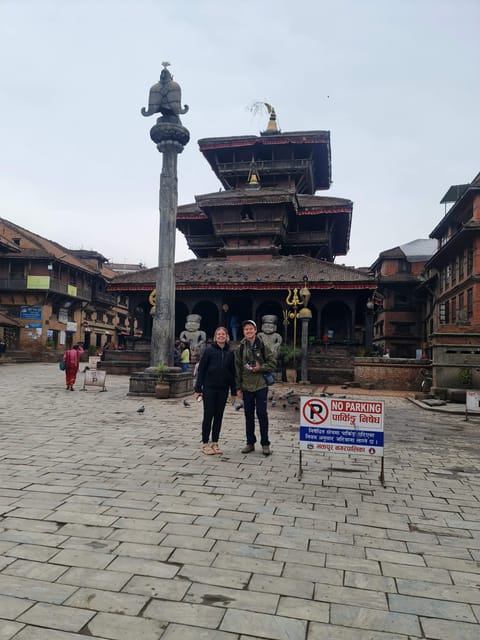
Next comes Bhaktapur Durbar Square, which feels like stepping into a calmer, older rhythm. This is one of the stops where the UNESCO label becomes tangible, because the buildings are tied to a royal palace complex and the layout still speaks.
You’ll also see Nyatapola Temple and the 55-Window Palace. Nyatapola is known for its tall, dramatic form, and the 55-Window Palace lives up to its name in a way you can appreciate from a closer look. This is the kind of place where details reward patience, even if the day stays brisk.
You also get a scheduled lunch in Bhaktapur at a local restaurant. That’s a real value add. Kathmandu can be tricky for meal decisions when you’re bouncing between sites, but having a planned lunch helps keep the day smooth.
A small piece of advice: if you’re sensitive to time or heat, use lunch as your reset. Eat, hydrate, and take a short walk to decompress before the next temple sites.
Bhaktapur is also a good reminder that Kathmandu Valley’s heritage isn’t only about one city. This tour gives you a broader sense of how different places preserved culture through different eras.
You can also read our reviews of more historical tours in Kathmandu


Changunarayan Temple: Ancient Hindu Architecture and Intricate Carvings
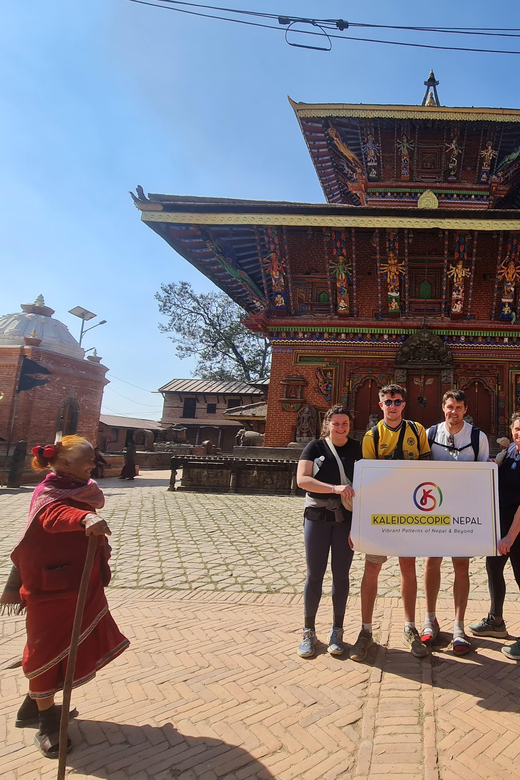
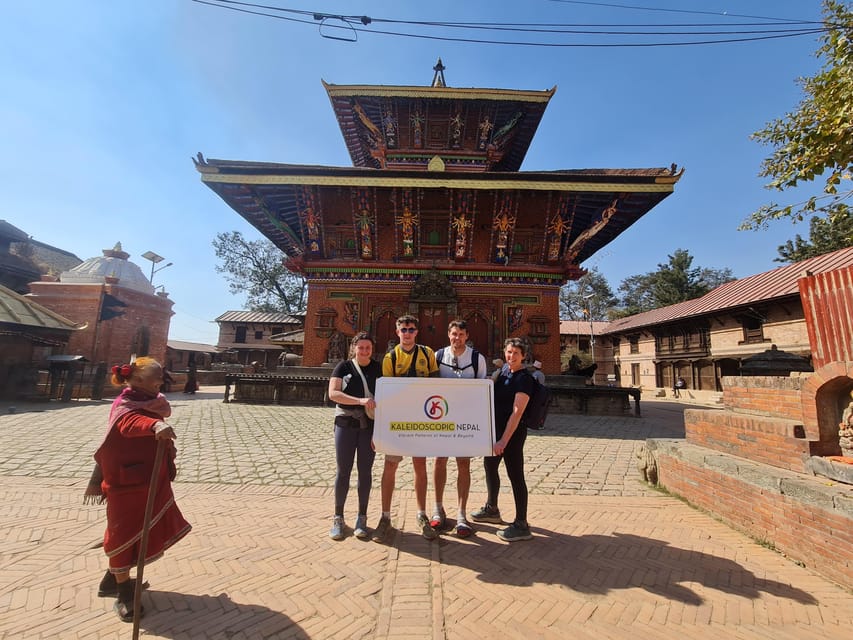
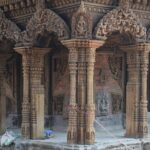
Changunarayan Temple is the kind of stop that rewards close looking. This UNESCO site is known for its ancient Hindu architecture and intricate carvings, and the design details are the point.
You might not have time to read every carving like a book, but you’ll still notice the craft. Your guide can help you identify what you’re seeing so it doesn’t become a blur of ornament.
Why this stop fits the itinerary: it shifts the focus from larger “city center” energy to a more focused, architectural appreciation. You’ve already seen the idea of sacred space in Durbar Squares and stupas. Here, you see sacred space expressed through stonework and detailed design.
If you enjoy art history even a little, you’ll probably appreciate this part the most. If you prefer bigger crowds and bigger views, you’ll still get value here—just in a different way.
Patan Durbar Square and the Golden Temple Feel
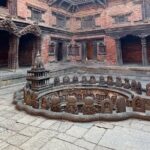
Then it’s on to Patan Durbar Square, another historic center with palaces and temples. Patan has a reputation for craftsmanship, and this stop lets you see how that shows up in built form and design.
A key highlight is the Golden Temple area. Even from the perimeter, it’s the kind of landmark that pulls your attention because it looks important for a reason. Again, your guide’s context helps: it’s easier to understand the meaning of the place when someone explains how the space is traditionally used and interpreted.
Patan also helps connect themes across the day: you’re not only seeing separate attractions; you’re seeing how Kathmandu Valley’s heritage expresses itself through different but related styles.
If you’re the kind of traveler who likes photos, you’ll find plenty of angles here. Just remember that the best photos usually come when you pause first and then shoot—rather than rushing to beat the next crowd.
Boudhanath Stupa: Serene Atmosphere and a Different Pace
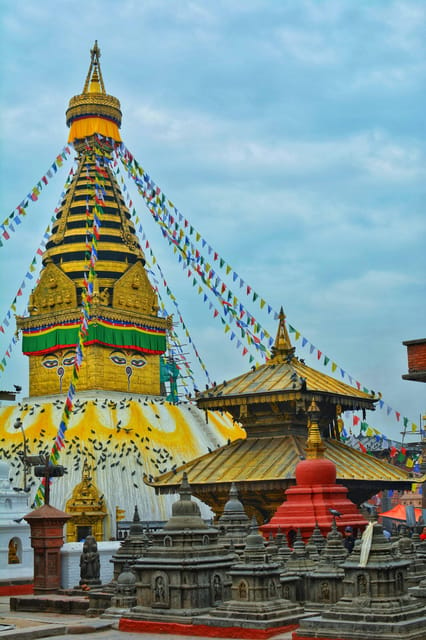
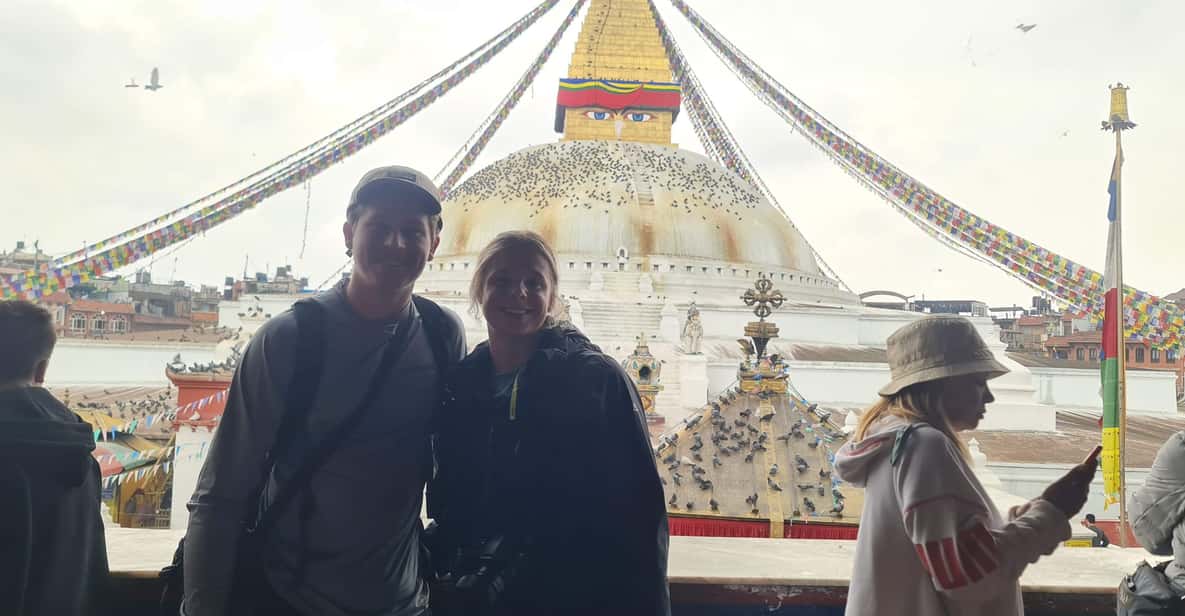
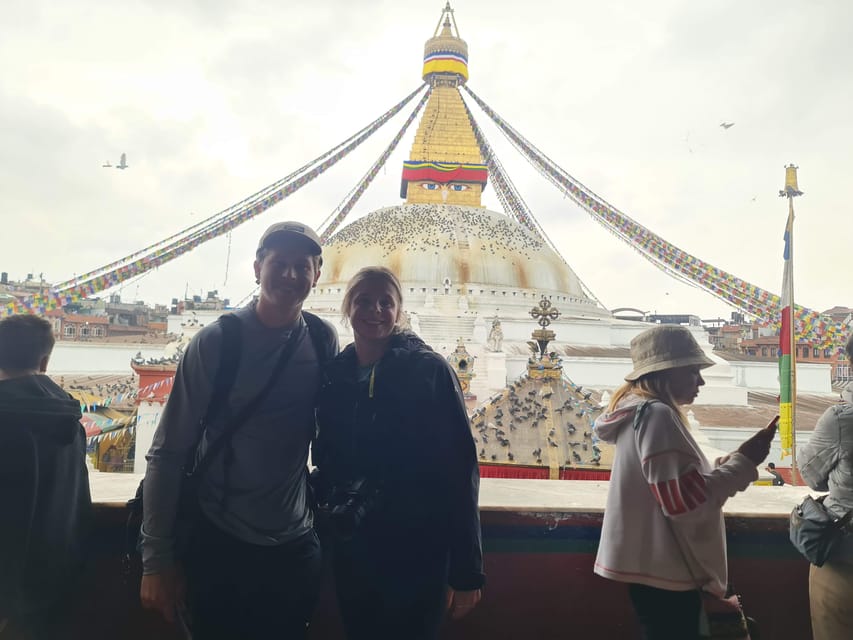
Boudhanath Stupa is a major visual and spiritual anchor for the itinerary. It’s described as one of the largest stupas in Nepal, and you’ll feel that scale when you’re near it. This is not a quick look-from-the-side type of stop; the atmosphere is part of the experience.
You’ll spend time for a guided visit and sightseeing, with a walk and scenic views on the way. That combination is helpful because Boudhanath can feel almost hypnotic—people often return to it for a reason. Without context, you might think it’s simply “a big stupa.” With context, you understand why so many people treat it like a place to slow down.
This is also where you’ll notice the rhythm shift compared with durbar squares. The energy changes from royal-civic space to something more meditative and continuous.
For many first-timers, Boudhanath is where the day’s story clicks. You can see the different religious expressions within the same valley geography—and how they share a focus on devotion.
Pashupatinath Temple and Evening Aarti on the Bagmati River
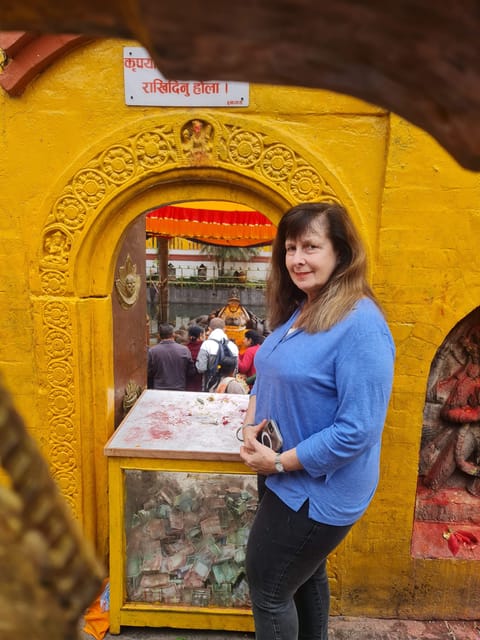
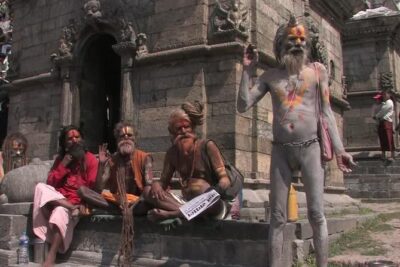
Your final stop is Pashupatinath Temple, a sacred Hindu site on the banks of the Bagmati River. This is one of the most emotionally powerful moments in the whole route because it’s tied to daily religious practice, not just static sightseeing.
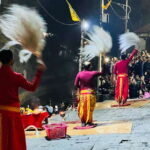
The tour includes the opportunity to enjoy the evening aarti ritual on the riverbanks. Even if you don’t fully understand every element, you’ll recognize the intention and structure of the ceremony. It’s a moment where your earlier stops start making sense as more than monuments.
If you’re sensitive to crowds or have trouble with standing for a while, plan to pace yourself here. Your guide can usually help you find a respectful vantage point without you turning it into an exhausting scramble.
This ending also makes logistical sense. After the ceremony, you’re dropped off at convenient locations such as Thamel or nearby areas like Sorhakhutte, so you can get back to your hotel without fighting the whole city at night.
Budget Notes: Entrance Fees, Transport Choices, and What’s Included
The headline price is $40 per person for a full-day tour lasting about 8 hours. For Kathmandu, that’s a decent value when you consider that you’re hiring a professional guide, getting food tastings, and visiting multiple major UNESCO sites that each require separate tickets.
What’s included:
- A professional English-speaking guide
- A bottle of water
- Local food tasting: momo (dumplings) and hog plum candies
- Transportation if you choose the transportation option
- Skip-the-ticket-line convenience at the starting point
What’s not included: entrance fees for monuments. Based on the stated ticket costs, you should budget for multiple sites:
- Swayambhunath: 200 Nrs
- Kathmandu Durbar Square: 1000 Nrs
- Bhaktapur Durbar Square: 1800 Nrs
- Changunarayan Temple: 400 Nrs
- Patan Durbar Square: 1000 Nrs
- Boudhanath Stupa: 400 Nrs
- Pashupatinath Temple: 1000 Nrs
Also note: payment amounts add up fast, so don’t wait until you arrive at each site to realize you’re short on cash. If you can, carry enough Nepalese rupees for the whole day.
Transportation choice is another value lever. If you opt for the transportation option, the day tends to feel more relaxed between stops. If you go with the public transport approach, you may experience more local movement but also more time spent navigating schedules and stops.
Either way, the big win is that you’re not doing this as a DIY scavenger hunt. You get a plan that connects everything.
Practical Tips So Your Day Stays Comfortable
You’ll be outside and walking between several big heritage sites. Kathmandu’s weather can shift through the day, and even on mild days, full-day walking can feel like a workout.
A few simple things to bring:
- Water habits: since water is provided, still keep sipping so you don’t “save it for later”
- A light layer: mornings can feel cooler near temples and stupas
- Cash in Nrs for the site entrances
- Sensible shoes: you’ll appreciate grip on uneven areas
Also, listen to your guide about timing. When your route includes an evening aarti, it’s worth taking pacing cues seriously. A calm, respectful approach gets you better viewing and fewer headaches.
And if you’re using pickup, confirm your hotel pickup location the day before. The tour’s meeting point is at the ticket counter at Swayambhunath, but pickup is optional, so you’ll want clarity on what you selected.
Should You Book This Tour?
I’d book it if you:
- Have only a short time in Kathmandu and want seven UNESCO sites in one day
- Prefer guided context over wandering blind
- Like the idea of ending with an evening ceremony at Pashupatinath
- Want included food tastings and professional help managing logistics
I’d think twice if you:
- Hate long days with multiple stops
- Want entrance fees bundled into the price
- Are looking for a slow, quiet pace with lots of sitting time at each site
If you do book, do yourself a favor and pay attention to the guide choice. With Kashyap Raj Pandit, the tour style is built around friendliness, experience, and adjusting for real Kathmandu timing. In other words: you get structure without losing the human feel.
If you want, tell me your travel dates and where you’re staying (area is enough). I can suggest a realistic plan for how to fit this into your Kathmandu schedule and what to prioritize if you’re also doing any extra day trips.