REVIEW · POKHARA
From Pokhara: 3-Day Ghorepani Poonhill Short Trek
Book on GetYourGuide →Operated by Linkage Tour & Travel · Bookable on GetYourGuide
Three days to earn a Poon Hill sunrise. From Pokhara you ride out to Nayapul, then hike village paths toward Poon Hill and Annapurna viewpoints where dawn turns the peaks into a moving panorama.
I especially liked two things: the chance to walk through real daily life in places like Ulleri and alongside the Modi Khola, not just a “scenery trail,” and the calm, capable help from English-speaking guides (I’ve seen guides like Bidur, Kshitiz, and Paras lead with clear pacing and smart problem-solving). The main drawback to plan for is that meals aren’t included, and prices along the way can run higher than you expect—so you’ll want cash and a flexible budget.
In This Review
- Key things I’d circle in your planner
- Pokhara to Nayapul: the smooth start before the first climb
- Day 1: Nayapul to Ulleri via Tikedhunga and the Modi Khola
- Day 2: Ulleri to Ghorepani through Banthali, Nangathanti, and rhododendron woods
- Day 3: Poon Hill sunrise at dawn, then down to Nayapul and Pokhara
- Lodges, heating, and the meals math you should do now
- Guides, permits, and why the right team changes the trek
- Price and value: what $160 buys you on this 3-day route
- Who this trek fits best (and where you might adjust)
- Should you book this 3-day Ghorepani Poon Hill trek?
- FAQ
- FAQ
- How long is the Pokhara to Poon Hill trek?
- Where does the trek start and end?
- Is the sunrise hike included?
- What is the trekking difficulty?
- What elevations do you reach?
- Do you get an English-speaking guide?
- Are permits included?
- Are meals included in the price?
- What about lodging during the trek?
- Is cancellation possible?
Key things I’d circle in your planner
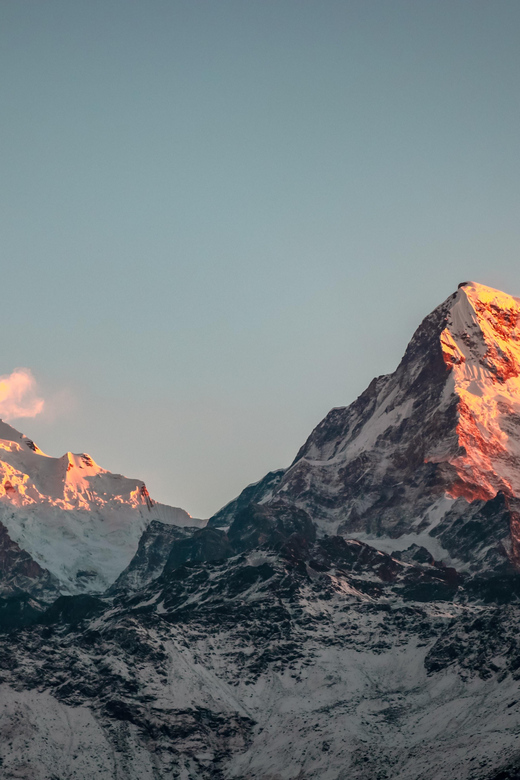
- Poon Hill dawn, up close: an early 1-hour hike to a viewpoint at 3,210 m timed for sunrise over multiple ranges.
- Short trek, real altitude jumps: Ulleri (1,940 m), Ghorepani (2,870 m), then Poon Hill (3,210 m) in only 3 days.
- Village-and-forest hiking: river walks, Magar village atmosphere, plus oak and rhododendron forest sections.
- A guide who helps with the hard bits: support is especially valuable when legs get tired on steeper sections.
- Permits handled for you: TIMS card fees and Annapurna Conservation Area entry are included.
- Lodge comfort for the nights: guest houses/lodges with basics like heating and good enough meals for quick recovery.
Pokhara to Nayapul: the smooth start before the first climb
Most people base themselves in Pokhara for a reason: it’s the easiest launching pad for short Annapurna treks. This one starts with hotel pickup, then a drive connection toward Nayapul before your hiking day begins. You’ll want to wake early here, because the whole point is being in position for sunrise later.
Even though the trek is labeled “short,” the vertical rhythm still matters. You’ll be going from lowland travel to high mountain villages quickly, so think of day one as a warm-up that still asks for steady legs.
There’s also a practical upside to starting with transport arranged for you: you’re not spending precious morning time figuring routes or paying multiple drivers. For a 3-day window, saving time is part of the value.
You can also read our reviews of more hiking tours in Pokhara
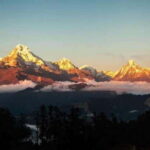
Day 1: Nayapul to Ulleri via Tikedhunga and the Modi Khola
Your first hiking leg runs roughly 5 to 6 hours and targets Ulleri at 1,940 m. The trail begins with a walk that feels more human than dramatic—starting near the Modi Khola river and moving through villages like Birethanti along the way.
This river-and-village start is exactly what I like about this trek format. It gives you time to settle your pace before steeper stretches show up, and it helps you get oriented to how trekking looks on the ground: locals moving, lodges doing business, and the trail weaving through everyday routines.
You’ll pass Tikedhunga and then reach Ulleri, including a Magar village atmosphere. Ulleri is a good overnight spot because it’s lively enough to feel like you’re part of the trekking circuit, but still small and walkable at the lodge level.
Possible reality check: day one is longer than day two for many people, and some sections can feel demanding even if you’re fit. If you’re traveling with friends who tend to sprint early, I’d encourage you to start slower than you think you need. That saves energy for the second day and makes sunrise morning less stressful.
Day 2: Ulleri to Ghorepani through Banthali, Nangathanti, and rhododendron woods
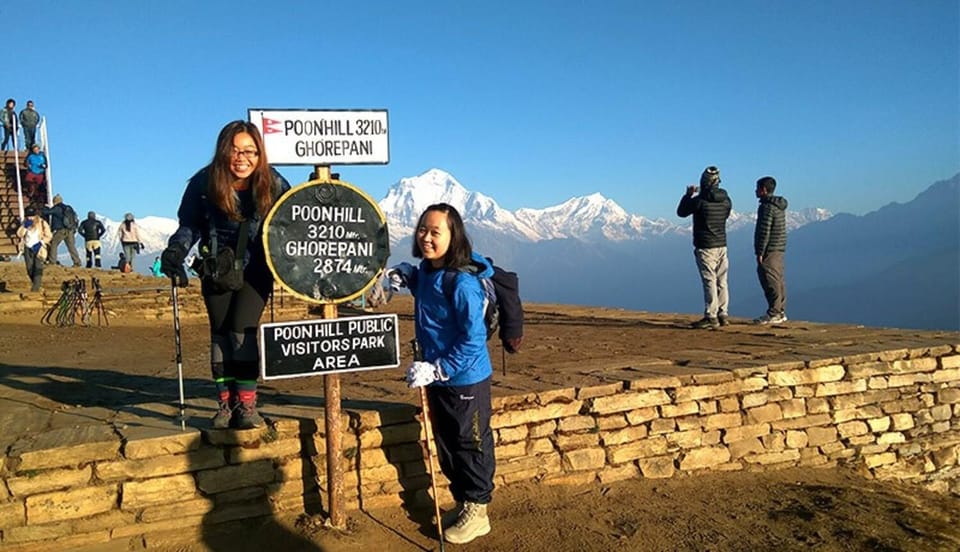
Day two typically takes 4 to 5 hours and climbs you from Ulleri up toward Ghorepani at 2,870 m. On this route, Banthali (2,250 m) is one of the first higher waypoints, followed by a shift into oak and rhododendron forests.
This forest section is more than decoration. When the trail is shaded and the air changes, your breathing steadies, and you get a break from direct sun. It also makes the climb feel less like a single straight grind, because the environment keeps changing every hour.
Nangathanti (2,460 m) is another stepping stone before the path turns uphill for about an hour toward Ghorepani. That last push can be the kind of section where trekking poles and pacing matter. It’s also the part where having an organized guide helps, because they’ll typically keep you moving at a rhythm that matches the group.
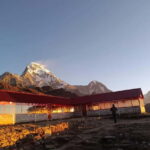
Once you reach Ghorepani, you’re in a classic high-mountain settlement where lodge life takes over. You’ll have time to settle in, eat, and rest up. In the experience feedback I was given, lodges were described as comfortable for an overnight stay, including heating and solid food for trekking recovery.
Day 3: Poon Hill sunrise at dawn, then down to Nayapul and Pokhara
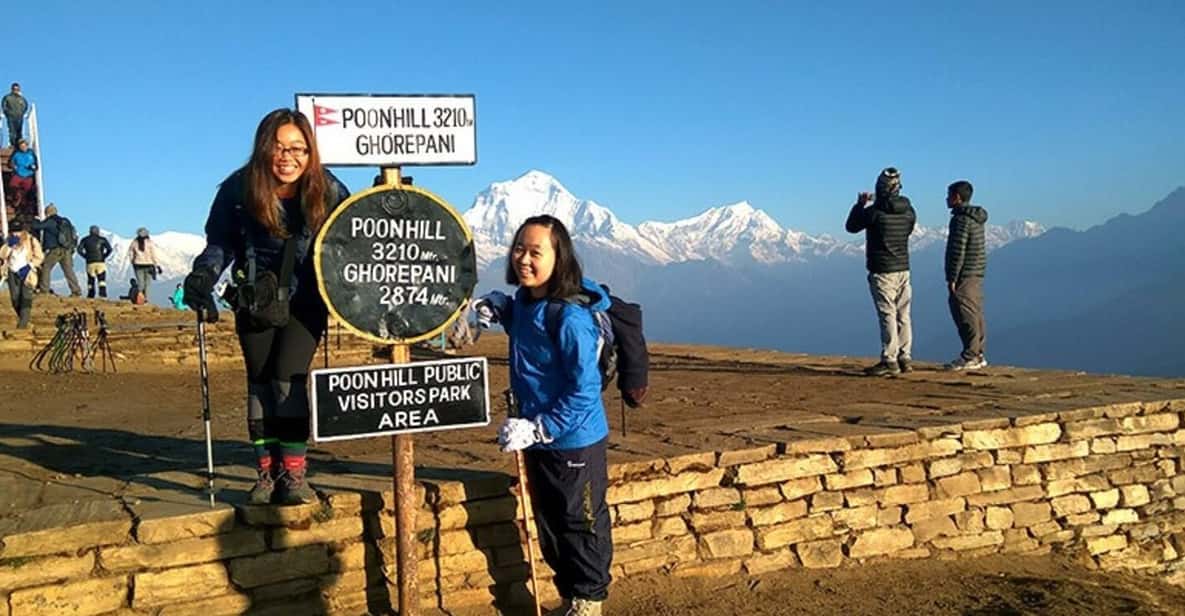
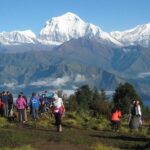
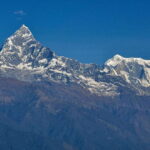
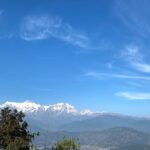
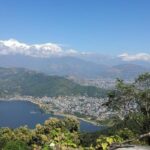
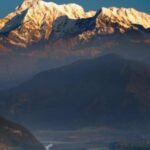
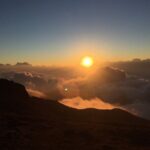
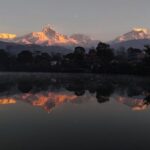
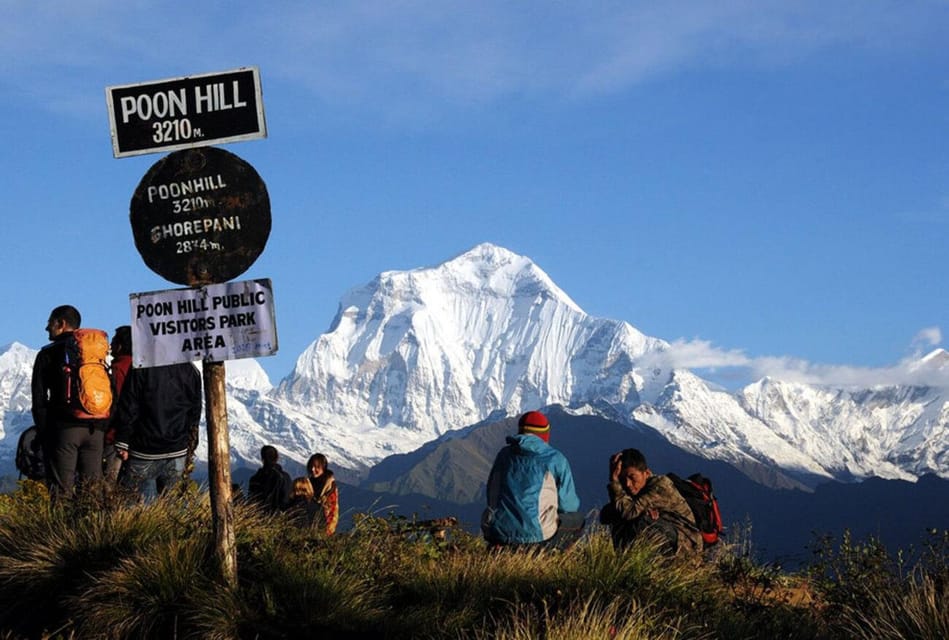
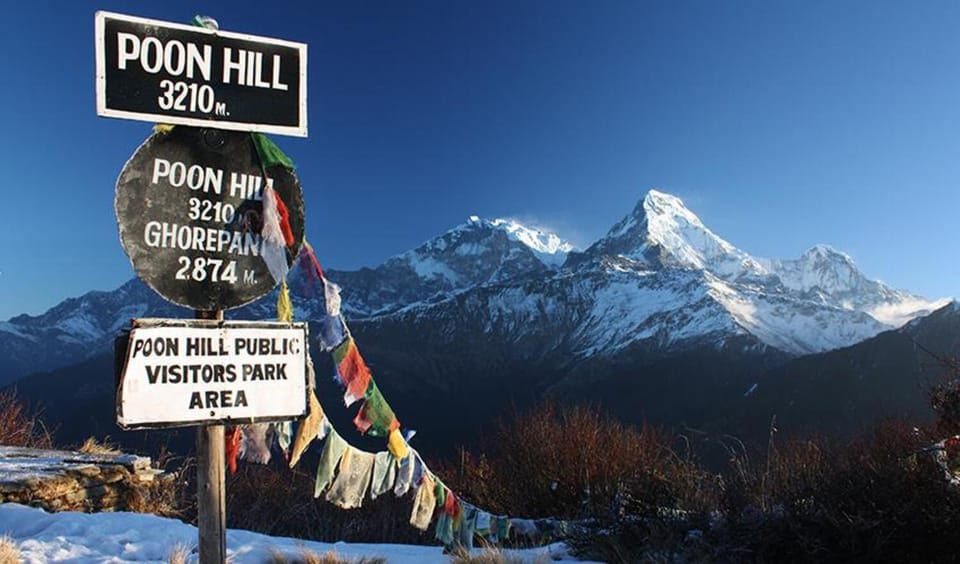
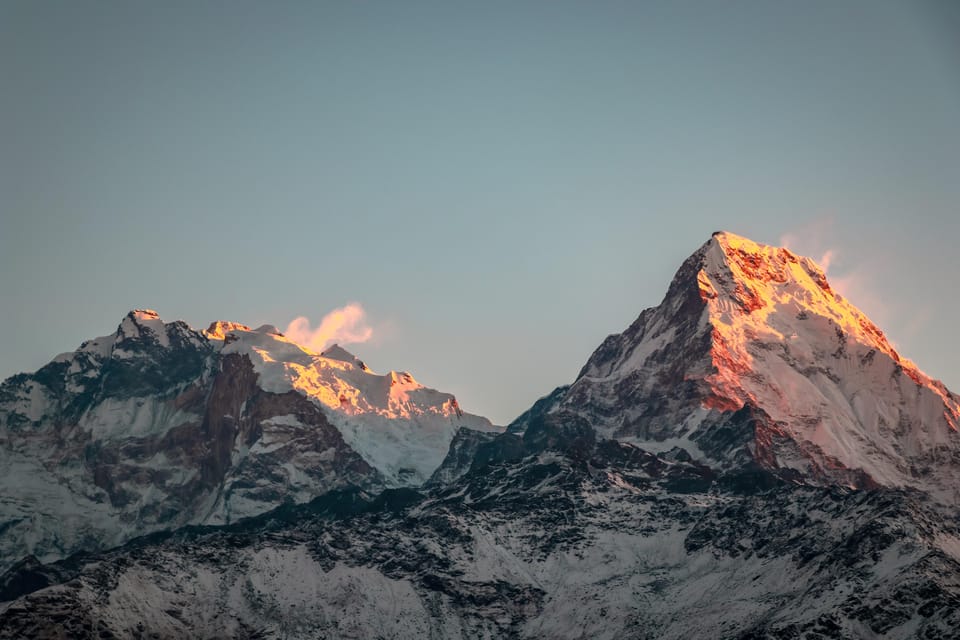
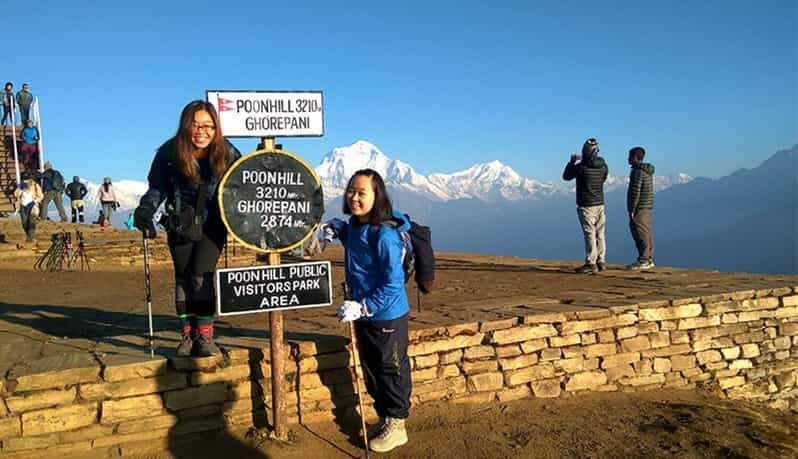
This is the headline day, and it starts early. Before breakfast, you make a roughly 1-hour hike to Poon Hill at 3,210 m. The goal is dawn views, and the reward list is big: Annapurna, Dhaulagiri, Nilgiri, Himchuli, and Machhapuchchhre.
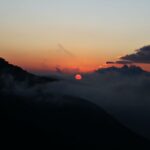
What makes this sunrise stop worth it is timing. The earlier you arrive, the more likely you’ll be in place as light builds over the peaks. The viewpoint feels like a natural amphitheater for the mountains, and even when clouds show up, the shifting light can still make the scene feel alive.
After sunrise, you return for breakfast at the lodge. Then you hike down toward Nayapool and catch a 2-hour drive back to Pokhara, with drop-off at your hotel.
A quick piece of advice: plan your energy like a bookends situation. Day three morning is the payoff climb; the walk down is your chance to keep things controlled. If you go too fast down steep parts, your knees will remind you for the rest of the day. Steady beats speedy here.
Lodges, heating, and the meals math you should do now
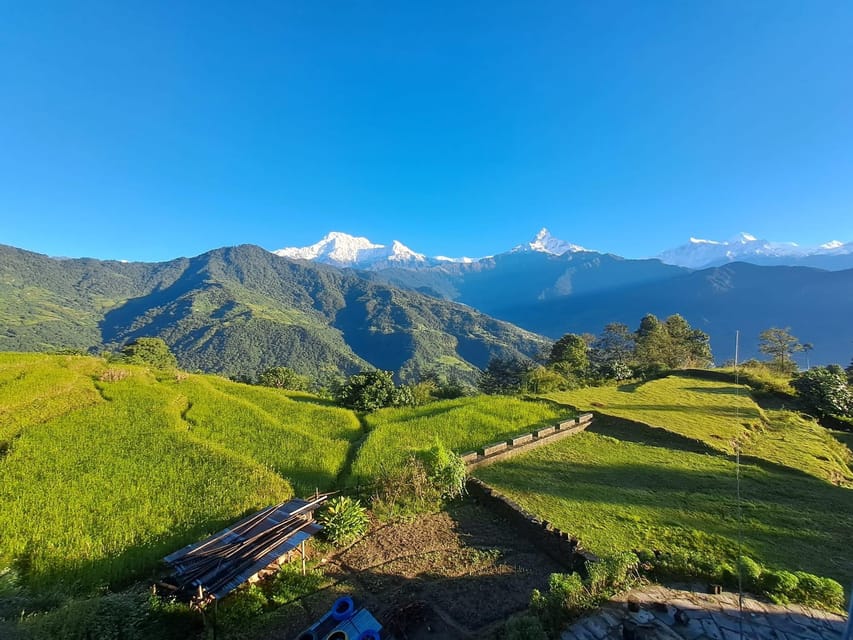
Over this short 3-day trek, the lodging is handled for you in guest houses or lodges. You’re staying overnight in Ulleri and Ghorepani, so you’re not living out of a tent or carrying a long list of gear.
From the details I was given, the nights were described as comfortable for a quick overnight stay. Heating is mentioned, and that matters in the high-altitude cold, even when days feel manageable.
Meals are the one big item that isn’t included. You’ll buy all meals along the way, and because trekking villages depend on tourism, some places can price food higher than you might expect. I’d treat this as a budgeting prompt, not a surprise. Bring enough cash (and some flexibility) so you don’t end up waiting or choosing only the cheapest items when you really want a warm meal.
If you’re the type who likes simple planning, I recommend you assume at least a couple of paid meals per day and then adjust from there. It’s a small line item that becomes important when you’re hungry after a morning hike.
You can also read our reviews of more tours and experiences in Pokhara
Guides, permits, and why the right team changes the trek
This trek includes an English-speaking trekking guide, plus permits and admin fees. Specifically, you get TIMS card fees included, along with the Annapurna Conservation Area entrance permit and fees.
That matters because these details can become a time sink when you try to do everything alone. Here, someone else handles the paperwork so you can focus on walking, timing, and enjoying the route.
The guide piece also shows up strongly in the feedback I received. Names like Bidur, Kshitiz, and Paras came up for their organization and helpful guidance. In one case, a trekking partner became ill, and the guide responded quickly and responsibly. Another detail was the use of bamboo walking sticks made for trekkers—small, practical gear that helps when feet and legs start to complain.
So if you’re nervous about altitude stamina, uneven steps, or group pacing, don’t be. A capable guide is part of the value, not an extra. They also help you make sensible choices when conditions shift, like starting the sunrise hike at the right moment or adjusting effort on steeper parts.
Price and value: what $160 buys you on this 3-day route
At $160 per person, this trek is positioned as a budget-friendly short trek, but it isn’t a bare-bones DIY package. You’re getting:
- Hotel pickup and drop-off
- Sharing transportation by bus between Pokhara and Nayapool
- Two nights in guest houses/lodges
- An English-speaking trekking guide
- TIMS card fees
- Annapurna Conservation Area permit and fees
- Entrance coverage for the protected area
If you compare that to the cost of building everything yourself—permits, a guide, and organized lodging for two nights—it starts to look like good value for a 3-day window. The biggest tradeoff is that meals are not included, so your final on-the-ground cost will depend on how you eat.
Also note the structure: it’s a private group, but you still use sharing bus transport for the Pokhara–Nayapool leg. That tends to keep the experience affordable while still giving you guide attention on the trail.
If you want maximum value, treat this as an assisted hike where you’re paying for coordination and peace of mind. Bring snacks if you like, but don’t try to force the package to become self-catering.
Who this trek fits best (and where you might adjust)
This trek is described as suitable for all skill levels and quick/easy, but I’d translate that into real-world expectations: it’s manageable for many people, yet there are still climbs and steeper sections.
You’ll likely feel it most on:
- The longer first day (5 to 6 hours)
- The uphill push toward Ghorepani
- The early morning climb to Poon Hill, when it’s colder and you’re waking up fast
If you’re an active traveler who enjoys walking through villages and forest trails more than staying in one scenic viewpoint, you’ll match the vibe. The route also rewards patience—sunrise is your big moment, but the quieter village stages are what make the trek feel connected to Nepal, not just a photo mission.
If you’re sensitive to cold nights, remember you’ll be at higher elevations and lodge warmth can be a factor. The good news is heating is mentioned, so you’re not relying only on thin blankets.
Should you book this 3-day Ghorepani Poon Hill trek?
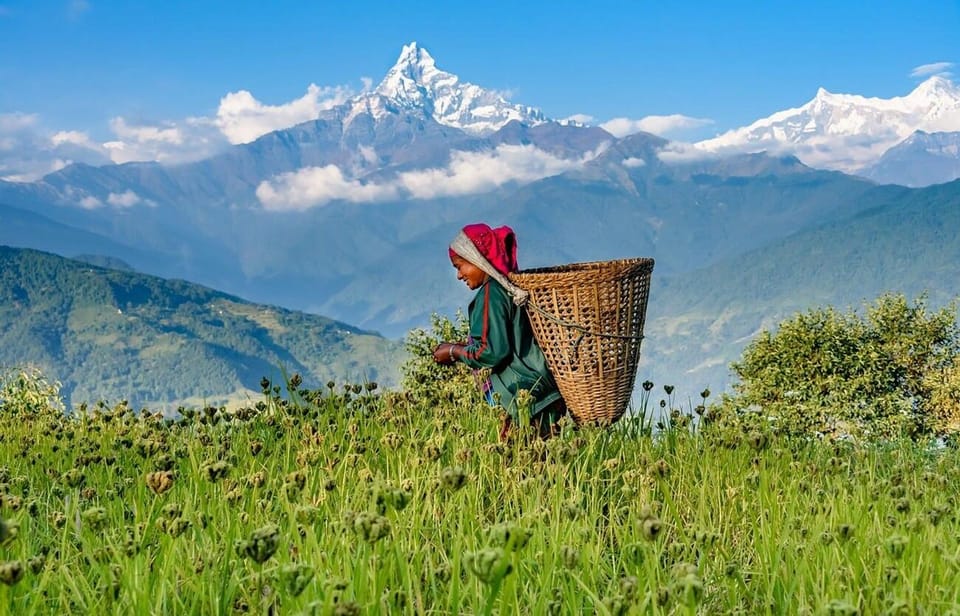
Book it if you want a compact Annapurna intro: two lodge nights, an English-speaking guide, and a high-probability sunrise plan that doesn’t eat your whole vacation. This is also a smart choice if you’d rather pay for coordination than spend your time solving permits, pacing, and logistics.
Skip or modify your plans if you’re trying to keep costs ultra-low by controlling meals. Since food isn’t included and on-trail prices can be higher than average, you’ll want to budget for lunches and dinners.
FAQ
FAQ
How long is the Pokhara to Poon Hill trek?
The trek runs for 3 days.
Where does the trek start and end?
It starts from Pokhara with pickup, then you head to Nayapul for the hiking start. On the final day, you return from the trek area by drive and get dropped off back at your hotel in Pokhara.
Is the sunrise hike included?
Yes. You hike to Poon Hill in the early morning to watch the sunrise, then return for breakfast.
What is the trekking difficulty?
It’s described as suitable for all skill levels, but expect some tough sections due to uphill walking and the early morning pace.
What elevations do you reach?
You visit Ulleri (1,940 m), Ghorepani (2,870 m), and Poon Hill (3,210 m), with higher intermediate points like Banthali and Nangathanti.
Do you get an English-speaking guide?
Yes, an English-speaking trekking guide is included.
Are permits included?
Yes. TIMS card fees and the Annapurna Conservation Area entrance permit and fees are included.
Are meals included in the price?
No. All meals are not included and you can purchase meals along the way.
What about lodging during the trek?
Accommodation is included at guest houses or lodges for the overnight stays.
Is cancellation possible?
Free cancellation is offered up to 24 hours in advance for a full refund.