REVIEW · KATHMANDU
Kathmandu: Nepali Cooking Class with Hotel Pickup
Book on GetYourGuide →Operated by Himalayan Social Journey · Bookable on GetYourGuide
Dumplings and rickshaws in one afternoon. This Kathmandu cooking class pairs a Thamel hotel pickup with a rickshaw ride to the Ason market, so you’re not just cooking in a kitchen—you’re seeing where ingredients and everyday food choices come from. The hands-on part is a real highlight, especially when you start making classic dishes you’ll actually eat at the end.
I also like how the class feels like a guided experience, not just a recipe session: you learn what goes into dishes like momo, different curries, roti-style breads, and the famous sel roti (a slightly donut-like treat). One thing to consider: the cooking time can run shorter than advertised, so I’d plan your schedule with a little flexibility and arrive ready to go at the stated pickup time.
In This Review
- Key things I’d zero in on
- From Thamel Pickup to Ason Market: what the start gets right
- A small reality check
- The ingredient hunt: how you learn what actually matters
- Back in the kitchen: momo, curries, roti-style bread, and sel roti
- What you’ll likely cook (and why it’s a good mix)
- Timing: plan for hands-on work, not a rush
- The culture part you can taste: folk music and Nepalese phrases
- What you’re paying for: value at $60 per person
- Who should book this class (and who should skip it)
- Practical tips so you get the most out of it
- Should you book this Kathmandu cooking class?
- FAQ
- Where are you picked up from?
- How long is the experience?
- Is the cooking class taught in English?
- Do we visit a local market before cooking?
- What dishes will we cook?
- Is it rain or shine, and is it wheelchair accessible?
- What do I need to bring, and can I cancel for a refund?
Key things I’d zero in on
- Thamel pickup plus Ason market rickshaw ride: you start with context, not just cookware
- A real ingredient shopping stop: you learn what to buy and why those choices matter
- Hands-on Nepali classics: momo, curries, roti-style bread, and sel roti
- English instruction and an English audio guide: easier follow-along when techniques get specific
- Folk music and a few Nepalese phrases: keeps the meal from feeling like a classroom
- Rain or shine: plan for Kathmandu weather, not perfect conditions
From Thamel Pickup to Ason Market: what the start gets right
This is one of those tours that starts with momentum. You get picked up from hotels in the Thamel area, which is a big deal in Kathmandu—short on time, you don’t want to waste it figuring out transport. If you’re staying around Thamel, this setup is practical and usually means you can show up without stress and sink straight into the experience.
Next comes the market visit to Kathmandu-Ason. You’ll head there on a rickshaw, which turns the transit part into something you actually feel. You’re not just going from A to B; you’re moving through the neighborhood while your guide sets the stage for the kind of food you’ll be shopping for and cooking later.
Why I like this structure: it gives you a mental link between ingredients and the dish you’ll make. When you spot items in the market, the later kitchen steps feel more logical. You’re more likely to remember what each ingredient contributes—flavor, texture, and the kind of dish it belongs in.
You can also read our reviews of more cooking classes in Kathmandu
A small reality check
The market experience is meant to be authentic and hands-on. Still, one consideration is that the market portion may feel more like a quick stop than a long morning, depending on how the schedule is run. If you’re the type who wants a deep, slow browse, arrive hungry and ready to focus on the ingredients you’ll use—not just the shopping vibe.
The ingredient hunt: how you learn what actually matters
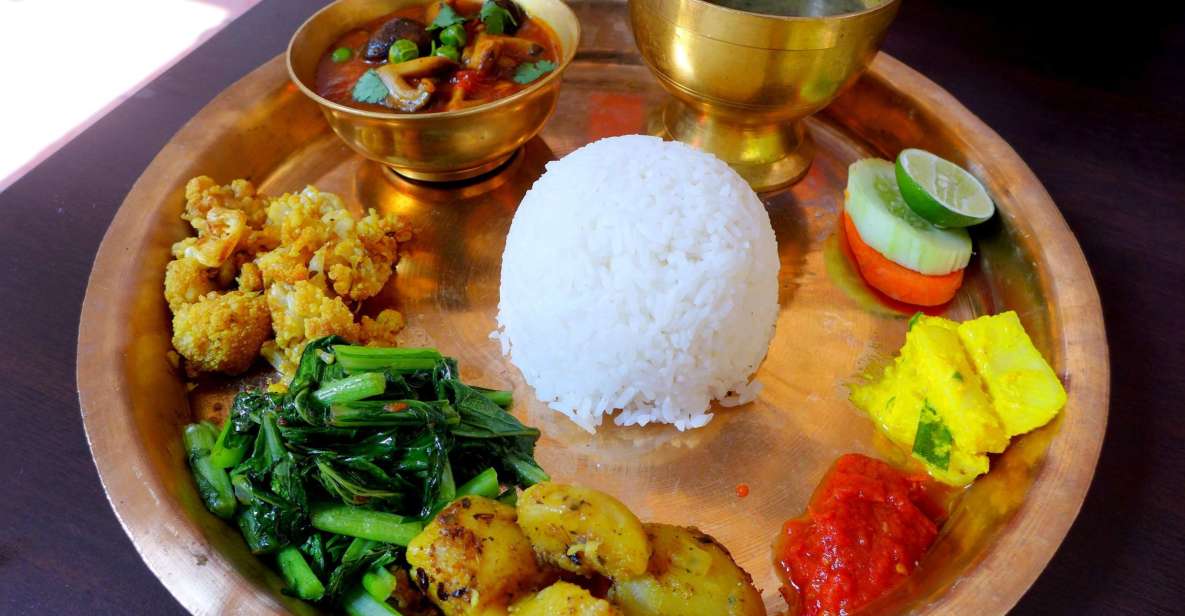
A cooking class is only as good as the ingredients you choose and the way the class helps you understand them. Here, the market visit isn’t window dressing. You’re going to meet local merchants and pick up the items needed for your meal, which is a fast way to learn what Nepali cooking relies on.
The key value is that you get hands-on context for what you’re buying. You’ll see the kinds of foods people commonly use and how staples fit into dishes. Later, when you’re following the chef’s steps, you’ll have a clearer picture of what you’re working with, even if your cooking background is basic.
Also, the market stop works well for first-timers. Kathmandu can be a lot to take in on your own—streets, people, noise, and the sheer number of choices. With a guide, you focus on the essentials: what you need for the dishes you’ll prepare, plus a few practical observations about how food gets sold day to day.
Back in the kitchen: momo, curries, roti-style bread, and sel roti
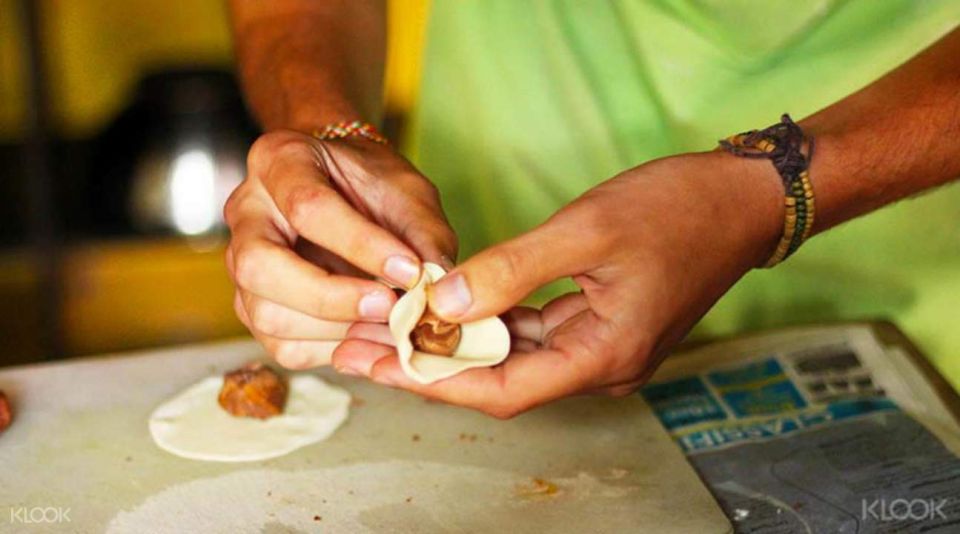
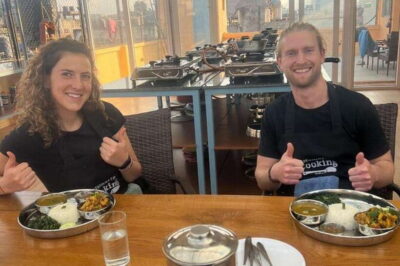
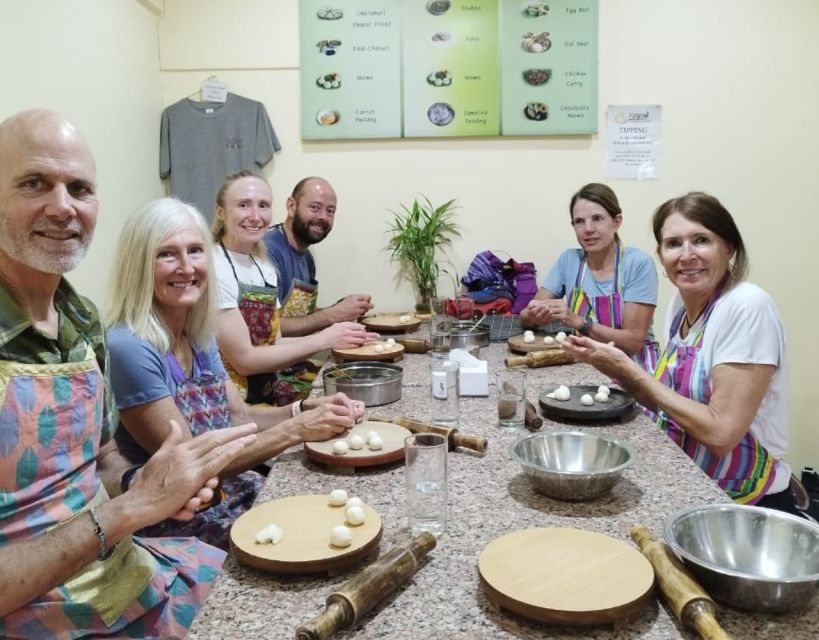
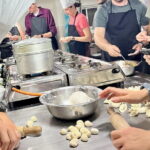
Once the market stop is done, it’s cooking time. An experienced instructor leads the class, and instruction is in English, which matters when you’re learning technique—not just collecting a list of ingredients. You’ll spend time cooking a traditional meal that includes multiple dishes rather than one single recipe.
What you’ll likely cook (and why it’s a good mix)
You’ll make beloved Nepali foods such as:
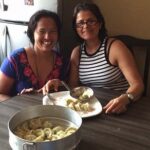
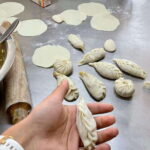
- Momo: These dumplings give you a chance to practice filling and shaping, and they’re also a great way to understand how dumpling-style cooking works in the region.
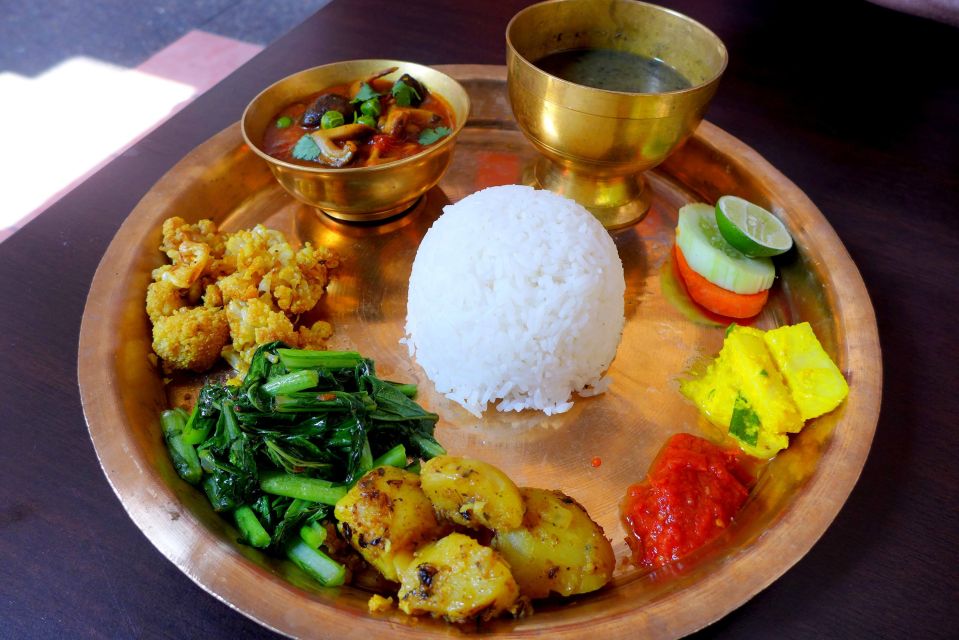
- Varieties of curries: Multiple curries help you compare how spice and base ingredients change the result. You’ll get a clearer feel for flavor-building rather than memorizing one “magic sauce.”
- A unique bread that includes roti: You’ll learn how roti-style bread fits into the meal, which is useful because bread is often part of everyday eating, not just special occasions.
- Sel roti: This one is a crowd-pleaser. It’s slightly similar to American donuts in shape and fried sweetness, but it’s still its own Nepali tradition. If you’ve never had it, you’ll understand why it’s a favorite.
You can also read our reviews of more tours and experiences in Kathmandu

Timing: plan for hands-on work, not a rush
The experience is described as a 4-hour activity, and the cooking portion is typically framed as 3–4 hours. Still, there’s at least one documented case where the cooking time landed closer to two hours. That doesn’t mean every class will be short, but it does mean you should build a little buffer into your day.
My practical advice: treat this as a half-day food workshop, not a quick snack session. If you schedule something right after, give yourself slack. Kathmandu traffic and rain plans can also affect timing.
The culture part you can taste: folk music and Nepalese phrases
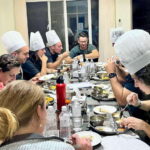
This class doesn’t stop at food technique. During the cooking and at mealtime, you can expect Nepalese folk music. That sounds like a small detail, but it changes the whole tone. It makes the meal feel like part of daily culture, not just a performance for tourists.
You’ll also learn a few Nepalese phrases. You won’t come out speaking fluently, but you’ll pick up enough to greet people, ask simple questions, and handle basic food moments with more confidence. It’s the kind of takeaway that helps you later when you’re ordering, shopping, or chatting with locals on the street.
There’s also an English audio guide included. I’d use it actively while you’re cooking and eating. When you’re tired or focused on technique, audio explanations help connect the dots so you don’t miss why certain steps happen.
What you’re paying for: value at $60 per person
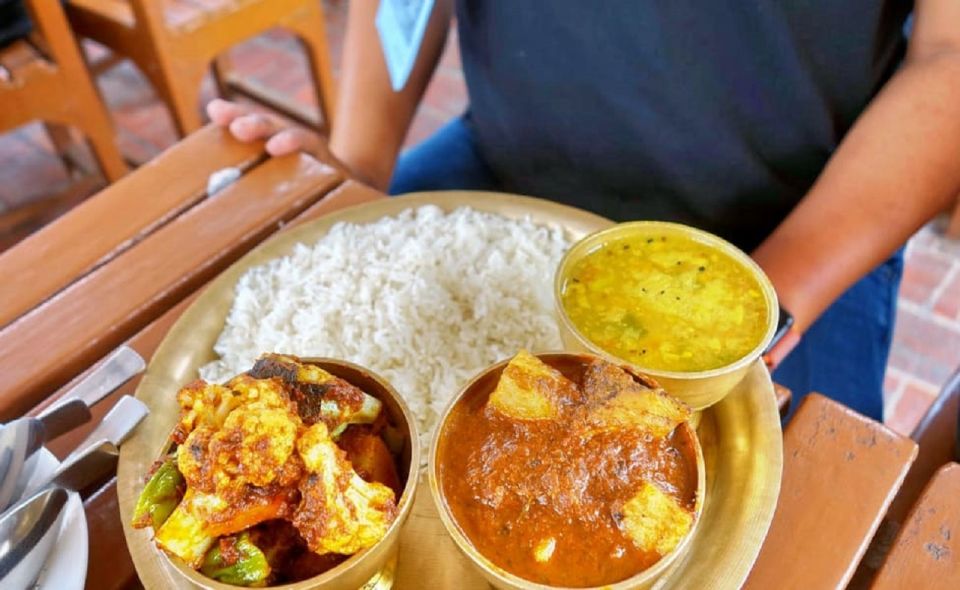
At $60 per person, this isn’t a bargain cooking class. But it also isn’t “just ingredients and a recipe.” Here’s what you’re getting for your money:
- Hotel pickup and drop-off from the Thamel area
- A guided market visit to Kathmandu-Ason with a rickshaw ride
- An English-speaking cooking instructor
- Hands-on preparation of multiple classic dishes
- A structured 4-hour experience window, typically built around shopping, cooking, and eating
- An English audio guide
When you compare that to doing the same thing on your own, the value is in two places: time and coordination. Market shopping in a busy city can turn into a scavenger hunt fast, and then you still need a kitchen setup plus someone to guide technique. Paying for the organizer removes friction.
Still, I’d keep one expectation aligned: the most value-rich part for many people is the combination of market + cooking + eating. If you only care about the final meal and less about learning the ingredients and process, you might feel it’s more expensive than you expected.
Who should book this class (and who should skip it)
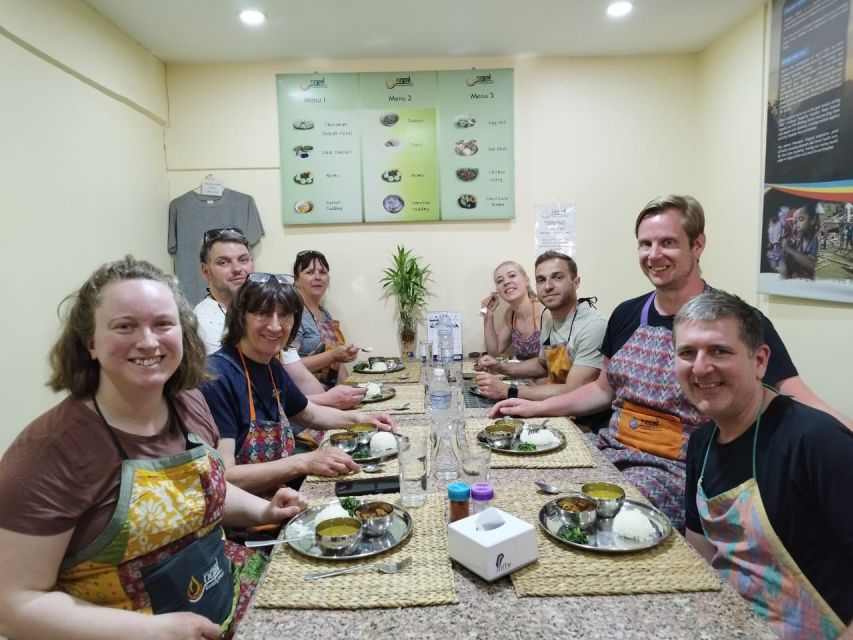
This works best if you want an easy, structured way to learn Nepali home-style cooking without hunting down recipes and equipment. It’s a strong fit for:
- First-time visitors who are curious about what people actually cook and eat
- Food-focused travelers who like hands-on learning
- People staying around Thamel who want pickup and minimal logistics
- Travelers who enjoy markets but don’t want to navigate them alone
Consider skipping or rethinking if:
- You’re very schedule-tight and can’t tolerate possible timing changes in the cooking portion
- You want a slow, long market tour with lots of browsing rather than a targeted ingredient stop
- You’re mainly after pure sightseeing and would rather spend your time elsewhere
Also note: the experience runs rain or shine, so bring a flexible mindset and clothing suited for wet weather if rain pops up.
Practical tips so you get the most out of it
If you want the day to go smoothly, these small moves help:
- Arrive at pickup time ready to cook. Once you’re in motion, you won’t want to scramble for basics.
- Bring your passport or ID card (a copy is accepted).
- Skip alcohol—alcohol and drugs aren’t allowed, so plan your day around that.
- Wear something comfortable for kitchen work and for a quick market walk in busy Kathmandu.
- If you care about specific dishes, ask how the class flow works when you arrive (you’ll make momo, curries, roti-style bread, and sel roti, but your time allocation may vary).
One more tip: use your English audio guide during downtime. It’s a helpful way to keep up with steps and ingredient roles without constantly asking questions.
Should you book this Kathmandu cooking class?
I’d book it if you want a practical, hands-on way to taste Nepali food culture in a single half-day. The market + cooking combo is the core strength, and the dish list hits a great range: momo, curry varieties, roti-style bread, and sel roti.
Skip it if you’re ultra time-sensitive or only want a long market experience. Also, because the cooking portion can run shorter than advertised in some cases, plan a flexible afternoon around it.
If you’re staying in Thamel, and you want an organized path into Nepali cooking with an English instructor, this is a solid choice.
FAQ
Where are you picked up from?
Pickup and drop-off are included from the Thamel area.
How long is the experience?
The full activity is about 4 hours, including the cooking class and the market visit.
Is the cooking class taught in English?
Yes. The instructor speaks English, and an English audio guide is included.
Do we visit a local market before cooking?
Yes. You’ll visit the Kathmandu-Ason local market to buy ingredients, then go to the cooking class.
What dishes will we cook?
You’ll make traditional Nepali foods such as momo, varieties of curries, a roti-included bread, and sel roti.
Is it rain or shine, and is it wheelchair accessible?
The tour runs rain or shine, and it’s listed as wheelchair accessible.
What do I need to bring, and can I cancel for a refund?
Bring your passport or ID card (a copy is accepted). You can cancel up to 24 hours in advance for a full refund. Alcohol and drugs are not allowed.