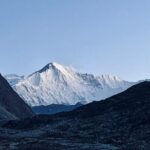
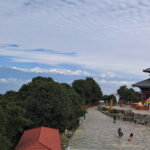
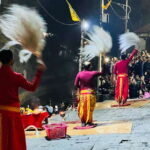
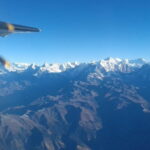
Sunrise over Annapurna starts before dawn. This 3-day Pokhara trip is built for quick sightseeing without complicated planning, with hotel pickup in Kathmandu, a guided circuit in Pokhara, and highlights like Sarangkot and the World Peace Pagoda. You also get an easy-added taste of the lake with a rowing boat time on Fewa Tal (about an hour), which keeps the pace from feeling all sightseeing, no breathing.
The potential downside is the travel days: the scenic tourist bus rides can be long and bumpy, and the return can run late (one real caution is a drop-off not right back at the depot). If you get carsick or you hate arriving in the dark, this may feel like a lot of road time for just three days.
In This Review
- Quick hits before you go
- Kathmandu to Pokhara by tourist bus: what those hours really mean
- Day 1 in Pokhara: a long transfer day, then an easier finish
- Day 2 is the big sightseeing day: falls, caves, stupa views, lake time
- Devi’s Fall and Gupteswar Gupha: short visits with big “nature moment” potential
- World Peace Pagoda: your Annapurna view checkpoint
- Sarangkot sunrise at 5:30 am: the most intense moment
- Phewa Tal: the lake stop that makes the pace feel human
- International Mountain Museum: the one inside stop
- Day 3: Kathmandu return after breakfast—then you’re done
- Price and value: where the $540 makes sense (and where it doesn’t)
- Group size, guide help, and how to keep this day from feeling rushed
- Should you book this Pokhara tour from Kathmandu?
- FAQ
- How long is the Pokhara tour from Kathmandu?
- What’s included in the tour price?
- Are entrance fees included?
- What meals are included?
- What time do we leave for sunrise at Sarangkot?
- How big is the group?
- Can I cancel and get a full refund?
Quick hits before you go
- 5:30 am Sarangkot start so you’re in position for sunrise over the Annapurna range
- Full Pokhara loop with an English-speaking guide and private-car touring inside Pokhara
- Fewa Tal rowing boat for about an hour for a calmer pace on a busy itinerary
- World Peace Pagoda viewpoint on a hill with major Annapurna views
- A small group size cap (max 25) helps keep things organized on a shared bus
- Budget for entrance fees (about US$10 total) at several stops, even when some entries are free
Kathmandu to Pokhara by tourist bus: what those hours really mean
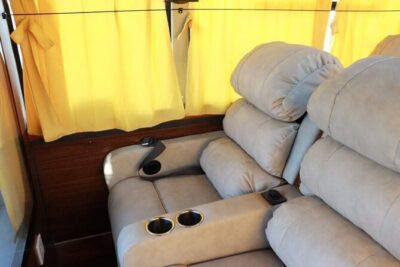
This tour uses a sharing setup for the big transfers: you go between Kathmandu and Pokhara on a tourist bus, while you handle the rest of the Pokhara exploring by guide and private car. That’s a good combo if you want lower cost without being “stuck on a bus” all day inside Pokhara.
Still, plan like the road matters. The itinerary frames the transfers as about 8 hours each way, and at least one traveler flagged that it can stretch into 8–10 hours on rougher roads. Translation: two chunky travel days. Bring something for comfort (snacks, water, a layer), and treat this as a “get there, then go hard on views” kind of trip—not a restful reset.
One more practical note: the tour includes hotel pickup/drop-off in Kathmandu, which is a huge win for convenience. But the return timing can be late, and there’s a reported issue where the drop-off happened by the roadside after dark rather than back at a depot. So if you’re staying outside central Kathmandu or you’re sensitive to late arrivals, build in buffer time for logistics.
You can also read our reviews of more tours and experiences in Kathmandu
Day 1 in Pokhara: a long transfer day, then an easier finish
Day 1 is mostly about movement. You’re picked up from your hotel in Kathmandu, then transferred to the bus station and put onto the tourist bus headed to Pokhara. Once you arrive, you’re transferred to your hotel.
The time commitment is real—around 8 hours—but the structure is straightforward. You’re not responsible for getting to transport hubs, which matters in Nepal where schedules and locations can be unpredictable. It’s the kind of day that works best if you keep expectations simple: arrive, check in, and don’t overbook the evening.
Day 2 is the big sightseeing day: falls, caves, stupa views, lake time
Day 2 is where the tour earns its name as an efficient Pokhara highlight run. It starts with classic nature stops, climbs toward a major viewpoint, and then eases back down with lake scenery and a mountaineering museum stop.
Devi’s Fall and Gupteswar Gupha: short visits with big “nature moment” potential
You’ll stop at Devi’s Fall first. The visit time is about 20 minutes, and entrance is not included. It’s not a long stop, so you’ll want to be ready when you arrive—think quick photos, quick walking, then move on.
Next is Gupteswar Gupha, a natural cave stop with about 40 minutes on the clock, also with entrance not included. This one tends to work better if you like compact sightseeing: you get a change of scenery (outdoor to cave) without needing a full day.
Because both entrances are not included, I’d treat this as a day where you’ll likely pay a couple of small fees on-site. The tour gives an estimate (entrance fees roughly US$10 total), so it’s not a huge line item—but it’s still something to keep cash or a payment plan ready for.
World Peace Pagoda: your Annapurna view checkpoint
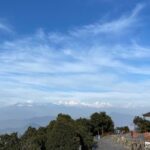
After falls and cave time, you head to World Peace Pagoda (World Peace Pagoda, Pokhara). The stop runs about 1 hour, and entrance is free per the tour info. This is also positioned as a key viewpoint: the pagoda is a Japanese buddhist temple on top of a hill with amazing views of Mt. Annapurna.
Even if you’re not a temple person, you’ll probably like this stop for one simple reason: viewpoints don’t need a big explanation. You show up, you look, you enjoy the wide-open sightlines. It’s also the kind of place where the photos look good without needing perfect timing—unlike sunrise.
Sarangkot sunrise at 5:30 am: the most intense moment
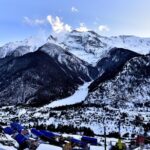
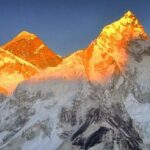
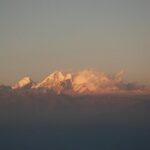
Then comes the early one. To see sunrise, the tour starts at 5:30 am from your hotel in Lakeside. The viewpoint is Sarangkot, and it’s specifically meant to show sunrise over the Annapurna range.
This is the tour’s “make or break” block. If you’re okay trading sleep for a payoff, you’ll likely appreciate why this is the headline: the view is the whole point, and the start time is tuned for that. If you hate waking up early, be honest with yourself—this is not a later-morning kind of itinerary.
Also, because you start from Lakeside, you’ll want to confirm where your hotel is relative to that area. The tour info says the pick-up is from Lakeside for the sunrise start, so you’ll want to ensure you’re actually staying close enough for it to be painless.
Phewa Tal: the lake stop that makes the pace feel human
After the altitude and early morning intensity, Phewa Tal is a reset. The stop is about 1 hour, and entrance is marked free. This is where the scenery shifts from viewpoints and rock to shoreline calm.
And importantly, the experience includes time on Fewa Lake with a rowing boat for about an hour (from the tour overview). Put those together and you’ll get both the “standing and looking” version of lake time (Phewa Tal) and the slower “gliding on water” version (the boat ride). That contrast is exactly what makes this day feel balanced instead of nonstop hauling.
International Mountain Museum: the one inside stop
The day ends with the International Mountain Museum. You get about 1 hour 30 minutes, and entrance is not included. The museum is specifically about mountaineering in Nepal, which gives your itinerary a mental break from outdoor stops.
This is a good choice if you want to end the day with something you can do even if the weather shifts, and it also helps break up the “only views, only photos” pattern. If you’re short on interest in museums, you can still treat it as a structured pause before you return to your hotel.
Day 3: Kathmandu return after breakfast—then you’re done
On Day 3, you eat breakfast around 7:00 am, then you’re transferred to the bus station and return to Kathmandu by tourist bus. The scenic drive is listed as about 8 hours, and the tour ends after that.
Because the ride is long, plan your mental energy accordingly. This isn’t a “wander the market one last time” setup. It’s a straightforward wrap-up: breakfast, transfer, ride, arrival.
If you’re flying out the same day, you should treat that as a risk unless you have a lot of buffer time. The trip format is designed to get you back, but it can be late, and at least one traveler specifically noted a late, dark return drop-off experience.
Price and value: where the $540 makes sense (and where it doesn’t)
The price is $540 for roughly three days, and it includes the heavy logistics: hotel pickup/drop-off in Kathmandu, round trip tourist bus transfer, and Pokhara touring with an English-speaking guide in a private car.
That’s where the value comes from. You’re paying for reduced planning stress:
- you don’t arrange transport between Kathmandu and Pokhara
- you don’t coordinate multiple Pokhara stops on your own
- you get an English-speaking guide for the Pokhara portion
What you should budget outside the price:
- Lunch and dinner are not included
- Entrance fees aren’t fully covered; the estimate given is about US$10
- Gratitude is optional
So the real “trip cost” for your wallet depends on your meal choices and how much you spend on-site. But as a fast, guided route that hits sunrise, two nature stops, a major viewpoint, lake time, and a museum, the structure is trying to give you more than a simple sightseeing day.
Where it may not feel like good value is if you personally hate long road travel. If you’re very road-averse, three days can feel like “two days on the bus” even when the itinerary packs in a lot. In that case, you might decide that comfort and time savings matter more than the guided convenience.
Group size, guide help, and how to keep this day from feeling rushed
The tour caps the group at max 25 travelers and includes group discounts (plus a mobile ticket option). For a shared bus, a smaller cap helps keep the experience organized and reduces the chaos factor.
Inside Pokhara, you’re with an English-speaking guide and a private car for the touring circuit. That matters because it changes how the day feels. You’re not bouncing between vehicles while trying to figure out which stop is next. You get a clear sequence, and you can ask questions—especially helpful on the viewpoint-focused stops like World Peace Pagoda and Sarangkot.
My practical advice: treat Day 2 as a “do the route” day. Wear comfortable shoes, keep your phone charged for sunrise photos, and don’t plan big shopping detours between stops. This itinerary is designed to be efficient, not flexible.
Should you book this Pokhara tour from Kathmandu?
Book it if you want a fast, structured route that covers the essentials: Sarangkot sunrise, World Peace Pagoda, nature stops like Devi’s Fall and Gupteswar Gupha, Phewa Tal / Fewa lake time, and an uphill viewpoint + museum mix. The price becomes easier to justify when you value organized transport and an English-speaking guide.
Skip it—or think hard—if long bumpy road travel is a deal-breaker. This trip stacks your Kathmandu↔Pokhara transit into two major travel blocks, and there’s at least one reported issue with the late return drop-off experience after dark.
If you’re flexible, early mornings don’t scare you, and you want to maximize a short trip in Nepal, this can be a solid way to experience Pokhara without turning your vacation into logistics.
FAQ
How long is the Pokhara tour from Kathmandu?
It’s listed as about 3 days (with each direction’s drive taking around 8 hours).
What’s included in the tour price?
Included items are hotel pickup and drop-off in Kathmandu, round trip sharing tourist bus transfer between Kathmandu and Pokhara, and an entire Pokhara tour with an English-speaking guide in a private car. It also notes a private trip and that a mobile ticket is used.
Are entrance fees included?
Entrance fees are not included for several stops. The tour gives an approximate total of US$10 for entrance fees.
What meals are included?
Lunch and dinner are not included. Breakfast is mentioned for Day 3, but meals beyond that aren’t listed as included.
What time do we leave for sunrise at Sarangkot?
You start at 5:30 am from your hotel in Lakeside for the Sarangkot sunrise viewpoint.
How big is the group?
The tour notes a maximum of 25 travelers.
Can I cancel and get a full refund?
Yes. The policy says you can cancel up to 3 days in advance for a full refund.