REVIEW · LEH
Leh Ladakh Motorcycle Tour / Private Luxury Car Tours
Book on Viator →Operated by Ladakh B2B · Bookable on Viator
Seven days in Ladakh needs a stout plan. This private route stitches together high passes, monastery stops, and borderland villages—plus real support once you start riding.
I like that they handle the heavy logistics for you: fuel, permits/route prep (so you can focus on riding), and backup planning with a mechanic and a vehicle for luggage. You’ll also get a tight mix of big-ticket places and everyday culture in Leh, Nubra, and along Pangong Tso. One thing to consider: entrance tickets and monument fees aren’t included, and biking gear (like gloves, guards, jacket) is on you.
If you want your Ladakh trip to feel organized without feeling like a checklist, this is built for that. And since the car option runs daily while the bike group tour runs every Saturday, you can match the pace to your comfort level.
In This Review
- Key Highlights You’ll Actually Care About
- Leh Ladakh Route on Wheels: What the 7 Days Feel Like
- Day 1 in Leh: Shanti Stupa, Leh Royal Palace, and a Market That Doesn’t Try Too Hard
- Day 2 Around Leh: Army Museum, Sikh Shrine, Magnetic Hill, and the Indus–Zanskar Meeting
- Day 3: Khardung La Pass, Diskit Gompa, and the Hunder Sand Dunes
- Day 4: Turtuk’s Balti Culture, Thang Village, and a Waterfall Detour
- Day 5: Pangong Tso at 4,350 m and Why Timing Matters
- Day 6: Chang La, Thiksey Monastery, Druk Padma Karpo School, and Shey
- Bikes, Helmits, and the Backup Plan That Keeps Your Trip Moving
- Staying Comfortable: Double/Triple Rooms and Food Included
- Price and Value: Is About $393 Per Person a Fair Deal?
- Best Fit: Who This Tour Works For (and Who Should Think Twice)
- Should You Book This Leh Ladakh Motorcycle/Car Tour?
- FAQ
- How long is the Leh Ladakh tour?
- What is the price per person?
- Do I get picked up, and is airport transfer included?
- Is a motorcycle included, and when do I start riding?
- Are helmets included?
- Is there a guide or captain during the trip?
- Do they provide backup support for luggage and bikes?
- What meals are included?
- Are entrance or monument tickets included?
- What about biking gear—do I need to bring it?
Key Highlights You’ll Actually Care About
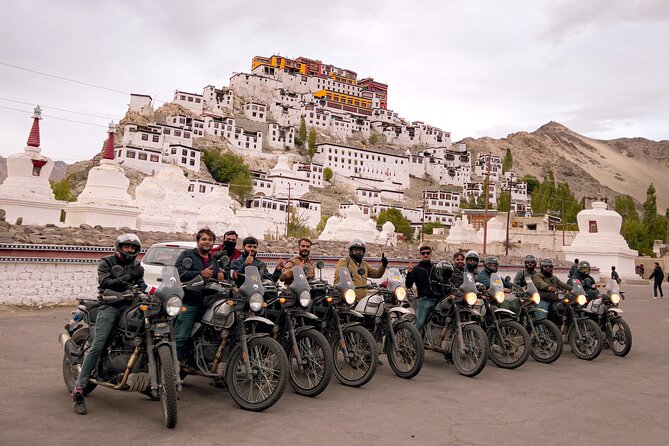
- Motorcycles from Day 2 with fuel included, so you’re not stuck “waiting for the real trip”
- Backup vehicle and mechanic from Day 3 with luggage support, which matters when the roads get unpredictable
- World-class pass hits: Khardung La (5,359 m) and Chang La (5,360 m)
- Nubra Valley dunes + Diskit Gompa in one smooth arc from the Leh base
- Pangong Tso at 4,350 m plus a Chang La return approach that keeps the driving efficient
- Day-by-day Leh sightseeing with Shanti Stupa, Leh Palace, Magnetic Hill, and the Indus–Zanskar confluence
Leh Ladakh Route on Wheels: What the 7 Days Feel Like
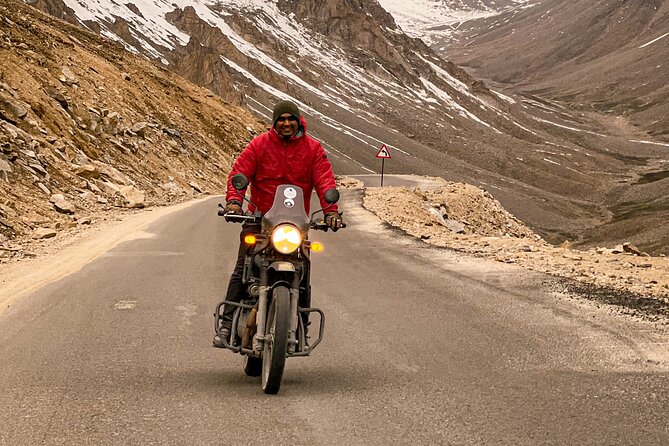
This tour is designed around a classic Ladakh circuit: Leh first, then Nubra Valley and sand dunes, then Pangong Tso, and finally more central monasteries as you head back toward departure.
The “big meaning” of this route isn’t just the famous scenery. It’s the rhythm. You spend day one easing into Leh, day two driving around the area, then you start the motorcycle portion from day two and build up to the higher passes by day three and beyond.
If you’re in the private car option (daily), expect the same target stops. The difference is simple: you’re swapping seat time instead of steering control. Either way, the itinerary is built to keep transit efficient.
You can also read our reviews of more private tours in Leh
Day 1 in Leh: Shanti Stupa, Leh Royal Palace, and a Market That Doesn’t Try Too Hard
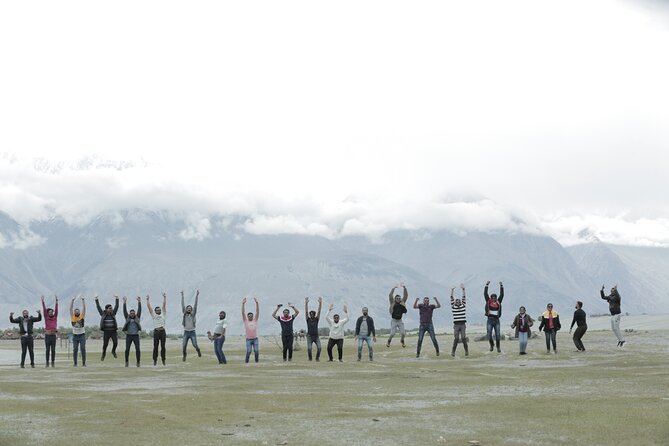
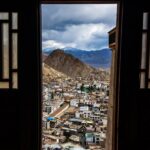
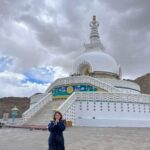
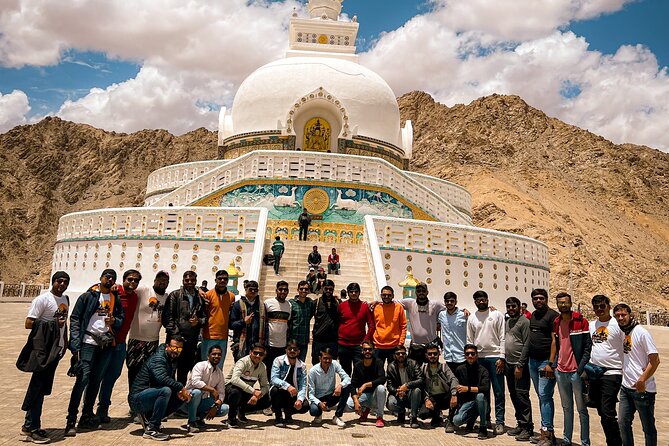
Your first day is all about getting your bearings in Leh without burning energy. You’ll start at Shanti Stupa, the white-domed monument built in 1991 by Japanese monk Bhikshu Gyomyo Nakamura, created to mark 2,500 years of Buddhism and promote world peace. It’s a great early stop because it helps you orient yourself—literally and spiritually.
Next comes Leh Royal Palace (Lachen Palkhar), a 17th-century royal residence built under King Sengge Namgyal. It’s often quick to visit, but it’s an easy way to connect the modern town to its older Tibetan-influenced architecture.
Then you’ll have time for Leh Market. This is the practical part: woolens, pashmina items, and the kind of shopping that’s better when you’re not rushed. One tip: carry some cash for small purchases, since you’ll run into places that don’t always run on card.
Drawback to flag early: entrance or monument tickets are not included for some sites, so budget a little extra for that.
Day 2 Around Leh: Army Museum, Sikh Shrine, Magnetic Hill, and the Indus–Zanskar Meeting
Day two shifts from town monuments to off-the-main-road surprises. You’ll visit the Hall of Fame, a museum dedicated to honoring Indian Army valor and sacrifices. It was established in 1986 and renovated in 2016, and it includes exhibits related to the Kargil War and Siachen Glacier.
After that, you’ll head to Gurudwara Shri Datun Sahib Ji (Pathar Sahib), about 25 km from Leh on the Leh–Kargil road at roughly 12,000 feet. It’s a free stop, and it’s one of those places where you feel how many faiths and cultures share this mountain world.
Then comes Magnetic Hill, a gravity-hill phenomenon around 30 km from Leh (about 14,000 feet). It’s short, but it’s fun in a slightly silly way—perfect if you want a break from the more serious monuments.
Your day ends at the confluence of the Indus and Zanskar rivers, near Nimmu village (about 35 km from Leh). The value here is simple: it’s a natural “you are here” moment. Two rivers, one dramatic meeting point, and a lot of photo-worthy angles—without needing a long hike.
Day 3: Khardung La Pass, Diskit Gompa, and the Hunder Sand Dunes
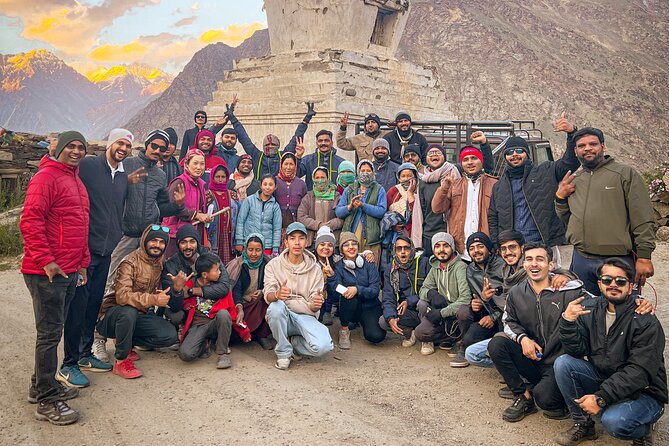
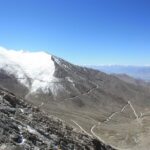
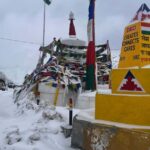
This is where the tour’s tone changes from sightseeing to “ride day.” Khardung La is the headline: one of the highest motorable passes, at 5,359 meters. The stop is brief, but it’s a true altitude marker, and it sets up Nubra as the next chapter.
Then you’ll visit Diskit Gompa, the oldest and largest Buddhist monastery in Nubra Valley. It dates back to the 14th century, founded by Changzem Tserab Zangpo, a disciple of Tsong Khapa. Even if you’re not a monastery expert, this stop helps you see Ladakh as a living religious landscape—not just a photo stop.
Next: Hunder Sand Dunes. This is the high-altitude desert feel at about 10,000 feet, stretching across roughly 30 square kilometers. The best part is the contrast. You’ve just been at a high pass and a monastery; now you’re in a sandy world that feels totally different.
Practical consideration: altitude can hit people differently. Take it slow at every stop and don’t assume your body is “fine” just because the group keeps moving.
Day 4: Turtuk’s Balti Culture, Thang Village, and a Waterfall Detour
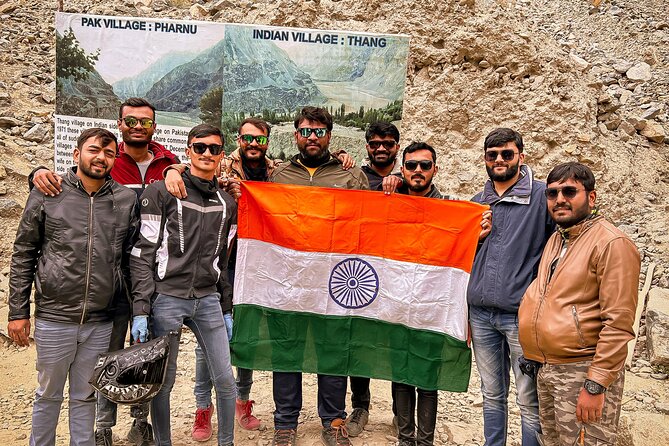
Day four heads toward the India–Pakistan border region feel. You’ll arrive in Turtuk, a place known for Balti heritage. Expect traditional stone houses, apricot orchards, and a local market vibe. There are cultural points to cover too: the 16th-century Polo Ground, the Brokpa Fort, and the Balti Heritage House.
Next is Thang Village, about 2.5 km from the Line of Control. This is one of those stops where it’s worth staying respectful and quiet. The point isn’t spectacle; it’s understanding how close daily life sits to geopolitics.
Then there’s the Turtuk Waterfall, which involves a scenic hike through apricot orchards. This is a nice change of pace after pass-and-drive days. If you enjoy walking where the scenery feels lived-in rather than staged, you’ll appreciate this part.
Also, remember that the tour notes “unscheduled stay due to landslide, political issues, or anything outside their control.” In border regions and mountain valleys, plan for possible timing shifts.
Day 5: Pangong Tso at 4,350 m and Why Timing Matters
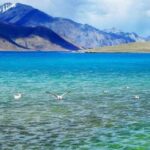
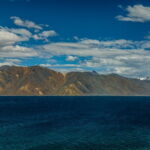
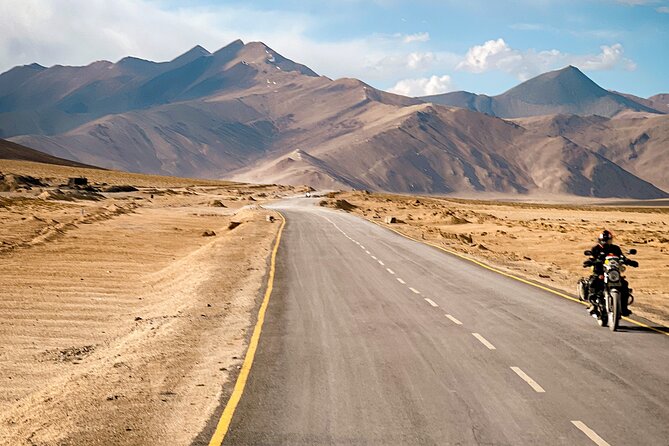
Pangong Tso is the day-five star. It’s a high-altitude brackish lake at about 4,350 meters and about 134 km long, extending across both sides. Even if you’ve seen photos, the experience feels different because the light and the air are sharper up here.
This is also a good day to keep expectations realistic. High altitude means you’ll likely feel wind more than you expect, and you’ll want to dress with layers even if the sun looks warm. This isn’t where you want to test your “I don’t need a jacket” attitude.
The “value” of the way this tour structures the day is that you’re not endlessly bouncing around. You’re focused on one big target, then you can enjoy the place without burning your legs.
Day 6: Chang La, Thiksey Monastery, Druk Padma Karpo School, and Shey
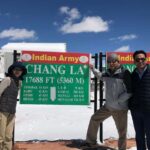
Day six brings you back with a second pass hit: Chang La Pass, again around 5,360 meters. It connects Leh to Pangong Tso and functions as a vital route toward Nubra. If you’re feeling altitude after day five, this is the day where patience matters most.
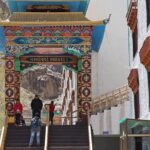
After the pass, you’ll visit Thiksey Monastery, perched on a hill about 19 km east of Leh. It’s the largest Buddhist monastery in central Ladakh and belongs to the Gelugpa (Yellow Hat) sect. Founded in the 15th century, it’s a longer cultural stop that helps break up the harder travel days.
You’ll also see Druk Padma Karpo School, often linked in popular culture to Rancho’s School from 3 Idiots. You get a short visit, but it adds a modern human thread to a trip that’s otherwise dominated by ancient sites and extreme altitude.
Finally, Shey Monastery, about 15 km south of Leh, built in 1655 by King Deldan Namgyal. It’s known for a 12-meter-high copper statue. This is a solid finish to your monastery circuit before departure day.
Entrance tickets for some of these stops are not included, so keep a small buffer for the days where you can’t avoid paid entry.
Bikes, Helmits, and the Backup Plan That Keeps Your Trip Moving
A key piece of the tour’s value is how they structure support once the riding starts.
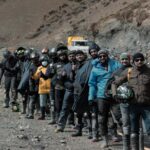
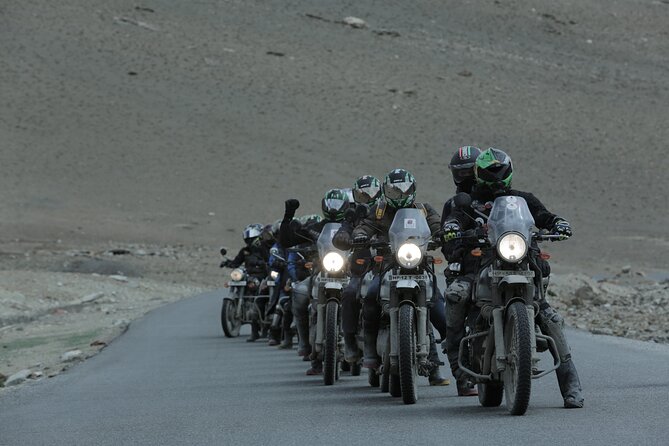
From day two, you’ll get a Himalayan 411 CC motorcycle along with fuel. You’ll also use used helmets included in the trip. From day three onward, there’s a professional backup vehicle to carry your luggage plus a mechanic through the trip.
Why that matters: Ladakh isn’t “hard” just because of height. It’s hard because weather and road conditions can change. Having a mechanic and luggage transport means you’re not stuck babysitting gear or improvising fixes if something goes sideways.
One more practical detail: they specifically note that they provide braking and ride essentials through the motorcycle support, but biking gear isn’t included. So you should bring your own elbow and knee guards, gloves, and a suitable riding jacket.
Staying Comfortable: Double/Triple Rooms and Food Included
The tour includes stays on a double/triple sharing basis as per the itinerary. That’s common in group mountain travel, and it helps keep the cost down. If you want private space, you’d need to ask what options exist, since that detail isn’t stated.
Food is also built in. You’ll have breakfast (6) and dinner (6) plus lunch. This matters more than it sounds because buying meals in remote stretches can add up fast, and you don’t want to waste prime daylight hunting for restaurants.
Price and Value: Is About $393 Per Person a Fair Deal?
At $393.25 per person for roughly 7 days, the headline question is what’s included versus what you’ll still pay out of pocket.
Included is meaningful stuff: motorcycle access from day two, fuel, helmets, lunch/dinners/breakfast, airport transfers, a tour guide/captain/marshal, luggage transport from day three, and mechanic support. You’re also getting a private setup for your group rather than mixing with random strangers.
What’s not included: monument and entrance tickets, plus biking gear. That means the trip can cost a bit more depending on which sites charge fees during your exact schedule.
So the value equation looks good if you want the logistics handled and you don’t want to spend your trip negotiating permits and route details. Reviews you’ll see tend to praise that exact “handled properly” feel—routes, permits, stay arrangement, and backup being there when it counts.
Best Fit: Who This Tour Works For (and Who Should Think Twice)
This works best if you:
- Want guided planning around major sights like Khardung La and Pangong Tso
- Like the idea of a Saturday bike group option but can also choose the daily private car style
- Prefer a trip where support is ready (mechanic, backup vehicle, luggage handling)
- Are comfortable riding/being at altitude with minimal downtime
You might think twice if you:
- Don’t have your own biking gear and don’t want to purchase it last minute
- Hate paying separate entrance fees on the road
- Expect the schedule to be 100 percent fixed in all mountain conditions (the tour notes landslide/political disruptions are outside their control)
Should You Book This Leh Ladakh Motorcycle/Car Tour?
If you want a Ladakh trip that’s ambitious but not chaotic, I’d put this on your shortlist. The strongest pull is the combination of big passes, Nubra dunes, and Pangong Tso, paired with practical support once you’re on the bike. Add in the early Leh culture stops and the quieter borderland day, and you get a balanced itinerary rather than just “drive to the view and leave.”
Before you click confirm, do two things:
1) Budget extra for entrance tickets you’ll encounter (they’re not included).
2) Pack proper riding gear if you’re choosing the motorcycle option.
If you do that, the tour’s price starts to make sense fast: you’re paying for planning, support, and transportation so you can spend your energy experiencing Ladakh instead of managing it.
FAQ
How long is the Leh Ladakh tour?
The tour is listed as 7 days (approx.).
What is the price per person?
The price is $393.25 per person.
Do I get picked up, and is airport transfer included?
Pickup is offered, and airport transfers are included.
Is a motorcycle included, and when do I start riding?
A motorcycle is included from day 2, and it’s described as a Himalayan 411 CC. Fuel is also included for your motorcycle.
Are helmets included?
Yes, used helmets are included.
Is there a guide or captain during the trip?
Yes. A tour guide/captain/marshal is included from day 2.
Do they provide backup support for luggage and bikes?
From day 3 onward, there is a professional backup vehicle to carry your luggage and a mechanic throughout the trip.
What meals are included?
Lunch is included, and there are 6 breakfasts and 6 dinners included.
Are entrance or monument tickets included?
No. Entrance and monuments tickets are not included.
What about biking gear—do I need to bring it?
Yes. Biking gear such as elbow/knee guards and gloves/jacket is not included.