REVIEW · LEH
Leh Ladakh Motorcycle Tour – 7 Days Of Ultimate Thrill
Book on Viator →Operated by Go 360 · Bookable on Viator
Leh Ladakh is not a casual drive. This 7-day motorcycle tour is interesting because it strings together high-altitude riding and classic Leh sightseeing in a way that actually makes sense for acclimatization, not just checkmarks. I also like the practical support setup: a pro guide team plus a reliable backup car starting from Day 3. One consideration: the tour provides used helmets, and your own biking gear is not included.
I like that the value is more than just the bike. At around $510.27 per person, you’re also getting fuel, required permits, oxygen cylinders, basic first aid, plus 6 breakfasts and 6 dinners. In reviews, guides such as Rohit and Priya are specifically praised for keeping the trip organized and the safety talk clear.
In This Review
- Key Highlights That Make This Tour Worth Your Time
- Day 1 in Leh: Shanti Stupa, Leh Market, and a slow landing
- Day 2 around Leh: Confluence views, Magnetic Hill, and Gurudwara Pathar Sahib
- Day 3: Khardung La area and Nubra Valley with bikes provided
- Day 4: Turtuk and Balti villages near the border
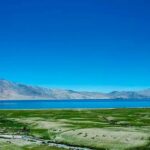
- Day 5: Pangong Tso via the Shyok Route and lake-time pacing
- Day 6: Changla Pass at 17,590 feet and monasteries near Leh
- Day 7: Airport drop and closing the loop
- Safety and logistics: the backup team that actually matters
- Value and price: does $510.27 add up in real life?
- Who should book this tour—and who should slow down
- Should You Book This 7-Day Leh Ladakh Ride?
- FAQ
- Where is the tour starting and ending?
- What’s included in the tour price?
- Is motorcycle gear included?
- Are entry fees to monasteries and monuments included?
- Do I ride a motorcycle from the first day?
- Is there a mechanic and backup vehicle during the ride?
- How big is the group?
- When will I receive confirmation after booking?
Key Highlights That Make This Tour Worth Your Time
- Airport-to-Leh transfers and a real acclimatization start so you’re not thrown straight into altitude riding
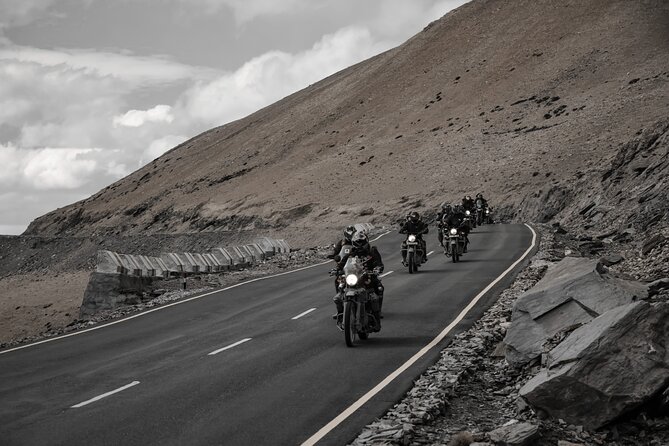
- Royal Enfield Himalayan bikes with fuel included, plus a backup plan for remote roads
- Oxygen cylinders and basic first aid kit carried as part of the safety net
- Mechanic and tour marshal from Day 3, when riding ramps up in Nubra and beyond
- Big-ticket scenery hits: Khardung La area, Nubra dunes, Pangong Tso, and Changla Pass
- Most sightseeing is marked free, but a few monastery/museum entry tickets are not
Day 1 in Leh: Shanti Stupa, Leh Market, and a slow landing
Day 1 is your landing day. You get pickup from the Leh Airport and transfer to the hotel, with the rest of the day built for acclimatization. That matters in Ladakh, because even if you feel fine, altitude can sneak up on you when you rush.
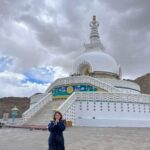
You’ll start with Shanti Stupa, a straightforward first stop that helps you get your bearings over Leh. Then you’ll spend time in Leh Market, where you can browse local handicrafts, spices, woolen garments, and jewelry. The day also includes Leh Palace (often called Leh Royal Palace), the old royal structure overlooking the city.
What I like here is the pacing. You’re seeing recognizable landmarks without stacking long climbs on top of your arrival. It’s the kind of day that makes the later high passes feel less like punishment.
You can also read our reviews of more tours and experiences in Leh
Day 2 around Leh: Confluence views, Magnetic Hill, and Gurudwara Pathar Sahib
After breakfast, the tour shifts toward Leh’s main sights and the short roadside attractions that don’t eat your whole day. You’ll visit the Confluence of the Indus and Zanskar Rivers, and it’s a great “start point” for understanding Ladakh’s geography.
Next up is Magnetic Hill, where cars appear to drift uphill when parked in neutral. It’s a short stop, but it’s one of those Ladakh moments that feels odd in the best way—like the place is playing tricks on gravity.
You’ll also visit Gurdwara Pathar Sahib, a Sikh shrine associated with Guru Nanak’s time in Ladakh. Then there’s the Hall of Fame (military museum). The museum entry ticket is marked as not included, so treat it as a budget add-on if you want to go inside.
This day is also a good “ride prep” day. Even if you’re not on the bike yet, you’ll start learning what the roads and drives feel like, and that makes Day 3 smoother.
Day 3: Khardung La area and Nubra Valley with bikes provided
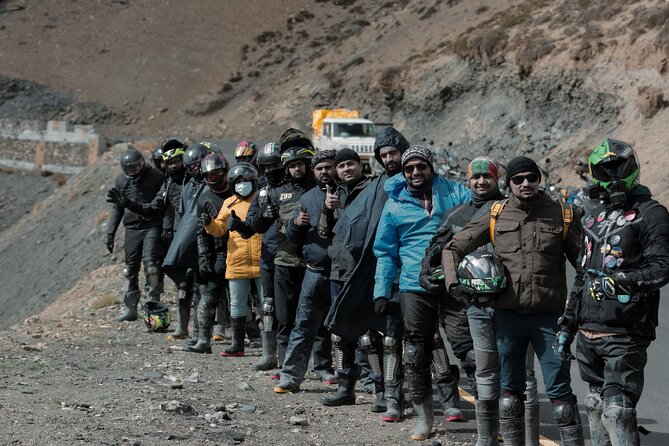
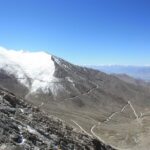
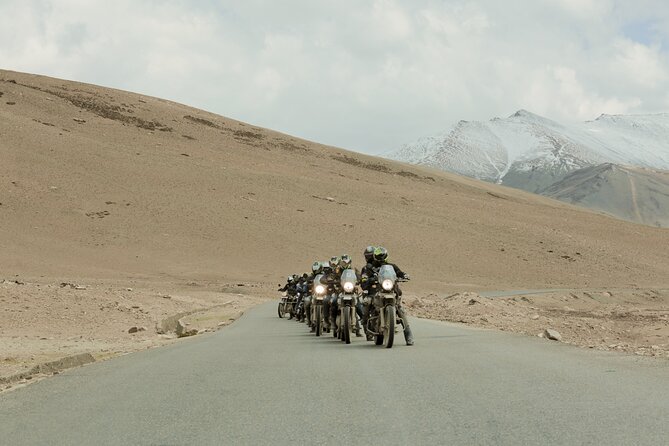
Day 3 is when the motorcycle part of the tour really comes alive. Morning brings the bikes—Royal Enfield Himalayan style—and you’ll head toward the Khardung La pass area. Khardung La is described as the world’s highest motorable pass, and the drive itself is part of the thrill even before you park the bikes and start sightseeing.
From there you continue toward Diskit, the headquarters area of Nubra Valley. The stops are paced to give you a mix of driving and short viewpoints, which helps when air feels thinner. You’ll then reach Hunder Sand Dunes, where you get about an hour to enjoy the desert-like scene framed by mountains.
The day also includes Diskit Gompa, described as the oldest and largest Buddhist monastery in Nubra Valley. That specific stop’s entry ticket is marked as not included, so double-check what you’d want to pay on-site versus what you’re skipping.
Practical note: the tour includes used helmets, so take a minute to check the fit and condition before you start rolling. If you feel pinching, discomfort can become a problem fast on long, bumpy stretches.
Day 4: Turtuk and Balti villages near the border
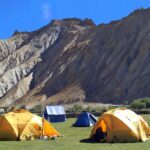
Day 4 shifts from big-pass riding to quieter, more local experiences. After breakfast, you’ll check out from the camps and visit Diskit Monastery again (or continue the monastery time depending on your schedule). The tour mentions an optional ATV ride if time permits, but it’s a personal expense.
Then you drive onward to Turtuk, a village in Baltistan. The tour time suggests a solid chunk on arrival so you can absorb what’s different here—culture, landscape feel, and the sense of being close to the border.
You’ll also visit Thang Village, plus the Turtuk Waterfall for a short nature break. The day ends with Tyakshi Village, another remote settlement near the Pakistan border.
I like Day 4 because it gives the trip emotional variety. You’ve had high altitude road drama, then you land in small places where the pace slows and you can actually look around without rushing to the next photo spot.
Day 5: Pangong Tso via the Shyok Route and lake-time pacing
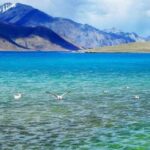
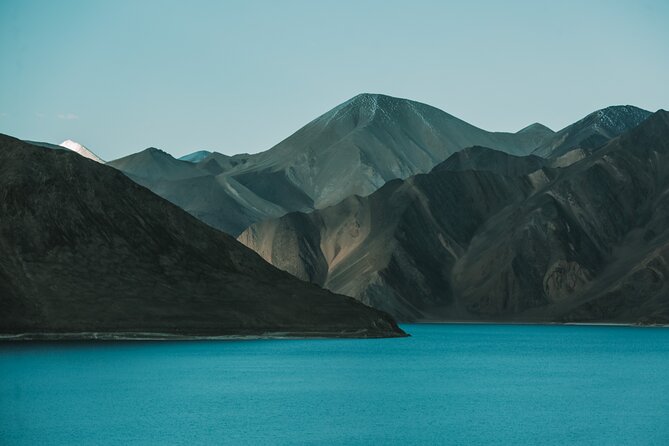
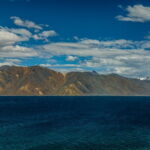
After breakfast, you head toward Pangong Tso. The route is described as going via the Shyok Route, which is often the kind of drive that feels more intense than the distance on a map suggests.
You’ll have time for sightseeing around Pangong Lake itself, with about 3 hours allocated. This is the day where you’ll want to manage energy carefully, because the combination of elevation and long road time can be tiring even when the driving feels smooth.
The tour also includes time around Diskit and Hunder villages and monasteries before the Pangong push, so you don’t jump straight from one extreme to another. That helps keep the day from becoming one long blur.
Day 6: Changla Pass at 17,590 feet and monasteries near Leh
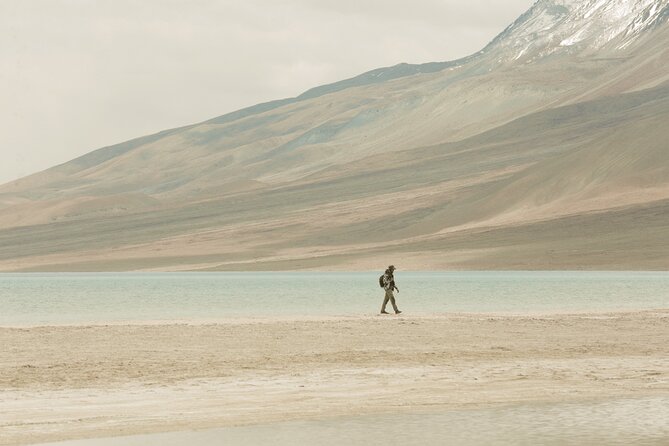
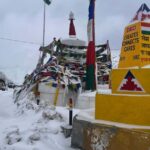
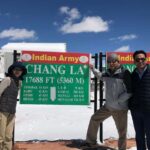
Day 6 is built around altitude. You’ll cross Changla Pass, described at 17,590 feet, connecting Leh to the Nubra side via the Leh–Diskit road corridor.
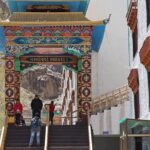
This is also the day that includes major monastery visits close to Leh. You’ll stop at Thiksey Monastery (entry ticket not included) and Shey Monastery (also not included). The tour notes Thiksey belongs to the Gelugpa sect, and Shey is one of the older monasteries and was once the summer capital of the Ladakhi king.
You’ll also visit Druk Padma Karpo School near Thiksey, described as the Druk White Lotus School and known for being a filming location for 3 Idiots. The entry ticket for this stop is marked as free.
If you’re prone to feeling cold, this is where your body will notice it. Even without getting too technical, higher passes are harder on comfort than you expect. My advice: go slow at stops, sip water, and don’t treat photo stops like you’re on a city sidewalk.
Day 7: Airport drop and closing the loop
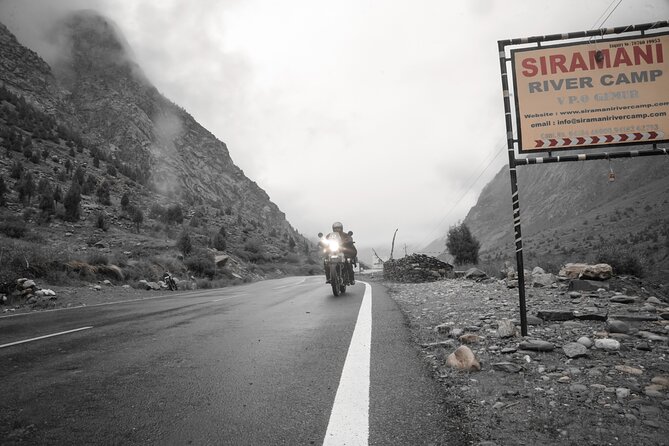
The last day is simple: after your 7-day ride and sightseeing, the tour drops you at Leh Airport based on your flight schedule. It’s a nice way to end, because it keeps you from scrambling last-minute transport.
This is also where you’ll realize how much of Ladakh is timing. Roads can be long, days can be altitude-heavy, and having the drop handled beats trying to improvise.
Safety and logistics: the backup team that actually matters
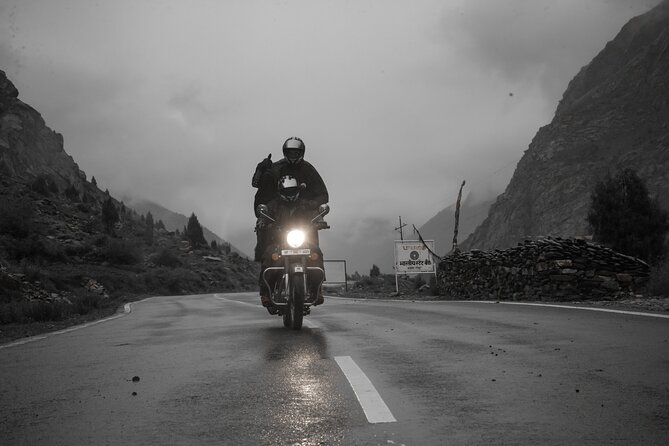
This tour isn’t just about scenic stops—it’s about keeping the ride manageable. From Day 3 onward, you get an experienced tour marshal plus an experienced tour mechanic and backup team supported by a backup car.
That setup matters in places where you don’t want to lose hours waiting around. It also helps on the kind of roads where a minor bike issue becomes a bigger deal than it should be.
On top of that, the tour includes oxygen cylinders and a basic first aid kit. You’ll also have required permits handled, which is the kind of behind-the-scenes work that keeps trips from turning into paperwork marathons.
One small practical thing: since helmets are used, you should take a second to set it right. Your chin strap should sit comfortably, and your helmet should not wobble when you look left and right.
Value and price: does $510.27 add up in real life?
At $510.27 per person, the best way to judge value is to count what you’re not paying separately. This price includes:
- Royal Enfield Himalayan bikes
- Fuel (bike + backup car)
- Accommodation on triple sharing basis
- 6 breakfasts and 6 dinners
- Surface transfers from Leh Airport and back to Leh Airport
- Oxygen cylinders, basic first aid
- Permits
- Backup car support starting Day 3
Not everything is bundled, though. Entrance fees to monuments and monasteries are listed as not included in general, and specific stops show ticket status as not included too. Also, biking gear is not included, such as riders jacket, knee guard, elbow guard, or similar protective items.
So the question becomes: are you comfortable bringing your own protective gear and handling a few paid entry stops if you want the indoor parts? If yes, this is a strong deal. If no, you may end up spending extra to get adequately protected.
Who should book this tour—and who should slow down
This tour fits well if you want structured Ladakh riding without having to coordinate everything yourself. The group size cap is maximum 15 travelers, and the trip design is meant to include most people (the operator lists most travelers as eligible), as long as you can handle high altitude and long road days.
You should think twice if:
- You’re sensitive to altitude and prefer slower, more flexible itineraries.
- You expect every entrance ticket to be included without any extras.
- You don’t plan to bring basic riding protection (because gear isn’t provided).
Weather matters too. The experience requires good weather, and it’s specifically mentioned that delays or changes can happen due to landslides, political issues, or other factors outside the operator’s control.
Should You Book This 7-Day Leh Ladakh Ride?
I’d book it if you want a well-supported motorcycle adventure that hits the core highlights: Nubra Valley, Khardung La area, Pangong Tso, and Changla Pass, with backup mechanics and oxygen support built in. The price also feels fair because bikes, fuel, permits, and most meals are already covered.
I wouldn’t book it if you’re hoping for a gear-included package with zero paid entry fees. Here, you’ll need to budget for a few monastery/museum tickets and bring your own protective gear.
If you’re ready to ride and you’ll pack smart, this is the kind of tour that saves you from the typical Ladakh headaches—and lets you spend more energy on the road.
FAQ
Where is the tour starting and ending?
The tour starts at Leh Airport in Leh, India. You’re picked up for the beginning of the trip, and on Day 7 you’re dropped back at Leh Airport according to your flight schedule.
What’s included in the tour price?
Included items are accommodation on a triple sharing basis, surface transfers from Leh Airport, Royal Enfield Himalayan bikes, fuel (bike plus backup car), oxygen cylinders and basic first aid kit, and required permits. You also get 6 breakfasts and 6 dinners, plus a backup team with backup car starting from the 3rd day.
Is motorcycle gear included?
No. The tour does not include any biking gear such as elbow guard, knee guard, or a riders jacket.
Are entry fees to monasteries and monuments included?
Not all of them. Entrance tickets are listed as not included, and specific stops show some entry tickets as not included (for example Hall of Fame, Diskit Gompa, Thiksey Monastery, and Shey Monastery). Other stops are marked as free.
Do I ride a motorcycle from the first day?
The tour provides bikes on Day 3. Days 1 and 2 are sightseeing and acclimatization in and around Leh.
Is there a mechanic and backup vehicle during the ride?
Yes. From Day 3 onward, there is an experienced tour marshal and an experienced tour mechanic, along with a backup team supported by a backup car.
How big is the group?
The tour has a maximum of 15 travelers.
When will I receive confirmation after booking?
Confirmation is received within 48 hours of booking, subject to availability.