REVIEW · POKHARA
Pokhara:Mahendra, Gupteshwor Mahadev & Bat Cave Private Tour
Book on GetYourGuide →Operated by Snow Peak Tours and Travels pvt. ltd. · Bookable on GetYourGuide
Three caves, one limestone story. In about four hours around Pokhara, you’ll see ancient limestone formations in Mahendra Cave, a Shiva shrine carved into stone at Gupteshwor Mahadev Cave, and then the bats launch into flight at Bat Cave around dusk. It’s a compact way to get both geology and local spirituality without a full day commitment.
What I like most is the mix: one cave is pure natural shapes, one is worship tucked inside the rock, and one is wildlife theater with a real sense of motion. I also appreciate that you go with a driver-guide through the whole circuit, so you’re not just wandering in the dark with a torch and a shrug.
One thing to consider: the quality of the guiding can vary, and timing can be messy if pickup is late. A couple of people ran into waits, and in those cases the cave stops felt more like quick photo breaks than a thoughtful walk with context.
In This Review
- Key things you’ll notice on this cave circuit
- Why this Pokhara private cave tour makes sense (and when it doesn’t)
- Bat Cave near Phewa Lake: the dusk spectacle you came for
- Mahendra Cave: stalactites, stalagmites, and King Mahendra’s connection
- Gupteshwor Mahadev Cave: a Shiva shrine inside a stalagmite
- Guide and pace: what makes the difference between a good cave trip and a rushed one
- Price reality check: is $28 per person a good deal?
- What to bring for cave comfort (and fewer frustrations)
- Should you book this Pokhara three-cave tour?
- FAQ
- What’s the duration of the Pokhara three-cave private tour?
- Which caves are included in this experience?
- Are entrance fees included in the price?
- Where does pickup happen?
- Do I need identification for the tour?
- What languages will the driver-guide speak?
- Is free cancellation available?
Key things you’ll notice on this cave circuit
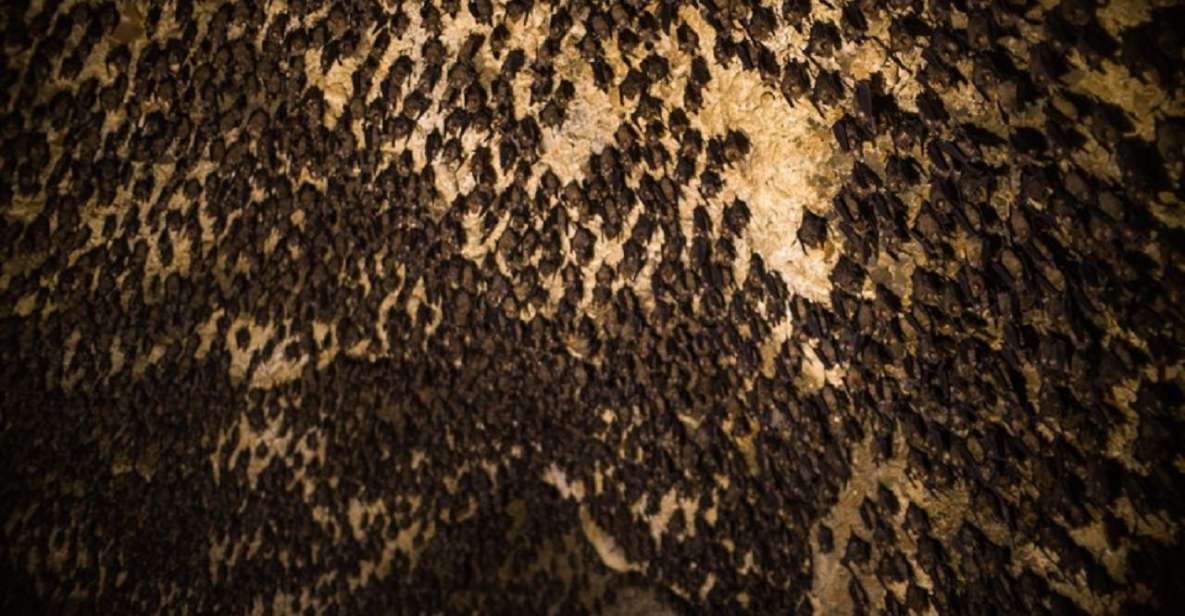
- Bats at dusk: timing matters more than you think for catching the first wave.
- Limestone details: stalactites and stalagmites are the main characters in Mahendra.
- A shrine in a cave: Gupteshwor centers on a large stalagmite representing Shiva.
- Quick in-out time: free time exists, but the tour rhythm can be fairly brisk.
- Guide English level can vary: having cultural and geological notes depends on communication.
- Bring small cash: if any donation or blessing moment comes up, you’ll be glad to have change.
Why this Pokhara private cave tour makes sense (and when it doesn’t)
Pokhara is great for half-day plans, and this one is built for people who want something different from lake promenades and sunrise walks. You’re not chasing long hikes. Instead, you’re doing a tight loop of caves—each with a different reason to be there—using road transport to cover distance fast.
You’ll get the convenience of a private group and a driver-guide who stays with you the whole time. That matters in caves because you’re moving through dim areas, following instructions, and trying to understand what you’re seeing. Even if your guide’s English is limited, the order of the stops and basic safety guidance are helpful.
But it’s not the best fit if you want an unhurried exploration. The whole experience is short enough that you can finish feeling like you barely scratched the surface—especially if your guide keeps the walking tight or if there’s waiting time before you even start. This is a “see a lot quickly” plan, not a “sit and study stalagmites for an hour” plan.
Also, check the math on cost. The package price is listed as $28 per person, but entrance fees are not included. When you add those fees, the real value depends on whether you get (1) solid guidance and (2) enough time inside each cave to appreciate the place.
You can also read our reviews of more private tours in Pokhara
Bat Cave near Phewa Lake: the dusk spectacle you came for
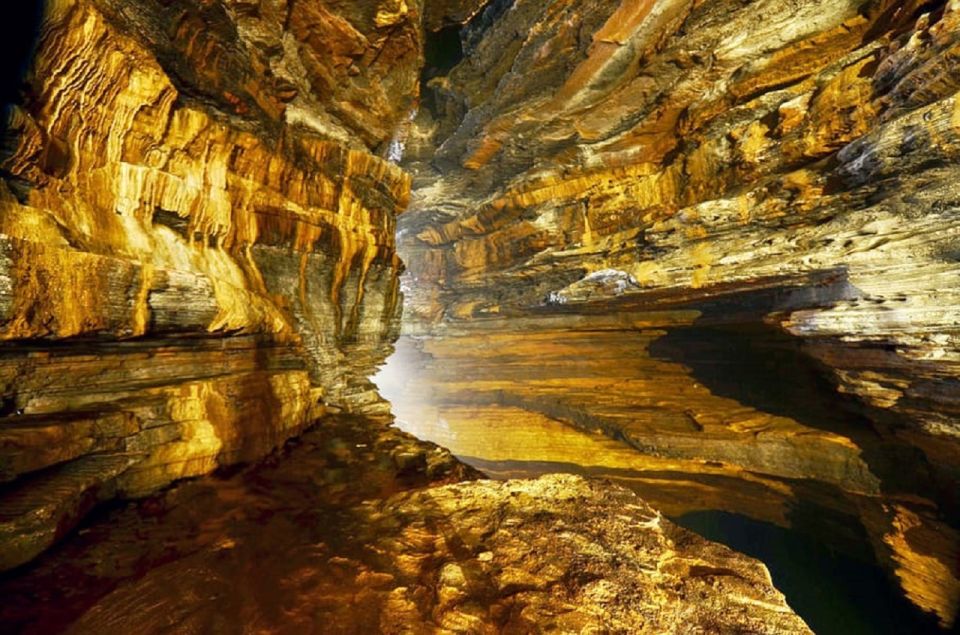
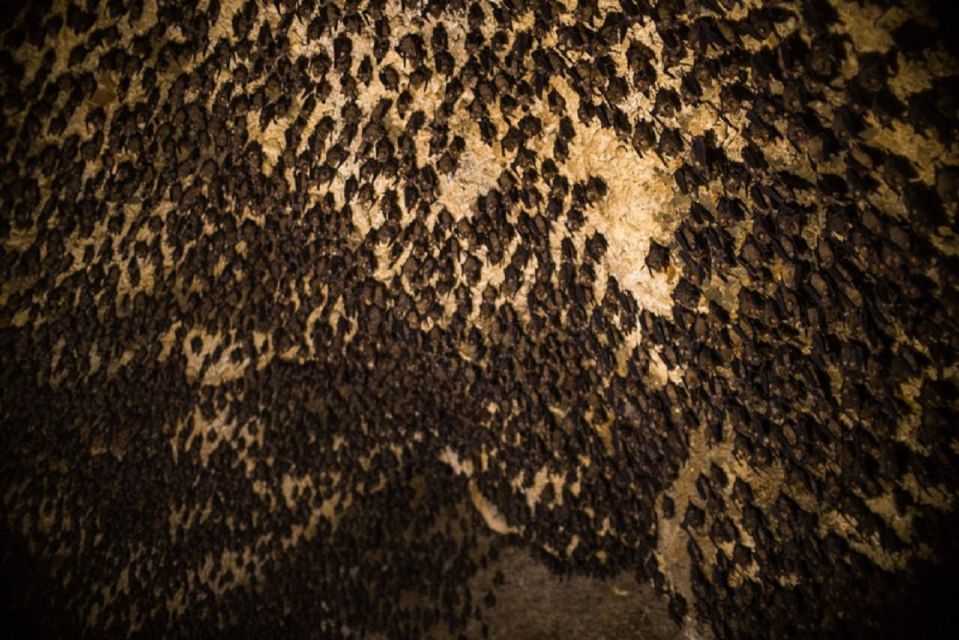
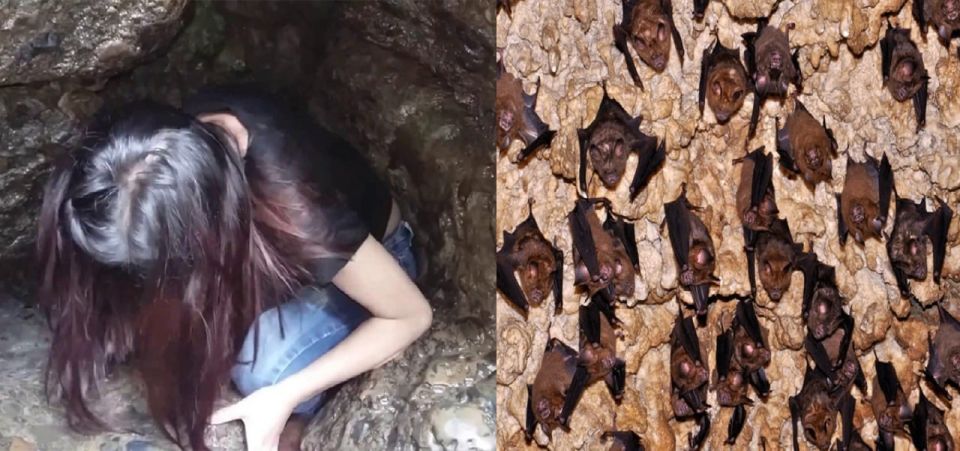
Bat Cave is the wildlife stop, and it’s the one most people remember. The cave sits in the southern area of Phewa Lake, and the key to enjoying it is simple: go when bats are active. At dusk, they come and go from the cave entrance, and the whole area can feel like a living animation—fast wings, quick exits, then a pause as the cave breathes again.
This stop is also where I’d be most aware of your expectations. If you arrive too early or the bats aren’t in a flying mood, you might get far fewer moments of motion than you hoped for. The tour schedule usually includes time to move, photograph, and then enter, but your best results come from arriving mentally ready to wait a few minutes while the sky does its thing.
Inside, expect a mix of exploring and looking up. The cave isn’t just a “stand at the doorway and watch” situation; you’ll likely do an actual walk-through while keeping your eyes on how the bats shift in and out of view. It can be sportier than it sounds, since caves often mean uneven footing and continuous attention.
If you’re a wildlife fan, this is also a reminder that nature here is working on its own clock. The cave doesn’t change for your itinerary, so your job is to be flexible and ready to watch. When it clicks, it’s genuinely memorable.
Mahendra Cave: stalactites, stalagmites, and King Mahendra’s connection
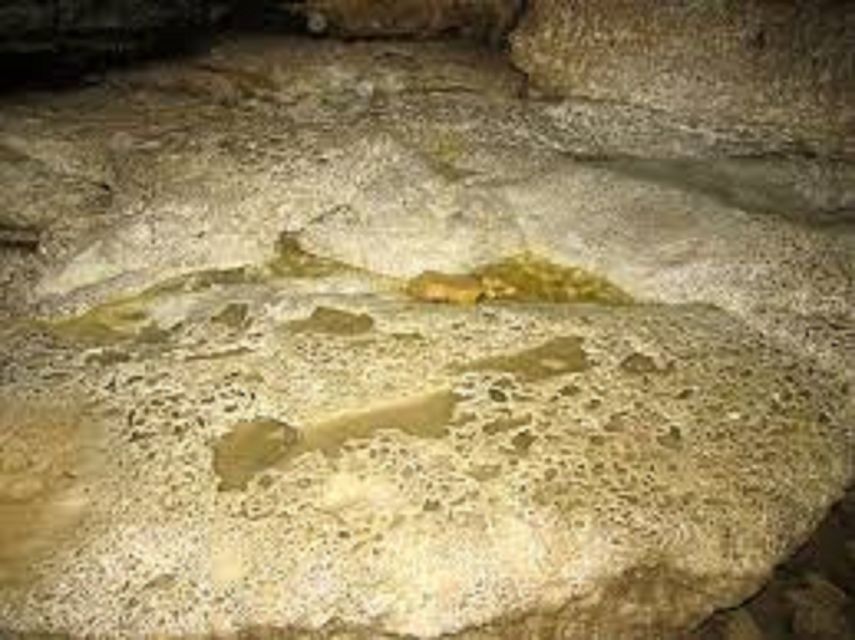
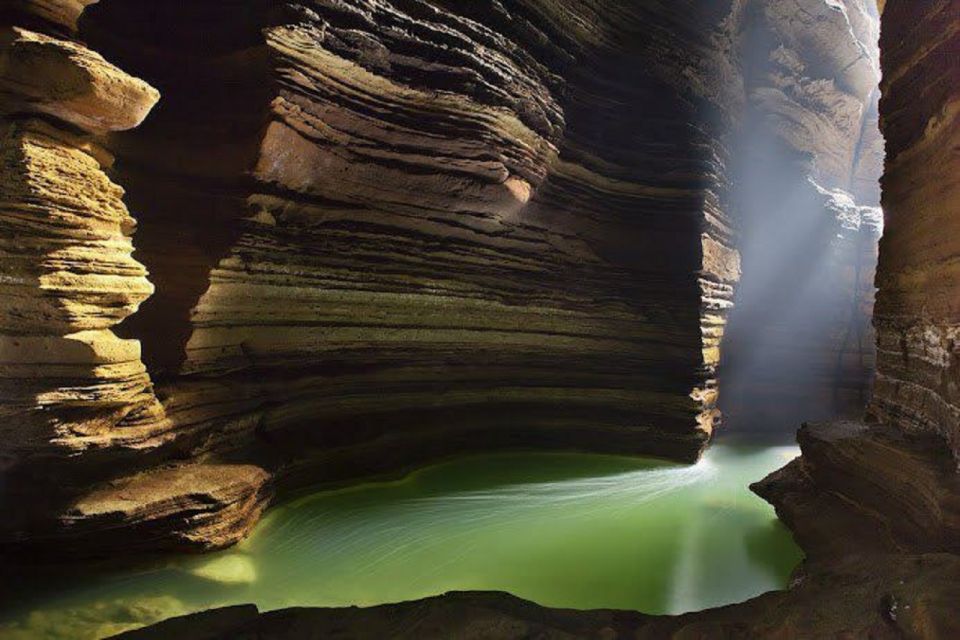
Mahendra Cave is one of Pokhara’s limestone caves, and it’s known for the classic cave shapes: stalactites hanging down and stalagmites rising up from the cave floor. The light in caves is dim, so even simple details—like how formations cluster or thin out—show up more clearly when you slow your pace and let your eyes adjust.
This cave is located in the northern part of Pokhara near the Pokhara–Baglung Highway. It’s named after King Mahendra Bir Bikram Shah Dev, who visited the cave in the 1950s. That little bit of history helps you see the cave as more than a random hole in the ground. It’s part of local memory.
What makes Mahendra Cave worth your time is how the formations create a sense of age. Limestone caves form over long periods, with water slowly working on rock. You don’t need to be a geology student to appreciate the results—you just need to notice that the “rocks” aren’t random. They’re structured, patterned, and shaped by repeated mineral deposits over time.
A good guide will help you connect the dots: where stalactites come from versus stalagmites, why limestone matters, and what the cave’s shapes can suggest about its water history. If your guide’s language is limited, you might still enjoy it as a visual experience, but you may miss the explanations.
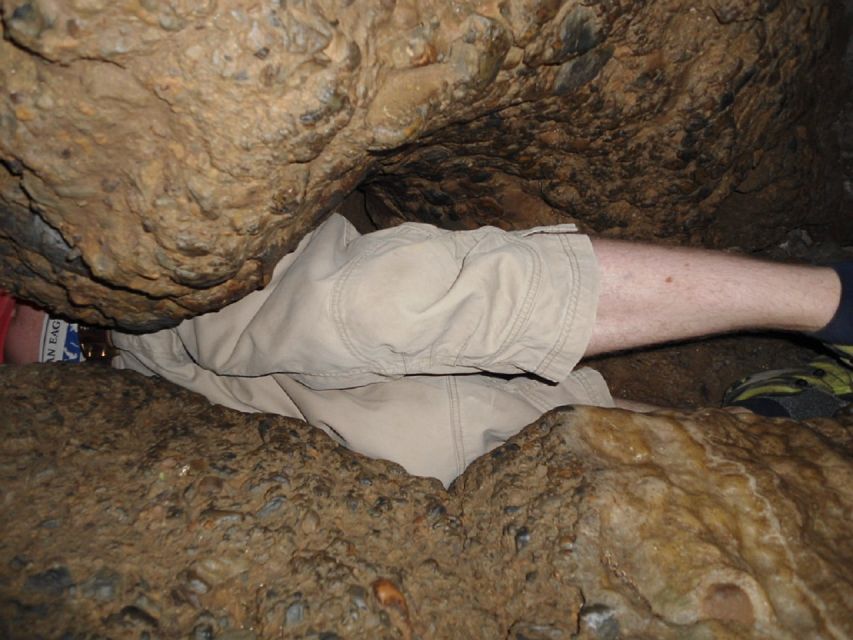
Also consider your comfort level. Caves involve walking on uneven ground and moving through narrow pockets where you don’t want to rush. If you’re prone to claustrophobia, this is something to assess before you go in—because you can’t treat it like a flat museum hallway.
Gupteshwor Mahadev Cave: a Shiva shrine inside a stalagmite
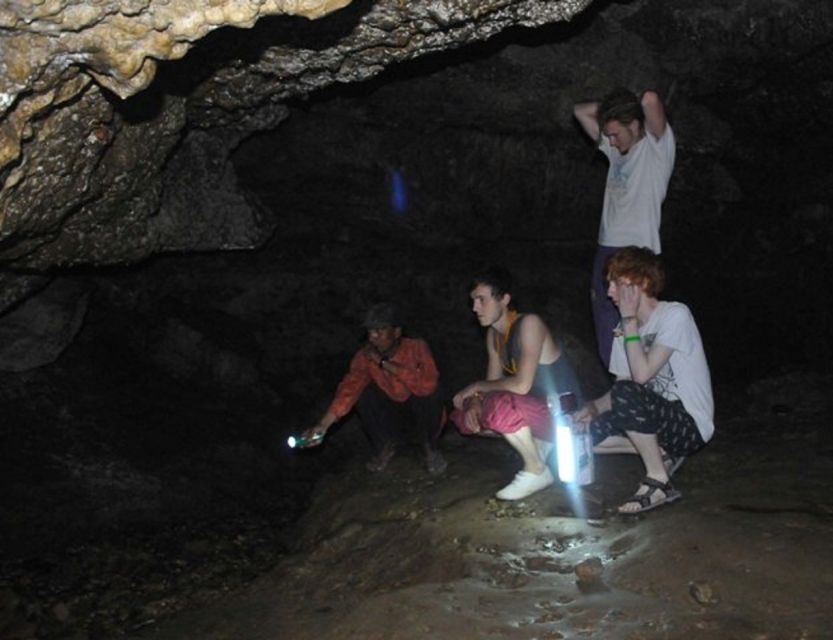
Gupteshwor Mahadev Cave is close to Mahendra Cave—so you can experience a natural cave and then quickly switch into a spiritual one. Both caves are limestone, but the vibe changes fast.
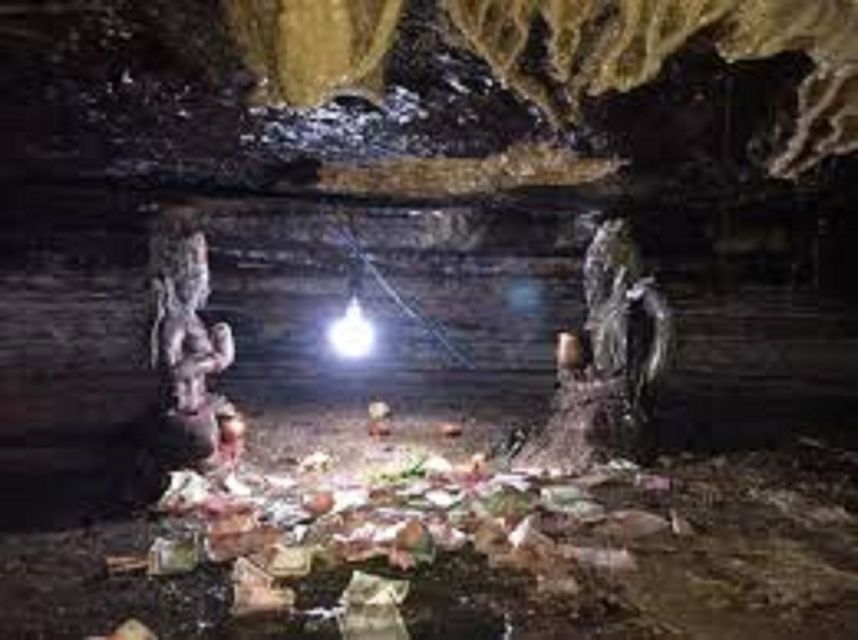
The standout here is the shrine area. This cave is famous for housing a revered Hindu shrine, centered on a massive stalagmite representing Shiva. Many Hindu devotees visit through the year, which gives the place an active, lived-in feeling rather than a purely tourist one.
Small waterfalls appear inside as well, adding a gentle sound layer that can make the cave feel even more “alive.” Even if you don’t follow Hindu practices, the physical presence of worship—people paying respects in a cave environment—helps you understand how humans use natural places.
I’d treat this stop with a little extra respect and attention. Dress modestly, keep your voice down, and follow your guide’s cues for where to stand and when to move. If a blessing or donation moment comes up, keep small cash handy. One traveler pointed out having to pay a donation connected to the blessing because change wasn’t available, which is a very practical heads-up for you.
This is also where a good guide can change everything. The most rewarding visits connect the sacred meaning to the physical cave features—how the shrine relates to the rock and why the stalagmite matters. If interpretation is weak, it can still be beautiful, but you’ll understand less.
Guide and pace: what makes the difference between a good cave trip and a rushed one
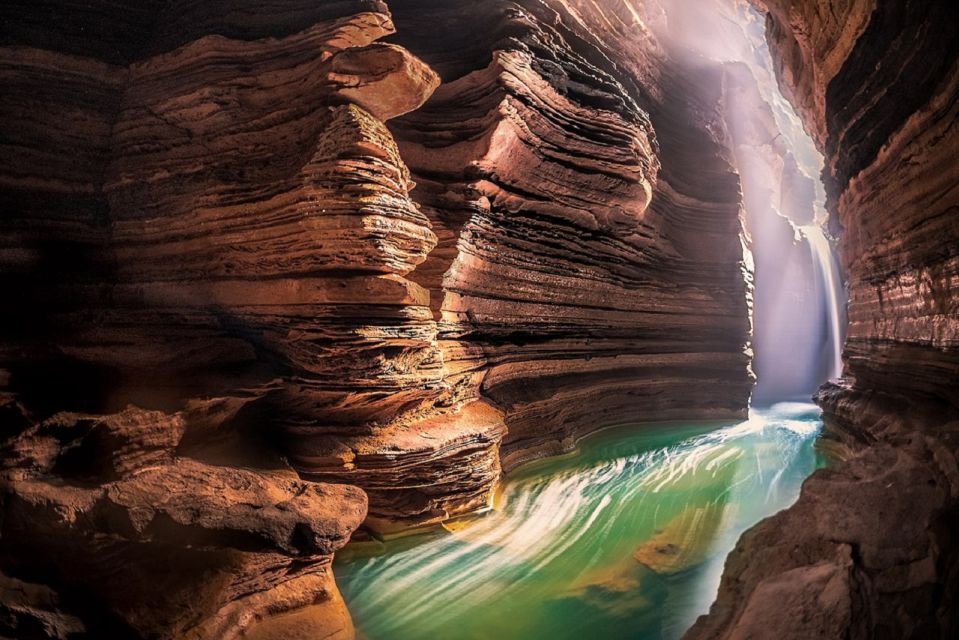
This tour runs like a private half-day circuit, which means the guide’s role is more important than it might seem. You’re moving from cave to cave in limited time, so what you learn—and how long you feel you’re actually inside each place—depends a lot on communication and pacing.
One guide name that comes up in the mix is Rozzan, praised for being friendly and adjusting to the group’s speed. That kind of flexibility matters in caves. If you’re slower, you don’t want to be dragged through formations while your eyes are still catching up. If you’re faster, you still need time to read signs or listen to explanations without feeling cut off.
Language also matters. English and Hindi are listed, but some people have experienced gaps where the guide didn’t speak much English, and a local helper had trouble translating. When that happens, you can lose a lot of the value of paying for interpretation. You might still enjoy the sights, but the “why” behind the caves can feel absent.
Then there’s timing. A late pickup can throw off the whole morning or afternoon and compress your time inside. In at least one situation, the group ended up finishing after about two hours and the tour felt like it stopped early. That doesn’t mean every booking will go that way, but it’s a clear reminder: if you want a full cave circuit experience, choose a time of day when you can handle delays without stress.
Your best move: treat this as an active, cave-walking outing, not a sit-and-chat cultural tour. Bring water, wear grippy shoes, and be ready for short but meaningful stops.



Price reality check: is $28 per person a good deal?
At $28 per person, this is priced like a budget-friendly private outing. The catch is entrances. The listed price doesn’t include entrance fees for the caves, so your total cost becomes $28 plus those on-site charges.
If your guide provides clear explanations, keeps a steady pace, and you get meaningful time in each cave, then the package can feel like good value because you’re paying for transport plus guided context. If the tour runs short or the guide’s English is hard to follow, the value drops fast. In that scenario, it can feel like you’re mostly buying rides and quick entry.
One practical comparison came up: if you use a taxi instead, you may pay less. That’s not a reason to skip the tour entirely, but it helps you decide what you want. If you’d enjoy doing the caves on your own, paying entrance fees and figuring out the “story” via your own reading, taxi might be cheaper. If you want a smoother, organized circuit and a chance to hear local geology and cultural meaning, paying for the guide can still make sense.
My advice: decide based on your priorities. For many people, the bat stop and the shrine stop are the hardest to interpret without guidance. If those are your must-dos, the added cost can be worth it.
What to bring for cave comfort (and fewer frustrations)
Caves don’t ask permission. They just have you walking on uneven ground with limited visibility. So pack for comfort more than style.
Bring:
- Passport or ID card (required per the tour info).
- Grippy shoes with good traction. You’ll likely be walking more than you expect.
- A light layer. Caves can feel cooler than Pokhara outside.
- Small cash. If there’s any donation or blessing moment at the shrine cave, having change helps.
Also, set expectations about movement. The Gupteshwor and Mahendra caves especially can feel more physical than you’d think—short distances, but steady steps and attention.
If you care about photos, don’t assume you’ll get a perfect shot at every angle. Cave lighting is tough. Focus on getting a few good frames and then spend the rest of your time looking with your eyes, not just your phone.
Should you book this Pokhara three-cave tour?
I’d book it if:
- You want a fast, organized cave day with transport handled.
- You care about the story behind limestone formations and the meaning of the Shiva shrine.
- You’re excited for bat activity around dusk and can stay flexible if the sky needs time.
I’d think twice if:
- You’re highly sensitive to delays. Pickup problems can compress time inside.
- You mainly want a slow, deep exploration. This plan can feel brisk.
- You need strong English interpretation for the whole experience. The language quality can be inconsistent, and cave context matters.
If you do book, do it with a simple mindset: you’re buying a circuit of three special cave experiences in a short window. Done well, it’s an easy, memorable half-day. Done poorly, it turns into quick entry and exit. Your job is to show up ready, ask questions early, and keep your expectations aligned with a 4-hour format.
FAQ
What’s the duration of the Pokhara three-cave private tour?
The tour lasts about 4 hours.
Which caves are included in this experience?
You visit Bat Cave, Mahendra Cave, and Gupteshwor Mahadev Cave.
Are entrance fees included in the price?
No. Entrance fees for all three caves are not included.
Where does pickup happen?
Pickup is available at Lake Side, Lakeside Rd 6.
Do I need identification for the tour?
Yes. You should bring your passport or ID card.
What languages will the driver-guide speak?
The driver-guide speaks English and Hindi.
Is free cancellation available?
Yes. You can cancel up to 24 hours in advance for a full refund.