REVIEW · KATHMANDU
Kathmandu: Taste Nepali Food & Drink- Walking Tour in Thamel
Book on GetYourGuide →Operated by Relax Getaways Pvt. Ltd · Bookable on GetYourGuide
Street snacks teach Kathmandu fast. This Thamel walking food tour is a practical way to learn Kathmandu through what people actually eat, from momo to street bites and a sweet jalebi finish.
I like the way the tour keeps things human and small: a limited group of up to 6, led by an English-speaking local guide who can tailor the pace. I also like that you’re not just eating random food—you get a window into Newari cuisine and the city’s flavor mix of Tibetan, Indian, and indigenous influences.
One thing to think about: it’s not suitable for wheelchair users, and if you have food allergies you’ll need to check carefully before you go.
In This Review
- Key highlights to know before you walk
- Walking Into Thamel: how the tour actually feels on the ground
- Meet your guide: why Suresh’s style matters for your day
- The tasting list you’ll be thinking about later: momo, chatamari, sel roti, samosas
- Newari specialties: bara and choila are the culture lesson in food form
- Street-food stops: panipuri, chatpate, and spicy chow chow sadheko
- Drinks and the pause button: lassi, masala tea, and locally brewed coffee
- Market route highlights: Ason Bazaar, Indra Chowk, and Basantapur
- Pacing and the sweet finale: jalebi when you’re ready for it
- Price and value: why $10 can feel like a steal here
- What to bring (and what to watch): simple gear that saves your day
- Who should book this Thamel food-and-drink walk
- Should you book this tour?
- FAQ
- How long is the Kathmandu Taste Nepali Food and Drink walking tour?
- Where does the tour start and where do you get dropped off?
- What food will I get to taste?
- Are drinks included?
- Is the guide English-speaking?
- Is this a small group tour?
- Can the guide accommodate vegetarian requests?
- What should I bring for the walk?
- Are there any restrictions on what I can eat?
- Is smoking allowed during the tour?
- What happens if the weather is bad?
Key highlights to know before you walk
- Small group size (up to 6) so you can ask questions and actually hear answers
- 9+ food tastings plus local drinks, so you’re not guessing what to order
- Local guide Suresh is praised for friendliness, patience, and flexibility (including vegetarian needs)
- Street-food classics like panipuri, chatpate, and spicy snacks alongside Nepali staples
- Market stops around Ason Bazaar and Indra Chowk (and Basantapur in the route mix)
- Sweet finale with warm jalebi at the end
Walking Into Thamel: how the tour actually feels on the ground
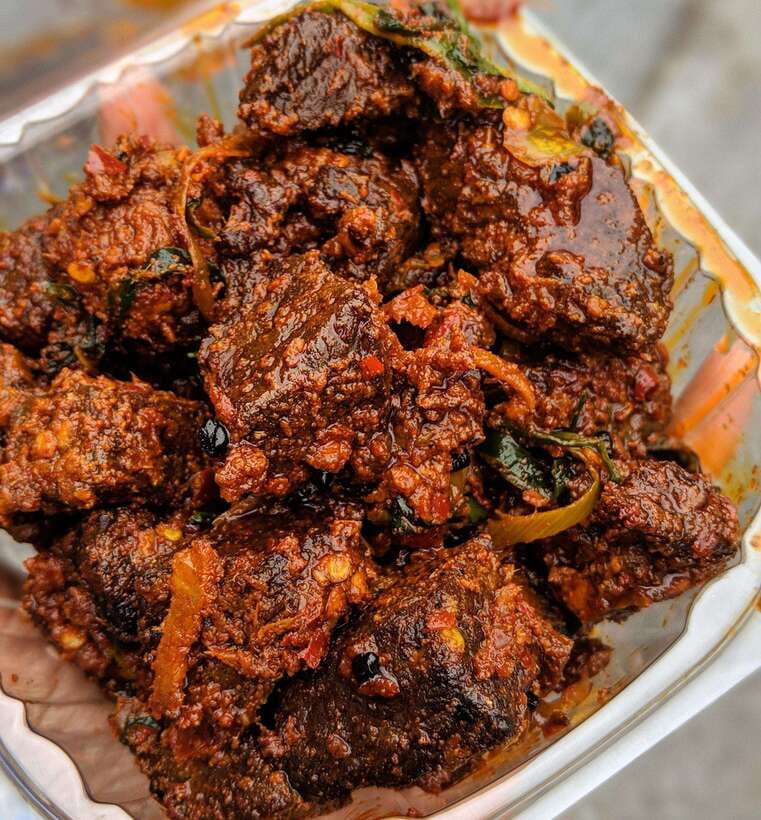
Kathmandu can hit you all at once. Noise, smells, motorbikes, people everywhere. This is why a walking food tour works so well here: it gives you structure without turning the day into a museum trip.
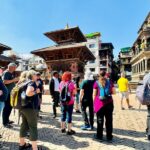
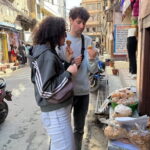
You’ll start with pickup from one of four spots (Pakanajol, Bhagwati Marg, Chhetrapati, or Z Street), then spend the main tasting time in and around Thamel, before finishing back at one of the drop-off points. Because you’re walking, you’ll experience the city the way food vendors and locals do—on foot, at street level, with quick stops that keep your appetite moving.
The best part is that the tour isn’t just about eating. Your guide connects the dishes to Kathmandu and the Newari community that shaped so much of what you’ll see and taste. You’ll still get full value from the food, but you also leave with a mental map for ordering later.
You can also read our reviews of more walking tours in Kathmandu

Meet your guide: why Suresh’s style matters for your day
A good food tour isn’t only about what’s on the menu. It’s about whether you feel comfortable asking questions while you’re eating with strangers in a busy street.
In the reviews, the guide Suresh gets high marks for being friendly and easy to talk to, and for answering both food questions and non-food questions with patience. One detail I really like: he’s described as flexible—able to adapt quickly to special requests such as vegetarian food. That matters in Nepal, where many items are meat-based and sauces can vary.
You’ll also be in good shape for language. The guide is available in English and Hindi, which helps a lot when you’re trying to understand spice levels, ingredients, or what makes a dish “Newari” versus “general Nepali.”
The tasting list you’ll be thinking about later: momo, chatamari, sel roti, samosas
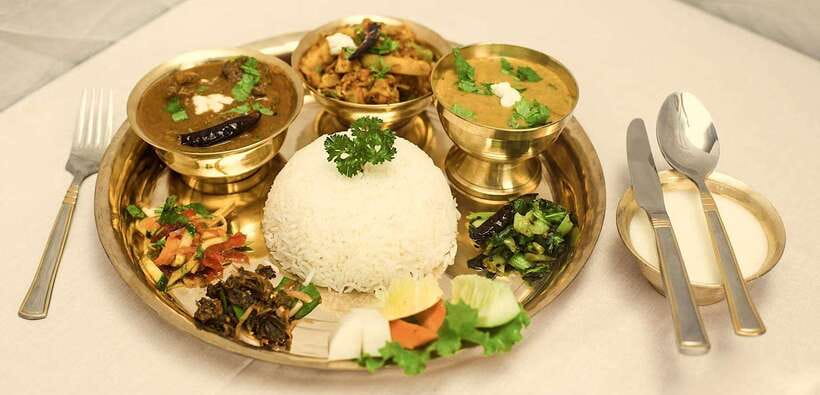
This tour is built around 9+ local foods for tasting, so your plate isn’t one big meal—it’s a sequence of small bites that teach you what Kathmandu flavors taste like.
You can expect the heavy hitters first:
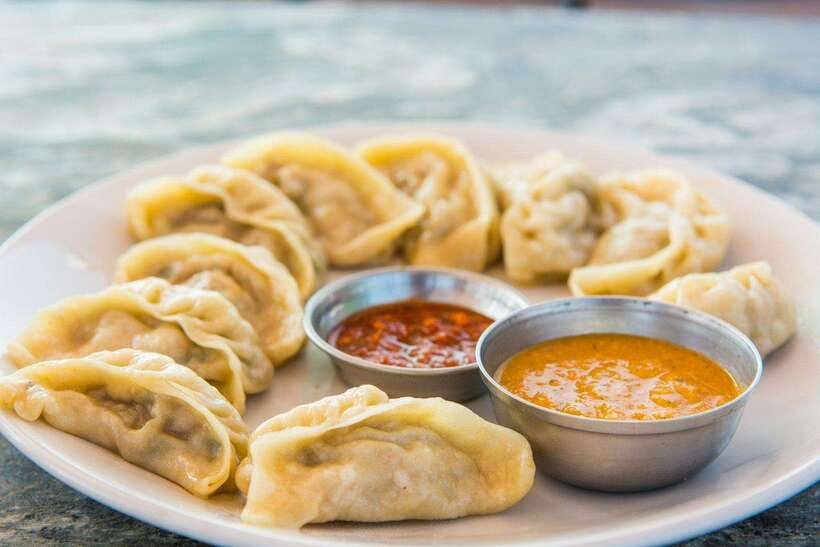
- Juicy momo dumplings (steamed and often served with a dipping sauce)
- Chatamari (a Newari-style dish that’s different from generic noodles or rice—worth paying attention to texture and toppings)
- Sel roti, typically known for its crispy, ring-like shape and sweet-smoky vibe
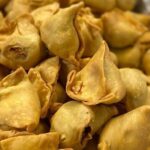
- Samosas, usually where you learn the difference between dough, filling, and spice balance
Here’s the practical angle for you: after tasting these, you’ll know what to look for on your own later. Kathmandu is full of menus, but your ability to choose improves fast once you’ve tried the classic examples side by side.
If you’re worried about variety, don’t be. The goal is not to repeat the same flavor profile. You’ll taste things that move across texture: crispy, chewy, steamed, saucy, and sweet.
Newari specialties: bara and choila are the culture lesson in food form
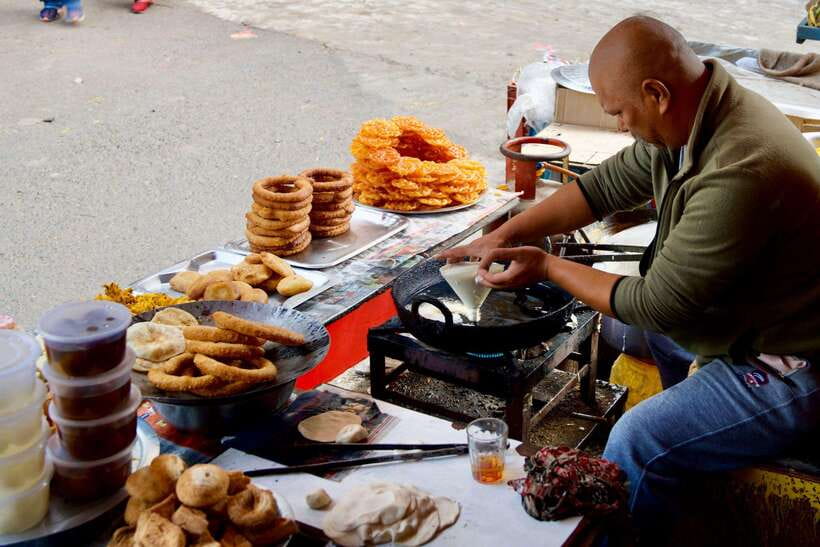
Kathmandu isn’t only about generic “Nepal food.” A big part of what you’ll taste connects to the Newari community—especially dishes that show up in local markets and family-run spots.
Two Newari items specifically called out are:
- Bara
- Choila
In reviews, choila (often highlighted as especially delicious) is a standout. That’s a clue: if you like bold seasoning and savory flavor, you’ll probably enjoy it. Even if you’re not sure what it is, asking your guide to explain it while you’re tasting helps you remember it later.
This Newari focus is valuable because it’s not just food trivia. It’s how Kathmandu works. Different neighborhoods and communities have their own staples. When a tour points you toward Newari dishes, you’re learning a real part of the city’s identity—not just collecting photos of plates.
Street-food stops: panipuri, chatpate, and spicy chow chow sadheko
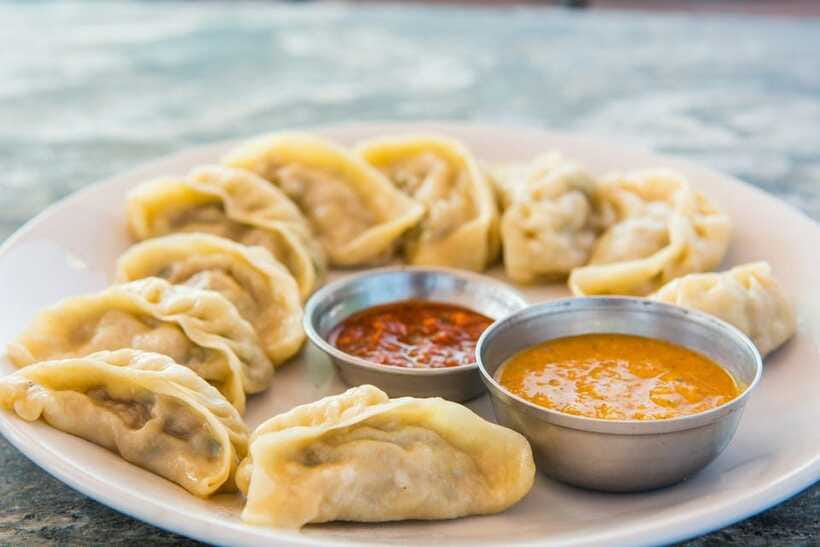
After the comfort-food anchors, the tour moves into what Kathmandu does best: snack culture.
You’ll likely try street classics such as:
- Panipuri (tangy, crunchy, and filled right in front of you in many places)
- Chatpate (spicy and tangy mix that keeps changing with sauces and toppings)
- Chow chow sadheko (another well-known street-style snack, typically served with a spicy, seasoned profile)
This is where you need to think about your own comfort. These are meant to be eaten fast and loud—flavors that hit quickly, sometimes with heat. If you’re sensitive to spicy food, tell the guide upfront so the next bites can match your tolerance.
Also, street food in Kathmandu can be both exciting and intense. The good news: the tour design keeps pacing in mind. You aren’t eating one huge spicy plate; you’re sampling across multiple stops, including cooling drinks later.
You can also read our reviews of more food & drink experiences in Kathmandu
Drinks and the pause button: lassi, masala tea, and locally brewed coffee
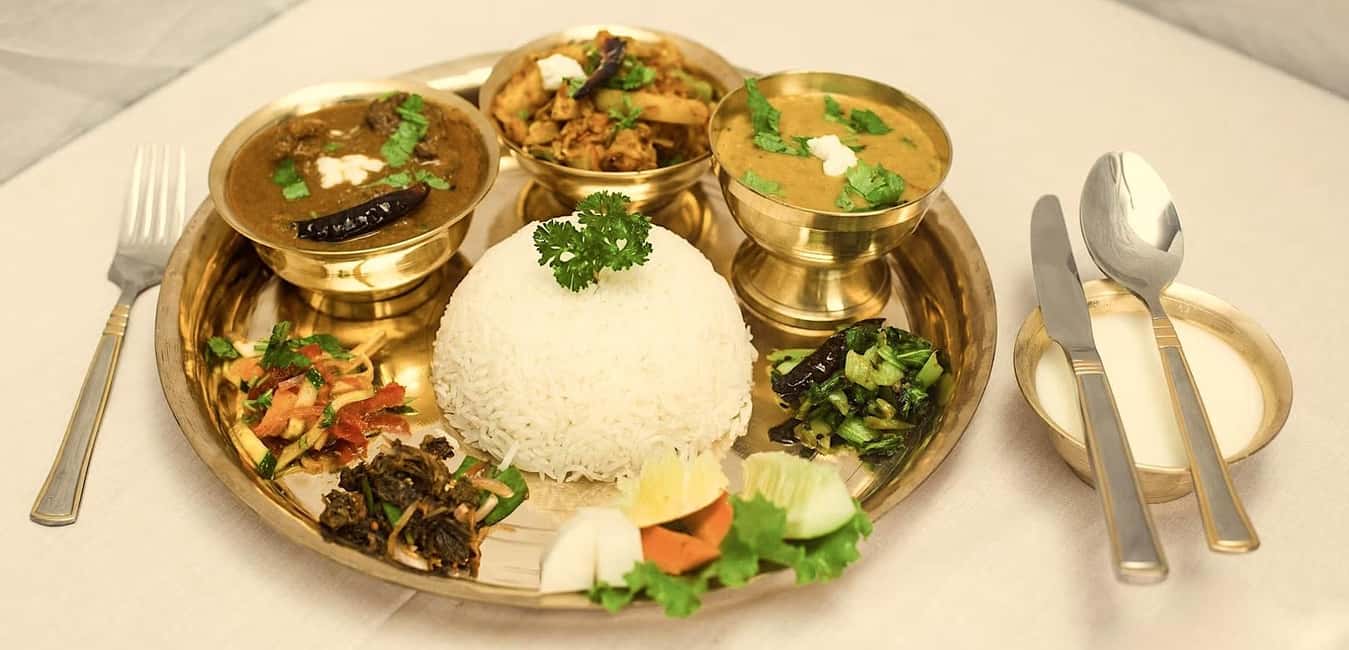
One of the smart parts of this tour is that it treats drinks as part of the tasting, not an afterthought. You’ll get lassi, plus masala tea and locally brewed coffee, which is a solid way to balance spice and keep your energy up.
Why this matters for you: lassi can cool things down when the next snack gets hot. Tea and coffee help too, especially if you’re walking around in variable weather or you started the day early. You’re not stuck drinking one bland thing just to fill your cup.
In reviews, people mention that the lassi at the end felt good too. That lines up with what your body needs: a smoother finish after savory street bites.
Market route highlights: Ason Bazaar, Indra Chowk, and Basantapur
Food tasting is even better when it’s connected to where ingredients come from.
This tour is described as going through key areas such as Ason Bazaar and Indra Chowk, with Basantapur also part of the discovery route. These markets matter because they show you the supply chain of Kathmandu street food—spices, produce, and the small stalls that feed whole neighborhoods.
You’ll also get chances to see how locals shop for fresh ingredients and then turn them into snacks, dumplings, and breads. Even if you don’t buy anything, you’ll start recognizing patterns: what’s commonly used, how ingredients look, and how the market atmosphere differs from Thamel’s tourist-leaning lanes.
For me, this is the “why” behind the eating. You go beyond flavor and start learning sourcing.
Pacing and the sweet finale: jalebi when you’re ready for it
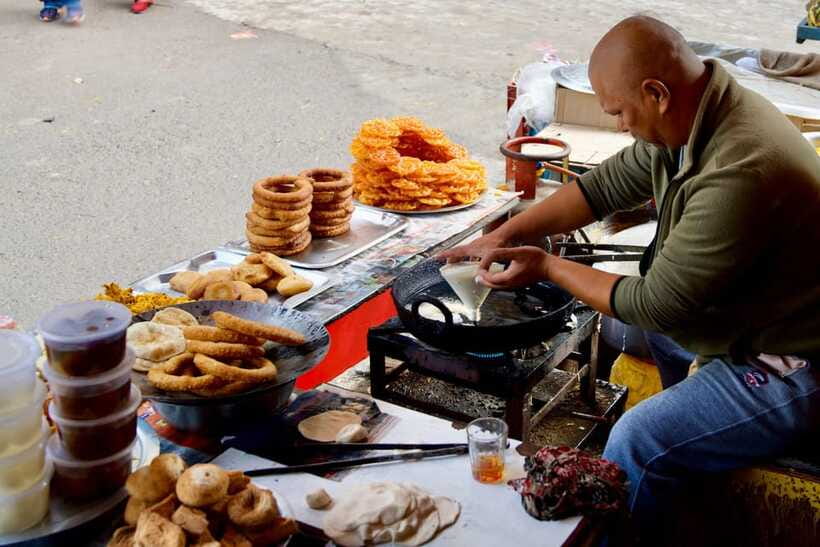
The tour ends with a warm jalebi, syrup-soaked and sweet—exactly the kind of finish that feels earned after savory sampling.
Here’s how to make it work for your body: don’t start grabbing extra sweets on your own mid-tour just because you’re curious. Save your appetite for the jalebi included at the end. The sweetness is supposed to balance the salt, spice, and savory depth you’ve built all the way through.
If you’re watching sugar intake, it’s still worth tasting. Even one piece helps you understand the style and texture of Kathmandu’s sweets, which are often much more specific than generic restaurant desserts.
Price and value: why $10 can feel like a steal here
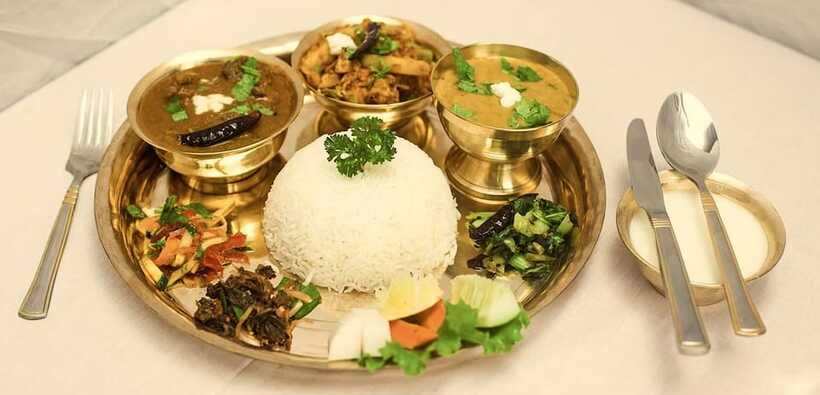
At $10 per person, this is one of those deals that works because the cost matches the content. You’re getting:
- 9+ food tastings (not just one meal)
- an English-speaking local guide
- time spent walking through secret streets and local market areas
- taxes included
The biggest value driver is the number of tastings. If you tried to build a similar lineup on your own—momo, chatamari, sel roti, samosas, panipuri, plus drinks—you’d spend more quickly than you expect, especially because you might order the wrong things without local guidance.
Small group size also matters here. With up to 6 participants, you’re not fighting for attention while the guide tries to coordinate the group. That’s why the experience can feel personal even in a busy city.
What to bring (and what to watch): simple gear that saves your day
This tour is practical, and the requirements are the usual ones—because Kathmandu streets don’t care about your plans.
Bring:
- comfortable shoes (you will walk)
- a hat and sunscreen (sun can be real, even when you think it’s not)
- a water bottle
- your camera
You’ll want to avoid surprises by thinking about weather. Conditions can vary, so wear layers if you can. Also, tell your guide about dietary restrictions before you start. In one review, Suresh handled a vegetarian request quickly, which is a great sign that the tour can be flexible when you speak up early.
Not allowed: smoking during the experience.
Who should book this Thamel food-and-drink walk
This tour is a strong match if you want:
- a guided way to try multiple Nepali and Newari dishes without guessing
- street-food experience without feeling lost
- a small group atmosphere with time to ask questions
- a blend of food plus culture through stories tied to what you eat
It may not be your best choice if you:
- use a wheelchair (not suitable)
- have food allergies (not suitable)
And one more reality check: if you’re very picky about spice or strong flavors, you’ll need to communicate that early so you can enjoy the sampling instead of rushing through it.
Should you book this tour?
Yes, I think you should book it if you’re short on time in Kathmandu and want to leave with more than memories—you’ll leave with real ordering skills. The standout strengths are the small group, the strong guide presence (especially Suresh’s friendliness and flexibility), and the smart spread of tastings across dumplings, Newari dishes, street snacks, drinks, and a sweet finish.
Skip it only if your needs fall outside the obvious limits: wheelchair access isn’t supported, and allergies are a no-go. Otherwise, this is a good-value way to taste Kathmandu like a local spends a day tasting it—one stop at a time.
FAQ
How long is the Kathmandu Taste Nepali Food and Drink walking tour?
The activity is listed as 2 hours.
Where does the tour start and where do you get dropped off?
You can be picked up from one of four points: Pakanajol, Bhagwati Marg, Chhetrapati, or Z Street, and dropped off at one of four corresponding drop-off locations.
What food will I get to taste?
The tour includes 9+ local foods. The tasting items mentioned include momo, chatamari, sel roti, samosas, bara, choila, and jalebi, plus street foods like panipuri and chatpate.
Are drinks included?
Yes. You’ll taste local drinks such as lassi, masala tea, and locally brewed coffee.
Is the guide English-speaking?
Yes. The guide is listed as English speaking, and languages available include English and Hindi.
Is this a small group tour?
Yes. It’s described as a small group with a limit of up to 6 participants.
Can the guide accommodate vegetarian requests?
The reviews include an example of the guide adapting quickly to vegetarian food requests, so it’s worth telling the guide about your preference ahead of time.
What should I bring for the walk?
Bring comfortable walking shoes, a hat, sunscreen, a camera, and water.
Are there any restrictions on what I can eat?
People with food allergies are not suitable for the tour. If you have dietary restrictions, notify the guide.
Is smoking allowed during the tour?
No, smoking is listed as not allowed.
What happens if the weather is bad?
The tour notes that you should be prepared for varying weather conditions, so wear layers and bring practical sun protection and hydration.