REVIEW · POKHARA
3 Day Mardi Himal Base Camp Trek from Pokhara
Book on Viator →Operated by CAN Travels · Bookable on Viator
Three days, big mountains. This 3-day Mardi Himal Base Camp trek from Pokhara is a fast hit of Annapurna scenery: forests, rhododendron country, and those signature views of Machhapuchhre and Annapurna that make your camera work overtime.
I love how the schedule mixes steady walking with real “arrive and look around” moments, especially around Mardi High Camp and the early push to base camp. I also like that you get an English-speaking guide and everything official handled, so you can focus on the trail instead of paperwork.
One thing to consider: even though it’s short, you’re still hiking 7 to 9 hours on trekking days, so if you’re new to uphill days, plan for sore legs and take it slow.
In This Review
- Key reasons this trek works
- Mardi Himal Base Camp in 3 days: what you’re really signing up for
- Getting from Pokhara to the trailhead: why the jeep matters
- Day 1: Dhampus, checkpoint, and the Forest Camp rhythm
- Day 2: rhododendron country to Mardi High Camp
- Day 3: early start, viewpoint stop, then Mardi Himal Base Camp
- Tea houses, guest houses, and meals: what’s included and what isn’t
- Guides and permits: the behind-the-scenes stuff you’ll feel on the trail
- Gear checklist for a short Mardi Himal push
- Price and value: does $299 make sense for 3 days?
- Pacing, fitness, and weather: the real “moderate” test
- Who should book this trek, and who should reconsider
- Should you book this 3-day Mardi Himal Base Camp trek?
- FAQ
- What does the trek price include?
- Are meals included?
- Do I need a porter?
- How long is the trek?
- What kind of guide will I have?
- Is there free cancellation?
Key reasons this trek works
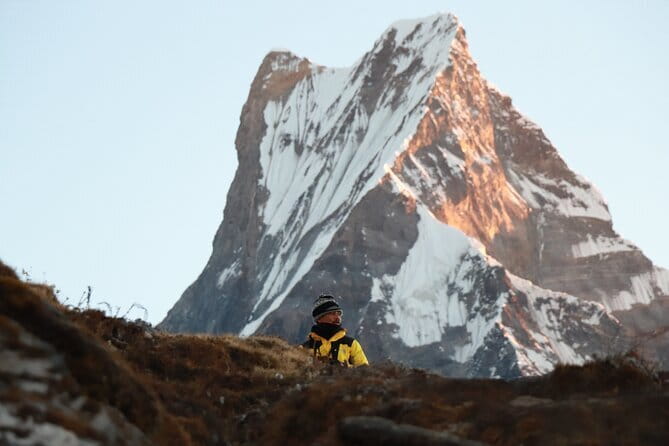
- Short timeframe, serious views: Machhapuchhre and Annapurna are the big draws, and you get them on a tight schedule.
- Tea house culture without a long slog: You’re supported with guest-house stays during the trek, and meals are available for purchase along the way.
- Good “climb rhythm”: The route builds from forests toward higher camps instead of jumping straight to altitude pain.
- Guides make the difference: The trek’s success often comes down to who’s leading; people repeatedly praised guides like Amrita, Krishna, and Prakash.
- Private and organized logistics: Private jeep transfers (Pokhara to Dhampus and Siding to Pokhara) plus pickup and drop-off help you avoid the usual hassle.
Mardi Himal Base Camp in 3 days: what you’re really signing up for
A 3-day base camp trek sounds almost too short to be believable. But Mardi Himal Base Camp is one of those trails where the scenery rewards quick effort. You’re not spending a week climbing ladders of altitude; instead, you get a compressed route that shifts from forest walks into higher views within just a couple of days.
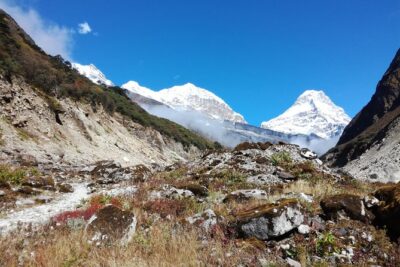
You’ll be moving through classic Annapurna textures: green forest segments, rhododendron areas, and alpine-style viewpoints as the trek climbs. The goal is simple: reach base camp (and the viewpoints en route) with enough energy left to actually enjoy it, not just survive it.
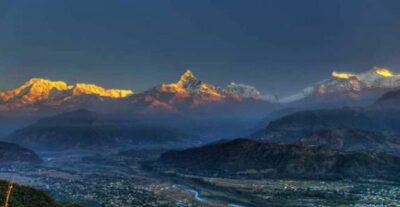
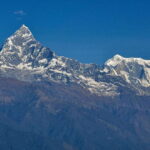
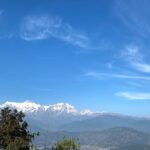
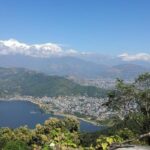
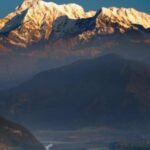
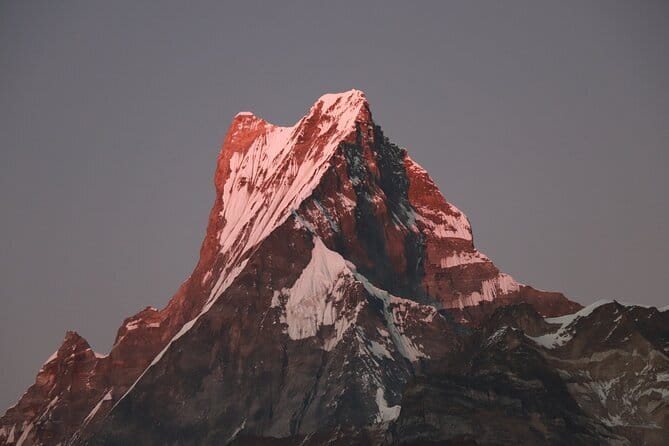
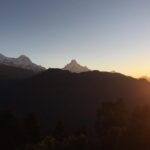
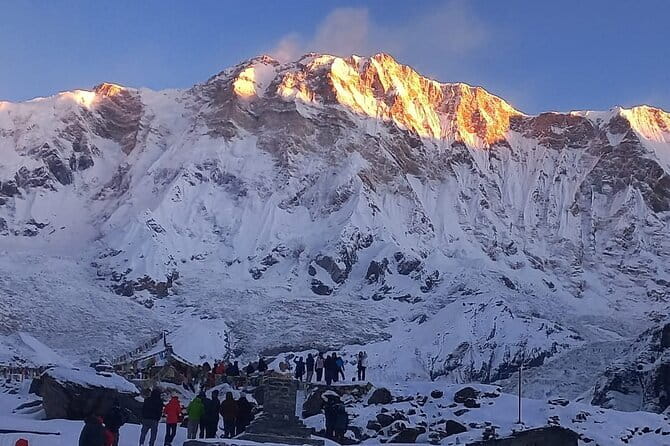
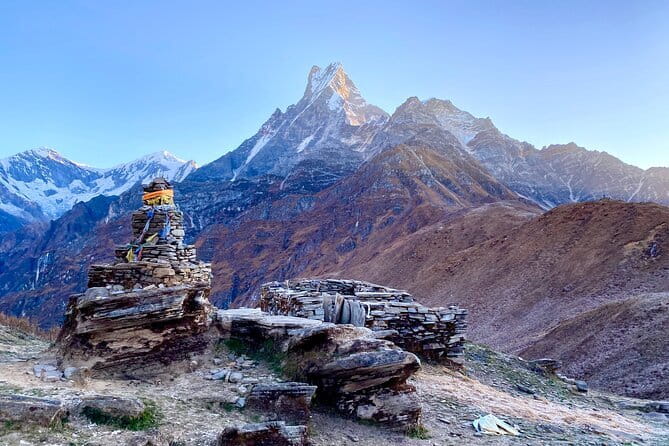
From the mountain perspective, Mardi Himal is known for the views around Machhapuchhre and the Annapurna massifs. The trip’s description also calls out Hiunchuli, so you’re aiming for a panorama day—usually when the weather cooperates and the clouds don’t steal the show.
You can also read our reviews of more hiking tours in Pokhara
Getting from Pokhara to the trailhead: why the jeep matters
Pokhara is a great launchpad, but you don’t want to burn your first day on slow transport. This trek includes private jeep transfers between Pokhara and the Dhampus area, and later from Siding back to Pokhara. That matters because it protects your trekking legs for the days that count.
There’s also hotel pickup and drop-off, which is a small thing that can feel huge when you’re trying to line up a tight 3-day plan. You’ll still want to build a little buffer into your expectations, since road time plus start-time coordination can vary. The provided start time is listed as 10:15 pm, so double-check the exact pickup window in your confirmation.
Practical tip: keep your daypack light. The trek includes guest-house accommodation, and your guide can help with pacing. Don’t carry the kitchen sink—your body will thank you on the first uphill stretch.
Day 1: Dhampus, checkpoint, and the Forest Camp rhythm
Day one is essentially your ramp-up. After breakfast, you drive toward Dhampus, then pass through a checkpoint before you start hiking. The route then takes you through green forest areas toward Pothana, and onward to Forest Camp.
The big value of this day is that it sets your tempo. Forest walking is your warm-up zone: the air feels cooler, the path tends to be more forgiving underfoot than steep exposed stretches, and you can settle into a steady rhythm. It’s the kind of day where you can actually talk while you walk—until you hit the first real climb.
This day runs about 7 hours, so it’s not a casual stroll, but it’s also not a day that pushes you straight into high-altitude intensity. If you’re coming from sea level or you’re feeling anxious about altitude, this is the day that helps you acclimate in a gentle, practical way.
What to watch for:
- You’ll want water and steady snack breaks before you feel thirsty.
- Forest segments can mean slower footing; don’t rush and slip.
- Start early with a clear head. Even a short trek can feel like a long day if you burn time waiting.
Day 2: rhododendron country to Mardi High Camp
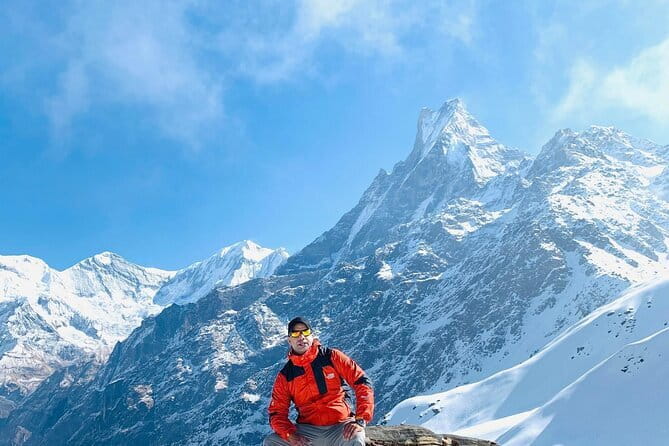
Day two is where the trek starts to feel more “high” and more dramatic. After breakfast with Himalayan scenery (the trek description explicitly mentions a view), you’ll climb through rhododendron forests. That mix—cooler forest air plus increasing elevation—is one of the reasons Mardi Himal is such a satisfying trek in a short amount of time.
Today’s hiking time is again around 7 hours, and the route is designed to build toward Mardi High Camp. Think of this as the bridge day: you’re not at base camp yet, but you’re far enough up that you’ll start feeling the altitude and the changing weather patterns.
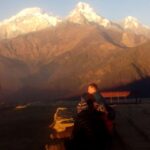
If you’re lucky with visibility, this is often when peaks begin to look more solid and less like distant silhouettes. Machhapuchhre and Annapurna views can become more obvious as you gain elevation, and the rhododendron sections make the hike feel varied instead of repetitive.
A smart approach today:
- Walk a bit slower than you think you need to. That keeps you fresher for the base camp push.
- Keep your layers ready. Even if it’s warm at the start, high ridges can shift fast.
- If you feel headachey or unusually tired, tell your guide immediately. This kind of itinerary is short, and guides need to know early.
Day 3: early start, viewpoint stop, then Mardi Himal Base Camp
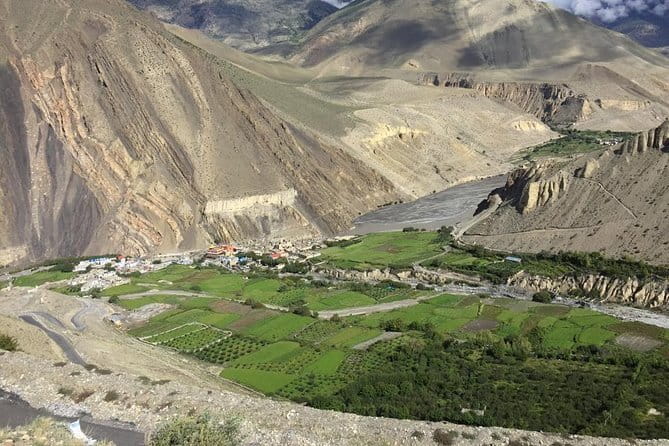
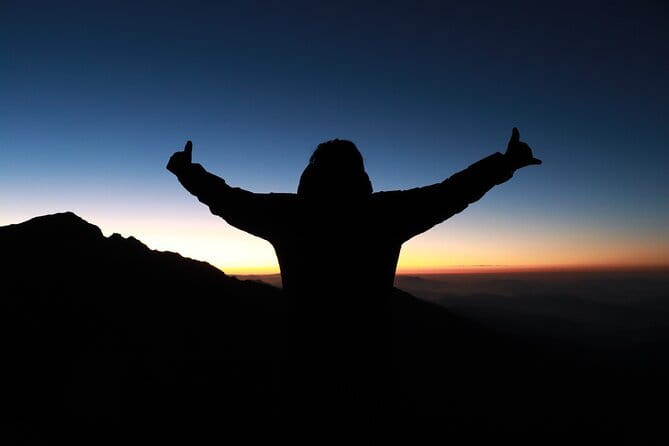
Day three starts early with warm drinks—hot tea is specifically mentioned—and you’ll go out prepared for colder conditions. The trek includes details like warm clothes, a bottle of water, and even using a headlamp for the start. That combination usually means you’re beginning before the sun really warms things up.
From Mardi High Camp, you hike about 2 hours to a viewpoint, then continue onward to reach Mardi Himal Base Camp. The viewpoint stop is important because it’s not just a checkpoint. It’s a moment to breathe, look around, and confirm you’re getting the payoff you came for.
This day runs around 9 hours, so it’s the longest one. That’s normal for a trek that includes an early start plus the base camp arrival itself. If you’re the kind of person who likes to linger at scenic spots, this is still workable—but pace yourself so you don’t feel destroyed on the return portion of the trek day.
What you’ll likely remember most:
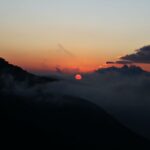
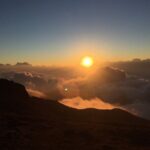
- The contrast between early cold and warmer light as you gain view.
- That first clear look at the massif angles when you hit higher viewpoint terrain.
- The satisfaction of reaching base camp after just three days of effort.
You can also read our reviews of more tours and experiences in Pokhara
Tea houses, guest houses, and meals: what’s included and what isn’t
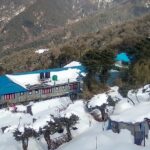
You get accommodation in guest houses during the trek, and those stays are a major part of the comfort equation on a short trip. The trail can be demanding, and knowing you’ll have a place to rest and dry out your layers helps.
What’s not included is the food and drinks. The good news: meals are available for purchase along the way. That means you can choose what you actually want to eat instead of being stuck with a set menu.
So how do you plan this practically?
- Expect you’ll pay for most meals and drinks yourself.
- Bring a small buffer in your budget for snacks like chocolate, biscuits, or anything you trust for energy.
- If you know you get stomach issues on new hikes, stick with simple foods. Your guide can help steer you toward what’s easy to digest.
A small but useful detail: having an English-speaking guide and an included first aid kit means you’re not left guessing if something feels off.
Guides and permits: the behind-the-scenes stuff you’ll feel on the trail
This trip includes a trekking permit and official documents, plus an English-speaking trekking guide. You also get a private tour and an emergency normal first aid kit with the guide.
On paper, that might sound standard. On the ground, it changes your experience. When permits and logistics are taken care of, you spend less time worrying and more time walking. And when your guide speaks your language clearly, it’s easier to ask questions about pace, conditions, and what to do if weather shifts.
The strongest signal from the guide praise you have in front of you: people repeatedly singled out leaders by name. Amrita, Krishna, and Prakash all came up in positive feedback for being professional and friendly, and for keeping the experience smooth. While every trek has its own personality, this is a good sign that the operator assigns guides who care about the trip working well.
Gear checklist for a short Mardi Himal push
Even on a 3-day trek, you don’t want to show up under-prepared. Some of the trek basics are directly referenced—warm clothes and a headlamp for the early start on day three—but you’ll also want to cover your comfort essentials.
Here’s the practical gear logic I’d follow for a short mountain sprint:
- Layers you can take on and off. Morning cold on day three is real; afternoon can feel different.
- A headlamp if you’re using it on the early start. If you don’t have one, you’ll feel it quickly.
- Footwear with grip. Forest sections can be slick or dusty depending on conditions.
- Water bottle (the trek explicitly includes a bottle of water to start day three; still, you’ll want to plan how you’ll refill).
- Sun protection. Even in forests, higher viewpoints can hit hard when the sky clears.
- A small daypack for snacks and a light layer. Keep your main bag organized.
If you’re unsure about what you need versus what you can borrow, your guide can help you think through what matters most on this specific route.
Price and value: does $299 make sense for 3 days?
At $299 per person, you’re paying for more than just walking. This price bundles pickup/drop-off, private jeep transfers (Pokhara to Dhampus and Siding to Pokhara), guest-house accommodation during the trek, an English-speaking guide, and trekking permits with official documents. There’s also a private tour setup.
Then there are the costs you should expect to add:
- Food and drinks are not included (but you can purchase them).
- Gratuities are optional.
- Porters are optional, at $25 per day, and the plan listed is one porter for two people.
Value-wise, the main question is whether the logistics are worth it to you. For a short trek, they often are. You don’t have time to solve transport or paperwork yourself, and that’s where a well-run operator earns its keep. If you want an organized, guided 3-day version of Mardi Himal without extra stress, this pricing structure looks reasonable.
If you’re traveling on a tight budget, the biggest controllable variable becomes food/drink choices and whether you use a porter.
Pacing, fitness, and weather: the real “moderate” test
The trip calls for moderate physical fitness. For you, that should translate to: you can handle hours of uphill walking, you can keep moving even when you’re tired, and you recover reasonably after a long day.
What makes Mardi Himal tough isn’t only distance. It’s the repeated uphill effort and the fact that day three is the longest with an early start. The shorter duration can trick you into thinking it’s easy. It’s not hard in the technical sense, but it’s demanding in the effort sense.
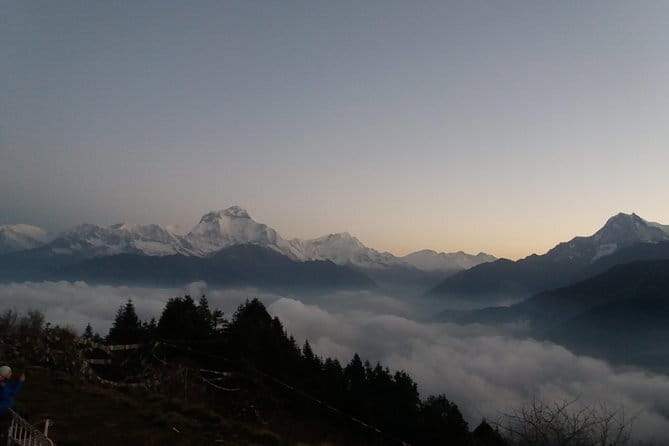
Weather is another factor. The itinerary is built around climbing to viewpoints and base camp, and those moments depend on visibility. On clear days, the scenery is the prize. On cloudy days, you’ll still hike, but the view might be muted.
Your best strategy:
- Go slower than your ego.
- Drink regularly.
- Keep warm on the early part of day three.
Who should book this trek, and who should reconsider
This trek is a strong fit if you:
- want a base camp experience without a week of hiking,
- like organized guides and straightforward logistics,
- enjoy forest-to-viewpoint hiking (not just one long exposed climb),
- want to aim for Machhapuchhre and Annapurna views on a short schedule.
You might reconsider if:
- you strongly dislike early starts or long hiking days,
- you haven’t done uphill walking for multiple hours before,
- you need very frequent rest breaks and a lot of flexibility in timing.
For most people with moderate fitness, the structure is actually forgiving because it’s short. You get the reward fast, and you’re not living on the trail for days and days.
Should you book this 3-day Mardi Himal Base Camp trek?
If you want the Annapurna drama of Machhapuchhre and Annapurna views in a tight timeline, I’d say yes, especially if you appreciate a guided, organized plan. The included jeep transfers, guest-house accommodation, permits, and an English-speaking guide remove the friction that can derail short adventures.
Book it if you’re okay with hiking 7 to 9 hours on trekking days and you’ll pack smart for a cold early start on day three. Consider adding a porter if you’re sensitive to carrying weight, since the porter option is clearly listed.
Skip the idea only if you’re looking for an easy walk with zero uphill effort. This is a base camp trek. It’s short, but it still asks you to work for the views.
FAQ
What does the trek price include?
The price includes hotel pick up and drop off, an English speaking trekking guide, trekking permit and official documents, private jeep transfers (Pokhara to Dhampus and Siding to Pokhara), guest house accommodation during the trek, a private tour, and an emergency normal first aid kit with the guide.
Are meals included?
No. Food and drinks are not included, but you can purchase them along the way.
Do I need a porter?
A porter is optional. The listed porter cost is $25 per day, and it says one porter can cover two people.
How long is the trek?
It’s listed as about 3 days, with hiking time described as roughly 7 hours on day one, 7 hours on day two, and 9 hours on day three.
What kind of guide will I have?
You’ll have an English speaking experience friendly trekking guide.
Is there free cancellation?
Yes. You can cancel for a full refund if you cancel up to 24 hours in advance of the experience’s start time. If you cancel less than 24 hours before, the amount is not refunded.