REVIEW · KATHMANDU
Cook and Eat: Cooking Class in Kathmandu near Thamel
Book on Viator →Operated by Shepherd Holidays · Bookable on Viator
If you’re hungry for something more than sightseeing, this cooking class fits the bill. You’ll pick three Nepali dishes, shop for ingredients, cook with a professional chef, then sit down to eat what you made. I like the practical “you do it” pace, plus the clear step-by-step guidance (the chef explains in excellent English in the examples I saw). One thing to consider: it’s a small group, so you’ll share attention and kitchen workflow with up to 15 people.
The best part is how the lesson turns common Kathmandu flavors into something you can actually repeat at home. Expect a full arc: welcome tea/coffee, a market ingredient stop, cutting and cooking, then serving and tasting. There’s also a friendly team vibe—one review mentioned the manager making sure they got back to their hotel, which tells me they care about what happens after the class too.
In This Review
- Key things worth knowing before you go
- A Kathmandu cooking class that starts with tea and ends with Sayonara
- Choosing 3 Nepali dishes and how that shapes your learning
- From Shepherd Holidays meeting point to the local market ingredient stop
- Cutting board basics: prep time that actually teaches
- Chef time: cooking begins and the learning pace stays realistic
- Serving and savoring: eating what you made (and how to get better results next time)
- Price and value for a 3-hour group lesson near Thamel
- Logistics that make or break the day: where to meet and how to plan your time
- Should you book this Kathmandu cooking class?
- FAQ
- How long is the cooking class?
- Where is the meeting point?
- What dishes will I cook?
- How big is the group?
- What’s included in the price?
- Is hotel pickup and drop-off included?
- What happens if the weather is bad?
Key things worth knowing before you go
- Choose any three dishes from the menu, so you can tailor the class to your taste.
- Local market visit with a guide helps you understand ingredients, not just recipes.
- Kitchen support from an instructor and helper means fewer bottlenecks while you prep.
- You’ll cook and then eat what you make, with tea/coffee included before departure.
- Small group up to 15 people, which usually keeps the lesson from feeling like a factory tour.
A Kathmandu cooking class that starts with tea and ends with Sayonara
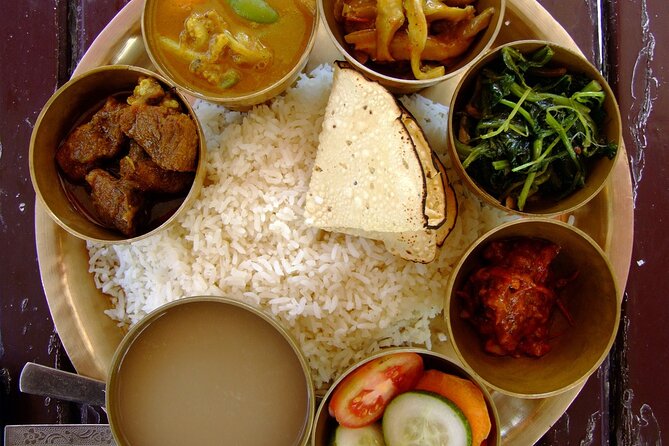
This is the kind of activity that works well when you want Nepal to feel personal, not just photographed. The format is simple: you show up, get a warm welcome with tea/coffee, meet the staff, choose your dishes, and start learning right away. No waiting around for hours. No complicated gear shopping. You’re in a working kitchen, with ingredients and equipment provided.
I also like that the “story” part is built into the cooking, not stuck on the end. You’re not just memorizing steps. You’re learning what ingredients mean in Nepali cooking and how those dishes fit together at the table. And when it wraps up, you get another tea/coffee and a proper goodbye—Sayonara—so it feels complete rather than rushed out the door.
One practical note: since the class depends on good weather, you may be offered a different date if conditions are poor. Plan your schedule with a little flexibility if you’re juggling other Kathmandu plans.
You can also read our reviews of more tours and experiences in Kathmandu


Choosing 3 Nepali dishes and how that shapes your learning
The menu choice is a big deal because it sets your skill focus. You don’t have to cook everything. You choose any three items, and the class flows around what you picked. That’s great for value: your money goes to dishes you actually want to eat later.
Based on the dish names that show up in the experiences shared, you might see options like momos, thukpa, dal bhat, or yomari. If you’re new to Nepali food, I’d use this as a strategy:
- Pick one comfort/staple dish (like dal bhat) so you learn the basics of Nepali meal structure.
- Pick one noodle or soup-style dish (like thukpa) so you practice broth/flavor building.
- Pick one dumpling or snack-style dish (like momos) if you want technique you can wow people with at home.
You’ll also get to see how different techniques connect. Cutting matters, but so does timing. Some dishes need patience in cooking through aromatics; others rely on assembling and steaming or finishing sauces.
From Shepherd Holidays meeting point to the local market ingredient stop
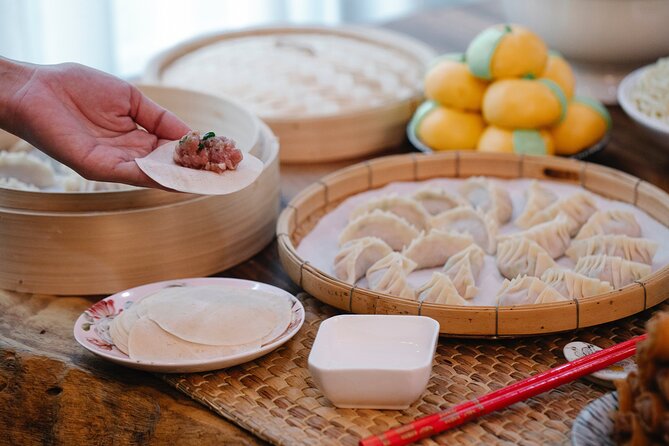
You’ll meet at Shepherd Holidays, Yapikhya Marg, Kathmandu 44600. The activity ends back at the meeting point, so you’re not left to figure out your own return like some half-planned tours. If you’re staying in or near Thamel, this is a convenient start point for a day that stays mostly on foot or with short local travel.
Then comes one of the most useful parts: the local market visit with a guide. This isn’t just a stroll for photos. You’re going to the market to find ingredients you’ll use in your dishes. That means when you later see spices, herbs, lentils, or vegetables in the prep area, you’ll remember what they look like at the source.
Why it matters: at home, most cooking confusion happens at the ingredients stage. You might know the dish name, but not what to buy or how fresh items should look. A quick market walk helps you get your bearings fast—what’s essential, what’s optional, and what substitutions are likely to work.
Cutting board basics: prep time that actually teaches
After the tea/coffee welcome and staff intro, you choose your three cuisines, then the class moves into ingredient prep. You’ll begin cutting and preparing, with the instructor and helper working alongside the group.
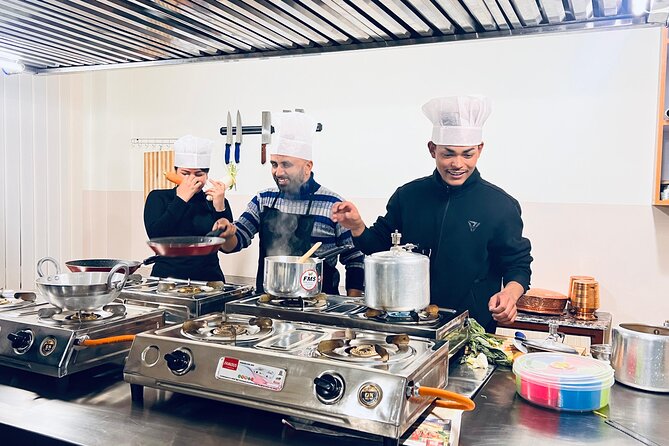
This part is where the course earns its keep. Cooking classes sometimes turn into watching. Here, you’re set up to participate in the prep and cooking process. In one of the examples shared, the chef and team ran the class in a professional setup, and there was flexibility for participants to be more hands-on or more hands-forward (depending on comfort level). That’s smart: everyone learns at a slightly different pace, and your skill level doesn’t decide whether you’ll enjoy the session.
You’ll also likely notice the kitchen is set up for real work—clean, organized, and designed for teaching. With a helper in the room, things don’t grind to a halt every time someone asks how to hold a knife or when to move from chopping to cooking.
Chef time: cooking begins and the learning pace stays realistic
Once cutting and prep are done, cooking starts with the chef. This is where you learn technique, not just recipe steps. You’ll see how the chef brings flavors together—how spices get added, how heat changes texture, and how you decide when something is cooked rather than guess.
In one example, the chef was especially clear in English and explained what was happening as they cooked. That’s exactly what you want: if you understand the reasoning, you can recreate the dish at home even when your kitchen doesn’t have the same equipment.
Here’s what I find practical about this stage: you’re learning a method you can translate. Even if your momos or thukpa won’t be identical on your first attempt, you’ll understand the process enough to adjust:
- If flavors seem flat, you’ll know where to strengthen seasoning or aromatics next time.
- If textures are off, you’ll know what step controls doneness or consistency.
Also, because you’re cooking three chosen dishes rather than a full menu, the pace stays manageable. You’re not sprinting through five complicated components in three hours. You’re learning depth on your picks.
You can also read our reviews of more cooking classes in Kathmandu
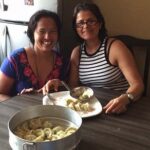
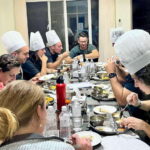
Serving and savoring: eating what you made (and how to get better results next time)
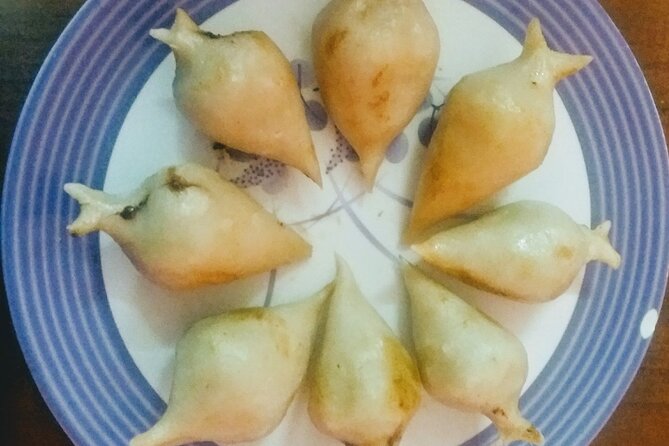
Then it’s time to serve and savor the dishes you prepared. You’ll eat what you cooked during the class, and food & drink from the cooking process is included. This matters more than it sounds. When you taste immediately after learning, you can connect each bite to the step you just did.
This also gives you a built-in quality check. If something tastes different than you expected, you’ll remember where you may have skipped a step or misunderstood timing. That’s how you get better on your next try—without feeling lost.
If you want to bring something home from the table, I suggest this after-class habit: pick one dish and take mental notes on what you liked most. Was it the dumpling texture? The broth depth? The sauce balance? You don’t need a notebook. Just decide what you want to replicate, then you’ll cook with purpose later.
Price and value for a 3-hour group lesson near Thamel
At $24 per person for about 3 hours, this is a pretty straightforward value proposition—especially if you’re eating at least three dishes you helped create. Your price covers ingredients and all equipment used to prepare food, plus the instructor and helper.
That included setup is the big money saver. Cooking classes that only teach usually make you pay extra for ingredients, spices, or take-home materials. Here, the class includes the food and drink prepared during the lesson, so you’re not paying just for instruction—you’re paying for a meal experience.
A second value point: your dish choice means you’re not locked into cooking something you don’t like. That keeps the lesson feeling personal rather than generic.
One consideration: beverages are listed as not included. Since the class does include tea/coffee at welcome and before departure (and you eat what’s prepared), you should still budget a little if you’re planning to add other drinks on the side.
Logistics that make or break the day: where to meet and how to plan your time
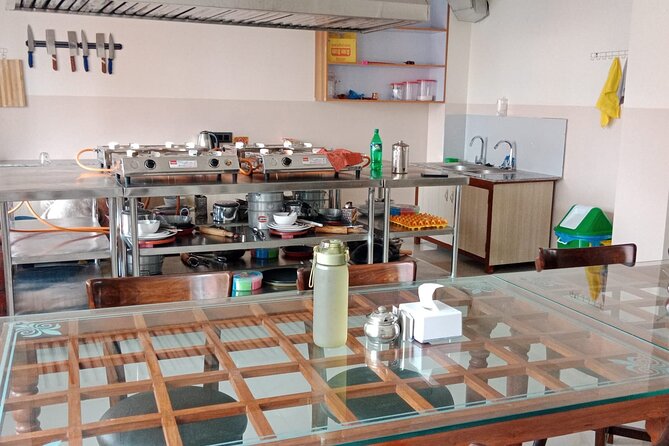
The whole experience starts and ends at the same meeting point—Shepherd Holidays on Yapikhya Marg—so you don’t need complicated navigation. The activity also specifies no private vehicle pickup/drop-off by default, though it’s available for an extra charge.
If you’re staying near Thamel, this structure usually fits nicely into a half-day plan. You’ll get:
- a welcome drink,
- a market visit with ingredient focus,
- a hands-on prep and cooking window,
- then an included meal,
- and a tea/coffee finish.
If your schedule is tight, I’d still leave some breathing room. Cooking runs on time, but Kathmandu traffic and walking pace can shift your arrival. Aim to be early so you can start with your tea/coffee without stress.
Should you book this Kathmandu cooking class?
Book it if you want a practical way to learn Nepali flavors in a short time, especially if you like momos, noodle soups like thukpa, or dumpling-style snacks like yomari. The dish choice is the big win. You’ll also appreciate the small-group size and the fact that you cook and eat the results, not just watch.
Skip it (or at least adjust expectations) if you’re mainly looking for a long cultural tour or want a private, one-on-one cooking session. This is a group class focused on cooking, and that’s what you’re paying for.
If you’re the type who loves to cook at home and wants real technique—not just a recipe card—this is an easy yes.
FAQ
How long is the cooking class?
It runs for about 3 hours.
Where is the meeting point?
You meet at Shepherd Holidays, Yapikhya Marg, Kathmandu 44600, Nepal.
What dishes will I cook?
You choose any three items from the menu.
How big is the group?
The class has a maximum of 15 travelers.
What’s included in the price?
Ingredients and all equipment, an instructor and helper, and the food & drink prepared during the class.
Is hotel pickup and drop-off included?
No. Pickup and drop-off by a private vehicle is available for an extra charge, but it isn’t included by default.
What happens if the weather is bad?
If canceled due to poor weather, you’ll be offered a different date or a full refund.