REVIEW · KATHMANDU
Kathmandu Food Tour
Book on Viator →Operated by Queermandu | Gay Tours Nepal · Bookable on Viator
Food and temples in one walk is a rare combo. Kathmandu’s best bites pair perfectly with old stone sights, and this tour keeps the focus on what you eat, not just where you stand. I especially liked how the route strings together Asan Market and major landmarks while still making time for real tasting stops, not sad sample-size crumbs.
What sold me is the food lineup: bara lentil pancakes, Yomari stuffed with molasses, and Tibetan-style laphing noodles, plus other street favorites along the way. I also liked that the guide doesn’t just point; they share history and context as you walk, and the small group size makes it easier to ask questions and follow the pace comfortably.
One consideration: some admission may cost extra. The tour notes that admission tickets are not included (and it also says all fees and taxes aren’t included), so you should expect you may pay small site fees depending on what you stop for.
In This Review
- Key highlights to look for
- Walking Through Kathmandu’s Eating Districts, Not Just Sightseeing
- Asan Market: Your Best Start for Kathmandu Street Food Energy
- Basantapur Durbar Square: Where Food Meets Newar Architecture
- Thamel After Dark? No. Thamel After Tastes: A Practical End Point
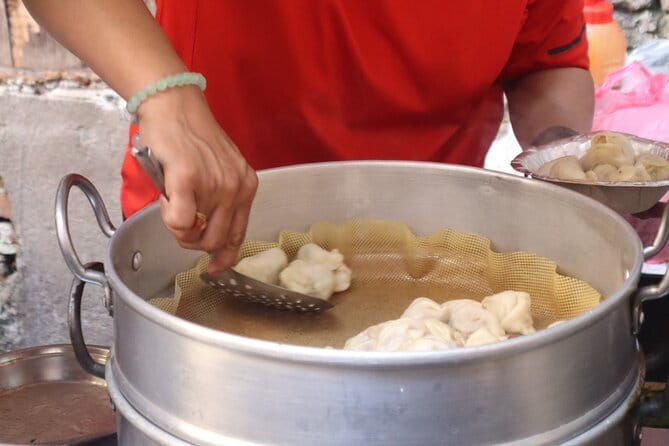
- What You’ll Actually Eat: Bara, Yomari, Laphing, and Momos
- Guide Style and How the Walk Improves the Food
- Price and Value: Is $32 a Good Deal in Kathmandu?
- Pacing, Group Size, and What to Wear
- Who This Tour Fits Best (and Who Should Consider Another Option)
- Should You Book This Kathmandu Food Tour?
- FAQ
- How long is the Kathmandu Food Tour?
- What is the price per person?
- Do they offer pickup?
- Is a mobile ticket used?
- How many food tastings should I expect?
- Are admission tickets included?
- What’s included in the tour cost?
- What is not included?
- What’s the group size limit?
- What is the cancellation policy?
Key highlights to look for

- Four tasting moments built into a short, walkable route
- Landmarks that shape the food story, including Basantapur Durbar Square (UNESCO)
- Street-food classics like bara, Yomari, laphing, and momos
- Small group size (max 15) so it stays friendly and manageable
- English support plus local guiding, with bottled water included
- Pickup offered and a mobile ticket for easier day-of flow
Walking Through Kathmandu’s Eating Districts, Not Just Sightseeing
Kathmandu has a way of feeding your curiosity fast. You start in areas where food is part of daily life, and the tour keeps you moving through real streets instead of treating snacks like an afterthought. The whole thing is built around a simple idea: if you want to understand a place, eat like the people who live there.
The timing is also smart. In about three hours, you get enough stops to satisfy your appetite without turning the day into a marathon. You’ll be walking through neighborhood streets that connect markets, temples, and the everyday flow of the city.
And since the group is capped at 15, you’re not stuck in a long line of people trying to order. That matters when street food is involved, because the best results come from quick ordering, good spacing, and a guide who knows what to ask for.
You can also read our reviews of more food & drink experiences in Kathmandu
Asan Market: Your Best Start for Kathmandu Street Food Energy
Asan is the kind of place where you feel the city’s appetite immediately. You start here to get your bearings because this market area is a working food hub, not a staged restaurant row. The advantage of beginning in a food-dense zone is that your first tastes set the tone for the rest of the tour.
From here, you’ll hit several tasting opportunities along the route—about four food tasting stops are part of the tour structure. That’s enough variety to feel like you’re sampling different styles (lentil-based, noodle-based, sweet, and more), without getting weighed down by too much food at once.
Also, this is where the guide style really helps. The best part isn’t just what you eat—it’s the context you get while you eat. I like when a guide explains why a dish is made the way it is, or how the market’s rhythm connects to the food on the stall. It keeps the whole experience from feeling like a checklist.
Potential downside: if you’re sensitive to spice or strong flavors, Asan is a place where you’ll want to communicate clearly with your guide. Street food here can be bold, and your best move is to speak up early so the tastings match your comfort level.
Basantapur Durbar Square: Where Food Meets Newar Architecture
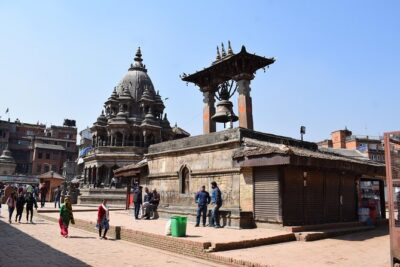
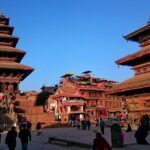
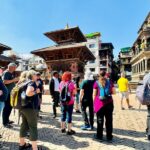
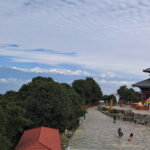
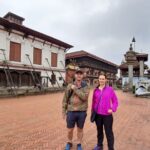
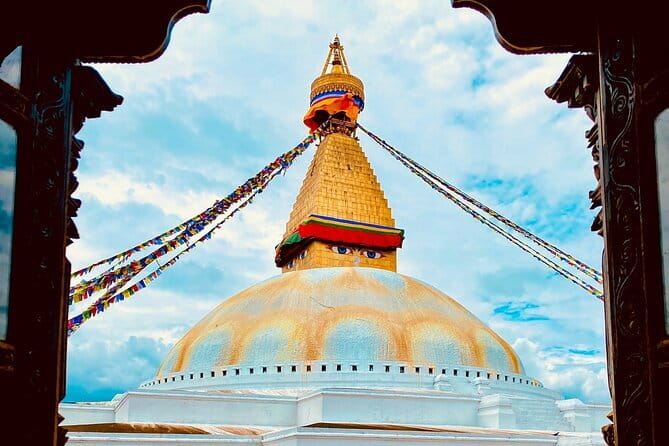
Next, you shift from food-market intensity to serious old-world stone. Basantapur Durbar Square is a UNESCO World Heritage Site, and it’s famous for the intricate Newar architecture that still defines the look of this part of Kathmandu. Even if you’re not an architecture fanatic, the scale and detail make the stop feel real and earned.
This is a valuable pairing because it changes the pace. After eating, you get a visual reset: temples, carved structures, and the sense that you’re standing in the center of a cultural story. The tour also includes you in that story—so the tasting doesn’t feel like a separate activity bolted onto sightseeing.
One note for planning: the tour data indicates admission tickets are not included for at least part of the experience. That means you should be ready for the possibility of a small extra fee at the site. If you prefer everything priced upfront, consider bringing a little extra cash just in case.
If you like the idea of learning while you walk, this is the stop where the history talk tends to land best. You’re no longer eating in the middle of a busy food corridor; you’re digesting while you look at why the area matters.
Thamel After Dark? No. Thamel After Tastes: A Practical End Point
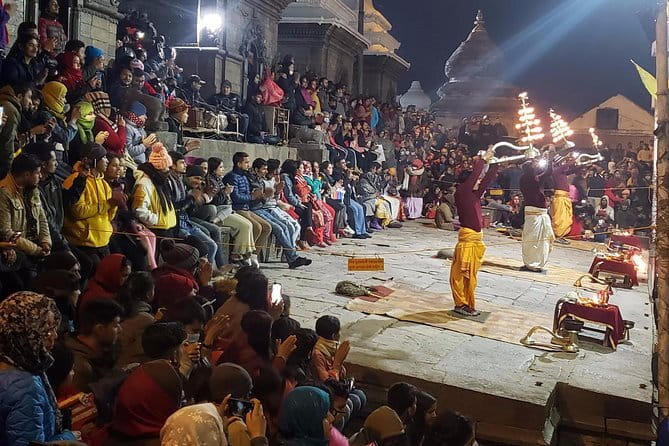
Thamel is Kathmandu’s well-known hub for shops and street life, and it’s a smart place to land at the end of your tour. By the time you reach Thamel, you’ve already learned what to order and what to expect from local dishes, so the rest of your time in the neighborhood feels easier.
This stop also helps you with timing. Thamel is where many visitors naturally drift, so you’re not finishing your tour in the middle of nowhere. You can continue exploring on your own right after, and having already tried a few staples, you’ll know what to look for on menus and stalls.
The tour description frames Thamel as a mix of commerce and cuisine, and that’s exactly why it works. You get a final taste in a place that’s easy to revisit later if you find a dish you love. For me, that practical element is underrated: a good tour teaches you what you can chase again.
Possible downside: Thamel can feel crowded compared with the market-side streets you saw earlier. If you prefer quiet, you may want to take a slower walk through this area after your group finishes, rather than rushing to match the crowd.
What You’ll Actually Eat: Bara, Yomari, Laphing, and Momos
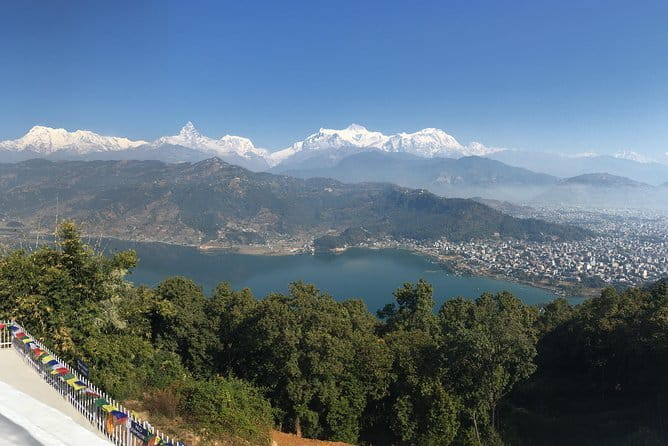
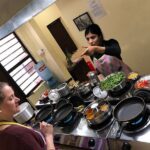
Food tours are only as good as their dish list. Here, the menu ideas are specific and memorable, and that’s why I think it’s good value even at a low price point.
Expect the tour to feature classic Nepali and Tibetan-influenced dishes such as:
- Bara: lentil pancakes that lean savory and satisfying
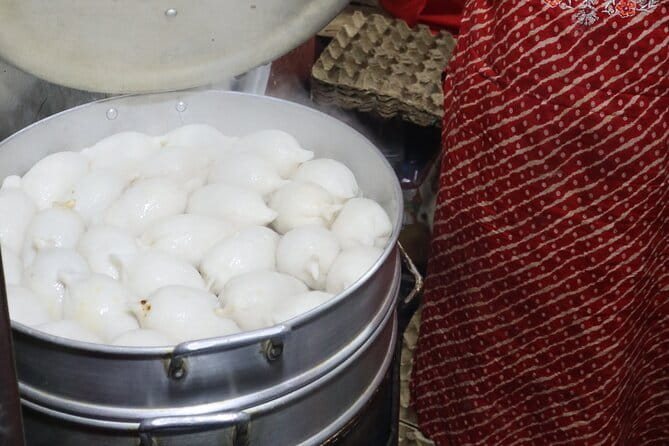
- Yomari: a distinctive fig-shaped treat filled with molasses
- Laphing: Tibetan-style noodles that bring heat and chew
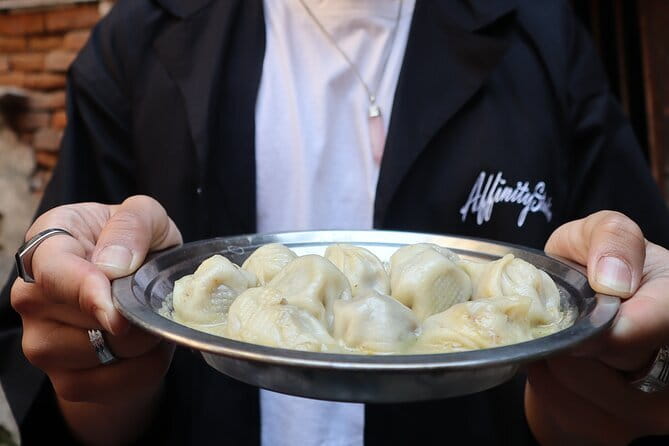
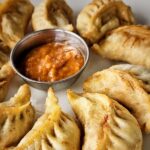
- Momos: at least one tasting includes chilly chicken momos, which shows up in the high praise from past guests
What I like about a list like this is that it covers multiple textures. You’re not just eating one style of street food on repeat. Lentils, sweet filling, noodle dishes, and dumplings all hit different cravings, and that diversity makes three hours feel like a full food experience.
Also, the reviews highlight that the guide helps you find the best places and that the food is genuinely excellent. The most useful takeaway for you: if you’re arriving hungry and a little unsure what to order, this tour gives you a fast education in the city’s most reliable flavors.
One caution: since the tour is built around tastings, your stomach needs a bit of flexibility. If you have a very strict diet or food allergies, you should plan ahead and communicate clearly before you book, because street-food variety can be hard to customize on the fly.
You can also read our reviews of more tours and experiences in Kathmandu
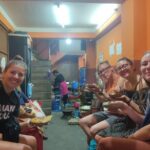
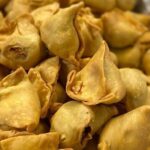
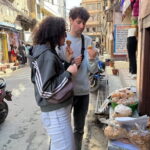
Guide Style and How the Walk Improves the Food
This is where the experience gets its extra points. The guide setup includes an English-speaking tour guide plus a Nepali-speaking guide, and that matters more than you might think. When ordering and explaining preferences, having local support improves the odds you’ll get what you want, not what sounds easiest on the spot.
The reviews repeatedly mention the guide finding the best food spots while explaining the history behind what you’re seeing. I love this style because it turns the day into more than eating. You connect the dots: markets exist for a reason, landmarks have stories, and local dishes fit into that bigger picture.
Another practical benefit: because the group is small, you can move at a human pace. You’re not sprinting from stall to stall or waiting too long for everyone to regroup. That reduces the most common problem with food tours—being tired before you even finish your last bite.
Price and Value: Is $32 a Good Deal in Kathmandu?
At $32 per person for about three hours, this tour feels like strong value. The math is simple: you get multiple tasting stops, bottled water, and guided context in English, plus local guidance. You’re also covered by a pickup option, which removes the hassle of finding your way through early-day Kathmandu on your own.
The one place to watch is that not all fees are included. Admission and all fees and taxes are listed as not included, and that could add a bit depending on what happens at the UNESCO area and any other paid entry points. Still, even with a small add-on, the combination of tastings and guided walking is a smart buy for most first-time visitors.
If you’re the kind of traveler who likes to make one plan you trust, this is a great use of your time. You won’t need to spend your first day guessing where to eat. You’ll learn, taste, and then know where to return after the tour ends.
Pacing, Group Size, and What to Wear
Let’s talk logistics the way you actually need it. The tour is about three hours long and includes walking between areas like Asan, Basantapur Durbar Square, and Thamel. That means footwear matters. Wear something you can walk in for a while without pain, because Kathmandu streets can be uneven and crowded.
The max group size is 15, which helps with pace and comfort. You’ll likely get a smoother experience than larger tours, especially when everyone is trying to eat and listen at the same time.
Also, bottled water is included. That helps because you’ll be on your feet, and street food tours can dry you out fast. Bring a light layer too, since the weather can shift during the day.
Who This Tour Fits Best (and Who Should Consider Another Option)
This tour is ideal for:
- First-time visitors who want a Kathmandu food education fast
- People who like culture but don’t want museums only
- Travelers who enjoy street food and want guidance on what to try
- Anyone who appreciates a smaller group and a guide who explains what they’re seeing
It might be less ideal if:
- You need very predictable, fully seated meals
- You’re worried about added admission fees
- You have strict dietary needs and can’t easily adjust street-food choices
If you fall somewhere in the middle, this tour is still a good way to get oriented. Even if you don’t try every dish, the walk through markets and major sites gives you a practical sense of where to go next.
Should You Book This Kathmandu Food Tour?
I’d recommend booking if you want a short, high-impact plan that mixes real tasting with cultural context. The dish list is clear and the reviews point to two big strengths: the food quality and the guide’s ability to connect history to what’s on your plate.
You should also book if you value convenience. Pickup offered, mobile ticket, bottled water, and a small group all reduce the usual friction of exploring a busy city on your own.
I’d hesitate only if you hate walking, have strong dietary restrictions, or want zero uncertainty about admission costs. In that case, ask ahead about any site fees tied to the route.
If you’re flexible and hungry, this is one of the better ways to spend a few hours in Kathmandu—because you leave with both flavors in your memory and a clearer map of where the city’s everyday life happens.
FAQ
How long is the Kathmandu Food Tour?
It runs for about 3 hours.
What is the price per person?
The price is $32.00 per person.
Do they offer pickup?
Yes, pickup is offered.
Is a mobile ticket used?
Yes, you get a mobile ticket.
How many food tastings should I expect?
The tour includes approximately four stops for food tastings.
Are admission tickets included?
Admission tickets are not included.
What’s included in the tour cost?
Included items are snacks (authentic Nepali cuisine), an English-speaking tour guide, a Nepali-speaking tour guide, and bottled water.
What is not included?
All fees and taxes are not included.
What’s the group size limit?
The maximum group size is 15 travelers.
What is the cancellation policy?
Free cancellation is available. You can cancel up to 24 hours in advance for a full refund. If you cancel less than 24 hours before the start time, the amount paid is not refunded.