REVIEW · POKHARA
3 Day Lower Mustang Tour with 4WD Jeep from Pokhara
Book on Viator →Operated by AM Travels and Tours · Bookable on Viator
Few places mix religion, roads, and views like Mustang. This 3-day Lower Mustang trip runs on a 4WD Jeep and stays focused on the two things you came for: Muktinath Temple and the medieval feel of Kagbeni. I like that it’s built for rugged driving days, so you’re not stuck watching the best scenery from afar.
The tour also gives you an efficient route that includes the Mustang permit, hotel pickup/drop-off, and a guesthouse night—so the planning load stays low. The only drawback is that you’re trading easy pacing for long road hours and a high-altitude stop at about 3,800 meters, so you’ll want to be comfortable on winding mountain roads.
In This Review
- Key Highlights Worth Your Time
- Why a 4WD Jeep Matters on the Pokhara–Mustang Route
- Pokhara to Jomsom: The First 7 Hours and What to Expect
- Muktinath Temple at 3,800m: Sacred Stop With Real Altitude Planning
- Kagbeni Village: Narrow Alleys, River Confluence, and Medieval Vibes
- Mustang Views You’ll Actually Remember: Annapurna, Dhaulagiri, and Kali Gandaki Gorge
- Where Your Money Goes: Value of the $430 Price Tag
- The Touring Rhythm: How the Days Fit Together
- The Practical Stuff You Should Plan For
- Who This Tour Fits Best (and Who Should Think Twice)
- Should You Book This 3 Day Lower Mustang Tour With 4WD Jeep?
- FAQ
- How long is the Lower Mustang tour from Pokhara?
- What stops are included in the itinerary?
- Is there a permit included for the Mustang region?
- What is included in the price and what is not?
- Do we get a guide, and is the guide English-speaking?
- What vehicle is used for the trip?
- Do I need to arrange my own lodging?
- Is this a private tour or a shared group?
- What about altitude at Muktinath?
Key Highlights Worth Your Time
- Private 4WD Jeep with driver for the rough Mustang stretches (not just a long bus ride)
- Muktinath Temple at 3,800m with an included visit that fits a full day’s route
- Kagbeni’s narrow alleys and traditional village shape near the Kali Gandaki and Jhong rivers
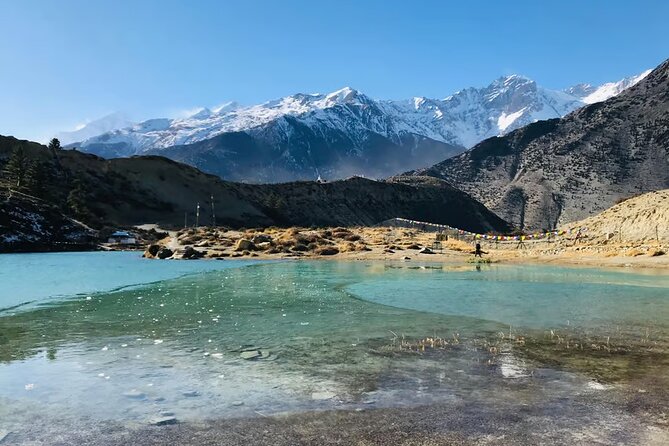
- Unforgettable scenery centered on Annapurna, Dhaulagiri, and the Kali Gandaki Gorge
- Guide help that stays practical, with English support and on-the-ground local insight from Kali
- Safety-first driving, highlighted by the excellent driving of Shiva on difficult roads
Why a 4WD Jeep Matters on the Pokhara–Mustang Route
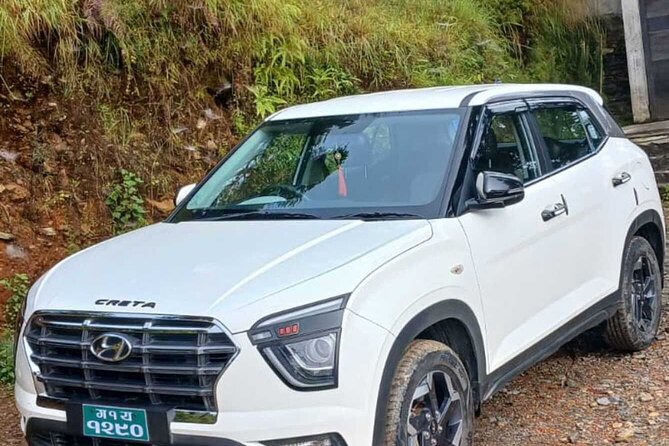
Lower Mustang is a road-trip dream—until you remember it’s also rugged. That’s where a private 4WD Jeep changes the whole feel of your trip. This isn’t an itinerary that starts and ends at the easy viewpoints. Instead, the vehicle is set up for the kind of uneven, bumpy stretches you find in this part of Nepal.
For you, the payoff is simple: you spend more time moving through the region and less time waiting around for transfers or rearranging plans. The tour also includes hotel pickup and drop-off in Pokhara, which is a big deal when you’re trying to leave early and not waste time figuring out logistics.
A private trip also means your group sets the pace. It’s still structured—three days, set stops—but you’re not sharing the day with a big crowd. You get a smaller, more manageable experience, especially at the temple area and in village lanes.
You can also read our reviews of more tours and experiences in Pokhara
Pokhara to Jomsom: The First 7 Hours and What to Expect
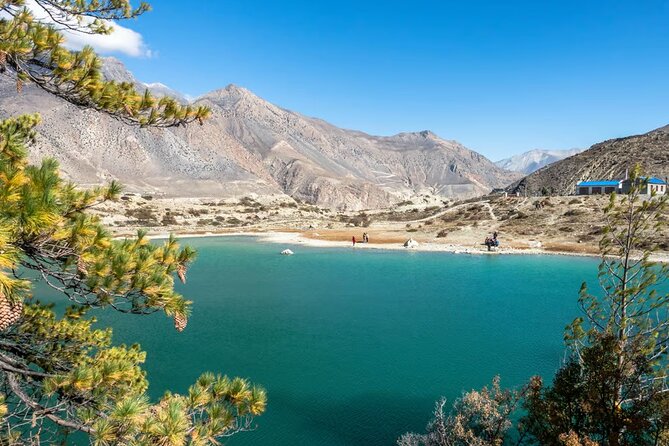
Day 1 starts with an early departure from Pokhara in the morning by 4WD Jeep. Expect a long day on the road—about 7 hours total for the drive segment and stop at Jomsom.
This leg is less about one single postcard stop and more about the Mustang transition itself. You’ll be watching the scenery shift from lower Nepal vibes toward drier, more dramatic terrain. Even without getting stuck on one named viewpoint, the route steadily builds anticipation for the sacred and scenic days that follow.
Practical things that help on a long drive:
- Dress in layers. Mountain weather can change fast, and the jeep ride can feel cool early and warm later.
- Bring something for motion comfort (and keep water handy). The roads can be “fun” in the way roller coasters are fun.
- If you care about photos, plan to sit where you can get a clean window view. (If your driver has a preferred seating area for best visibility, listen to them.)
Even if Jomsom is just one stop in your schedule, it’s part of the momentum of the trip. You’re setting the tone: this is a journey where the travel time is part of the experience.
Muktinath Temple at 3,800m: Sacred Stop With Real Altitude Planning
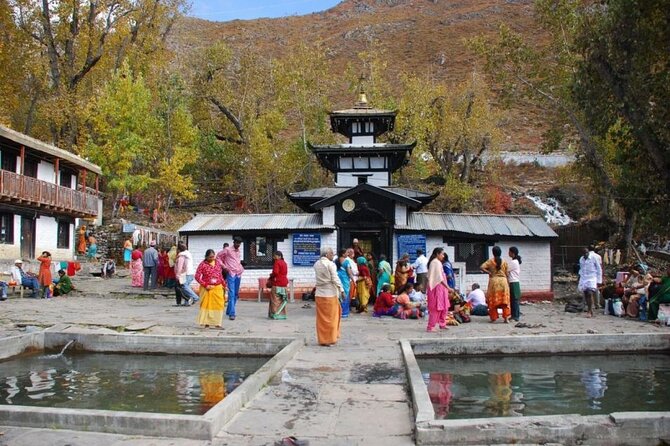
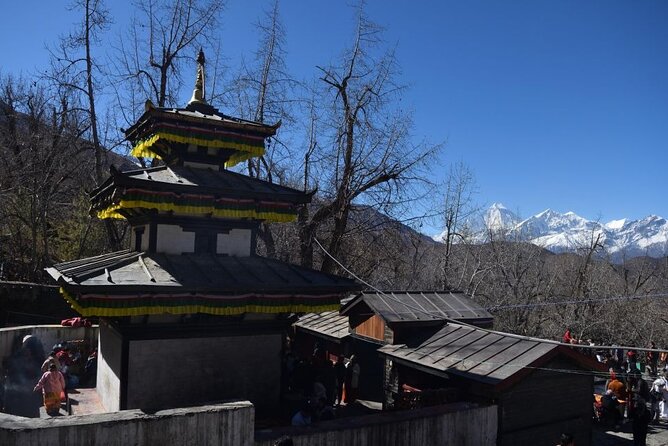
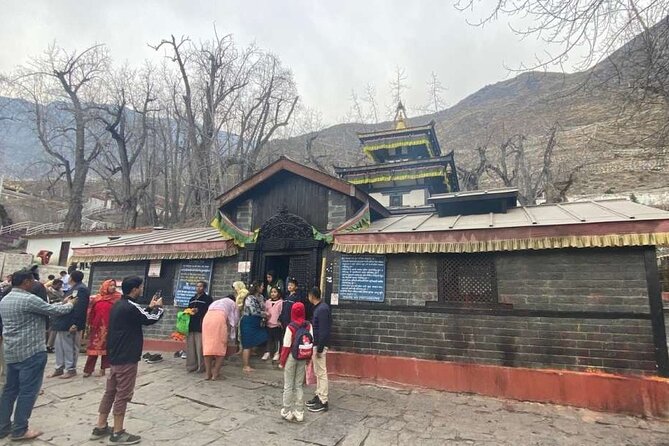
Day 2 is the religious heart of the whole trip. You drive to Muktinath Temple, which sits at about 3,800 meters. The visit is included, and it’s a pilgrimage site for both Hindus and Buddhists, so the place feels active in a way that’s bigger than one faith community.
The schedule on this day gives you time to slow down for the temple complex after the drive. You’re not just passing through. The tour’s structure typically allows a meaningful visit window as part of a broader day that also includes Kagbeni afterward.
Here’s the altitude consideration you should take seriously. At 3,800 meters, even healthy people can feel the difference. You don’t need to panic, but you do want to go in with common sense:
- Take it easy at first. Don’t sprint into the thick of it right away.
- Sip water. Dehydration makes altitude feel harsher.
- Dress warm. Cold plus thin air is a rough combo.
The best guide support here is the kind that keeps you calm and informed. On this route, Kali is the kind of guide who can explain what you’re seeing and help you understand why Muktinath draws pilgrims. That kind of context turns a temple visit from sightseeing into something you actually get.
Kagbeni Village: Narrow Alleys, River Confluence, and Medieval Vibes
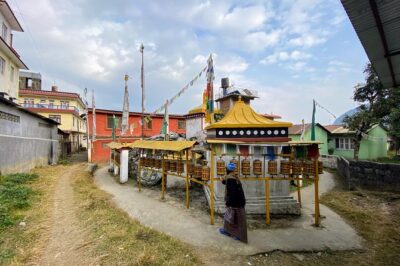
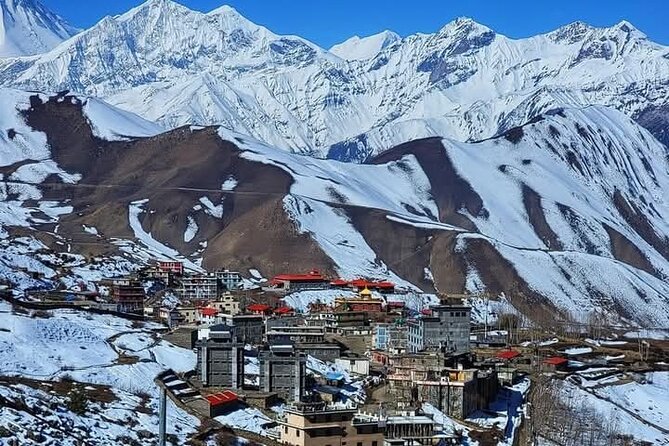
After Muktinath, the trip continues to Kagbeni. This village sits at the confluence of the Kali Gandaki and Jhong rivers, and that geography helps shape its feel—dry, dramatic surroundings plus a village layout that seems designed for walking slowly.
You’ll have time to explore Kagbeni’s narrow lanes lined with traditional architecture. The best part is that the village doesn’t behave like a theme park. You get a real sense of life in a medieval-style settlement, where small alleyways and tight turns do most of the work for atmosphere.
What I like about Kagbeni on a route like this is the contrast it provides. You go from a sacred mountain pilgrimage center to a village that feels quieter and more grounded. It’s also a great spot for photos that aren’t just “mountains in the background.” The buildings, passageways, and river setting give you frames that feel human-scale.
One more practical tip: plan for uneven footing. Village lanes can be rough, and you’re also working with tired legs after a big travel day. Comfortable shoes are a smarter choice than stylish ones.
Mustang Views You’ll Actually Remember: Annapurna, Dhaulagiri, and Kali Gandaki Gorge
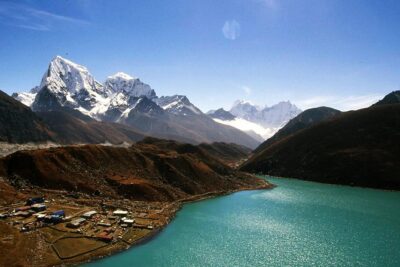
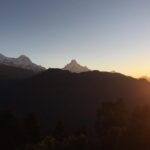
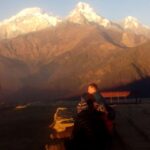
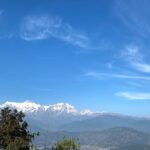
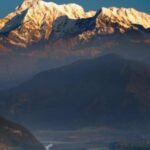
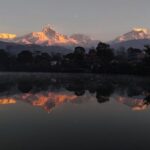
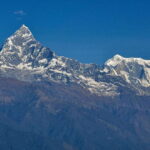
Lower Mustang earns its reputation for views because it’s positioned between major mountain ranges—especially Annapurna and Dhaulagiri—and because the terrain changes fast as you travel.
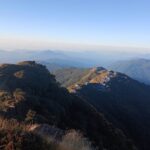
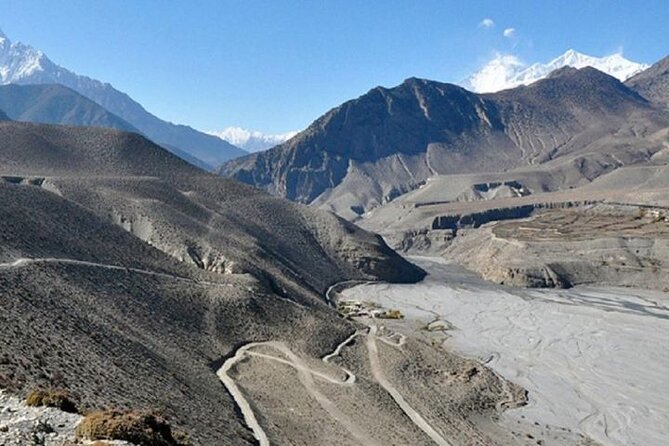
The tour’s pitch includes dramatic scenery of the Kali Gandaki Gorge, described as the deepest gorge in the world. Even if you’re not a geography nerd, it lands visually. This is the kind of place where the scale makes your brain pause. The mountains seem close, the valleys feel steep, and the drying mountain environment gives the view a stark, unforgettable look.
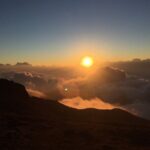
Timing matters too. Mustang is known for sunrise and sunset scenes with snow-capped peaks against arid, desert-like terrain. Your schedule won’t guarantee perfect light every minute, but the itinerary is built around travel days that keep you in the region at the right general times—so you’re not just racing through and missing the mood.
I also like that the tour doesn’t shove everything into one over-managed “look-at-this-view” moment. Instead, the viewing comes as you drive. That’s often where the best photos happen—when you’re watching the road and mountains shift hour by hour.
Where Your Money Goes: Value of the $430 Price Tag
The price is listed at $430 per person for a 3-day tour, and the real question is: what does that buy you beyond the word sightseeing?
Here’s what’s included:
- Hotel pickup and drop off in Pokhara
- Round-trip transfers by private 4WD Jeep with driver
- Mustang region permit
- Accommodation in a guest house (one night)
- 2 breakfasts
- English-speaking tour guide
- Private trip (only your group)
Now compare that to what you typically end up paying when you plan the route yourself: permits, an appropriate vehicle, a driver who knows the terrain, and the hassle of coordinating timing for temple visits and village time. The included permit and driver aren’t “small line items.” They’re the hard parts.
What’s not included is lunch and dinner, listed as available at about US$45 per person. That means your overall food budget will depend on your choices, but you’re not totally locked in. You can plan to eat where the guide suggests during the day, and cover the extra meals without surprise add-ons.
The value sweet spot here is the combination of rugged logistics plus guided cultural access. You’re not only seeing scenery. You’re being guided through a route that requires local know-how—especially with difficult roads. That’s where the driver quality really shows, and this trip has earned praise for Shiva’s careful driving.
The Touring Rhythm: How the Days Fit Together
This is a three-day arc with a clear flow:
- Day 1: Pokhara to Jomsom, long drive day that sets the stage
- Day 2: Muktinath first, then Kagbeni for village exploration
- Day 3: Return drive back to Pokhara after breakfast
Each day balances travel time with one main “anchor” experience. That matters because fatigue grows fast when you’re dealing with high altitude and long drives. You don’t want six separate attractions that all blur together. This itinerary keeps the focus where it counts.
Also, the tour includes accommodation in a guest house, which helps you avoid the question of where to stay between the driving segments. It’s a practical inclusion, and it keeps the trip from turning into extra planning work for you.
The Practical Stuff You Should Plan For
To get the best out of the tour, treat it like a road journey first, and a sightseeing trip second. The big details that will help:
- You’ll have long drive hours on both the outward and return days, around 7 hours each day segment.
- The second day includes the high-altitude stop at about 3,800 meters, so pack for cold and move carefully.
- You’re covered on morning meals: 2 breakfasts are included.
- You’ll likely pay separately for lunch and dinner (about US$45 per person is noted as the approximate cost).
- You’ll have an English-speaking guide, and on this route Kali is the kind of guide who adds context at each stop rather than just translating words.
- You get a mobile ticket and group discounts, which can matter if you’re booking as a pair or small group.
One more comfort note: private Jeep rides are usually better than shared transport when you care about conversation, rest, and reducing stress. Even if you don’t talk much, you’ll appreciate the control over your day.
Who This Tour Fits Best (and Who Should Think Twice)
This tour is a great match if:
- you like road trips where the drive itself is part of the story
- you want a guided visit to Muktinath without worrying about permits or transport
- you enjoy small village exploration like Kagbeni’s alleys and traditional architecture
- you’re comfortable spending a chunk of your day in a vehicle
Think twice if:
- you’re sensitive to altitude or uncomfortable at higher elevations. Muktinath’s around 3,800 meters, so plan for a slower pace.
- you strongly prefer minimal driving. This itinerary is built around travel time because Mustang is spread out.
If you’re the type of person who packs layers, listens to the guide, and enjoys watching the terrain change as you go, you’ll likely have a smooth experience.
Should You Book This 3 Day Lower Mustang Tour With 4WD Jeep?
I’d recommend booking if you want Mustang that feels real and workable. The included Mustang permit, private 4WD Jeep, guesthouse night, and English-speaking guide add up to a setup that reduces stress. And the standout strengths—careful driving from Shiva and helpful on-the-ground guidance from Kali—matter on this route.
I’d hold off only if altitude makes you nervous or if long drive days would ruin the trip style you prefer. In that case, you might want a calmer option with fewer elevation changes.
If you’re excited by sacred pilgrimage stops, village lanes in Kagbeni, and mountain views that stretch toward Annapurna and Dhaulagiri, this is a solid value choice for a focused three-day window.
FAQ
How long is the Lower Mustang tour from Pokhara?
It’s a 3-day tour, with day-to-day driving segments that total about 7 hours on the Pokhara to Jomsom day and about 7 hours on the return day.
What stops are included in the itinerary?
The tour includes Jomsom, Muktinath Temple, and Kagbeni, with return travel back to Pokhara.
Is there a permit included for the Mustang region?
Yes. A Mustang region permit is included in the tour price.
What is included in the price and what is not?
Included: hotel pickup/drop-off, round-trip private 4WD Jeep with driver, Mustang permit, guesthouse accommodation, 2 breakfasts, and an English-speaking tour guide. Not included: lunch and dinner (approx. US$45 per person) and gratitude (optional).
Do we get a guide, and is the guide English-speaking?
Yes. The tour includes an English-speaking tour guide.
What vehicle is used for the trip?
You travel by private 4WD Jeep with a driver, designed to handle rugged terrain.
Do I need to arrange my own lodging?
No. Accommodation in a guest house is included for the trip.
Is this a private tour or a shared group?
This is private. Only your group participates.
What about altitude at Muktinath?
Muktinath Temple is at about 3,800 meters, so you should plan for altitude and dress for cold conditions.