REVIEW · KATHMANDU
Annapurna Base Camp Trek
Book on Viator →Operated by Mount Elegance Treks and Expedition · Bookable on Viator
Annapurna Base Camp rewards steady effort. This 11-day route blends Gurung villages and mountain viewpoints with solid logistics, so you can focus on walking and taking in the big sky. You’re also supported by an experienced guide and porter team, which matters a lot on a trek that climbs to serious altitude.
What I like most is the mix of included comfort and real trekking structure: 3-star hotels in Kathmandu and Pokhara plus twin-share teahouses during the walk. Second, I really appreciate the practical inclusions like permits and a government-licensed, English-speaking guide, along with a full-board meal plan.
One thing to plan around: this is not a soft, low-effort hike. You go up to 4,130m at Annapurna Base Camp, and the trek does not include hot showers, so you’ll need to be okay with basic trekking comforts.
In This Review
- Key things to know before you start
- Route at a glance: Kathmandu, Pokhara, then into the Annapurna region
- Day 1 in Kathmandu: a smooth arrival and a night to get your bearings
- Day 2 drive to Pokhara: the 7–8 hour reset before trekking starts
- Days 3–5: Ghandruk to Sinuwa to Deurali, where you earn altitude the smart way
- Day 3: Nayapul area to Ghandruk, then a village night at 1,940m
- Day 4: the 12 km day with a climb toward Sinuwa (2,340m)
- Day 5: Deurali at 3,200m, with bamboo forests and gradual uphill grind
- Day 6: the big arrival at Annapurna Base Camp (4,130m)
- Day 7: morning at Base Camp, then a long descent toward Bamboo
- Day 8: Bamboo down to Jhinu Danda (1,780m) for a lower-altitude reset
- Day 9: short trek plus the return drive to Pokhara
- Day 10: 200 km back to Kathmandu and a proper end-of-trek unwind
- Day 11: Kathmandu time buffer before your flight
- What you get for the $240 price: value in the basics that actually matter
- Lodges and meals: the comfort you can count on, and what you should not expect
- Trek logistics: duffel bag, sleeping bag, and the porter role
- Altitude and fitness: who this trek suits best
- Should you book this Annapurna Base Camp Trek?
- FAQ
- What is the highest altitude reached on this trek?
- How long is the Annapurna Base Camp trek?
- Are airport transfers included?
- What does the price include?
- Are meals included during the trek?
- Are travel insurance and the Nepal visa included?
- Can I get a full refund if I cancel?
Key things to know before you start
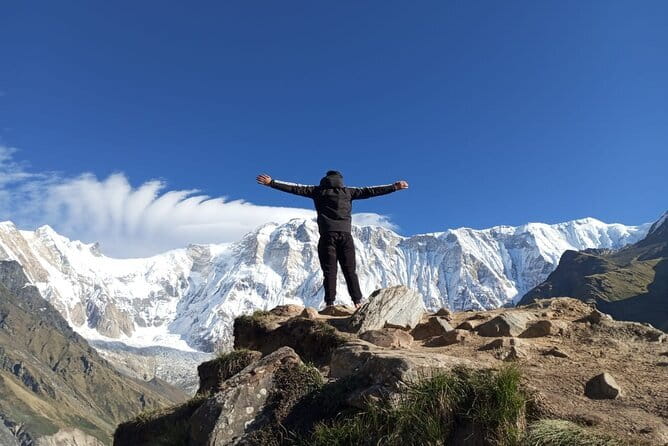
- Highest point is 4,130m at Annapurna Base Camp, so take pacing and acclimatization seriously
- Permits included: ACAP and TIMS card, handled for you
- Porter support is built in: 1 porter for 2 trekkers to help with load management
- Meals are full board during the trek (breakfast, lunch, dinner with tea/coffee)
- Hot showers are not included, so pack for cold nights and keep expectations realistic
Route at a glance: Kathmandu, Pokhara, then into the Annapurna region
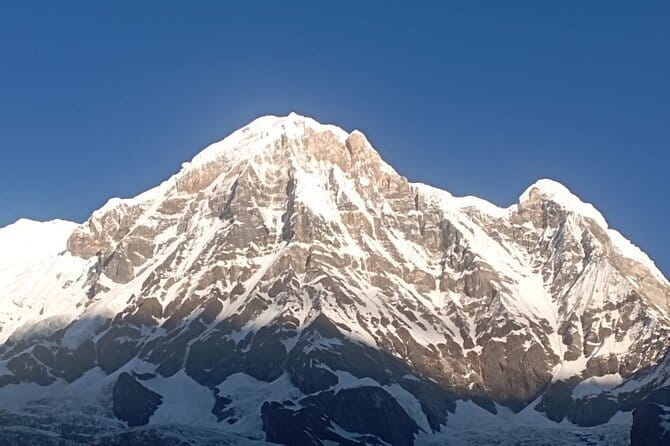
This trek is set up around a classic rhythm: a couple of transport and settling-in days, then consecutive walking days through rising valleys and hillside settlements, topping out at Annapurna Base Camp. You start in Kathmandu (1,400m), transfer to Pokhara (822m), and then gradually climb through villages and higher camps until the big day at base camp.
The overall value here is that the package handles the busywork. You get permits (ACAP and TIMS), an experienced guide, porter help, and your main logistics between Kathmandu and Pokhara. That means your energy goes into weather-aware trekking, sensible breaks, and enjoying the mountain scenes rather than chasing paperwork.
One more detail I’d keep in mind: the pace is guided by trail distances and daily hiking hours, but the itinerary also sets you up for altitude stages. That’s the difference between feeling brave on day one and feeling smart on day six.
You can also read our reviews of more hiking tours in Kathmandu
Day 1 in Kathmandu: a smooth arrival and a night to get your bearings
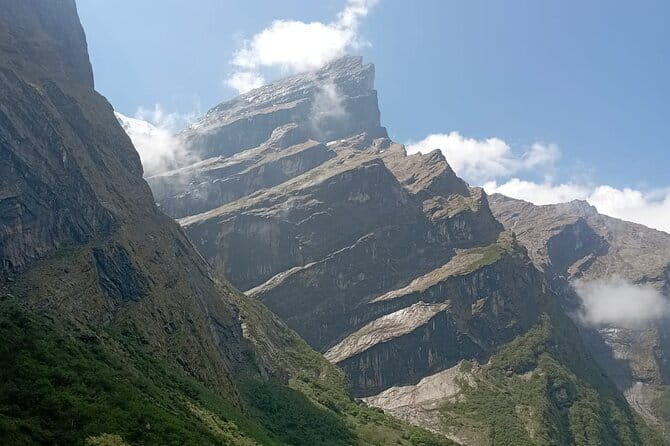
Day one is straightforward: you land at Tribhuvan International Airport, meet a representative, and get transferred to your hotel in Kathmandu. Your highest altitude today is about 1,400m, which is a gentle start and a good chance to settle in.
What you should plan for: keep this day calm. You have a long travel day behind you, and your trek begins soon. Even though this tour includes pickup and airport transfers, you’ll still want to manage your own hydration and sleep so the next day’s drive to Pokhara doesn’t hit you harder than it should.
Day 2 drive to Pokhara: the 7–8 hour reset before trekking starts
On day two, you drive roughly 200 km to Pokhara, about 7–8 hours by tourist bus. Pokhara sits at about 822m, noticeably lower than Kathmandu, so it can feel like a breathing space before you climb again.
This transfer day is more than “getting there.” It’s your chance to organize your trekking kit without rushing: confirm your packing order, check your layers, and make sure you’re ready for trail conditions later. You also get breakfast included, which keeps the day from turning into a scavenger hunt.
Days 3–5: Ghandruk to Sinuwa to Deurali, where you earn altitude the smart way
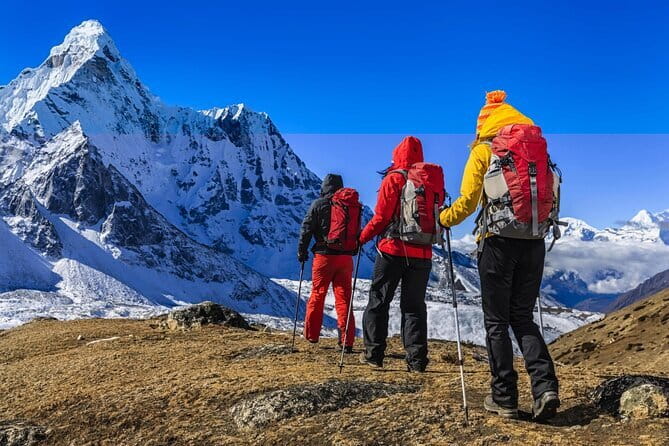
These days are the build-up stretch. You’ll move through settled areas and climb in stages, which is the right idea for a trek that reaches 4,130m later.
Day 3: Nayapul area to Ghandruk, then a village night at 1,940m
You drive from the city side to the trail start area (about 41 km to Nayapul) and then hike around 5 km to reach Ghandruk at 1,940m. Hiking time is estimated at 3–4 hours, which is usually a good on-ramp.
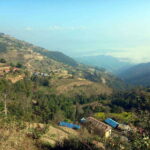
Why this stage matters: it lets you get used to the feel of your boots and pack without jumping too quickly upward. You’ll also be in the region of traditional Gurung villages, so you’re not just walking through blank mountain trails—you’re walking through places with local life.
Day 4: the 12 km day with a climb toward Sinuwa (2,340m)
Day four is a longer trekking day: about 12 km in 6–7 hours, reaching Sinuwa at 2,340m. The route goes from the Kimrong Khola area and then climbs again toward Sinuwa, so expect a mix of walking and steady uphill sections.
A practical note: when the itinerary gives you a longer day, it usually means your body will decide your pace. Keep it even. If you push hard early, the later days at higher altitude can feel mean.
Also, this is the kind of route where rhododendron forests can show up along the trail. If you come in expecting pure rocky scenery, you might be surprised by how much forest shade and color you get during the climb.
Day 5: Deurali at 3,200m, with bamboo forests and gradual uphill grind
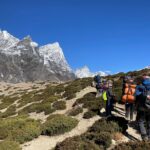
Today covers about 10 km in 6–7 hours, climbing to 3,200m at Deurali. The trek passes through bamboo forests and then continues a gradual climb, which is a good pattern for altitude days—steady rather than spiking.
This is a day where you should listen to your body. If you feel headaches, nausea, or unusual fatigue, don’t treat it like a weakness. Talk to your guide early. The tour includes an experienced, English-speaking guide and a first aid kit, so you’re not trekking solo with no plan.
Day 6: the big arrival at Annapurna Base Camp (4,130m)
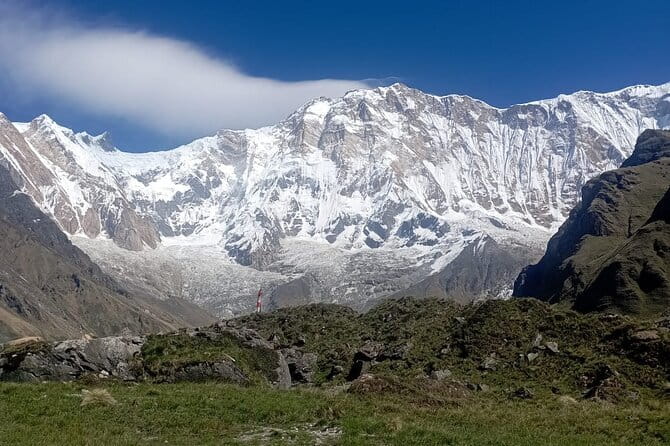
Day six is your signature summit day: about 9 km and 6–7 hours to reach Annapurna Base Camp at 4,130m. This is the highest altitude on the trek, and it’s where the “wow” factor turns from views to full-on high-altitude atmosphere.
Why I’m calling this out as a decision point: if you’ve managed your pace well in days three to five, you’ll arrive feeling proud rather than punished. Your guide’s role here is crucial—helping you keep breathing steady and timing breaks so you can enjoy base camp rather than just survive it.
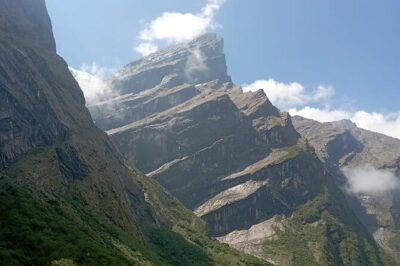
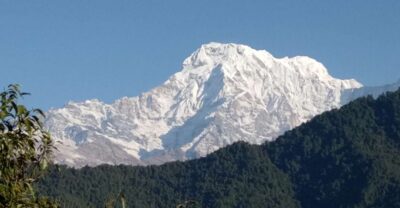
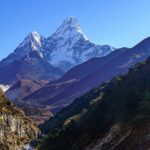
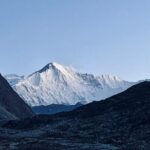
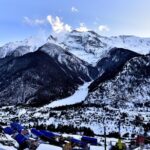
The route is also known for dramatic vistas of Annapurna and Machhapuchhre. Even with cloudy weather, you’ll usually feel the difference when you reach base camp: the air thins, the trail levels up into a more concentrated “destination” feeling, and your whole focus narrows to what’s in front of you.
Day 7: morning at Base Camp, then a long descent toward Bamboo
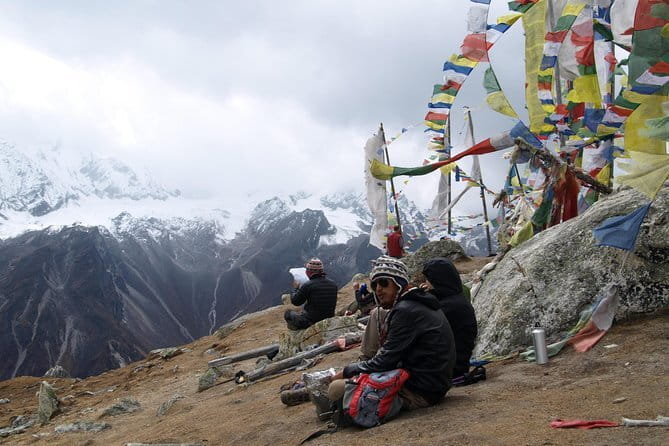
After a morning at Annapurna Base Camp, you start descending to Bamboo, with about 13 km and 6–7 hours. Today’s altitude drop is significant: from base camp down to about 2,310m.
Descent sounds easy, but it can be tougher on your knees than uphill. Go slow on steep parts and keep your steps controlled. This is where proper trekking habits pay off: short strides, good balance, and no rushing just because you’re going downhill.
This is also one of the days where a guided plan is valuable. The tour is set up with organized meal breaks and consistent lodging structure, so you can stay focused on safe footwork instead of trying to coordinate everything at the teahouse level.
Day 8: Bamboo down to Jhinu Danda (1,780m) for a lower-altitude reset
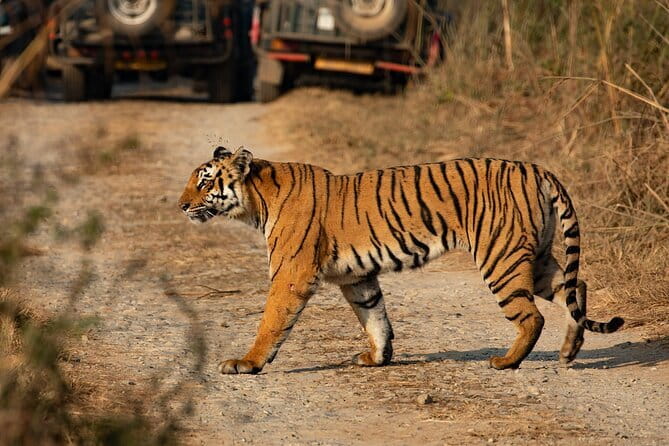
Day eight covers about 11 km in 5–6 hours, reaching Jhinu Danda at 1,780m. The route from Bamboo tends to feel greener and more settled, and the altitude drop helps your body recover for the final travel days.
One reason this stop matters: you’re not just trekking for a checklist. Jhinu Danda gives you a chance to come back down to a more comfortable elevation before your Pokhara drive. That makes day nine easier and day ten smoother on the return to Kathmandu.
Day 9: short trek plus the return drive to Pokhara
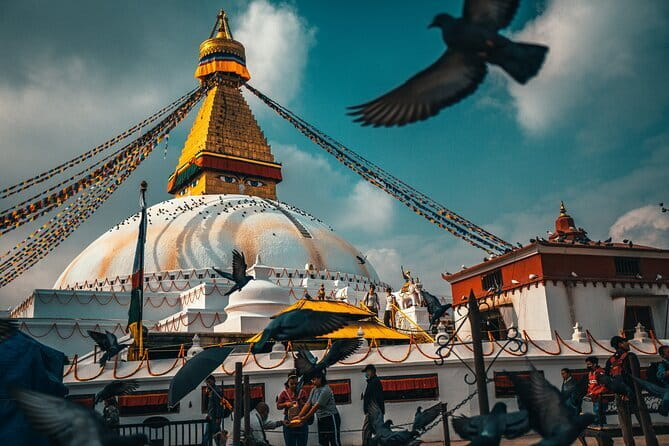
Today’s trek is shorter: about 6 km in the 3.7 km range given by the schedule, with a descent bringing you to the lower trail approach. Then you drive to Pokhara for roughly 2–3 hours. Your altitude returns to about 822m, which is a big shift from the days above.
This day is ideal for recharging: get your bearings, stretch your legs carefully, and set up your packing for the Kathmandu return. The tour includes breakfast and lunch today, so you won’t have to negotiate meals while you’re also managing transport.
Day 10: 200 km back to Kathmandu and a proper end-of-trek unwind
On day ten, you drive about 200 km back to Kathmandu, again around 7–8 hours. You’ll sleep again at a Kathmandu hotel with breakfast included earlier in the schedule, and you get dinner included today.
Even if you feel tired, try to stay present. After days of fixed hiking rhythms, the shift to road travel can feel oddly quiet. This is a good time to reflect on what changed during the trek: your breathing, your stamina, and the way your mind settles when the next step is clear.
Day 11: Kathmandu time buffer before your flight
Your final day is short: a 30–45 minute transfer day timing window, with breakfast included, and altitude listed at 1,400m. Depending on flight timing, you’ll have space to relax and finish up.
If you’re the kind of person who likes closure, use this day to check your gear, confirm any return items (more on that below), and take a last walk around Kathmandu without stress.
What you get for the $240 price: value in the basics that actually matter
At $240 per person, the key question is not whether it’s “cheap,” but what’s included that would otherwise cost you time, money, or headaches. This package includes:
- Permits: ACAP and TIMS card
- Guide: experienced, English-speaking, government-licensed
- Porter support: 1 porter for 2 trekkers
- Accommodation: 3-star hotels in Kathmandu and Pokhara; twin-share teahouses during the trek
- Meals: full board on trek days (breakfast, lunch, dinner) with tea/coffee
- First aid kit and a duffel bag + sleeping bag (not free forever—returned after the trek)
That’s a lot of cost-and-effort savings. Trekking in Nepal can go sideways when permits, guide scheduling, and meal expectations aren’t handled well. Here, those moving parts are built into the package.
What’s not included is also important for budgeting: international airfare, Nepal visa fees, travel and rescue insurance, and tips for trekking staff and driver. Also plan for personal expenses like laundry and phone use, plus alcohol and bottled water. Hot showers are not included during the trek, so don’t price this as a spa-style itinerary.
Lodges and meals: the comfort you can count on, and what you should not expect
During the trek, you’ll use best available twin sharing accommodation in teahouses. That’s not luxury, but it is practical: it reduces decision fatigue at the end of each day and keeps the trekking flow steady.
Meals are a big part of why structured tours work. This itinerary includes tea/coffee with meals during the trek and covers breakfast, lunch, and dinner on trekking days. That matters because at altitude, you want predictable energy intake and consistent timing—not scrambling for food once your appetite returns.
One comfort tradeoff: hot showers aren’t included. You can still feel clean in a basic sense, but plan for cool or limited washing depending on conditions. Pack layers you can manage at camp, and keep your sleeping setup warm.
Trek logistics: duffel bag, sleeping bag, and the porter role
The tour provides a duffel bag and sleeping bag, with instructions that these items should be returned after the trek. That’s useful if you’re traveling light or don’t want to buy gear in Nepal. Still, you should bring your own core clothing and footwear, since those are what affect comfort the most.
The porter service is also meaningful. With 1 porter for 2 trekkers, you’ll likely carry less, which can help you move steadily on longer uphill sections. Even with porter help, I’d keep your essentials on your person: items you need immediately for breaks, altitude discomfort, or weather changes.
Altitude and fitness: who this trek suits best
The tour states you should have a moderate physical fitness level. In practical terms, you should feel comfortable with day hikes in the 5–7 hour range and handle a climb to 4,130m. The trekking distances aren’t extreme compared to some long Nepal treks, but the altitude makes it a real commitment.
If you’ve never been at higher elevations, treat the altitude as the main training area, not just your hiking endurance. Go slow on climbs, drink water regularly, and tell your guide if anything feels wrong rather than pushing through.
This is also a good fit if you want structure without needing to be a hardcore mountaineer. You get the classic Annapurna Base Camp story arc—climbing stages, base camp day, then a controlled descent—with a guide and meals handled.
Should you book this Annapurna Base Camp Trek?
I’d book this if you want a well-run, organized version of Annapurna Base Camp that focuses on the essentials: guide support, permits, meal coverage, and predictable lodging. The itinerary also includes Kathmandu and Pokhara hotel stays, which is a nice buffer before and after the trekking grind.
I would think twice if you’re expecting hot showers during the trek, or if you know you struggle with high-altitude effort. Also budget for the items not included—especially visa, insurance, and tipping—so there are no surprises at the end.
FAQ
What is the highest altitude reached on this trek?
The highest point on the itinerary is Annapurna Base Camp at 4,130m (13,550ft).
How long is the Annapurna Base Camp trek?
The duration is listed as about 11 days.
Are airport transfers included?
Yes. The tour includes airport transfers in Kathmandu, with pickup offered.
What does the price include?
Included items cover Kathmandu and Pokhara accommodation (3-star hotels with breakfast), Kathmandu-Pokhara drives, Annapurna Conservation Area Permit (ACAP) and TIMS card, an English-speaking government-licensed trekking guide, porter service (1 porter for 2 trekkers), teahouse lodging during the trek, and full-board meals during trekking days.
Are meals included during the trek?
Yes. The trek includes breakfast, lunch, and dinner, with tea/coffee, during the trekking days.
Are travel insurance and the Nepal visa included?
No. Travel and rescue insurance and Nepal entry visa fees are not included.
Can I get a full refund if I cancel?
The policy states free cancellation. You can cancel up to 24 hours in advance for a full refund. If you cancel less than 24 hours before the start time, the amount paid is not refunded.