REVIEW · KATHMANDU
8 Days Tour in Nepal (Accommodation at 5 Star Hotel)
Book on Viator →Operated by The Great Adventure Treks & Expedition - Private Day Tours · Bookable on Viator
Temples, rivers, and wildlife in one tight loop. This 8-day Nepal route strings together Kathmandu heritage, Chitwan safari time, and Pokhara lake views, with a 5-star hotel base and airport pickup. I like that the schedule eases you in on day one around Thamel instead of throwing you straight into a long trek. One thing to keep in mind: you’ll have a few long ride days and some early starts, so pack for comfort and plan on lots of step-counting.
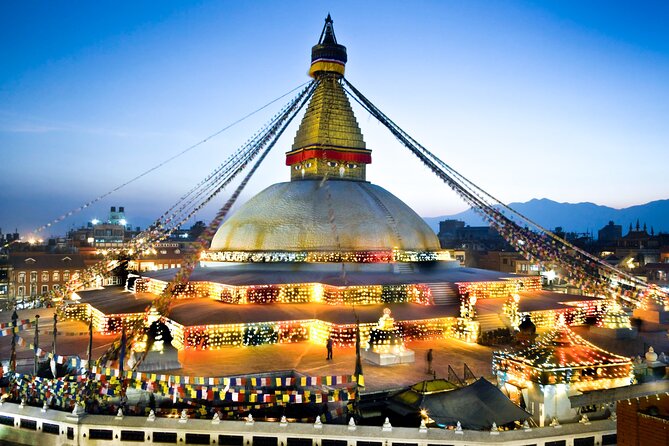
I also love how meals and many activity tickets are handled for you, so you can spend your energy on Boudhanath Stupa and Chitwan’s Rapti River canoe ride, not on sorting logistics every day. The max group size is also capped at 30, which helps the experience feel manageable.
In This Review
- Key highlights worth planning around
- A clear 8-day Nepal route that actually makes sense
- Price and what the $1,400 cost really covers
- Day 1 in Kathmandu: landing, Thamel, and an easy first evening
- Day 2: Boudhanath, Patan Durbar Square, Pashupatinath, and Swayambhu
- Day 3: a highway through the hills, then Chitwan’s river and culture evening
- Day 4 in Chitwan: Rapti canoeing, jungle walk, and jeep safari
- Day 5: Chitwan to Pokhara across three rivers, then Phewa Lake time
- Day 6: Sarangkot sunrise, Devi’s Fall, Gupteswar Cave, and World Peace Pagoda
- Day 7 and Day 8: Durbarmarg free time, then airport transfer
- Group size, guide style, and what you’ll notice on the ground
- Who should book this, and who might choose differently
- Should you book this 8-day Nepal package?
- FAQ
- How long is the tour, and what is the start time?
- Does the tour include airport pickup and departure transfer?
- Is private transportation included?
- What meals are included?
- Are entrance tickets and activity admissions included?
- How many people are in the group?
- Are service animals allowed?
- What happens if weather is poor?
Key highlights worth planning around
- Kathmandu heritage in a focused circuit across Boudhanath Stupa, Patan Durbar Square, Pashupatinath, and Swayambhu
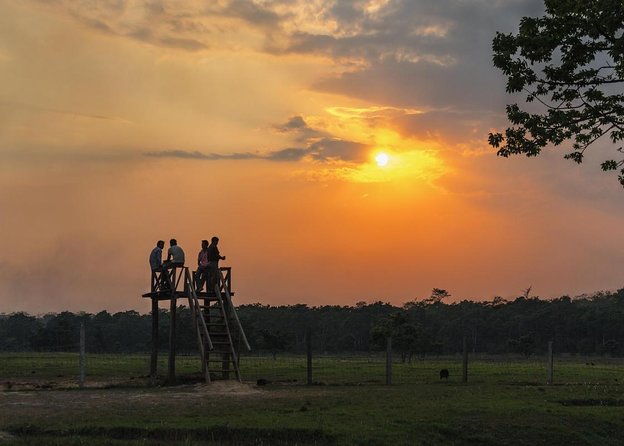
- Chitwan National Park with multiple wildlife-style activities like canoeing, jungle walk, and jeep safari
- Pokhara’s best sequencing with Sarangkot sunrise first, then Devi’s Fall, Gupteswar Cave, and World Peace Pagoda
- Meals included on most days: breakfast (6), lunch (2), dinner (2)
- Small-group feel with a maximum of 30 people, plus free time to roam in Durbarmarg
A clear 8-day Nepal route that actually makes sense
This tour works because it groups Nepal’s big mood shifts together. You start in Kathmandu, where religion and old-world city texture are the main event. Then you drop into Chitwan, where the focus shifts to river life, forest walks, and spotting animals from safari-style outings. After that, you go to Pokhara, which is a slower, scenic contrast: lakes, caves, falls, and viewpoints.
For planning, I like that the day flow keeps moving, but it doesn’t feel like nonstop running. Day 1 is built for orientation. Later, you get a strong day in Pokhara that’s packed, but you’re warned by the early sunrise plan.
This is also a route that suits people who want “major hits” without trying to create their own itinerary from scratch. If you’re the type who likes to know what comes next, you’ll feel comfortable.
You can also read our reviews of more tours and experiences in Kathmandu.
Price and what the $1,400 cost really covers
At $1,400 per person for an 8-day package, the price is really about bundling a few costly things: accommodation at a 5-star level, guided sightseeing, and a chunk of included admissions/activities. It also includes airport pickup, plus a mobile ticket, and it caps the group size at 30.
Here’s the practical part: private transportation is not listed as included. That doesn’t mean you’ll be stuck with nothing. The itinerary clearly plans transfers between places and airport handling. But if you’re picturing a dedicated private car for extra detours outside the route, that’s the part that’s not promised here.
I’d also look closely at meals. You get breakfast 6 times, plus lunch 2 times and dinner 2 times. If you’d rather not pay for every meal on the road, that helps the value math.
Finally, this has “book early” energy. It’s typically reserved about 119 days in advance on average, so if you’re aiming for specific dates, you’ll want to plan ahead.
Day 1 in Kathmandu: landing, Thamel, and an easy first evening
Your day begins at 9:15 am, with pickup from TIA (Tribhuwan International Airport). From there, you’re driven to your hotel and given some time to get your bearings.
The tour names Thamel as the natural first stop. That’s useful because it’s close, walkable in many parts, and it’s the kind of neighborhood where you can quickly handle small needs: snacks, SIM cards, pharmacy stuff, and simple orientation. Durbarmarg is also highlighted as an easy option, especially since it’s described as walking distance. It’s a good choice for your first evening because you’re not choosing between 20 major sites right away.
What I like: day one doesn’t demand perfect stamina. It gives you room to settle in before you start temple and heritage intensity.
What to watch: if you arrive hungry or exhausted, plan an easy start. The day’s major pacing is built around you being able to wander rather than check boxes.
Day 2: Boudhanath, Patan Durbar Square, Pashupatinath, and Swayambhu
Day 2 is your big Kathmandu “world heritage” day, with several major spiritual sites packed in. That can feel like a lot, but the payoff is that you experience different expressions of faith in a single loop.
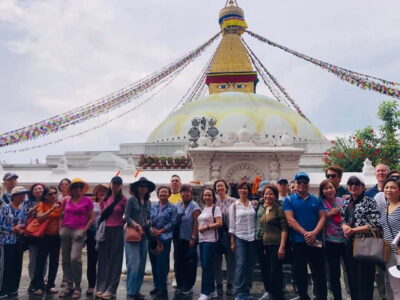
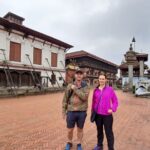
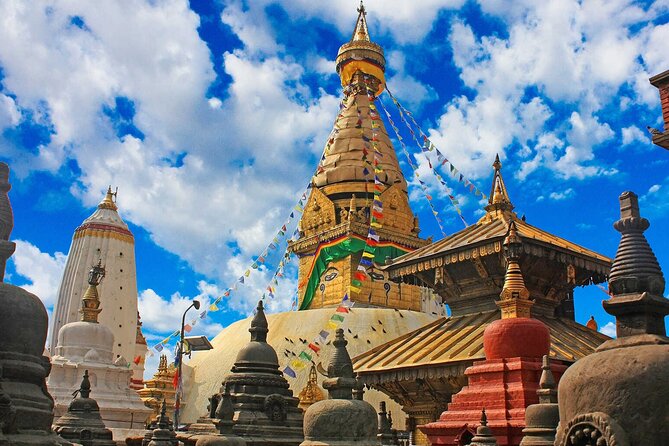
You start with Boudhanath Stupa. The tour description points to the white dome and the colorful Buddhist flags. This is the kind of place where even if you’re not a worshipper, you get a real sense of rhythm: monks, travelers, and locals moving through the same space for years.
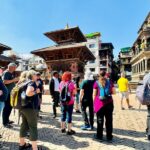
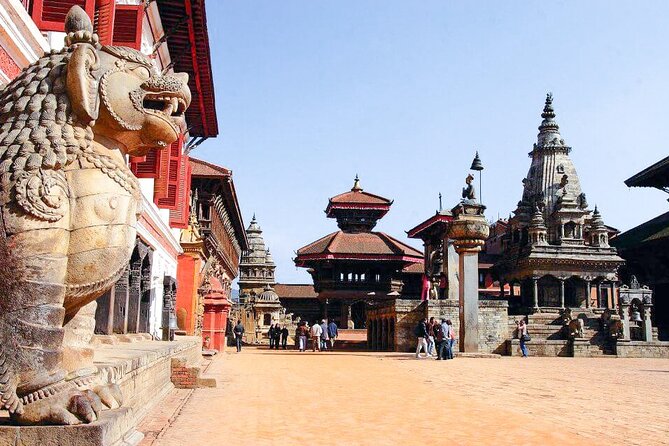
Next is Patan Durbar Square. It’s presented as an area with many Hindu temples and courtyards, including named highlights like Krishna Temple, Golden Temple, Mahabauddha Temple, Hiranya Varna Mahavihar, and the Golden Window. If you love details, this stop scratches that itch. If you’re tired, it can be a bit of visual overload. Still, it’s one of the best places to see Kathmandu Valley’s artistry beyond just one famous temple.
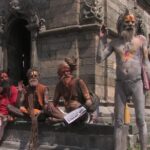
Then comes Pashupatinath Temple on the Bagmati River. The tour notes it as a sprawling collection of Hindu temples, ashrams, images, and inscriptions. This stop is powerful because it’s not a single building you stare at and move on from. It’s an entire complex atmosphere tied to the river’s sacred role.
Finally, you reach Swayambhunath (Swayambhu). The tour points to statues of Lord Gautama Buddha, temples, painted deity images, and religious objects around the hill. If you’ve ever wanted the view-to-spirituality combo, this is it. The ascent to the hill also acts like a slow warm-up for the day’s last big moment.
Included tickets are noted for several of these stops, so you’re not spending your day hunting for admission counters. The trade-off is time on your feet. Good shoes matter here.
Day 3: a highway through the hills, then Chitwan’s river and culture evening
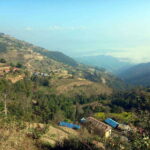
Day 3 starts with a road transfer out of Kathmandu Valley. The tour notes that once you cross the valley, you can see hundreds of hills from the highway, and if you’re lucky, you might glimpse mountains in the distance.
That matters because it changes your mental gear. In Kathmandu you’re mostly surrounded by buildings. On the drive day, your eyes finally get space.
When you reach Chitwan National Park, the schedule turns more gentle and atmospheric. The plan includes a Rapti Riverside walk and a Tharu Cultural show, plus sunset viewing. It’s smart sequencing. Instead of making you jump straight into rough safari activities, it gives you a soft introduction to the region’s nature and local culture.
I like this because it gives context. Tharu culture isn’t presented as a random performance. It’s tied to the area you just arrived in.
Day 4 in Chitwan: Rapti canoeing, jungle walk, and jeep safari
Day 4 is your hands-on wildlife day. The best part is the mix: water, forest, and jeep time.
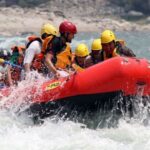
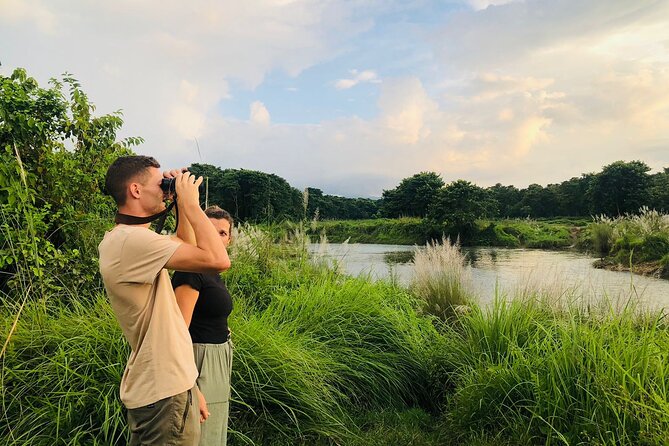
You start with canoeing on the Rapti River. The tour description highlights the chance to take close views of crocodiles and other wildlife from within Chitwan National Park. Even if you don’t see every animal you hope for, canoe time is usually the most relaxing way to be near wildlife habitat. It’s also a good way to slow down and pay attention.
Next is a jungle walk. The description emphasizes thick forest and strolling through animals’ native home. This is where the pace can feel more physical. You’ll want to be comfortable walking on uneven ground and staying alert.
After that, you visit Sauraha, with a stop at an Elephant Breeding and Training center. The tour lists it as free admission. So it becomes a low-stress add-on, something you can enjoy without worrying that you’ll run out of time for the later portions.
Then there’s Chitwan Tharu Village, described as a chance to witness daily lifestyle and activities of the Tharu community. This is one of the best parts of the whole tour if you care about more than just animals. It helps you connect the natural setting to the people living there.
Finally comes the jeep safari. The plan describes an open-top jeep approach for cruising through dense jungle and observing animals, with the feel of capturing quick snapshots. This is the part for animal-spotting intensity. It’s also usually the day where you remember that Nepal road conditions can mean bumpy rides. If you’re sensitive to motion, bring what you need.
Day 5: Chitwan to Pokhara across three rivers, then Phewa Lake time
This is your transition day from wildlife to scenery.
The tour notes the drive crosses three major rivers: Trisuli, Marsyangdi, and Daraudi. Even when you’re not doing activities, river-crossing drives can be surprisingly scenic, and it’s a nice break from constant city temples.
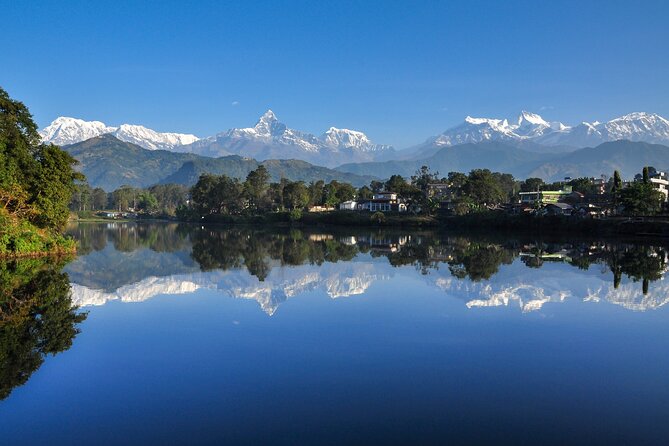
When you arrive in Pokhara, Phewa Tal becomes the main focus. The description calls it synonymous with Pokhara, and it includes visiting the lake and boating. I like this kind of end-to-day activity because you get a clear “Pokhara feeling” in one shot. You’re not rushing to a viewpoint right away. You’re easing into calm.
The trade-off is that you’ll likely feel a little travel fatigue. Plan to take it easy after the ride. Keep the evening flexible for your energy level.
Day 6: Sarangkot sunrise, Devi’s Fall, Gupteswar Cave, and World Peace Pagoda
Day 6 is the day with the biggest view payoff, but it starts with commitment: Sarangkot sunrise.
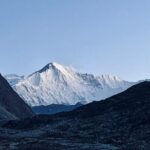
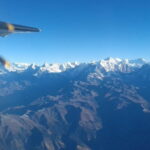
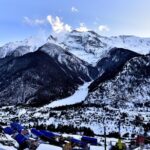
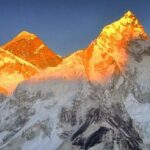
The schedule has you starting your morning with sunrise views from Sarangkot Hill, with the possibility of seeing parts of the Annapurna and Manaslu regions and the Pokhara valley. Whether the sky is perfect or not, sunrise time usually becomes a highlight because you’re watching the world wake up. It’s also why planning for comfortable morning conditions matters (warm layers can help, even in the day’s early hours).
Then you head to Devi’s Fall, described as originating from Phewa Lake and entering down through a narrow gorge into the Seti River. The time allocation is shorter, but it’s a good contrast after sunrise: more story, more physical curiosity than wide-open views.
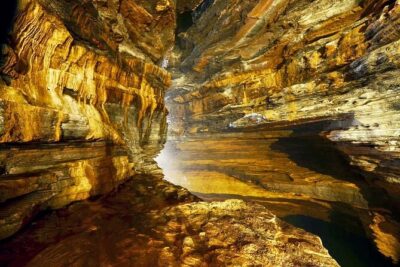
Next is Gupteswar Gupha (Gupteswar Cave). The description says it’s the longest cave at 2950m and notes it was discovered in the 16th century. This stop gives you a break from outdoor sun and adds a different texture to the day: cool air, dark spaces, and simple exploring.
Finally, there’s the World Peace Pagoda. The tour mentions it’s white and peaceful, and it includes a short hike from the city plus enjoying the lakeside view from a single point. If you want one last “Pokhara wow” moment without needing a long trek, this is a practical way to do it.
This day is packed. If you like to keep schedules, you’ll be fine. If you hate back-to-back activities, you might feel time tight.
Day 7 and Day 8: Durbarmarg free time, then airport transfer
After returning to Kathmandu, the tour gives you time for Durbarmarg on day 7. The description points to clubs, pubs, massage centers, shopping, and views of Narayanhiti Palace. The key word here is flexible. This isn’t another checklist day. It’s your chance to shop, relax, or just wander where the city feels easiest.
Then on day 8, staff take you to Tribhuvan International Airport based on your flight time. The value is clear: you’re not left figuring out timing on your own when you’re tired from the trip.
Group size, guide style, and what you’ll notice on the ground
The tour caps the group at 30 travelers, which helps keep logistics reasonable and the experience from feeling chaotic.
In the experiences shared by people who booked through The Great Adventure Treks & Expedition, Mani (owner) is described as easy to communicate with and strong at arranging itineraries. Guides mentioned include Sanjaya, and drivers mentioned include Binod and Ram. Since names aren’t guaranteed for every departure, think of this as a sign that they have an established team and a service culture people feel confident with.
Service animals are allowed, and the tour notes it’s near public transportation. It also says most people can participate, which fits this overall style: sightseeing plus a few wildlife activities, not technical hiking.
Who should book this, and who might choose differently
This tour is a good fit if you want:
- A single, guided route that covers Kathmandu heritage, Chitwan nature time, and Pokhara scenery
- A mix of temples, river wildlife activities, and viewpoint days
- Included meals that reduce daily spending and decision fatigue
It might not be the best match if you:
- Want zero early mornings (Sarangkot sunrise is a core part of the plan)
- Hate packed schedules or long ride days
- Are looking for extra freedom to customize beyond the listed stops
Also, Nepal weather matters. The tour states it requires good weather, and if it’s canceled due to poor conditions, you’ll be offered a different date or a full refund.
Should you book this 8-day Nepal package?
I’d recommend it if you want a smooth, well-structured introduction to Nepal’s three most famous zones, without building your own plan from scratch. The value is strongest when you care about having meals included, key admissions handled, and transfers organized.
Before you book, do two sanity checks:
- Be honest about your tolerance for walking lots of temple steps and doing a full day in Pokhara.
- Remember that private transportation isn’t listed as included, so any extra side trips outside the itinerary could cost extra.
If those points sound fine, you’re likely to enjoy a trip that feels like real Nepal variety, not just one city stretched too thin.
FAQ
How long is the tour, and what is the start time?
The tour runs about 8 days, and it starts at 9:15 am.
Does the tour include airport pickup and departure transfer?
Yes. You’re picked up from TIA on the first day, and staff take you to Tribhuvan International Airport on the departure day based on your flight time.
Is private transportation included?
No. The tour notes that private transportation is not included.
What meals are included?
Breakfast is included 6 times. Lunch is included 2 times, and dinner is included 2 times.
Are entrance tickets and activity admissions included?
Some admissions are included and some are marked free in the itinerary. For example, Boudhanath Stupa, Patan Durbar Square, Pashupatinath Temple, and Swayambhunath are listed as included, while some activities like the Rapti River canoeing and the Elephant Breeding and Training center are listed as free.
How many people are in the group?
The maximum group size is 30 travelers.
Are service animals allowed?
Yes, service animals are allowed.
What happens if weather is poor?
The tour requires good weather. If it’s canceled due to poor weather, you’ll be offered a different date or a full refund.