REVIEW · KATHMANDU
Kathmandu: Private/Group Unesco Heritage Sites Guided Tour
Book on GetYourGuide →Operated by Welcome Nepal Treks P.Ltd · Bookable on GetYourGuide
Three temples, one big lesson in devotion.
This UNESCO heritage tour stitches together Swayambhunath’s hilltop viewpoint, and the ritual moment at Bouddhanath where you spin prayer wheels. I also like how the day keeps you moving with a clear sequence, so you see the meaning behind Hindu and Buddhist sacred sites. One thing to consider: 6 hours is a fast pace, so you’ll want to accept that you’re seeing highlights, not lingering all day.
The quality of the guiding really matters here. An English-speaking professional guide and an English audio guide help you connect the dots as you go, and the experience is set up with hotel pickup and air-conditioned car comfort. Past groups have particularly praised guides such as Rabina and Manoj KC for staying attentive to interests and sharing plenty of context, plus drivers who keep things smooth and polite.
In This Review
- Key points to know before you go
- A 6-hour loop through Kathmandu Valley’s UNESCO temples
- Swayambhunath hilltop pilgrimage: views from the oldest temple
- Patan (Lalitpur) cultural stop: temples plus a local lunch break
- Pashupatinath and the Bagmati River: Hindu devotion at full volume
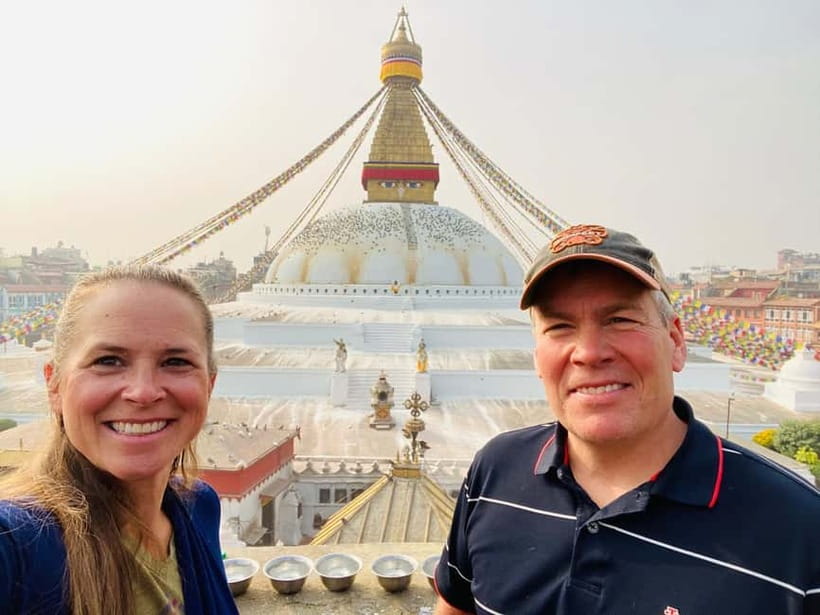
- Bouddhanath stupa: prayer wheels, four eyes, and a calmer rhythm
- Price and value: what you pay, what it covers, and what it doesn’t
- How the guide makes or breaks the day
- Logistics that matter: timing, comfort, and who should skip it
- Best fit: who this tour works for
- Should you book? My take on the decision
- FAQ
- FAQ
- How long is the Kathmandu UNESCO heritage sites guided tour?
- What’s the price per person?
- Where is pickup available?
- What UNESCO sites does the tour focus on?
- Is the tour offered in English?
- Does the tour include entrance fees?
- Are meals included?
- Is the tour private?
- What should I bring or have with me?
- Is it suitable for people with mobility impairments?
Key points to know before you go
- Hilltop start at Swayambhunath for sweeping Kathmandu Valley views and an easy-to-follow pilgrimage route
- Patan cultural stop that adds art and architecture context between the biggest temples
- Three UNESCO temple focus: Swayambhunath, Pashupatinath, and Bouddhanath
- Bouddhanath prayer wheels with the famous four pairs of eyes facing four directions
- Bagmati River moment near Pashupatinath tied to Hindu beliefs about cleansing
- Hotel pickup and AC transportation to save you planning time in traffic
A 6-hour loop through Kathmandu Valley’s UNESCO temples
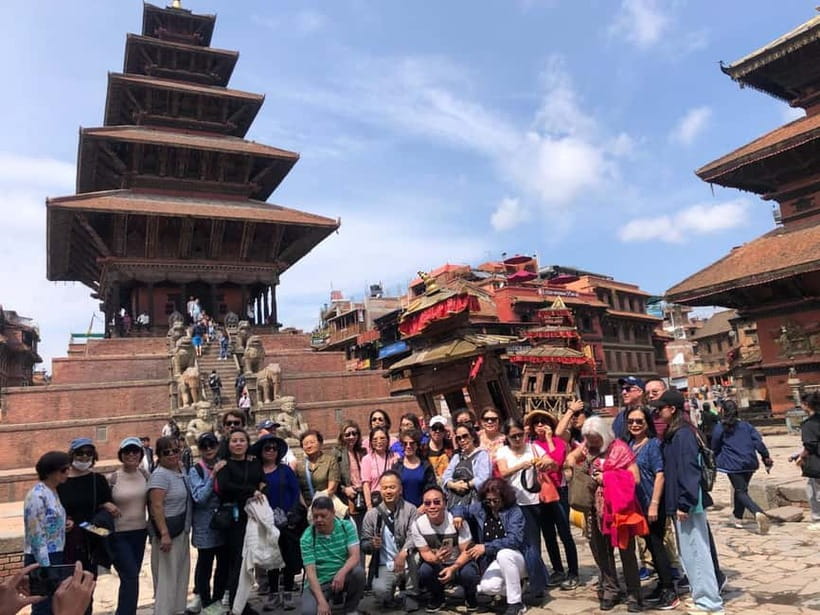
This is a practical, full-day circuit built for people who want the big sacred sites of Kathmandu Valley without the stress of figuring out logistics between neighborhoods. The tour runs about 6 hours, with hotel pickup and drop-off from Kathmandu, Bhaktapur, or Patan (Lalitpur). You’re also dealing with real-world traffic: plan for a small 3–5 minute delay now and then, and you’ll keep the day feeling relaxed.
The route is intentionally logical. You begin with the hilltop view temple (Swayambhunath), then shift into Patan’s cultural atmosphere, and finish with the two heavyweight spiritual anchors: Pashupatinath and Bouddhanath. The pacing is brisk, but the payoff is that you walk away with a clearer picture of how the valley’s two major religious traditions share space, symbols, and ritual rhythm.
There’s also a “choose your comfort” angle. The tour notes both private group availability and pickup options in multiple cities, so if your base is outside central Kathmandu, you’re not forced into a long commute. And since bottled water and air-conditioned transport are included, you can focus on temples and photos instead of logistics.
You can also read our reviews of more guided tours in Kathmandu
Swayambhunath hilltop pilgrimage: views from the oldest temple
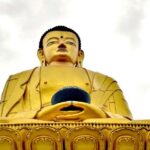
Swayambhunath is where the day starts to feel special fast. It sits on a hill, so right away you get that sense of arriving at a place that’s meant to be seen from above. The tour includes time to explore the pilgrimage area (about 1.5 hours), and you’ll also get the key bonus: incredible views of Kathmandu Valley from the top.
If you’ve heard Swayambhunath called the Monkey Temple, this is exactly why. The hill location creates a natural viewpoint, and the whole area is designed for movement—walkways, small shrines, and photo angles that feel like they reveal the site piece by piece. It’s also described as the oldest temple in Nepal, which is the kind of detail that helps the visit feel more than scenic. You’re not just collecting landmarks; you’re stepping into a religious location that’s tied to long continuity.
Practical tip: start the day ready to walk. The itinerary builds in a photo stop and guided exploration time here, which means you’ll get the best angles without needing to hunt for them on your own. If you’re short on time in Kathmandu, this first stop is a smart use of that time because it combines viewpoint, pilgrimage setting, and iconic temple atmosphere in one.
Patan (Lalitpur) cultural stop: temples plus a local lunch break
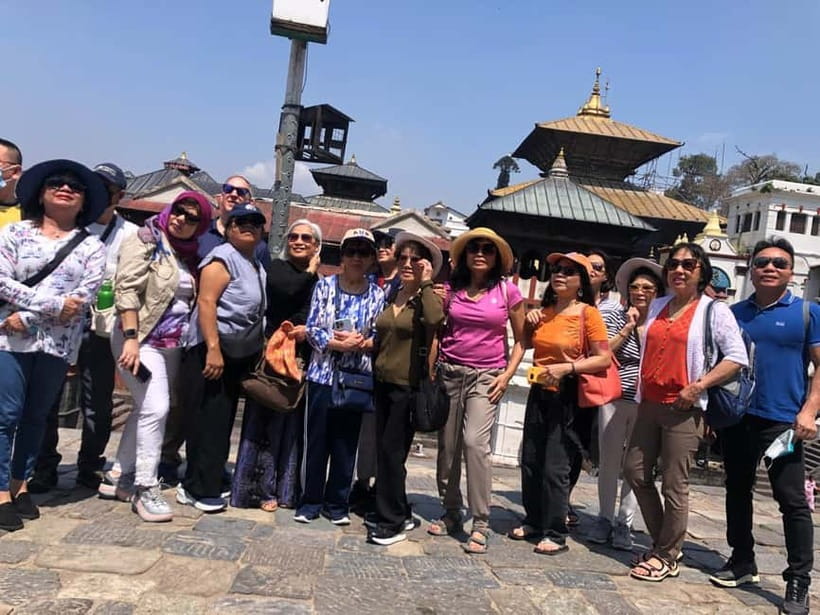
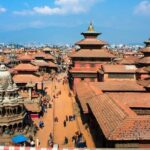
Between the two larger temple visits, Patan gives your brain room to breathe. The schedule includes time in Patan (Lalitpur) with a photo stop and a guided walk (about 1.5 hours), plus some free time to look around. This stop matters because it shifts the story from “religion as spectacle” to “religion as culture,” where art, architecture, and city identity get woven together.
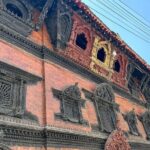
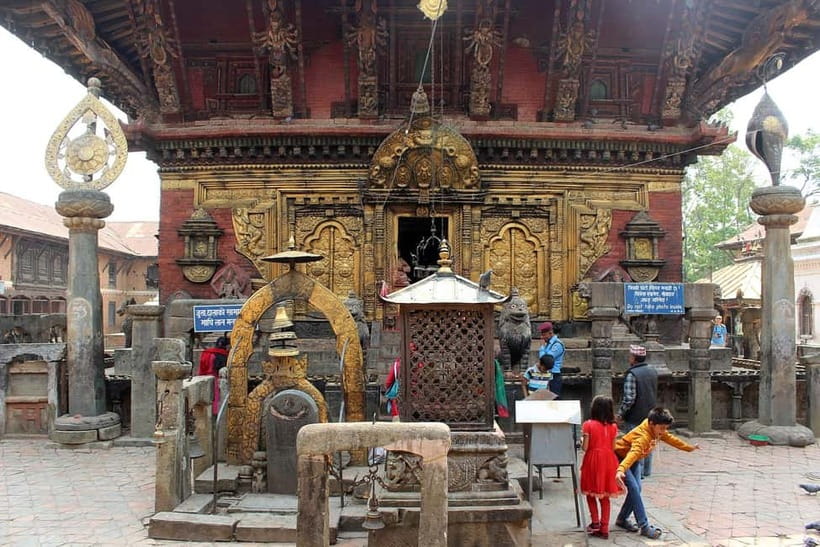
Patan is known for its cultural and artistic heritage, and the tour uses that to make the day feel less like a checklist. You’ll see temples and admire ancient architecture, and then you’ll have a chance for local cuisine lunch. Food isn’t included in the price, so you’ll want to budget for that meal separately, but the timing is convenient: you’re not forced to eat on the run between major stops.
If you care about understanding how Kathmandu Valley’s heritage looks in everyday city life, this Patan segment is the bridge. Swayambhunath gives you a dramatic viewpoint. Patan shows you the built culture around devotion. Then the day swings back into intense spiritual sites at Pashupatinath and Bouddhanath.
Pashupatinath and the Bagmati River: Hindu devotion at full volume
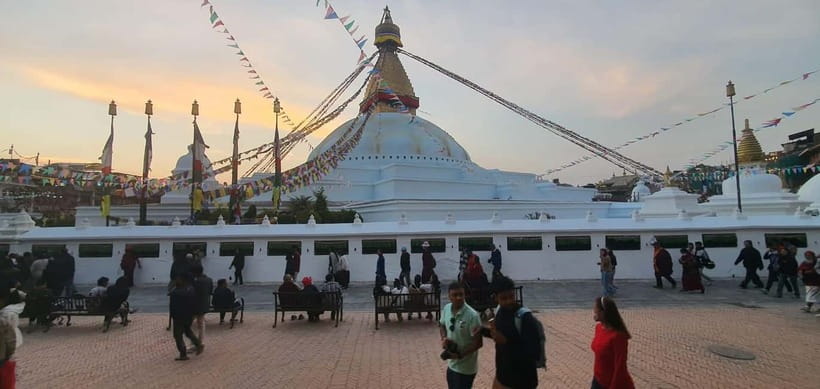
After Patan, the tour takes you to Pashupatinath Temple, one of the most famous and sacred Hindu shrines in the world. This is where the experience becomes less about scenery and more about spiritual practice and symbolism. You’ll have time to explore with your guide (around 1.5 hours), including a break window built into the schedule.
The tour description highlights a key idea of cleansing at the Bagmati River, and it even references a spiritual swim tied to the belief that it can wash away sins. Even if you don’t take the idea literally, the moment near the river is part of what makes Pashupatinath feel real. You’re not just hearing religious concepts; you’re seeing how they connect to daily place and ritual behavior.
Your guide is also part of this stop’s value. The experience explicitly notes that you’ll learn about Lord Shiva’s importance to Hinduism here. That sort of framing is what turns a temple visit from photo-taking into understanding. You start seeing why certain elements matter, and you’re less likely to miss what’s actually going on around you.
Balanced expectation: this is a busy sacred area, and it can be intense in the way major pilgrimage sites often are. The tour keeps you oriented by combining guided time with practical break space. If you want a calm pace, you may need to lean on the guide to help you choose where to stand and when to step back during busier moments.
Bouddhanath stupa: prayer wheels, four eyes, and a calmer rhythm
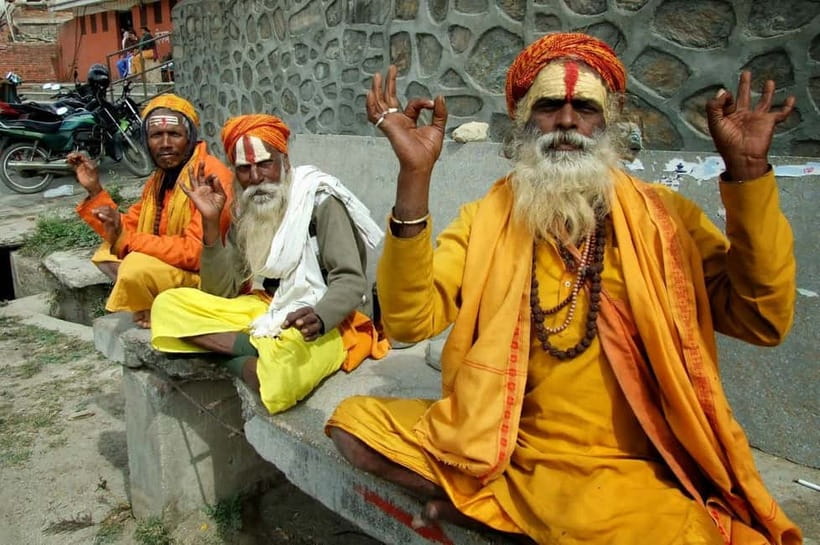
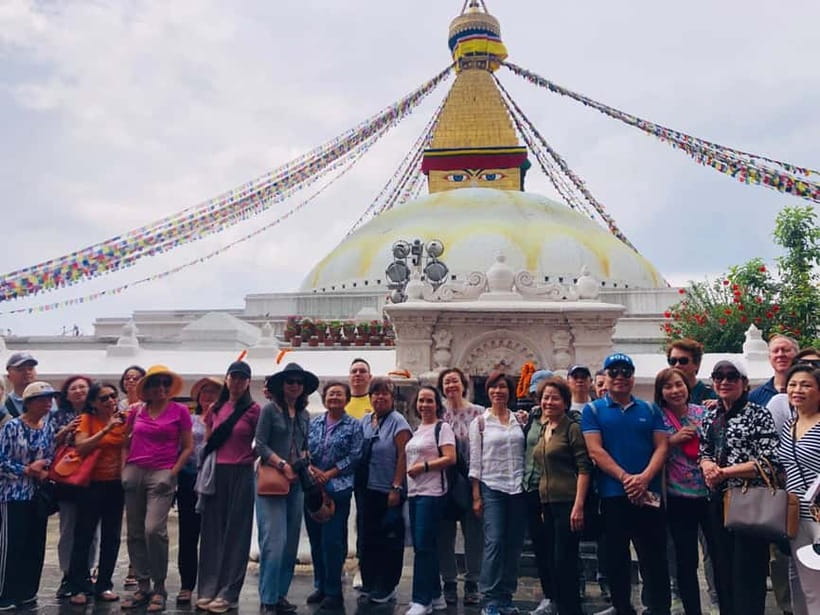
By the time you reach Boudhanath Stupa, the day shifts again. The schedule includes time for guided exploration and free time (about 1.5 hours), plus the chance to shop around the area. This stop is often the emotional reset of the tour because the stupa’s atmosphere is built for repetition and focus.
Bouddhanath is famous for the four pairs of eyes facing four directions. That visual detail does more than look striking in photos. It gives you something to watch for as you move around the monument, turning a landmark into a “living symbol” you can notice from multiple angles.
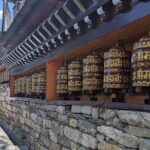
The highlight here is the ritual you can do: you get to spin the prayer wheels. If you’re the type who likes learning by doing, this is one of the best moments in the day. It’s simple, it feels participatory, and it fits the stupa’s design, where movement and intention are part of the experience.
Photographs are naturally part of the visit, and the itinerary explicitly gives time for photo stops. But if you want to do more than just take images, slow down for a minute. Watch how people move, listen to what your guide explains, and use the prayer wheel moment to anchor the meaning of the site.
You can also read our reviews of more private tours in Kathmandu

Price and value: what you pay, what it covers, and what it doesn’t
The price is listed at $40 per person for the 6-hour experience, and the inclusions are what make it feel like real value rather than a ticket price for someone’s driving time.
What’s included:
- Hotel pickup and drop-off
- A professional tour guide
- Air-conditioned private transportation
- Bottled water
- Entrance fees if you choose the all-inclusive option
- Government tax and service charge
What’s not included:
- Food and drinks
There’s also a useful heads-up on entrance costs. If you want a ballpark, the total entrance fees for heritage sites are approximately USD 43 (NPR 5,800 per person). The tour notes this total and also that the entry fees are included only when you select the all-inclusive option. So before you compare prices, make sure you know whether you’re paying entrance fees on top or already bundled.
My take on value: you’re paying for three UNESCO temple experiences with guided interpretation, plus transport across Kathmandu Valley. If you’re already staying in Kathmandu or nearby (Patan/Bhaktapur), the included pickup and AC transport reduce hassle quickly. And since food isn’t included, you’ll likely spend a bit on lunch anyway—so plan for one meal out as part of the day.
How the guide makes or breaks the day
In a tour like this, a guide isn’t a bonus. It’s the product. You’re moving through sacred places packed with symbols and layered meanings, and you’ll understand them far better with a person who can explain what you’re looking at.
English-speaking guides are part of the plan, and the experience also includes an English audio guide. That combination is handy if you want to re-listen to context while walking, or if you prefer to look around at your own speed for a moment.
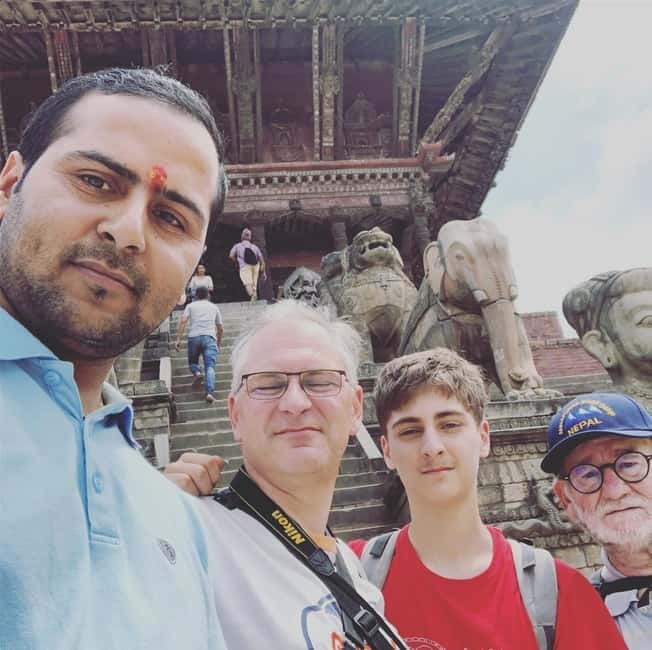
Past groups have highlighted real names tied to strong guiding. Manoj KC is praised for broad cultural knowledge and for practical recommendations on where to eat and shop. Rabina is specifically commended for being attentive to interests and making solo travelers feel comfortable, with women traveling alone noting that having a woman guide can matter for comfort. There are also references to a driver named Shawshank Kumar being polite and helpful, and a guide named Nerry being kind and attentive.
What you should take from that: this tour can feel either like a guided walk with context or like a rushed temple sprint. The difference is the guide’s pacing and how clearly they connect the religious stories to what you can physically see.
Logistics that matter: timing, comfort, and who should skip it
The experience includes air-conditioned transportation and bottled water, which is not a small thing in a city where traffic can change your timing. The day is structured to move efficiently, but the tour also openly notes the possibility of a few minutes delay due to traffic and coordination. If you’re the kind of person who needs every minute to be perfect, that’s your heads-up.
A second practical note: the tour is not suitable for people with mobility impairments. Since the itinerary involves temple areas and walking time, you should assume there are steps, uneven surfaces, and normal walking demands.
If you’re healthy and steady on your feet, the pacing is doable. Still, I’d plan to keep your expectations realistic. This is high-impact sightseeing in a short window. You’ll come away with a strong sense of Kathmandu Valley’s UNESCO heritage, but you won’t see every side alley and small shrine in full detail.
Best fit: who this tour works for
This tour fits best if you want:
- A structured, time-efficient way to hit key UNESCO sites in Kathmandu Valley
- Guided context for Swayambhunath, Pashupatinath, and Bouddhanath
- A mix of viewpoints, temple ritual, and Patan’s city-scale cultural atmosphere
- Included pickup/drop-off so you don’t burn time figuring out transportation
It’s also a decent match for solo travelers who want help navigating sacred sites. Since the tour has English guides and includes both guided time and some free time, you can ask questions, then step back to look around without feeling lost.
If you prefer a slow, deep, hours-long experience at one site, this might feel rushed. But if you’re on a tight schedule or want the “big four” UNESCO anchors in one go, it’s a strong format.
Should you book? My take on the decision
I’d book this tour if your priority is a guided highlights circuit through Kathmandu Valley’s most meaningful UNESCO temple sites, with practical hotel pickup and AC transport doing the heavy lifting. The value gets better if you choose the all-inclusive option for entrance fees, since you’ll have one less cost to manage on the day.
Skip it or consider a different option if:
- You need an easy-motion route and have mobility limits, since it’s not suitable for mobility impairments.
- You hate a packed schedule. The day is built for motion, with about 6 hours and multiple major stops.
If you want a single day that helps you understand how Swayambhunath’s hilltop devotion, Patan’s cultural architecture, Pashupatinath’s Hindu ritual atmosphere, and Bouddhanath’s Buddhist prayer-wheel practice connect into one Kathmandu Valley story, this tour is a solid choice.
FAQ
FAQ
How long is the Kathmandu UNESCO heritage sites guided tour?
It lasts about 6 hours.
What’s the price per person?
The price is listed as $40 per person.
Where is pickup available?
Pickup options include Bhaktapur, Kathmandu, and Patan (Lalitpur). You’re picked up from your hotel.
What UNESCO sites does the tour focus on?
The tour highlights three UNESCO World Heritage temples: Swayambhunath, Pashupatinath, and Boudhanath.
Is the tour offered in English?
Yes. The live tour guide is English, and the audio guide is also English.
Does the tour include entrance fees?
Entrance fees are included if you select the all-inclusive option. Otherwise, you should budget for heritage entrance fees, which total approximately USD 43 (NPR 5,800 per person).
Are meals included?
Food and drinks are not included. You’ll have time for lunch during the day, but you’ll pay for it separately.
Is the tour private?
A private group option is available.
What should I bring or have with me?
The tour notes bringing a passport or ID card and cash.
Is it suitable for people with mobility impairments?
No, the tour is not suitable for people with mobility impairments.