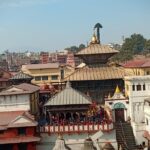
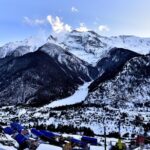
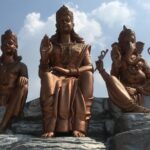
A hilltop skyline of temples makes Kathmandu feel instantly alive. This private-car loop is a practical way to hit major UNESCO World Heritage stops in about 6 to 7 hours, without fighting traffic or figuring out transport. I like the hotel pickup and drop-off, which saves time the moment you arrive, and I also like having an English-speaking tour guide to connect the dots between Buddhist and Hindu sacred sites. One thing to plan for: entrance fees are not included at several stops, so you’ll want extra cash (or a card) and a little patience around ticketing.
The route is built for a smooth day. You’ll move place to place by private vehicle, with bottled water included, and you’ll get a focused visit at each major landmark rather than an all-day wandering marathon. The only drawback I’d flag is that the time at some sites is brief—great for an overview, but not ideal if you like to linger for long photo sessions.
Because it’s a private trip (only your group), your schedule stays flexible. It’s also described as suitable for most travelers, which makes it a strong pick if you’re short on time but still want the Kathmandu highlights in one go.
In This Review
- Key Things to Know Before You Go
- Why a Private-Car Kathmandu Valley Loop Works
- Price and Logistics: What $80 Per Person Really Buys
- Stop 1: Swayambhunath Hill Temple in About an Hour
- Stop 2: Boudhha Stupa for a Calm, Short Break
- Stop 3: Pashupatinath Temple and the Non-Included Admission
- Stop 4: Kathmandu Durbar Square, Where Royal Power Shows Up
- Stop 5: Narayanhiti Palace Museum, From Royal Palace to Museum
- Transportation Comfort and Guide Style That Makes It Easier
- Who This Tour Fits Best (and Who Might Want Something Else)
- Should You Book This Kathmandu Private-Car City Tour?
- FAQ
- What is included in the Kathmandu City Tour price?
- Are entrance fees included for all stops?
- How long does the tour take?
- Does the tour include pickup from your hotel?
- Is this a group tour with other people?
- What is the cancellation policy?
Key Things to Know Before You Go
- Private car, hotel pickup included: you start and end with less hassle than DIY sightseeing.
- UNESCO-linked stops: most of the places on the route fall under UNESCO World Heritage coverage.
- Mixed ticket situation: some sites are free, while others require entrance fees you pay separately.
- English-speaking guide: explanations help you understand what you’re seeing instead of just snapping photos.
- Short, efficient visits: each stop is timed well for a first visit without exhausting you.
- Only your group: no joining random strangers mid-day.
Why a Private-Car Kathmandu Valley Loop Works
Kathmandu Valley can feel intense on your first day. Roads are busy, signage isn’t always obvious, and hopping between distant temples can eat up your time fast. This tour solves that by moving you by private car with round-trip transfer, so you can spend your energy looking at the sites instead of planning the next ride.
I also like the way the day balances Buddhist and Hindu landmarks. You start with hilltop and stupa views, then shift into major Hindu heritage at places like Pashupatinath, before finishing with a royal museum setting. That arc makes the city feel less like a checklist and more like a story.
Because the schedule is built around a handful of key stops, you’re not stuck in transit all day. You get enough time at each place to understand the vibe, walk around, and take in the atmosphere before your next transfer.
You can also read our reviews of more city tours in Kathmandu
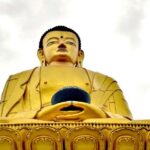
Price and Logistics: What $80 Per Person Really Buys
At $80 per person for roughly 6 to 7 hours, the value comes from the combination of transport + guide + convenience. You’re paying for more than a ride; you’re paying for a structured route, an English-speaking guide, and hotel pickup and drop-off included.
Here’s the practical side: meals and personal expenses are not included, and entrance fees are not included for several stops. On paper it’s still good value, because the tour covers the expensive part of sightseeing logistics—getting you to the sites in a way that’s smooth and time-efficient.
Also, you’ll get bottle of water, which may sound small, but on a warm Kathmandu day it helps. The tour is listed as private, so you’re not splitting attention with a crowd, and the notes also mention group discounts, which can lower the per-person cost when you travel together.
If you’re traveling as a couple, with friends, or as a family unit, this is the kind of tour that makes budgeting easier. Just remember to set aside entrance fees for the stops that don’t include them.
Stop 1: Swayambhunath Hill Temple in About an Hour
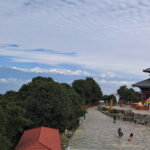
Your day starts at Swayambhunath, the Buddhist temple complex on top of a hill. The timing here is around 1 hour, which is enough to get your bearings, enjoy the viewpoint vibe, and walk through the temple area without rushing through everything.
This is a great first stop because it “tunes” your eye. Once you’re at Swayambhu, you can start spotting architectural details and thinking about how Buddhist symbolism works in real space, not just in guidebook photos.
One practical consideration: since it sits up on a hill, you should expect stairs and some uphill walking. If anyone in your group has mobility limits, you’ll want to go slow and plan for frequent pauses—though the tour is listed as suitable for most travelers, comfort still matters.
Good news: the admission ticket at this stop is free, so you can spend your time focusing on the site rather than on ticket lines. It’s a smooth start and a strong orientation point for the rest of the day.
Stop 2: Boudhha Stupa for a Calm, Short Break
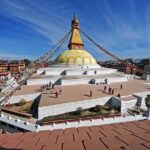
Next up is Boudhha, another Buddhist landmark with a very distinctive stupa presence. Your time here is about 40 minutes, and the admission is listed as free, which keeps the schedule light.
I like Boudhha because it’s often a contrast to the more hectic energy of Kathmandu street life. Even within a short window, you can feel the difference—quiet attention, respectful viewing, and the chance to slow down a bit before moving on to Hindu sites.
With only 40 minutes, this isn’t the place for a long sit. Think of it as a focused stop: walk the area, look at the stupa, and reset your mindset before your next major stop.
If you’re picky about planning, this timing works well. It gives you enough time to enjoy Boudhha without risking the day running late, and it keeps the overall route efficient.
Stop 3: Pashupatinath Temple and the Non-Included Admission
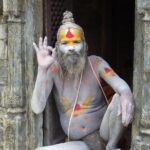
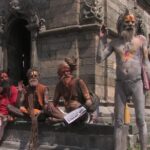
After the Buddhist stops, you head to Pashupatinath, one of Nepal’s most famous Hindu temples. The scheduled time is about 1 hour 30 minutes, and admission here is specifically listed as not included.
This longer block is useful. Pashupatinath is a place where you’ll likely want to stop, watch, and take your time reading what’s happening around the temple area. The extra minutes also give your guide space to explain the significance of what you’re seeing.
The main thing to plan for is the admission ticket cost, since it’s not included. I’d recommend bringing some spare payment options and keeping a little flexibility if ticketing or entry procedures slow things down.
Another practical tip: because it’s a major sacred site, you’ll get the best experience if you focus on respectful observation rather than rushing your photos. Your guide’s explanation matters most at stops like this, and it’s one of the reasons I think an English-speaking guide is worth the price.
You can also read our reviews of more private tours in Kathmandu

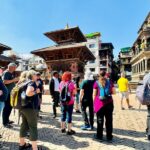
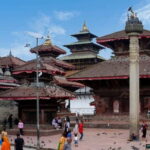
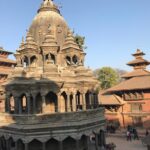
Stop 4: Kathmandu Durbar Square, Where Royal Power Shows Up
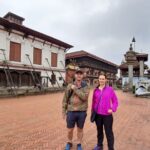
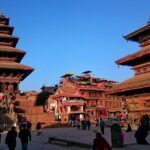
Then you move to Kathmandu Durbar Square, described as an ancient royal palace of Nepal. Your time at this stop is about 1 hour, and admission is also not included.
This stop is your “heritage architecture” moment. It’s not just a temple stop—it’s a place where you can feel the legacy of royal design and public significance. If you like old urban layouts and intricate stone details, Durbar Square is usually where that interest pays off.
The one-hour timing is ideal for a first visit. You’ll see enough to understand why it mattered, and you can decide what you want to study more if you return later on your own.
Since admission isn’t included, plan for the ticket expense and build a little buffer in your mindset. The tour still moves smoothly, but sacred and heritage sites can involve entry steps that take longer than expected.
If you want a clean day without decision fatigue, Durbar Square is a strong mid-afternoon anchor. It helps you feel like you’ve moved beyond just temples into Kathmandu’s broader historical identity.
Stop 5: Narayanhiti Palace Museum, From Royal Palace to Museum
Your final major stop is Narayanhiti Palace Museum, the latest royal palace of Nepal, now turned into a museum. The visit time is about 40 minutes, and admission is not included.
This is a smart closing choice because it changes the tone. You go from active sacred spaces into a museum environment, where you can focus on exhibits and learn without constantly moving through crowds.
Forty minutes is short, but it’s enough to get an overview and walk away with real context. If you tend to like museums more than temples, this is likely the stop you’ll appreciate most for its structured explanation.
As with the other non-included admission stops, the key practical detail is budget. Set aside museum entrance fees ahead of time, and don’t schedule anything tight right after the tour ends—your evening plans will thank you.
If you’re trying to keep your Kathmandu visit efficient, ending with Narayanhiti is a good move. It leaves you with both visual memories and information to remember long after you’ve left.
Transportation Comfort and Guide Style That Makes It Easier
The biggest day-to-day win here is comfort. A private car means you can sit, stay oriented, and let someone else handle the turns and timing. You also get bottle of water, which keeps you from scrambling during transitions.
The other major value is the guide. Your tour includes an English-speaking tour guide, and the experience is described as well managed with clear explanations. In the guide team, people have specifically mentioned names like Mr. Subham and Bisham, and the pattern is consistent: explanations that make sacred sites feel understandable rather than mysterious.
That’s the difference between seeing landmarks and actually learning from them. When you know what you’re looking at—Buddhist symbolism at Swayambhunath and Boudhha, Hindu heritage at Pashupatinath, and royal-era context at Durbar Square and Narayanhiti—you’ll remember the trip as more than a sequence of photos.
You’ll also like the pacing if you prefer structure. Each stop has a planned time window, which helps you avoid the classic first-day problem: spending too long at one place and missing the rest.
Who This Tour Fits Best (and Who Might Want Something Else)
This tour is especially good if you’re:
- On a first visit to Kathmandu and want major heritage highlights in one day
- Traveling with family or friends who prefer fewer transport decisions
- Short on time but still want a guided overview instead of DIY navigation
It’s also a solid choice if you like a mix of Buddhist and Hindu heritage. The route naturally moves between the two, so you don’t end up spending the whole day in just one style of sacred space.
Where I’d be cautious is if you’re the type who wants to spend hours at each site. The time blocks are efficient: one hour at Swayambhu, 40 minutes at Boudhha, 1 hour 30 minutes at Pashupatinath, and smaller windows at Durbar Square and Narayanhiti. That’s perfect for a highlight day, but not ideal for slow travel.
If entrance fees frustrate you, budget for them. Several of the big-ticket heritage stops on the route have admission not included, so your final spend will be higher than the base price.
Should You Book This Kathmandu Private-Car City Tour?
If you want a smooth, organized Kathmandu Valley highlight day, I’d say this is a strong booking. The blend of hotel pickup, private transport, and an English-speaking guide does most of the work for you. You’ll cover key Buddhist and Hindu landmarks plus royal heritage and a museum, all within a time frame that’s manageable.
I’d book it if your priority is value through convenience and clarity. Paying $80 isn’t just for sightseeing; it’s for removing friction—transport, timing, and interpretation.
I’d hold off only if you’re planning to spend extra-long time at each site or if you don’t want to deal with separate entrance fees. In that case, you might prefer a more flexible itinerary where you control visit lengths.
Overall, it’s a smart choice for a first Kathmandu day when you want to get your bearings fast and still feel like you experienced the city, not just passed through it.
FAQ
What is included in the Kathmandu City Tour price?
The tour includes hotel pickup and drop-off, round trip transfers by private car, an English-speaking tour guide, bottle of water, and it’s a private trip.
Are entrance fees included for all stops?
No. Admission tickets are free for Swayambhunath and Boudhha, but admission for Pashupatinath Temple, Kathmandu Durbar Square, and Narayanhiti Palace Museum is not included.
How long does the tour take?
The duration is listed as approximately 6 to 7 hours.
Does the tour include pickup from your hotel?
Yes. Hotel pickup and drop-off are included, and pickup is offered.
Is this a group tour with other people?
No. This is described as a private tour/activity, meaning only your group will participate.
What is the cancellation policy?
Free cancellation is available up to 24 hours in advance of the experience start time for a full refund.