REVIEW · KATHMANDU
Bhaktapur Durbar Square and Boudhanath Stupa
Book on GetYourGuide →Operated by Enticing Himalayas Travels Private Limited · Bookable on GetYourGuide
Two sacred stops, one smooth half day. This Nepal private tour pairs Bhaktapur Durbar Square with Boudhanath Stupa for a guided walk through Newari craft streets and a thoughtful kora around the stupa. I like the licensed, English-speaking guidance that keeps the sites organized and readable, and I like the guided moments at Boudha that let you watch the rituals up close. One catch: tickets to heritage sites are not included, so you’ll want a little extra cash or card ready.
In a single day, you get Kathmandu pickup, a private vehicle, and an end drop-off at a location that works for your plans next. For $60 per person, it’s a practical way to see two of the region’s most famous cultural icons without losing half your day to coordination.
In This Review
- Key points that make this tour worth your time
- Two UNESCO-scale worlds in one 5-hour route
- Kathmandu pickup to Boudha Stupa: what the first 80 minutes feel like
- The kora moment you’ll remember
- A little Tibetan culture, in a place made for it
- A practical note on expectations
- Bhaktapur Durbar Square: where Malla-era details turn into your eye-catching checklist
- Why the architecture hits harder in person
- Newari life and artisan craft energy
- Shopping time that feels connected
- The guides are the secret ingredient here
- Price and value: does $60 per person make sense?
- Pickup, pacing, and how to plan your afternoon
- Flexible drop-off helps your next move
- What can be annoying? A real look at one drawback
- Who this tour is best for
- Should you book the Bhaktapur Durbar Square and Boudhanath Stupa tour?
- FAQ
- How long is the Bhaktapur and Boudha tour?
- Where does pickup happen?
- Is this a private tour or a shared group?
- Is the guide available in English?
- Are heritage site tickets included?
- Does the tour include hotel pickup and drop-off?
- Is the tour wheelchair accessible?
- What is the cancellation policy?
Key points that make this tour worth your time
- Licensed private guide in English helps you understand what you’re looking at and where to stand for photos
- Boudhanath Stupa kora time includes watching prayer wheels and ritual movements around the monument
- Bhaktapur’s UNESCO-listed streets are built for walking, with pagoda temples, carved details, and Durbar Square views
- Craft and market atmosphere can include artisan workshops and shopping for local and Tibetan goods
- Private-group pacing means fewer rush moments and more time to ask questions
- Kathmandu pickup and flexible drop-off makes it easy to stitch into the rest of your itinerary
Two UNESCO-scale worlds in one 5-hour route
This is a short tour, and that’s the point. You’re not trying to do everything in Nepal in one afternoon. You’re doing two specific places that feel like different worlds: Bhaktapur’s Newari city-culture and Boudha’s Tibetan Buddhist spiritual rhythm.
I like that the structure is simple: you start in Kathmandu, you move to Boudha first, and then you continue to Bhaktapur. That flow makes sense because you’re not zig-zagging across town with a half day of uncertainty.
The tour also leans hard on guidance. It’s not just transport. You have a professional licensed private tour guide (English), and that matters at sites like these where details are everywhere and it’s easy to miss the meaning if you’re on your own.
You can also read our reviews of more tours and experiences in Kathmandu.
Kathmandu pickup to Boudha Stupa: what the first 80 minutes feel like
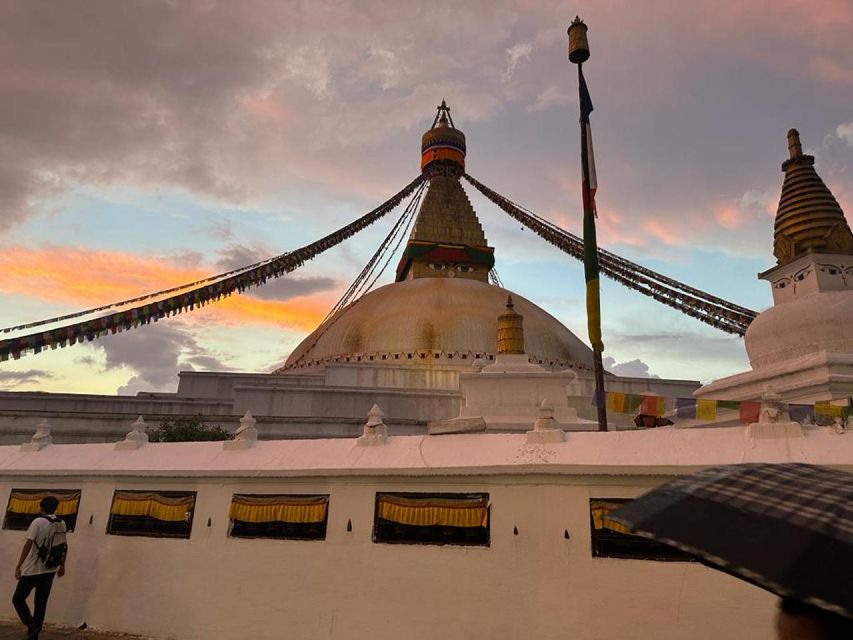
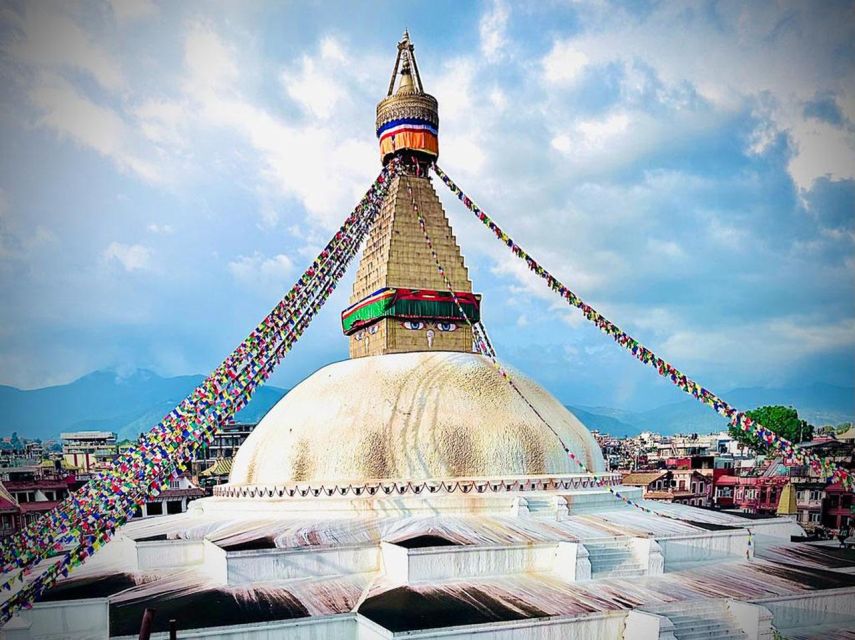
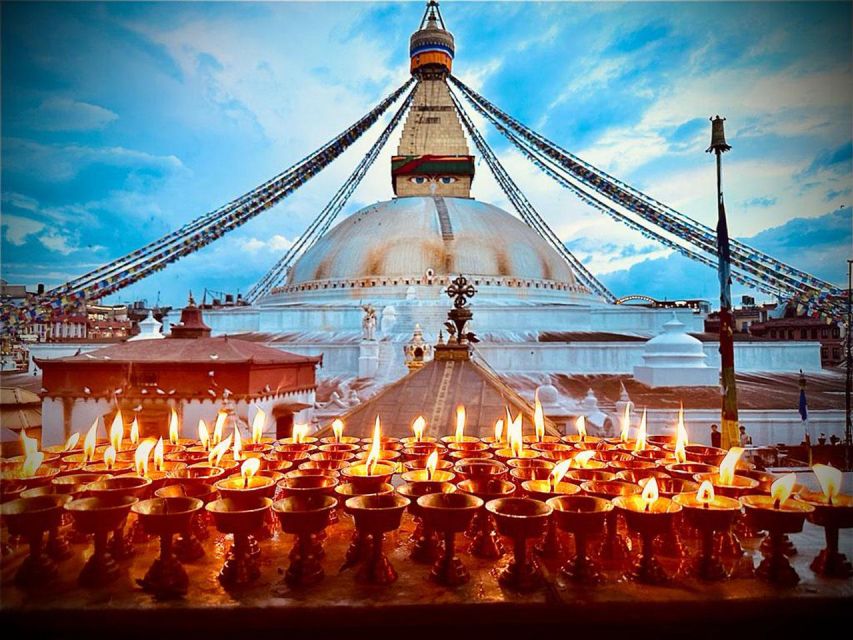
Most people think of Boudhanath as a photo stop. It’s more than that. The tour gives you a planned block of time—about 80 minutes—for photo stops, guided visiting, and a walk that gets you near the action around the stupa.
The kora moment you’ll remember
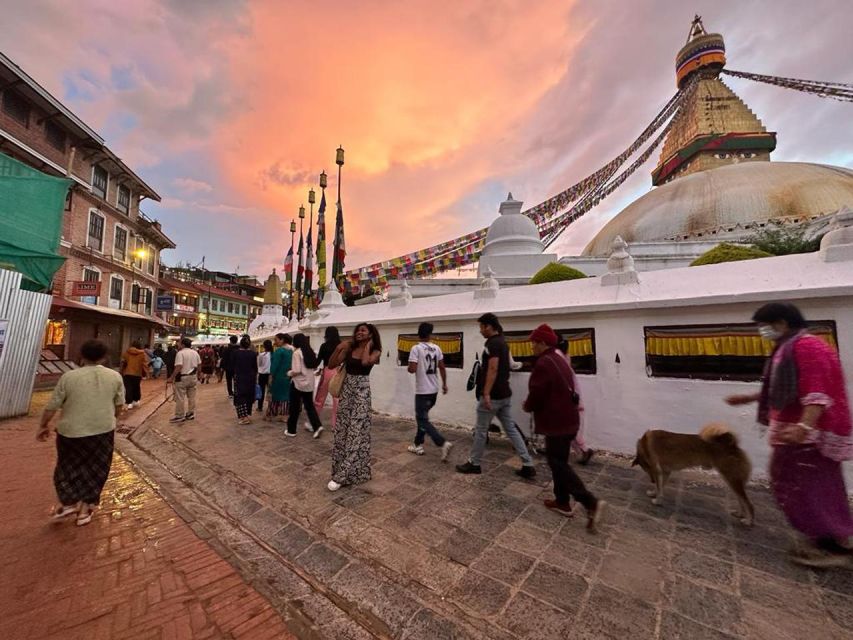
What makes Boudha special here is ritual time. You’ll be close enough to see pilgrims performing kora, the circumambulation around the stupa. You’ll also notice prayer wheels spinning as people chant. The choreography is steady, repetitive, and deeply focused—exactly what you want when you’re trying to slow down for a half day.
If you’re traveling solo or just want a calm cultural anchor, this is the part of the trip that tends to land best. It’s not a show. People are doing what they come to do, and your guide helps you understand what you’re seeing so it doesn’t turn into random watching.
A little Tibetan culture, in a place made for it
Boudha is where Tibetan community life shows up in everyday ways: monasteries, prayer flags, and the sound of monks chanting. The tour is timed so you get a meaningful taste of that atmosphere, not just a quick glance and a move on.
And since there’s time for walking, you can also work in market browsing. You might find Tibetan artifacts, incense, and thangka-style artwork. If you like souvenirs that feel tied to a living culture (instead of generic tourist stock), this is where that tends to happen.
A practical note on expectations
This is guided, but you’re still in a sacred public space. You’ll want to keep your voice down, dress respectfully, and follow your guide’s pacing. If you’re the type who struggles in crowded areas, just know the stupa area can attract lots of attention on any given day.

Bhaktapur Durbar Square: where Malla-era details turn into your eye-catching checklist
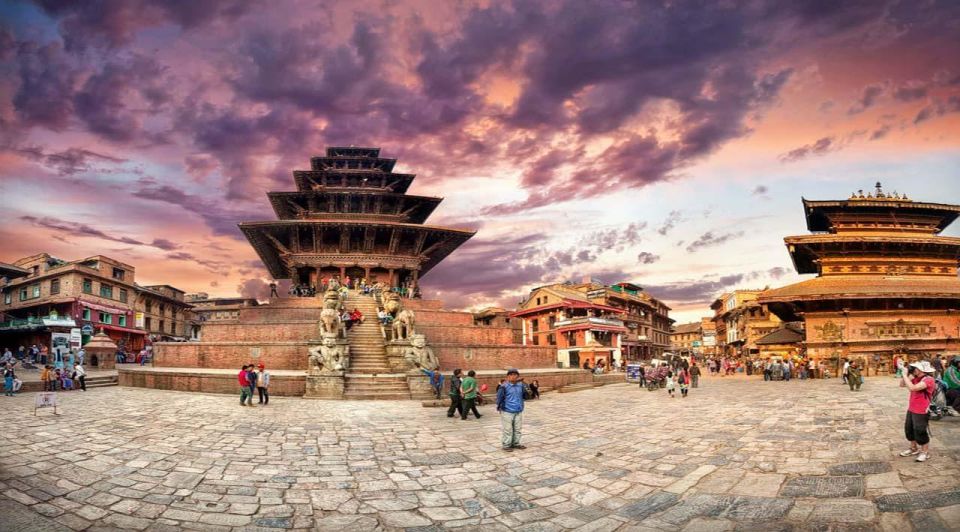
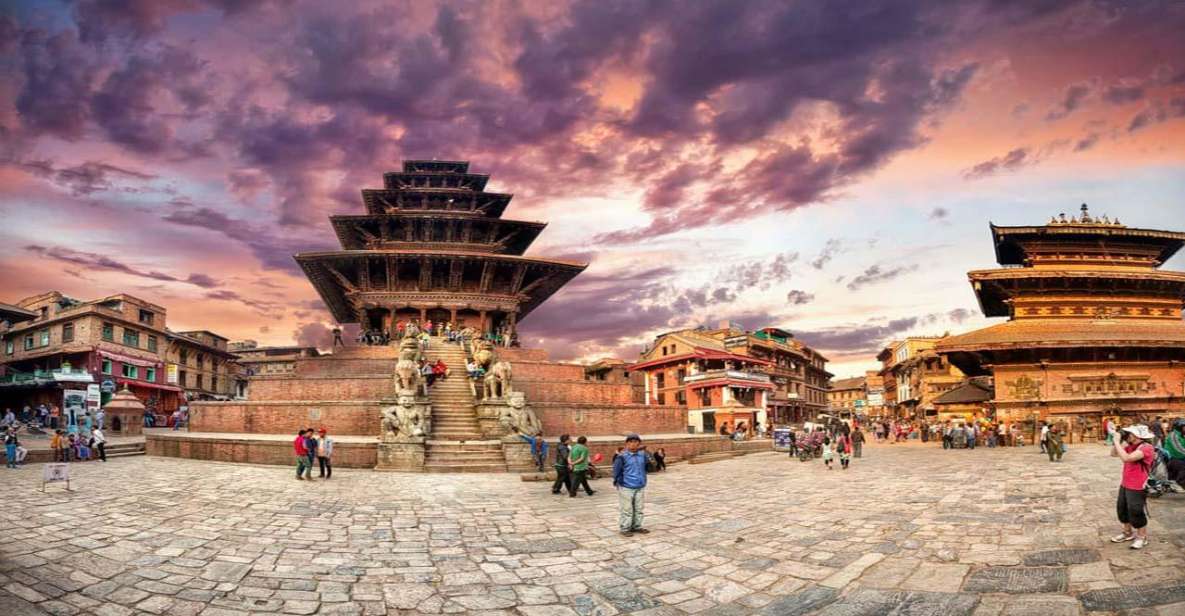
Bhaktapur Durbar Square is the other half of the story, and it’s the one that rewards walking. The tour schedules about 1.5 hours here, with a guided visit, free time, photo stops, and shopping.
Why the architecture hits harder in person
Bhaktapur’s architecture is well-preserved and UNESCO-listed, and that show up in the little stuff: wood carvings, pagoda-style temples, and intricately designed palace spaces. Your guide’s job is to point out what to look for so you’re not just scanning stone for the sake of it.
I like this approach because Bhaktapur’s beauty isn’t just one big view. It’s layers. Once you know what the guide is drawing your attention to, you start noticing symbols, craftsmanship, and the way buildings relate to the square’s movement and everyday use.
Newari life and artisan craft energy
This stop doesn’t treat Bhaktapur like a museum only. It’s a place where Newari lifestyle still shows through—artisans working, workshops, and craft production that ties architecture and daily economy together.
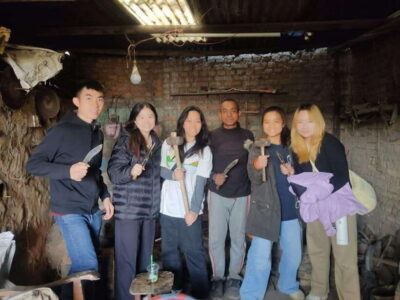
Depending on how your guide structures the route, you may get additional craft-focused moments like pottery, woodworking, and paper-making workshops. A few guides also tend to offer a look at a private home with antiques, which can be a strong contrast to the public spaces around the square. It’s the kind of sidestep that makes a short tour feel more personal.
Shopping time that feels connected
Bhaktapur’s shopping is often the real payoff for people who don’t just want photos. You’ll have free time for browsing, and because you’re in a working city, things feel more rooted. Your guide can also help you find good spots to look without wasting time.
If you like buying small, craft-based items—woodwork, handmade goods, paper products—this is where the tour can help you do that intelligently.
The guides are the secret ingredient here
The tour’s strongest recurring theme is the guide experience. The tour is private, and that turns the guide from a helper into a translator for the whole day.
Some guides you may be paired with include Prakriti and Bijay. Both are described as kind, attentive, and very invested in making the time feel meaningful. Bijay, in particular, is associated with practical on-the-spot help—like finding strong photo angles and guiding you toward good places to browse. Your guide may also help with small local treats during the day, which sounds minor, but it’s the stuff that makes the afternoon feel warmer and more personal.
If you’re the type who likes to ask questions, this tour format is a good match. A good guide will steer you toward the spots that matter instead of letting you wander aimlessly through “pretty” lanes that all look similar after 20 minutes.
Price and value: does $60 per person make sense?
For $60 per person, you’re paying for a compact half-day with these elements:
- Kathmandu hotel pickup and return drop-off
- Private vehicle transport
- A professional licensed private guide (English)
- Guided time at Boudha and Bhaktapur
- Skip-the-ticket-line support
Tickets to heritage sites are not included, so you should treat that as the only likely add-on. Even with that, the value often feels fair because you’re buying time efficiency and interpretation, not just rides.
If you tried to do this on your own, you’d still spend time coordinating transport, figuring out entrances, and trying to learn the meaning of what you’re seeing on the fly. Here, the guide does the heavy lifting so your short window stays worthwhile.
Pickup, pacing, and how to plan your afternoon
This is a 5-hour tour, so pacing matters. The schedule is built around two main chunks: Boudha (about 80 minutes) and Bhaktapur (about 1.5 hours). That’s enough for a guided look plus some free time, but it’s not enough to treat either site like a full-day event.
I suggest treating this as an early planning tool. If you later want to return to Bhaktapur for deeper craft shopping or spend more time at Boudha during a specific ritual window, you’ll have a grounded sense of where to go.
Flexible drop-off helps your next move
You can be dropped back at your hotel or at another central spot you choose. That’s useful if you’re eating next, meeting someone, or continuing to another Kathmandu stop afterward. It keeps the tour from turning into the end of your day.
What can be annoying? A real look at one drawback
The biggest consideration is simple: heritage-site tickets aren’t included. Even if skip-the-ticket-line support is offered, you’ll still need to pay the ticket cost yourself.
The second potential snag is time. Five hours is short, so if you’re the type who needs lots of unstructured wandering, you might feel slightly rushed at one of the stops. The private-guide setup helps, but it can’t change the basic time math.
Who this tour is best for
This is a strong fit if you:
- Want a private guided day without committing to a full-day schedule
- Care about meaning, not just sightseeing
- Like spiritual sites with real ritual activity (Boudha’s kora and prayer wheel scenes)
- Want architecture and craft detail in Bhaktapur’s Durbar Square area
- Prefer clear direction for photos and walking routes
If you already know you want to spend hours at museums or you prefer total independence over guidance, you may feel the structure is a little tight. But for most first-timers, the blend of guidance and focused timing works well.
Should you book the Bhaktapur Durbar Square and Boudhanath Stupa tour?
I’d book it if you want an organized, guided, private way to see two of Nepal’s most important cultural landmarks in one afternoon. The guide-led structure is the big win: you get the rituals at Boudha explained, and you get Bhaktapur’s carved details made readable instead of just pretty.
Book it especially if your schedule is tight and you’d rather pay for efficiency than spend your day figuring things out. Just plan for ticket costs at the heritage sites, and keep your expectations aligned with a 5-hour window.
If you want one solid “Kathmandu culture and spirituality” day that doesn’t drag, this is a dependable choice.
FAQ
How long is the Bhaktapur and Boudha tour?
The tour lasts about 5 hours.
Where does pickup happen?
Pickup is from Kathmandu.
Is this a private tour or a shared group?
It’s a private group.
Is the guide available in English?
Yes, the live tour guide speaks English.
Are heritage site tickets included?
No. Tickets to heritage sites are not included.
Does the tour include hotel pickup and drop-off?
Yes. Hotel pickup and drop-off are included.
Is the tour wheelchair accessible?
Yes, the tour is listed as wheelchair accessible.
What is the cancellation policy?
You can cancel up to 24 hours in advance for a full refund.