REVIEW · POKHARA
Pokhara: Annapurna Day Hike with Panoramic Views
Book on GetYourGuide →Operated by Snow Peak Tours and Travels pvt. ltd. · Bookable on GetYourGuide
Annapurna views in a single day. This Kande-to-Phedi hike out of Pokhara is built for panoramic photo stops, plus a real village moment in Dhampus. It’s the kind of day that feels like you covered ground without exhausting yourself into misery.
What I like most is the human part of the guiding: the guide paces you by your group’s needs and makes photo breaks useful, including very specific mountain-name context. I also love that you’re not just walking past scenery—you spend time in a Gurung village setting and see terraced fields up close. The only drawback to consider: the trail includes stairs and uneven bits, so comfortable shoes and a slower rhythm help a lot.
In This Review
- Key Things That Make This Hike Worth Your Time
- The 8-Hour Route Works: Kande, Australian Camp, Dhampus, Phedi
- Getting to the Trailhead: Pickup Options That Save Time
- Kande to Australian Camp: Where the Annapurna Views Click Into Place
- Australian Camp Viewpoint Time: More Than a Photo Stop
- Dhampus: Gurung Village Life, Terraced Fields, and Real Conversation
- Dhampus Break and Photos: A Good Place to Pace Yourself
- The Descent to Phedi: When the Views Keep Changing
- Guide Quality That Makes or Breaks a Day Hike
- Price and Value: What $50 Gets You (and Why That Adds Up)
- What to Bring So the Day Feels Easy
- Best Fit: Who This Tour Works For
- Should You Book This Pokhara Annapurna Day Hike?
- FAQ
- How long is the hike?
- Where does the trek start and end?
- What are the pickup and drop-off locations?
- What’s included in the price?
- What’s not included?
- What languages is the live guide available in?
- Is this a private group tour?
- What should I bring?
- Can I get a full refund if I cancel?
- Can I reserve and pay later?
Key Things That Make This Hike Worth Your Time
- Kande start with early viewpoint energy plus quick stops for photos and orientation
- Australian Camp panorama designed for big, clear mountain pictures
- Dhampus village time with guided walking and chances to chat and look around
- Guides who adjust pace when someone needs a gentler approach
- A satisfying down-track to Phedi where the scenery keeps changing
The 8-Hour Route Works: Kande, Australian Camp, Dhampus, Phedi
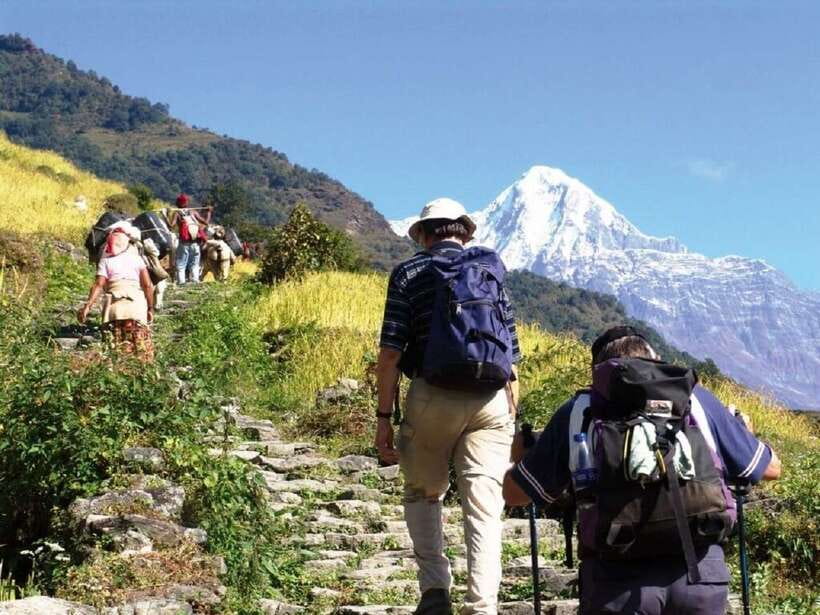
This is a day hike that balances effort and payoff. You’ll begin with a drive from Pokhara to Kande, then hike upward to Australian Camp for those wide Annapurna views. After that, you continue to Dhampus, where the trail becomes more village-and-farm life than pure ridge-walking. The day ends with a descent to Phedi, followed by a drive back to Pokhara.
A big part of the value here is how the timing is structured. The hiking segments are broken up with photo stops, guided time, and short breaks—so you’re not stuck marching the whole day without context. From the schedule, you’re looking at roughly 1.5 hours of hiking to Australian Camp, about 1.5 hours to reach Dhampus, and then around 1 hour down toward Phedi, with stops along the way. In other words: you can actually enjoy the day instead of treating it like a forced training session.
One more detail that matters for planning: this is a private group tour. That usually means you’re moving with your guide without feeling like you’re squeezed into someone else’s pace.
You can also read our reviews of more hiking tours in Pokhara
Getting to the Trailhead: Pickup Options That Save Time
The day starts with a choice of pickup spots in Pokhara: Pokhara International Airport (PIA), Sarangkot, or Lakeside Road (Rd 6). That’s handy if you’re staying in different areas or if you’re syncing the hike with other parts of your trip.
You’ll drive to Kande, and the schedule includes a short break and a photo stop. If skies are clear, this is also when you may catch views of the Annapurna area before your main climb. It’s a nice way to warm up your eyes before you commit to the ascent.
Practical tip: even if you’re eager to start hiking, use that early stop. It’s when the guide can point out what you’re likely to see later so the day feels less random.
Kande to Australian Camp: Where the Annapurna Views Click Into Place
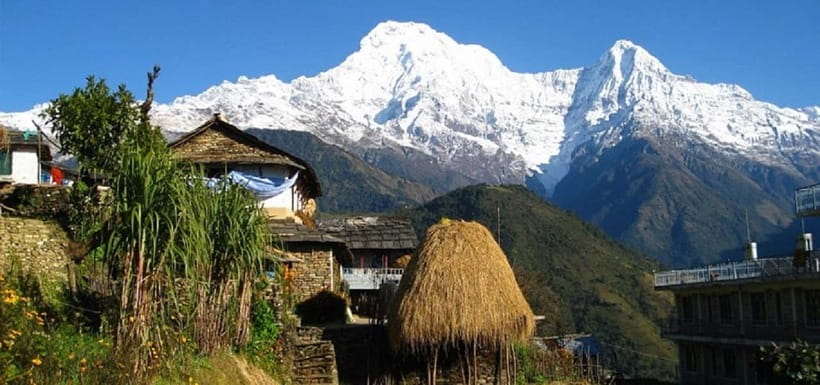
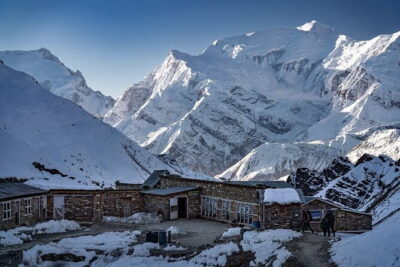
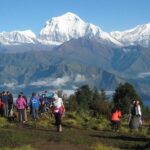
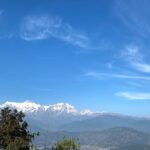
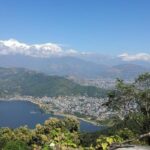
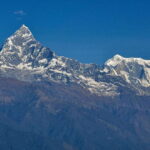
Once you start hiking, the trail takes you through forests and winding paths toward Australian Camp. Australian Camp is a popular viewpoint area, and that’s for a reason: the vantage point is built for looking across the Annapurna foothills and spotting peaks and ridgelines at a distance.
Your schedule includes about 1.5 hours of hiking to the viewpoint, then a longer block of time with a photo stop and guided sightseeing. That second part matters. It’s not just five minutes at a standstill. You get time to settle, catch better angles, and learn what you’re looking at.
From what I’ve seen work best for groups on this route, you’ll get more from the stop if you slow down for your pictures:
- Take one wide shot first (to understand the whole view)
- Then zoom in mentally (so the mountain-name context the guide shares actually lands)
- Finally, take photos again from the side if the light shifts even a little
If weather cooperates, this is the moment that feels most “worth it” for a one-day trek. And even when clouds drift in, the viewpoint time still gives you a sense of scale.
Australian Camp Viewpoint Time: More Than a Photo Stop
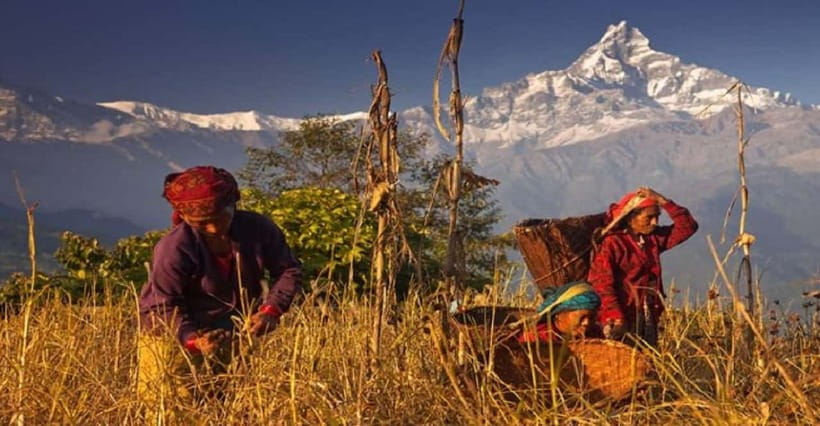
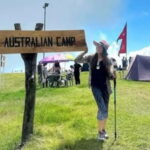
At Australian Camp, you’re getting a mix of free time and structured guidance. The schedule shows an hour here, which is long enough to do more than just snap photos and leave.
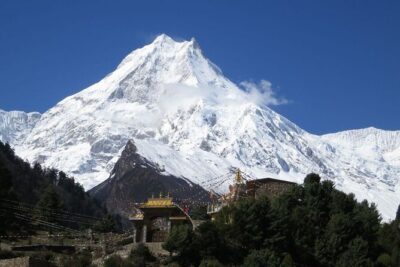
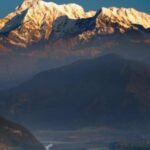
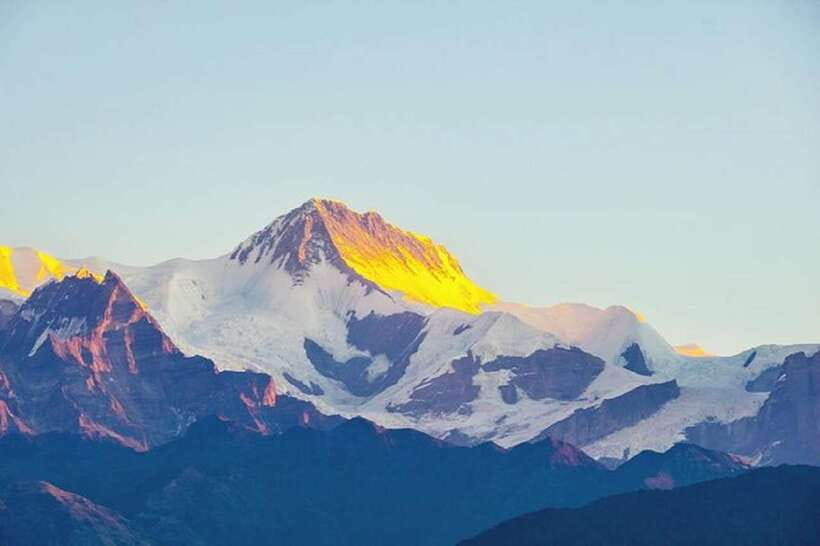
This is also where mountain recognition becomes practical. A guide can point out specific peak references and help you connect the view to names and geography. In particular, you may hear details tied to the Annapurna massif, including references that help you understand what part of the range you’re seeing. That kind of explanation turns the viewpoint from pretty into memorable.
If you’re traveling with people who get anxious about heights or pace, Australian Camp is also psychologically helpful. It gives you a clear goal halfway through the day. Everyone knows what they’re working toward.
Dhampus: Gurung Village Life, Terraced Fields, and Real Conversation
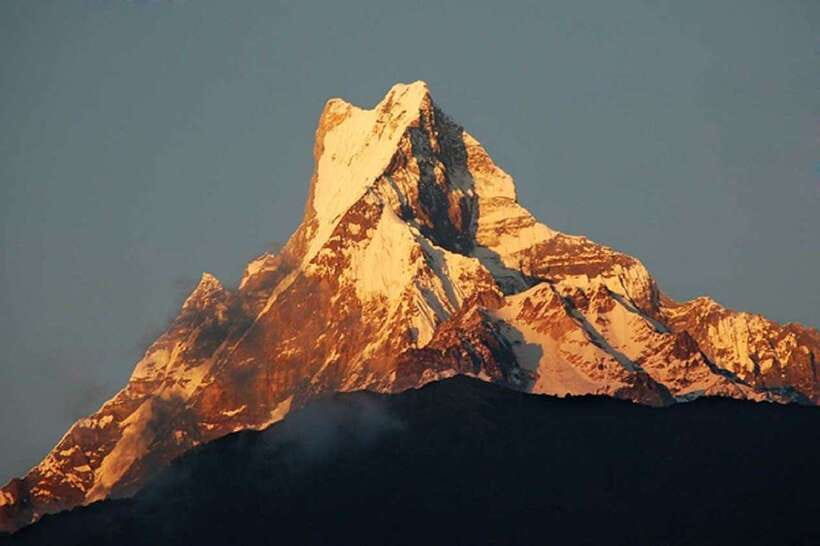
After Australian Camp, the hike continues to Dhampus. The schedule places this segment at about 1.5 hours. When you reach Dhampus, you get more than a quick photo break. You’ll have time for sightseeing with a guide, plus a chance to walk around and explore.
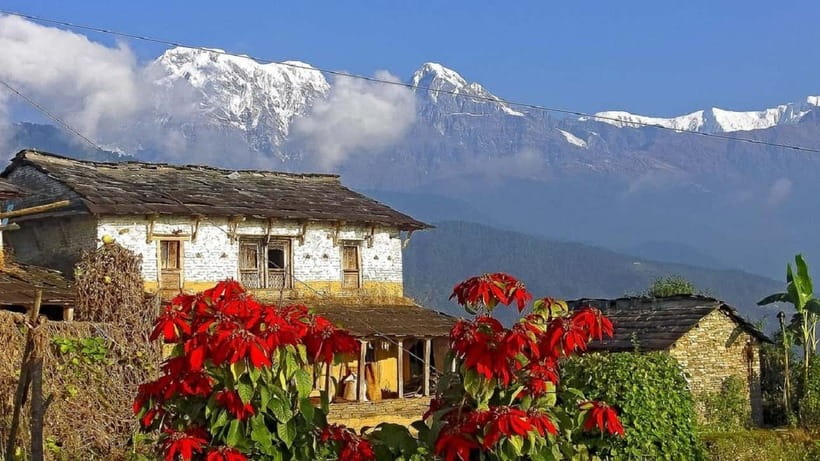
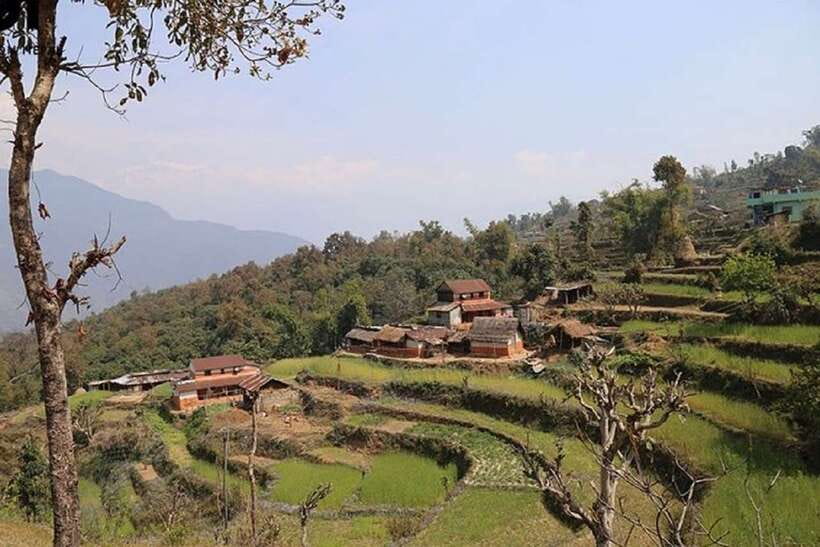
Dhampus is known as a traditional Gurung village area, and you’ll see terraced fields that show how farming is shaped by the hills. This is where the day shifts from “mountain lookout” to “how people live here.”
A guided stop also helps you avoid a common mistake: walking through village areas without knowing what you’re looking at. With the guide’s explanation, you’ll notice the details that make Dhampus feel alive—yard spaces, farmland patterns, and the rhythm of daily life that’s much closer than the distant peaks.
If you like cultural travel that doesn’t feel forced, this part is a good fit. It’s interactive in a low-key way: you’re not doing a show. You’re walking and learning as you go.

Dhampus Break and Photos: A Good Place to Pace Yourself
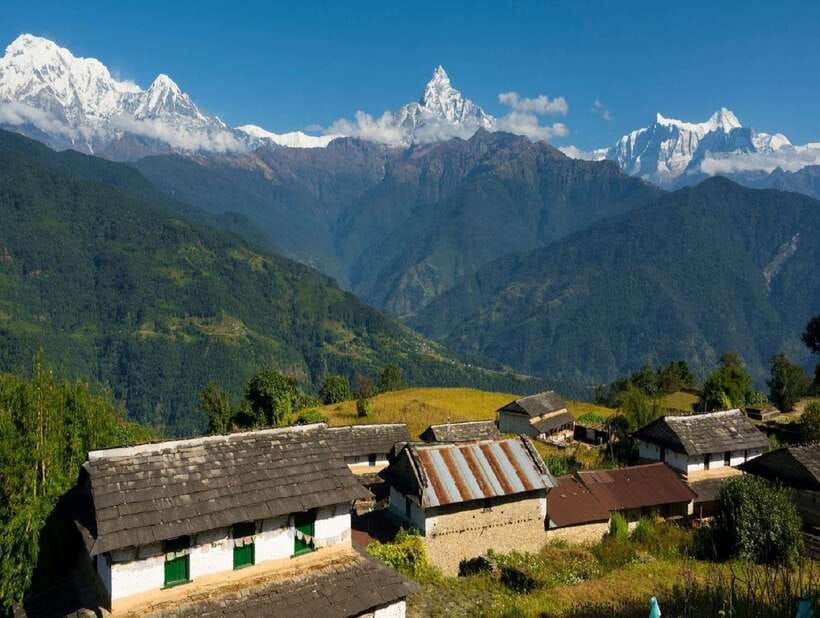
Back at Dhampus, the schedule includes another break and photo stop, with guided touring time again listed around an hour. That second Dhampus block is useful because it keeps the day from rushing.
This is also where you can adjust. If you’re feeling good, you can linger a bit for extra photos. If your legs feel heavy, you can use the guided time to take micro-breaks and recover without losing the group.
One thing I appreciate about this hike structure: the plan gives your body room to catch up. That’s especially important because the descent starts soon after, and it’s where tired people often trip on stairs if they haven’t paced well earlier.
The Descent to Phedi: When the Views Keep Changing
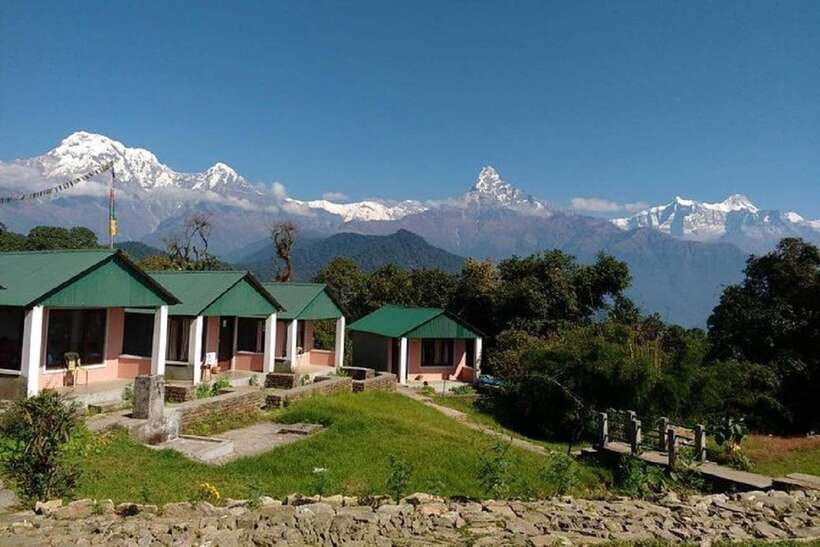
The final hiking segment takes you from Dhampus down toward Phedi. Expect a mix of forest and farmland walking. The schedule gives about 1 hour for the descent, but it can feel longer because downhill terrain often needs more focus than uphill walking.
This is the part where the scenery keeps shifting. As you go down, the perspective changes again: ridges that looked far away on the ascent can frame the valley differently, and the terrain becomes more human-scale with fields and path details closer at hand.
You’ll also have a photo stop and guided sightseeing time listed at Phedi. That means you don’t just sprint to the finish line. You get a chance to look back over what you accomplished.
After Phedi, you’ll drive back to Pokhara. The day closes with enough closure to feel like you finished a journey, not just took a long walk.
Guide Quality That Makes or Breaks a Day Hike
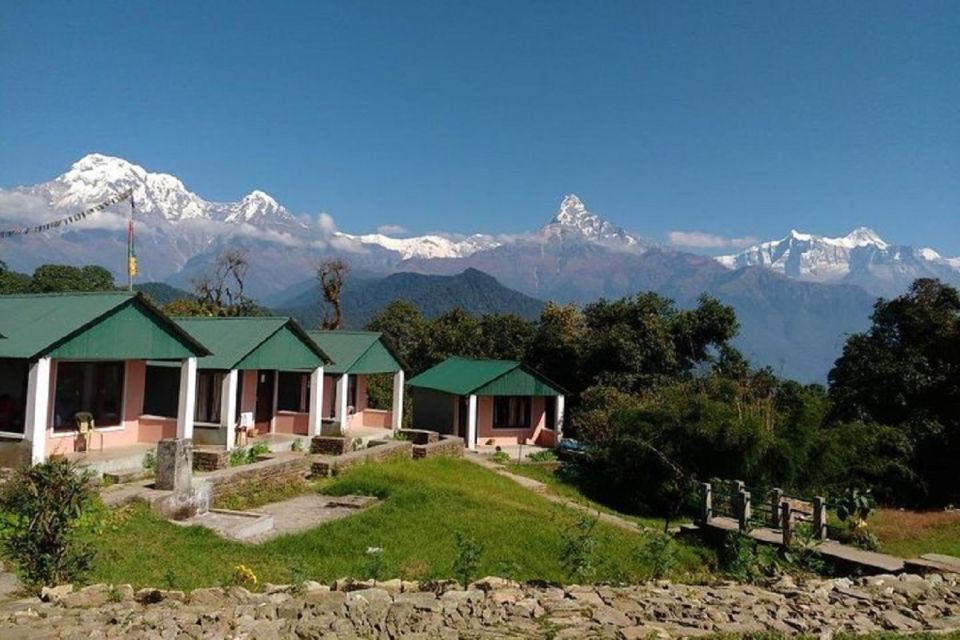
On a hike like this, the guide can turn “I saw mountains” into “I understood the mountains.” This tour’s guiding stands out for a few reasons that show up again and again in how people describe the experience.
First, the guide’s pacing is flexible. You may be asked about your preferred hiking speed, and the group’s rhythm should match your comfort level rather than the other way around. That matters a lot if you have a first-time hiking day, you’re traveling with mixed abilities, or you’re simply not interested in suffering for points.
Second, the guide makes photo opportunities practical. It’s not only stopping when people ask—it’s planning stops where the mountain views are actually worth capturing. One guide reference that came up strongly was the way the guide helped a group capture great photo moments while also explaining the mountain features in a way that helped them identify what they were seeing.
Third, there’s attention to safety and care. If someone in the group struggles, the guide can suggest alternatives—like routes that reduce the number of stairs. That kind of problem-solving can save a day when you don’t want to be stuck at the back feeling stressed.
If you want a day hike that feels like it’s designed for you, not just for the calendar, you’ll likely appreciate the guiding here.
Price and Value: What $50 Gets You (and Why That Adds Up)
At about $50 per person for an ~8-hour outing, this is priced like a guided half-to-full day excursion, not a barebones hike. What you’re paying for isn’t just the “right to walk.” You’re paying for:
- A government registered experienced trekking guide
- Round-trip transportation between Pokhara and the trek start
- Guided time at multiple stops, including viewpoints and Dhampus
- Focused mountain-range viewing (Annapurna and Dhaulagiri range views are part of the expectation)
Meals aren’t included, so you’ll want to plan snacks or a drink strategy. But even with that, the value is there because guide + transport + structured stops are doing the heavy lifting.
If you’re comparing this to doing it on your own, the math changes fast once you factor in local knowledge, route flow, and how much easier it is to enjoy the day when someone else handles the timing and guidance. For many visitors, that peace of mind is the real bargain.
What to Bring So the Day Feels Easy
The tour gives a simple packing list for a reason. Day hikes in the Annapurna foothills can feel cool in the morning and warmer as you climb. You’ll want to be comfortable, not trendy.
Bring:
- Comfortable shoes (think grip on uneven ground)
- A hat
- Water
- Comfortable clothes
And I’d add one practical habit: keep your water accessible during pauses so you actually drink. The breaks are built in, but hydration still depends on you.
Also, consider dressing in layers. The day includes climbing, stops, and descent, so your body temperature can swing.
Best Fit: Who This Tour Works For
This day hike is described as suitable for all levels, and the guiding approach supports that. If you’re new to hiking, the guide can adapt pace and keep you moving without rushing. If you’re an experienced walker, you’ll still get viewpoint time and cultural stops without the full multi-day commitment of a longer trek.
This is especially good if you:
- Want Annapurna views without overnight trekking
- Like guided photo stops and explanations
- Want a quick cultural look at Gurung village life in Dhampus
- Prefer a private group setup
If you’re dealing with mobility limitations, the presence of stairs and uneven trail sections is the key factor to consider. In that case, it’s smart to talk with the guide about route options ahead of time, since alternatives may exist during the descent.
Should You Book This Pokhara Annapurna Day Hike?
If you want a day that feels like a real Annapurna experience—views, guidance, and a village stop—this is a strong choice. It’s not trying to be a marathon, and the pacing-focused guiding helps you enjoy the hike instead of wrestling your legs.
I’d book it if:
- You care about photo-worthy viewpoints, not just movement
- You like cultural walking time in Dhampus
- You want transport and a guide handled end-to-end
Skip it or rethink it if:
- Stairs and uneven terrain are a deal-breaker for you
- You’re not interested in guided context at viewpoints (because part of the value here is the explanations)
If your plans are flexible, the ability to make changes up to a day in advance (and reserve first, pay later) is a helpful safety net for a day trip where weather can influence visibility.
FAQ
How long is the hike?
The activity runs for 8 hours.
Where does the trek start and end?
You drive from Pokhara to Kande to start, hike to Australian Camp, continue to Dhampus, and then descend to Phedi where the trek ends.
What are the pickup and drop-off locations?
Pickup options include Pokhara International Airport (PIA), Sarangkot, and Lakeside Rd 6. Drop-off options include Sarangkot, Pokhara International Airport (PIA), and Lakeside Rd 6.
What’s included in the price?
Included are government registered experienced trekking guides, round-trip transportation from Pokhara to Kande, mountain range views (Annapurna and Dhaulagiri), exploration of a traditional Gurung village, and an experienced local guide throughout the hike.
What’s not included?
Meals and beverages are not included, along with personal expenses like snacks, drinks, and souvenirs.
What languages is the live guide available in?
The live tour guide is available in English, Hindi, and Nepali.
Is this a private group tour?
Yes, the group type is private.
What should I bring?
Bring comfortable shoes, a hat, water, and comfortable clothes.
Can I get a full refund if I cancel?
Free cancellation is available up to 24 hours in advance for a full refund.
Can I reserve and pay later?
Yes, you can reserve now and pay later.