REVIEW · KATHMANDU
Island Peak Climbing | Summit 6,189m with Expert Guides
Book on GetYourGuide →Operated by Accessible Adventure Pvt. Ltd · Bookable on GetYourGuide
Chasing a 6,189m summit is serious work. This 14-day Island Peak climb earns its hype with Sherpa-led support and practical pre-climb training that builds you up step by step, not all at once. My main caution: Lukla flights can be weather-dependent, so plan for delays and a little uncertainty.
You’ll spend nearly two weeks in the Everest zone, moving through classic Khumbu villages and altitude highs, then finishing with a summit day that’s more technique than bravado. The trip is also run as a private group with English-speaking guidance, and I like that the human support is built in (including a strong porter ratio).
In This Review
- Key reasons Island Peak feels like a real climb
- Island Peak at 6,189m: what you’re really signing up for
- Kathmandu to Lukla: starting altitude without wasting time
- Namche acclimatization plus Tengboche culture: safety through repetition
- Chhukung to Island Peak Base Camp: the last big step before technique
- Summit day at 6,189m: long hours, controlled effort
- Down days that still matter: returning through the Khumbu
- Value check: $1,699 and what else you’ll likely add
- Guides, Sherpas, and the small support that makes big days work
- Practical preparedness: insurance, gear, and altitude fitness
- Who should choose this Island Peak climb?
- Should you book this Island Peak climb?
- FAQ
- What altitude do I reach on Island Peak?
- Where in Nepal is this climb based?
- Are flights to Lukla included in the price?
- Is the Island Peak permit included?
- What climbing equipment is provided?
- Are drones allowed on this trip?
Key reasons Island Peak feels like a real climb
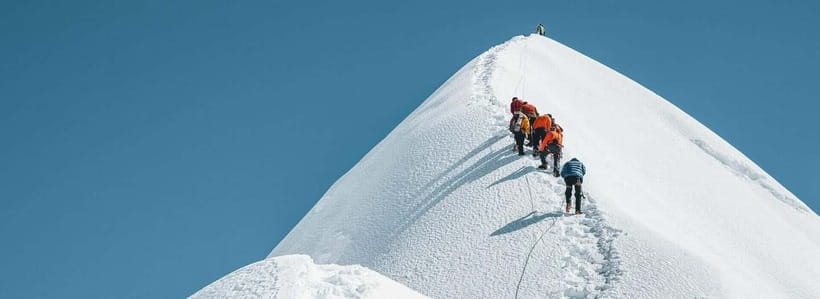
- Pre-climb skills at base camp: glacier walking practice so the rope-and-ice part isn’t a surprise
- Sherpa culture in real villages across the Everest route, not just quick stops
- A paced acclimatization ladder through Namche, Tengboche, Dingboche, and Chhukung
- A summit day that’s long but structured, with an 8–10 hour push and clear return timing
- Local problem-solving that shows up fast when conditions change (like at Lukla)
Island Peak at 6,189m: what you’re really signing up for
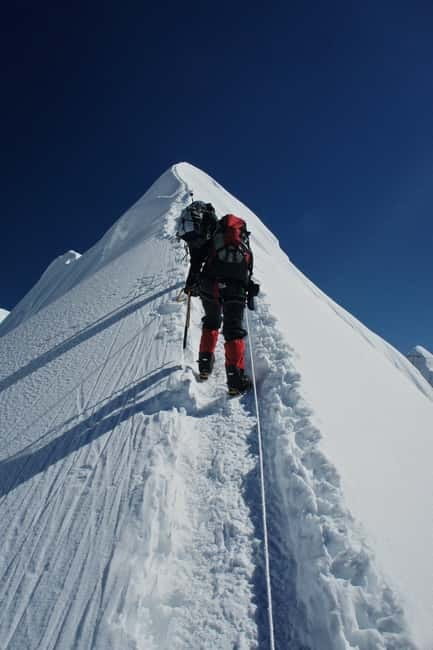
Island Peak (6,189m) sits in the Everest region, but it’s not a casual “view-and-photos” hike. You’re going for a technical high-mountain summit where the day feels physical for hours, and the details matter: moving efficiently at altitude, walking safely on icy sections, and using fixed ropes and climbing tools correctly.
The big win here is that you don’t just show up at the glacier and hope for the best. The climb is supported by a guide team that includes an Island Peak ascent climbing guide with 20+ summits experience, plus group gear like ropes, ice screws, and ice hammers. That matters because for Island Peak, confidence is built by practice, not by speeches.
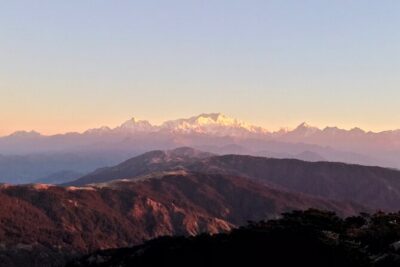
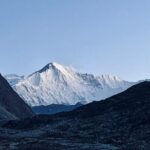
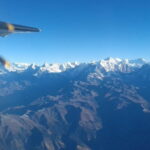
You’ll also earn those summit views the honest way: altitude work plus a long summit push. Expect the day to test your breathing and your patience. The reward is the classic high-altitude “why is it so big?” view of Everest, Lhotse, and Ama Dablam—framed by the technical effort it took to get there.
You can also read our reviews of more tours and experiences in Kathmandu.
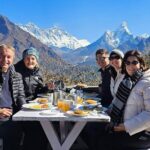
Kathmandu to Lukla: starting altitude without wasting time
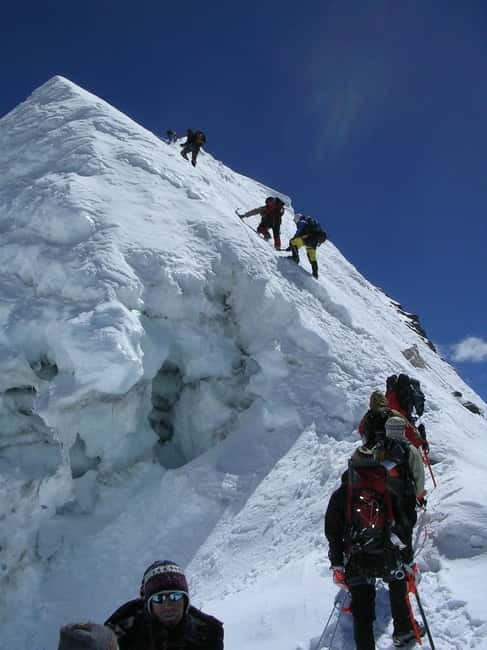
Your trip begins in Kathmandu at about 1,338m. This first day is for getting settled and adjusting your rhythm—easy walking, gentle cultural wandering, and sleep that hopefully gets you ready for the jump into mountain life.
On day 2, you fly to Lukla and then trek to Phakding for about 3–4 hours. The flight is short (around 35 minutes), but it’s the most unpredictable part of your whole plan. If the weather doesn’t cooperate, flights may run from Ramechhap Airport instead, which can change your logistics slightly. The good news: the program includes airport and hotel transfers in a private vehicle, and you’re not left figuring out how to connect pieces.
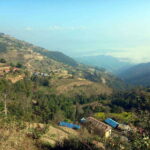
Phakding is a low-stakes warmup, roughly 2,800m. You’ll hike around 8 km with minimal altitude drama (about -300m net listed). It’s a good “get your legs moving” day. You’ll also start spotting the expedition energy—porters, cooking setups, and that quiet focus people get when they’re heading up toward the Everest zone.
Day 3 is the jump to Namche Bazaar, 3,438m, with about 5–6 hours of trekking. Expect suspension bridges, first strong looks at Everest, and a route that rewards steady pacing. You’ll pass through a chunk of the Khumbu vibe—less “tour bus energy,” more “locals and climbers doing their daily job.”
Namche acclimatization plus Tengboche culture: safety through repetition
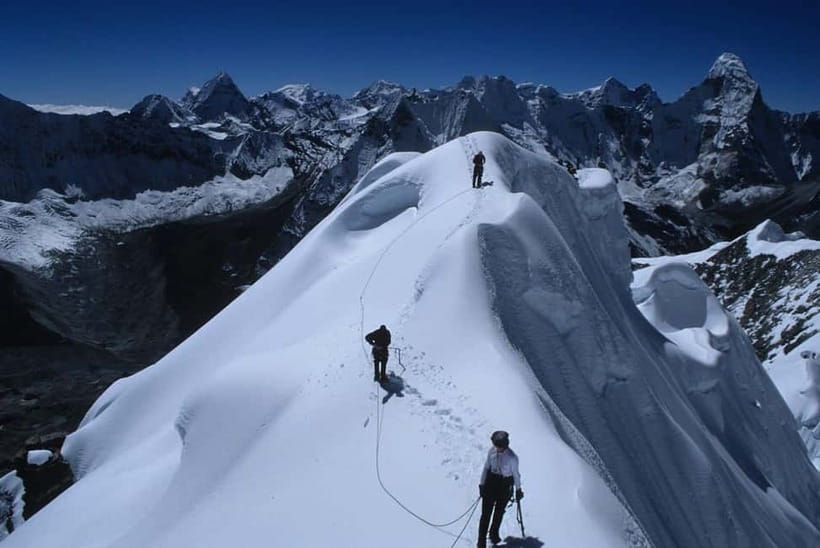
Day 4 is your acclimatization day in Namche Bazaar, still at 3,438m. The key idea: you don’t just gain altitude and hope. You get a short hike (2–3 hours, optional), then come back down enough to let your body adjust. That’s how you reduce the odds of turning summit ambition into a medical problem.
Namche also gives you mountain visuals that stick in your mind. You’re in the area for classic views of Everest and Ama Dablam, and the panoramic sightlines are a reminder that the route you’re walking is not random. It’s designed around the reality of altitude.
On day 5, you trek to Tengboche (about 3,870m) for 5–6 hours. Tengboche is famous for its monastery, and it’s more than a photo stop. It’s one of those places where you can feel the culture and routine of the region. You’ll also keep seeing Everest and Lhotse from the trail, which helps make the climb feel like a story, not just a schedule.
Day 6 continues toward Dingboche (4,360m), about 5–6 hours. This is where the valleys open up into that higher-mountain “big sky, thin air” mood. You’ll hike around 10 km and take another meaningful step upward. The goal is forward progress, but done in a controlled way—no hero pacing.
Chhukung to Island Peak Base Camp: the last big step before technique
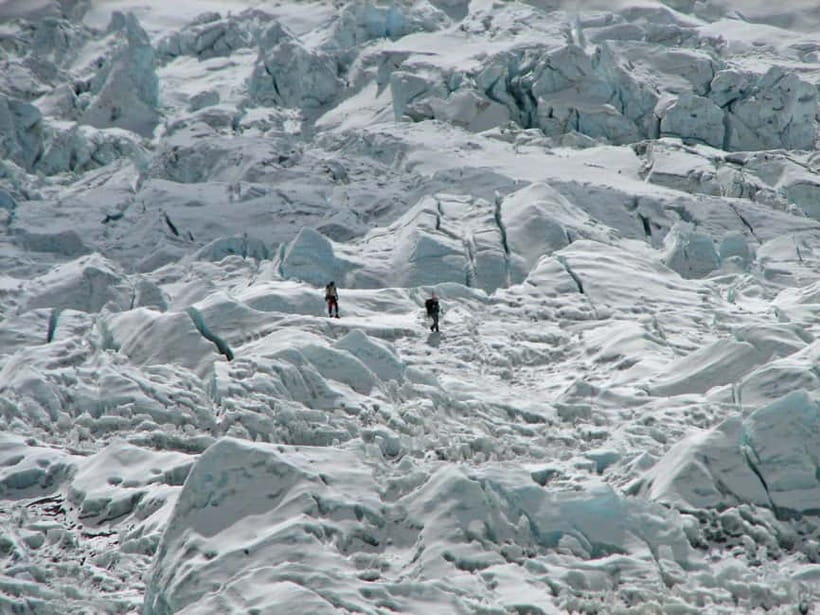
Day 7 is to Chhukung, around 4,730m, with a shorter 3–4 hour walk. The shorter day isn’t a break—it’s strategy. You’re gaining altitude while preserving enough energy for what comes next: training.
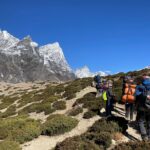
You’ll spend time on alpine pastures and get views that connect the route to the summit you’re chasing. Lhotse and Island Peak show up clearly enough that the summit stops being a distant number and starts being a real destination.
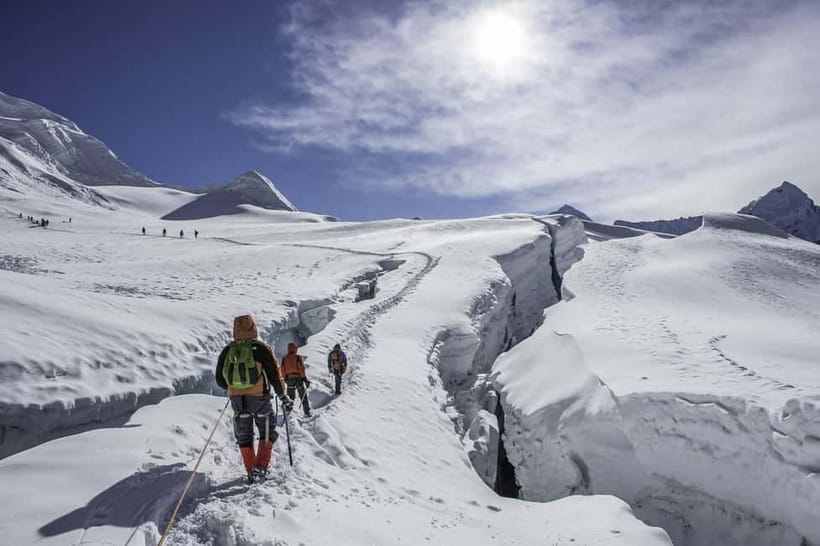
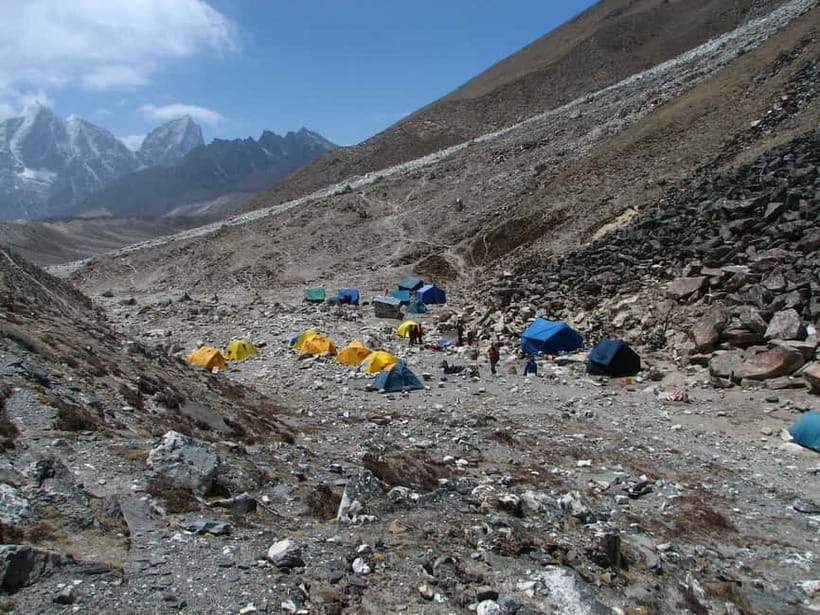
Day 8 brings you to Island Peak Base Camp (about 5,200m) and includes pre-climb training. This is a crucial day even if it sounds like a “rest day” on paper. You’ll do glacier walking training and cover the basics you’ll need up high, including movement and safety routines on ice.
You’ll hike about 5 km that day, then shift from trekking skills to climbing habits. The program includes group climbing equipment, tents, and kitchen equipment, so you’re not worrying about gear gaps while trying to learn technique. This is also the day where I’d mentally prep for the hardest kind of fatigue: the blend of altitude breathlessness and careful footwork.
Summit day at 6,189m: long hours, controlled effort
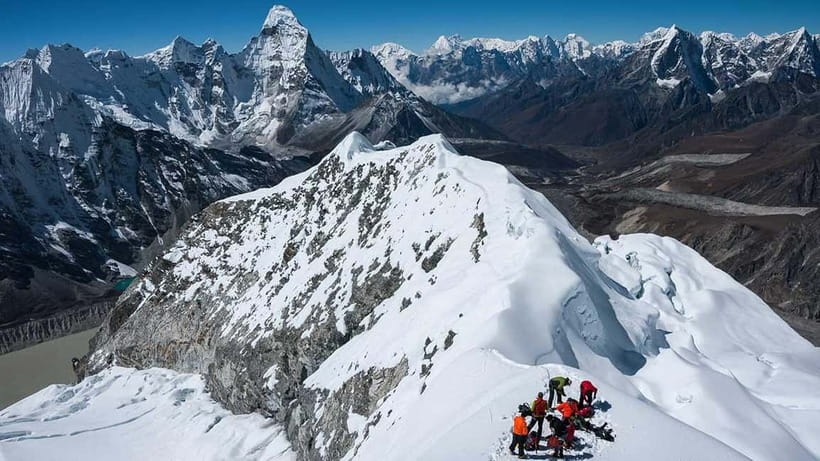
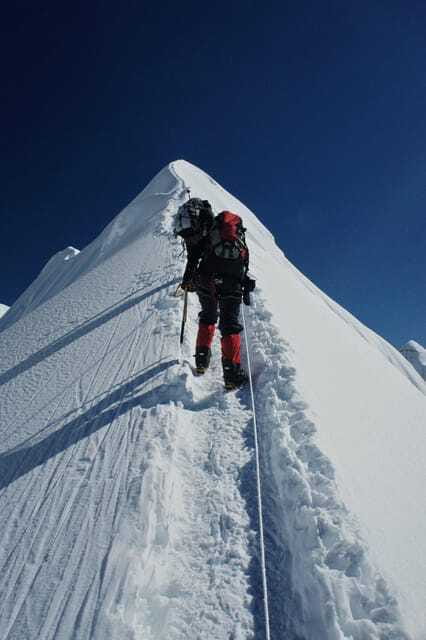
Day 9 is summit day. It’s listed as an 8–10 hour push, covering about 10 km with roughly +989m / -989m net altitude change. That’s a long day by any mountain standard, and you should plan your energy like you’re paying in installments, not spending it all at once.
You’ll aim for 6,189m and then return to base camp the same day. The climb itself depends on technique and pace. At this altitude, you’ll feel every slow decision—so you’ll be glad the training and guide oversight are already in place.
Weather can change quickly in the Everest region, and the summit plan is only as good as its timing. That’s exactly why this program includes a contingency buffer.
Day 10 is contingency day. Think of it as breathing room for conditions, not a bonus vacation day. If your summit attempt can’t happen safely, you have an extra window without collapsing the whole trip.
When the summit attempt works, the reward is the kind of panorama climbers dream about: views of Everest, Island Peak, Makalu, and the surrounding giants, all while you’re standing on a summit earned through technique. The physical payoff is real—but it’s the safety focus that makes the experience worth the effort.
Down days that still matter: returning through the Khumbu
Day 11 is a long trek back toward Namche Bazaar, around 18 km, with about 5–6 hours of walking. It’s a “feel your knees” day. You’ll drop a lot (around -1,292m net listed), and that can be both good and tricky. Good because your altitude stress eases. Tricky because your body still has to manage downhill impact.
Day 12 takes you back to Lukla (about 2,800m) in 6–7 hours for a longer 19 km walk. This day feels like the final chapter. You’ll enjoy the route the same way—steady steps, short breaks, and the comfort of knowing you’re not climbing higher anymore.
Day 13 returns to Kathmandu by air (about 35 minutes flight). It’s the moment when the trip goes from “mountain focus” to “normal life again,” fast. You’ll still be tired, but the most intense altitude work is done.
Value check: $1,699 and what else you’ll likely add
The price listed is $1,699 per person for a 14-day package in the Everest region. That’s not a bargain, but it’s also not just paying for a badge and a route pin. You’re paying for:
- Guiding and safety structure, including a climbing guide with extensive summit experience
- Group climbing equipment (ropes, ice screws, hammers, and more)
- Meals and lodging support with three meals per day during trekking
- Permits and key fees including Sagarmatha National Park entry permit and other government charges
- One porter for every two clients with porter food, accommodation, salary, equipment, and insurance included
What’s not included matters for budgeting. The big extras you should expect:
- Island Peak climbing permit listed separately (USD 350 and also shown as USD 175)
- Round-trip flights Kathmandu to Lukla at USD 440 per person
- Travel insurance for the climbing guide (listed as USD 100)
- Personal expenses, plus charges for items like Wi‑Fi or charging during the trek
One more “hidden in plain sight” cost: tips. The program notes that tips for guides, porters, and drivers are customary but not included. In practice, you should set aside a meaningful amount for the team you’ll rely on.
The garbage deposit is also listed as USD 500 and is part of the operational compliance. It’s the kind of detail you’ll thank yourself for noticing early.
Guides, Sherpas, and the small support that makes big days work
This is where the trip shines in a way money can’t fully measure. The support staff are a huge part of your comfort and safety.
The program includes a government-licensed English-speaking guide, and the porter system is structured: one porter for every two clients, including their own food, lodging, salary, equipment, and insurance. That means you’re not forced to drag a heavy pack while your body is learning how to function at altitude.
In one of the strongest pieces of feedback, I heard about porter Mijan, who supported a client beyond typical duties. That’s the kind of extra effort that often shows up in the moments you didn’t think about—gear adjustments, timing, small comfort wins, and helping you stay calm when something changes at Lukla.
Sherpas in this region don’t just carry loads. They’re the local experts in mountain routine and practical decision-making. In a private-group setup, you tend to get a clearer line of communication, which helps when conditions shift quickly.
Practical preparedness: insurance, gear, and altitude fitness
For Island Peak, training matters, but so does your base fitness. The program calls for a good level of physical fitness for the climb. What you’ll want to picture is not “Can I hike for a day?” but “Can I hike for hours at altitude, then do it again tomorrow, then climb safely on ice?”
You also need travel insurance covering high-altitude trekking and climbing. The program includes a heli rescue assistant to contact your insurance. That’s important because it ties rescue efforts to your coverage, not guesswork.
What to bring is clearly stated:
- Passport
- Climbing gear
- Cash
- Flashlight
Drones are not allowed, so leave that gadget at home.
Also plan for weather variability. Peak season can still produce flight timing changes, and Lukla operations can move to Ramechhap. Build flexibility into your expectations and arrival timing.
Who should choose this Island Peak climb?
This one fits best if you:
- Want a real high-altitude summit goal without DIY planning
- Prefer a private group format with English-speaking guidance
- Are comfortable with long trek days and a technical summit day
- Value acclimatization structure instead of shortcut optimism
It’s not suited for children under 14, pregnant women, wheelchair users, or people over 95. That limitation isn’t random—it’s based on the realities of altitude, terrain, and safety demands.
Should you book this Island Peak climb?
If you’re serious about reaching 6,189m and you want the climb handled with technical training, gear support, and an acclimatization pace that respects altitude, I think this is a smart choice. You’re paying for more than a summit promise—you’re buying structure: glacier practice, experienced climbing leadership, and the kind of day-to-day logistics that keep you focused on walking and climbing, not problem-solving.
Book it if:
- you can budget for the separate Island Peak permit and Lukla flights
- you have insurance that truly covers high-altitude climbing
- you’re ready for a long summit day and a contingency buffer
Pass or shop alternatives if:
- you’re hoping for a short, low-effort trip
- you dislike flight uncertainty around Lukla and can’t be flexible
- you’re not ready for the physical and technical nature of the summit push
FAQ
What altitude do I reach on Island Peak?
Island Peak summit is listed at 6,189m.
Where in Nepal is this climb based?
The climb is located in Nepal’s Koshi Zone, in the Everest region area.
Are flights to Lukla included in the price?
No. Round-trip flights from Kathmandu to Lukla are listed as not included, at USD 440 per person. Peak-season operations may also run from Ramechhap Airport.
Is the Island Peak permit included?
No. The Island Peak climbing permit is not included and is listed separately as USD 350 or USD 175.
What climbing equipment is provided?
Group climbing equipment is included, including ropes, ice screws, snow bars, ice hammers, tents, and kitchen equipment.
Are drones allowed on this trip?
No. Drones are listed as not allowed.