REVIEW · KATHMANDU
Everest Base Camp trek- 11 days
Book on Viator →Operated by Mount Face Nepal · Bookable on Viator
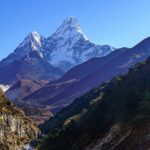
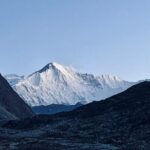
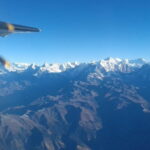
Getting to the Everest region feels unreal the moment your plane points toward Lukla, especially with that early morning sunrise view over snowcapped peaks. From there, the trek strings together classic Khumbu landmarks like Namche Bazaar and Tengboche Monastery, then pushes on toward Everest Base Camp and the high viewpoint at Kalapathar.
What I like most is how the logistics reduce stress: airport pickup and drop for the Lukla flight, full-board meals on the trek, and a licensed guide plus a porter system that helps you stay focused on altitude and scenery. You’ll also appreciate the built-in pacing, including an acclimatization day in Namche that makes the higher days feel more manageable.
The one real consideration: this is high-altitude walking with long days, and you’ll need a moderate fitness level and a sensible attitude about slowing down if your body asks for it.
In This Review
- Why this Everest Base Camp trek works so well
- Flying to Lukla: the fast start that changes your mood
- Phakding to Namche Bazaar: the gateway village and the culture lesson
- Namche to Tengboche: monasteries, big views, and the slow climb up
- Tengboche to Dingboche: the air thins, the views get closer
- Dingboche to Lobuche: higher altitude, stronger discipline
- To Gorakshep and Everest Base Camp: the payoff day with tough legs
- Kalapathar viewpoint and Pheriche: the high view, then the reset
- The return trail: Pheriche to Namche to Phadking to Lukla
- Price and logistics: what you’re really paying for
- What’s included for safety and sanity
- Your packing and fitness checklist (so the trek feels possible)
- Who should book this Everest Base Camp plan
- Should you book Everest Base Camp with Mount Face Nepal?
- FAQ
- Where does the Everest Base Camp trek start and end?
- Does the tour include flights to Lukla?
- What meals are included during the trek?
- Is a guide included?
- Do I get porter support?
- Are trekking permits included?
- Where are pickup and drop-off handled?
- What is not included in the price?
- Is this a private tour?
- What fitness level do I need?
Why this Everest Base Camp trek works so well
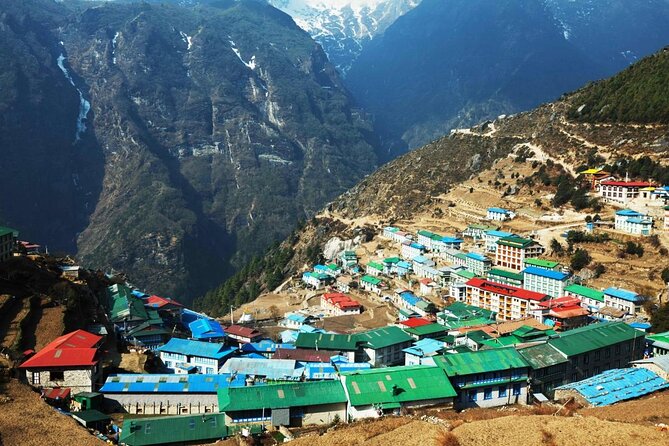
- Lukla flight + early mountain light: that first aerial approach sets the tone, before your boots even hit the trail
- Namche Bazaar acclimatization day: a key buffer so you’re not racing the altitude
- Iconic stops that actually match the route: Tengboche, Dingboche, Lobuche, Gorakshep, Everest Base Camp, Kalapathar, Pheriche
- Private tour setup: it’s just your group, with a guide from a government license holder
- Permits and essentials included: TIMS card and restricted-area trekking permits are handled in the package
Flying to Lukla: the fast start that changes your mood
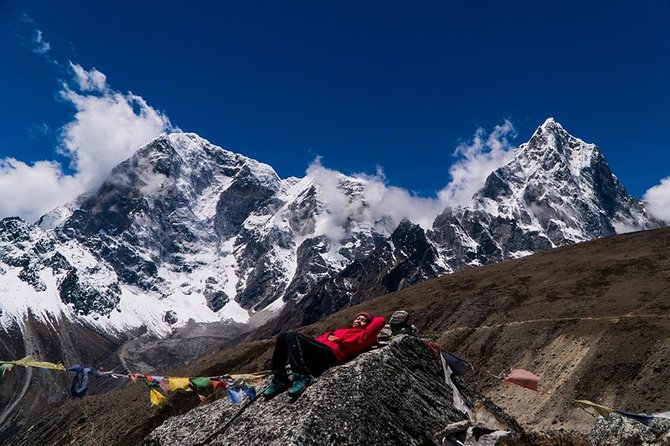
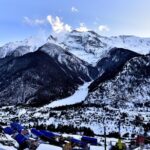
Day 01 is the jump from Kathmandu into the Everest region, starting with pickup in Thamel and then the Kathmandu–Lukla flight. The big thing here is timing. You’re going early, and that means you often get a clear look at the snowcapped ridgelines as the light comes up. It’s the kind of moment that makes people stop talking and just stare out the window for a while.
After you land at Lukla (about 2,850m), you hike to Phadking (around 2,660m). This first walking day matters. It’s not meant to exhaust you. It’s more like getting your breathing synced to the altitude while your legs learn the style of trekking: steady steps, short pauses, and lots of small decisions like hydrating and eating on schedule.
A practical note: Nepal’s mountain air changes fast. Even on a lower-feeling day like this one, you’ll want to keep your effort controlled. If you start day one sprinting, later days pay the price.
You can also read our reviews of more hiking tours in Kathmandu
Phakding to Namche Bazaar: the gateway village and the culture lesson
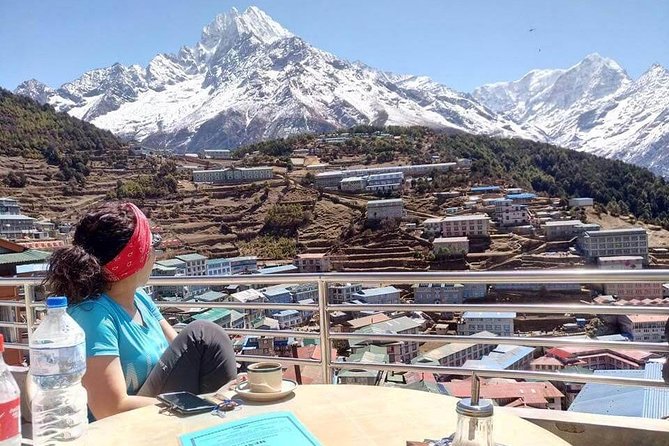
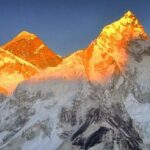
Day 02 (Phakding to Namche Bazaar, about 3,435m) is where the trail feels like it has a purpose. Namche is the hub—the gateway to deeper Khumbu trekking—and you’ll see why people call it the social center of the region.
Two things I’d plan to do here:
1) Take your time when you arrive. Namche is busy, higher, and thicker with oxygen challenges than the lower valleys.
2) Use the day to watch how daily life works. Monasteries, viewpoints, and the mix of local Sherpa culture and trekking commerce all sit close together. Even if you’re not shopping, the walk-through helps you understand what you’re walking into.
Then comes Day 03: an acclimatization day in Namche (3,435m). This is one of the best parts of the whole program because it treats altitude as a real problem, not an afterthought. An extra day here means you get time to adjust before you go deeper into the higher stretches like Tengboche and beyond.
In plain terms: this stop gives your body time to catch up with the plan.
Namche to Tengboche: monasteries, big views, and the slow climb up
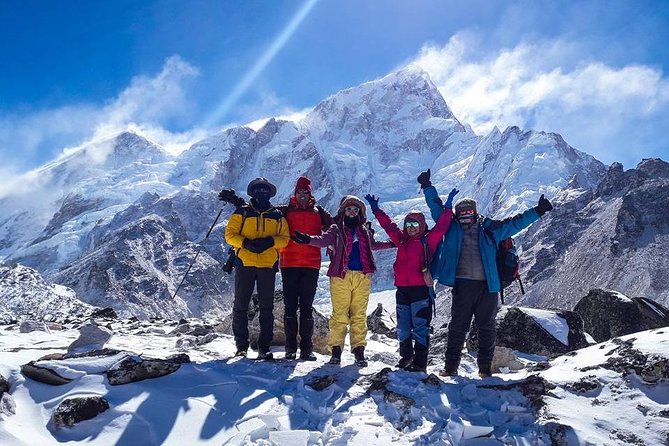
Day 04 climbs to Tengboche (around 3,890m). This is also a cultural day, not just a physical one. Tengboche is known for monasteries and prayer traditions, and you’ll get a real sense of how spiritual life and mountain life share space here.
Expect two types of moments:
- Quiet moments around religious sites, where you’ll see how the community connects to the mountains.
- View moments, where the air seems clearer and the peaks look sharper.
This day can feel deceptively nice because you’re still not at the highest altitudes yet. But it’s also building momentum toward the next climbs—so you’ll want to keep your pace even and avoid the temptation to “make up time.”
Tengboche to Dingboche: the air thins, the views get closer
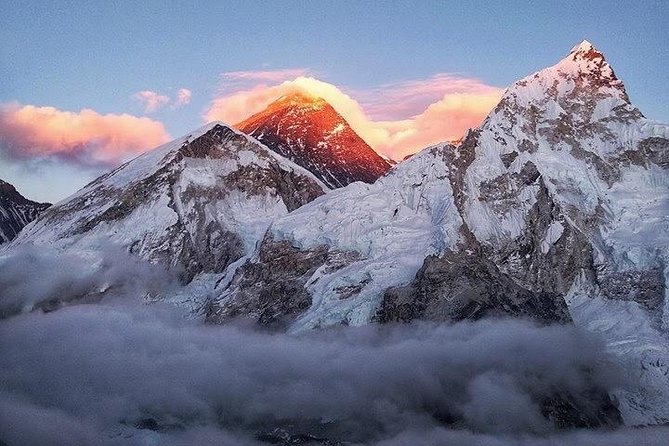
Day 05 runs from Tengboche to Dingboche (about 4,400m). Dingboche sits higher and feels more “expedition-like.” The vegetation changes. The walls of mountains look closer. And the trail starts to feel more about rhythm than about scenery alone.
Day 05 is often where people feel the difference between walking on a trail and walking in altitude. You might notice it most in:
- your breathing on steady climbs
- how long it takes to warm up after breaks
- how carefully you need to pace your effort
If you’ve never dealt with altitude before, this is a good time to listen to your body and practice the basics: drink regularly, eat even if you don’t feel wildly hungry, and don’t treat every uphill as a test.
Dingboche to Lobuche: higher altitude, stronger discipline
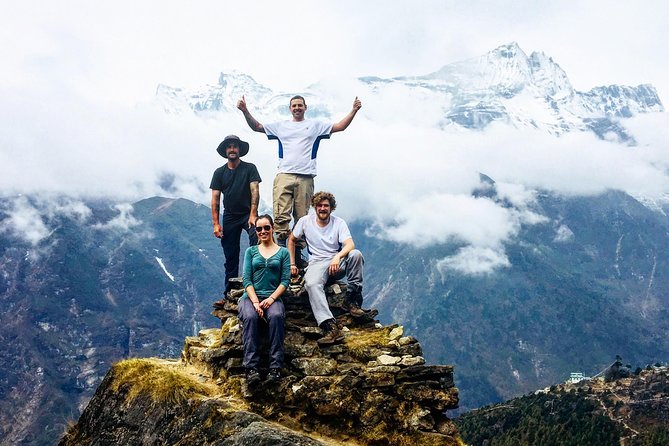
Day 06 moves to Lobuche (around 4,910m). This day is the beginning of the “serious” elevation band. Lobuche area is also where the trekking atmosphere shifts toward the Everest-focused mindset.
You’re still in the world of lodges and paths, but the goal starts to feel near enough that your mind speeds up. That’s why discipline matters: slow steps, steady breathing, and keeping your energy for the big days ahead.
Also, this is the stretch where people start talking more about mountain details like Khumbu Icefall and the natural park area. The region has wildlife and protected lands, and even when you can’t spot animals easily, you feel that you’re moving through a living, monitored environment—not just a postcard route.
To Gorakshep and Everest Base Camp: the payoff day with tough legs
Day 07 is a big one. You go from Lobuche to Gorakshep (about 5,180m) and then to Everest Base Camp (around 5,380m).
This is where the trek’s emotional arc lands. The climb toward Gorakshep is a reality check: the altitude is higher, and the air makes your effort feel heavier. But the reward is the sense that you’re walking right up to the boundary of the world’s highest peak.
Everest Base Camp is not a summit. It’s also not “easy.” It’s a destination that demands respect. Plan for:
- a slower, more deliberate pace
- more frequent hydration
- time to simply stand and absorb what you came for
One practical benefit of having a structured guide system: when you arrive, you’re not figuring out logistics. You’re there to experience the moment, not solve problems.
Then on Day 07 and Day 08 you also get a stronger sense of how the base camp area changes with weather and visibility. Even small cloud movement can shift how the peaks appear, so build in flexibility—take your time even if conditions look partly clear and you want to rush.
Kalapathar viewpoint and Pheriche: the high view, then the reset
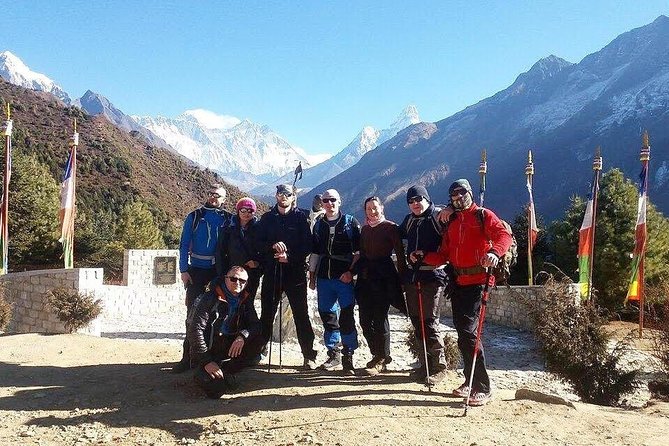
Day 08 covers Kalapathar (about 5,545m) and then to Pheriche (around 4,320m). Kalapathar is your high viewpoint day, and it’s often the moment people describe as “I finally get it” after days of effort.
At this altitude, the main challenge is that your body works against you. You may feel slower. You may need more pauses. That’s normal. If you listen to your guide and keep your breathing steady, you’ll still reach the viewpoint area.
Then you drop down to Pheriche. That descent is a mental relief as much as a physical one. Lower altitude makes it easier to eat, sleep, and recover. Your legs may feel beat up, but you’re now in the “recover and return” phase.
The balance here is smart: you get the big viewpoint without extending the highest-altitude portion too long.
The return trail: Pheriche to Namche to Phadking to Lukla
Day 09 heads from Pheriche back to Namche Bazaar (3,435m). Day 10 brings you down further to Phadking (around 2,835m) and then toward Lukla. The descent days matter for two reasons:
1) they help you recover from altitude stress
2) they let your mind soften after the intensity of Base Camp and Kalapathar
But don’t underestimate the legs. Going down can be tough on knees and calves. Trekking poles help a lot on steep sections if you have them, and you’ll want to keep steps short on long downhills.
Day 11 ends with the Lukla to Kathmandu flight, bringing you back to the meeting point area.
Price and logistics: what you’re really paying for
At $1,699 per person for an 11-day Everest Base Camp trek, the price is really buying you a lot of the moving parts that can turn a dream trek into a headache.
From the included items, you’re getting:
- Kathmandu–Lukla–Kathmandu air fare
- pickup and drop for the Lukla airport connection
- full board meals (breakfast, lunch, dinner) during the trek
- best available accommodations during the trek
- a government-licensed guide
- a porter (typically planned as 1 porter for 2 clients)
- TIMS card and restricted-area trekking permits
- first aid kit and local taxes and fees that normally get complicated
- farewell dinner prior to departure
So where does the value land? Most EBC costs add up quickly when you price things separately: flights, permits, guide time, lodging, meals, and the daily logistics. This package keeps the essentials bundled, and that matters when you’re operating at high altitude where you don’t want to be chasing details.
Still, you should budget extra for what’s not included. You’ll need to plan for lunch and dinner in Kathmandu, hotel in Kathmandu, travel insurance, the Nepal entry visa fee, tips for trekking staff, drinks along the way, and personal trekking gear plus any souvenirs.
What’s included for safety and sanity
This trek includes key safety-adjacent basics like a first aid kit, plus a licensed guide and porter support. You also get TIMS and restricted-area permits sorted, which means you’re not trying to figure out paperwork mid-trip.
A guide with mountain experience is about more than navigation. It’s about:
- keeping your pace matched to altitude
- managing rest stops so you don’t blow out early
- getting you through the route without wasted time
The reviews tied to this tour highlight exactly that kind of support. Many people praised the guide’s help on the hike and the calm communication before, during, and after the trek. One guide name that comes up is Dipu (spelled variations exist in the source material, but the name is clearly the same person). That’s a good sign for consistency: you’re not just buying a generic itinerary, you’re working with the same leadership through the hard parts.
Your packing and fitness checklist (so the trek feels possible)
You’ll want a moderate fitness level, and you should assume the trek is demanding. The altitude profile rises steadily: from Lukla at about 2,850m up to Everest Base Camp around 5,380m, with a high viewpoint at Kalapathar around 5,545m.
To make this more realistic for your body:
- plan to walk slowly and often
- eat regular meals on the trail since full-board is provided
- keep hydration consistent even when you’re not feeling thirsty
- mentally prepare for the “effort without speed” feeling on higher days
If you’ve never trekked at altitude, choose this kind of plan because it includes acclimatization and a thoughtful progression rather than rushing straight upward.
Who should book this Everest Base Camp plan
You’ll be a strong fit if you want:
- a structured 11-day route through the classic Everest region checkpoints
- acclimatization built into the calendar (that Namche day is huge)
- a private group experience with dedicated guide and porter support
- the main logistics handled, so you can spend your energy on the walk and the views
You might think twice if you:
- are relying on fast, aggressive daily mileage
- hate the idea of walking with slower pacing once altitude hits
- don’t want to carry personal items even with porter support (porters carry trekking baggage, but you’ll still manage your own day-to-day needs)
Should you book Everest Base Camp with Mount Face Nepal?
If your priority is a clear, well-organized Everest Base Camp journey with flights, permits, meals, and guide/porter support handled, this is a strong option. The pricing makes sense because it bundles the high-cost logistics (especially flights and permits) rather than leaving you to assemble a patchwork trip.
I’d book if you like the idea of walking step by step through the Khumbu, with Namche acclimatization and the big viewpoint days (Everest Base Camp and Kalapathar) paced into a full circuit. You’ll get the cultural stop at Tengboche as well, not just “walk and climb.”
I’d reconsider if you’re very new to altitude and you’re tempted to judge the trek by speed. This route rewards patience. If you bring patience, you’re in the right place.
FAQ
Where does the Everest Base Camp trek start and end?
The trek starts in Thamel, Kathmandu (44600, Nepal) with a start time of 7:15 am. It ends back at the meeting point.
Does the tour include flights to Lukla?
Yes. Air fare for Kathmandu–Lukla–Kathmandu is included.
What meals are included during the trek?
The tour includes full board meals: breakfast, lunch, and dinner during the trekking period.
Is a guide included?
Yes. You’ll have a government license holder guide.
Do I get porter support?
Yes. A porter is included to carry your baggage, normally planned as 1 porter for 2 clients.
Are trekking permits included?
Yes. Trekking permits needed for restricted area trekking are included, along with the TIMS card.
Where are pickup and drop-off handled?
Pickup and drop to the local airport for the Lukla flight are included, and ground transportation is included while returning back to Kathmandu from the trekking destination.
What is not included in the price?
Not included are lunch and dinner in Kathmandu, hotel in Kathmandu, travel insurance, Nepal entry visa fee, international airfare and airport departure tax, tips for trekking staff, drinks (hot/soft/cold) and liquors, personal shopping/laundry, personal trekking equipment, and gifts and souvenirs.
Is this a private tour?
Yes. Only your group will participate.
What fitness level do I need?
The information provided says travelers should have a moderate physical fitness level.