REVIEW · KATHMANDU
Oldest Local Market Walking Tour With Living Goddess Kumari
Book on GetYourGuide →Operated by Mount Glory Treks · Bookable on GetYourGuide
A living goddess sightlines your whole day. This tour in Kathmandu pairs a trip through Ason’s oldest market with a rare viewing of Kumari, the Living Goddess. It’s one of those experiences that’s both spiritual and practical, because you learn what you’re seeing while you’re surrounded by real local commerce.
I also like how the route compresses two major cultural stops into a 2-hour walk without feeling rushed in the explanations. Your guide’s clear English helps you connect the dots between Hindu traditions and what you’ll notice around the square. One consideration: you’ll be moving through market lanes where conditions can get tight and crowded.
In This Review
- Key Things I’d Target on This Tour
- Ason Market: The Quick Shortcut to Everyday Kathmandu
- Kathmandu’s Living Goddess Kumari: What You’re Actually Seeing
- Durbar Square on Foot: Palaces, Temples, and Real Architecture Details
- How Hinduism and Buddhism Show Up Along This Route
- Timing and Flow: A 2-Hour Walk That Fits Real Itinerary Planning
- Price and Value: What $39 Actually Buys You
- Guide Quality: Clear English Makes the Difference
- Practical Tips for Your Visit to Thamel and Chhaya Center
- Should You Book This Kumari and Ason Walking Tour?
- FAQ
- How long is the tour?
- Where is the meeting point?
- What does the tour cost?
- What’s included in the price?
- What isn’t included?
- Is the tour in English?
- Is free cancellation available?
- Can I reserve without paying right away?
Key Things I’d Target on This Tour
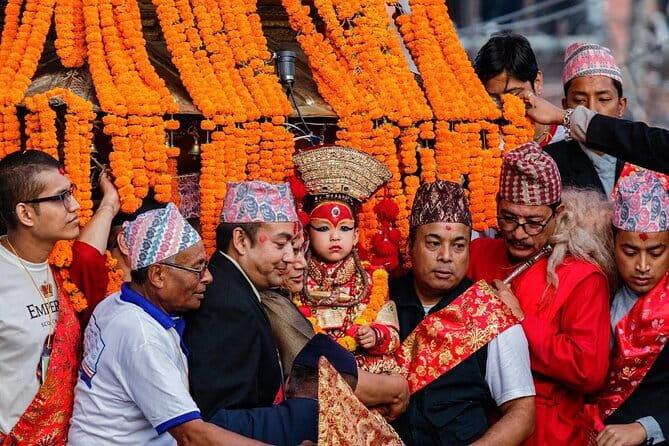
- Witness Kumari’s ritual role firsthand and learn why her position matters in Nepalese Hindu tradition
- Walk Ason, Kathmandu’s oldest market area and see everyday trade alongside temple culture
- Visit Kathmandu Durbar Square to spot how palaces, temples, and courtyards shape the city’s layout
- Use a good English guide to translate what looks symbolic into something you can actually understand
- See Hinduism and Buddhism in one route through the stories tied to each stop
Ason Market: The Quick Shortcut to Everyday Kathmandu
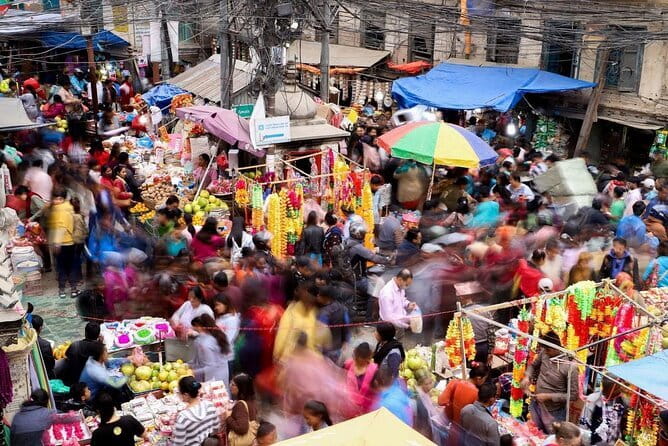
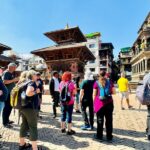
Ason is the kind of place where history isn’t stuck behind glass. You’re walking through the city’s oldest market area, where the streets are lined with small stalls and shops and where you can spot how people buy what they need, not just what sells to tourists. The tour gives you just enough structure to make sense of it, so you don’t wander aimlessly or miss the cultural cues.
You’ll notice goods that feel deeply tied to local life, like spices, textiles, and smaller items people bring home as practical souvenirs. I like this because it keeps the experience grounded. You come for Kumari, but Ason helps you understand the world around her—religion and daily routine running side by side.
The tradeoff is simple: market areas can be crowded, and the lanes can feel narrow. If you’re sensitive to crowd levels, bring a calm mindset and let your guide set the pace. The best outcome here is not speed. It’s focus.
You can also read our reviews of more walking tours in Kathmandu

Kathmandu’s Living Goddess Kumari: What You’re Actually Seeing
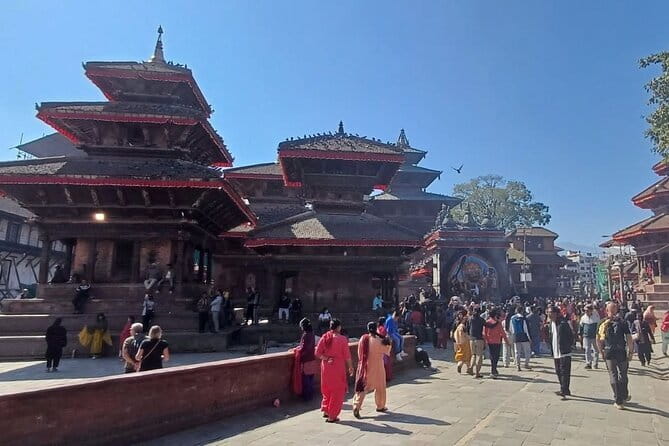
This part is the main event: witnessing the Living Goddess Kumari. In Nepalese tradition, the Kumari of Kathmandu is a prepubescent girl who is believed to be the living embodiment of the goddess Taleju. She’s traditionally associated with a residence called the Kumari Ghar, and her role is tied to religious belief and long-standing practice.
What I find powerful is that you’re not just being told a myth. You’re being guided to understand the system behind it. Your guide’s job is to help you make sense of the symbolism: why the Kumari matters, how the tradition is treated, and what kind of reverence locals bring into this space. When the tour is done well, you leave feeling you understood the meaning, not just the headline.
If you want to get the most from this stop, the attitude matters. Keep your attention on what your guide explains, follow instructions around where to stand, and respect the seriousness of the setting. This isn’t a performance meant for photos; it’s a religious role.
And yes, the moment can feel intense. One of the clearest themes from past visitors is the lasting impression of Kumari’s presence, often described as striking. Even without drama, it’s the kind of encounter you remember later when you’re back in your hotel room.
Durbar Square on Foot: Palaces, Temples, and Real Architecture Details

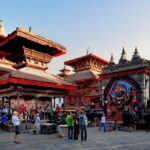
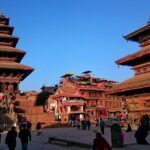
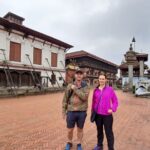
After the Kumari experience, the tour shifts to Kathmandu Durbar Square, a historic square in the heart of the city known for its cultural and architectural importance. This stop is where you zoom out. Instead of one living figure at one ritual home, you’re looking at the built environment that holds centuries of faith, power, and community life.
Kathmandu Durbar Square is home to palaces, temples, and courtyards. Walking through it with a guide helps because these aren’t just random stones. The layout teaches you something: how courtyards create movement and gathering spaces, how temples anchor sacred life, and how palaces reflect political and cultural authority. In other words, you learn why the square feels like a center, not just a landmark.
You should also plan for the practical detail: Kathmandu Durbar Square entry fees are extra (1000 Nepali Rupee). If you show up thinking everything is included, you’ll feel surprised. If you show up expecting a small add-on, it feels normal and manageable.
Also, this stop is included as a guided visit within the overall 2-hour format. That means you’ll get focus on the parts that matter, but you won’t have unlimited time to roam. If you like long, slow wandering, consider pairing this tour with extra self-guided time afterward.
How Hinduism and Buddhism Show Up Along This Route
One of the most useful angles of this tour is that it connects Hindu and Buddhist threads without treating them as separate worlds. The experience is designed to help you explore Hinduism and Buddhism together, using what you see and what your guide explains at each stop.
At Kumari, the connection is clearly tied to Hindu tradition through the goddess Taleju. At the square, the environment you’re walking through is shaped by religious architecture and sacred spaces, where different traditions have co-existed and influenced the way the city works. Your guide’s commentary is what makes this meaningful, because it turns surface-level observation into understanding.
If you’re the kind of traveler who likes to know what you’re looking at, this is a good fit. If you only want photos and quick sightseeing, you might feel the explanations are the real value here—and that’s where you’ll either click or drift.
Timing and Flow: A 2-Hour Walk That Fits Real Itinerary Planning
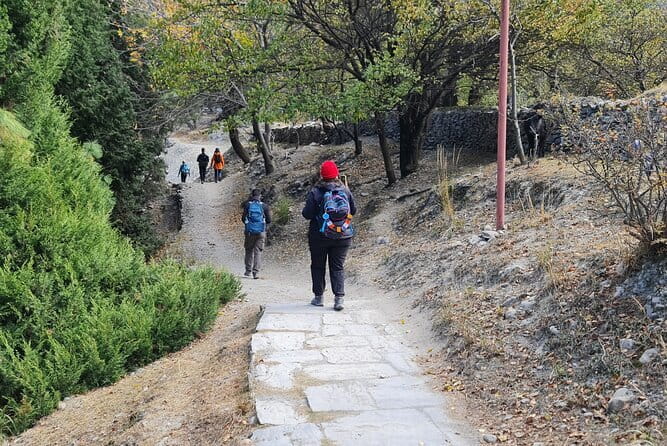
This is a compact tour at 2 hours total. For many visitors, that’s the sweet spot in Kathmandu: long enough to get a guided perspective and reach the key sights, short enough to stay flexible for other plans the same day.
The tour is built around walking, and it starts at Chhaya Center. The meeting point is the main gate side of Chhaya Devi Complex at Thamel, Kathmandu. That’s helpful because Thamel is where many people base themselves, so you’re not spending half your morning commuting.
One practical thing: meals and beverages aren’t included. So if you’re taking the tour during a time when you’re usually hungry, you’ll want to eat beforehand or plan to grab something after. The tour itself includes a bottle of mineral water, which is nice for staying comfortable on foot.
You can also read our reviews of more shopping tours in Kathmandu



Price and Value: What $39 Actually Buys You
The price is $39 per person for a 2-hour guided experience. That can look “standard” until you break down what you’re paying for. You’re paying for an English-speaking guide, plus government taxes and VAT, and you get a bottle of mineral water.
What’s not included is also important for value: Kathmandu Durbar Square entry fees cost 1000 Nepali Rupee extra, and personal expenses plus any meals are on you. So the true cost depends on whether you calculate entry fees before booking. If you do, the pricing becomes clearer: you’re not just buying a walk, you’re buying guided interpretation plus access to a route that ties together a market experience and a major religious sight.
Overall, I’d call it good value for travelers who want context. If you prefer self-guided sightseeing only, you could spend less. But if your goal is to understand what Kumari and the square mean, the guide is the part that turns it from sightseeing into learning.
Guide Quality: Clear English Makes the Difference
This is where the tour earns strong marks. English speaking guides are central here, because the Kumari tradition and the cultural meaning behind Durbar Square can be confusing without help. A standout theme from previous participants is how well the guide communicates and how detailed the explanations feel.
One guide name that comes up is Santos, praised for being an excellent communicator and for providing detailed explanations. Even if you don’t know who will lead your session, you should still expect the tour to rely heavily on interpretation. This isn’t a “follow the leader” route where you learn only by walking past things.
If you care about understanding religion, symbolism, and how sacred roles fit into daily life, you’ll likely appreciate the effort your guide puts into translating the experience into clear, understandable language.
Practical Tips for Your Visit to Thamel and Chhaya Center
You’ll meet at the main gate side of Chhaya Devi Complex at Thamel. Give yourself a little buffer before the start time so you’re not rushing through a busy tourist area. From there, you’ll head into the market and cultural sites on foot, so comfy footwear helps more than you’d think.
Also remember: the tour includes water, but it doesn’t include meals. If you’re the type to skip breakfast while on vacation, consider eating before you go so you don’t feel stuck deciding where to eat while your focus should be on the sights.
Finally, keep in mind that this is a religious experience. That means you’ll get the best results by staying attentive to instructions from your guide and keeping your behavior respectful in sacred spaces.
Should You Book This Kumari and Ason Walking Tour?
I’d recommend booking this tour if you want a short, guided route that connects three things most people try to see separately: a major market area, a major sacred role, and a central historic square. It’s especially worth it if you like explanations in English and you want your visit to have meaning instead of just checkpoints.
Skip it only if you’re likely to get impatient with guided interpretation, or if you strongly dislike walking through crowded market lanes. Otherwise, this is a smart use of time in Kathmandu: you get a rare cultural encounter plus a window into the city’s everyday rhythm, all wrapped into a manageable 2-hour schedule.
FAQ
How long is the tour?
The tour lasts 2 hours.
Where is the meeting point?
We meet at the main gate side of Chhaya Devi Complex at Thamel, Kathmandu.
What does the tour cost?
The price is $39 per person.
What’s included in the price?
It includes an English-speaking tour guide, government taxes and VAT, and a bottle of mineral water.
What isn’t included?
Meals and beverages are not included. Kathmandu Durbar Square entry fees are also not included (1000 Nepali Rupee), along with personal expenses.
Is the tour in English?
Yes, the tour guide speaks English.
Is free cancellation available?
Yes. You can cancel up to 24 hours in advance for a full refund.
Can I reserve without paying right away?
Yes. The option listed is reserve now & pay later.