REVIEW · KATHMANDU
Upper Mustang Trek 14 Days
Book on Viator →Operated by Trek Mania Nepal · Bookable on Viator
One special trip. Remote places with strong cultural roots. This Upper Mustang trek takes you into the once restricted kingdom with Tibetan-influenced walled towns and cave history. I also like how the plan balances guided cultural time with trekking days, so you’re not just chasing miles. One thing to consider: the route moves at altitude, and the itinerary expects moderate physical fitness.
You’ll start in Kathmandu, ease into things with Pokhara and Phewa Lake, then fly to Jomsom and walk through mud-brick villages, monasteries, and high-desert terrain toward Lo Manthang. The best part for me is the feel of a well-run trip—tight coordination, licensed guiding, and thoughtful pacing—paired with a real sense of place like Thubchen Gompa and Chhoser Cave. If you’re hoping for fully loaded meals and trekking lodging, check the inclusions carefully since accommodation and most meals during the trek are not included.
In This Review
- Quick hits
- Upper Mustang’s restricted-zone appeal (and what your permit covers)
- Day-by-day: Kathmandu to Pokhara warm-up and why it matters
- The Jomsom flight: your gateway into Upper Mustang
- Kagbeni to Ghami: mud-brick villages and high-desert walking
- Ghami to Lo Manthang: Tsarang, forts, and the walled-city feeling
- Lo Manthang day: Thubchen Gompa and Chhoser Cave
- Heading back: Lo Manthang to Dhakmar and retracing to Kagbeni
- The Jomsom-to-Pokhara fly-out and your last Nepal days
- Price and value: what $1,212 buys you (and what it doesn’t)
- Organization quality: where the trip earns trust
- What to pack (so the desert doesn’t do a number on you)
- Who this trek is best for
- Should you book this Upper Mustang trek?
- FAQ
- How long is the Upper Mustang Trek?
- Where does the tour start, and is Kathmandu lodging included?
- Is airport pickup and drop-off included?
- Do we travel by road or by flight?
- What permits are included for the trek?
- Are accommodations during the trek included?
- Are meals included?
- Do we get a licensed English-speaking trekking guide?
- Are porters included?
- What is the cancellation refund window?
Quick hits
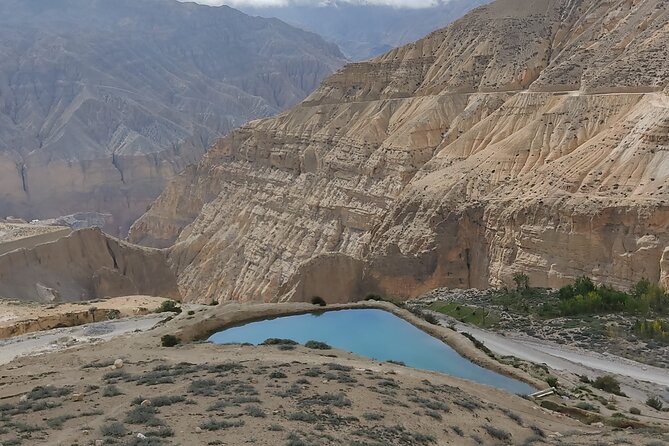
- Lo Manthang walled city time: narrow streets, Tibetan-influenced culture, and monastery stops built into the walking rhythm
- Chhoser Cave + Thubchen Gompa: you get more than scenery—you get places with long use and strong spiritual meaning
- Smooth logistics with Devaraj: clients highlight professional communication and careful organization from start to finish
- Permits handled: Upper Mustang restricted-area permit (10 days only) plus Annapurna Conservation Area permit included
- Private tour feel: only your group, with a government-licensed English-speaking trekking guide
- Kathmandu base included: 2 nights at Hotel Chhimeki plus airport pickup and drop-off
Upper Mustang’s restricted-zone appeal (and what your permit covers)
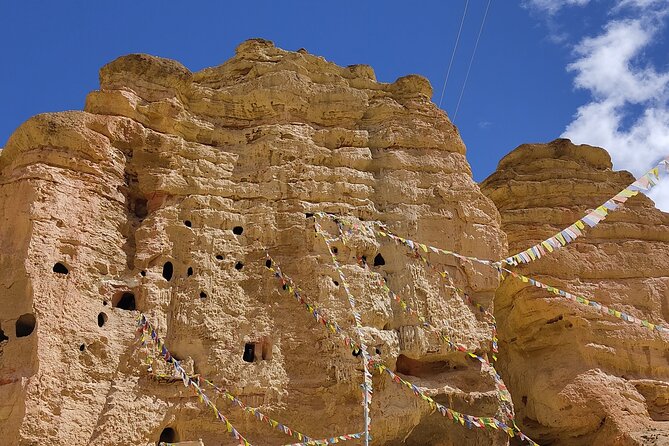
Upper Mustang has that rare “you’re really going somewhere” feeling. This region was once restricted, and today you still need the right paperwork to enter parts of it. That’s why the Upper Mustang Restricted Area Permit matters in your trip value—it’s included, and it’s listed as 10 days only. In plain terms: your trek schedule is designed so you’re in the restricted-area zone for the days that your permit covers.
You also get the Annapurna Conservation Area Permit. Even if you’re not thinking about permits day-to-day, having them handled usually means fewer headaches and smoother checkpoints.
One more practical point: this is a trek where local rules and timing can affect the day. Having a licensed guide and a planned route helps you keep moving without guessing.
You can also read our reviews of more hiking tours in Kathmandu
Day-by-day: Kathmandu to Pokhara warm-up and why it matters
This itinerary doesn’t throw you straight into long uphill effort. It starts with time to get oriented.
Day 1: Kathmandu (Thamel)
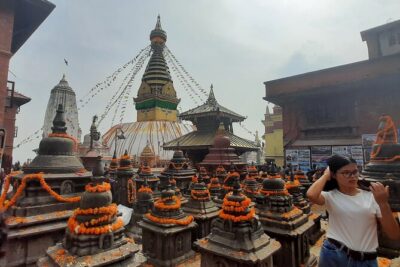
You arrive and settle into Hotel Chhimeki. Then you spend time around Thamel, Kathmandu’s shop-and-stroll area. It’s a smart first day. You’re not trying to “do a lot.” You’re letting your body and brain catch up to Nepal, while you handle any last-minute needs before trekking starts.
Day 2: Drive to Pokhara + Phewa Lake
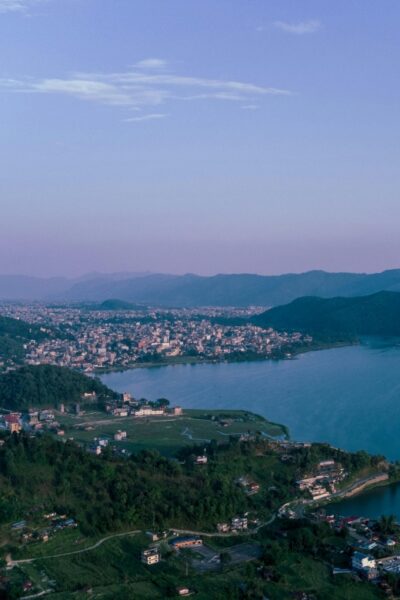
You take a scenic drive from Kathmandu to Pokhara through countryside and terraced fields. Once you arrive, you get easy, low-stress sightseeing: a walk along Phewa Tal (Phewa Lake), with the option to rent a boat and view Annapurna and Machapuchare from the water. You also visit Tal Barahi Temple, reached by a short boat ride.
This day is valuable for two reasons:
- It’s a gentle transition from city to trail pace.
- Pokhara helps you mentally shift into the slower, outdoors rhythm.
If you’re the type who hates feeling rushed, this start will feel good.
The Jomsom flight: your gateway into Upper Mustang
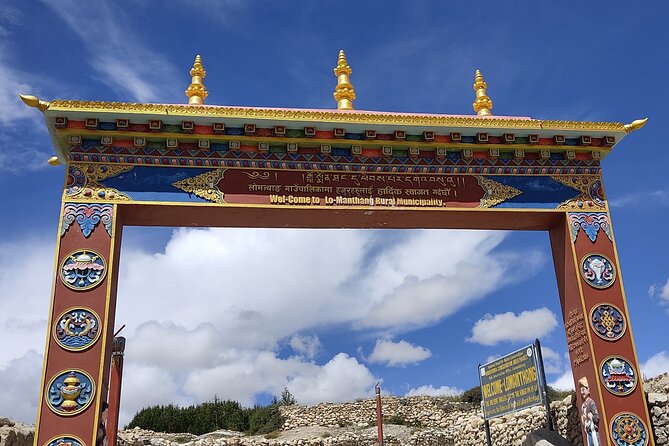
Day 3: Pokhara to Jomsom, then Kagbeni
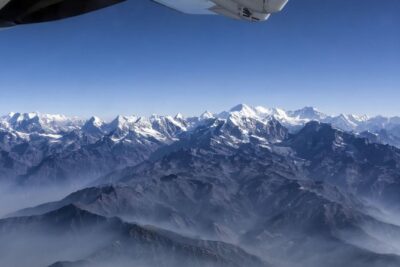
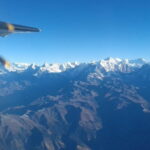
You fly from Pokhara to Jomsom. Jomsom sits in the Kali Gandaki Valley, and it’s described as a gateway town for Upper Mustang with dramatic surroundings and strong wind. In other words: you’re stepping into a more exposed, more rugged part of Nepal fast.
After landing, you begin trekking from Jomsom to Kagbeni. Kagbeni is known for its ancient mud-brick houses, narrow alleys, and Buddhist monasteries. This is one of those days where you can feel the shift from “trip” to “journey.” The villages here don’t feel like tourist sets. They feel like living communities shaped by harsh terrain and long tradition.
Kagbeni to Ghami: mud-brick villages and high-desert walking
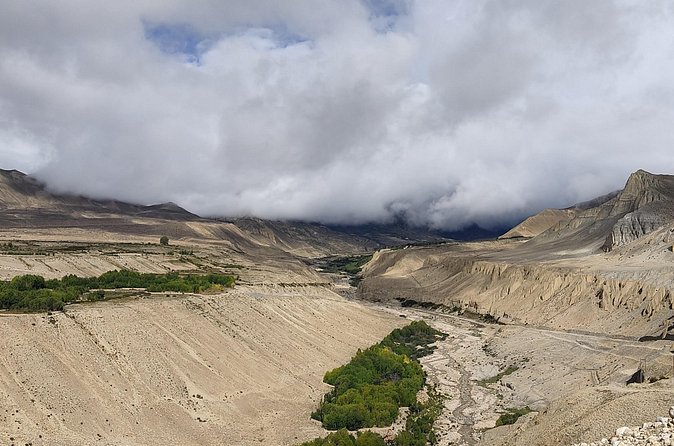
From here, you’ll move day by day through Upper Mustang’s arid zones and older settlements. The itinerary keeps you in rhythm: start from one village, walk toward the next, then settle into local life.
Day 4: Kagbeni to Chele
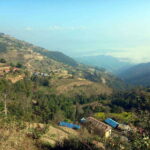
This is framed as a trek through arid landscapes, ancient caves, and Mustang villages. The point isn’t speed—it’s the sense of remoteness and the feeling that you’re walking through a time-worn route.
Day 5: Chele to Syanboche
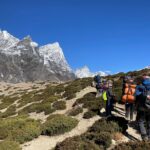
You continue across high-altitude desert and rugged barren terrain, with remote, quiet atmosphere. If you like wide-open days and fewer distractions, this is the kind of trekking that fits you.
Day 6: Syanboche to Ghami
Ghami is a bigger village, and it’s described as having historical monasteries. I like this mix: you get smaller, raw-feeling walking early on, then you reach a place with more “village backbone” before continuing.
A practical consideration: because this is high and dry terrain, you’ll want a comfortable layering system and a plan for sun and wind exposure. This isn’t about extremes—it’s about being ready.
Ghami to Lo Manthang: Tsarang, forts, and the walled-city feeling
Upper Mustang’s pull really shows once you start aiming at Lo Manthang.
Day 7: Ghami to Tsarang
Tsarang is known for an ancient monastery and the Tsarang Fort. Forts in places like this usually mean visibility, control, and history—built for survival in a region that isn’t forgiving. Expect the day’s walking to feel more purposeful as the cultural sights increase.
Day 8: Tsarang to Lo Manthang
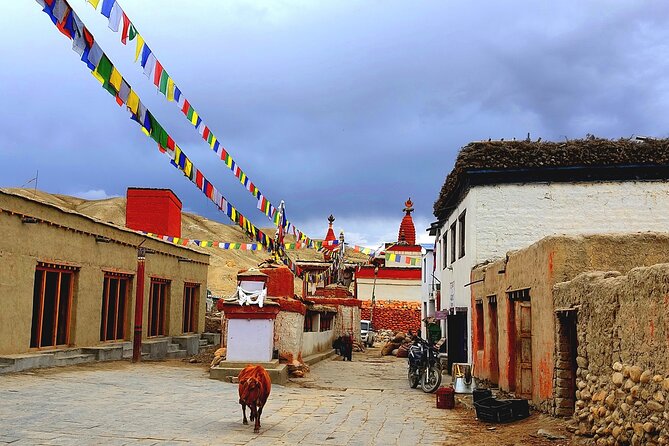
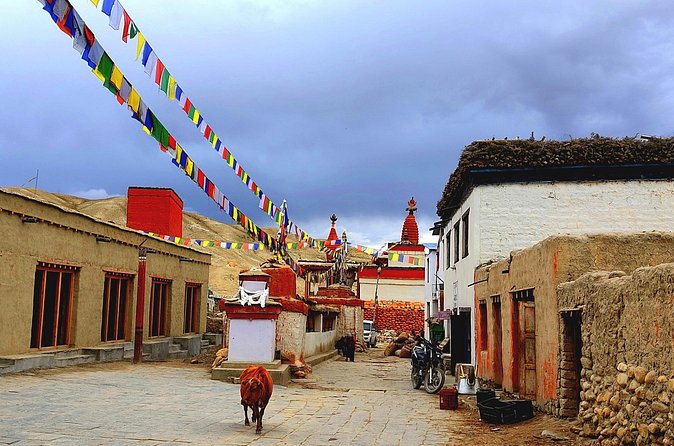
Lo Manthang is the capital of Upper Mustang, and it’s specifically described as a walled city with Tibetan-influenced culture, narrow streets, and traditional mud-brick buildings.
This matters. Walled cities change how you experience a place: you enter, you slow down, and the streets feel like they were designed for movement in a different kind of world.
Lo Manthang day: Thubchen Gompa and Chhoser Cave
Day 9: Thubchen Gompa + Chhoser Cave + time in Lo Manthang
This is a strong cultural day.
- Thubchen Gompa (Monastery): described as one of the oldest and most significant monasteries in Lo Manthang, with striking architecture and a peaceful atmosphere. Even if you only spend a short time there, monasteries like this tend to reset your pace.
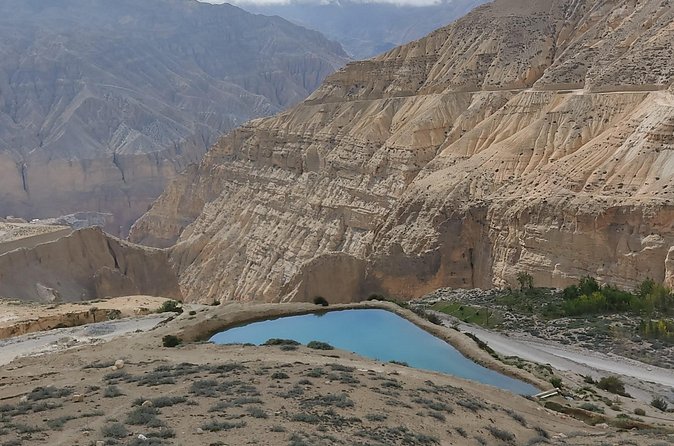
- Chhoser Cave: near Lo Manthang, known for historical significance and a stunning setting. The cave complex is described as having been used for centuries.
Then you finish in Lo Manthang itself, with time to absorb the walled-city feel: narrow alleyways, traditional homes, and that unmistakable Mustang mix of everyday life and spiritual landmarks.
This is also where I think the guidance quality matters most. A good guide doesn’t just point at things. They help you notice what makes them important.
Heading back: Lo Manthang to Dhakmar and retracing to Kagbeni
Returning treks can either feel like repeats or like a second chance. This itinerary tries for the second option by changing the perspective.
Day 10: Lo Manthang to Dhakmar
You head out toward Dhakmar, with the trek offering fresh perspectives—rock formations and expansive valleys. Dhakmar is described as a village with its own character, so you’re not simply walking out the same corridor.
Day 11: Dhakmar to Kagbeni
You retrace your steps back to Kagbeni. Retreading can work well in Upper Mustang because the terrain and village structures are so distinctive. The goal is to notice how your understanding changes after days of walking.
One small tip from experience in any multi-day trek: let your senses do the work. Don’t rush to “collect sights.” Stop when something catches your attention—caves, monastery walls, or the way houses are built for dry air and wind.
The Jomsom-to-Pokhara fly-out and your last Nepal days
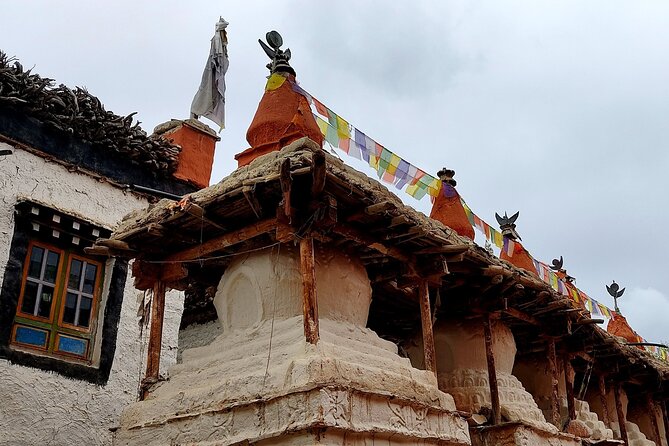
Day 12: Jomsom to Pokhara
You fly back to Pokhara. Since Jomsom is described as a gateway town with dramatic surroundings and strong winds, the flight day can feel like a release valve—less exertion, more waiting for the sky to cooperate.
Day 12 continued: Pokhara
Once you’re back, you relax and reflect. Pokhara is described as serene with views of the Annapurna mountain range and lakes. This is a good day to do simple things: stretch, eat well (within your budget), and let the trek settle into your body.
Day 13: Pokhara to Kathmandu
You drive back to Kathmandu on a scenic route. You’ll have time to relax, shop for last-minute items, or do more around the city.
Day 14: Departure
You head to Tribhuvan International Airport for your flight out.
Price and value: what $1,212 buys you (and what it doesn’t)
At $1,212 per person for a 14-day plan, the value depends on how you read the inclusions.
Here’s what’s clearly included:
- Airport pickup and drop service
- 2 nights in Kathmandu at Hotel Chhimeki
- Transportation as per the itinerary (including flights and drives)
- A government license holder English-speaking trekking guide
- Permits: Upper Mustang restricted-area permit (10 days only) and Annapurna Conservation Area permit
- First aid medical box
- T-shirt, duffel bag, and trekking map with company logo
- All taxes
- Dinner (the list doesn’t specify how many dinners, so plan around the uncertainty)
Here’s what is not included:
- Accommodation during the trek
- Meals all meals
- Porters
- All kinds of drinks
- Travel insurance / rescue operation costs
- International flight tickets
- Visa fee to enter Nepal
- Extra Kathmandu nights if your schedule changes
- Tips for guides and porters
So the main budgeting reality is this: you’ll be paying for teahouse lodging and most meals during the trek, plus drinks and tipping. That doesn’t make the trip a bad deal. It just means you should treat the quoted price as the backbone—guiding, permits, main transfers, and city base—while planning your day-to-day trail spending separately.
If you already know you’ll want porters or you like full-service meal plans, this price will feel tight. If you’re comfortable with independent spending at teahouses, you’ll likely feel like the fixed costs are handled well.
Organization quality: where the trip earns trust
In the feedback I reviewed, one theme came up repeatedly: things ran smoothly. People praised the professionalism of the team—specifically Mr. Devaraj and his daughter for communication that felt fast and well managed ahead of time.
That kind of coordination matters on a trek like Upper Mustang because the experience relies on more than just walking. You’re dealing with:
- flights (Pokhara–Jomsom and back),
- permit timing,
- and a route that needs steady daily progress.
You also get a licensed English-speaking trekking guide. On paper that’s a box to check. In real life, it affects everything from pace to how you interpret what you see in Lo Manthang and nearby caves.
What to pack (so the desert doesn’t do a number on you)
You won’t find specific packing lists in the provided info, so I’ll keep this practical and general:
- Pack for cooler nights and big wind/sun swings. Upper Mustang is described as high-altitude and arid.
- Keep essentials easy to access for days where you’re starting early and moving between villages.
- Bring layers, not one bulky jacket. Dry cold feels different than wet cold.
- Expect you’ll need spending flexibility since most meals and trek lodging aren’t included.
Who this trek is best for
This Upper Mustang trek fits you best if you:
- want Tibetan-influenced culture in a quieter, remote setting,
- like a mix of trekking and specific cultural stops like monasteries and caves,
- are okay with trekking days that can feel long (each trek day is listed at about 12 hours),
- and you have moderate physical fitness.
It’s less ideal if you need full-service comfort on every meal and lodge, or if you want lots of free time with no structure.
Should you book this Upper Mustang trek?
If your dream includes Lo Manthang’s walled-city feel, plus stops like Thubchen Gompa and Chhoser Cave, this route is a strong match. The price covers real value items that matter most in Upper Mustang: permits, a licensed English guide, main transport, and the Kathmandu base.
I’d say book it if you’re comfortable managing teahouse lodging and meals costs on your own during the trek, and you’re ready for high-altitude walking days. If that part sounds stressful, consider budgeting for porters and building a simple meal/lodging plan before you go.
If you want, tell me your travel month and your current fitness level (no need for details), and I’ll help you sanity-check whether this pace feels right.
FAQ
How long is the Upper Mustang Trek?
The tour is listed as 14 days approximately.
Where does the tour start, and is Kathmandu lodging included?
It starts at Hotel Chhimeki in Kathmandu. The price includes accommodation in Kathmandu for 2 nights at Hotel Chhimeki.
Is airport pickup and drop-off included?
Yes. Airport pickup and drop service are included.
Do we travel by road or by flight?
You’ll drive from Kathmandu to Pokhara and later from Pokhara back to Kathmandu. You’ll fly between Pokhara and Jomsom, and then fly back from Jomsom to Pokhara.
What permits are included for the trek?
Included permits are the Upper Mustang Restricted Area Permit (10 days only) and the Annapurna Conservation Area Permit.
Are accommodations during the trek included?
No. Accommodation during the trek is not included.
Are meals included?
All meals are not included. Dinner is listed as included, but you should plan to pay for other meals during the trek.
Do we get a licensed English-speaking trekking guide?
Yes. The tour includes a government license holder English-speaking trekking guide.
Are porters included?
No. Porters are not included.
What is the cancellation refund window?
You can cancel up to 3 days in advance for a full refund. If you cancel less than 3 days before the experience start time, the amount paid is not refunded.