REVIEW · KATHMANDU
Kathmandu UNESCO Heritage Tour with Local Food Tasting
Book on GetYourGuide →Operated by Adventure Himalaya Nepal Pvt. Ltd. · Bookable on GetYourGuide
Monkey Temple and street food in one walk. This 5-hour guided heritage route mixes hilltop calm with UNESCO-level sights, starting at Swayambhunath and working down into the city. I like the clear contrast: prayer flags and quiet chanting up above, then real street-level Kathmandu right afterward.
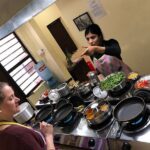
What I like most is the food tasting that doesn’t feel like an afterthought. You’ll try a lineup of Nepali favorites like MoMo, Newari samaybaji, yomari, bara, chatamari, and gwaramari, with Indrachowk lassi to cool things off, plus you can eat as much as you like.
One thing to consider: the schedule is packed into just 5 hours, so if you hate crowds or long walks, you’ll want to pace yourself and wear comfy shoes.
In This Review
- Key highlights at a glance
- Thamel to UNESCO: The Simple Appeal of This 5-Hour Heritage + Food Loop
- Swayambhunath (Monkey Temple): Views, Chanting, and Buddhist Symbols You Can Actually Place
- Kathmandu Durbar Square and the Kumari Window: UNESCO Meets Daily Living
- Asan Market: Spices, Cloth, and Real Kathmandu Shopping Energy
- The Nepali Street Food Tasting: Eat As Much as You Like (and How to Choose)
- How Rajan’s Guiding Style Makes the Day Feel Easy
- Price and Logistics: What $64 Covers (and Why It Feels Fair)
- Timing, Meeting Points, and Where the Day Starts
- Comfort Tips: Small Things That Make a Big Difference
- Who This Tour Is For (and Who Might Skip It)
- Should You Book This Kathmandu UNESCO Heritage + Food Tour?
- FAQ
- How long is the Kathmandu UNESCO Heritage Tour with Local Food Tasting?
- Where does the tour pick up, and where do you get dropped off?
- Is there an English-speaking guide?
- What sites are included in the tour?
- Can I see the Kumari during the tour?
- What food is included?
- What’s included in the price, and what isn’t?
Key highlights at a glance
- Swayambhunath hilltop views over Kathmandu Valley, with Buddhist culture in full view
- Kathmandu Durbar Square UNESCO World Heritage Sites and iconic statues like Kal Bhairav and Swet Bhairav
- A real chance to see the Living Goddess Kumari at her window
- Asan Market shopping lanes where spices, grains, cloth, and brassware all share the same streets
- A planned “try everything” route through Nepali street snacks and regional sweets
- English guide and private group format, with Rajan described as flexible and attentive
Thamel to UNESCO: The Simple Appeal of This 5-Hour Heritage + Food Loop
Kathmandu can feel like a switchboard—noise, smells, people, and sudden beauty all at once. This tour gives you structure without killing the spontaneity. You’re guided to major heritage stops, but the day still breathes like a real local morning and afternoon.
You also get a very practical deal: entrance fees, local food, transportation, an English-speaking guide, and a bottle of drinking water are all included. At $64 per person for a half-day private group, the value comes from how much is handled for you, especially when food costs and guide time add up fast on your own.
You can also read our reviews of more food & drink experiences in Kathmandu

Swayambhunath (Monkey Temple): Views, Chanting, and Buddhist Symbols You Can Actually Place
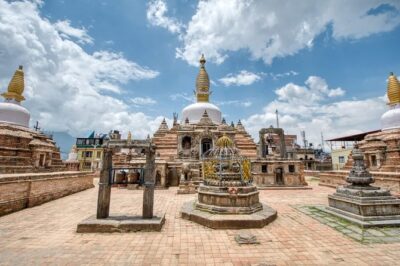
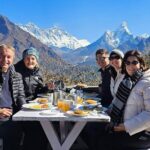
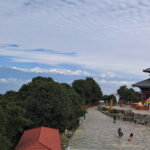
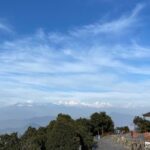
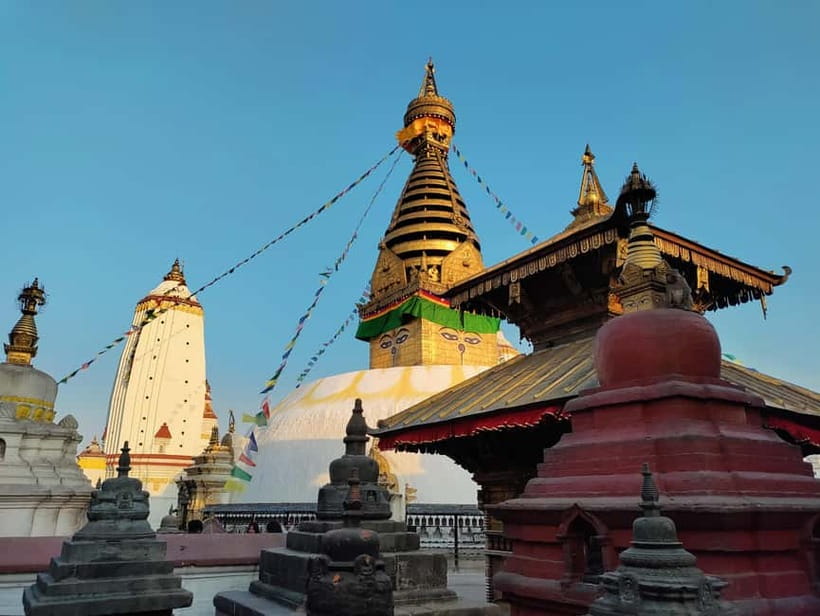
Swayambhunath sits up on a hill, so you’ll feel Kathmandu shift as you climb out of the street noise. The stupa is known as the Monkey Temple, but the real story is spiritual. The prayer flags, the chanting you might hear, and the way people pause in quiet concentration all give you a sense of the place.
What I love here is how the guide helps you read what you’re looking at. It’s not just “pretty temples.” You get context for the Buddhist culture and history attached to the site, which makes the symbols easier to recognize while you’re standing there.
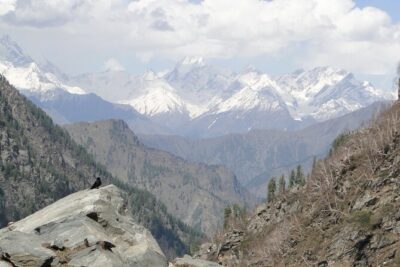
It also helps that the timing works for sightseeing. With about 1 hour at Swayambhunath, you can take in the panorama over the Kathmandu Valley and still have time to wander at a human pace. If you’re the type who gets cranky rushing stairs, this portion is usually the calmer part of the day—so use it to reset.
Kathmandu Durbar Square and the Kumari Window: UNESCO Meets Daily Living
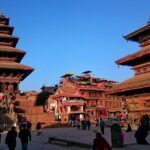
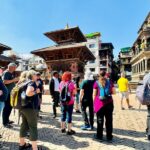
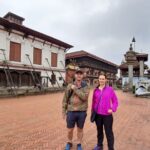
Kathmandu Durbar Square is a UNESCO World Heritage Site, and the vibe is different from the hilltop. This is heritage as living space—temples, carvings, sacred icons, and routines continuing alongside visitors.
The guide’s role matters a lot here. Sites like this can turn into a blur if you don’t know what to look for. Expect stories tied to the area’s temples and palaces, plus specific icons such as Kal Bhairav and Swet Bhairav. Even if you only catch a few key details, they give the whole square more meaning.
The standout moment is the chance to see the Kumari, Nepal’s Living Goddess, appearing at her window. It’s one of those experiences that feels both intimate and steeped in tradition. And even if you don’t see the window moment exactly, the stop still works because you’re learning the cultural background around it, not just pointing and photographing.
You’ll spend about 1 hour here, which is long enough to grasp the layout and catch key points without feeling like you’re trapped in a queue. Still, it’s a busy place at times, so take a steady approach and let your guide do the navigation.
Asan Market: Spices, Cloth, and Real Kathmandu Shopping Energy
After the heritage sites, Asan Market brings you right back to Kathmandu’s daily rhythm. If Thamel is where many visitors orient themselves, Asan is where the city’s everyday economy shows up—spices, grains, traditional goods, and stalls that feel woven into the street.
This is the best segment for anyone who likes “useful souvenirs.” You’ll see brass utensils, seasonal produce, handmade items, and colorful textiles. It’s the kind of place where you can wander for ten minutes and still discover something new, even without buying anything.
The tour gives you 1 hour for Asan, with guided time plus free time for shopping and local snacks. That mix is smart because the market is active—you don’t want a guide talking at you the whole time, and you don’t want to be totally lost either. You’ll also get a feel for the smells and textures that shape what Kathmandu tastes like.
If you’re sensitive to strong odors or very tight lanes, just plan to move slowly. I like this stop because it’s not pretending to be quiet for tourists. It’s simply Kathmandu.
The Nepali Street Food Tasting: Eat As Much as You Like (and How to Choose)
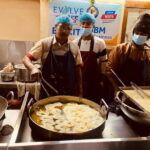
Food is the reason this tour feels different from a standard heritage walk. You’re not doing one token snack. You’re working through a lineup that covers dumplings, lentil dishes, sweet steamed treats, and crispy bites.
Here’s what you may get to try during the tasting:
- MoMo (Nepali dumplings)
- Newari samaybaji (a ceremonial platter that can include beaten rice, marinated meat, fried eggs, and pickles)
- Yomari (sweet steamed dumpling filled with jaggery)
- Bara (savory lentil pancake)
- Chatamari (rice flour crepe, often compared to Nepali pizza)
- Gwaramari (crispy fried bread)
- Plus a refreshing glass of Indrachowk lassi
The best part isn’t only the variety. It’s that the tasting is guided, so you learn what you’re eating in plain language and you can compare flavors across dishes instead of just grabbing random street snacks.
A practical tip: go in hungry, but pace your bites. The tour encourages you to eat as much as you like, and that can be a lot in one afternoon. If you want to feel good afterward, treat it like a sampler—try one small portion of everything first, then come back for the favorites.
If you’re traveling with picky eaters, this tour is still workable, but you’ll want to manage expectations. It’s street food, and flavors can be bold. The upside is that your guide can help you understand what each item is, which makes it easier to decide on the fly.
You can also read our reviews of more tours and experiences in Kathmandu


How Rajan’s Guiding Style Makes the Day Feel Easy
In the best version of this tour, the guide isn’t just reciting facts. You get a rhythm that matches how you’ll actually experience Kathmandu—walk, pause, look closely, then move on.
The name that comes up again and again is Rajan. He’s described as making the day seamless, insightful, and unforgettable, with real care for guests. There’s also an emphasis on flexibility, meaning if the day needs adjustment—timing, pacing, or what you want to spend a little extra time on—your guide can adapt.
That flexibility matters in Kathmandu. Even with a planned route, the city’s pace can change fast. A good guide helps you keep momentum without feeling rushed. And in this case, the driver is also described as skillful and warm, which helps with the “arrival-to-departure” experience.
If you like your history with context you can use while looking around, this is a strong fit.
Price and Logistics: What $64 Covers (and Why It Feels Fair)
Let’s talk value, because half-day tours can be sneaky. At $64 per person, what makes sense is what’s included:
- Entrance fees for the heritage sites
- Local food tastings
- English-speaking guide
- Transportation
- Bottled drinking water
- Government taxes
What’s not included is personal expenses. That means you’re mainly paying for the core experience—heritage, food, and the effort of getting between stops. For a private group, it’s also a decent way to keep the day comfortable. You’re not squeezed into a large group, and you can ask questions without waiting for a microphone and a crowd.
The only “logistics” watch-out is that you’re walking and moving through active areas. Even if you’re not doing a long hike, Kathmandu’s streets have their own pace. The private format helps, but you’ll still want to treat this as a walk-first tour.
Timing, Meeting Points, and Where the Day Starts
This tour runs for about 5 hours, and it offers two pickup options:
- Thamel
- Kathmandu
You also get two drop-off options:
- Thamel
- Kathmandu
That choice matters. If you’re staying around Thamel (a common base for many visitors), pickup and drop-off there can save you time and reduce morning stress. If you’re elsewhere in Kathmandu, pickup still makes the first part easier.
The day flows like this: you start around Thamel, head up to the hilltop stupa area, move to Kathmandu Durbar Square, and then finish with Asan Market. It’s a smart sequence because you begin with the spiritual view, then you go into UNESCO heritage in the city core, and you end with shopping and food energy.
Comfort Tips: Small Things That Make a Big Difference
This is a short day, so comfort choices add up. Wear shoes that work on uneven streets. Bring a small layer because mornings near hilltop areas can feel cooler.
Also, plan your phone usage. It’s tempting to take photos nonstop, but places like Swayambhunath and Durbar Square reward slower looking. If you give yourself a few minutes without the camera, you’ll notice details more—prayer flags, carvings, and how people move through the space.
Finally, with food, don’t be a hero. Eat enough to enjoy everything. If you end up with a favorite, it’s easy to go back for extra, since the tasting is set up for lots of samples.
Who This Tour Is For (and Who Might Skip It)
I’d recommend this for:
- You want a heritage walk with UNESCO stops and a local guide
- You love street food but want it organized and explained
- You like markets and shopping for usable local goods
- You care about cultural moments like the chance to see the Kumari
It might not be ideal if:
- You hate crowds and prefer quiet, controlled sightseeing
- You can’t handle a fast-paced food day
- You’re looking for a deep, slow museum-style experience (this is more street-to-temple and taste-focused)
For most people, it’s a strong “first Kathmandu day” option. You get orientation fast, plus you leave with real flavors and real context.
Should You Book This Kathmandu UNESCO Heritage + Food Tour?
Book it if you want value from a guided day that combines UNESCO heritage with a serious tasting lineup. The included guide, entrance fees, transportation, and a bottle of water are practical perks, and the food list is broad enough to feel like a meal, not a snack.
Skip it if you want total peace and quiet or if you’d rather build your own plan around just one site. This tour is made for people who like contrast: hilltop serenity, palace-square symbolism, and market energy, all before dinner.
If you do book, I’d choose the pickup that’s closest to where you’re staying. Then arrive hungry, wear comfortable shoes, and ask questions. The day works best when you treat it like a guided walk with time to look, not a checklist race.
FAQ
How long is the Kathmandu UNESCO Heritage Tour with Local Food Tasting?
It lasts 5 hours.
Where does the tour pick up, and where do you get dropped off?
Pickup options are Kathmandu or Thamel. Drop-off options are Kathmandu or Thamel.
Is there an English-speaking guide?
Yes. The tour includes an English-speaking live guide.
What sites are included in the tour?
You’ll visit Swyambhunath Stupa, Kathmandu Durbar Square, and you’ll walk through Asan Market.
Can I see the Kumari during the tour?
The tour includes a chance to see the Living Goddess, Kumari.
What food is included?
Local food is included, and the tasting may include MoMo, Newari samaybaji, yomari, bara, chatamari, gwaramari, and Indrachowk lassi.
What’s included in the price, and what isn’t?
Included: entrance fees, local food, an English-speaking guide, transportation, bottled drinking water, and government taxes. Not included: personal expenses.