REVIEW · KATHMANDU
Everest base camp Helicopter Tour
Book on Viator →Operated by Exciting Nepal Treks and Expedition · Bookable on Viator
Everest in a half-day, from the air. This is a Kathmandu to Everest Base Camp helicopter tour built for people who want the drama of the Himalayas without committing to days of trekking. I love the small-group feel and the way the schedule stacks high-mountain views fast, plus you get guided commentary on Sherpa life and the region’s geology. The main thing to keep in mind is the trade-off: this trip is weather-dependent, so fog or clouds can spoil the views or shift your timing.
What makes this day work is that it combines flying time with a few well-chosen ground stops, starting with a breakfast break at the Everest View area. I also like the clear emphasis on photo windows and timing, including at the Kala Patthar side where you want the light and visibility on your schedule, not someone else’s. If you’re aiming for a long, rugged hike, this tour won’t match that style. It’s a views-and-culture sampler with helicopter speed.
You’ll start early, get picked up from your Kathmandu hotel, and head out in an air-conditioned vehicle. From there, the day moves in jumps: short flights, a shuttle-style transfer approach around the Everest viewpoint circuit, and a guided look at Sherpa villages and their Buddhist monasteries (an optional stop). It’s the kind of plan that makes sense when you’re short on time and still want Mt. Everest in your photo roll.
In This Review
- Key highlights worth your attention
- Why this Everest helicopter day tour fits tight schedules
- Getting from Kathmandu: early pickup and a private, smooth start
- Everest View Point breakfast stop: a calm start before the high country
- Kathmandu to Lukla and onward to Kala Patthar: what the flying legs really do
- Shuttle-style moves around Everest Base Camp and Kalapatthar
- Sherpa villages, monasteries, and guided commentary beyond the peaks
- Weather rules and timing: how to plan your mindset for a 6:15 am start
- Price and value: what $1,700 buys, and what costs extra
- Packing tips that make the helicopter day easier
- Who should book this Everest Base Camp helicopter tour from Kathmandu
- Should you book this tour?
- FAQ
- How long is the Everest Base Camp helicopter tour?
- What time does the tour start?
- What does the price include?
- What extra fees should I budget for?
- What’s the group size?
- Is there a weight limit?
- What happens if weather is bad?
- Can I cancel for a full refund?
Key highlights worth your attention
- Hotel pickup and drop-off in Kathmandu with an air-conditioned vehicle to start the day clean.
- Small group size (maximum 5 travelers), which usually means less waiting and more attention.
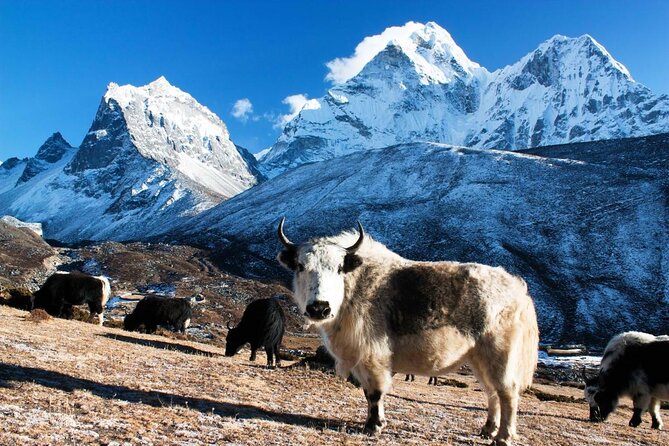
- Kala Patthar photo focus with flying and viewing timed around window opportunities.
- Sherpa village visit and optional monastery stop for culture, not just scenery.
- Breakfast break at Everest View Hotel area (break time is built in; breakfast itself isn’t included).
- Multiple flying legs that help you see Everest from the air without a full multi-day trek.
Why this Everest helicopter day tour fits tight schedules
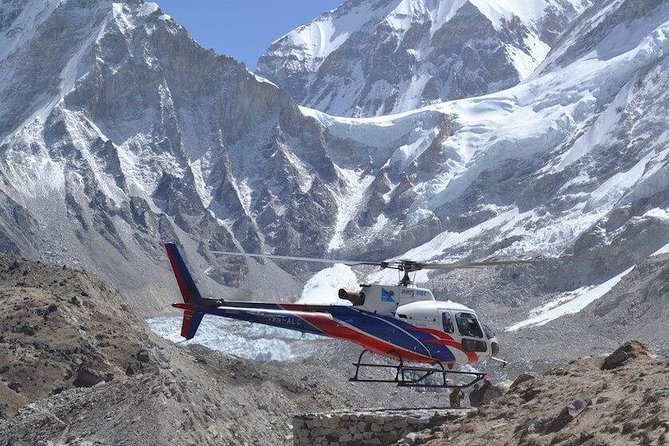
If your Nepal trip only has room for one big Everest moment, this is one of the most direct ways to do it. The whole experience runs about 5 hours 30 minutes, with roughly 4 hours 30 minutes spent in the air. That design matters. It turns what would normally be a multi-day expedition into a single morning where you can still feel like you reached the top of the story.
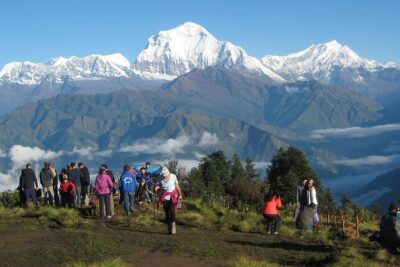
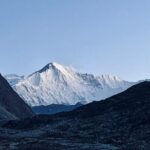
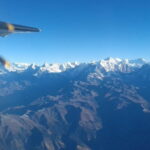
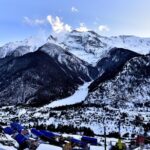
This tour also makes a smart choice by mixing viewpoints. You’re not just “going to Everest Base Camp.” You’re also spending time around the Kala Patthar side, plus you’ll get a dramatic aerial look at the Everest region from multiple legs. For many visitors, the helicopter view becomes the best part because you’re seeing the geometry of the mountains: ridges, valleys, and glacier lines that you normally miss while moving on foot below cloud level.
The other big value is that this is set up for people who aren’t climbing types. If you’re not training for altitude on foot, or you simply want to keep your energy for sightseeing in Kathmandu afterward, the plan is built for that reality. You get the Everest “wow” while staying realistic about time and stamina.
You can also read our reviews of more tours and experiences in Kathmandu

Getting from Kathmandu: early pickup and a private, smooth start
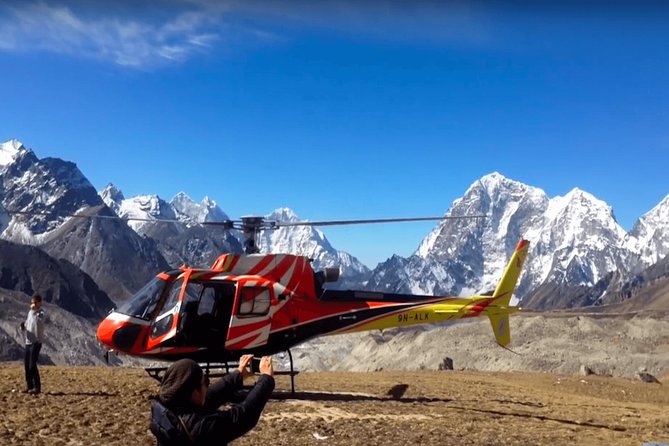
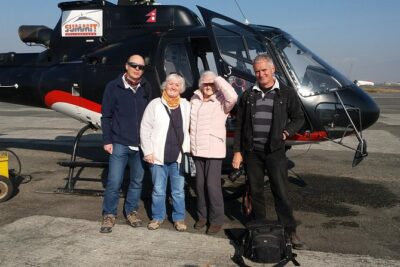
The day begins at 6:15 am. You’ll be picked up from your hotel area in Kathmandu and taken by vehicle to the start of the flying day, with round-trip private transfer included. That private door-to-door piece is not just comfort. It reduces friction when you’re facing an early start and a weather-sensitive route.
The vehicle is air-conditioned, which sounds minor until you’re waking up quickly, heading out before sunrise, and trying to keep your morning from turning into a sweaty scramble. You’ll also use a mobile ticket, which helps if you don’t want to manage paper confirmations on a tight timeline.
One practical point: there’s a total passenger weight limit listed at 243 lbs. If you’re near that number, it’s worth checking carefully during booking so you don’t end up with a last-minute problem. Also, while the tour says “most travelers can participate,” helicopter seating can feel intense if you’re sensitive to noise, vibration, or confined space. If you’re prone to motion sickness, plan for that before you go.
Everest View Point breakfast stop: a calm start before the high country
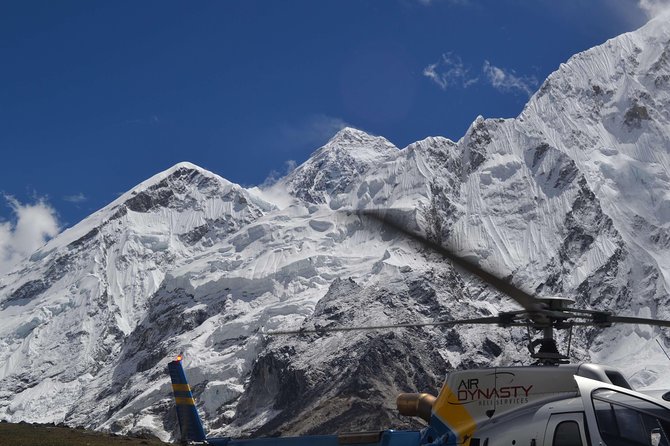
Before the main flight legs, you’ll stop at the Everest View Point area at the Hotel Everest View for 30–50 minutes. The schedule includes time for a breakfast break with the mountain view. The important detail: breakfast isn’t listed as included, and you should expect you may need to pay for your meal on-site. Still, the stop is valuable because it gives you a low-stress moment to settle in and take in the mountains before the helicopter whisks you away.
This is also a good time to do the basic photo planning that makes the rest of the day easier. When the light is good on Everest, your camera settings and lenses matter more than you think. If you wear glasses, bring a cloth. If your hands get cold easily, keep gloves in your bag and bring them out before the helicopter ride.
Drawback to know: the best views depend on conditions. If the morning starts hazy, this first viewpoint stop may feel less magical than you hoped. It’s still a useful buffer, though, because it gets you off the clock and ready for the next steps.
Kathmandu to Lukla and onward to Kala Patthar: what the flying legs really do
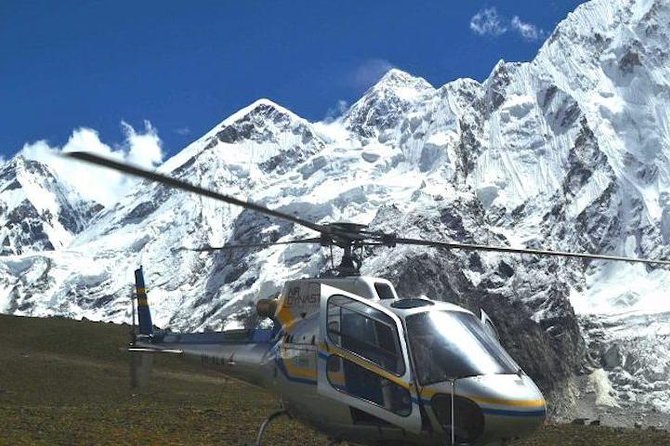
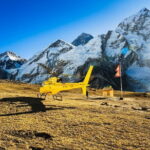
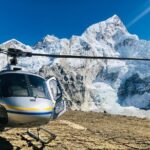
After the breakfast stop, the day moves into flying legs. One segment is Kathmandu to Lukla (2,845 meters) for about 45 minutes. Then you’ll continue toward the Kala Patthar side with a helicopter leg from Lukla to Kala Patthar (5,550 meters), listed at 15–20 minutes.
That second part is where you feel the logic of the itinerary. Kala Patthar is one of the key look points for wide Everest views, and the plan uses flight time to get you into position fast. Instead of spending hours trekking up and down just to get line of sight, you get that line of sight more directly, and you spend time where it counts for photos.
A major plus is the emphasis on window viewing. The tour plan mentions flying over the Everest Base Camp and Kalapatthar area twice to help you get the best window opportunities. In plain terms: you’re not guessing which angle will work. You get repeat chances when visibility cooperates.
If visibility is great, this is the day’s highlight. In a clear November window, one past participant described the flights and the time at Kala Patthar as a standout, with a good photo rhythm and a pleasant breakfast break helping the day feel smooth. The message is simple: clear weather turns this into a top-tier memory.
Shuttle-style moves around Everest Base Camp and Kalapatthar
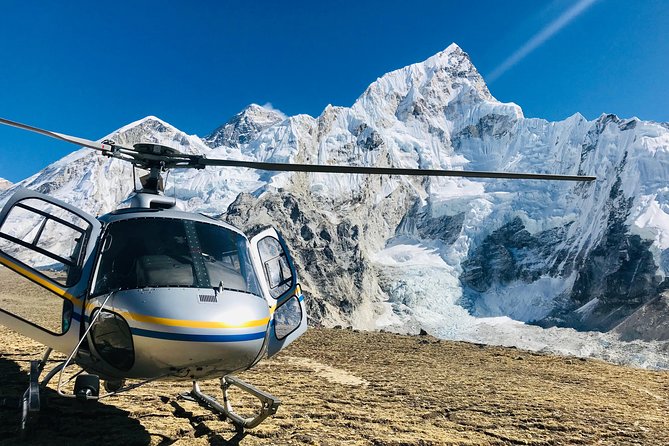
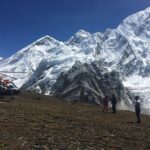
This tour isn’t only helicopter time. It includes a shuttle transfer approach connected to the Everest Base Camp and Kala Patthar viewing. The route description indicates a Phiriche shuttle linking you to Everest Base Camp and Kalapatthar.
That matters for two reasons. First, it breaks the day into manageable chunks. You get your helicopter repositioning, then you switch to ground viewing and photo time around the Everest focal points. Second, it helps with the “I want to see it” goal. Helicopter windows show you the mountain, but the ground stops let you stand closer to the story.
One thing to keep in mind: the itinerary details don’t spell out exact time-per-stop on the base camp and Kala Patthar segments in the info provided. So you should expect a schedule that prioritizes viewing and photo windows over long, wandering exploration. Think short, focused time where you step out, look around, and capture key angles—then get back into the flow.
If you’re hoping for the kind of day where you hike for hours around base camp terrain, this won’t be that. But if you want a “check the dream box” moment with Everest in the frame—this is built for that.

Sherpa villages, monasteries, and guided commentary beyond the peaks
A helicopter tour can turn into scenery-only if the guide doesn’t build context. This one includes that context. You’ll get guided commentary about the history and geology of the region, and you’ll spend time connected to Sherpa culture.
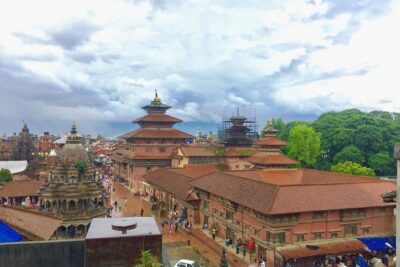
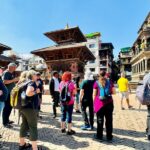
The day includes a stop framed around Sherpa of Everest: their Buddhist culture and colorful customs, plus a chance to see Sherpa villages. There’s also an optional stop for old monasteries tied to ancient heritage. That optional piece can be valuable if you enjoy small, local cultural moments—because it gives your Everest day more than just a view from above.
The practical side: bring patience for short cultural stops. They are usually brief and weather-dependent. If conditions are changing fast, the guide may keep the schedule tight.
Still, the inclusion is a real value. It’s one thing to photograph Everest. It’s another to understand why the Sherpa communities and monasteries sit where they do, and how faith and mountain life connect in everyday routines.
Weather rules and timing: how to plan your mindset for a 6:15 am start
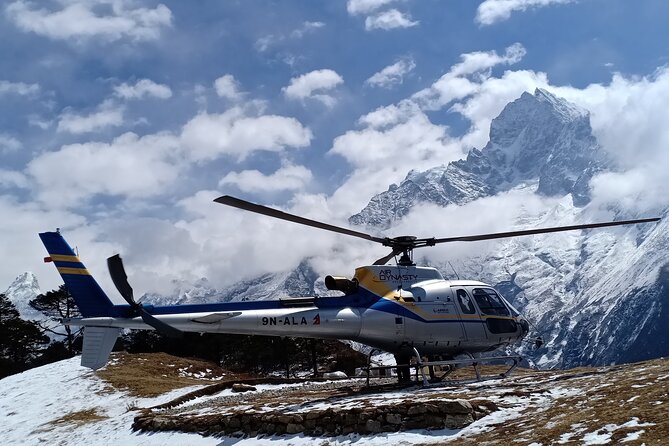
This experience requires good weather. That’s not fine print. It’s the core reality of flying routes in Everest country. If conditions are poor, the plan can change, and that can affect both views and timing.
One strong clue from the experience info: if the tour is canceled because of poor weather, you’ll be offered a different date or a full refund. That’s reassuring because it means you’re not stuck eating the cost if the sky won’t cooperate.
So how should you plan mentally? Arrive ready to embrace a “flex day” rhythm. Helicopter days are less forgiving than fixed-city sightseeing. You can do everything right—camera charged, layers ready, early wake-up—and still lose visibility to cloud cover.
A smart tactic is to avoid scheduling this as the one thing that must go perfectly for your entire trip. If you have room for buffer time in Kathmandu afterward, you’ll feel less stress.
Also consider altitude and cold. The tour includes high points (Kala Patthar and Everest Base Camp region), and even when it’s sunny, the wind can bite. You’ll feel the temperature swing between Kathmandu and the higher viewpoints.
Price and value: what $1,700 buys, and what costs extra
At $1,700 per person, this is not an impulse purchase. You’re paying for speed and access: hotel pickup, a private transfer, and a day built around helicopter segments and high-viewpoint positioning.
So what’s the value, specifically?
- The time compression is huge: about half a day for a major Everest moment.
- The helicopter time (about 4.5 hours) is expensive to arrange and schedule.
- You’re not traveling alone; the group size is kept small (maximum 5 travelers), which helps with coordination.
- You get built-in context through guided commentary and Sherpa village stops.
Now the costs to budget beyond the headline price:
- Airport tax: $8 per person
- Entrance fee / national park fee: $43 per person
- Breakfast (not included), even though you have time to eat at the Everest View Hotel stop
When you add it up, your total cost can land higher than the base rate once those add-ons are included. Still, compare it to what it would take to reach comparable viewpoints through multi-day trekking logistics. You’re buying not just transportation, but also time and reduced physical strain.
One more note from the booking pattern: the tour is often booked about 46 days in advance on average. That suggests it fills up and planning pays off.
If your budget is tight, you might consider other Everest experiences. If your priority is Everest in a short time with minimal hiking, this tour is one of the clearest ways to do it.
Packing tips that make the helicopter day easier
You’ll have limited time on the ground and you’ll be in a helicopter environment. Here are practical items that help without overpacking:
- Layers you can add fast: Kathmandu mornings can feel chilly, and higher viewpoints can be colder and windy.
- A light hat or beanie and sunglasses. Even without snow, light on rock and ice can glare.
- Gloves you can manage quickly for photos. Your hands may get stiff around viewing stops.
- A small crossbody or secure camera strap. You’ll likely be moving between ground and air legs in a quick sequence.
- Motion sickness help if you need it. Helicopters move differently than cars.
- A refillable water bottle. Drinking matters when you’re active and exposed to cold air.
For photos, set your camera before you’re scrambling at the window. If you get one good pass at Kala Patthar, it pays to be ready.
Who should book this Everest Base Camp helicopter tour from Kathmandu
This tour is a strong fit if:
- You want Everest and Himalaya views but don’t have days for trekking.
- You like aerial perspective and want clear, window-based photo opportunities.
- You value a small group experience with less crowding.
- You want Sherpa culture and monastery stops mixed in, not just flying and looking.
It might not be the best match if:
- You’re expecting a long, hiking-heavy itinerary with hours of walking around base camp terrain.
- You need lots of time at each stop to wander.
- You’re close to the 243 lbs total weight limit and want a safer margin.
- You’re very uncomfortable in helicopters or noise-heavy settings.
Should you book this tour?
If you’re chasing the Everest dream and you want it fast, I think this is a smart pick. The biggest strengths are the short timeline, the small group size, and the way the plan builds multiple chances to see the Everest area from the air and from key viewpoint stops like Kala Patthar.
Book this if your priorities are time savings and big views rather than a deep trekking journey. And if the weather looks uncertain, plan your broader Nepal schedule with a bit of flexibility—because when clouds win, you lose the visual payoff.
FAQ
How long is the Everest Base Camp helicopter tour?
The total duration is about 5 hours 30 minutes.
What time does the tour start?
The start time is 6:15 am.
What does the price include?
It includes hotel pickup and drop-off, round-trip private transfer, and private transportation in an air-conditioned vehicle.
What extra fees should I budget for?
Airport tax is listed at $8 per person, and the national park entrance fee is listed at $43 per person. Breakfast is also listed as not included.
What’s the group size?
The maximum is 10 people per booking, with a maximum of 5 travelers noted for this activity.
Is there a weight limit?
Yes. The listed total weight per passenger is 243 lbs.
What happens if weather is bad?
This experience requires good weather. If it’s canceled due to poor weather, you’ll be offered a different date or a full refund.
Can I cancel for a full refund?
Yes. You can cancel up to 24 hours in advance of the experience for a full refund. If you cancel less than 24 hours before the start time, the amount paid is not refunded.