REVIEW · POKHARA
Pokhara: Private City Tour and Sarangkot Sunrise
Book on GetYourGuide →Operated by Himalayan Smile Treks and Adventures Pvt. Ltd. · Bookable on GetYourGuide
Sarangkot sunrise changes the whole mood of Pokhara. This private tour bundles Himalaya views with a guided walk through Pokhara’s most famous natural and religious sights, then ends on the calm side of the lake. I especially like the crisp morning plan that builds up to panoramic viewpoints, and I also like the mix of boating on Phewa Lake with temples and caves instead of only viewpoint stops. One possible drawback: the exact sunrise departure timing can be unclear until close to the start, and you may want to confirm any extra boat or entry costs ahead of time.
You get a real guide all day, not just a quick handoff at each location. The day also moves at a pace that works for first-timers: early start, short break, then a structured city route with stops you’d otherwise piece together yourself. With a small group limited to 15, you’re less likely to feel lost in a crowd.
If you’re traveling with jet lag or you prefer your mornings slow, this tour asks for an early wake-up. But if you want big views with minimal planning stress, it’s a solid way to spend a limited Pokhara day.
In This Review
- Key highlights you’ll care about
- Sarangkot Sunrise: The View That Makes the Early Wake-Up Worth It
- Private Ride to Sarangkot, Plus the Paragliding Choice
- The Pokhara City Tour: Devi’s Falls, Gupteshwor Cave, and Walking Between Worlds
- Devi’s Falls (and its tunnel)
- Traditional houses, statues, and a sense of place
- Gupteshwor Mahadev Cave: prayers inside a natural hall
- Phewa Lake Boating and the Temples You Can’t Miss
- Barahi Temple in the middle of the lake
- World Peace Pagoda: where the view wraps around you
- How the Guide and Small Group Shape Your Day
- A heads-up from real-world logistics
- Price and Value: What $85 Buys You in Real Terms
- Practical Tips to Make This Day Feel Smooth (Not Rushed)
- Who This Tour Suits Best
- Should You Book This Pokhara + Sarangkot Sunrise Tour?
- FAQ
- How long is the Pokhara private city tour and Sarangkot sunrise?
- Where do you get picked up, and do you get dropped off again?
- What’s included in the tour price?
- Is paragliding at Sarangkot required?
- What languages are available for the guide and audio?
- Are entrance fees or meals included?
- Is there a cancellation option if plans change?
Key highlights you’ll care about
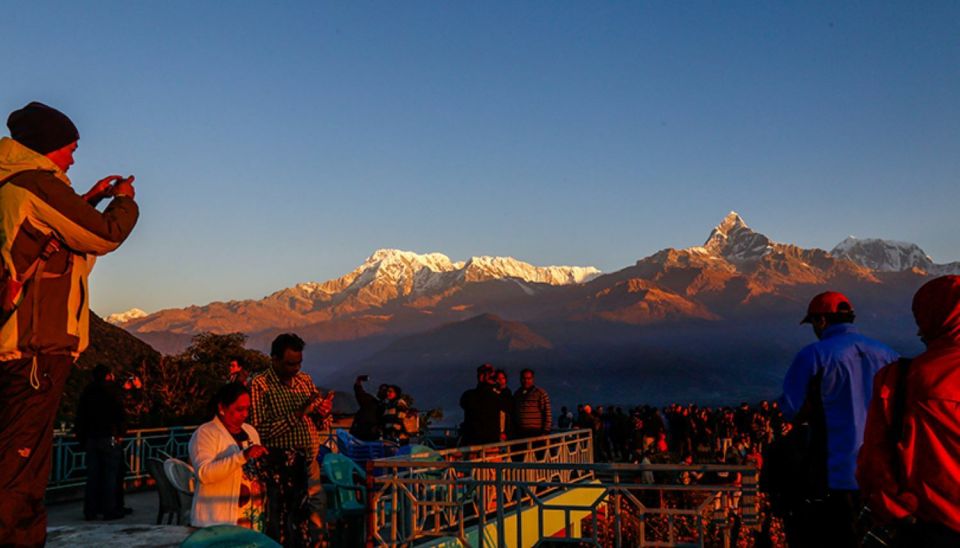
- Sarangkot sunrise with panoramic views over the Himalayas, Pokhara Valley, and Phewa Lake
- Optional 30-minute paragliding at Sarangkot if you want to trade waiting for flying
- Phewa Lake boating plus stops around the Barahi Temple and World Peace Pagoda
- Devi’s Falls and Gupteshwor Mahadev Cave for a nature-meets-religion combo
- Bindhya Basini Temple and the International Mountain Museum for Pokhara’s spiritual and mountaineering side
- Small group (up to 15) with multilingual guide support and audio options
Sarangkot Sunrise: The View That Makes the Early Wake-Up Worth It
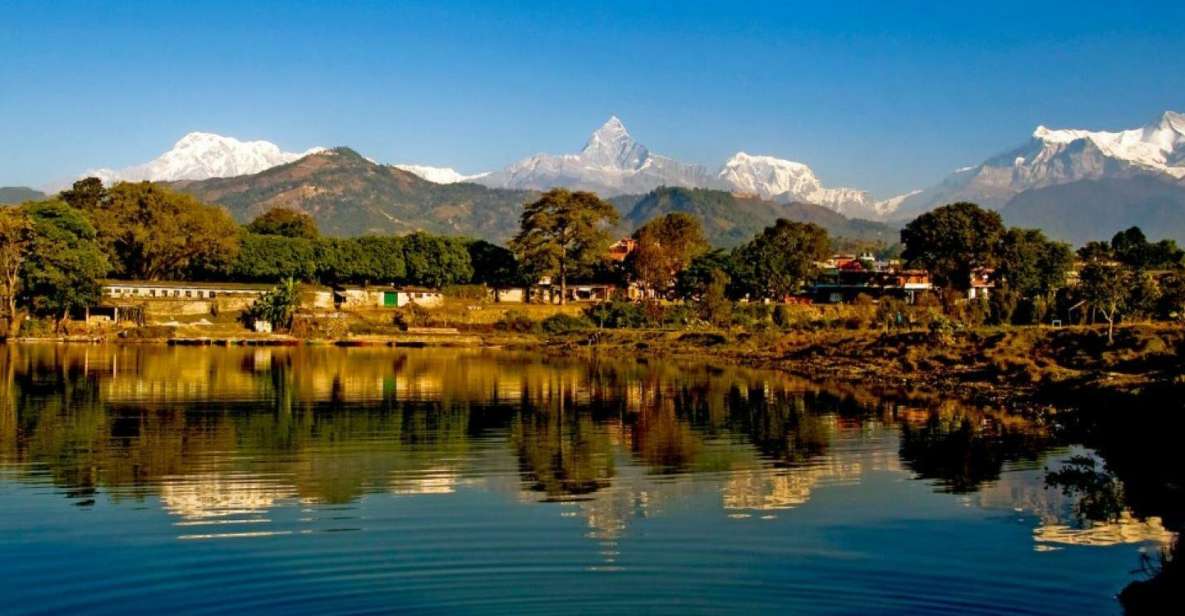
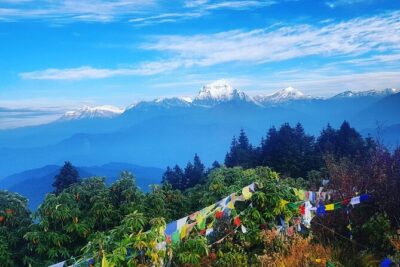
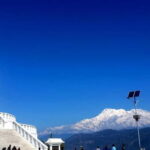
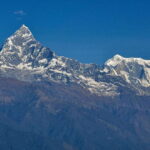
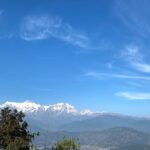
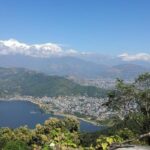
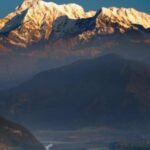
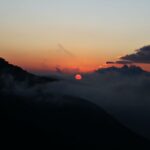
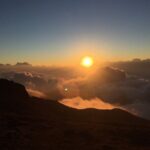
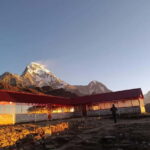
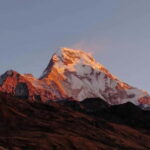
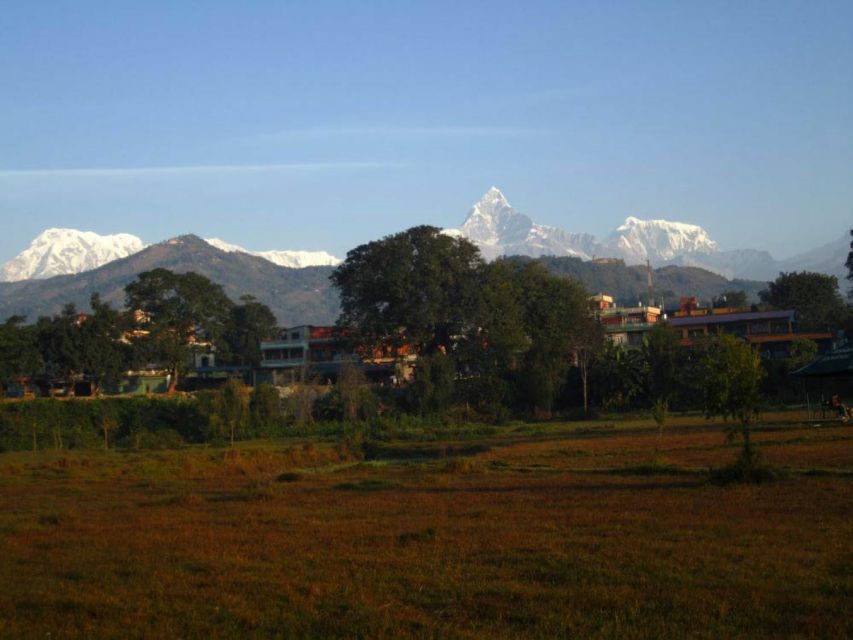
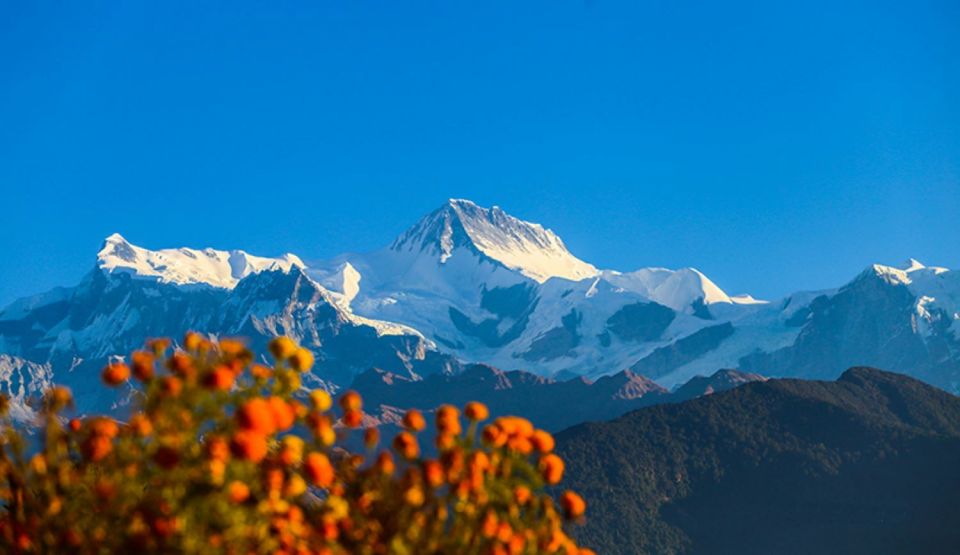
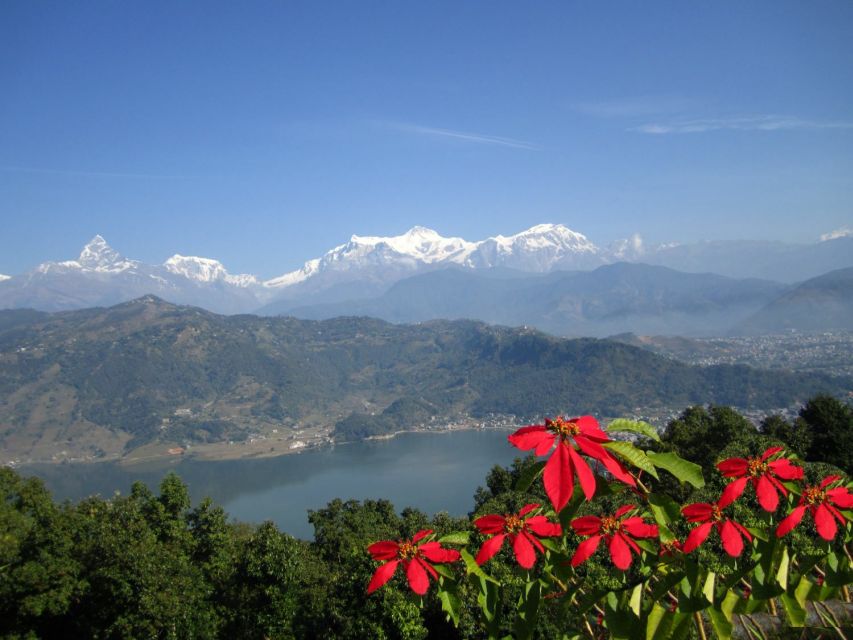
Sarangkot is famous for sunrise because the timing and elevation give you a sweeping look over Pokhara Valley. In the early morning light, you can catch dramatic views of the Himalayas, plus the way Phewa Lake sits below with hills wrapping around it. It’s the kind of scene that makes you stop checking your phone and just look.
The tour keeps this part simple and purposeful. You drive about 45 to 60 minutes from Pokhara, meet your guide, and go straight for the viewpoint. The itinerary lists around two hours for Sarangkot, which is usually enough time to watch the sky change, take photos, and avoid feeling rushed. If weather is clear, this is one of the easiest “bang for your morning” upgrades you can make in Pokhara.
Tip for your own comfort: sunrise days run cold before the sun fully climbs. Even if the weather is mild during the day, dawn can feel sharp—so plan for layers and warm socks if you get chilly.
You can also read our reviews of more city tours in Pokhara
Private Ride to Sarangkot, Plus the Paragliding Choice
You’re not doing this as a bus shuffle. The day includes hotel pickup and a private vehicle for the drive to Sarangkot, which matters because it makes the start feel controlled rather than chaotic. You also avoid wasting time figuring out transport while everyone is trying to reach the best viewing area.
At Sarangkot, you have two ways to experience it:
- Stay on firm ground and watch the sunrise from the viewpoint area.
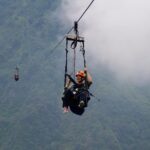
- Choose a 30-minute paragliding session (if you select that option), with panoramic mountain views described up to 8,000 meters.
That paragliding option is exactly the kind of add-on that turns a sightseeing morning into a once-in-a-while memory. The key is the trade-off: you’ll spend part of your planned sunrise window in a safety-and-boarding rhythm instead of purely watching from the ground. If you’re the kind of traveler who wants to see and move, paragliding fits. If you just want the full sunrise drama with time for photos and breathing room, firm-ground viewing is plenty.
The Pokhara City Tour: Devi’s Falls, Gupteshwor Cave, and Walking Between Worlds
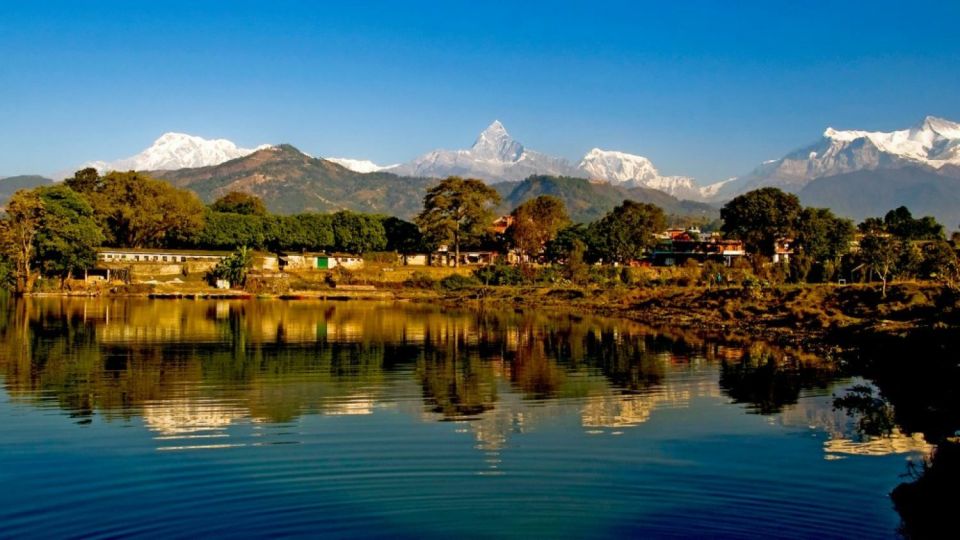
After the sunrise, the tour drives you back to Pokhara for a break, then continues with a guided city route. This is where you’ll see why Pokhara feels different from a typical city stop: it’s built around water, caves, temples, and viewpoints rather than only city streets.
Devi’s Falls (and its tunnel)
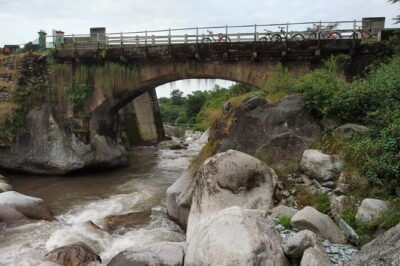
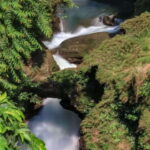
One of the tour’s signature stops is Devi’s Falls and the tunnel beneath it. The description you’ll hear during the tour is specific: the tunnel is about 500 feet (150 m) long and runs around 100 feet (30 m) below ground level. That’s useful context, because it helps you understand why the site looks both natural and engineered at the same time.
What I like about this stop is that it’s not just a photo spot. With a guide, you can connect the “what you see” with the “how it works,” and you’re likely to notice more details than you would on your own.
Traditional houses, statues, and a sense of place
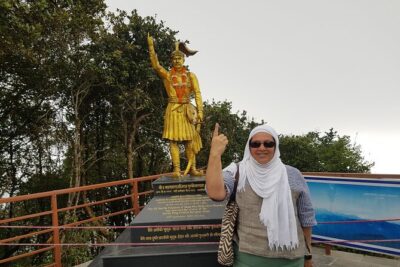
Nearby, you’ll also see traditional Nepali houses and a set of statues of Nepali figures. It’s a quick way to shift from a famous waterfall to the everyday human texture of Pokhara. Even short stops like this can make the city feel real instead of just scenic.
You can also read our reviews of more private tours in Pokhara
Gupteshwor Mahadev Cave: prayers inside a natural hall
Right across from Devi’s Falls is Gupteshwor Mahadev Cave. The tour description focuses on a huge stalagmite inside the cave that’s honored as a Shiva lingam and used for prayers. This is one of those places where the “sightseeing” category can’t fully cover the experience—because you’re walking into an active religious space inside a cave.
Practical note: caves tend to be cooler and sometimes slick. Wear shoes that can handle uneven ground, and keep your footing slow.
Phewa Lake Boating and the Temples You Can’t Miss
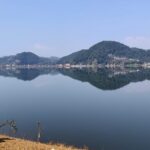
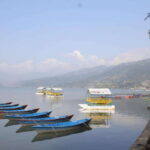
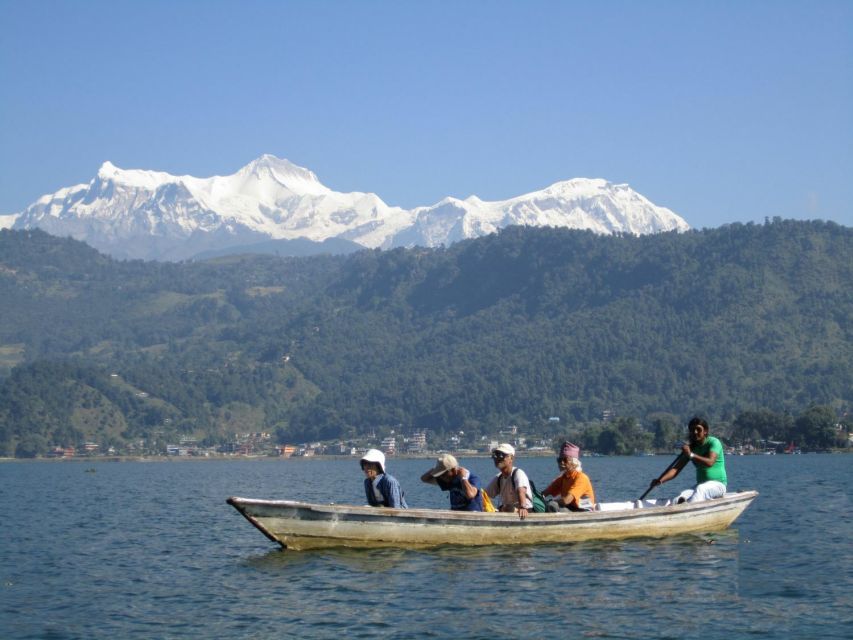
After the city sights, the tour goes to Phewa Lake for boating and viewpoints. Phewa Lake is central to Pokhara’s identity, and the tour uses that fact wisely: you get time on the water, then you jump to key structures that frame the lake from shore.
Barahi Temple in the middle of the lake
During the boat ride, you’ll head out with views toward the Barahi Temple, built in the middle of Phewa Lake. It’s described as having a two-storied pagoda style. The whole point of this stop isn’t just architecture—it’s perspective. Seeing a temple anchored in water changes how you understand the lake itself.
Also, pay attention to how long you’ll be on the boat. You want enough time to settle, look around, and get photos without feeling like you’re racing.
World Peace Pagoda: where the view wraps around you
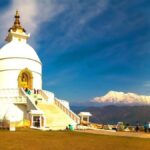
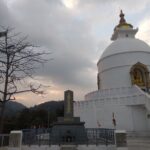
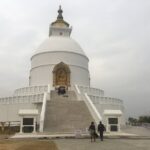
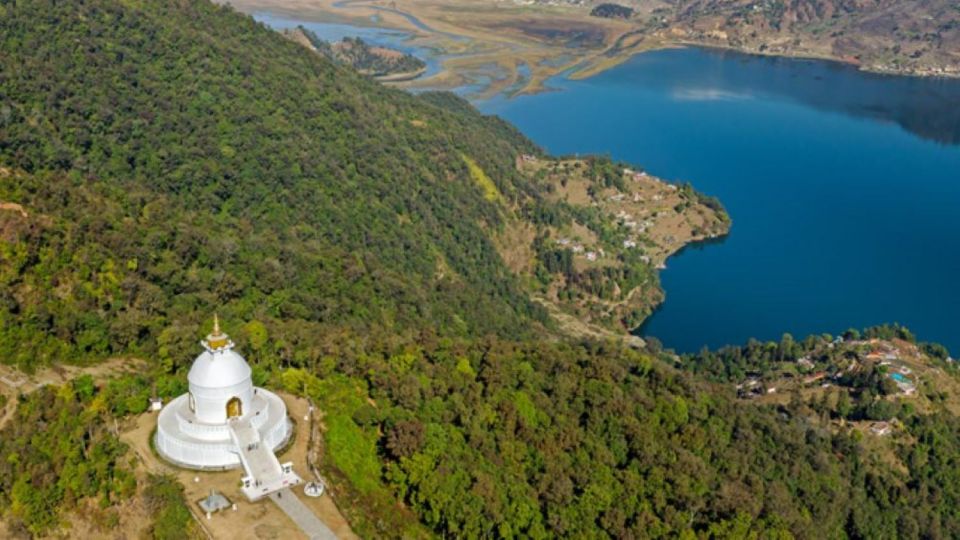
From there, you’ll visit the World Peace Pagoda, which gives you a spectacular view of mountains, Phewa Lake, and the city around it. This stop works well as a “close out” moment. You’ve already seen the morning sunrise. Now you’re seeing the same area’s geography from a calmer, higher, more panoramic angle.
This is a good part of the tour to slow down. Instead of rushing to the next location, you can just look—especially in the later part of the day when the light softens.
How the Guide and Small Group Shape Your Day
You’ll be with a live tour guide (the tour lists English, Japanese, French, Dutch, German, Chinese support) and the experience also offers audio guide options across multiple languages. That matters because Pokhara is full of religious and historical context, and a little translation helps you avoid “I think it’s cool” and get to “I get why it matters.”
One guide name that shows up in the experience is Raju Sharma, praised for working hard to guide Japanese speakers in a helpful way over a long stretch. That’s the kind of effort that can turn a standard highlights tour into something smoother and more personal.
The small group format is limited to 15 participants, which usually makes it easier to ask questions and keep a steady pace. It also tends to reduce waiting time compared with larger group tours—though you should still expect some waiting as you move between multiple sites.
A heads-up from real-world logistics
There’s a practical consideration worth taking seriously: one participant noted that the guide seemed not to realize the tour cost coverage related to a boat payment. Even though the tour info says boating is included, I recommend you confirm what’s truly covered at the start of the day—especially around any additional boat-related charges and any entrance fees you might be asked to pay on site. That way you won’t end up negotiating in the moment.
Price and Value: What $85 Buys You in Real Terms
At $85 per person for a 5 to 8 hour day, the value comes from the combination. You’re paying for a guided, structured route that includes:
- Sarangkot sunrise
- Pokhara city tour
- Hotel pickup and drop-off in Pokhara
- Boating at Phewa Lake
- A tour guide
- Optional 30-minute paragliding if selected
What’s not included is also important: food and drinks and entrance fees are not included. That means your real spending isn’t just the tour price—it’s tour price plus whatever you choose to eat, plus any entry tickets you’re required to pay.
Here’s the value logic: if you were to DIY this route, you’d still pay for transport and you’d still lose time figuring out timing, guide explanations, and how everything fits together in one day. This tour packages that planning effort for you and saves you from spending your limited Pokhara hours on logistics.
If you’re budget-conscious, build in extra cash for entrance fees and any optional add-ons you didn’t select in advance.
Practical Tips to Make This Day Feel Smooth (Not Rushed)
This tour has an early start, a packed mid-day, and a lake finish. A few small choices from you can make the whole day feel easier:
- Ask about timing at pickup. Since sunrise departure timing can be unclear until close to the start, get a clear check-in time early in the morning.
- Wear shoes you trust. You’re visiting caves and walking at multiple sites, and you’ll be on uneven ground.
- Plan for cold and warm swings. Sunrise can be chilly; later you may feel warmer in Pokhara. Layers help.
- Carry cash for extras. Entrance fees aren’t included, and there can be small “pay-as-you-go” items tied to local services.
- Don’t skip breakfast. You’ll be up early, and the day includes multiple activities that can run you past your usual meal rhythm.
- If you want paragliding, commit early. The option is 30 minutes and is described as a choice at Sarangkot. If you’re even slightly unsure, ask the day’s plan questions right away.
Who This Tour Suits Best
This is a great fit if:
- You’re in Pokhara for a short time and want the key highlights without building an itinerary from scratch.
- You like a mix of views + water + culture (sunrise, temples, cave, museum, boat ride).
- You want a guide to explain what you’re seeing—especially for religious context like Shiva lingam worship.
- You enjoy small groups and multilingual support rather than one-size-fits-all travel.
It may be less ideal if:
- You hate early mornings.
- You want long free time at each site. This tour is structured, so your schedule will be guided rather than fully open.
- You’re traveling with picky food needs, since food and drinks aren’t included and you’ll be relying on your own choices between stops.
Should You Book This Pokhara + Sarangkot Sunrise Tour?
If your priority is a well-planned Pokhara day with Sarangkot sunrise plus the best-known sights around Devi’s Falls, Gupteshwor Cave, and Phewa Lake, I’d say it’s worth booking. The early viewpoint and the lake boating combo are the kind of “two big experiences in one day” setup that makes your time count.
I’d book it especially if you’re the kind of traveler who values a guide’s explanations and wants a private, organized route instead of chasing transport and timing yourself. Just do one smart thing first: at pickup, confirm exactly what’s included for the boat and whether you should expect entrance fees on top of the tour price.
FAQ
How long is the Pokhara private city tour and Sarangkot sunrise?
The duration is listed as 5 to 8 hours.
Where do you get picked up, and do you get dropped off again?
Pickup is from your hotel in Pokhara, and the tour includes convenient drop-off service back to your hotel.
What’s included in the tour price?
Included items are Sarangkot sunrise, Pokhara city tour, hotel pickup and drop-off in Pokhara, boating at Phewa Lake, a tour guide, and a 30-minute paragliding session if you select that option.
Is paragliding at Sarangkot required?
No. Paragliding is optional. You can view the sunrise from firm ground, or choose the 30-minute paragliding session if selected.
What languages are available for the guide and audio?
The tour lists English, Japanese, French, Dutch, German, and Chinese. Audio guide options are also listed for English, Japanese, French, German, and Chinese.
Are entrance fees or meals included?
No. Food and drinks are not included, and entrance fees are also not included.
Is there a cancellation option if plans change?
Yes. Free cancellation is offered up to 24 hours in advance for a full refund.