REVIEW · KATHMANDU
14 Days Everest Base Camp Trekking
Book on Viator →Operated by Hiking Himalayas Trek and Expedition Private Day Tours · Bookable on Viator
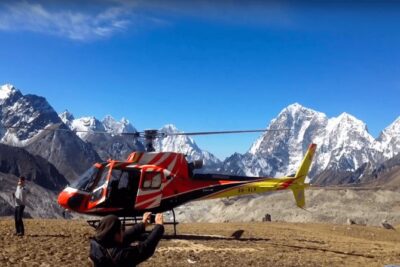
Everest Base Camp starts with a flight that feels unreal. This trek is built around a rational acclimatization rhythm plus a smooth set of logistics from Kathmandu to Lukla and back, so you spend your energy walking instead of figuring things out. I like the included English-speaking guide and porter support, and I also like how the days are paced with proper rest points in Namche and Dingboche. One thing to consider: this is high-altitude trekking with a long hiking day count, so you’ll need a strong physical fitness level and a calm approach to acclimatizing.
The itinerary moves through Sherpa villages, rhododendron forests, and classic Khumbu terrain, with lodge-to-lodge accommodation during the trek. You’ll also get the kinds of cultural stops that make Everest feel human, not just extreme—tea houses, monastery spaces (gompa), and the Sherpa village layout around viewpoints. And because it’s private, it’s only your group, not a mixed crowd.
In This Review
- Key Points at a Glance
- Kathmandu First Day: Clear-Day Flights and Getting Oriented
- Lukla to Phakding: The Dudh Koshi Valley Kickoff (Day 2)
- Namche Bazar Trail and Sagarmatha National Park Gate (Day 3)
- Namche Rest Day and Everest View Point (Day 4)
- Tyangboche and the First Big Peak Views (Day 5)
- Dingboche Country: Pangboche, Gompa Spaces, and Ama Dablam Opposition (Day 6)
- Dingboche Acclimatization: Tshola Tsho and Nagarjun Options (Day 7)
- Lobuche and Duglha: Steeper Climbing Toward the Glacier Edge (Day 8)
- Gorak Shep to Everest Base Camp: Ice Pinnacles and Crevasse Country (Day 9)
- Kala Pathar Morning and the Descent to Pheriche (Day 10)
- Back Toward Namche: Birch, Rhododendron, and Tengboche Views (Day 11)
- The Final Trek Into Lukla and the Last Himalayan Night (Day 12)
- Fly Back to Kathmandu, Then Airport Support (Day 13-14)
- Price and What Feels Like Real Value at $1,420
- Guides and Porters: The Human Part That Keeps You Going
- Pacing, Altitude Days, and What to Expect on the Trail
- Sustainability and Community Support: What the Trip Says It Does
- Should You Book This Everest Base Camp Trek?
- FAQ
- Where does the tour start, and what time?
- How long is the Everest Base Camp trek?
- Are flights included to Lukla and back?
- What accommodation is included during the trek?
- Is an English-speaking guide included?
- Do I get porter support?
- Are trekking permits included?
- What meals are included, and what is not?
- What does Kathmandu cost after the trek?
- How much is the Nepal entry visa and how do I get it?
Key Points at a Glance
- Lukla-to-base-camp route with Höhen-minded pacing: rest day in Namche and a rest/acclimatization day in Dingboche
- English-speaking guide included (and in real trips, guides like Hari and Kapil are mentioned)
- Porter ratio included: 2 trekkers to 1 porter, plus porter insurance, food, and accommodation
- Meals and lodge-to-lodge stays included on trek (with breakfast, dinner, and a set of lunches)
- Permits, taxes, and a trek map + achievement certificate handled for you
- Tea house trekking experience with practical add-ons like optional hot shower pricing
Kathmandu First Day: Clear-Day Flights and Getting Oriented
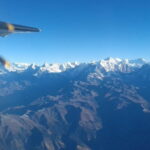
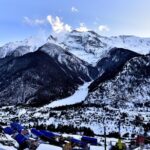
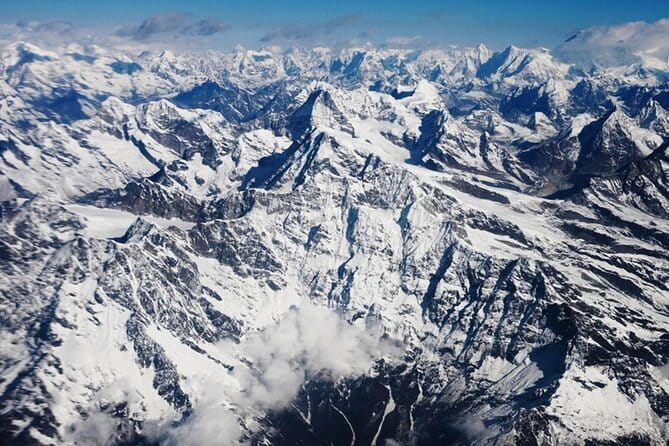
Day 1 begins with Kathmandu, and the focus is getting you in the right headspace for the route ahead. If you catch a clear day, the panoramic flight views over snow-capped peaks can be a real mental gear-shift—suddenly Everest is not theory, it’s on your doorstep. It’s the kind of moment that makes the long trail feel more personal.
From a practical point of view, this is also where you settle into Nepal time and let the trip team line up your next steps. Your start point is tied to Tribhuvan International Airport, with a 6:15 am meeting time listed, so you’re not guessing about schedules. If you want a stress-free start, this early structure matters.
One more value point: the trip includes transfers in private vehicles from your hotel to the airport and back. That means fewer “Where do I go next?” moments when you’re tired or still adjusting.
You can also read our reviews of more hiking tours in Kathmandu
Lukla to Phakding: The Dudh Koshi Valley Kickoff (Day 2)
On Day 2, you fly to Lukla and land on a steep mountain runway. That detail matters because it sets the tone: this trek is built around the Khumbu’s real-world logistics, not a gentle stroll. After meeting your crew, you head up the Dudh Koshi Valley on a well-marked trail and spend the night in Phakding.
The key here is that this day is your on-ramp. It’s long enough to get your legs working, but it’s also early enough in the trek that you’re still building rhythm. You’ll cross and re-cross river sections later more dramatically, but this first valley walk helps you learn what to do with your pace, your breathing, and your gear.
Also pay attention to packing choices for this first day. You’ll be wearing layers and adjusting often, and a simple system for water, snacks, and sunscreen will save you from fumbling when the air gets colder.
Namche Bazar Trail and Sagarmatha National Park Gate (Day 3)
Day 3 starts the more dramatic side of the Khumbu. From Phakding, you cross and re-cross rivers on high-suspension bridges, then reach the Monjo area and the entrance to Sagarmatha National Park. This is where the trek shifts from “village-to-village hiking” into something more regulated and protected.
Why this matters for your experience: national park entry can be a reminder that this is not a casual hike. The environment here is fragile, and the trek route exists within rules designed to protect it. The trip overview also emphasizes sustainable development and environmental preservation—so you’re not just buying a view, you’re joining a system meant to reduce long-term damage.
The day ends in Namche Bazar (as your next stage), and this town becomes more than a stop. It’s your acclimatization hub, full of lodges, tea shops, and souvenir options—useful, because you can adjust supplies and pace without feeling stuck.
Namche Rest Day and Everest View Point (Day 4)
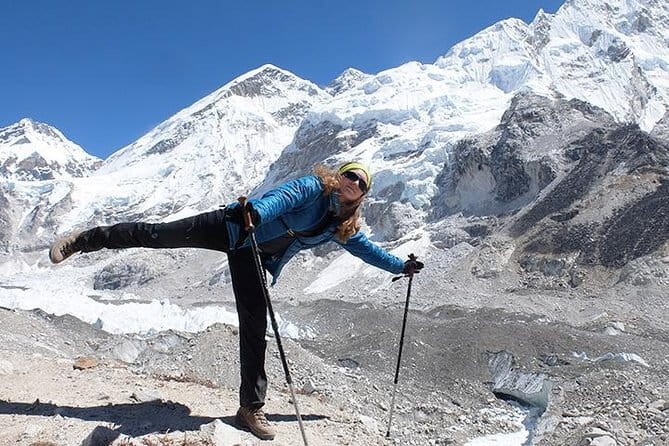
Day 4 is a rest and acclimatization day in Namche. This is not a filler day, and you should treat it like part of the trek, not a break from the trek. The route gives you a chance to get used to the altitude while staying in a place built for trekkers.
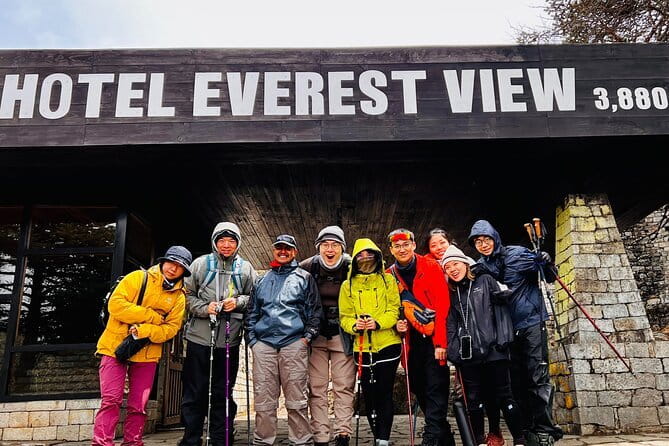
And then there’s the Everest View Point time built into the plan. This is one of those moments where the mountains look close enough to touch, even though you’re still quite a long way from the base camp. It’s also practical: standing at a viewpoint lets you understand the geography before you spend multiple days walking through it.
What I like about this structure is that it respects how altitude works. You’re not rushing upward every day. You’re learning what your body can handle and practicing the kind of patience you’ll need later near Gorak Shep and Everest Base Camp.
Tyangboche and the First Big Peak Views (Day 5)
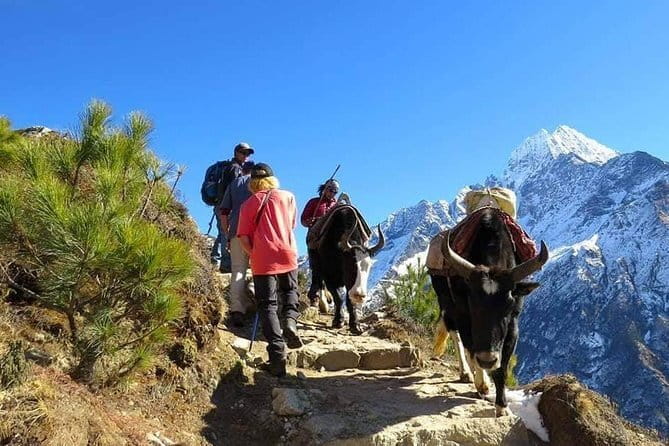
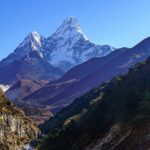
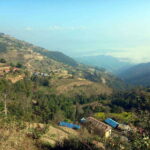
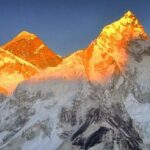
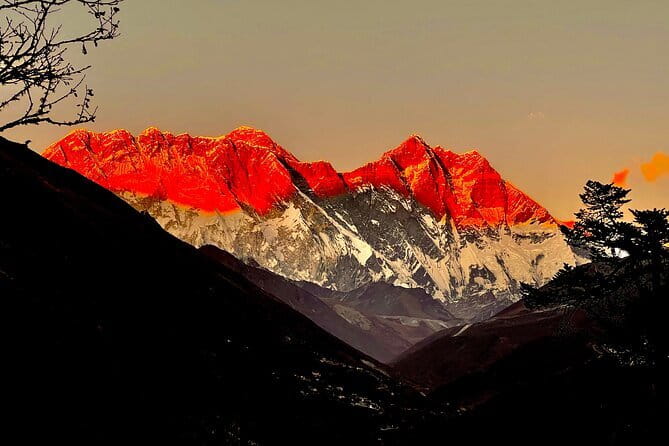
Day 5 moves from Namche toward Tyangboche. The trail contours high above the Dudh Kosi, and this is where you get your first really good views of the Khumbu giants: Mt Everest, Lhotse, Nuptse, and Ama Dablam. Passing by villages gives you the layered feel of the Sherpa settlement pattern—houses tucked into steep terrain, trails threaded between them, and mountain walls always visible in some direction.
This is also a day where your clothing strategy matters. You’ll likely start with a warmer layer and end up adjusting as you gain and lose heat throughout the day. If you pack thoughtfully, you’ll stay comfortable instead of obsessing over being too cold or too warm.
One small caution: days like this can feel deceptively long when the views are constantly pulling your attention. Don’t hike at full speed just because the scenery is great. Use the scenery as a reward, not a reason to push harder.
Dingboche Country: Pangboche, Gompa Spaces, and Ama Dablam Opposition (Day 6)
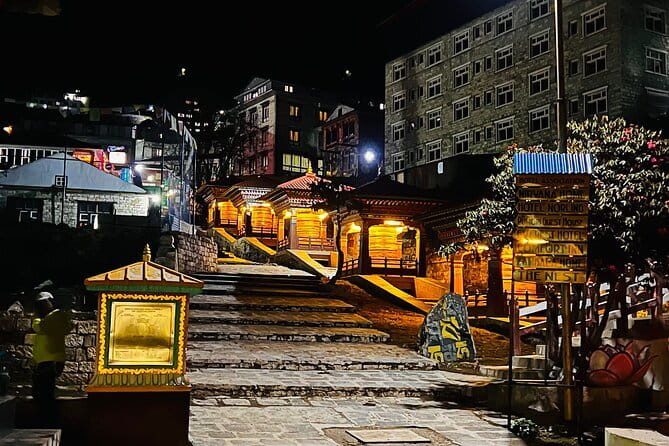
Day 6 includes descending through forest, crossing the Imja Khola, then climbing steadily toward Pangboche at around 3,985m. The village is described as directly opposite Ama Dablam, and you’ll also see the monastery setting (gompa), Mani walls, and stone details that signal how the community relates to the mountains.
This day is valuable because it’s a culture-and-views combo. Everest Base Camp is the headline, but the Khumbu villages are where you actually learn the “how people live here” story. The monastery elements make it more than a photo stop.
Practically, it’s also a reminder to watch your energy. The mix of downhill and uphill means your muscles work in different ways, and your knees will notice it. A trekking pole (if you use one) can help you manage the uneven steps without burning out too early.
Dingboche Acclimatization: Tshola Tsho and Nagarjun Options (Day 7)
Day 7 is another acclimatization day in Dingboche. You also get a valley wander to Tshola Tsho (4510m) and see views toward Cholatse and Taboche from the broader area. The plan also notes a higher climb option up to about 5,100m called Nagarjun.
This is one of the most important days in the whole itinerary, because it’s where you learn how to climb without overreacting. You should aim for steady effort, not a sprint toward the highest point available. When you do acclimatization hikes like Nagarjun-style options, your goal is to help your body adapt—not to prove anything.
And because this day is described as flexible, it fits different trekking styles. If you feel strong, you can go higher; if you feel cautious, you can keep it easier while still moving and acclimatizing.
Lobuche and Duglha: Steeper Climbing Toward the Glacier Edge (Day 8)
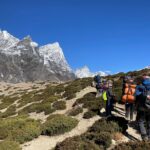
Day 8 pushes you onward to Lobuche. The route continues up the wide valley under peaks like Cholatse and Tawache, then turns right for a steep climb toward the foot of the Khumbu Glacier. A tea house stop at Duglha (around 4,620m) is called out as a good lunch spot.
This is where trekking begins to feel more “serious.” The terrain gets harsher, and the air gets thinner. The best way to handle a day like this is to stay disciplined: small steady steps, regular breathing breaks, and no heroics.
Also, notice what’s included here: lodge-to-lodge accommodation and specified meals during the trek. That matters because you can treat the tea house as a working stop, not a place where you need to make major choices about food, cost, or timing.
Gorak Shep to Everest Base Camp: Ice Pinnacles and Crevasse Country (Day 9)
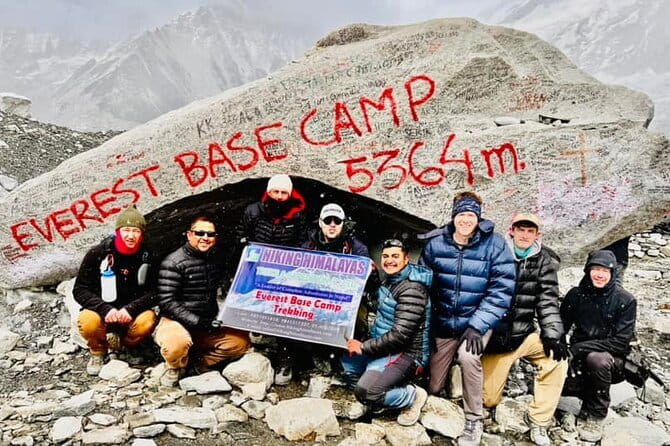
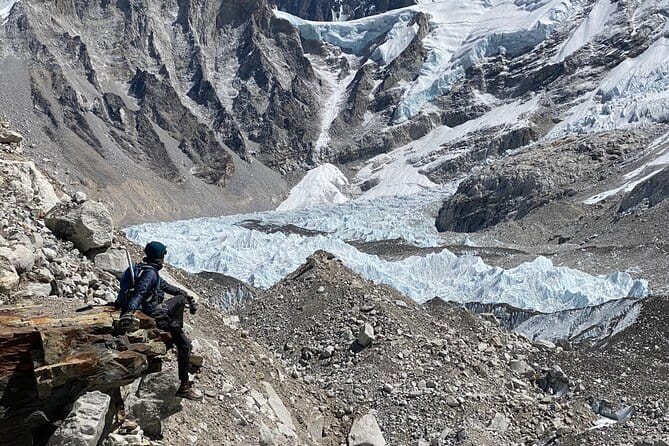
Day 9 is the classic Everest Base Camp push. You reach Gorak Shep (about 5,164m), stop for lunch, and then go toward Everest Base Camp in the afternoon. The plan says it takes roughly 5 hours and includes trail sections weaving past ice features and by crevasses.
A big practical note: this is a day where photos are easy, but comfort planning matters more than ever. You’ll be at a higher altitude, and it’s cold. Plan for wind, keep your hands protected, and don’t waste energy by pulling off the route too often.
Later, on the return leg, there’s a mention of taking a higher route for better views. That choice is the kind of decision you’ll want to make based on how you feel. If your body is holding steady, the view can be worth it. If you’re struggling, staying with the simpler line is the smarter move.
Kala Pathar Morning and the Descent to Pheriche (Day 10)
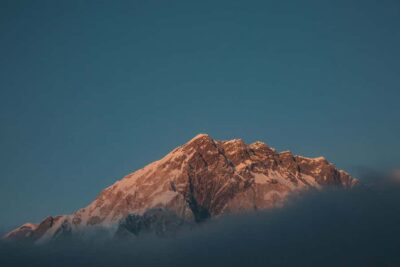
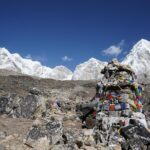
Day 10 begins with an early hike to Kala Pathar (about 5,565m). This viewpoint is described as one of the finest for Mt Everest and also shows Nuptse, Lhumbute, and surrounding peaks. After that, the day is mostly downhill back toward Duglha and then down to Pheriche.
This is the day that often makes the whole trek feel like it clicked. Even if your Everest Base Camp time was great, Kala Pathar usually gives you the bigger perspective: the peaks stacked across the valley, and the sense of how high you’ve climbed.
Why the downhill is important: it’s where you start getting back your legs. It’s also where knees can take a hit. Use your pacing and (if you bring them) trekking poles to protect your joints as you step down.
Back Toward Namche: Birch, Rhododendron, and Tengboche Views (Day 11)
On Day 11, you follow the river and cross back, then climb through birch and rhododendron forest to around Tengboche (about 3,860m). The route notes wide peak views again—Everest, Nuptse, Lhotse, Ama Dablam, and more.
This day feels different because you’re dropping in elevation compared to the days around Kala Pathar and base camp. The air can feel more forgiving, and the trees return as part of the Khumbu transition from alpine back toward forested sections.
Also, this day is a good reminder that trekking isn’t only about peak moments. You’ll still hike through quieter scenery that can feel peaceful once you’ve already done the hardest segment.
The Final Trek Into Lukla and the Last Himalayan Night (Day 12)
Day 12 follows the Dudh Kosi down to Lukla (around 2,800m). The itinerary calls this final trekking day for a celebration evening with Sherpa guidance. That last night matters because it gives your body time to catch up with what your mind already knows: you did it.
The big practical value of this day is that it turns the last miles into something emotional, not just tiring. You’re not staring at another map page thinking about logistics. You’re finishing the trek and letting the team handle your next transfer plan.
If you’re the type who likes closure, this is where you’ll feel it.
Fly Back to Kathmandu, Then Airport Support (Day 13-14)
Day 13 is a flight back to Kathmandu, then the rest of your day is free. The plan suggests last-minute shopping, sending postcards, and packing. Day 14 then transfers you to the airport for your flight home using the Nepalese support team.
This split is practical because it protects your energy. You’re not trying to cram Kathmandu sightseeing immediately after returning from Lukla. Instead, you get a calm buffer day and a simple end-of-trip workflow.
Also, the trip includes a trek achievement certificate. That’s not just paper—it’s a neat way to document your effort while the memory is still fresh.
Price and What Feels Like Real Value at $1,420
At $1,420 for approximately 14 days, this trek is priced in a way that makes sense if you compare what’s actually included.
What you get:
- Round-trip flights Kathmandu–Lukla and Lukla–Kathmandu (including departure taxes)
- Private vehicle transfers in Kathmandu
- Best available twin sharing lodge-to-lodge accommodation during the trek
- A professional English-speaking certified guide (including their food and insurance)
- A porter with an outlined ratio (2 trekkers: 1 porter) plus their support costs
- All trek permits, government taxes, and office service charge
- Trek map and achievement certificate
- First aid medical kit
- Specific included trek meals (breakfast and dinner, plus lunch items listed) and seasonal fruits
What costs extra (important for budgeting):
- Kathmandu food and accommodation: listed at $45 per day
- Travel insurance (not included)
- International airfares to Nepal
- Nepal entry visa: obtainable at the airport for USD 40 for 30 days
- Drinks and snacks, plus personal expenses
- Hot shower during the trek: USD 5 per person
- Personal trekking equipment and tips/gratuities for staff and drivers
So how do you judge value? If you subtract what most people end up paying for flights, permits, guide/porter support, and trek meals and lodging, the package price looks fair. The main surprise cost for many is the Kathmandu daily budget and the visa plus insurance. Build that into your plan early, and the $1,420 price feels much more honest.
Guides and Porters: The Human Part That Keeps You Going
The trip is built around in-person guidance, and the reviews you provided highlight names like Hari and Kapil as guides who were professional and calm. You also have examples of Namo as a guide in a family setting, and porters like Ram and Mongol getting called out for strong performance.
Even without naming every staff member, the structure matters:
- One professional English-speaking certified guide is included.
- A porter system is included with a clear ratio (2 trekkers: 1 porter).
- The guide and porter arrangements include their food, accommodation, and insurance.
Why this matters on Everest Base Camp: your success isn’t only about leg strength. It’s about managing energy, staying steady on steep days, and handling the emotional swings that altitude and long hiking can bring. A solid guide helps you keep your pace aligned with acclimatization days, and a porter helps reduce weight so your breathing stays easier.
And because it’s a private tour/activity, your group gets that attention without getting shuffled into a larger mixed schedule.
Pacing, Altitude Days, and What to Expect on the Trail
This itinerary includes acclimatization time in two major blocks:
- A rest day in Namche
- A rest day in Dingboche with an optional higher hike up to about 5,100m
Then the high points hit in a sequence:
- Gorak Shep as the step-up zone
- Everest Base Camp in the afternoon on Day 9
- Kala Pathar early on Day 10 as the top viewpoint day
That structure is a big reason the plan can work for a wider range of hikers. You’re not just climbing every day until you’re exhausted. You get built-in breathing room.
Still, altitude is altitude. The tour description clearly calls for strong physical fitness. So if you’re deciding between this and an easier trek, be honest with yourself. If you can’t commit to a steady pace through long hiking days, you’ll have a rougher time even with rest days.
Sustainability and Community Support: What the Trip Says It Does
The overview includes a promise to support sustainable development for local communities and to help preserve the Himalayan environment. That’s not just marketing copy to ignore, because it connects to why you’re on this route and how trekking affects places like the Khumbu.
In practical terms, look for the supporting behaviors that match those goals: take care with what you carry, respect the routes and park rules, and don’t treat every stop like a trash site. Since the package includes permits and park entry steps, you’re already operating inside a framework meant to reduce harm.
This is also where cultural stops feel more respectful. When you’re moving through Sherpa villages and monastery spaces, the goal is to observe with care, not rush through like you’re passing through a theme park.
Should You Book This Everest Base Camp Trek?
I’d recommend booking this trek if you want an organized, high-altitude itinerary with clear acclimatization days, an English-speaking guide, and porter support. The included round-trip flights to Lukla, permits, trek meals, and lodge stays make it easier to plan, and the private setup fits travelers who want their group to stay together.
Skip it—or at least rethink it—if you want more luxury on the trail. This is tea house trekking, and hot showers cost extra. Also budget Kathmandu properly ($45 per day listed), and remember that travel insurance and tips aren’t included.
Finally, if you’re the kind of trekker who likes structure and wants to feel carried by the logistics, this is a strong fit. The route is demanding, but it’s set up to keep you moving in the right order: acclimatize, reach the key high zones, then come down with your energy intact.
FAQ
Where does the tour start, and what time?
The meeting point is Tribhuvan Airport in Kathmandu, Nepal, with a start time of 6:15 am.
How long is the Everest Base Camp trek?
The duration is listed as 14 days (approx.).
Are flights included to Lukla and back?
Yes. Round trip flights Kathmandu–Lukla and Lukla–Kathmandu are included, including departure taxes.
What accommodation is included during the trek?
You’ll stay in the best available twin sharing lodge-to-lodge accommodation during the trek.
Is an English-speaking guide included?
Yes. A professional English-speaking certified guide is included.
Do I get porter support?
Yes. An essential porter is included with a ratio of 2 trekkers to 1 porter.
Are trekking permits included?
Yes. All required permits for the trek are included, along with government taxes and office service charge.
What meals are included, and what is not?
The tour includes breakfast and dinner during the trek, plus lunch items (11) listed in the plan, and seasonal fruits. Drinks, snacks, and other personal expenses are not included.
What does Kathmandu cost after the trek?
Foods and accommodation in Kathmandu are listed at $45 per day (not included).
How much is the Nepal entry visa and how do I get it?
The Nepal entry visa can be obtained at the airport upon arrival for USD 40 for 30 days.