REVIEW · POKHARA
Pokhara: Full-Day Guided Sightseeing Tour
Book on GetYourGuide →Operated by Breakfree Adventures Pvt. Ltd. · Bookable on GetYourGuide
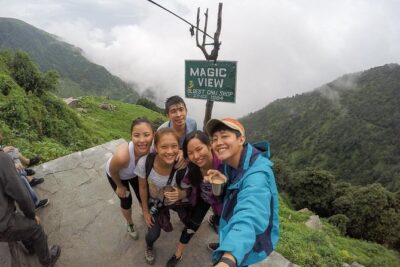
That first light at Sarangkot is magic. In a single day you get Himalaya views plus major Pokhara sights, and the World Peace Pagoda stop really delivers the reason most people come this way. It’s early, it’s active, and it’s paced so you still see a lot without feeling like you’re racing.
I especially like how the day is built around the sunrise—Pokhara looks totally different when the mountains catch the first light. Then you switch from viewpoints to hands-on stops like Devis/Davis Fall and Gupteshwor Cave, where the scenery is doing the talking.
One thing to plan for: there’s some walking on steeper ground, so wear grippy shoes. And if you’re booking as a solo traveler, the per-person price can feel sharper than when you share the group vehicle with someone.
In This Review
- Sarangkot Sunrise, Peace Pagoda, and a Full Day of Pokhara Icons
- The Big Payoff: Why the Sarangkot Sunrise Starts Everything Off Right
- Hotel Pickup, Private Vehicle, and the 8-Hour Reality Check
- Devis (Davis) Fall: The Shock of Water in a Busy Town
- Gupteshwor Cave: A Cave Stop That Changes the Mood
- Lord Shiva Temple: A Spiritual Break in the Middle of Sightseeing
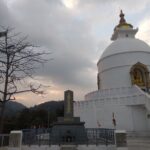
- World Peace Pagoda: Annapurna and Machhapuchhre in One View
- Suspension Bridge: A Practical Ending Before You Head Back
- Who Will Love This Tour (and Who Might Not)
- Price and Value: What $95 Gets You (and What You Still Pay)
- The Guide Factor: When Moti Turns Stops into Stories
- What to Bring and How to Prepare
- Should You Book This Pokhara Full-Day Guided Tour?
- FAQ
- How long is the Pokhara full-day guided sightseeing tour?
- Do I get hotel pickup and drop-off?
- How big is the group?
- What language is the tour guide?
- What is included in the price?
- What is not included?
- What should I bring with me?
Sarangkot Sunrise, Peace Pagoda, and a Full Day of Pokhara Icons
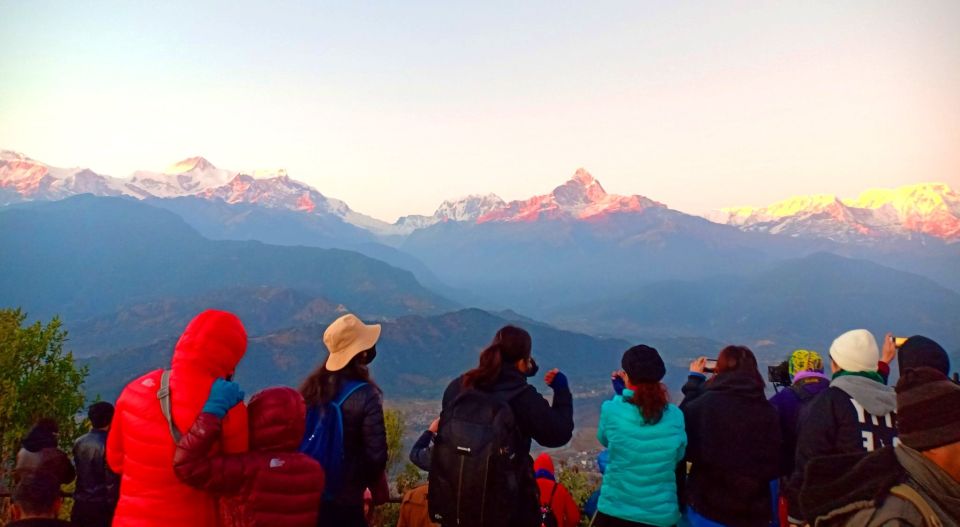
- Sarangkot sunrise timing sets the tone for the whole day and gives you that first-light mountain look
- World Peace Pagoda viewpoint focuses your eyes on Annapurna and Machhapuchhre
- City stops are packed but logical: falls → cave → Shiva temple → pagoda → suspension bridge
- English live guide keeps you oriented and helps you understand what you’re seeing
- Small group (up to 15) makes it easier to move as a unit without chaos
- Private vehicle with hotel pickup/drop-off cuts down on Pokhara’s everyday hassle
The Big Payoff: Why the Sarangkot Sunrise Starts Everything Off Right
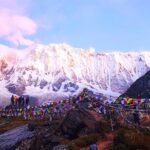
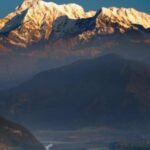
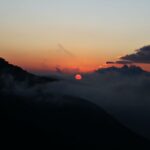
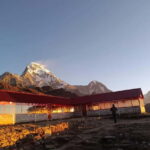
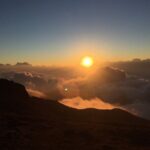
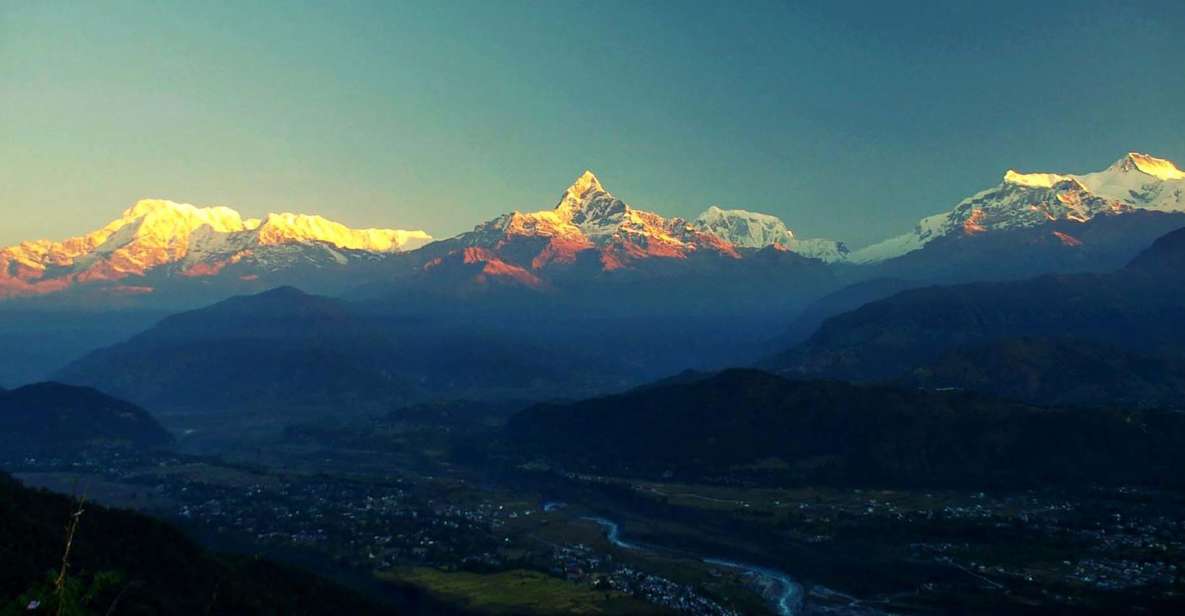
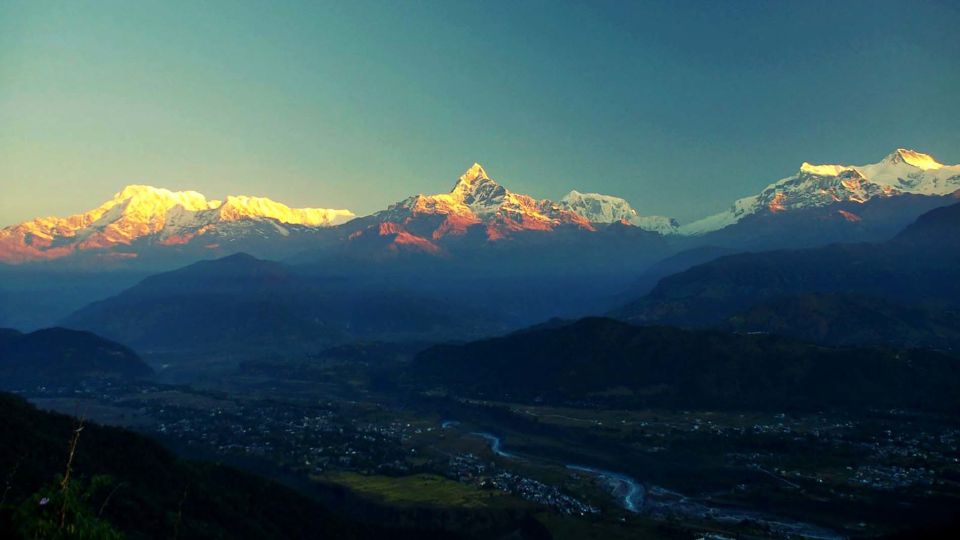
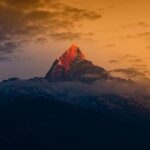
Sarangkot Hill is the opening act, and it’s not subtle about it. You wake up early, ride out with the group, and wait for the first light to spill over the mountains. The best part is that you’re not just standing somewhere scenic—you’re watching the sky and peaks change in real time. That’s why the day feels worth the effort even if you don’t consider yourself a sunrise person.
From there, the tour settles into a smooth rhythm. You head back for breakfast, then shift into classic Pokhara sightseeing with minimal dead time. It’s an 8-hour structure that respects how tiring early mornings can be.
If you like photography, you’ll appreciate that the sunrise stop is the anchor. Most other towns throw in a viewpoint as a bonus. Here, the itinerary starts with the view.
You can also read our reviews of more guided tours in Pokhara

Hotel Pickup, Private Vehicle, and the 8-Hour Reality Check
This tour runs for about 8 hours and includes hotel pickup and drop-off. That matters in Pokhara because saves you the friction of figuring out local transport on a tight schedule—especially when your day begins before it feels like a “real” day.
You also travel in a private vehicle with a small group capped at 15 people. In practical terms, that usually means quicker movement between sights and fewer waiting games than large group tours. It’s also better if you want your guide to keep an eye on timing, since the morning view can’t be rescheduled.
The main trade-off is effort. You’re up early, you’re out most of the day, and some stops involve walking on steep or uneven terrain. If your idea of a perfect day is sitting still, this might feel like too much. If you’re the type who likes to get out and actually see things, you’ll likely feel energized.
Devis (Davis) Fall: The Shock of Water in a Busy Town
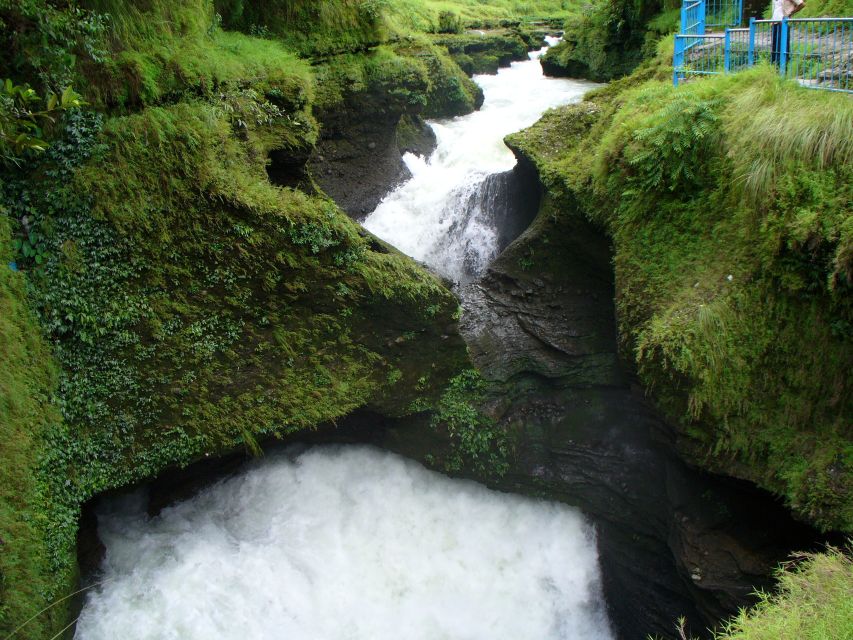
After breakfast, the city tour starts with Devis Fall—spelled as Devis in the plan, but you may also see it called Davis Fall. Either way, this is one of Pokhara’s most recognizable water sights.
What makes it interesting isn’t only the fact that it looks dramatic. It’s the way water moves there—steady, forceful, and a little unpredictable in how it cuts through the rock. It gives you a “how is that even happening?” moment, and that’s exactly the kind of visual you want after the sunrise focus.
Keep your expectations realistic: it’s a popular stop, so you’ll likely be around other people. If you’re hoping for a totally quiet experience, you may want to be okay with sharing space while you take in the view and photos.
Gupteshwor Cave: A Cave Stop That Changes the Mood
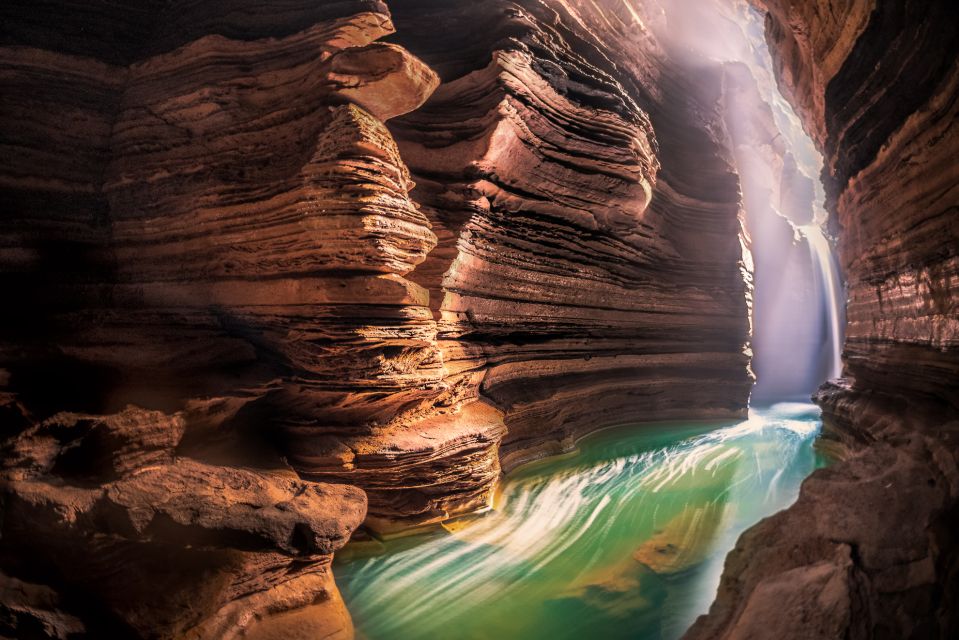
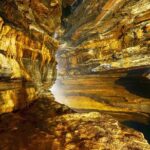
Next comes Gupteshwor Cave, one of the most compelling contrasts on the itinerary. Sunrise is all about the sky and distant peaks. The cave is about texture—stone, shadow, and the sense that you’ve entered a different temperature and atmosphere.
This stop also adds variety to the day. You’re not only viewing from platforms; you’re experiencing a different kind of Pokhara attraction where the setting itself feels more tactile.
One practical note: cave areas often mean uneven footing and more “move carefully” energy. If you’ve got shoes with good traction, this is the time to wear them. You’ll thank yourself later when the terrain gets steeper at other stops too.
Lord Shiva Temple: A Spiritual Break in the Middle of Sightseeing
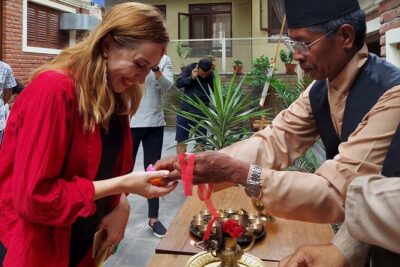
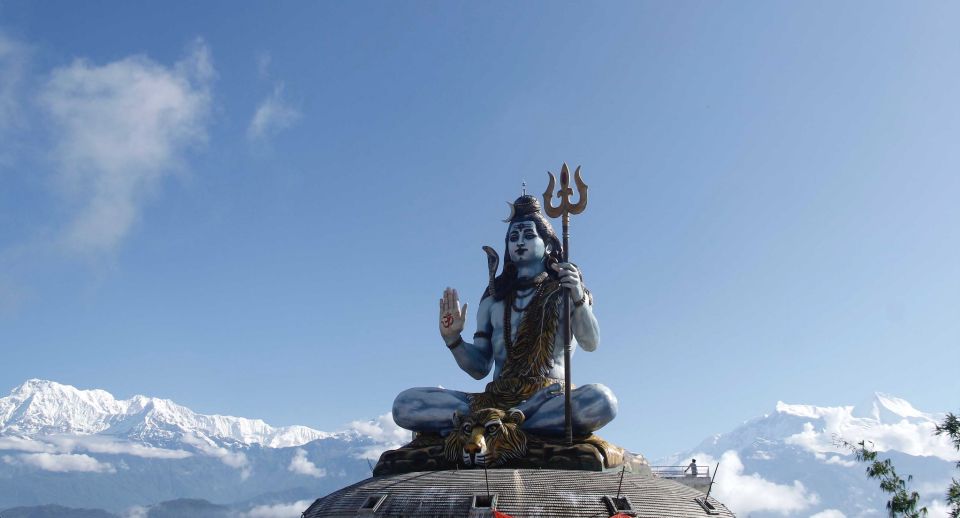
Then you head to a Lord Shiva temple. This isn’t a random roadside stop—it’s a meaningful pause where the day shifts from sightseeing-as-a-mission into sightseeing-as-a-connection with how local people worship and gather.
I like this kind of stop when it’s handled respectfully. It helps your day feel less like a checklist and more like you’re actually learning what places mean in daily life. You get time to explore and take in the atmosphere at a slower pace than the earlier “look-and-go” viewpoints.
If you’re traveling with curiosity (and the right mindset), this is one of those moments where Pokhara becomes more than scenery.
You can also read our reviews of more tours and experiences in Pokhara
World Peace Pagoda: Annapurna and Machhapuchhre in One View
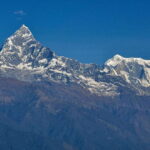
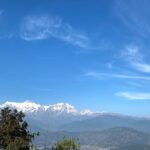
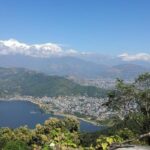
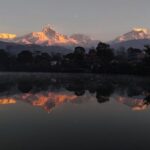
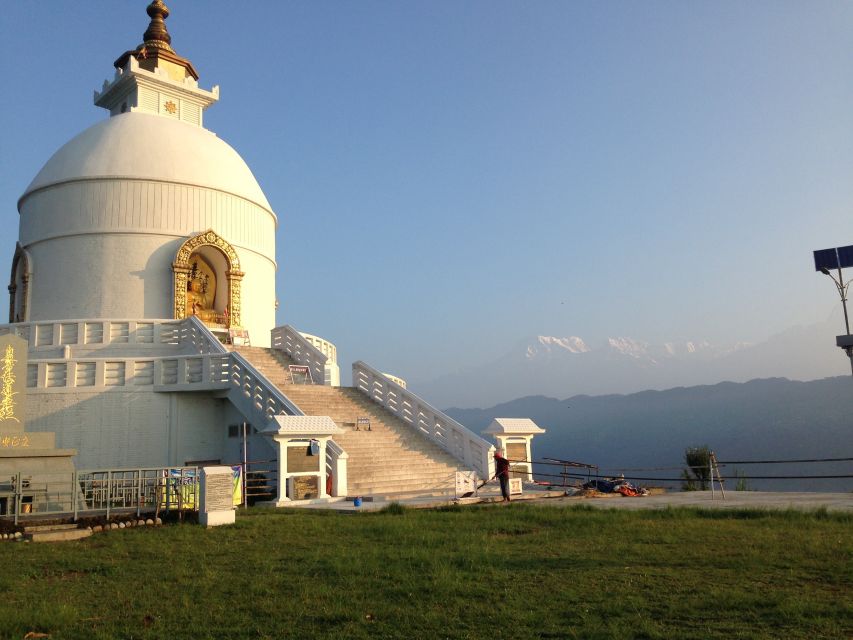
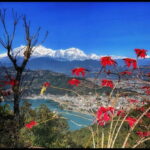
The World Peace Pagoda is where the tour turns back into “big mountains, big perspective.” You drive to the pagoda and spend time seeing the majestic mountain range, specifically views tied to Annapurna and Machhapuchhre.
This stop tends to be the one people remember days later because it connects the dots between Pokhara and the Annapurna region. Instead of just seeing names on a map, you’re standing in a place where those peaks feel close enough to matter.
It’s also a visual reset after caves and temple space. Your eyes can stretch out to long distances again. If you enjoy viewpoints, you’ll likely find it worth dressing for the weather and taking a bit of time, not just snapping one photo and rushing onward.
Suspension Bridge: A Practical Ending Before You Head Back
Late in the day, you reach the suspension bridge. This part of the route gives you something different from the big panoramic stops: a closer, more hands-on structure where you can feel the movement of the walkway (and the general energy of people coming and going).
It’s a good “last active moment” before returning to the hotel. You’re not doing anything extreme, but you’re also not sitting around. It breaks up the end of the tour so the final stretch doesn’t feel like pure travel.
If you’re prone to vertigo or hate shaky footing, you’ll want to take it calmly. The tour description doesn’t promise a quiet, gentle crossing—so treat it as an energetic finish and plan your footing.
Who Will Love This Tour (and Who Might Not)
This is a strong fit for first-timers in Pokhara who want the high-impact sights in one day, without planning your own route. It’s also a good match if you care about seeing sunrise views but don’t want the hassle of organizing transport and timing yourself.
You’ll probably enjoy it most if:
- you like structured days with a guide helping you connect the dots
- you’re comfortable with some walking on steep terrain
- you value mountain views enough to wake up early
It may be less ideal if:
- you want a relaxed, mostly sitting itinerary
- steep or uneven ground is a problem for you
- you’re traveling solo and are very price-sensitive (the per-person cost can sting more when you can’t split a shared vehicle value)
Price and Value: What $95 Gets You (and What You Still Pay)
At $95 per person for an 8-hour guided day, the value comes from logistics as much as sightseeing. You’re paying for hotel pickup and drop-off, a private vehicle, a live English tour guide, and government taxes/service charges included. You also get the small-group advantage (up to 15 participants), which makes the day feel more manageable.
Where costs can creep up: monuments entrance fees and beverages aren’t included. The tour also notes that optional adventure activities—like paragliding, ultra light flights, hot air balloon rides, and zipline—aren’t included. If you want to add anything extra, budget for it separately.
One thing to watch is solo pricing. A solo traveler can feel like they’re paying the full cost without the usual sharing benefits. In practice, this tour can feel more reasonable if you’re traveling with someone and can split the “same vehicle, same route” value.
Also, there’s a “skip the ticket line” element. That’s great for time-saving, but don’t assume all entrance fees disappear—just that you may move through faster when tickets apply.
The Guide Factor: When Moti Turns Stops into Stories
The name Moti shows up in real-world experience with this provider, and it tells you something important: your day isn’t just a driver-and-a-map situation. A good guide makes the route click—like pointing out what you should notice at each stop and keeping the pace realistic.
In the best cases, the guide feels talkative and attentive, offering context and answering questions on site and about Nepal in general. That matters during a day like this because you’re moving through different environments—sunrise viewpoints, water features, caves, temples, and mountain panoramas. Without a guide, it can feel like “pretty places in a row.” With the right guide, it becomes a coherent Pokhara story.
What to Bring and How to Prepare
Keep it simple:
- Bring a passport or ID card as requested
- Wear grippy shoes for steep or uneven walking
- Dress for an early start—mornings can feel cooler, and you’ll be outside at Sarangkot
If you like photos, bring a fully charged phone/camera and a backup storage plan. Sunrise waits for no one.
Should You Book This Pokhara Full-Day Guided Tour?
I’d book this tour if you want an efficient first crack at Pokhara’s top sights in one day—especially if the idea of Sarangkot sunrise and the World Peace Pagoda viewpoint appeals to you. The price is fair for the logistics: pickup, private vehicle, and an English-speaking guide with a small group.
I wouldn’t book it if you’re avoiding early mornings, hate walking on steep terrain, or are planning a super low-effort day. In those cases, you’d probably be happier with a slower itinerary.
FAQ
How long is the Pokhara full-day guided sightseeing tour?
It lasts about 8 hours.
Do I get hotel pickup and drop-off?
Yes. Pickup is included at your hotel in Pokhara, and you’re also dropped back off at the end.
How big is the group?
It’s a small group limited to 15 participants.
What language is the tour guide?
The live tour guide speaks English.
What is included in the price?
Hotel pick up and drop-off, city tours, a private vehicle, a professional tour guide, and government taxes & service charges.
What is not included?
Monuments entrance fees, beverages, and optional activities like paragliding, ultra light flight, hot air balloon, and zipline.
What should I bring with me?
Bring a passport or ID card.