REVIEW · KATHMANDU
13 Days Trekking in Annapurna Circuit
Book on Viator →Operated by Blissful Himalayas · Bookable on Viator
Thorong La at 5,416m is a big promise. This 13-day Annapurna Circuit trek is interesting because it mixes real Himalayan pass drama with proper lodge-to-lodge pacing, with experienced staff like Ravi and Sandip highlighted by past trekkers. The trade-off: you’ll work for it on long, steady hiking days, including a demanding climb over the pass.
What I like most is how the route gradually changes from lower-lying villages to higher Himalayan terrain, while still feeling human-sized and lived-in. You start with a long scenic drive from Kathmandu down in elevation, then move through places like Chame, Pisang, and Manang before your higher-altitude push. The other big win is the package setup: permits, TIMS, tea house beds, and meals are bundled, so you can focus on steps instead of paperwork.
One more thing to weigh before you commit: the trek asks for moderate fitness, and Day 11 is the clear hardest day of the trip. If you’re hoping for a relaxed walk with no steep moments, you may want to choose a gentler route.
In This Review
- Key Highlights You’ll Actually Feel on the Trek
- Why the Annapurna Circuit Route Feels Like Multiple Trips in One
- Day-by-Day: From Kathmandu Transfers to the Thorong La Reward
- Day 1: Kathmandu to the Lower Hills (Besisahar/Bulbule area) and First Travel Day
- Day 2: Bulbule to Bahundanda (Start Slow, Gain Momentum)
- Day 3: Dense Forests and Suspension Bridges to Chamche
- Day 4: Villages Toward Dharapani (Gurung and Manangi Culture as Altitude Rises)
- Day 5: Chame, Administrative Center with Big Mountain Views
- Day 6: Toward Lower Pisang (Annapurna II, III, IV Get Serious)
- Day 7: Manang Rest and Real Acclimatization Energy
- Day 8: Acclimatize in Manang (Gangapurna Lake or Praken Monastery Options)
- Day 9: Manang to Yakkharka (High Views, Sparse Forests)
- Day 10: Yakkharka to Thorong Phedi (Base Camp Energy Before the Pass)
- Day 11: Thorong La Pass Day (Start Early, Earn the 360° Panoramas)
- Day 12: Bus Drive to Pokhara + Team Dinner
- Day 13: Choose Your Next Nepal Chapter from Pokhara
- Lodging and Meals: The Tea House Setup That Keeps You Moving
- Price and Logistics: What $809.10 Buys You (and What It Doesn’t)
- What’s included that improves real value
- What you still need to budget for
- Thorong La Day Planning: How to Make the Hardest Day Feel Manageable
- Getting to Kathmandu, and Then Back Out: Transfers That Save Headaches
- Who This Trek Suits Best (And Who Should Rethink It)
- Should You Book This Annapurna Circuit Trek?
- FAQ
- How many days is the Annapurna Circuit trek, and what’s the highest point?
- What is the total price, and what’s included?
- What kind of lodging and meals can I expect during the trek?
- Is airport pickup included?
- Is a porter included for baggage?
- Are permits and TIMS covered in the price?
- Can I cancel and get a full refund?
Key Highlights You’ll Actually Feel on the Trek
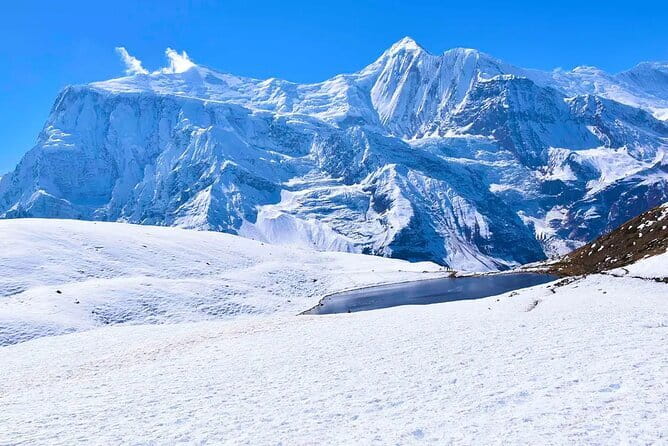
- Thorong La Pass at 5,416m with an early start and 360-degree views from the top
- Tea house accommodations plus breakfast, lunch, and dinner through the trek
- Licensed guide support and a first aid kit that includes an oximeter
- Cultural stops in Gurung, Manangi, and Tibetan-influenced Manang (monasteries and village life)
- Acclimatization day in Manang with optional hikes to Gangapurna Lake or Praken Monastery
- Value-packed logistics: permits, TIMS fees, route map, Pokhara hotel night with breakfast, and transfers
Why the Annapurna Circuit Route Feels Like Multiple Trips in One
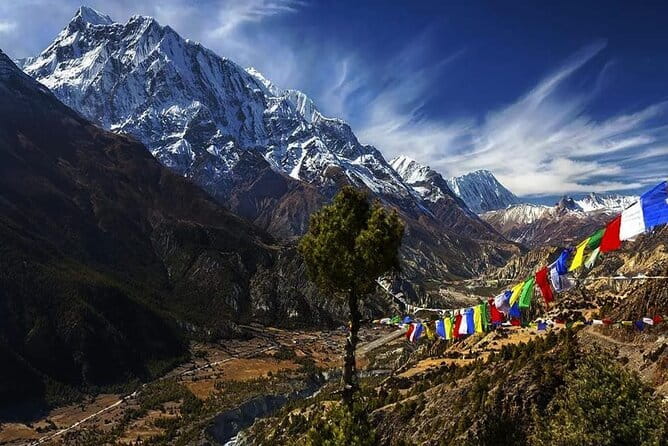
The Annapurna Circuit has a way of making Nepal feel wide open—then close and intimate in the same day. You’re not just hiking for views. You’re moving through different kinds of settlements and landscapes as the altitude climbs.
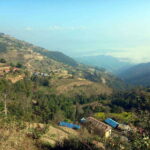
Early on, the scenery is built from terraces, rivers, and small villages. Later, the trek shifts into pine forests and higher, thinner-air country. You pass through areas tied to Gurung and Manangi communities, and you reach Manang—known for strong Tibetan cultural influence and Buddhist monasteries. That matters because it changes what you see and what you eat, not just the height on your altimeter.
There’s also variety in the trail itself. One day can include dense forest walking and suspension bridges, while another emphasizes steady ascent and mountain panoramas that get sharper as you go. If you enjoy feeling your effort turn into a bigger view each day, this route fits that mindset.
You can also read our reviews of more hiking tours in Kathmandu
Day-by-Day: From Kathmandu Transfers to the Thorong La Reward
Day 1: Kathmandu to the Lower Hills (Besisahar/Bulbule area) and First Travel Day
You’ll start early and take a long scenic drive from Kathmandu toward the Besisahar/Bulbule region (Bulbule is listed around 820m). This is your warm-up day, mostly about getting out of the city and into real trekking country.
Expect small villages, terraced fields, and early glimpses of the lower Himalayan range. It’s not yet the high route, but it’s a smart setup: your body gets time to adjust before the walking begins.
Day 2: Bulbule to Bahundanda (Start Slow, Gain Momentum)
From the lower start, you begin trekking toward Bahundanda, moving through villages and lush terraced fields. The elevation gain is described as gradual, and that’s exactly what you want early on—enough to feel progression, not so much that you arrive tired.
Bahundanda is your overnight stop. It’s the kind of day that builds confidence because you’re getting your legs moving without jumping straight into steep altitude.
Day 3: Dense Forests and Suspension Bridges to Chamche
Today’s trek includes dense forest walking and several suspension bridges, plus views tied to the Marsyangdi River and its tributaries. The trail also includes a gradual ascent even though there are descents along the way.
Crossing suspension bridges in Nepal has a way of making you pay attention. One foot after the other, steady pace, and you’ll move through the river valleys and toward higher terrain for the next leg. Overnight is in Chamche.
Day 4: Villages Toward Dharapani (Gurung and Manangi Culture as Altitude Rises)
As you trek toward Dharapani, you pass through a few Gurung and Manangi villages. This is where the trek stops feeling like a hiking corridor and starts feeling like a living route.
The terrain transitions from subtropical to more alpine characteristics as you climb. That shift is gradual enough to notice day-to-day, which is great for your pacing.
Overnight: Dharapani.
Day 5: Chame, Administrative Center with Big Mountain Views
You continue to Chame, the administrative center of Manang District. This stretch is where panoramic value starts to sharpen: you get fantastic views of the Lamjung Himal and Annapurna II.
As the day progresses, the route is described as a mix that includes pine forests. That’s a nice change from the earlier village-and-river vibe, and it’s one of those days where the trail itself feels different underfoot.
Overnight: Chame.
Day 6: Toward Lower Pisang (Annapurna II, III, IV Get Serious)
From Chame, you trek toward Lower Pisang. The description highlights dense forests, small villages, and much clearer mountain drama as you approach Pisang.
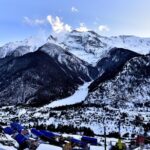
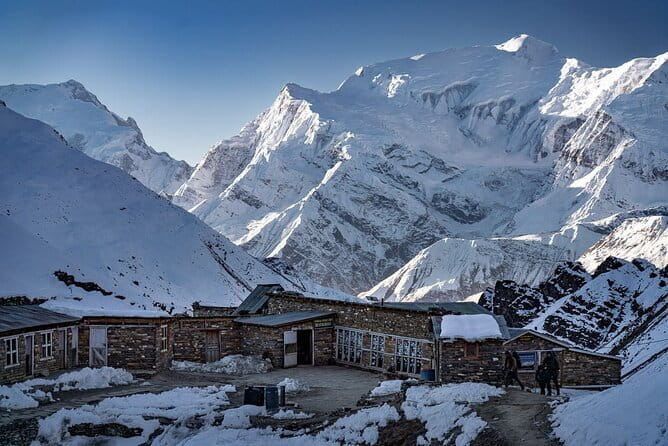
You can expect the views of Annapurna II, III, and IV to become more spectacular as elevation climbs. Lower Pisang also gets called out as a traditional Manangi village, so you’re still getting cultural texture, not only peaks.
Overnight: Lower Pisang.
Day 7: Manang Rest and Real Acclimatization Energy
Today you trek to Manang, a larger village where traditional Tibetan culture and Buddhist monasteries show up strongly. This day is a balance point: you reach a higher-altitude hub, then you get time to settle.
Manang is specifically noted as a good place to rest and acclimatize since you’re nearing higher altitudes.
Overnight: Manang.
Day 8: Acclimatize in Manang (Gangapurna Lake or Praken Monastery Options)
This is your acclimatization day, which you’ll be grateful for later. It’s not a free day in the sense of doing nothing—it’s more like a chance to hike lightly and let your body adjust.
You can hike to Gangapurna Lake, or take a shorter trek to Praken Monastery for panoramic views of Gangapurna, Annapurna III, and Himalchuli. Either choice gives you a payoff without turning the day into another all-out push.
Day 9: Manang to Yakkharka (High Views, Sparse Forests)
You continue toward Yakkharka. The trail is described as sparse forests and high-altitude landscapes.
Approaching Yakkharka, the views of Annapurna II and Gangapurna are called out as incredible. This is the kind of day where you’ll notice the air feels different—not because you have to guess, but because your pace has to adjust.
Overnight: Yakkharka.
Day 10: Yakkharka to Thorong Phedi (Base Camp Energy Before the Pass)
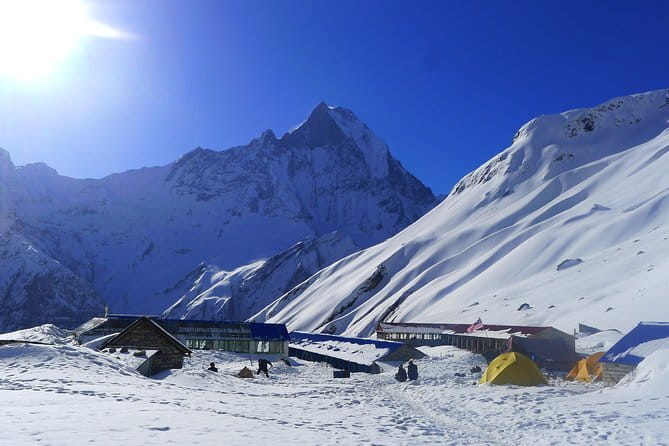
Today you trek to Thorong Phedi, the base camp area for Thorong La Pass. The route is described as getting steeper as you approach higher altitudes.
This isn’t the day for pushing. It’s the day for arriving, sorting your gear, and preparing for the early start that’s coming next.
Overnight: Thorong Phedi.
Day 11: Thorong La Pass Day (Start Early, Earn the 360° Panoramas)
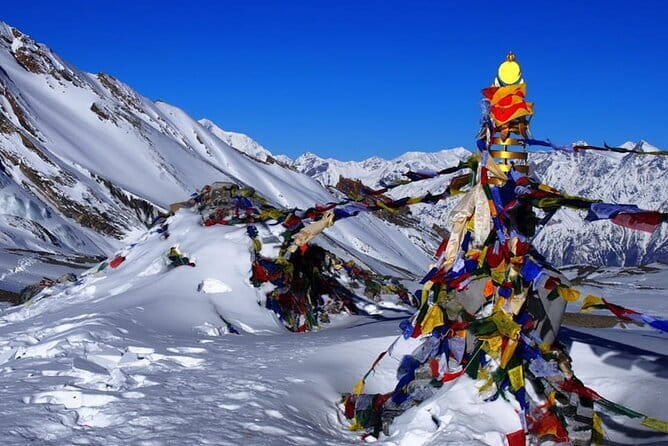
This is described as the most challenging and rewarding day of the trek. You start early to tackle Thorong La Pass at 5,416m.
It’s a demanding climb, but the top is the payoff: 360-degree panoramas of the Himalayas. After that, you continue to your next overnight point arranged by your team before the journey shifts toward transport.
If you like honest challenges—ones where effort and reward match—this is the day to look forward to.
Day 12: Bus Drive to Pokhara + Team Dinner
After the trekking run, you drive to Pokhara by bus. In Pokhara, your team shares a successful dinner together, then you can get ready for whatever comes next.
This is a meaningful transition day. Your body gets a break, and your mind gets to process the trek.
Included: one night hotel in Pokhara with breakfast (standard twin sharing) is part of the package.
Day 13: Choose Your Next Nepal Chapter from Pokhara
After trekking ends, you’ll head on to your next destination. The options mentioned include more days in Pokhara, tours at Chitwan National Park, or a drive to Kathmandu.
The key point for you: the operator indicates they can still help you plan what comes next, so you’re not stuck figuring everything out alone.
Lodging and Meals: The Tea House Setup That Keeps You Moving
This trek is lodge-based, with tea house accommodations during the hike. That matters because you’re not trying to carry everything. You’re working with a known routine: walk, arrive, eat, sleep, repeat.
Meals are included as breakfast, lunch, and dinner during the trek. The listing also includes a cup of tea or coffee during breakfast time. Those small rituals matter more than people think. On a multi-day trek, you want predictable recovery.
There’s also a practical safety angle in the inclusions: you get a first aid box with normal medical supplies, including an oximeter. You’re not going to test your altitude like a sci-fi mission, but it gives you the tools to respond quickly if someone needs attention.
On the guide side, past feedback called out English-speaking leadership and strong attention to comfort and food quality. Guides named Ravi and Sandip were praised for being professional and for handling details so the trek feels smooth in daily life—what you eat, where you stay, and how you manage the route.
Price and Logistics: What $809.10 Buys You (and What It Doesn’t)
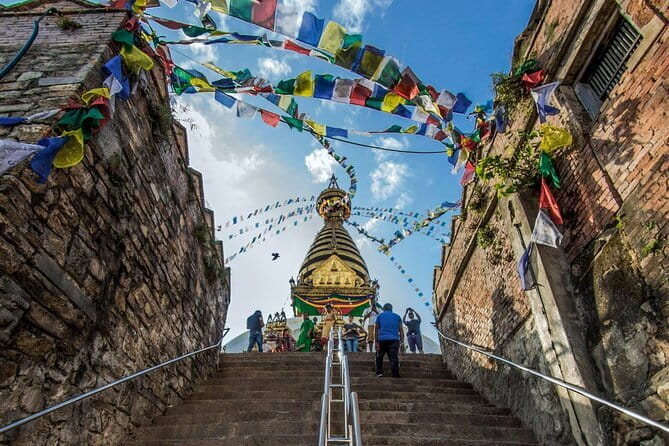
At $809.10 per person, this package isn’t just a ticket to walk. It bundles multiple expensive and annoying items that many DIY treks handle separately.
What’s included that improves real value
- Guide support (licensed and experienced, with help for food and accommodation)
- All standard meals (breakfast, lunch, dinner) during the trekking days
- Tea house lodging during the trek
- Annapurna Conservation Permit fees and TIMS fee
- Route map
- First aid kit with an oximeter
- Pokhara hotel night with breakfast
- Transportation components: public bus from Kathmandu to the Besisahar area and sharing transport to the start-side transfer, plus private transportation from trek ending point to Pokhara
- Pickup from the airport by private vehicle if required
- Mobile ticket and taxes/office service charge
What you still need to budget for
Personal expenses are not included. A porter carrier for baggage is also not included if you want one. Extra nights and activities in Kathmandu and Pokhara are not included, and transportation back to Kathmandu is not included.
Finally, you’ll need to handle Nepal entry visa fees and the on-arrival visa application form. That part is common, but it’s still something you should plan ahead for.
Thorong La Day Planning: How to Make the Hardest Day Feel Manageable
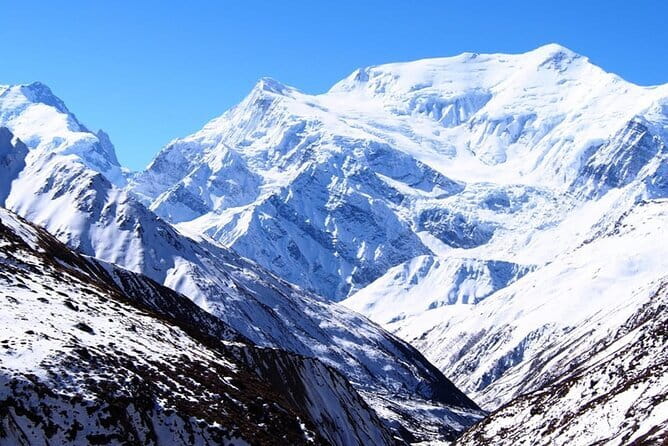
Day 11 is described as the hardest and most rewarding day. You start early to tackle the pass at 5,416m, and you’ll be looking for 360-degree Himalayan panoramas when you reach the top.
Here’s how I’d approach this day so you get the view instead of just surviving it:
- Go slower than you think you need to. The pass is high; your pace should protect your breathing.
- Follow your guide’s rhythm. Since the operator provides experienced guidance, use their timing and movement strategy.
- Use the included support tools. You’ll have access to the first aid kit and oximeter if needed, which gives you peace of mind that decisions can be made fast.
The other thing: you already get a built-in “set-up” for this day. There’s an acclimatization day in Manang (Day 8), plus a dedicated lead-in stop at Thorong Phedi (Day 10). That sequence is exactly what helps make the pass day safer and more comfortable than if you tried to jump into altitude all at once.
Getting to Kathmandu, and Then Back Out: Transfers That Save Headaches
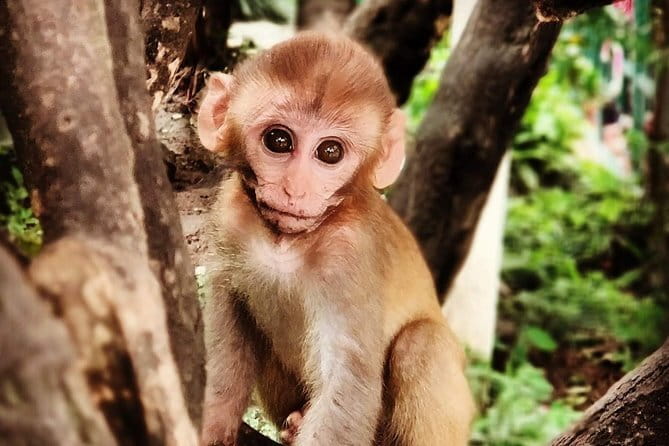
You’re starting in Kathmandu, and the trek moves you through Nepal toward Pokhara.
The included transportation structure looks like this:
- You can get airport pickup by private vehicle if you need it.
- You’ll use public bus transportation from Kathmandu to Besisahar, then sharing transportation to the start-side transfer.
- After the trek ends, you get private transportation to Pokhara.
- The trek ends with a bus drive to Pokhara on Day 12, and you get at least one night there with breakfast.
If you’re trying to keep your holiday from turning into a logistics puzzle, that’s a real advantage. You’re not trying to coordinate buses on your own while also managing jet lag and altitude.
The meeting window is also clearly defined, with pickup/meet times listed between 6:15 AM–7:15 AM and 8:15 AM–9:15 AM (Monday–Sunday). If you have a tight schedule for flights, pick times that land you comfortably before those windows.
Who This Trek Suits Best (And Who Should Rethink It)
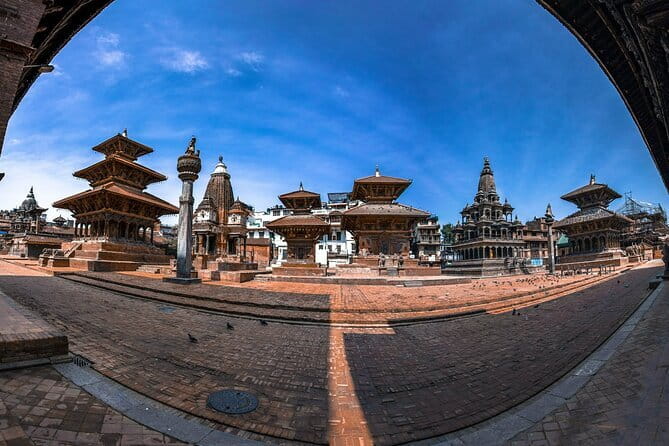
This trek is aimed at people with moderate physical fitness. You’ll get many days of gradual ascent, plus at least one day that’s explicitly called the toughest.
It’s a strong match if you:
- Want a classic Annapurna Circuit experience crossing Thorong La
- Like village life and culture as much as mountain views
- Prefer tea house treks with meals handled rather than cooking and shopping yourself
- Appreciate a guided setup that handles permits, route details, and daily logistics
It may not be your best fit if you:
- Need an easy, no-steep-exertion trek
- Don’t want a high-altitude challenge day, even if you’re not going extreme elsewhere
Should You Book This Annapurna Circuit Trek?
I’d book this trek if you want the Annapurna Circuit delivered in a way that’s practical, structured, and not overly stressful. The price looks fair for what’s bundled: meals, tea house lodging, guide support, TIMS and conservation permits, a first aid kit with an oximeter, plus the Pokhara hotel night and transfers.
It’s also a good choice when you want authentic route variety—river valleys, forests, Gurung and Manangi villages, and Tibetan-influenced Manang—without doing all the planning yourself.
Before you click confirm, do one honest check: make sure you’re comfortable with the hardest day being the pass day. If you can handle a steep climb at high altitude, you’ll likely come away proud, not just tired.
FAQ
How many days is the Annapurna Circuit trek, and what’s the highest point?
The trek is listed as approximately 13 days. The highest point is Thorong La Pass at 5,416m.
What is the total price, and what’s included?
The price is $809.10 per person. The package includes guide services, tea house accommodations during the trek, all standard meals (breakfast, lunch, dinner), a cup of tea or coffee during breakfast time, Annapurna Conservation Permits, TIMS fee, a trekking route map, and a first aid box that includes an oximeter. It also includes a Pokhara hotel night with breakfast and transportation components between Kathmandu, the trek start, and Pokhara.
What kind of lodging and meals can I expect during the trek?
You’ll stay in tea houses during the trekking days. Breakfast, lunch, and dinner are included, and you also receive a cup of tea or coffee during breakfast.
Is airport pickup included?
Pickup from the airport by private vehicle is included if required.
Is a porter included for baggage?
No. Porter or baggage carrier service is not included, though you can arrange one if you need it.
Are permits and TIMS covered in the price?
Yes. Annapurna Conservation Permit fees and the TIMS fee are included.
Can I cancel and get a full refund?
Yes. The experience offers free cancellation. You can cancel up to 24 hours in advance for a full refund. Canceling less than 24 hours before the start time does not receive a refund.