REVIEW · KATHMANDU
Annapurna Circuit Trek
Book on Viator →Operated by Nepal High Trek & Expedition Pvt. Ltd · Bookable on Viator
Five thousand meters is closer than it sounds. This 10-day version of the Annapurna Circuit keeps the classic rhythm—river valleys, pine forests, high pass prayer flags—while shortening the trekking stretch thanks to road access between Besisahar and Manang.
I love the way it’s paced for altitude sense, including a dedicated acclimatization day in Manang before you ever aim for Thorang La. I also like the hands-on setup: airport transfers, Kathmandu and Pokhara hotels, tea house stays, meals during the trek, and even trek gear like a sleeping bag and down jacket are built into the price.
One possible drawback: this is still a real mountain trek. The daily walking hours can be long, and you’ll be going to high altitude—so if you’re not comfortable with that mix of effort plus thin air, you should plan carefully.
In This Review
- Key things I’d watch for before you go
- Entering the Annapurna Circuit in a smarter time window
- Kathmandu to Besisahar to Chame: road time that pays off
- Chame into Manang: forests, river walking, and village texture
- Manang acclimatization day: the day that can save your summit
- Yak Kharka and Thorang Phedi: the gradual tilt toward the pass
- Thorang La at 5,416m and Muktinath: the spiritual bookend
- Pokhara and Kathmandu: the scenic fade-out after altitude
- Gear, tea house basics, and what the price really buys
- Guide quality: calm planning and day-by-day attention
- How demanding is this trek, really?
- Who should book this, and who should pause
- Should you book this Annapurna Circuit Trek?
- FAQ
- Where does this trek start and end?
- Is airport pickup and drop-off included?
- How long is the experience?
- What permits and park access are included?
- Are meals included during the trek?
- Is tea and fruit included?
- What kind of lodging do you use on the trek?
- What trekking gear is provided?
- What costs are not included in the price?
- Is it cancellable if plans change?
Key things I’d watch for before you go
- Shorter circuit, classic route feel: road access helps cut trekking time without skipping the signature high points
- Acclimatization built in: a Manang rest day helps you climb smarter before Thorang La
- Thorang La at 5,416m and Muktinath after: you’re not just passing the pass—you finish the day at a spiritual stop
- What’s included reduces decision fatigue: permits, guides, meals, and even sleeping gear are handled
- Travel days are part of the adventure: long scenic drives bookend your trek, so the full experience runs about 12 days
Entering the Annapurna Circuit in a smarter time window
If you’re chasing the Annapurna Circuit but don’t have weeks to spare, this is built for you. The big idea is simple: use road links to reduce how many days you spend trekking, while still giving you the core experience—villages, mountain views, and the big pass moment.
What I like about this approach is that it doesn’t try to make the mountains feel small. You still earn the high altitude. You just reduce the middle grind, which can matter if you’re trying to fit everything into a work schedule or vacation window.
Also, the program is designed with a clear altitude logic. There’s a Manang acclimatization day before the pass, and the walking is arranged to avoid a constant, steep climb day after day. That matters because altitude problems usually come from too much too fast, not from one scary photo moment.
You can also read our reviews of more hiking tours in Kathmandu
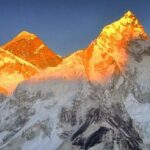
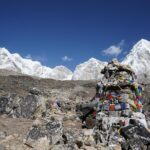
Kathmandu to Besisahar to Chame: road time that pays off
Your trip starts in Kathmandu with an airport pickup and a hotel transfer. After you check in, you’ll get a group briefing covering trek basics and useful info—exactly the kind of early guidance that helps you sleep better the night before you start walking.
Then comes the overland shift out of the Kathmandu Valley. You drive toward the mid-west around the Lamjung area, reaching Besisahar. This isn’t just transport; it’s your first taste of how the region changes as elevation rises and temperatures shift. You also get the mental runway that helps on trekking days—less guessing, more settling into the rhythm.
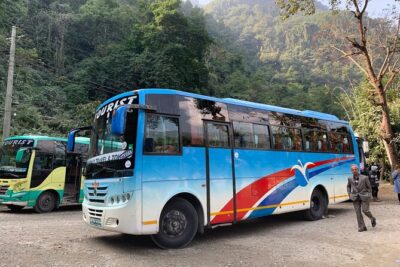
After that, you push on to Chame, the Manang district headquarters. The road is unpaved, so expect a rougher ride than what you’re used to at home. The upside is you’ll see real villages and changing scenery, not just highway blur. If you’re prone to motion sickness, it’s worth planning for it on this stretch.
One practical note: the program doesn’t encourage using a jeep as far as possible to save every walking day. It’s not appropriate to go beyond Chame by jeep, and going further to Manang carries a very high altitude sickness risk. In other words, this trek protects you from the common shortcut mistake: jumping upward too quickly because it feels efficient.
Chame into Manang: forests, river walking, and village texture
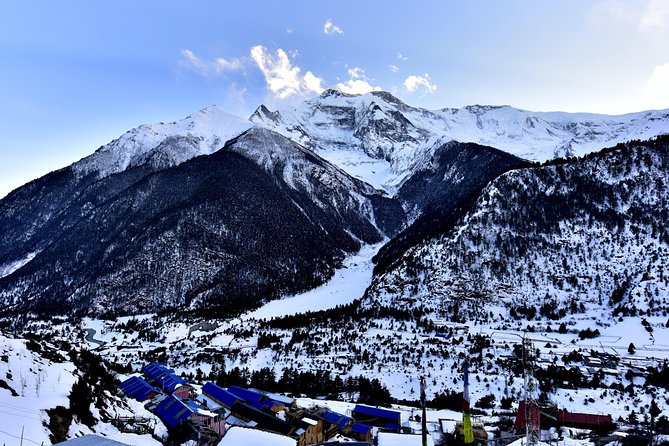
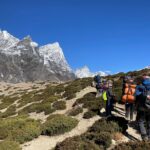
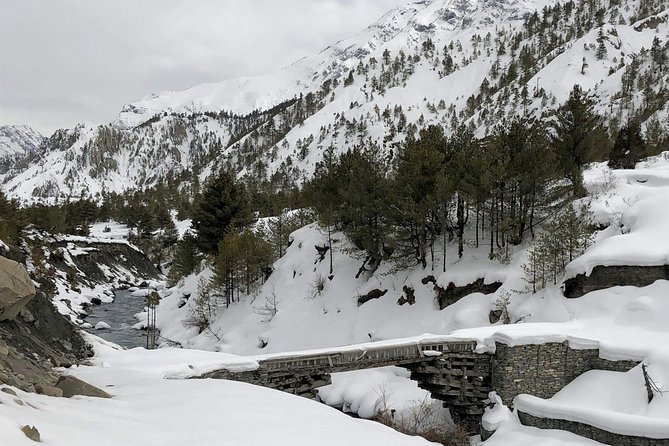
Once you start hiking, the day-to-day feel turns from roads into mountain life. From Chame, you move closer to the mountains through alpine forest and along the Marsyangdi River upstream. This is the kind of terrain that’s steady and scenic. You’re not battling constant steep rock, but you are layering effort on top of altitude.
You’ll reach villages like Bhratang, and you’ll keep noticing how the route alternates between river corridors and uphill sections. Even when you’re hiking all day, the path has a rhythm: look up for views when they appear, then focus on walking when the trail settles into its steady work.
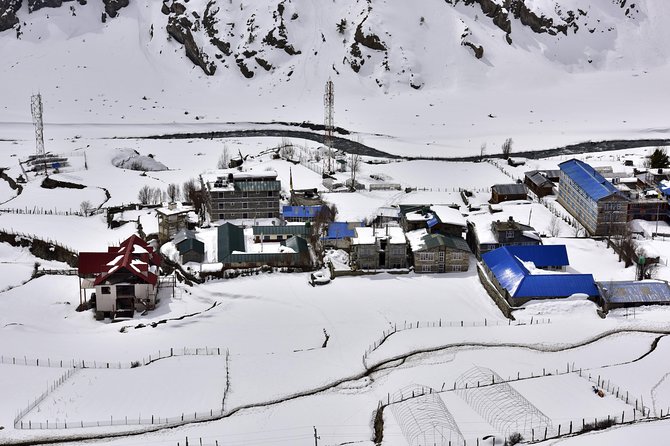
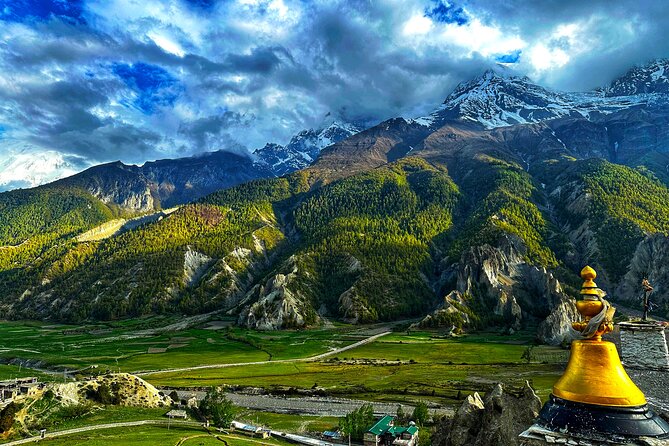
Then you continue into Manang. This is where the Annapurna Circuit starts feeling like a base for high-altitude travel—not just a stop. The valley setting gives you those classic wide mountain views, and it’s also where your body starts to register the elevation more clearly.
A small but important advantage here: the program clusters some of your biggest elevation changes around specific days (especially around acclimatization). That means you’re less likely to feel like you’re climbing in a fog of fatigue.
Manang acclimatization day: the day that can save your summit
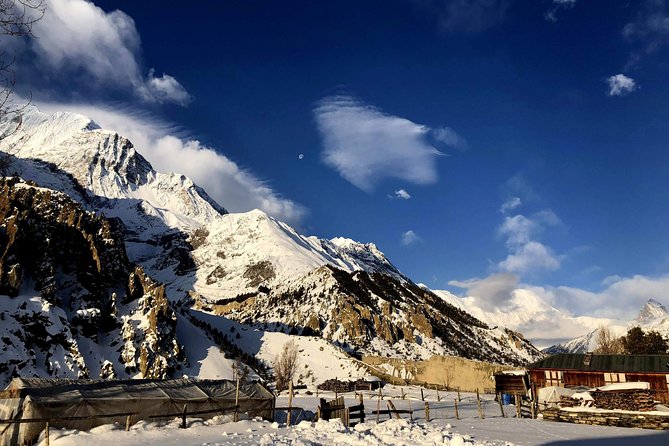
The Manang rest day isn’t a “vacation day.” It’s a smart breathing space. The main purpose is acclimatization before the big high-altitude push.
You’ll have time in Manang to rest and adjust. And if you want more movement (rather than just sitting still), there’s a strongly recommended option: a hike to Gangapurna Lake. That fits the acclimatization idea perfectly—walk up enough to get your body used to higher altitude, then return before you force exhaustion.
This day is valuable even if you choose the simpler option. Your body may feel fine in the morning but struggle later. Acclimatization time gives you flexibility to respond to how you’re actually feeling, not how you hope you’ll feel.
If you’re the type who likes to feel in control, this rest day helps. You’re not trapped doing a grind with no recovery. You can pace yourself, hydrate, and focus on the essentials: regular food, slow breathing, and letting your body adjust.
Yak Kharka and Thorang Phedi: the gradual tilt toward the pass
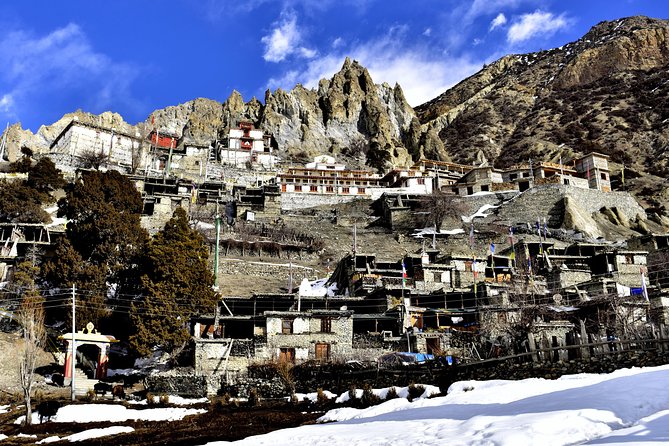
After acclimatization, you continue the gradual rise. You walk from Manang to Yak Kharka, a high-altitude settlement with outstanding mountain views. The route includes crossing small streams, and the scenery usually has that unmistakable high-country clarity.
This is one of those days where you’ll feel the altitude even if the climb doesn’t look dramatic on paper. Your body starts asking for steadier effort. So you’ll do best if you keep your pace conservative and treat the hike as a controlled rhythm rather than a speed challenge.
Next comes the approach toward Thorang La. You’ll start early and move along the Jarjung River, crossing a bridge and climbing sections that bring you closer to Thorung Phedi for a short rest. After that, it’s a climb toward the last stretch up to the pass area.
The big thing to understand: the high pass day is not just about your legs. It’s about energy management. If you spend the earlier hours trying to “feel strong,” you can pay for it when the altitude tightens. Instead, aim for steady breathing and a pace you can hold even when you’re tired.
Thorang La at 5,416m and Muktinath: the spiritual bookend
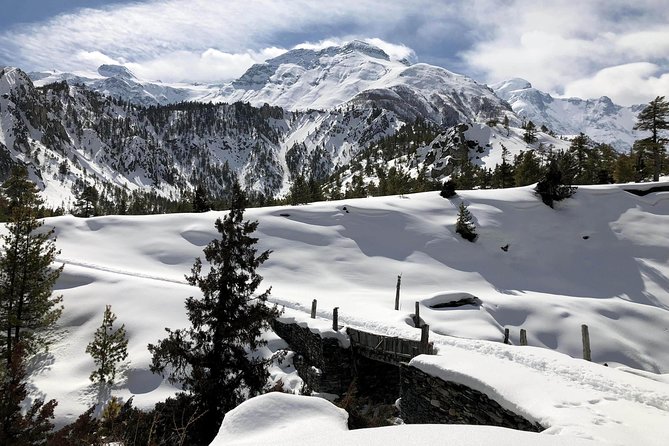
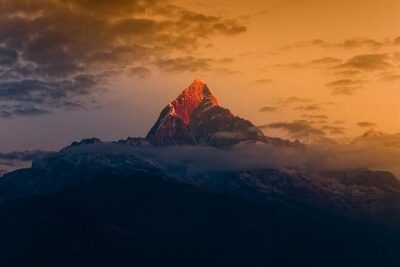
The next morning is your signature summit moment: climbing up to Thorang La (5,416m). You’ll see the prayer flags marking the route, and the views at the pass are the reason people plan Nepal trips around this section of trail.
Then the day continues toward Muktinath Temple. You start early, and after the highest point, the experience shifts from “top-of-the-world achievement” to “a place of devotion and culture.” Muktinath isn’t just a destination you check off—it’s an anchor for what this route means to many trekkers.
One practical consideration: the pace you can handle on the pass day depends heavily on your acclimatization and how you feel that morning. Since this trek includes acclimatization and doesn’t encourage risky shortcut jeep travel higher up, you’re starting from a better position than if you were trying to force it with no adjustment time.
Still, expect the day to be long. You’ll be moving for about 14 hours, so plan for a full-day commitment, not a quick sprint.
Pokhara and Kathmandu: the scenic fade-out after altitude
After you’ve finished the pass-to-Muktinath section, you switch from trekking to driving. You travel to Pokhara, and the route gives you scenic views while also functioning as a recovery mechanism. Your body gets a break from constant foot impact, and your mind gets a chance to reset.
Pokhara also makes sense culturally and logistically. It’s a place where you can decompress after high altitude: you get one night with breakfast, and you have time to look around rather than rushing to the next bus.
Then you head back to Kathmandu by overland route, stopping en route to observe farm villages and towns. It’s not just transit; it’s another layer of Nepal life you can see outside the big-city center. You arrive in the afternoon, and the rest of the day is free for individual time.
Finally, you depart for your international flight from Tribhuvan International Airport. Having a full travel-day buffer and a clear end stage helps reduce stress when you’re tired.
Gear, tea house basics, and what the price really buys
This trek costs $975 per person for an experience that runs about 12 days end to end. When you break it down, the value is mostly in the “stuff you’d otherwise have to organize yourself.”
Here’s what you can treat as included:
- Hotels: two nights in Kathmandu and one night in Pokhara, each with breakfast
- Transportation: airport pickup/drop-off plus bus and jeep drives
- Meals during the trek: three meals a day (break, lunch, dinner) during trekking days
- Tea house stays: private local tea house basis with twin sharing beds
- Permits: Annapurna Conservation Area Permit
- Guide support: a government license holder guide from Kathmandu
- Trek gear: sleeping bag, down jacket, and duffle bag
You also get small but meaningful comforts: three cups of tea per day during the trek and seasonal fruits along the way.
What’s not included is also important for budgeting. You’ll still need travel insurance. You’ll pay for things like mineral water, beer, Coke, laundry, and dessert. And you should budget tips for trekking crews, since that’s not covered.
My honest take on the gear: getting a sleeping bag and down jacket included can save time and hassle, especially if you’re traveling internationally and don’t want to wrestle bulky packing. Just make sure those items fit you well, and still pack your personal layers where you want the most comfort.
Guide quality: calm planning and day-by-day attention
One of the most praised parts of this trek is how the guides run the show. Names that show up again and again in feedback include Shanta, Buddhi Tamang, Buddhi Tamang, Anjan, Suman, Veer, Indaco, Pawan, and Anos Tamang. Even if your specific guide is different, the pattern is clear: the program puts energy into organization and personal attention.
What that looks like on the ground:
- you get a group briefing early in Kathmandu
- you have a government licensed guide in charge of daily flow
- you’re supported enough that you can focus on walking, not logistics
This matters on a high pass trek. When weather changes, or when someone in your group struggles with altitude, having an experienced guide who can adjust pacing and keep everyone moving safely is a big deal.
Also, the trek is set up as a private group—only your group participates. That’s useful if you want less crowd pressure and more flexibility in pacing and breaks.
How demanding is this trek, really?
This is aimed at people with moderate physical fitness, and the walking days are long enough that you’ll feel it. Some days are listed at around 12 hours with transport included, and trekking days often run about 13–14 hours.
The good news is that the route isn’t random. The trek alternates between river valleys, forest sections, village stretches, and acclimatization pauses. The “high point” is planned in a way that doesn’t rely on brute force alone.
Still, you should go in knowing the pass day will be the hardest. It’s the combination of altitude, long hours, and early start that usually tests people. If you’re prone to altitude sickness, take acclimatization seriously. If you’re thinking about shortcuts like a jeep ride beyond Chame, this program’s guidance is clear: that kind of speed-up can be a bad trade.
If you like structured days, supportive crews, and a clear plan, you’ll likely love this style. If you want a self-guided adventure with no schedule, you might find it too organized.
Who should book this, and who should pause
This trek fits best if:
- you want the Annapurna Circuit but can’t commit to a long trek window
- you appreciate pacing and acclimatization rather than pushing every day as hard as possible
- you like tea house travel with included meals and support
- you want the reduce-the-stress version of Nepal logistics without losing the classic route feeling
You should pause if:
- you’re not comfortable walking 13–14 hour days with altitude involved
- you’re determined to take lots of risky shortcuts to save time
- you’re expecting a gentle, low-effort vacation style trip
If you’re bringing a group of friends or you value privacy, the private-group setup is a plus. If you’re traveling solo, the guide support and organized structure can also help you feel steady.
Should you book this Annapurna Circuit Trek?
I’d book it if you want a high pass trek that still feels human in terms of planning. The included permits, guide, hotels, meals, and even sleeping and warmth gear make it easier to focus on the hiking and the big mountain moments. The Manang acclimatization day is a standout feature for anyone who worries about altitude.
I wouldn’t book it if you’re looking for a very short, easy stroll. This is a demanding mountain itinerary. Even with the shorter circuit version, you’re going to Thorang La at 5,416m, and the schedule expects real effort.
If you’re the kind of traveler who likes control, clarity, and a guide who keeps the days running smoothly, this is a solid value at $975—because it’s not just a trek. It’s the whole end-to-end setup.
FAQ
Where does this trek start and end?
It starts with a meeting point at Tribhuvan International Airport in Kathmandu, and it ends with departure from the airport in Kathmandu based on your international flight time.
Is airport pickup and drop-off included?
Yes. Airport pick up and drop off are included as part of the ground transportation.
How long is the experience?
It’s listed as 12 days approximately, with the trek portion supported by road travel days before and after.
What permits and park access are included?
The Annapurna Conservation Area Conservation Permit is included.
Are meals included during the trek?
Yes. You get three meals during the trek (breakfast, lunch, and dinner). There are also breakfasts included as part of the hotel stays.
Is tea and fruit included?
Yes. The program includes three cups of tea per day during the trek and seasonal fruits during the trek.
What kind of lodging do you use on the trek?
You stay in private local tea houses with twin sharing beds.
What trekking gear is provided?
A sleeping bag, a down jacket, and a duffle bag are included.
What costs are not included in the price?
Travel insurance and personal expenses like mineral water, beer, Coke, laundry, and dessert are not included. Tips for trekking crews are also not included.
Is it cancellable if plans change?
Yes, cancellation is free. You can cancel up to 24 hours in advance for a full refund, and the experience requires good weather and a minimum number of travelers.