REVIEW · KATHMANDU
Annapurna Circuit with Tilicho Lake Trek
Book on Viator →Operated by Nepal Social Treks and Expedition · Bookable on Viator
Tilicho Lake turns the Annapurna Circuit into a quest. I like the small-group size (max 8) and the guide support that keeps you moving with confidence through big mountain terrain. The one drawback: it’s still a serious altitude trek, so you need steady fitness and an easygoing attitude about long, slow days.
Beyond the physical challenge, this route is interesting because you get a rare Tilicho Lake detour plus the practical comfort of logistics handled for you. You’ll also include a Jomsom–Pokhara flight, which helps you recover faster once you hit the end of the mountains.
In This Review
- Key highlights worth planning around
- Getting to the trail: Kathmandu drives and the Jomsom–Pokhara reset
- First trekking days: Chame, Pisang, and the early altitude rhythm
- Tilicho Lake detour: the wind, the trail choice, and why early matters
- From Tilicho down to Yak Kharka: steady descents, slow climbs
- Thorong La approach days: ridges, wooden bridges, and narrow trails
- Thorang La to Muktinath: the pass day is the main event
- Kali Gandaki to Jomsom, then Pokhara: get your body back
- Guides, porters, permits, and teahouse meals that reduce stress
- Price and value: what $1,093.34 covers, and what you still handle
- Who should choose this Annapurna Circuit with Tilicho Lake (and who should skip it)
- Should you book this Annapurna Circuit with Tilicho Lake?
- FAQ
- How long is the Annapurna Circuit with Tilicho Lake trek?
- What is the maximum group size?
- What parts of transportation are included?
- Are trekking permits included?
- What meals are included during the trek?
- Do I get a guide and porter support?
- What gear is provided or made available?
- What is not included in the price?
- When does the tour start each day?
Key highlights worth planning around
- Max 8 trekkers, guided decision-making: your guide handles day-to-day navigation and pacing so you’re not stuck guessing.
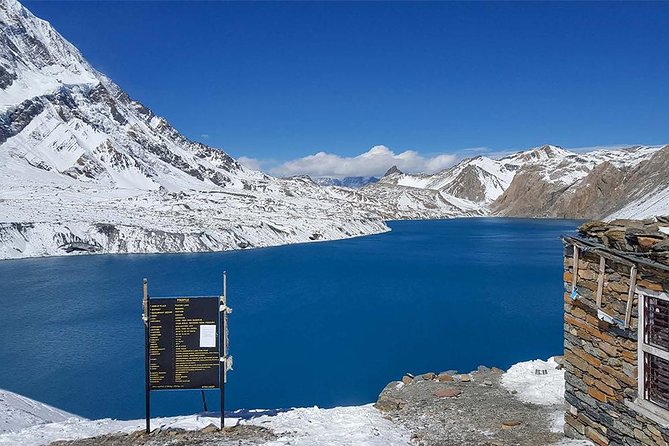
- Tilicho Lake with trail choice: you’ll see an older, tougher line and a newer, easier option on the way up.
- Pass-and-river country: days feature deep gorges, bridges at high elevations, and the dramatic Kali Gandaki corridor.
- Permits and conservation fees included: TIMS and the Annapurna Conservation Area Permit are covered.
- Porter system for shared gear: 1 porter for every 2 travelers to carry personal gear and group equipment.
- Meals, teahouse stays, and a packed itinerary: breakfast daily, plus lunches and dinners on the trekking days.
Getting to the trail: Kathmandu drives and the Jomsom–Pokhara reset
This trek is set up like a proper circuit, not a random string of hikes. You start in Kathmandu, then travel by private vehicle to the trailhead area via Besisahar, following the Kathmandu–Pokhara highway route and rivers like the Marsayangdi along the way. It’s a long day of travel on Day 1, but that’s often how you buy yourself a smoother start to trekking the next morning.
The other logistics win is the exit plan. After you finish the trekking section and reach Jomsom, you fly to Pokhara. That flight is included, and it’s a real quality-of-life upgrade. Instead of spending another day grinding along roads or chasing transfers, you get a quick reset—and then a drive back toward Kathmandu.
If your priority is less stress and more trail time, this structure makes sense. Your energy goes into walking uphill, not into solving schedules.
You can also read our reviews of more hiking tours in Kathmandu
First trekking days: Chame, Pisang, and the early altitude rhythm
Your trek builds step-by-step through mountain settlements. After getting to the trail area, the route brings you to Chame, then continues onward to Pisang.
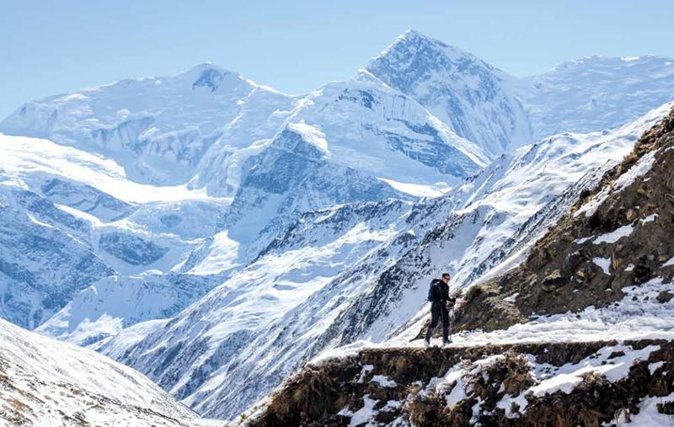
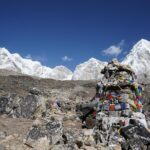
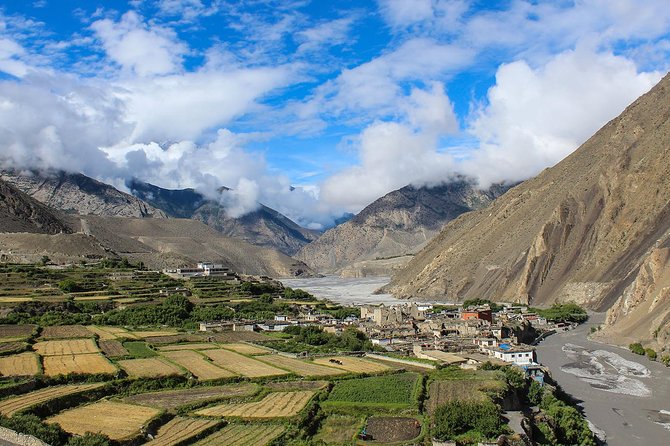
From Pisang, the scenery starts showing its “Annapurna Range” personality fast. You’ll move through forest and a narrow, steep valley, and you’ll cross two bridges at high elevations (one around 2,910 meters and another around 3,040 meters). This is one of those stretches where the walk can feel exciting because you’re frequently looking around—yet it’s still practical for acclimatizing since it’s not a single unbroken wall of ascent.
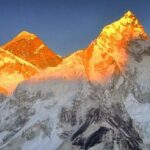
Then comes the Manang area, which is where many trekkers feel the altitude more clearly. You’ll climb up a steep ridge with big views of the Manang Valley and Tilicho Peak (Tilicho Peak is listed at 7,134 meters). After that, you descend through Humde and reach the Manang area near an airstrip around 3,280 meters. That “up-then-down” pattern is common in high-altitude trekking, and it often helps your body adjust.
Day 4 is a rest day in Manang. It’s not just free time. In a trek like this, a rest day is a smart move because it lets you adapt before the higher, colder sections. If you want to make it useful, plan for a slow village walk, observe local life, and keep your effort light.
Reality check: you still need to stay disciplined on rest days. “Exploring” can turn into overexertion at altitude if you wander too far or move too fast.
Tilicho Lake detour: the wind, the trail choice, and why early matters
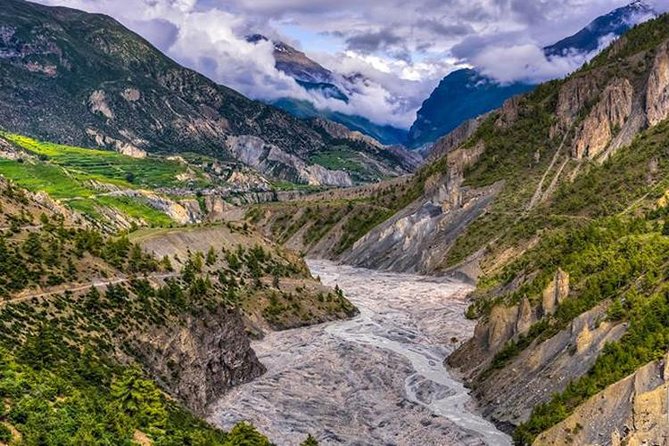
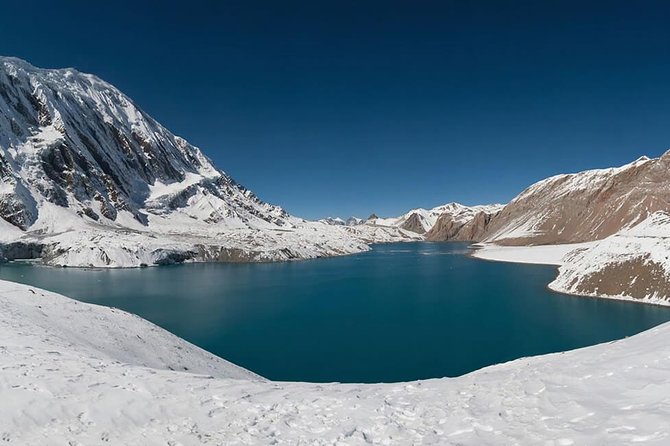
Tilicho Lake is the star of this trip, and the program is built around how tough and changeable that day can be. On the way up (after you encounter a gompa and follow a trail toward a high ridge), you’ll see two possible routes: an older, more challenging option and a newer, easier one.
That detail matters. Many treks treat Tilicho like one fixed trail. Here, you’ll have real decision points, guided by what’s practical on the day. It’s one of the reasons this itinerary feels more adaptable for active travelers.
Another key practical tip is timing. You’ll be encouraged to start early to avoid strong winds that tend to pick up later in the day as warm and cold air mix. That’s not just comfort advice. Wind can change how hard the hike feels and how safe it feels on exposed sections.
As you reach Tilicho Base Camp, the walking transitions into pass-and-ridge altitude country. The upside is obvious: you’ll be in a high-altitude environment where the landscape is all about scale and cold air. The downside is also obvious: you’re paying in sweat, breathing, and patience.
If you’re choosing this trek, I’d treat the Tilicho Lake days like your “focus days.” Go slow, hydrate consistently, and let the view come to you. The best reward comes when you don’t burn out trying to rush.
From Tilicho down to Yak Kharka: steady descents, slow climbs
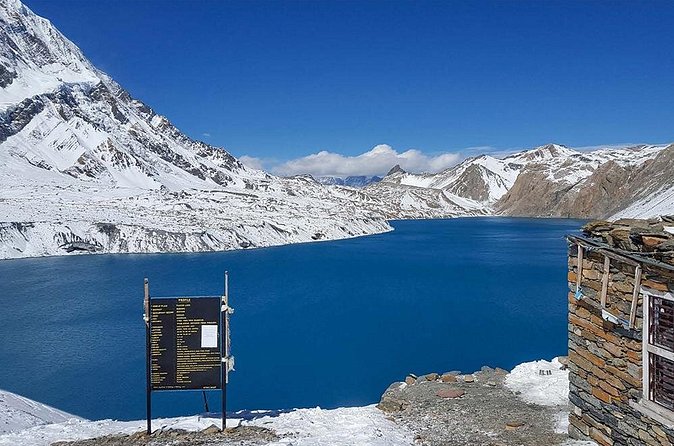
After Tilicho Base Camp, the route guides you back toward the main circuit. You’ll descend slowly from Tilicho Base Camp and then climb about 500 meters toward Yak Kharka, moving through places like Tengi. You’ll also leave the Marsayangdi Valley behind and head toward the Thorong area.
This segment is important because it transitions you from the Tilicho challenge into the bigger circuit days. It’s not as “headline dramatic” as Tilicho itself, but it’s where your legs either stay under control—or get ruined.
A good rule for this part of the trek: treat it like training for the pass. Your body is learning the rhythm of descent (often harder on your knees than you expect) and then climbing again. If you’ve got a history of knee pain, this is where you’ll want to use trekking poles and keep your steps short.
Thorong La approach days: ridges, wooden bridges, and narrow trails
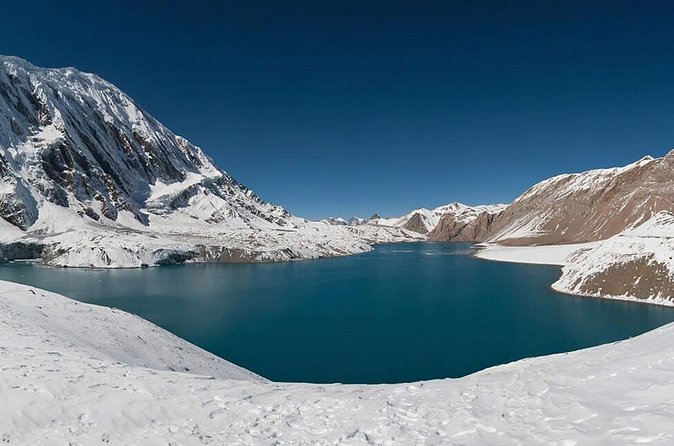
Next you push into the Thorong La area approach. One day starts with breakfast and a climb toward a ridge, followed by a gradual descent toward the Kone River. You’ll cross the river on a wooden bridge and then continue along a narrow section of trail.
This is the kind of day that can feel deceptively straightforward until you notice three things: altitude, exposure, and foot placement. Narrow paths amplify stress because you have less room for stumbles. A guide helps here—not only for route certainty, but also for pacing and where you step.
The itinerary keeps you active, but the structure still gives you walking in manageable blocks (often around 5–7 hours on these trail days, based on the schedule). For me, that’s a key value of guided treks: you don’t just get “a route,” you get a pace plan.
Thorang La to Muktinath: the pass day is the main event
Your long day is the trek to Muktinath, moving toward and over the Thorang La Pass. The program notes that high altitude and extreme snow can pose challenges. Even when snow isn’t extreme, the pass day usually demands more from you than you think—because your body is already tired from previous altitude.
This is where preparation counts:
- Go with a steady, slow tempo.
- Expect that breathing rate will be higher than you’re used to.
- Don’t chase speed on the way up.
Then, when you reach Muktinath, you get a change of scene. Muktinath is a destination in its own right, and it helps break the monotony of endless uphill.
If your fitness is strong but you tend to rush when you feel good, the pass day is where you need self-control. The mountains will win that contest every time.
Kali Gandaki to Jomsom, then Pokhara: get your body back
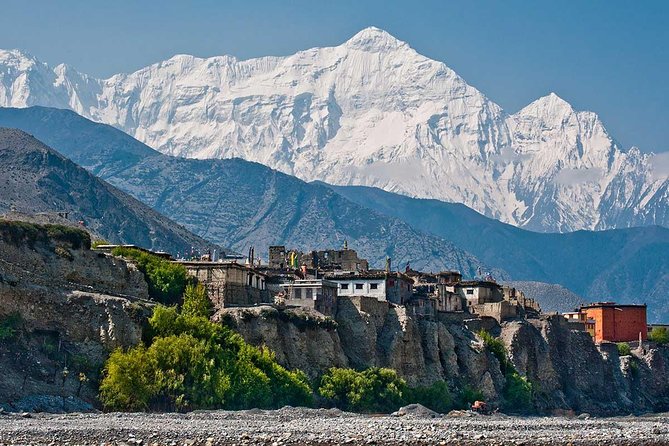
After the Thorong-to-Muktinath stage, the route follows toward Jomsom. You’ll have options to reach Jomsom via trails through areas like Kagbeni or Lupra. Either way, you’ll trek alongside the Kali Gandaki River corridor.
Jomsom is described as a chilly valley with amenities. That’s exactly what you want after big pass days: a place where you can eat, warm up, and reset. The trek time here is typically about 6 hours, which feels “short” only because your last days were so demanding.
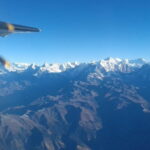
On Day 12, you catch a morning flight to Pokhara. Expect mountain views during the flight, then you’re escorted and set up for the end phase. Day 13 is the drive back to Kathmandu (about 7 hours), with overnight arranged in Kathmandu.
This final transition is underrated. A lot of trekkers focus on the summit day and forget that recovery is part of the experience. Flying from Jomsom to Pokhara gives you a cleaner ending, and the vehicle transfer to Kathmandu means you’re not scrambling to piece together the last leg.
Guides, porters, permits, and teahouse meals that reduce stress
This is one of the most praised parts of the experience: organization plus kindness. On a past trip, NC Sherpa guided the group and porter MisterD Sherpa supported from the ground up. The common theme around them is that they run a tight ship while still being warm and respectful.
In practical terms, having a certified professional guide changes what the trek feels like. You’re not just following a trail. You’re following decisions: when to start, how to pace, how to handle variable conditions, and how to keep things safe.
A big included win is that accommodation, meals, and permits are covered. You get trekking permits (TIMS and the Annapurna Conservation Area Permit) handled for you, plus all fees and taxes. That’s not a small item—permits and planning overhead can be a hassle if you’re doing everything on your own.
Food and lodging are also structured:
- Accommodation is in teahouses/guesthouses during the trek.
- Breakfast is provided 13 times, with lunch 11 times and dinner 11 times.
Teahouses are usually simple, but they’re the right kind of simple for a long circuit. You don’t have to think about finding meals or where to sleep each night. Your attention stays on walking, rest, and adjusting.
Then there’s the porter setup. You’ll have necessary porters with a ratio of 1 porter for 2 travelers, and you’ll also have access to gear like a sleeping bag and duffel bag through Nepal Social Treks Gears for use during the trip. That cuts down on packing stress, and it’s a big deal if you’re traveling from abroad and don’t want to figure out weight limits.
One more practical inclusion: a comprehensive first aid kit. It won’t prevent altitude from being altitude, but it supports real safety planning.
Price and value: what $1,093.34 covers, and what you still handle
At $1,093.34 per person, you’re paying for a full package: guided trekking, lodging, meals, permits, transport, and the Jomsom–Pokhara flight. That’s good value if you want certainty. You’re buying time and planning effort, not just hiking.
Here’s what’s included (based on the details you provided):
- Accommodation in teahouse/guesthouse during the trek
- Meals: breakfast (13), lunch (11), dinner (11)
- Certified professional guide
- Airport pickup and drop-off as mentioned
- Transport by private vehicle
- TIMS and Annapurna Conservation Area Permit
- Jomsom–Pokhara flight
- Porters (1 porter for 2 travelers) plus group equipment support
- First aid kit
- Gear use (sleeping bag, duffel bag, etc.)
What’s not included:
- Drinks and alcoholic drinks
- Accommodation in Kathmandu
- International flight ticket
- Nepal entry visa fees (paid by you)
- Travel and medical insurance
So the real “value math” depends on you. If you already know how to arrange permits, hire a guide, and navigate the logistics yourself, the package might feel pricey. If you don’t want to handle any of that and prefer a clean, guided circuit with the flight included, the cost starts to look reasonable fast.
Also note the group size: max 8 trekkers. Smaller groups usually mean more attention from your guide and less chaos at tea houses.
Who should choose this Annapurna Circuit with Tilicho Lake (and who should skip it)
This trek is best suited to active, adventurous travelers. The route is described as challenging, and the pass country (including Thorang La) plus Tilicho Lake detour means you should expect long hiking days and altitude effects.
You’ll likely enjoy it if you:
- Want a guided route where the navigation burden is taken off your shoulders
- Like having structured rest days (like the Manang adjustment day)
- Can handle cold, windy conditions, especially around Tilicho timing
You might want to rethink it if you:
- Don’t tolerate altitude well
- Hate long days with variable weather
- Prefer self-guided travel where you control every decision minute-by-minute
The program also suggests a moderate physical fitness level, but “moderate” here still needs to translate into steady uphill effort at altitude. I’d treat this as a trek that rewards consistency more than heroics.
Should you book this Annapurna Circuit with Tilicho Lake?
Yes, if you want an organized, guided circuit with the Tilicho Lake highlight and you care about safety, pacing, and planning simplicity. The package includes the big moving parts—permits, meals, teahouse lodging, a guide, porters, and the Jomsom–Pokhara flight—so you can focus on the walking and the views.
I’d book it when:
- You’re traveling with limited time to coordinate logistics.
- You want to hike with a small group (max 8).
- You’re okay paying for the convenience of done-for-you planning.
I’d hesitate when:
- You’re not comfortable with altitude and possible snow conditions around the pass.
- You’re counting on the operator for medical coverage (it’s not included, so you’ll need your own insurance).
- You’d rather spend less and handle permits, guides, and flights yourself.
If you’re ready for serious mountains and you want the stress kept low, this is a strong choice.
FAQ
How long is the Annapurna Circuit with Tilicho Lake trek?
The duration is listed as 13 days (approx.).
What is the maximum group size?
The trip has a maximum of 8 travelers.
What parts of transportation are included?
A Jomsom–Pokhara flight is included, plus overland transport by private vehicle and airport pickup/drop-off as mentioned in the itinerary.
Are trekking permits included?
Yes. The Annapurna Conservation Area Permit and TIMS are included.
What meals are included during the trek?
Accommodation in teahouse/guesthouse is included, along with breakfast (13), lunch (11), and dinner (11).
Do I get a guide and porter support?
Yes. A certified professional guide is included, and porters are included at a ratio of 1 porter for 2 travelers to carry personal gear and group equipment.
What gear is provided or made available?
The Nepal Social Treks Gears package includes items like a sleeping bag and duffel bag for use during the trip.
What is not included in the price?
Not included are drinks (including alcoholic drinks), accommodation in Kathmandu, your international flight, Nepal entry visa fees (paid by you), and travel/medical insurance.
When does the tour start each day?
The start time listed is 8:00 am.