REVIEW · POKHARA
3 Day Kapuche Glacier Lake Trek with Siklesh from Pokhara
Book on Viator →Operated by AM Travels and Tours · Bookable on Viator
Three days to a glacier-lake calm. This trek takes you from lively Pokhara to Kapuche Glacier Lake, described as Nepal’s lowest glacier lake, then balances it with time in Sikles Village among the Gurung community.
I love how the trip handles the heavy lifting for you: permits like the trekking permit and TIMS card, plus an English-speaking guide and guesthouse accommodation in Sikles. The one thing to plan around is that meals aren’t included, so you’ll want to budget extra for food (meals are available to purchase).
In This Review
- Key Things I’d Watch For Before You Go
- Pokhara to Sikles: The Drive That Sets the Trek’s Pace
- Sikles Village Stay: Gurung Life, Food, and Real Time Together
- Day 2 to Kapuche Glacier Lake: Early Steps, Forest Paths, and Suspension Bridges
- Coming Back Through Hugu and Getting Your Second View of the Trail
- Day 3: A Leisurely Morning, Village Atmosphere, and the Ride Back to Pokhara
- Price and Value: What $195 Really Buys You
- Who This Trek Is Best For (and Who Might Want a Different Plan)
- Practical Tips That Will Make This Trek Easier
- Should You Book This 3-Day Kapuche Glacier Lake Trek?
- FAQ
- How long is the Kapuche Glacier Lake trek?
- How much does the trek cost?
- Is hotel pickup and drop-off included?
- Are meals included in the package?
- Are trekking permits and the TIMS card included?
- What kind of guide is provided?
- Is it a private trip, and what fitness level do I need?
Key Things I’d Watch For Before You Go
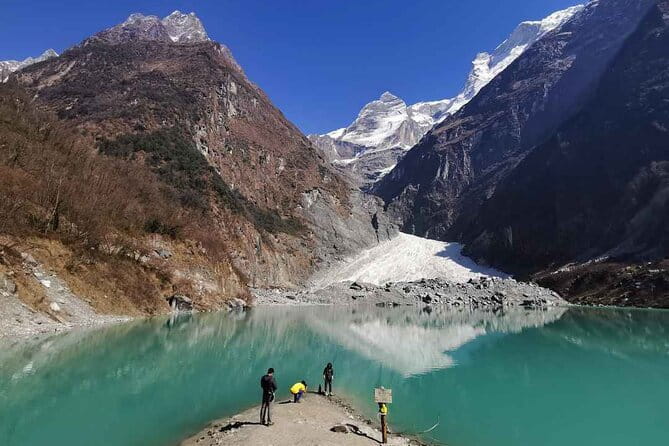
- Kapuche Glacier Lake is the main event: you’re aiming for a quiet, high-reward destination away from the usual circuits.
- Sikles Village is part of the trek, not just a stop: Gurung village life and local food are built into the schedule.
- Permits and TIMS card are included: fewer hassles once you’re in Nepal.
- Early start on Day 2: you’ll want to be ready to move quickly so you don’t feel rushed at the lake.
- Jeep transfer is sharing, but the trek stays private: your group trek portion is just for you, even if the ride is shared.
Pokhara to Sikles: The Drive That Sets the Trek’s Pace
This starts with a straightforward morning: you leave Pokhara by vehicle, and the ride to Sikles Village takes about 2–3 hours. The big value here is mental. You don’t spend energy fighting logistics before you even start walking. You get time to settle in, look at changing hillsides, and shift from city mode to trail mode.
Then comes the walking toward Sikles Village after the drive. Day 1 is listed at about 7 hours, which usually means a solid first day, not just a gentle warm-up. For you, that’s a good thing if you like momentum. For some people, it might feel like “too much” on Day 1—especially if you’re not used to steady uphill paths.
The practical takeaway: plan to start Day 1 focused. Bring water, keep your pace even, and don’t rush just because you’re fresh at the beginning.
You can also read our reviews of more hiking tours in Pokhara
Sikles Village Stay: Gurung Life, Food, and Real Time Together
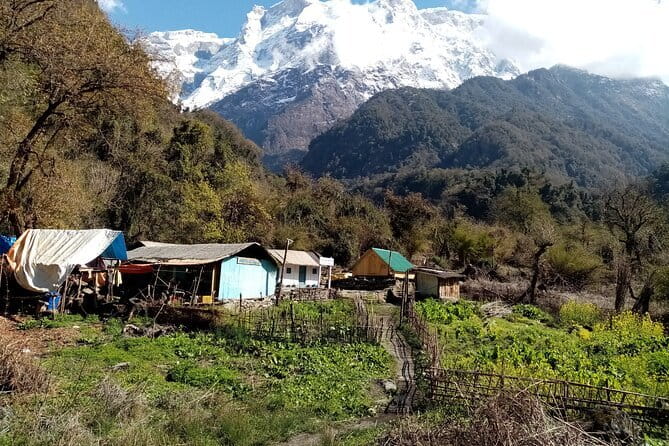
One of the strongest reasons to book this is that you don’t just pass through Sikles. You stay there, and the schedule is built around time in the village atmosphere. This is where the trek turns from scenery-only to people-and-place.
You’ll get a chance to meet the rhythm of Gurung life—how a village works when the day revolves around farming, community, and hospitality. The experience also includes traditional Gurung cuisine, which matters more than it sounds. Food is often the fastest way to understand a culture, and in places like Sikles, it can feel different from what you’d order in a restaurant in Pokhara.
I also like that the group-style reviews you see for this trek often mention togetherness—families and friends having time to be with each other without distractions. That’s exactly what a village stay tends to do. You’re slower. You’re sharing meals. You’re taking in the mountains without a constant schedule of “next stop.”
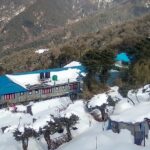
One small consideration: village guesthouses are comfortable, but they’re not city hotels. If you expect luxury, you’ll be disappointed. If you want simple beds, warm human contact, and a chance to reset, it’s a good match.
Day 2 to Kapuche Glacier Lake: Early Steps, Forest Paths, and Suspension Bridges
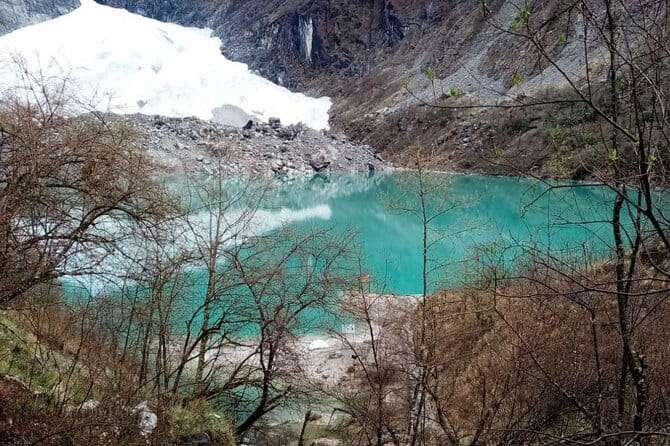
Day 2 is the heart of the whole trip. You’ll start early, aiming to reach Kapuche Glacier Lake and then return later. The trek time is listed at about 6 hours for the push toward the lake.
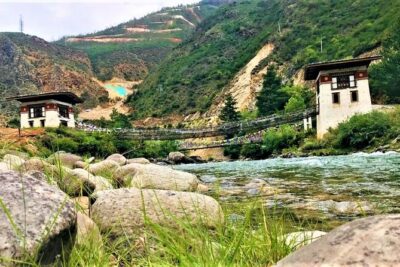
What makes this walk interesting isn’t just the destination. The trail is described as passing through dense forest, crossing suspension bridges, and traveling along rivers. That mix is great for you because it breaks up the day. You’re not staring at one kind of view for hours. You’re constantly switching scenes—wooded stretches, river moments, and the small nerves-and-excitement of bridge crossings.
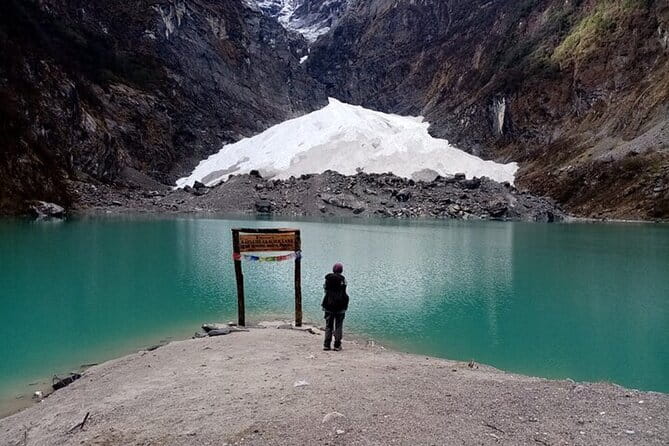
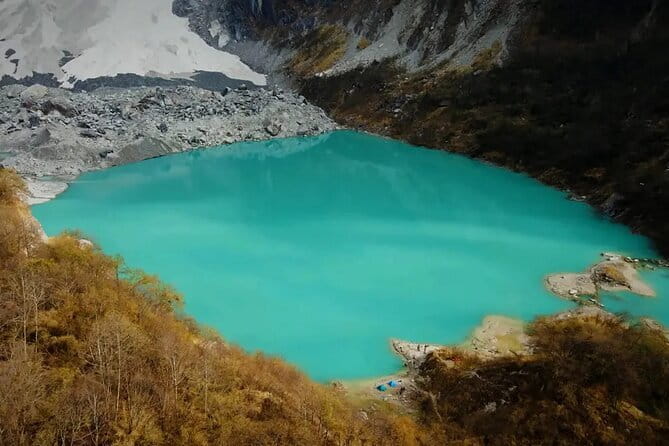
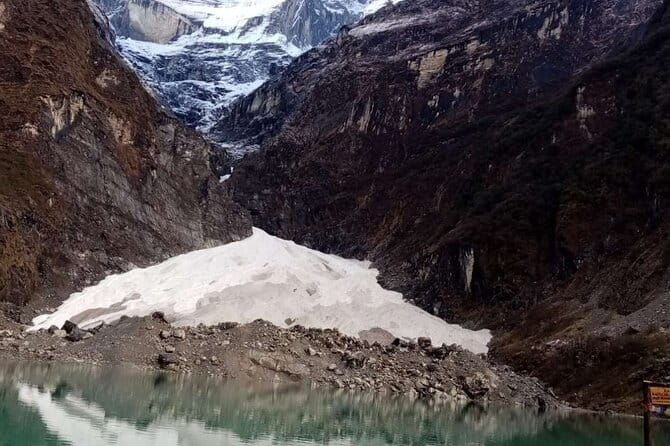
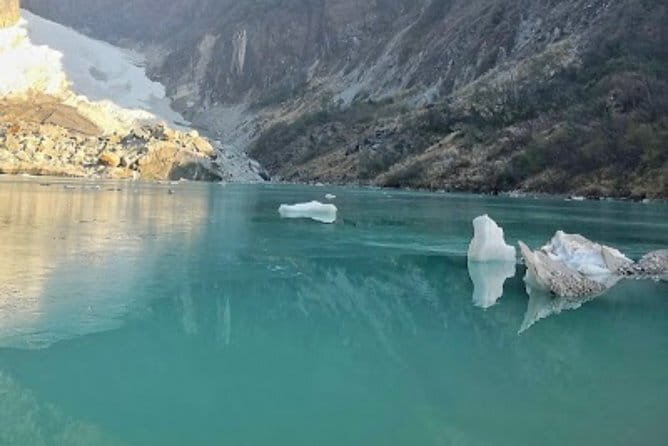
Then you get lake time. Kapuche Glacier Lake is described as the lowest glacier lake in Nepal, and that matters because it’s one of those “how is this possible” facts you’ll remember while you’re standing there. A glacier lake can look powerful even from a distance—yet here the selling point is also tranquility. This is a place where your senses get quieter.
After time at the lake, you head back. The return trek is listed at about 2 hours, and you’ll end the day back in Sikles for rest at the guesthouse.
A practical tip: at the lake, take photos—but also take a moment to just stand. With glacier water and surrounding views, you’ll get tempted to keep moving. That’s normal. But if you slow down for five minutes, you’ll feel why people come all this way.
Coming Back Through Hugu and Getting Your Second View of the Trail
Returning isn’t just “the same road back.” The route back includes time trekking toward Hugu and then returning to Sikles for the evening. The idea is that you’ll see the same paths with different light and different effort levels after you’ve reached the lake.
For you, that second perspective is valuable. It turns the trek from a one-time sprint into a full walking day experience. You also get a psychological bonus: knowing you’ve already done the hardest part of the day makes the return feel steadier.
And this is where your body benefits. By Day 2, you’ve learned how your pace works. Your legs will feel less like strangers.
Day 3: A Leisurely Morning, Village Atmosphere, and the Ride Back to Pokhara
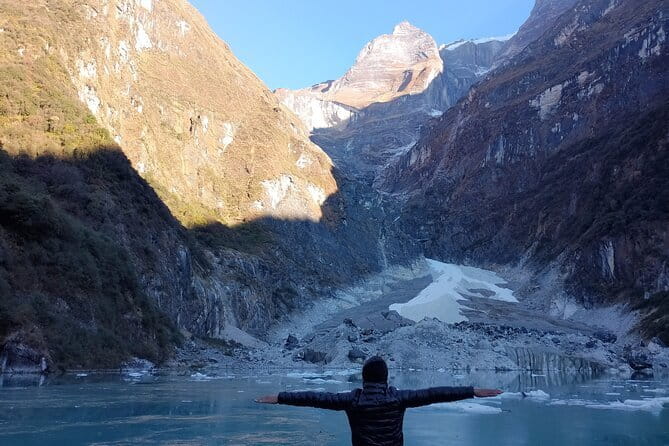
Day 3 is described with a more relaxed feel: a leisurely morning trek where you’re taking in village life and mountain views. The walking portion is listed within a 7-hour day total, including the descent back to the starting area where pickup happens for the drive back to Pokhara.
This last day matters for two reasons. First, it gives you time to wake up slowly and enjoy what you’ve already earned—rather than rushing. Second, it’s the moment when the trek “lands” in your memory. Most people remember Day 2 for the lake, but Day 3 is when you remember the village details: the pace, the sounds, and the way the area changes as you head down.
The drive back to Pokhara is also when you’ll notice how quickly you can switch from mountain mode to normal food, warm showers, and good chair time.
You can also read our reviews of more tours and experiences in Pokhara
Price and Value: What $195 Really Buys You
At $195 per person for a 3-day trek, the value comes from what’s included rather than what’s not. You’re paying for a package that covers:
- Hotel pickup and drop off
- Trekking permit and TIMS card
- Round trip transfer by sharing jeep
- English-speaking trekking guide
- Accommodation in guest house
- Private trip (just your group on the activity)
That’s a meaningful bundle. Permits and local guiding can add up fast when you try to piece everything together. Here, you get the core structure handled.
The main cost you still need to plan for is meals. Meals are not included, but they’re available to purchase, with an estimate of about US$ 25 per person per day. So your realistic budget is: the trek cost plus your food spending. That’s typical for Nepal trekking, but it’s worth stating clearly so you don’t get surprised.
One more value factor: the reviews linked to this experience consistently highlight service quality, especially the guide’s help and explanations. If you want your trek to feel organized and supportive, that matters as much as the view.
Who This Trek Is Best For (and Who Might Want a Different Plan)
This is listed for travelers with moderate physical fitness. In practical terms, you should feel comfortable walking for multiple hours on uneven paths and doing at least one longer day (Day 1 is around 7 hours).
This trek also fits well if you want more than a photo stop. You’ll spend time in Sikles Village, and that cultural contact is part of the point. If you’re the type who wants city comfort every night, you might not enjoy the guesthouse rhythm. If you’re happy with simple accommodations and human connection, you’ll likely love it.
And if you’re going with friends, families, or a small group, this private format can be great. You get together time without blending into a crowd on the trek portion.
Practical Tips That Will Make This Trek Easier
You’ll get more enjoyment if you plan for small realities. Here are the big ones:
- Start Day 2 ready: the lake day begins early, and the walking includes forests, river sections, and bridges. Don’t show up groggy.
- Bring cash for meals: since meals aren’t included, you’ll want an easy way to pay for food while you’re in Sikles.
- Wear shoes you trust: you’ll be on trails and bridge crossings, so your footing matters.
- Use your guide as a resource: one of the strongest points from customer feedback is how helpful the guide can be, including clear explanations. Ask questions early, especially about pace and what to expect.
- Plan your photo time: lake views will pull your attention. Still, take a quiet pause. It’s the kind of place where you’ll want more than one kind of memory—photos and still moments.
Should You Book This 3-Day Kapuche Glacier Lake Trek?
I think you should book if you want a compact trek with a strong payoff: Kapuche Glacier Lake plus a genuine Sikles Village experience. It’s especially worth it if you like the idea of walking through different trail types—forest, bridges, and river paths—and then ending each day back in a community rather than just sleeping in a random roadside stop.
You might skip (or compare) if you’re counting on meals being included, or if you prefer a very easy walk with minimal effort. Day 1 and Day 2 are not “one hour and done” days.
If you do book, go in with the right expectations: it’s a real trekking rhythm. The best part is that the quiet lake isn’t the only reward. The days around it—village life, guide support, and time together—help make the whole trip feel like it belongs to you.
FAQ
How long is the Kapuche Glacier Lake trek?
The trek runs for 3 days (approx.).
How much does the trek cost?
The price is listed as $195.00 per person.
Is hotel pickup and drop-off included?
Yes. Hotel pickup and drop-off are included.
Are meals included in the package?
No. Meals are not included, but you can purchase them on the route. The estimate provided is about US$ 25 per person per day.
Are trekking permits and the TIMS card included?
Yes. The trekking permit and TIMS card are included.
What kind of guide is provided?
You’ll have an English-speaking trekking guide.
Is it a private trip, and what fitness level do I need?
It’s a private tour/activity, meaning only your group participates. The trip is suitable for travelers with moderate physical fitness.