REVIEW · KATHMANDU
Everest Base Camp Trekking
Book on Viator →Operated by Incredible Treks Pvt. Ltd. · Bookable on Viator
Everest Base Camp is one of those trips that sounds simple until you face the real logistics. This one keeps things practical: an accredited English-speaking guide handles the route, permits, tea house stays, and the heavy planning so you can focus on pacing yourself and getting altitude-fit.
I especially like that the package covers the big cost buckets—Lukla round-trip flights and all permits—plus meals during the trek. The other win is the support setup: you’ll trek with a licensed guide and a porter (with a 2 trekkers : 1 porter ratio), so your energy goes to walking, not carrying. The main drawback to keep in mind is that the trek is physically demanding, and the listing also notes you should have strong fitness; plus you should expect basic tea house conditions with no hot showers or hot water during trekking.
In This Review
- Quick hits before you go
- Why 12-Day Everest Base Camp Feels More Real Than DIY
- Price and Value: What $1,350 Covers (and What It Doesn’t)
- Kathmandu Start at Thamel: Your First Day Matters
- The Namche Bazaar and Sherpa Culture Portion: More Than Pretty Views
- Above 8,000m Views and the Feeling of the Khumbu
- Everest Base Camp and Kalapatthar: The Two Big Payoffs
- Memorial Hill, Deceased Climbers, and a Sobering Side of Everest
- Tengboche Monastery, Monk Blessings, and Khumbu Glacier
- Lukla Flights and Tea House Reality (What You Should Expect)
- Guides, Porters, and the Gear They Can Provide
- Who This Everest Base Camp Trek Suits Best
- Should You Book This Everest Base Camp Tour?
- FAQ
- What’s the starting point and time for the trek?
- How long is the Everest Base Camp trekking tour?
- What’s included during the trek?
- Are airport transfers in Kathmandu included?
- Are flights included?
- Are permits included?
- Is vegetarian food available?
- What’s not included in the price?
Quick hits before you go
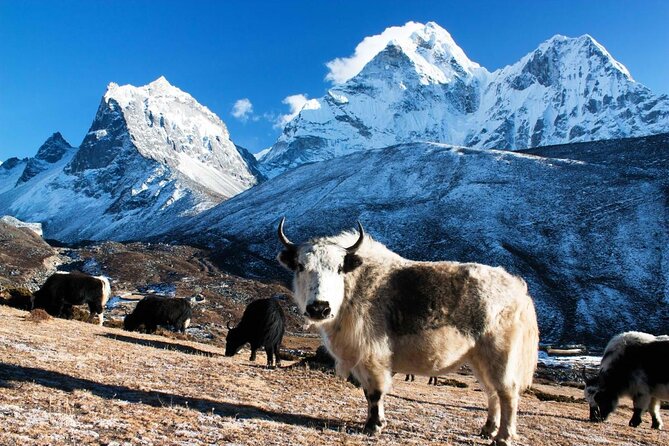
- Permits and national park fees included, so you’re not doing paperwork on the fly
- Lukla flights (via Ramechhap) are part of the package, saving time and confusion
- Tea house accommodation + full trek meals keep your budget predictable
- Tengboche monastery and monk blessings add culture beyond the altitude grind
- Kalapatthar viewpoint and Everest Base Camp deliver the iconic moments
- Max group size of 15 helps keep the vibe manageable on the trail
Why 12-Day Everest Base Camp Feels More Real Than DIY
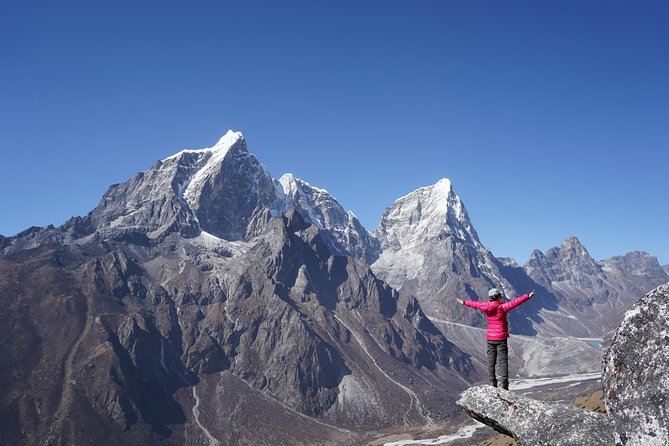
Doing Everest Base Camp on your own can turn into a part-time job. You’re juggling permits, routes, guide/porter logistics, where you’ll sleep, and which flights actually make sense. Here, the trip is built around a guided flow: you meet the team in Kathmandu, then you move through the Khumbu region with a set plan and support.
The biggest value isn’t just convenience—it’s how it changes your stress level. On a trek like this, stress can steal energy. Having an expert guide explain what you’re seeing (cultural and natural values) means you’re not just staring at mountains wondering what you’re supposed to notice.
That said, Everest Base Camp still isn’t a casual hike. The listing explicitly says you should have strong physical fitness, and you should assume altitude will feel like altitude. This tour can reduce planning friction, but it can’t change the basics of the mountains.
You can also read our reviews of more hiking tours in Kathmandu
Price and Value: What $1,350 Covers (and What It Doesn’t)
At $1,350 per person for a roughly 12-day experience, the best way to think about value is by comparing what’s included versus what usually gets added on for Everest trips.
Included value that matters:
- Flights: Kathmandu (Ramechhap) → Lukla → Kathmandu (Ramechhap)
- Tea house basics (11 nights) during the trek
- Meals during trekking: breakfast, lunch, dinner
- Licensed English-speaking guide + porter support
- Insurance coverage (not the same as personal rescue coverage, but it’s still part of the bundle)
- Permits and fees: national park fees, VDC, TIMS, and other applicable taxes
- Domestic airport pickup and drop
- Trekking map (one per group) and trekking certificates
Not included (where people get surprised):
- Meals in Kathmandu
- Personal insurance details (especially for medical, accidental situations, or helicopter/rescue)
- Hot shower, hot water, battery charging, and Wi-Fi during trekking
- Personal trek equipment
- Kathmandu accommodation
So you’re paying for the “can’t-mess-this-up” parts—route logistics, legal access, and the core time on the trail. If you’re someone who wants a clean, predictable budget and doesn’t want to spend weeks coordinating, this package fits well.
Kathmandu Start at Thamel: Your First Day Matters
Your trip begins in Thamel, Kathmandu, with a 6:15 am start time, and it ends back at the same meeting point. That early start matters because the itinerary is built to move you toward Lukla quickly, rather than turning Kathmandu into a multi-day staging camp.
In Kathmandu, airport pickup is included, and there’s domestic airport pickup & drop as well. What isn’t included: accommodation in Kathmandu and meals there. If you’re planning your own hotel, I’d treat that as part of your budget and timing, not as an afterthought.
One practical note from the listing: vegetarian options are available—tell your operator when you book so meals don’t become a scramble later. Also, passport details (name, number, expiry, country) are required at booking for all participants.
The Namche Bazaar and Sherpa Culture Portion: More Than Pretty Views
As the trek climbs into the Khumbu, you pass through one of the most important social hubs in the area: Namche Bazaar, described as the high-altitude market. This isn’t just a place to take photos; it’s where you can feel how life works in the mountains—trade, supplies, and Sherpa daily routines.
You’ll also follow a trail shaped by mountaineering history. The itinerary specifically points to walking paths associated with Sir Edmund Hillary and Tenzing Norgay Sherpa, and that detail helps you see the route as more than elevation gain. It’s a living corridor with decades of exploration behind it.
Expect Sherpa culture and lifestyle to be woven into the experience, with your guide also explaining the cultural and natural values along the way. That kind of context matters because it turns the trek from scenery consumption into understanding.
Potential drawback: Namche and other high-altitude stops often mean long days and a lot of walking between rests. If you’re prone to rushing, this is where you’ll want to slow down and let your body catch up.
Above 8,000m Views and the Feeling of the Khumbu
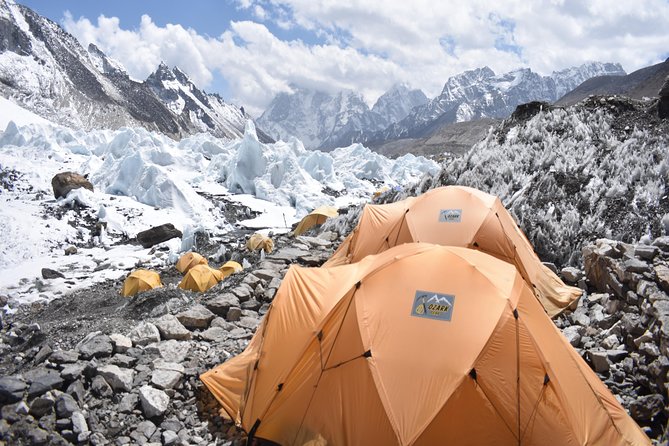
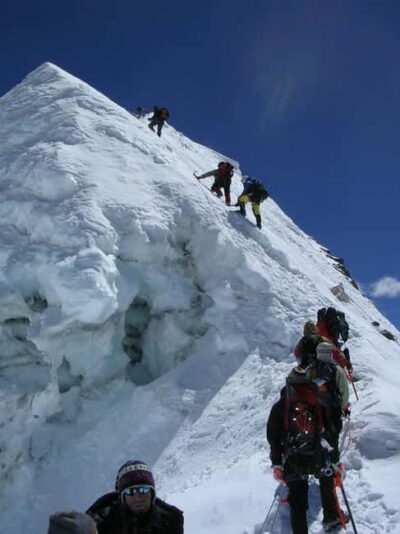
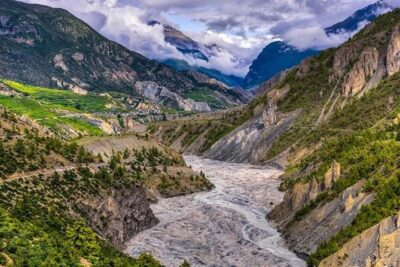
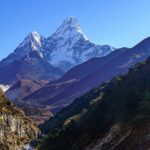
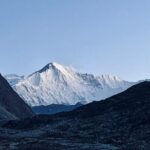
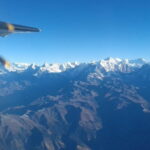
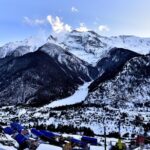
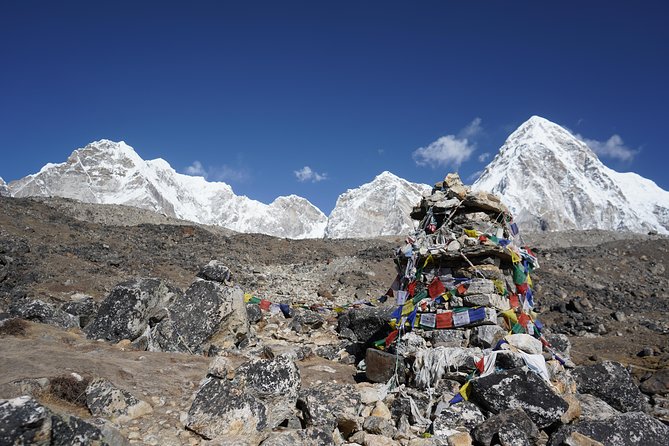
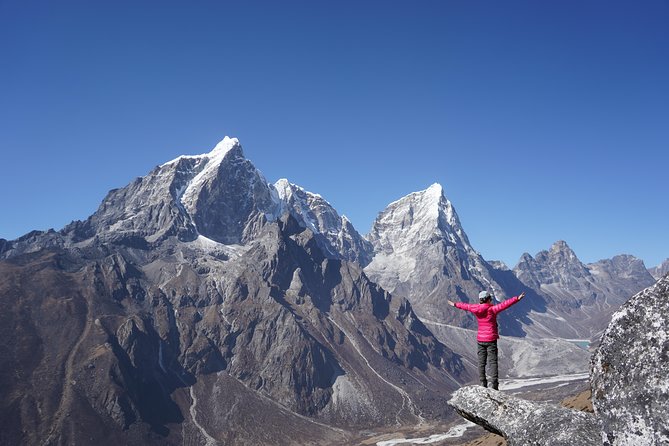
The itinerary promises panoramic mountain views, including views of the world’s highest peaks that tower over 8000m. When you first start seeing that scale in real life, it hits differently than looking at pictures. You get a clearer sense of how enormous and sharp the terrain really is.
This is also the stretch where you’ll notice how the trek’s “mental rhythm” matters. The walk might be steady, but your energy management has to be smarter. The tour supports this with a structured schedule and guide explanations, but you still need to play the long game with your pace and hydration.
As you move deeper, the trip includes iconic geography and landmarks tied to the Khumbu story, leading up to Everest’s base area. You’ll also see the route that connects culture, history, and the natural features that make this region famous—especially as you get closer to the areas around Everest Base Camp and the viewpoint at Kalapatthar.
Everest Base Camp and Kalapatthar: The Two Big Payoffs
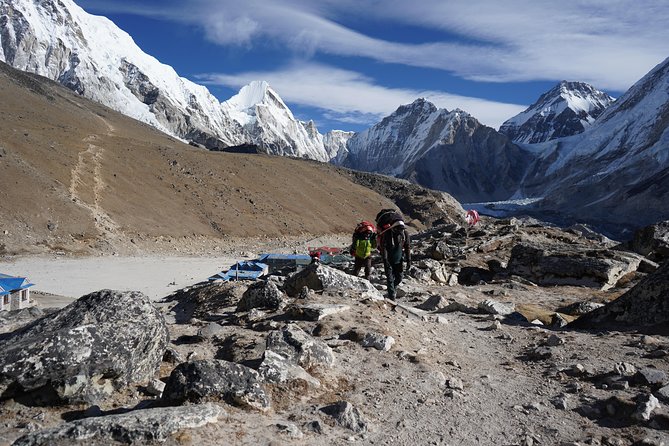
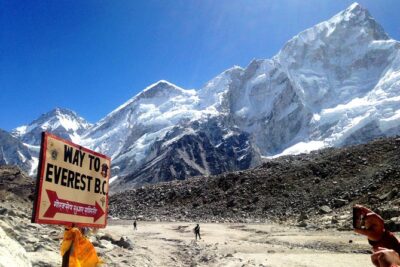
There are two moments here that almost define the trip for many people: setting foot at Everest Base Camp and getting a close view of the mighty Everest from Kalapatthar.
When you reach Everest Base Camp, the experience is about more than the sign and the photos. It’s the reality-check of being in the place where expeditions gather and where the mountain’s scale becomes unavoidable. The tour includes that moment as a key highlight, with your accredited guide meeting you at the meeting point and accompanying you while explaining the cultural and natural values of what you’re seeing.
Then comes Kalapatthar, described as a famous viewpoint with a close view of Everest. From a traveler’s perspective, a viewpoint day is often when the effort actually pays off. This is where the trek’s earlier days stop feeling like “just getting there,” and you start feeling like you’ve earned the payoff.
One thing to prepare for: viewpoint days can feel long, even when the walk isn’t extreme. Bring patience, expect cold, and don’t try to “win” the day. The mountain doesn’t care.
Memorial Hill, Deceased Climbers, and a Sobering Side of Everest
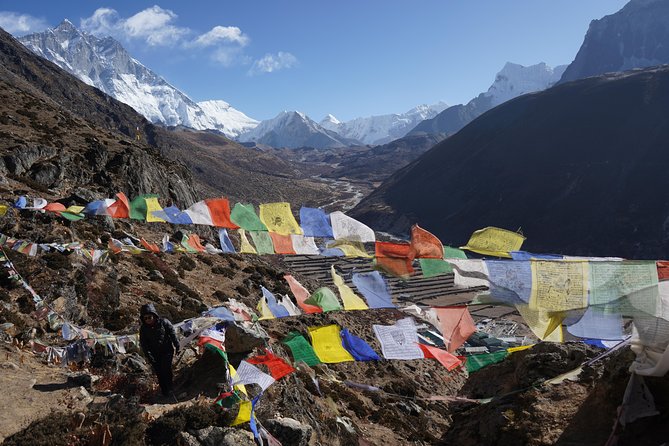
Another stop in the itinerary is the memorial hill of the deceased climbers. It’s included as a dedicated moment, not just a quick glance.
I appreciate that this tour doesn’t treat Everest as only a heroic postcard. A memorial like this shifts your perspective from accomplishment to humility. It also adds meaning to the rest of the trek—you’re stepping into a place with a long human story, including loss.
If you’re sensitive to emotional moments, it helps to know this is part of the plan. You’ll get your grandeur, but you’ll also get your reminder of what the mountain costs.
Tengboche Monastery, Monk Blessings, and Khumbu Glacier
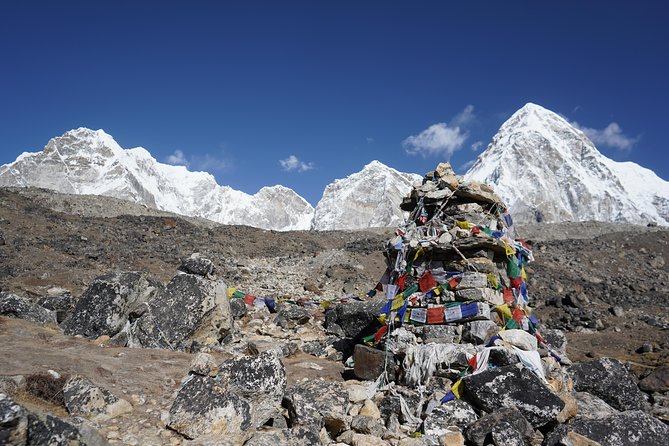
Not every Everest trek gives you meaningful culture alongside the altitude. Here you get Tengboche monastery, plus an explicit chance to seek blessings from a monk and explore the monastery.
That stop is valuable because it helps balance the trip. You can spend days focused on walking and then suddenly you’re in a spiritual space that feels calmer and more human-scale. Even if you’re not religious, it’s often the kind of stop that resets your mood.
The itinerary also includes Khumbu glacier views. Seeing the glacier is one of those moments where you stop thinking in terms of “a trail” and start thinking in terms of living geography. It reinforces why conditions in the Himalaya demand respect.
Lukla Flights and Tea House Reality (What You Should Expect)
The tour includes the thrilling Lukla flights as part of the route, with flights operated between Kathmandu (Ramechhap) and Lukla and then back to Kathmandu (Ramechhap). Including flights in the package saves you from flight-hunt headaches close to your trekking dates.
Once you’re on the trail, accommodation is tea house basic accommodation for 11 nights. Translation: you’re not booking comfort-star luxury. Tea houses are meant for basic shelter, warmth, and community. You should plan on limited creature comforts.
The listing also makes clear that during trekking you should not expect hot shower, hot water, battery charge, or Wi-Fi. That affects how you pack and how you plan your daily routines. If charging and constant connectivity are part of your travel habits, you’ll need to adjust expectations now, not later.
Guides, Porters, and the Gear They Can Provide
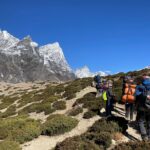
This trek runs with an accredited government-licensed English-speaking trekking guide and porter support. The porter setup is listed as 2 trekkers : 1 porter, which is a big deal if you want your legs to feel fresh instead of wrecked by carry weight.
On the gear side, you can request items like a sleeping bag, duffel bags, and a down jacket. That’s helpful if you’re traveling without the right kit or if you don’t want to haul bulky cold-weather equipment from home.
From feedback names tied to the experience, I’ve seen Ram Dhakal and Dillip mentioned as guides, with Nadin noted as part of the communication side of the operation. You won’t know your exact assignment until booking, but it’s a good sign that real people are being recognized for doing the job well.
Just remember: personal trek equipment is not included, so you still need to cover your own basics. If you’re unsure what you’ll need, use the listing’s “personal trek equipment not included” line as your checklist, then ask the operator what they recommend.
Who This Everest Base Camp Trek Suits Best
This tour is a strong match if you want:
- A guided experience where the team handles permits, route flow, meals, tea house logistics, and flights
- A manageable group size (maximum of 15 travelers)
- Real cultural stops like Namche Bazaar and Tengboche monastery
- A setup with porter support so you don’t feel like you’re fighting your backpack
It might not be your best fit if:
- You want all the comforts of modern travel (no hot showers or hot water is built into the trek)
- You assume “insurance included” means you won’t need personal medical/rescue coverage (the listing explicitly notes personal insurance needs, including medical/accident and helicopter/rescue expenses)
- You aren’t comfortable with high-altitude trekking and strong fitness requirements
If you’re the type who enjoys planning a bit, you can still plan—but you’ll do it with less paperwork and fewer moving parts.
Should You Book This Everest Base Camp Tour?
I’d consider booking if you want your Everest trip to feel organized from the moment you meet the team in Thamel at 6:15 am, and you like the idea of paying for the big pieces upfront: flights, permits, guided trek support, tea house lodging, and trek meals.
I wouldn’t book if you’re hoping to keep costs ultra-low by doing your own planning, or if you know you can’t handle the physical demands and basic trekking conditions. This is a serious trek with serious altitude, even when the logistics are handled for you.
If you’re on the fence, do a quick self-check: can you commit to strong fitness, accept basic tea house living, and plan for cold without assuming daily comforts? If yes, this package is the kind that lets you spend your mental energy on the reason you came—standing at Everest Base Camp and looking out from Kalapatthar.
FAQ
What’s the starting point and time for the trek?
The tour starts at Thamel, Kathmandu 44600, Nepal, with a start time of 6:15 am. The activity ends back at the same meeting point.
How long is the Everest Base Camp trekking tour?
The duration is listed as 12 days (approx.).
What’s included during the trek?
You get 11 nights of tea house accommodation, plus breakfast, lunch, and dinner during trekking, along with a licensed English-speaking trekking guide and porter support.
Are airport transfers in Kathmandu included?
Yes. The package includes airport pickup in Kathmandu, plus domestic airport pick up & drop facilities.
Are flights included?
Yes. Airfare is included for Kathmandu (Ramechhap)–Lukla–Kathmandu (Ramechhap).
Are permits included?
Yes. The package includes national park fees, VDC, TIMS fees, and other applicable taxes.
Is vegetarian food available?
Yes. A vegetarian option is available—you should advise the operator at the time of booking.
What’s not included in the price?
Not included are meals in Kathmandu, personal insurance (medical/accidental/rescue such as helicopter), emergency evacuation expenses, personal trek equipment, and trekking luxuries like hot shower/hot water/battery charging/Wi-Fi, plus accommodation in Kathmandu and personal expenses like drinks and tipping.