REVIEW · KATHMANDU
Women Empowerment Project(Nepali cooking class & jewelry workshop
Book on Viator →Operated by Human welfare committee · Bookable on Viator
Momos taste better with a mission behind them.
In Kathmandu, this 2-day experience pairs hands-on Nepali cooking with a jewelry workshop, all tied to a local women empowerment project. You start in a friendly community setting, learn with guidance, and finish each day with food or crafts you actually made yourself.
What I love is the low-pressure, talk-to-everyone vibe. Even if you are not a social person, the workshop atmosphere feels welcoming, with patient teaching and plenty of chances to connect. Another big plus is the focus on real Nepalese flavor—from a cup of masala chai to dumplings in both buffalo and veggie styles.
One thing to consider: since you’ll be making (and eating) momos that include buffalo options, your comfort with meat matters. If you prefer vegetarian only, go in knowing there’s a veg momo option, and it’s smart to tell the team your preference early.
In This Review
- Quick takeaways: chai, momos, and jewelry in Kathmandu
- Women empowerment cooking and crafts that fit Kathmandu life
- Where you start in Paknajol (and how to plan your day)
- Day 1: masala chai, pakoda snacks, and momo-making you can actually repeat
- Masala chai: warm-up and technique
- Pakoda snacks: learn what crisp means
- Main event: buff momo and veg momo
- Lunch: you eat what you made
- Day 2: craft jewelry with the Human welfare committee team
- Why the community meal and the project mission matter
- Value check: is $50 for two days worth it?
- Practical tips so your hands (and stomach) are ready
- Should you book this Women Empowerment Project experience in Kathmandu?
- FAQ
- Where is the meeting point for the experience?
- How much does it cost?
- How long is the experience?
- What do I learn to cook on day one?
- What do I do on day two?
- Is this a private activity?
- Is it near public transportation?
- What are the operating hours?
- Do I get a mobile ticket?
- What is the cancellation policy?
- Is the experience suitable for most travelers?
Quick takeaways: chai, momos, and jewelry in Kathmandu
- Masala chai first: you begin with a comforting cup before you touch the dumpling dough
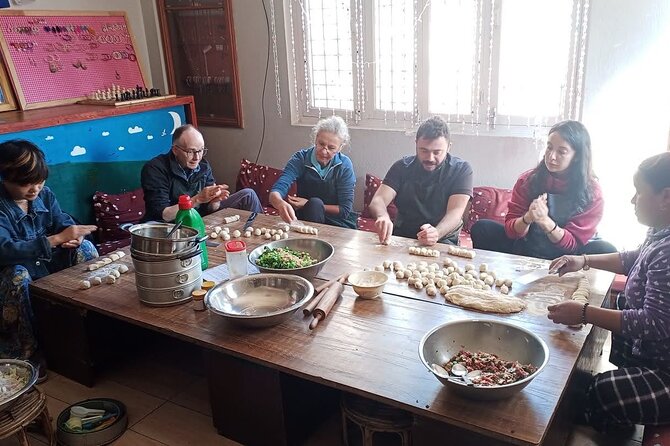
- Momos, not theory: you shape dumplings and learn how to make both buff and veggie styles
- Lunch included: you sit down to eat the momos you made
- Jewelry workshop on day two: craft your own jewelry with step-by-step support
- Women-led purpose: your participation helps fund the project’s work
- Private group feel: only your group participates, with everyone involved in a warm, patient way
Women empowerment cooking and crafts that fit Kathmandu life
Kathmandu can be an overload of temples, traffic, and time estimates that never seem to match reality. This kind of experience gives you something different: a practical, hands-on block in the middle of your trip that also carries meaning.
The Women Empowerment Project is built around skills and participation. You’re not just watching a demonstration. You’re cooking, eating, and later making jewelry—activities that create pride and confidence. And because the project is tied to women’s empowerment, your ticket price isn’t just paying for instructions. It’s supporting the work behind the scenes.
I also like that the vibe stays human. One review line that stuck with me: people were easy to talk to, even for someone who thought interaction would be awkward. That matters. If you’ve ever taken a class where everyone feels judged for asking basic questions, you’ll feel the difference here.
You can also read our reviews of more cooking classes in Kathmandu

Where you start in Paknajol (and how to plan your day)
You meet at Handicraft Paknajol, Kathmandu 44600, Nepal, and the experience ends back at the same meeting point. That’s a big deal in a city where getting around can be time-consuming. The area is described as near public transportation, so you can avoid adding complicated logistics to your schedule.
This is also a private tour/activity, meaning only your group participates. That usually makes classes feel less stressful and more personal. You can ask more questions without competing with a big crowd.
Timing wise, the experience runs during set opening hours (Monday to Wednesday, 10:00 AM to 6:00 PM). The activity itself runs as a 2-day program (approx.), with each day designed as a focused block (it’s listed as 3 hours per day). So plan your Kathmandu day with room for an afternoon that’s more hands-on than sightseeing.
Day 1: masala chai, pakoda snacks, and momo-making you can actually repeat
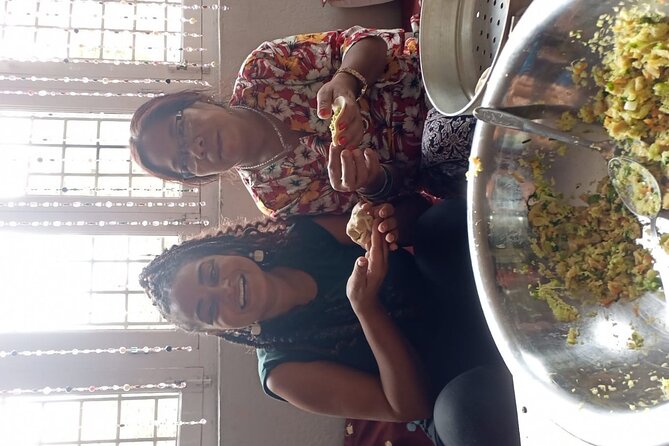
Day one is all about Nepalese comfort food, with a sequence that makes sense even if you’re a beginner. It starts with an introduction, then you move straight into cooking.
Masala chai: warm-up and technique
You begin with traditional masala chai—not a vague taste test, but a preparation moment. Chai is a small dish, but it teaches you the rhythm of Nepali home-style flavor: warming spices, balancing aroma, and understanding how the drink comes together. If you’ve never made chai before, this step is a great confidence builder because it’s easier to follow than something that’s all happening at once.
Pakoda snacks: learn what crisp means
Next come Nepali snacks pakoda. This is where you start learning how to work with batter and textures. Pakoda also gives you something to do while the rest of the kitchen workflow moves along, which helps the class stay fluid instead of feeling like you’re waiting.
You can also read our reviews of more tours and experiences in Kathmandu

Main event: buff momo and veg momo
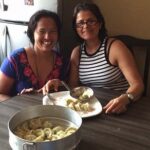
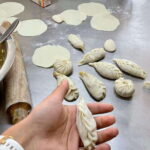
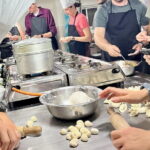
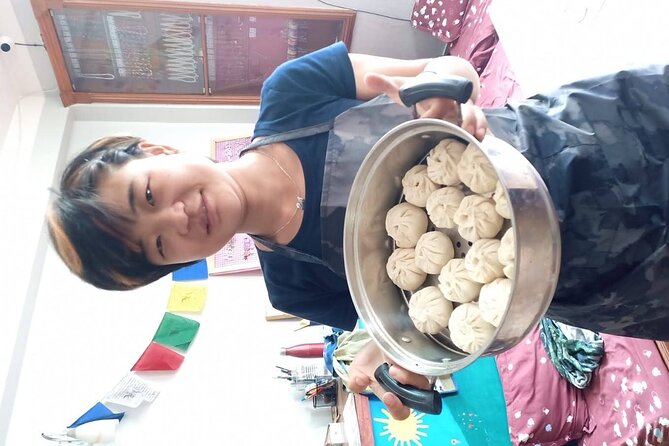
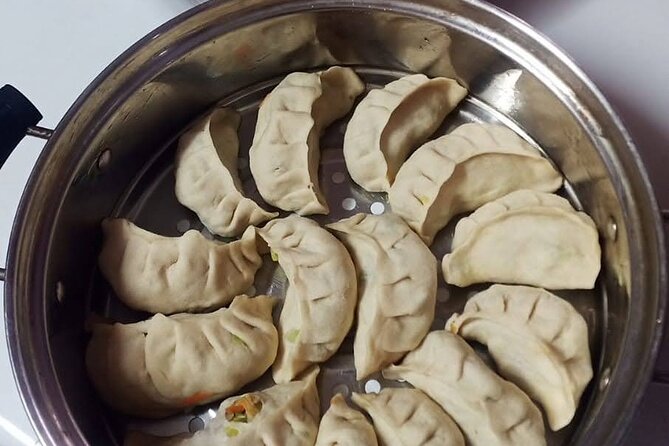
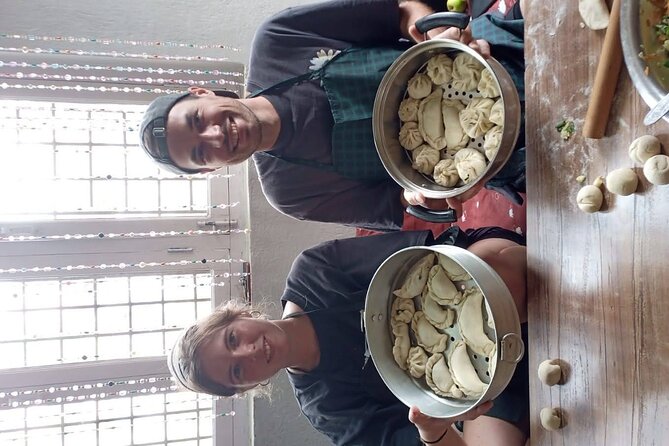
Then you hit the star of the show: momos. You’ll make buff momo and veg momo. That combination is smart for most diets and preferences because you’re not locked into one style.
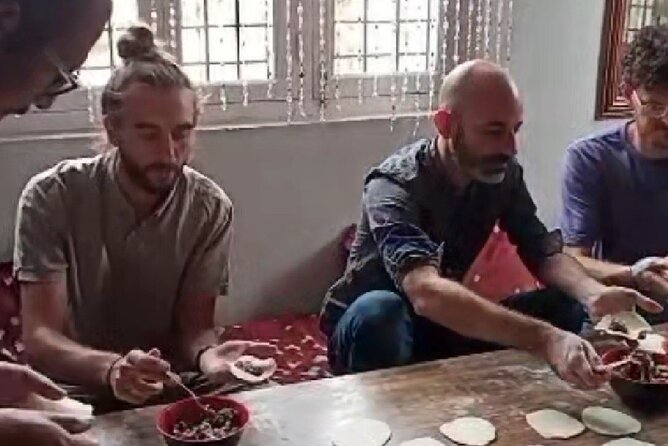
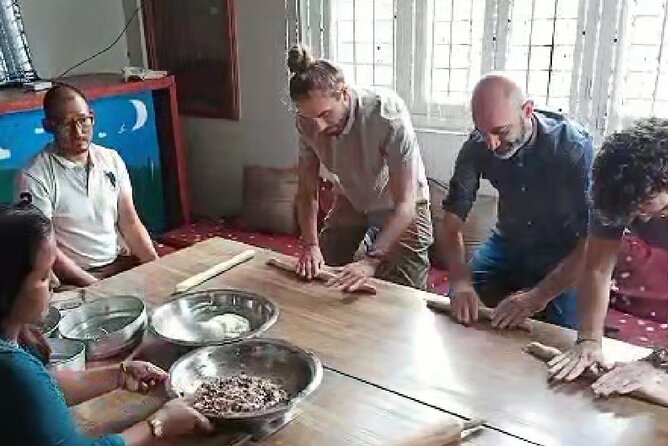
In the kitchen, two names come up again and again in the teaching role: Aastha and Syanbi, the Momo Queen. The teaching style described in feedback is clear and patient—something like, momo-making can look easy from the outside, but you need guidance to get it right. Expect hands-on coaching as you work on shaping and assembling.
You may also work with other instructors depending on the day. One set of names mentioned is Buddha and Tara, especially connected with learning masala tea and making multiple momo types. So if you hear those names while you’re there, it’s not random—it’s part of how the class team rotates.
Lunch: you eat what you made
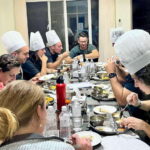
The day ends with a sit-down lunch featuring the momos you helped make. That’s one of the highest-value parts of the whole experience. You don’t just collect knowledge; you get the feedback your stomach provides. And in multiple notes from participants, the lunch and the social feel are part of why people call it the best day of their trip.
There’s also a chance the meal becomes more communal than “classroom lunch.” One feedback note mentions eating together with children and family afterward. You should treat that as a possibility based on timing and the project’s day-to-day flow, not a promise. Either way, you’ll be eating the result of your work.
Day 2: craft jewelry with the Human welfare committee team
Day two shifts from cooking to making something wearable: a jewelry workshop tied to the same women empowerment project. The goal is simple—unleash your creativity and craft a piece you can take home.
The class format is described as guided for both beginners and people who want to refine skills. That’s important. Jewelry can be intimidating if you expect high skill from day one. Here, you’re meant to leave with your own finished piece, not just raw materials and regret.
Since specific jewelry materials or exact techniques aren’t listed in the details provided, I won’t guess. But the consistent point is that you get step-by-step support. What you should expect, realistically, is a paced workshop where someone talks you through the process and gives corrections when needed.
This day works especially well if you want a break from food. Cooking can be physically warm and hands-on with lots of smell and spice in the air. Jewelry gives you something calmer while still keeping you involved.
Why the community meal and the project mission matter
A cooking class is fun. A cooking class with a purpose can be memorable. Here, the link is very direct: it’s a women empowerment project, and the workshop is connected to the Human welfare committee.
That matters because you’re not just spending time in a building. You’re participating in a program that channels skills into opportunity. When people talk about what they loved most, it’s often the combination: learning Nepali food and seeing how the project supports women’s voices and livelihoods.
I also appreciate the social thread. One feedback note said even quieter people felt at ease, talking with the group and teacher. Another called the experience warm and fun, with good mood built into the teaching environment. In other words, it’s not a stiff class. You’re working with real humans.
Value check: is $50 for two days worth it?
At $50 per person for 2 days (approx.), the price reads as a solid deal for what you get. Here’s why.
You’re paying for:
- a guided cooking session that includes masala chai, pakoda snacks, and making buff and veg momos
- lunch that’s based on what you made
- a second day of guided jewelry crafting
- admission ticket coverage noted as included
- a private-group feel (only your group participates)
In Kathmandu, you can find short cooking classes that focus on one dish and leave out the meaningful context. You can also find craft workshops where the instruction feels generic. This combines both, and it does it in a way that’s connected to a women empowerment effort.
So if you want an experience that’s hands-on, not just a photo stop, and you like taking home something practical—food skills and a piece of jewelry—then the value is strong.
Practical tips so your hands (and stomach) are ready
A few things I’d plan for so you enjoy the day without stress.
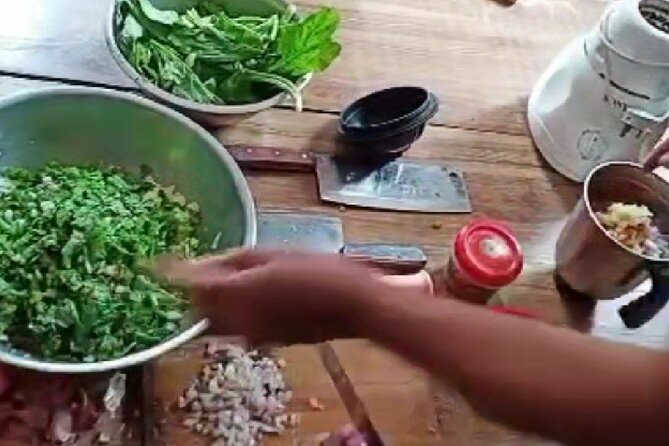
- Wear clothes you can get slightly messy in, especially for pakoda and momo prep.
- Bring an appetite mindset. You’ll be making and then eating the food, not just tasting tiny samples.
- If meat isn’t your thing, tell the team you want to focus on veg momo. The class includes veg momo, but your preference should be clear early.
- Don’t worry about speaking up. The teaching vibe described is patient and friendly, and group interaction is part of the day.
- Keep your travel schedule loose on both days. This is a focused class block (listed as 3 hours), and it’s best enjoyed without racing to your next plan.
Should you book this Women Empowerment Project experience in Kathmandu?
Book it if you want a change of pace from sightseeing that still feels deeply local. This is best for people who like learning by doing—cooking momos, then making jewelry—while supporting a women-led program connected to the Human welfare committee.
Skip it or reconsider if you’re only looking for a quick, low-effort activity. This takes your time for two days, and you’ll be actively shaping, cooking, and crafting. If you’re hoping for a passive “watch and leave” experience, this won’t match that.
Also consider your food preference before you go. The class includes both buffalo and veg momos, and the lunch is built around what you make.
If you enjoy warm group energy, patient teaching, and taking home real skills (and a jewelry piece), this one is an easy yes.
FAQ
Where is the meeting point for the experience?
You meet at Handicraft Paknajol, Kathmandu 44600, Nepal. The experience ends back at the meeting point.
How much does it cost?
The price is $50.00 per person.
How long is the experience?
It’s a 2-day experience (approx.). Each day is listed as 3 hours.
What do I learn to cook on day one?
You’ll start with masala chai, then cook pakoda snacks, and make buff momo and veg momo.
What do I do on day two?
Day two is a jewelry workshop where you craft your own jewelry with guidance.
Is this a private activity?
Yes. Only your group will participate.
Is it near public transportation?
Yes, it’s listed as near public transportation.
What are the operating hours?
The opening hours are Monday to Wednesday, 10:00 AM to 6:00 PM.
Do I get a mobile ticket?
Yes, the tour offers a mobile ticket.
What is the cancellation policy?
Free cancellation is available. You can cancel up to 24 hours in advance for a full refund.
Is the experience suitable for most travelers?
It’s listed that most travelers can participate. Confirmation is received at time of booking.