REVIEW · KATHMANDU
Kathmandu: Guided Delicious Food Tour with 12+ Tastings
Book on GetYourGuide →Operated by Race Alpine Treks and Tours Pvt Ltd · Bookable on GetYourGuide
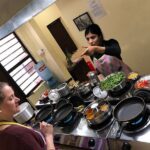
A street-food lineup that actually makes sense. This Kathmandu food tour packs 12+ tastings into about 2.5 hours, with a small group and a guide who explains what you’re eating as you go. I especially like the sheer variety, from momos with local pickles to Bhaktapur-style juju dahu, and I like how the tour uses several stops instead of dumping everything into one place.
The one drawback to keep in mind: the pace is fast. With 4–5 food stops and lots of bite-size samples, you’ll get a lot of flavors, but it’s not built for lingering at each counter.
In This Review
- Key things that make this tour a smart Kathmandu food pick
- Why this Kathmandu food tour feels efficient (and not chaotic)
- The guide makes the difference: English, patience, and real food talk
- The tasting menu: what you’ll actually be sampling
- How the 4–5 food stops work in real life
- Momo, pickles, and why you’ll want to pay attention
- Chatamari, bara, and the fried-snack reality check
- Drinks and dessert: lassi, fresh juice, tea, and barfi
- Price and value: how $5 can work when it includes transportation
- Who this tour suits best (and who should think twice)
- Practical tips so you get the most from your 2.5 hours
- Should you book this Kathmandu food tour?
- FAQ
- How long is the Kathmandu food tour?
- How many tastings will I get?
- What group size is it?
- Where do I meet the guide?
- What kinds of food are included?
- Are alcoholic drinks included?
- Is transportation included?
- Is the tour guide provided in English?
- FAQ (booking basics)
- What is the cancellation policy?
- Can I reserve without paying right away?
Key things that make this tour a smart Kathmandu food pick
- Maximum 6 guests means more time for questions and fewer awkward half-smiles
- 12+ tastings in 2.5 hours so you don’t have to plan a whole food crawl yourself
- English guide who explains dish history and significance, including momos and regional styles
- Local pickles, fresh juice, and lassi show up as part of the tasting plan, not as random add-ons
- A tight route of 4–5 high-rated stops, designed to keep you moving through Kathmandu food quickly
Why this Kathmandu food tour feels efficient (and not chaotic)
Kathmandu food is plentiful, but good food takes effort: figuring out where to go, what’s safe, what’s popular, and what to order. This tour solves the planning headache by pairing you with a guide and building a route around tastings. You also get transportation included, which matters more than it sounds when you’re hopping between areas and don’t want to burn time walking.
The tour is set up for real sampling, not just sightseeing. You’ll hit 4–5 stops in about 2.5 hours, and you’re tasting constantly—so the time passes fast in the best way. And since it’s a small group (up to 6), you’ll usually keep a comfortable rhythm with the guide, instead of getting swallowed by a crowd.
One more practical plus: you start and end at the same place. The meeting point is in front of Hotel Marshyangdi in Thamel, and the tour concludes back at the start. That makes it easier to fit into a full day in Kathmandu without worrying where you’ll land after you’re done eating.
You can also read our reviews of more food & drink experiences in Kathmandu
The guide makes the difference: English, patience, and real food talk
You’re not just paying for food. You’re paying for context, and the guide is a big part of why this tour works. It runs with a live English-speaking guide, and the experience is clearly designed around explanation as much as eating.
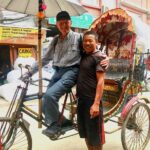
The name Bibek comes up strongly in guide feedback, with people praising his friendliness and how patiently he answered questions. That matters because Nepali food can be intimidating if you don’t know what you’re looking at. When you’re offered something like Gundruk sadeko (fermented greens, usually mixed and served with flavor) or bara (a fried lentil-based snack), it helps to understand what makes it distinct and why people order it.
You’ll also get into the meanings behind dishes. The tour is framed to include not only tastings, but also how certain foods connect to local culture—especially with examples like momos and regional styles such as Thakali. Even if you’re not a trivia person, that kind of explanation turns a random bite into a story you can remember.
The tasting menu: what you’ll actually be sampling
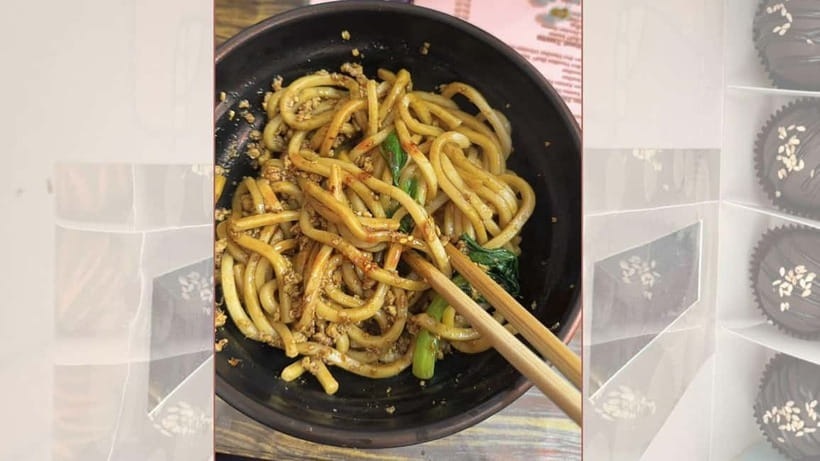
This tour is built around 12+ traditional Nepali tastings (with the experience aiming for over 15 tastings during the 2.5-hour run). That’s the key detail: you’re not ordering a full menu. You’re collecting bites.
Here are the specific foods and drinks included in the tasting plan:
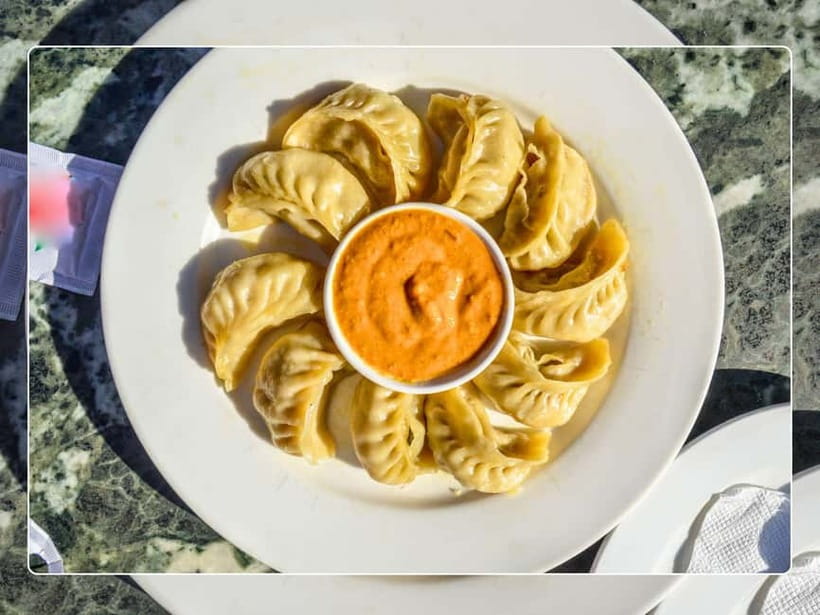
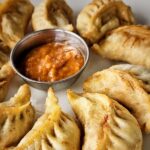
- Momo (Nepali-style dumplings), often paired with local pickles
- Nepali Khaja set, which is basically a snack-and-tasting style spread
- Traditional Bhaktapur juju dahu, a signature local treat
- Chatamari, a savory Newari-style dish (often described as a type of rice-flour base with toppings)
- Selroti, a traditional Nepali sweet fried ring snack
- Bara (lentil-based fried snack)
- Barfi (a classic sweet)
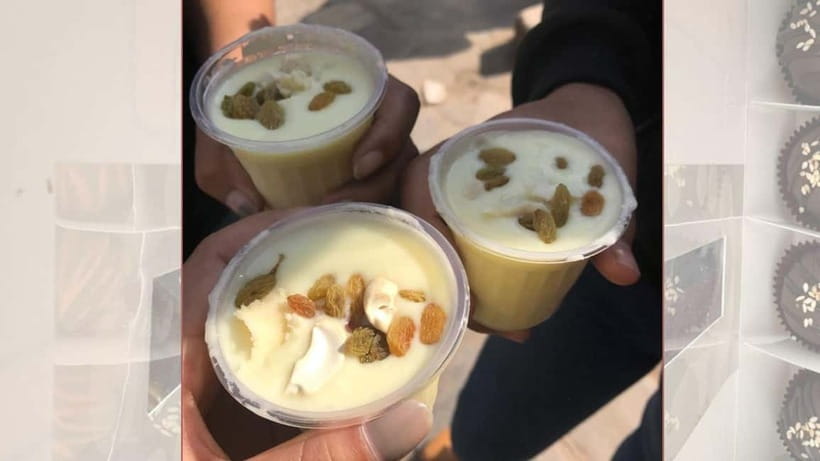
- Lassi (yogurt-based drink)
- Gundruk sadeko, featuring fermented greens
- Beans and beaten rice (included in tastings)
- Fresh juice and local drinks and tea
- Some tastings are described as including Nepalese pizza, which signals that the tour won’t be limited to one narrow food category
So what do those items add up to, beyond variety? You’ll taste across several parts of Nepali eating culture:
- Snack foods you’d buy on the street
- Regional specialties (including Bhaktapur and Thakali references)
- Drinks that change the whole flavor balance (lassi and juice)
- Sweet bites mixed in throughout, so you don’t finish with only desserts
If you like the idea of being able to say, I’ve tried the classics and I understand how they’re meant to taste, this list supports that goal.
How the 4–5 food stops work in real life
Even though Kathmandu is walkable in places, eating your way across it in a single self-guided afternoon gets messy fast. This tour keeps it manageable with 4–5 stops and built-in transportation.
Here’s the practical way to think about the stops: they’re arranged so you get repeated cycles of savory → drink → another savory → sweet, without long gaps. The tour starts with a local restaurant-style segment focused on street food and regional tastings for about 2 hours as part of the overall flow, then you move through additional food venues to finish off the full tasting spread.
A good way to anticipate what each stop feels like:
- First stop (orientation bites + drinks): You’ll likely start with items that set the tone—snacks like khaja-style selections and possibly early drinks such as lassi or tea—so you understand the flavor direction before you hit the heavier hitters.
- Middle stops (the signatures): This is where the dumplings and fried snacks show up—think momo with local pickles, along with bites such as bara and chatamari. This stage is where you’ll learn the difference between similar-looking snack foods and why people pair them with pickles or sauces.
- Later stops (regional variation and sweet finishers): You should expect the tour to bring in the standout cultural items like Bhaktapur juju dahu, and then round out the tasting with sweets such as barfi and traditional snacks like selroti.
Because the tour is tasting-based, you don’t get stuck ordering one heavy thing you don’t like. You sample, you compare, and you move on. That makes it a strong option if you’re curious but not sure what you’ll enjoy most.
Momo, pickles, and why you’ll want to pay attention
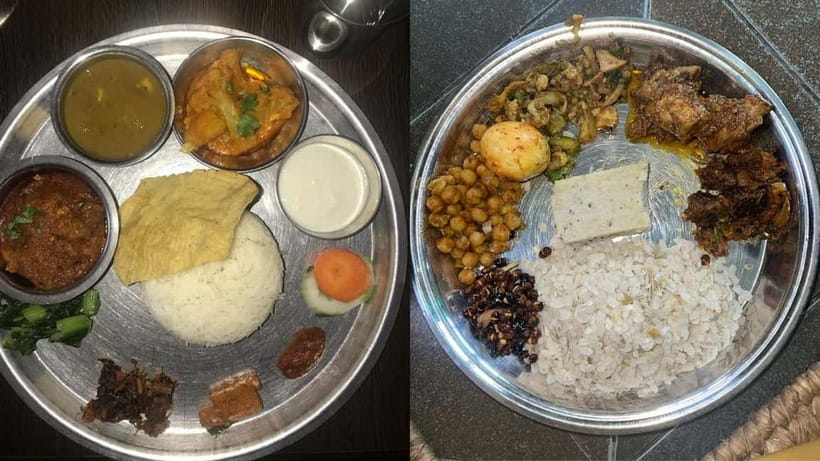
Momo is the obvious draw, but the tour’s framing matters: momos with local pickles aren’t treated as a random side. Pickles are a big flavor tool in Nepali eating, and this tour uses them to show you how the bite changes when you add acid, spice, and crunch.
The guide portion is also where you’ll get more out of it. Since you’re learning about the significance of dishes (including momos), the tasting becomes a mini lesson. You’ll likely leave with a clearer idea of what you’re tasting: the dumpling itself, the sauce style, and the role pickles play in balancing richness.
If you end up loving momo (common), you’ll also be more confident ordering later on your own. If you don’t love it, no problem. The tour’s value is the breadth—you’re not locked into one dish.
You can also read our reviews of more tours and experiences in Kathmandu
Chatamari, bara, and the fried-snack reality check
Fried snacks can either be boring or memorable, depending on how they’re seasoned and what they’re paired with. This tour gives you a chance to test that quickly.
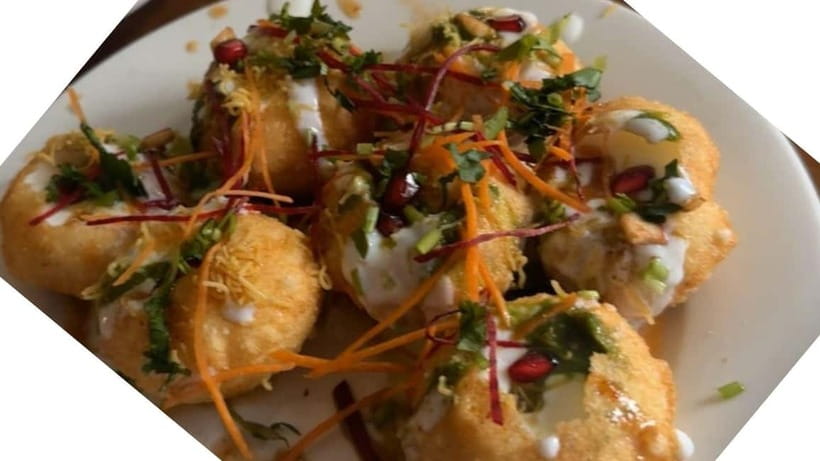
- Chatamari is a savory standout on the list. It’s not just another fried bite; it’s more of a constructed savory dish.
- Bara is a lentil-based snack, which helps you compare textures and flavors across the tour.
- Selroti brings sweetness and a traditional shape, so you get a break from savory pressure.
The reason I like this setup is simple: it helps you learn what Nepali snack food is like beyond one category. By the time you’ve tried chatamari, bara, and selroti, you’ll have a better sense of which styles you want to seek out later.
Drinks and dessert: lassi, fresh juice, tea, and barfi
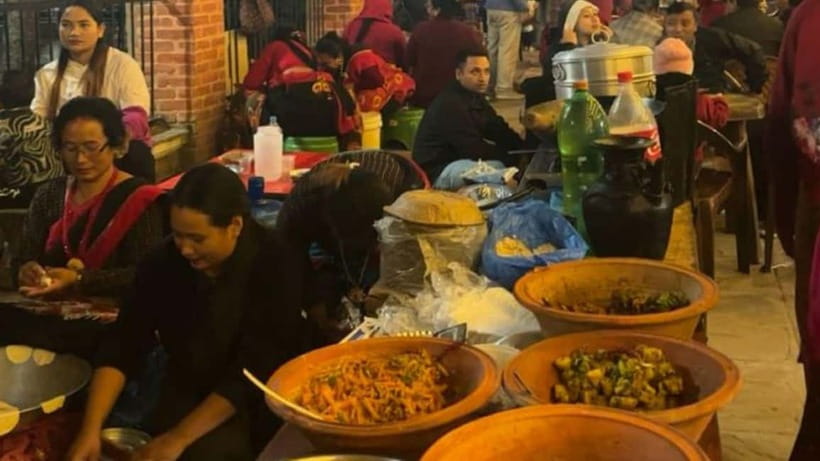
A lot of food tours skip drinks or treat them like an afterthought. Here, drinks are part of the tasting plan: fresh juice, local drinks, and tea show up, along with lassi.
That matters because beverages are a big part of how street food feels in your stomach. Lassi, for example, is often used to cool and smooth out richer flavors. If you’re eating several savory items in a row, a drink tasting can keep the whole experience enjoyable instead of heavy.
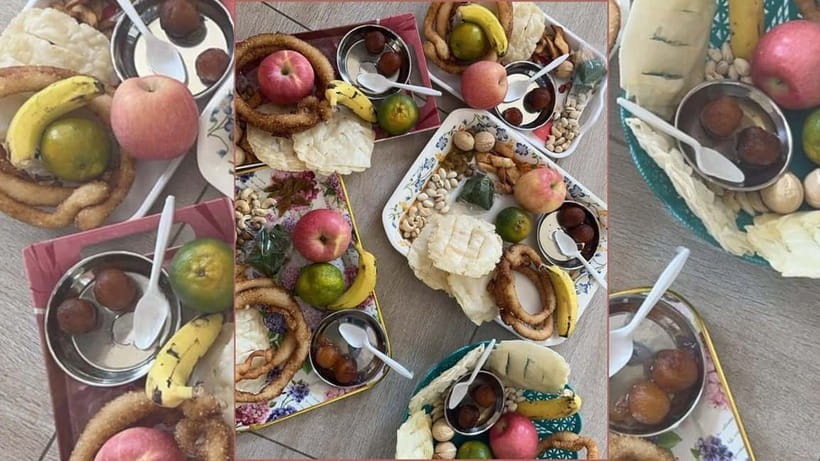
Then you’ve got sweets like barfi and traditional snack sweets like selroti. The tour doesn’t only end with dessert; sweets appear as part of the flow, which helps keep your palate moving instead of freezing at the finish line.
Price and value: how $5 can work when it includes transportation
At $5 per person for a 2.5-hour guided food tour with 12+ tastings and transportation included, you’re not paying museum prices for a snack crawl. The value comes from three things:
- You’re paying for organization, not just food—route planning, timing, and guide time.
- You get multiple tasting stops, which would be time-consuming and annoying to coordinate alone.
- You’re not handling logistics for every venue, because transportation is part of the experience.
The one cost detail to factor in: alcohol isn’t included. So if you drink heavily, you’ll need to budget separately. But if you want the food-focused version—bites, drinks, and explanations—the price-to-output ratio looks unusually strong.
Who this tour suits best (and who should think twice)
This tour is a great fit if:
- You’re in Kathmandu for a short time and want to get oriented through food fast
- You like trying lots of dishes rather than committing to one meal
- You want a guide who answers questions calmly, like Bibek is noted for
- You prefer a small group where you can actually talk
It may be less ideal if:
- You dislike fast pacing or don’t like moving between stops
- You need a very slow, sit-down dinner experience
- You’re extremely sensitive to certain ingredients and can’t easily confirm what’s in each dish (in that case, ask the guide what you need to know before you take a bite)
Practical tips so you get the most from your 2.5 hours
A few quick ideas help you enjoy the tour more:
- Come hungry, but not starving. Since you’re getting 12+ tastings, you want room for variety without forcing yourself to overeat.
- Ask questions early. The guide’s explanations are part of the product. If you’re curious about something—momos, pickles, fermented greens—ask when it’s in front of you.
- Use the WhatsApp communication method if offered to you. Pickup and communication are noted as smooth via WhatsApp, which can reduce confusion around meeting time.
- Plan for spice and sour flavors. Local pickles and regional specialties can lean bold. If you’re spice-averse, say so up front and let the guide steer you.
Should you book this Kathmandu food tour?
I’d book it if you want a high-variety Kathmandu food introduction in a small group with a guide who will actually talk through what you’re eating. The combination of 12+ tastings, 4–5 stops, and a reputation for friendly, patient guiding (especially with Bibek) makes it a smart way to spend an afternoon—especially in Thamel, where it’s easy to start and finish.
Skip it if you’re looking for a slow, sit-down meal or you’d rather spend time hunting for one specific dish on your own. But if your goal is to taste widely—momo, chatamari, bara, lassi, juju dahu, and more—this tour is built for exactly that.
FAQ
How long is the Kathmandu food tour?
It runs for about 2.5 hours.
How many tastings will I get?
You’ll have 12+ tastings, with the experience aiming for over 15 during the tour.
What group size is it?
It’s a small group tour with a maximum of 6 guests.
Where do I meet the guide?
You meet in front of Hotel Marshyangdi in Thamel.
What kinds of food are included?
Expect Nepali classics such as momo, Nepali Khaja set, Bhaktapur juju dahu, chatamari, selroti, lassi, bara, and sweets like barfi, along with items such as Gundruk sadeko, beans, and beaten rice.
Are alcoholic drinks included?
No. Alcoholic drinks are not included.
Is transportation included?
Yes, transportation is included.
Is the tour guide provided in English?
Yes, the live guide speaks English.
FAQ (booking basics)
What is the cancellation policy?
You can cancel up to 24 hours in advance for a full refund.
Can I reserve without paying right away?
Yes. It offers a reserve now & pay later option, so you can book and pay nothing today.