REVIEW · KATHMANDU
Explore The Beauty Of Langtang Valley In 8-Days Trek
Book on Viator →Operated by Bold Himalaya Treks and Travels Pvt Ltd · Bookable on Viator
Langtang Valley has a way of feeling close. This 8-day Langtang Valley trek pairs big Himalayan scenery with a schedule that gives you room to breathe, take photos, and slow down when your body asks for it. I like that the trip is built for different experience levels, from first-time walkers to people who want the optional extra push.
Two things I really appreciate: the trek is guided by a licensed English-speaking trekking guide, and meals plus teahouse accommodation are handled along the route. From past solo-experience feedback, Bold Himalaya’s team (including guides like Garap, and operator support from Sorbit) is also the type to stay hands-on when plans go sideways.
One possible drawback to consider: you still gain altitude on a mountain route, with the option to go up to 4,984m at Tserko Ri. If you’re newer to altitude hiking, take the “go at your own pace” advice seriously, because this is not a flat stroll.
In This Review
- Key moments that make this Langtang trek worth it
- Entering the Langtang route from Kathmandu (and why the drive matters)
- Day 1: Syabrubesi transfer and your first mountain check-in
- Day 2: Syabrubesi to Lama Hotel and the suspension-bridge moment
- Day 3: Lama Hotel to Langtang Village (3,430m) through forests and meadows
- Day 4: Langtang Village to Kyanjin Gompa (3,870m) for panoramic mountain payoffs
- Day 5: Kyanjin Gompa, the optional Tserko Ri hike (4,984m), and 360-degree views
- Day 6: Back to Lama Hotel and why retracing can be calming
- Day 7: Lama Hotel back to Syabrubesi through green forests and river sounds
- Day 8: Return to Kathmandu and the cultural finale
- Price and value: what $270 is really covering
- Guides and operator support: the human side that shows up
- Who should book this Langtang Valley 8-day trek?
- Should you book?
- FAQ
- What’s the duration of the Langtang Valley trek?
- Is pickup and drop-off included?
- What’s included in the trek days?
- Will I have an English guide?
- How high do you go on this itinerary?
- Can I cancel for a full refund?
Key moments that make this Langtang trek worth it
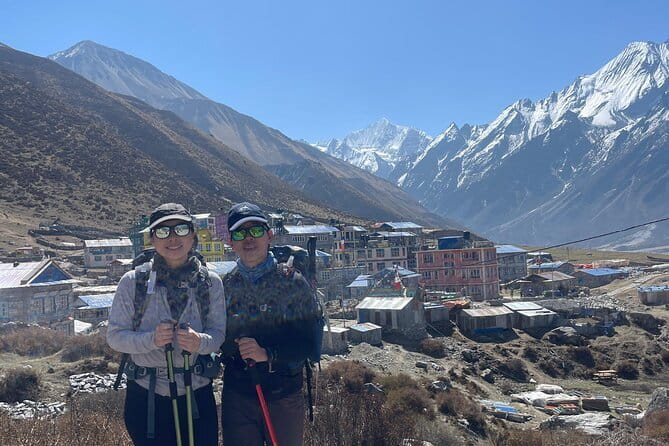
- A small-group guide setup: Licensed guide for up to 5 trekkers, with guide insurance and support included
- Real time on the trail, not just transfers: You’ll trek multiple full days, with sensible drive segments from Kathmandu
- Teahouse-based comfort with meals included: Accommodation plus lunch, dinner, and breakfast during the trek
- Signature view day: Kyanjin Gompa base, then an optional hike to Tserko Ri (4,984m) for wide-angle panoramas
- Culture built into the trip: One special cultural show plus a farewell dinner program
- Operator support that goes beyond the trek: Reviews highlight Sorbit’s help when logistics (like luggage) got messy
Entering the Langtang route from Kathmandu (and why the drive matters)
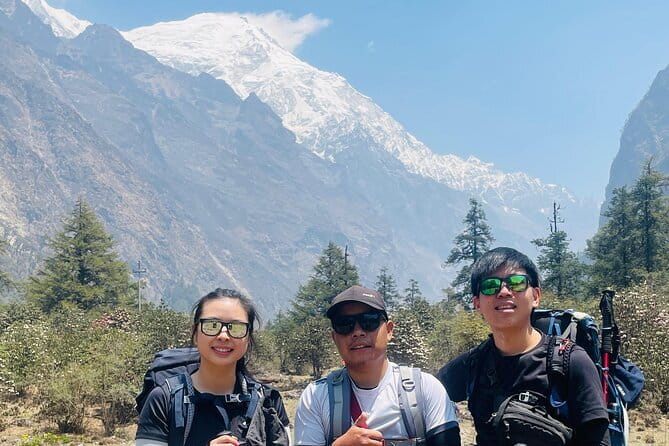
This trek starts in Kathmandu and quickly shifts you into mountain rhythm. You’ll meet Bold Himalaya’s team, then head out toward Syabrubesi by shared jeep (about 6 hours). The route is scenic in a very practical way: it gives your legs an early warm-up, and it’s your first taste of Nepal’s rivers, villages, and valley views before the walking starts.
Starting in Kathmandu also matters for logistics. You’re not left improvising transport or hunting down paperwork last minute. Pickup and drop-off are included, and you can even choose accommodation in Kathmandu in the 3-star to 5-star range for an extra cost if you want a more comfortable landing before you head into tea-house living.
If you’re arriving from elsewhere, do what the trip instructions suggest: sort out a local SIM card in Kathmandu so you can stay reachable. Also, you’ll be asked for a copy of your passport after booking so the provider can prepare documents. It’s not glamorous, but it saves you stress later.
You can also read our reviews of more hiking tours in Kathmandu
Day 1: Syabrubesi transfer and your first mountain check-in
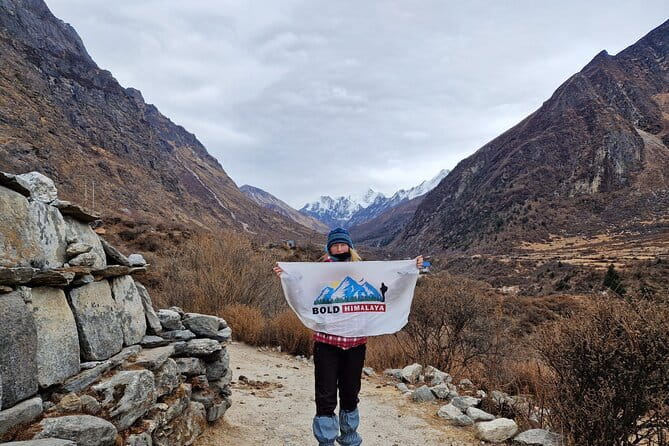
Day 1 centers on Syabrubesi, the staging town for Langtang Valley trekking. The shared jeep ride is long, but you’re paying for a transition period—getting out of Kathmandu traffic and into real countryside without navigating on your own. Expect mountain valleys, villages, river scenery, and waterfalls along the way.
When you arrive, your job is simple: hydrate, eat early, and get sleep. This is where beginners often accidentally sabotage themselves—staying up late, forgetting water, or overdoing it with big plans. The trek plan already gives you flexibility, but good sleep makes everything easier.
A small note on pace: the trip is designed to be flexible with additional breaks for photos and breakfast. That’s not just comfort. It helps with acclimatization behavior—getting your breathing under control before the altitude climb adds its own drama.
Day 2: Syabrubesi to Lama Hotel and the suspension-bridge moment
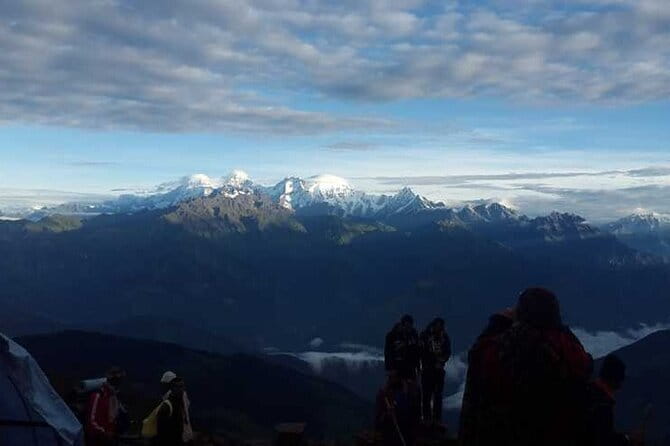
On Day 2 you’ll start trekking from Syabrubesi up to Lama Hotel (2,380m). The walking time is about 5.5 hours, and the route crosses suspension bridges over the Bhote Koshi and Langtang areas. Bridges sound like a small thing until you’re on one with a drop and a breeze. Then they become the day’s best “okay, I’m really here” moment.
Why this day is valuable: it’s long enough to feel like a trek, but it’s not a wild jump. It gives you time to settle into rhythm—step, breathe, stop, look around, repeat. And because lunch and dinner are included (plus breakfast), you can avoid the common trek mistake of burning energy hunting for food at the wrong time.
The altitude jump isn’t trivial, but the structure makes it manageable. If you tend to push when you’re excited, this is a day to practice restraint. You’ll thank yourself later on.
Day 3: Lama Hotel to Langtang Village (3,430m) through forests and meadows
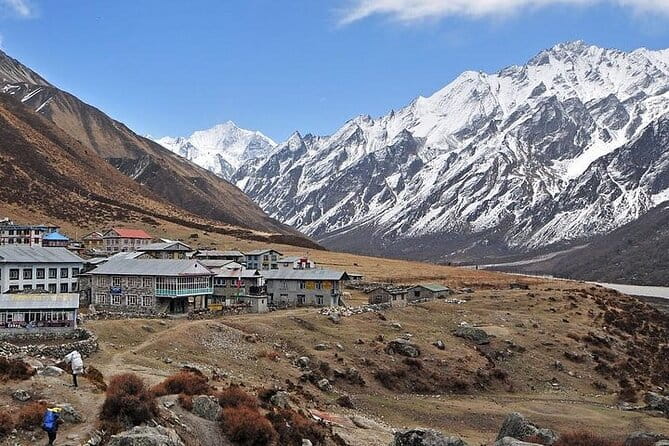
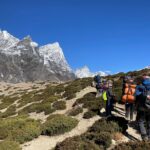
Day 3 is where Langtang Valley starts to feel like a place, not just a route. You’ll trek from Lama Hotel to Langtang Village (3,430m) in about 6 hours. The trail climbs through forests and meadows, so your scenery changes as you walk—shaded stretches when the air cools, open views when the sky opens up.
Langtang Village is also an emotional checkpoint for many hikers. It’s high enough to feel remote, but not so high that the trip turns into a pure altitude grind. You’re building toward Kyanjin Gompa while still having a real “village” in your day.
One practical advantage here: the tour includes accommodation “in the best teahouses along the trek route” (so you’re not playing guess-the-best-available on your own). You’ll also have breaks and refreshments during the trekking days, which matters more than people think—especially when weather shifts.
Day 4: Langtang Village to Kyanjin Gompa (3,870m) for panoramic mountain payoffs
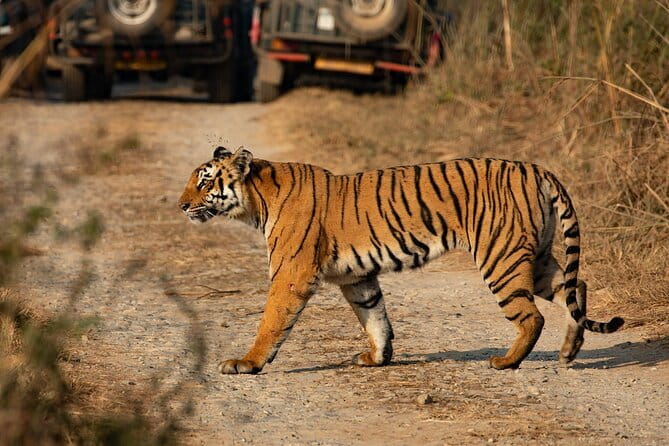
Day 4 moves you to Kyanjin Gompa (3,870m) in about 4.5 hours. This is a shorter day on paper, but don’t assume it’s “easy.” High-altitude walking can feel slower even when the hours look reasonable. The best part is that the walk includes breathtaking mountain views, and the final approach delivers the kind of panoramas people remember long after the itinerary ends.
Kyanjin Gompa is a base with energy. You get that sense of being near the heart of the trek—close enough to feel the mountains are watching, far enough that the trip still feels like it belongs to you.
A smart move on this day: treat it as both a trek and a reset. Arrive, eat, then take an extra hour to just look around. It’s the easiest way to start understanding why this valley is so compelling.
Day 5: Kyanjin Gompa, the optional Tserko Ri hike (4,984m), and 360-degree views
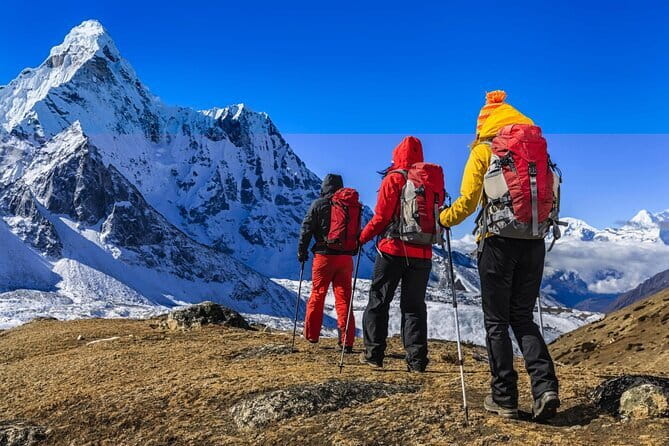
Day 5 is your view day. You’ll explore Kyanjin Gompa and wake up to serious Himalayan scenery. Then there’s an optional hike to Tserko Ri (4,984m), which the plan describes as offering a 360-degree view.
This is where your fitness and comfort level matter. The optional hike is not built for people who want to avoid altitude; it’s for those who want the extra reward. If you’re new to trekking at altitude, you might choose to stay at Kyanjin Gompa and enjoy the base views without pushing higher.
Either choice still works with the trip’s flexible approach. You’ll keep moving with the group plan, but you won’t be forced into a one-size-fits-all summit push.
If you go for Tserko Ri, think of it as a slow, methodical climb, not a race. The payoff is the horizon stretching in every direction—exactly the kind of moment that makes people forget how many steps it took.
Day 6: Back to Lama Hotel and why retracing can be calming
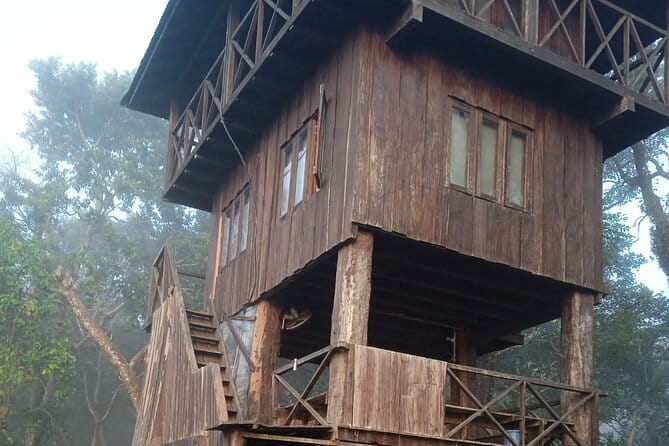
On Day 6 you trek back to Lama Hotel (2,380m), about 6 hours, retracing your steps through the valley. Retracing can feel repetitive on some treks. Here, it often feels calmer because you already know what the route looks like, and you can focus on quality of movement rather than constant orientation.
Also, going downhill in altitude hiking is not always a “break.” It can stress knees and calves. The included tea-house breaks and meal plan help you stay steady without scrambling for snacks.
This day is a good time to slow down your pace on the descents. Shorter steps are your friend. If you’re the kind of walker who strides when tired, this is where form can save your body.
Day 7: Lama Hotel back to Syabrubesi through green forests and river sounds
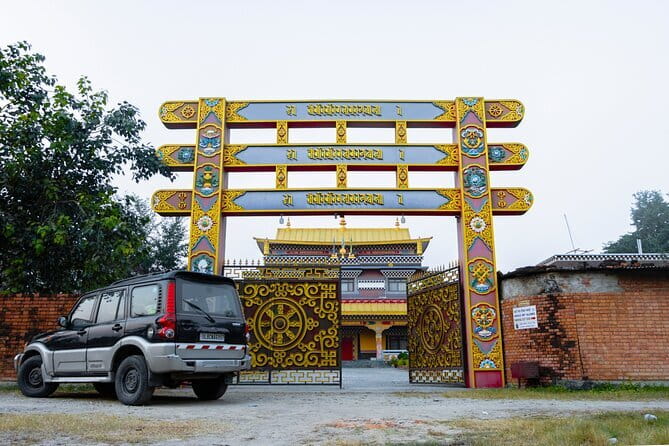
Day 7 brings you back to Syabrubesi, about 5 hours of trekking. The route is described as lush green forests and rolling hills, with the soothing sounds of rivers along the way.
This is the day that often feels easiest emotionally: you’ve done the hardest part of the climb and you’re moving toward the end. The danger is getting too excited and speeding up. Don’t. Use the last trek day to keep your pace controlled so you arrive feeling okay, not wrecked.
It’s also a day where the trip’s structure helps. You already have lunch/dinner/breakfast built into the schedule. You’re not playing food logistics roulette at the wrong moment.
Day 8: Return to Kathmandu and the cultural finale
Day 8 is a drive back to Kathmandu (about 6 hours). You’ll look at mountains and towns from the road and then land back in city reality.
This is also where the cultural program steps in. The trek includes one special cultural show and a farewell dinner program. Even if you focus on hiking day-to-day, these moments give you something Kathmandu travelers often want: context. You get to experience a slice of local culture as part of the overall package, not as an afterthought.
If you’re the type who likes to end strong, plan a bit of rest in Kathmandu after you arrive. You’ll likely want a shower, laundry, and an early dinner. Your legs will probably have opinions.
Price and value: what $270 is really covering
At $270 per person for an 8-day trek, the key value isn’t just the “days.” It’s what’s bundled and what isn’t.
What you get (big value items):
- Accommodation in teahouses along the route
- Meals: breakfast (7), lunch (8), dinner (7)
- A guide (English) with salary, accommodation, meals, and insurance
- Pickup and drop-off in Kathmandu
- A cultural show and farewell dinner program
What costs extra:
- Bar bills and personal expenses
In trek pricing, this is the part that matters: you’re not paying separately for guide support and core meals. That makes budgeting simpler and reduces friction. It also means your guide isn’t unpaid babysitting; the plan explicitly supports their work with lodging and insurance.
One more value angle: group discounts are mentioned, and the tour is private for your group. That usually means less chaos than open-bus trekking plans, and more chance for the guide to keep things smooth.
Guides and operator support: the human side that shows up
The best feature here might be the people behind the scenes. In reviews, Sorbit is described as offering a warm welcome and making guests feel at home right away. There’s also an example of problem-solving when luggage didn’t arrive in Kathmandu—Sorbit took time to meet the traveler and even escorted them around Thamel to handle it.
That kind of support matters because treks rarely run on a perfect script. Flights delay, luggage misbehaves, weather shifts. A provider that shows up for the practical stuff helps you stay calm.
On the hiking side, solo high-altitude experience feedback highlights guide Garap as outstanding and supportive. That doesn’t erase the reality of altitude, but it does mean you’ll have guidance that focuses on keeping you moving safely and comfortably.
Who should book this Langtang Valley 8-day trek?
This works well if you want:
- A guided Langtang Valley trek without handling routing and meal logistics
- Teahouses as your lodging style, with included meals
- A flexible pace, especially if you’re new or returning to trekking
- A chance to do the optional Tserko Ri hike if you feel strong
You may want a different option if you’re chasing a very intense, fast climbing itinerary. This trip’s strength is that it manages the human side of trekking—breaks, pacing, and comfort—without skipping the real mountain experience.
Should you book?
Book it if you want a classic Langtang Valley trekking experience with good support, included meals, and a schedule that won’t bully you into going faster than you can handle. The optional Tserko Ri hike is a bonus if you’re feeling adventurous, but the core trek still gives you standout days at Langtang Village and especially Kyanjin Gompa.
Think twice if you’re highly altitude-sensitive and unsure about going above 3,800m areas. The plan advises beginners to walk at their own pace for better acclimatization, so the structure can help—but your body still sets the limits.
If you’re ready for mountain walking, this is a straightforward way to do it—without turning your trip into a spreadsheet.
FAQ
What’s the duration of the Langtang Valley trek?
The itinerary is set for 8 days (approx.), including drives between Kathmandu and Syabrubesi and trekking days between the main stops.
Is pickup and drop-off included?
Yes. Pickup and drop-off in Kathmandu are included as part of the tour.
What’s included in the trek days?
You’ll get accommodation in teahouses, plus breakfast, lunch, and dinner during the trek. The guide is also included (salary, meals, lodging, and insurance).
Will I have an English guide?
Yes. The tour includes an in-person English guide.
How high do you go on this itinerary?
You reach Kyanjin Gompa at 3,870m, and there’s an optional hike to Tserko Ri at 4,984m.
Can I cancel for a full refund?
Yes. Free cancellation is available up to 24 hours in advance of the experience start time for a full refund.