REVIEW · KATHMANDU
Kathmandu: 15-Day Everest Base Camp Trek with Guide
Book on GetYourGuide →Operated by Outshine Adventure Pvt Ltd · Bookable on GetYourGuide
Ready for the Everest views. This 15-day trek from Kathmandu mixes Sherpa culture with real mountain trekking and smooth on-the-ground support, including a private Kathmandu introduction with your guide. I especially like how the plan builds in acclimatization and how the company lines up a licensed English-speaking Sherpa guide who can steer you through trail days and tricky moments. One consideration: flights into Lukla can be weather-dependent, so there’s a chance your final plan changes if conditions don’t cooperate.
Day one and two set the tone in Kathmandu, then the trek steadily climbs toward Everest’s high country. The biggest drawback to keep in mind is that this trip’s cost typically assumes you handle some essentials yourself on the trail, like daily trek meals and the flight from Kathmandu to Lukla.
In This Review
- Key takeaways before you commit
- Kathmandu’s warm-up: Durbar Square to Pashupatinath
- The first jump: Kathmandu to Lukla and into Sagarmatha National Park
- Namche Bazar: your acclimatization anchor
- Tengboche and the monastery ridge: spiritual stop with real views
- Dingboche corridor: villages, glacier footpaths, and glacier-scale perspective
- Lobuche to Gorakshep: getting closer to Everest’s doorstep
- Kalapathar sunrise: the payoff hike and the last push
- Back to Lukla and the return to Kathmandu
- Price and logistics: what $675 really covers
- The real safety net: guides, responsiveness, and adaptation
- What to pack, in plain terms
- Who this trek suits best
- Should you book it?
- FAQ
- How long is the Kathmandu 15-day Everest Base Camp trek?
- Where does the trip start?
- Is a guide included, and what language do they speak?
- What is included in Kathmandu before the trek starts?
- Are park permits included?
- Is airfare included for the flights to Lukla?
- Are meals during the trek included?
- Are porters included?
- What should I bring for the trek?
- Is the trek suitable for wheelchair users?
Key takeaways before you commit
- Kathmandu gets real context: Durbar Square, Swayambhunath, Boudhanath, and Pashupatinath with a guide in a private car.
- Licensed English Sherpa guidance: named guides in recent trips include Kale Prakash, Kali, Kumar, Santos, Gokul’s coordination, and Dillisher Katuwal.
- Acclimatization that actually has breathing room: rest day in Namche plus a hike to Everest view point Hotel Syangboche.
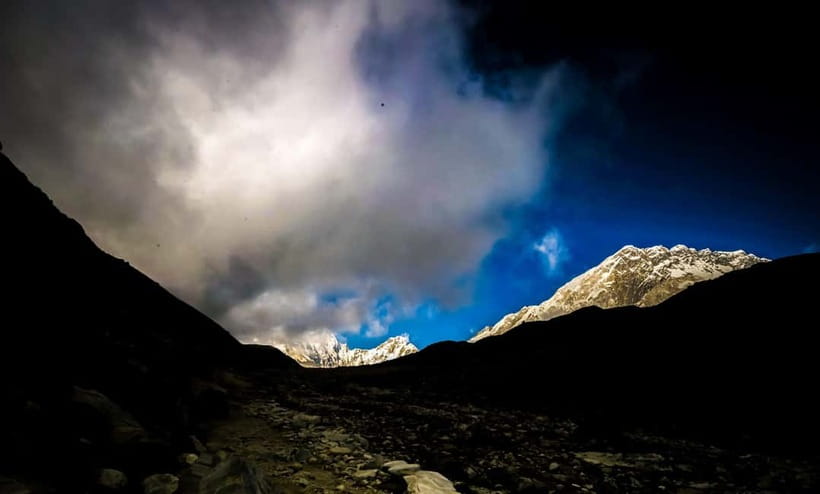
- Route focuses on the heart of the Everest corridor: Tengboche monastery, Dingboche villages, and the classic high points toward Gorakshep and Kalapathar.
- Weather can affect Lukla: if flights fail, the plan may switch to an alternate trek rather than forcing a bad situation.
- You’ll likely budget for food on trek days: trek breakfasts/lunches/dinners aren’t listed as included.
Kathmandu’s warm-up: Durbar Square to Pashupatinath
The best Everest treks start long before the first climbing step. Here, day one is all about landing and getting organized. After you arrive, you get a private transfer to your Kathmandu hotel, then your guide goes through the trek with you so you know what’s coming and what to prepare for.
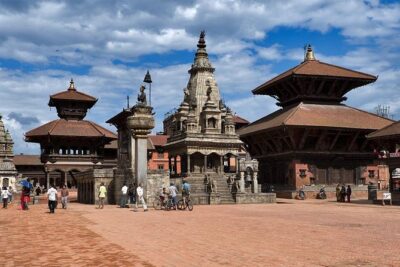
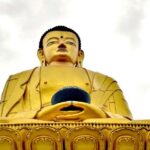
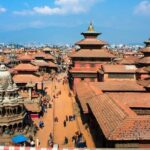
Day two is a private sightseeing day, not a quick photo sprint. You visit Kathmandu Durbar Square, Swayambhunath, Boudhanath, and Pashupatinath (the cremation temple). That mix matters. It gives you a sense of Nepal’s spiritual life and public spaces before you enter the quieter, high-altitude Sherpa world. I like that it’s done with an expert guide in a private car, so questions don’t get squeezed between traffic and time limits.
You’ll also get practical help before you’re deep in the mountains. In past trips, guides were praised for helping participants sort out trekking gear needs early, which is the right move. If you’re short on layers or have the wrong kind of shoes, getting it sorted in Kathmandu is far easier than trying to fix it once you’re already on the way up.
You can also read our reviews of more guided tours in Kathmandu
The first jump: Kathmandu to Lukla and into Sagarmatha National Park
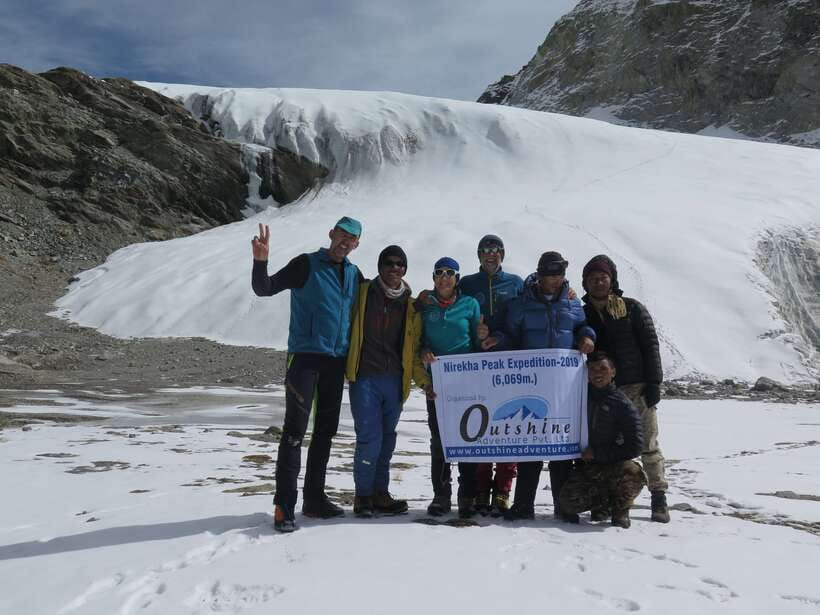
Day three is your flight from Kathmandu to Lukla, followed by an easy trek to Phakding’s upper region for the night. This is where you start feeling the rhythm: smaller trails, more breathing, and the shift from city sounds to wind and walking sounds.
After those early kilometers, you’re in the Sagarmatha National Park zone. The route is set up so you pass Buddhist monasteries and meet friendly Sherpa people along the way. This matters more than it sounds. When your trekking days get tough, cultural familiarity becomes a kind of mental support. You’re not just moving through scenery; you’re moving through a living community that knows these routes by heart.
One thing to plan for: the Lukla flight is a bottleneck. In mountain regions, that short hop can decide how smooth the trek feels. If weather delays hits, your team has to react fast, and you’ll feel that stress unless you accept it as part of the reality of trekking in this region.
Namche Bazar: your acclimatization anchor
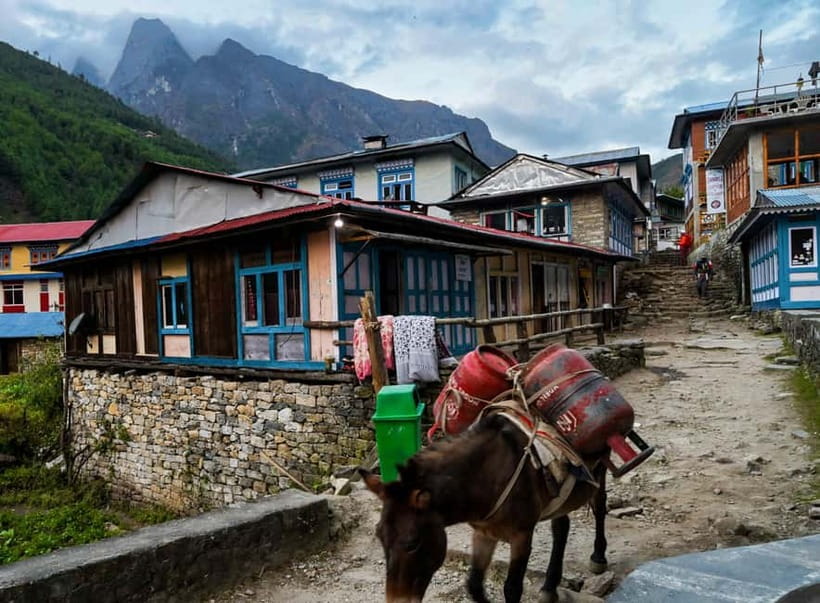
Day four takes you to Namche Bazar, one of the key resting spots for both trekkers and local Sherpas. The route follows the Dudh Koshi valley and then climbs into that higher basin of shops, guesthouses, and viewpoints. You get panoramas of the Everest region, plus rhododendron forests—nice variety after the initial trail.
Then comes the smart move: a rest day in Namche. Day five is built for acclimatization. You hike up to the Everest view point Hotel Syangboche at 3,850 meters, then come back down to sleep. That hike-and-return pattern is one of the most useful ways to help your body adjust. It also gives you a day where the goal is not “push farther,” but “arrive healthier.”
If you’re tempted to power through rest days, don’t. This is where guides earn their keep. On past trips, the support team was singled out for caring for participants even when someone got sick, which tells you they’re paying attention to how people feel, not just where they end the day.
Tengboche and the monastery ridge: spiritual stop with real views
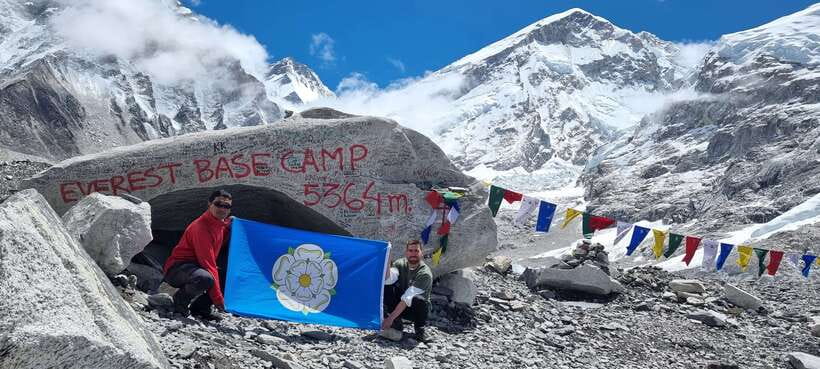
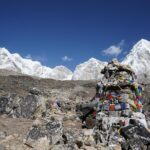
Day six moves from Namche toward Tengboche. The climb is described as high altitude with chilly weather, and you’re headed for Thyangboche Monastery at 3,867 meters, sitting on top of a ridge. This isn’t just a scenic detour. Monasteries in this area often mark a rhythm of community life, prayer, and rest points for travelers and locals alike.
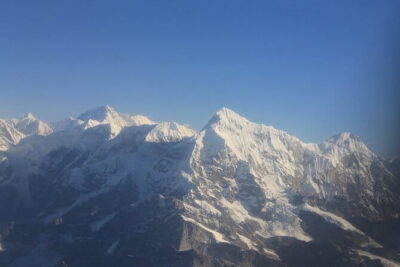
You’ll get delightful views of Sagarmatha from this ridgeline area. The drawback is also obvious: cold, wind, and sometimes limited visibility when weather turns. Bring the right layers even when forecasts look fine in Kathmandu. On cold days, warmth is the difference between enjoying the stop and just standing there trying to survive it.
Dingboche corridor: villages, glacier footpaths, and glacier-scale perspective
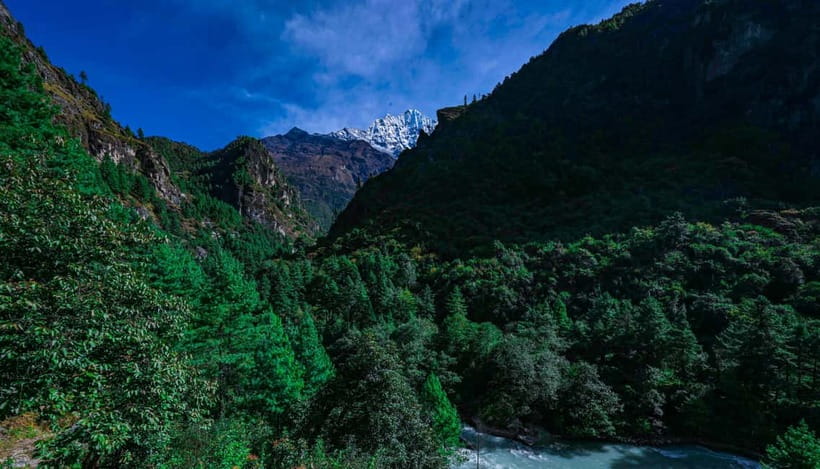
Day seven takes you toward Dingboche. The trek passes through villages including Imja Khola, Pangboche, and Pheriche before reaching the Khumbu glacier area. That sequence matters because each village gives you a slightly different feel for how daily life changes with altitude.
As you walk through Sherpa hometowns, you get insight into local ways of life and culture. This is where the trek becomes more than a checklist of altitude markers. When you slow down just a little, you’ll notice how community infrastructure supports mountain travel: guesthouses, trade goods, and the social network that makes survival possible at high elevations.
Day eight is a day trip to Chhukung Valley and then back to Dingboche for the night. The plan treats it as one of the best hikes, which usually means good payoff for the time and effort you put in. The tradeoff is typical: a longer, more demanding day followed by another night at altitude. If you’re someone who needs recovery time, pace your effort early.
You can also read our reviews of more hiking tours in Kathmandu
Lobuche to Gorakshep: getting closer to Everest’s doorstep
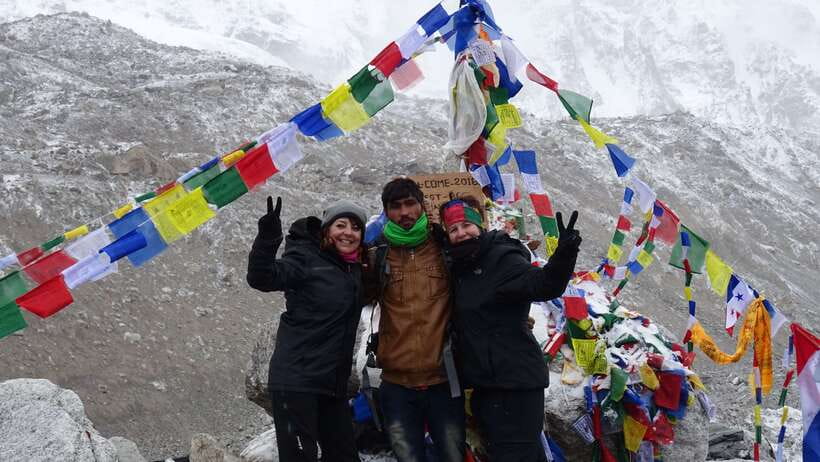
Day nine moves you to Lobuche. You rest for some time and admire the design of nature. That phrasing fits the stage you’re in now. The terrain starts looking more sculpted, more extreme, and more “high Everest” than “hike through valleys.”
Day ten is the step toward Gorakshep, a small settlement on the shores of a frozen lake. This is your departure point toward Everest Base Camp. Even without reaching Base Camp yet, the area signals that you’re in the final phase of the trek. You’ll feel it in the trail, the cold, and the way people start moving with purpose.
One practical note: at this stage, you need to think about energy management. Sleep, hydration, and warmth matter as much as walking speed. When morning visibility is clear, the views are a gift. When it isn’t, you’ll want to have enough physical comfort to still enjoy the day.
Kalapathar sunrise: the payoff hike and the last push
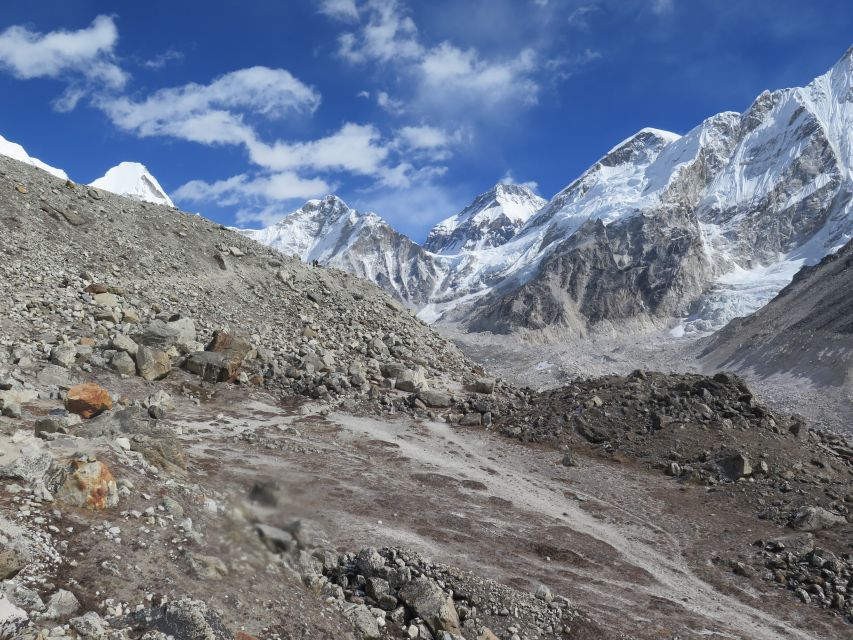
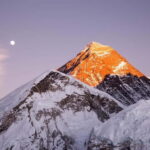
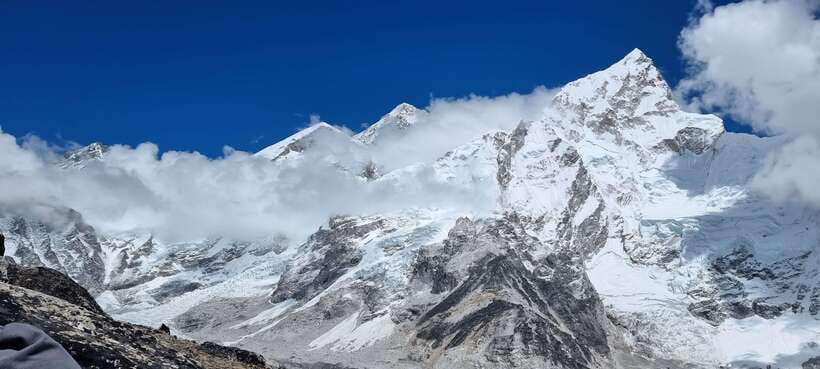
Day eleven is an early morning hike to Kalapathar, followed by heading back toward Pheriche. Early starts are non-negotiable in this region, mostly because light and sky conditions can change quickly. Kalapathar is where many treks feel like they finally become “worth the grind.” Even in past trips with several cloudy and rainy days, a clear morning at Gorakshep made the experience feel complete for at least part of the time.
The route then returns you to Pheriche, which functions as a convenient stop for regrouping and cooling down after the sunrise push.
Day twelve is the descent back to Namche Bazaar, with another stop for acclimatization. Descent is often easier, but it can be hard on your legs. Your knees and feet will notice it, so trekking poles (if you have them) and sensible step length help more than you might expect.
Back to Lukla and the return to Kathmandu
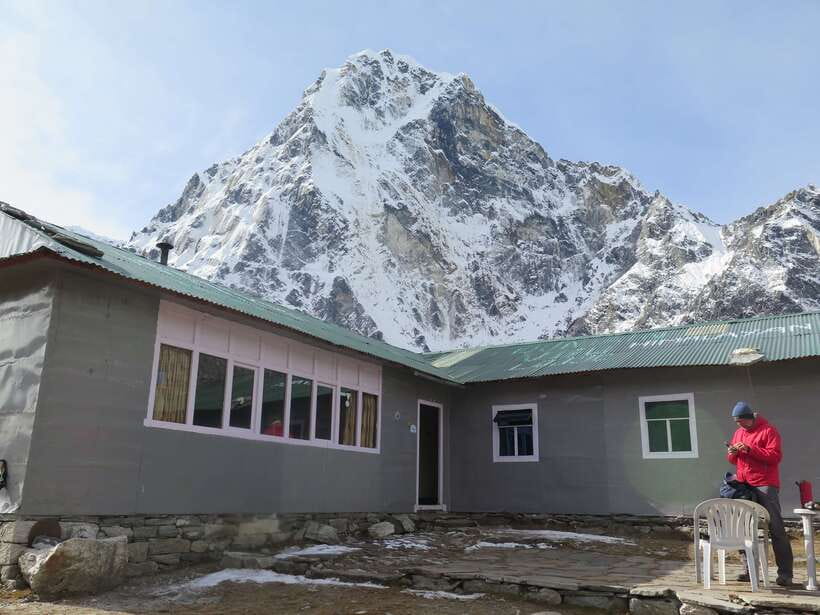
Day thirteen brings you back to Lukla. It’s described as a long walk with the pleasure of completing your journey. That combination is exactly right. After weeks of planning, the last days feel both exhausting and strangely satisfying.
Day fourteen is your flight back to Kathmandu, then rest in a hotel to recover. Day fifteen is a transfer to the international airport for your departure.
This recovery day in Kathmandu is worth treating seriously. You’re not just tired; you’ve changed altitude, sleep schedule, and activity level for two weeks. A real night of rest and a shower that lasts longer than you expect can reset you quickly.
Price and logistics: what $675 really covers
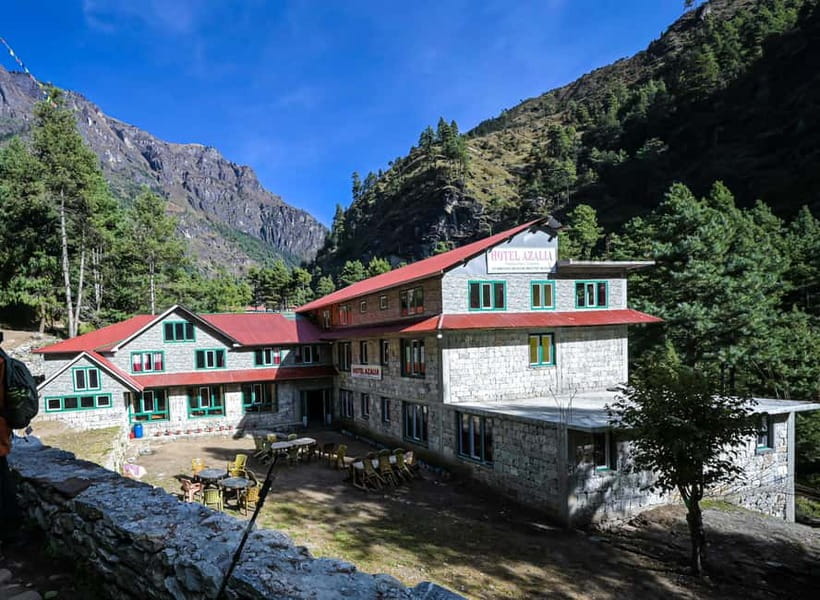
At $675 per person for 15 days, the main value is in the structure. You’re paying for more than walking. Included items cover private airport/hotel transfers in Kathmandu, three nights standard accommodation in Kathmandu, a guided Kathmandu city tour in a private car, guesthouse accommodation during the trek, and an expert licensed English-speaking Sherpa guide.
The big operational costs that often get missed in casual comparisons are also included: Everest National Park permits and TIMS trekking permits. Permits aren’t glamorous, but they’re the kind of thing that keeps your trek legal and smooth.
They also include down-filled jacket and sleeping bag if needed. That’s useful if you’re traveling light or if you don’t trust the gear you own.
What’s not included matters just as much. Airfare between Ramechhap (for Lukla connections) isn’t included, and daily breakfasts/lunches/dinners during the trek aren’t included either. Porters to carry your luggage aren’t included, though porters are listed as optional add-on services (shared with two people).
So here’s how I’d judge value: this price is strong if you want an organized, guided trek with permits handled and the main support system ready. It becomes less of a bargain if you’re the type who needs lots of extras on the trek days (porters, premium gear, or buying many meals outside a simple budget). Build your full trek budget with those line items.
The real safety net: guides, responsiveness, and adaptation
A trekking plan is only as good as the people handling day-to-day problems. In the feedback, the guiding team came up repeatedly for professionalism and care.
One guide, Kale Prakash, was highlighted for taking good care of someone who got sick. Another comment praised a guide named Kali for professional handling, with coordination attributed to Gokul. Other guides named include Kumar and Santos, and Dillisher Katuwal was described as world class for safety and mountain experience.
You should also take note of the Lukla-weather reality. In one case, Everest Base Camp wasn’t completed because weather prevented Lukla flights after two attempts. The plan changed to a different trek option (Annapurna Circuit), and the team worked quickly to rearrange the schedule. That kind of adaptation is exactly what you want on a route where flight windows are outside your control.
What to pack, in plain terms
The essentials listed are simple: comfortable shoes and sunglasses. That’s a good start, but in high-altitude trekking you’ll feel cold quickly, so trust the reason down jackets and sleeping bags are listed as provided if needed.
I’d also bring a layering mindset. Even if the day begins okay, you can get chilly later. And for early morning hikes (like Kalapathar), cold can cut straight through.
Who this trek suits best
This is a good fit if you:
- Want a small-group trekking feel with intimate pacing.
- Like cultural stops as part of the adventure, not as an afterthought.
- Prefer a guided experience with permits and logistics handled.
- Can handle long walking days and altitude adjustment.
It’s not suitable for wheelchair users, based on the provided information.
Should you book it?
If your priorities are a well-run Everest Base Camp route with a licensed Sherpa guide, strong Kathmandu context, and acclimatization built into the schedule, this is an easy recommendation. The price looks reasonable for what’s included, especially permits, guided support, and accommodations.
I’d book with eyes open on two points. First, budget for trek meals and the flights to/from Lukla. Second, accept that Lukla weather can disrupt plans, sometimes requiring a route change. If you’re flexible and prepared for that reality, you’ll have a trek that’s organized enough to feel safe and alive enough to stay memorable.
If those uncertainties would stress you out more than you can handle, then you might look for an option that offers more certainty around flight routing. But if you can roll with mountain weather and trust experienced guides, this trek is built for the kind of Everest journey people remember.
FAQ
How long is the Kathmandu 15-day Everest Base Camp trek?
The duration is 15 days.
Where does the trip start?
The trip includes pickup from Kathmandu International Airport.
Is a guide included, and what language do they speak?
Yes. You’ll have an English live tour guide, including an expert licensed holder English speaking Sherpa guide.
What is included in Kathmandu before the trek starts?
You get airport/hotel pick-up and drop-off in a private car, plus 3 nights of standard hotel accommodation and a guided Kathmandu city tour in a private car.
Are park permits included?
Yes. Everest National Park permits and TIMS (trekking permits) are included.
Is airfare included for the flights to Lukla?
No. Airfare from Kathmandu (listed as Ramechhap) to Lukla and back is not included, though optional flight reservation can be requested.
Are meals during the trek included?
No. Breakfast, lunch, and dinner during the trek are listed as not included.
Are porters included?
Porters are not included, but porter service is available as an optional add-on (shared with two people).
What should I bring for the trek?
You should bring comfortable shoes and sunglasses.
Is the trek suitable for wheelchair users?
No, it is not suitable for wheelchair users.